

Prostatectomy, a common surgery for prostate cancer, often leads to erectile dysfunction in men. This complication can be distressing, affecting not just the physical but also the emotional well-being of patients.How to treat ED after prostate surgery (prostatectomy). A guide to penile rehabilitation, medication, and other effective treatments.
We understand that erectile dysfunction after prostate surgery is a significant concern. Nearly all men experience some form of erectile dysfunction immediately following the surgery. It’s important to know that this condition is treatable and manageable.
At Liv Hospital, we combine cutting-edge medical expertise with compassionate care to address post-prostatectomy erectile dysfunction. Our approach includes various treatment options for erectile dysfunction after prostatectomy. We aim to help men regain their sexual health and confidence.
Key Takeaways
- Erectile dysfunction is a common complication after prostate surgery.
- Treatment options are available to manage erectile dysfunction.
- A complete approach is key for addressing sexual health post-surgery.
- Compassionate care and advanced expertise can greatly improve recovery.
- Regaining sexual health and confidence is achievable with the right treatment.
Understanding ED After Prostate Surgery

It’s important to know how prostate surgery affects erections. Many men face erectile dysfunction (ED) after surgery. Understanding this issue and its causes is key.
Prevalence and Normality of Post-Prostatectomy ED
How common ED is after prostate surgery varies. It depends on the surgery type, if nerves were spared, and the patient’s age and health. Research shows a wide range of ED rates, highlighting the need for tailored care.
Surgical Technique | Nerve-Sparing Approach | Prevalence of ED |
Open Radical Prostatectomy | Yes | 30-50% |
Robotic-Assisted Prostatectomy | Yes | 20-40% |
Non-Nerve-Sparing | No | 80-90% |
The table shows ED rates differ based on surgery type and nerve sparing. Talking to your doctor about these details is vital to understand your risk.
The Physiological Basis of Erectile Function
Erectile function relies on the cavernous nerves near the prostate. These nerves are key for getting and keeping an erection. Damage to these nerves during surgery often leads to ED.
“The preservation of erectile function after prostate surgery depends on the integrity of the cavernous nerves and the overall health of the patient.” – Medical Expert, Urologist
Knowing how prostate surgery affects these nerves helps patients and doctors tackle ED. It’s about understanding the science behind erections and surgery’s impact.
Why Prostate Surgery Causes Erectile Dysfunction
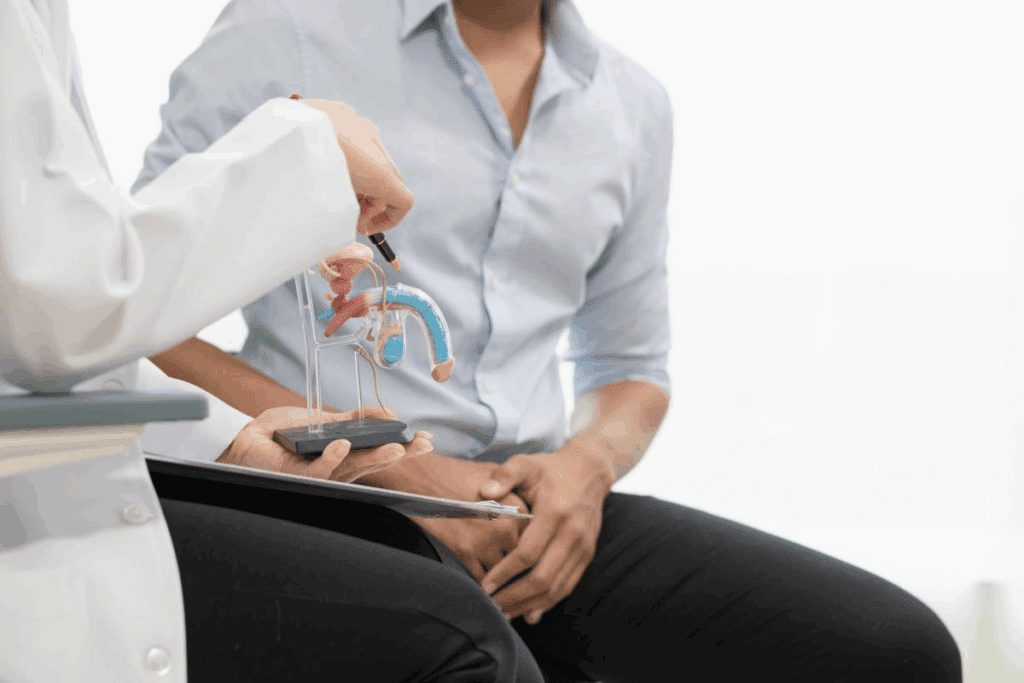
Prostate surgery often leads to erectile dysfunction. This is because the surgery affects nerves and blood vessels needed for erections. The prostate gland is close to these important areas, making surgery tricky.
Cavernous Nerve Damage During Surgery
The cavernous nerves are key for erections. Damage to these nerves during surgery is a main reason for erectile problems after surgery. The amount of damage depends on the surgery method and the surgeon’s skill.
Nerve-sparing techniques help reduce this damage. They improve the chance of keeping or getting back erectile function.
Impact of Different Surgical Techniques
Various surgery methods affect erections differently. For example, Robotic-Assisted Radical Prostatectomy (RARP) is better at keeping erectile function. It’s more precise and can handle tissues around the prostate gently.
Nerve-Sparing vs. Non-Nerve-Sparing Procedures
It’s important to know the difference between nerve-sparing and non-nerve-sparing surgeries. Nerve-sparing surgeries aim to keep the cavernous nerves intact. This helps in keeping or getting back erectile function.
Even with nerve-sparing, recovering erectile function takes time. Patients who have this surgery tend to do better than those who don’t.
In summary, erectile dysfunction after prostate surgery depends on the surgery method and nerve damage. Knowing this helps patients and doctors choose the best surgery.
Recovery Timeline Expectations
Knowing how long it takes to recover from erectile dysfunction after prostate surgery is key. Recovery times differ for everyone. This depends on age, how well you could get an erection before surgery, and the surgery method.
Short-Term Recovery (0-6 Months)
Right after prostate surgery, many men face erectile dysfunction. This is because the surgery can hurt nerves and tissue. It’s important to be patient and let your body heal during this time.
Studies show some men might start to feel better in 3-4 months. But, everyone recovers at their own pace.
Medium-Term Recovery (6-12 Months)
Between 6 to 12 months after surgery, many men see big improvements. This is more likely if the surgery spared nerves.
“Most men with intact nerves experience substantial improvement within one year,” highlighting the importance of nerve-sparing techniques in prostate surgery.
Long-Term Recovery (1-2 Years)
For some, it can take up to two years to fully recover. Age, health, and other conditions play a big role. Working closely with your doctor is key to tracking progress and adjusting treatment plans.
Recovery Phase | Timeline | Expectations |
Short-Term | 0-6 Months | Initial recovery, some improvement possible |
Medium-Term | 6-12 Months | Big improvements, nerve-sparing surgery helps |
Long-Term | 1-2 Years | Full recovery possible, depends on individual factors |
By knowing about these recovery stages, men can better understand their journey. This helps them stay hopeful and focused on getting better after prostate surgery.
Factors Affecting ED Recovery After Prostatectomy
Understanding what affects ED recovery after prostate surgery is key. Several important factors influence how well a man can regain erectile function after surgery.
Age-Related Recovery Differences
Age is a big factor in recovery. Men under 50 usually recover faster than older men. This is because older men’s bodies naturally decline in health and nerve function.
Younger patients tend to recover better because they are generally healthier and have stronger nerves.
Pre-Surgery Erectile Function
A man’s ability to get an erection before surgery is very important. Those who can get an erection before surgery usually recover better.
How well a man can get an erection before surgery is a big clue to how he will recover after surgery. It shows why checking erectile health before surgery is so important.
Surgical Technique and Surgeon Experience
The type of surgery and the surgeon’s experience are also key. Using nerve-sparing techniques can lead to better recovery rates.
Surgeons with lots of experience in prostate surgery tend to do better in keeping erectile function intact.
Comorbidities and Health Factors
Health conditions like diabetes and heart disease can affect recovery. It’s important to manage these conditions well.
Living a healthy lifestyle and controlling health issues can help a man recover better from ED after prostate surgery.
The Penile Rehabilitation Approach
The penile rehabilitation approach is key for treating erectile dysfunction after prostate surgery. It aims to improve blood flow and reduce tissue fibrosis. This helps restore erectile function.
What Is Penile Rehabilitation?
Penile rehabilitation uses treatments to help men regain erectile function after prostate surgery. It focuses on keeping blood flow healthy and preventing tissue damage. This way, it aims to reduce long-term erectile dysfunction.
We create a personalized plan for each patient. This plan includes oral medications, vacuum erection devices, and other therapies. It’s designed to meet the individual’s specific needs and health status.
When to Start Rehabilitation
Starting penile rehabilitation early is important. We recommend starting within a few weeks after surgery. This is when the patient has been given the green light by their healthcare provider.
Starting early helps a lot. It boosts blood flow and reduces the risk of permanent damage to erectile tissues.
Components of an Effective Program
A good penile rehabilitation program includes several key elements:
- Oral phosphodiesterase type-5 inhibitors to enhance blood flow
- Vacuum erection devices to promote erection and improve tissue health
- Intracavernosal injections or intraurethral suppositories for additional erectile support
- Lifestyle modifications, including diet and exercise, to improve overall vascular health
The exact mix and intensity of these components depend on the patient’s response and health.
Component | Description | Benefits |
Oral PDE5 Inhibitors | Medications that enhance blood flow to the penis | Improved erectile function, ease of use |
Vacuum Erection Devices | Devices that promote erection through vacuum pressure | Non-invasive, improves tissue health |
Intracavernosal Injections | Injectable medications that directly stimulate erection | High efficacy, rapid response |
By mixing these elements and customizing the program, we can greatly improve chances of regaining erectile function after prostate surgery.
First-Line Treatments for ED After Prostate Surgery
Oral PDE5 inhibitors are often the first choice for treating erectile dysfunction after prostate surgery. These drugs are effective and have fewer side effects. They have become a key part of managing ED.
Oral PDE5 Inhibitors
Medications like sildenafil, vardenafil, and tadalafil are first-line treatments for ED after prostate surgery. Sildenafil, also known as Viagra, was one of the first PDE5 inhibitors. It has been shown to be very effective.
Tadalafil, or Cialis, is another popular choice. It works longer than sildenafil. These drugs help by increasing blood flow to the penis.
They do this by boosting nitric oxide, a natural chemical that relaxes penis muscles. PDE5 inhibitors stop the enzyme that breaks down cGMP in the penis. This helps keep an erection.
“PDE5 inhibitors are effective in treating ED after prostate surgery, when nerve-sparing techniques are used.”
Effectiveness Rates and Expectations
The success of oral PDE5 inhibitors in treating ED after prostate surgery varies. Studies show up to 87 percent success, mainly when nerve-sparing surgery is done. Men who had better erections before surgery and those who had nerve-sparing surgery tend to respond better.
It’s important to know that how well PDE5 inhibitors work depends on several things. These include the amount of nerve damage during surgery, overall health, and other medical conditions. Setting realistic expectations and talking to a healthcare provider about individual circumstances is key.
- PDE5 inhibitors work best when nerve-sparing techniques are used during surgery.
- Success rates can vary based on preoperative erectile function.
- Overall health and comorbidities can influence treatment outcomes.
Understanding the role of oral PDE5 inhibitors and their effectiveness helps men make informed choices about treating ED after prostate surgery.
Second-Line Treatment Options
For men with ongoing ED after prostate surgery, there are second-line treatments. These options are for when first treatments don’t work well. They aim to help regain erectile function.
Vacuum Erection Devices (VEDs)
Vacuum erection devices are a non-invasive, effective choice. They work by creating a vacuum around the penis. This draws blood into the corpora cavernosa, and a constriction ring keeps the erection.
Key benefits of VEDs include:
- Non-invasive and relatively inexpensive
- Can be used in conjunction with other treatments
- No systemic side effects
Yet, some men might find VEDs cumbersome or uncomfortable. It’s key to follow the manufacturer’s instructions and talk to a healthcare provider for proper use.
Intraurethral Suppositories
Intraurethral suppositories, like alprostadil, are another option. These are inserted into the urethra to stimulate an erection.
It’s important to note that these suppositories can cause side effects like urethral irritation or burning. Patients should be aware of these risks and talk to their healthcare provider.
Intracavernosal Injections
Intracavernosal injections involve injecting medication into the penis to induce an erection. This method can be very effective for some men, providing a more natural erection.
Common medications used for intracavernosal injections include:
- Alprostadil
- Papaverine
- Phentolamine
While effective, these injections need proper technique and dosing to avoid side effects like priapism or fibrosis. Getting guidance from a healthcare professional is vital for safe use.
Surgical and Advanced Interventions
Men with severe erectile dysfunction after prostate surgery might need penile implants or other surgeries. These treatments are very effective for those who haven’t seen results from other methods.
Penile Implants and Prostheses
Penile implants help men with erectile dysfunction get an erection. There are two main types: inflatable and semi-rigid.
Inflatable Penile Implants are the most common. They have inflatable cylinders in the penis, a pump in the scrotum, and a reservoir in the abdomen. This setup allows for natural-looking erections and softening.
Semi-rigid Implants are simpler. They have rods in the penis. While they’re easier to put in, they cause a permanent erection, which might not be as discreet.
Candidate Selection for Surgical Intervention
Choosing the right candidate for penile implants is key. Doctors look at the patient’s health, the cause of their ED, and if they’re ready for surgery. Men with severe or permanent ED who’ve tried other treatments are the best candidates.
Success Rates and Satisfaction
Penile implants work well for most men, with high success rates. Many men and their partners are very happy with the results, saying it’s improved their sex life and overall happiness.
Type of Implant | Success Rate | Patient Satisfaction |
Inflatable | 90-95% | 85-90% |
Semi-rigid | 80-85% | 75-80% |
Men thinking about penile implants should talk it over with their doctor. This helps figure out the best treatment for their situation.
Comprehensive Management of ED After Prostate Surgery
Managing erectile dysfunction after prostate surgery is complex. It involves using various treatments and support systems. A good plan must cover physical, emotional, and mental aspects of ED.
Combining Treatment Approaches
Using different treatments is key to managing ED after prostate surgery. This might include pills, vacuum devices, and changes in lifestyle. A treatment plan that fits the individual’s needs is essential.
“Tailoring treatment to each patient’s needs is vital,” says a top urologist. We create plans that match each patient’s unique situation.
- Oral PDE5 inhibitors to enhance erectile function
- Vacuum erection devices for mechanical assistance
- Lifestyle modifications, including diet and exercise
Working With Your Healthcare Team
It’s important to work with your healthcare team to create a good treatment plan. You should talk openly about your symptoms, what you prefer, and any worries. Our team is dedicated to caring for you fully.
By working together, we can make sure your treatment fits your needs and changes as needed.
Benefits of Collaboration | Actions Involved |
Personalized care | Discussing symptoms and preferences |
Effective treatment adjustments | Regular follow-ups and feedback |
Creating a Personalized Treatment Plan
Creating a treatment plan that fits you involves looking at many factors. This approach makes sure the treatment works well and is something you can live with.
We consider your health before surgery, overall health, and what you prefer. This way, we can make a plan that helps with ED and improves your overall health.
Lifestyle Modifications to Support Recovery
Lifestyle changes are key to better erectile function after prostate surgery. Healthy habits can improve erections and overall health.
Exercise and Physical Activity
Exercise is vital for health and helps with erectile function recovery. Physical activity improves vascular health, which is key for erections. We suggest a mix of cardio and strength training for fitness.
A study in the Journal of Sexual Medicine showed exercise helps men recover better after prostate surgery.
“Exercise has been shown to improve erectile function by increasing nitric oxide and improving blood flow.”
Exercise Type | Benefits for ED Recovery |
Aerobic Exercise | Improves cardiovascular health, enhances blood flow |
Strength Training | Boosts testosterone levels and overall physical fitness |
Pelvic Floor Exercises | Strengthens muscles critical for erectile function |
Dietary Considerations
Eating a balanced diet is important for vascular health and erectile function. Nutrients like antioxidants and omega-3 fatty acids are good. Avoid processed foods, sugars, and saturated fats.
- Eat foods high in antioxidants, like berries and leafy greens.
- Include omega-3 rich foods like salmon and walnuts.
- Drink plenty of water to stay hydrated.
Smoking Cessation and Alcohol Moderation
Smoking and too much alcohol harm erectile function. Quitting smoking is vital as it damages blood vessels. Drinking in moderation also helps, as too much alcohol can damage nerves and lower testosterone.
There are resources to help quit smoking and drink less. We suggest seeking professional help if needed.
By making these lifestyle changes, men can support their recovery from erectile dysfunction after prostate surgery. It’s important to work with healthcare providers to create a plan that meets individual needs.
Conclusion
Treating erectile dysfunction after prostate surgery needs a full plan. This plan should cover the causes, recovery hopes, and treatment choices. Men can make smart choices about their care by learning about these areas. They should also work with their doctors to create a plan that fits them.
Starting treatment early is key in dealing with ED after prostate surgery. A plan made just for you can really help. It lets men get back to their sexual health and live better lives. We urge men to seek help early and talk to their doctors about their options.
Dealing with ED after prostate surgery is a long journey. It takes time, understanding, and the right support. With the right plan, men can beat ED and get great results.
FAQ
Does removing the prostate cause impotence?
Removing the prostate can lead to erectile dysfunction. This is because the surgery might damage the nerves needed for an erection. But, the damage can vary based on the surgery method used.
Nerve-sparing techniques aim to reduce nerve damage. This helps improve the chances of getting an erection again.
What is the likelihood of erectile dysfunction after prostate surgery?
Many men experience erectile dysfunction after prostate surgery. The chance of getting ED depends on several things. These include the surgery method, the patient’s age, and their sexual health before surgery.
How long does erectile dysfunction last after prostate surgery?
The time it takes to recover from erectile dysfunction varies. Men often see improvements in their sexual function over months to years after surgery.
What is penile rehabilitation, and how does it help?
Penile rehabilitation is a treatment that helps men regain their sexual function after prostate surgery. It combines medicines, devices, and lifestyle changes to support recovery.
What are the treatment options for erectile dysfunction after prostate surgery?
There are several treatments for ED after prostate surgery. These include oral medicines, vacuum devices, suppositories, injections, and implants. The right treatment depends on the individual’s needs.
Can lifestyle modifications help support erectile function recovery?
Yes, making healthy lifestyle choices can help. Regular exercise, a balanced diet, quitting smoking, and drinking less alcohol can improve overall health. This might also help with erectile function recovery.
How effective are oral PDE5 inhibitors in treating ED after prostate surgery?
Oral PDE5 inhibitors are often the first choice for treating ED after prostate surgery. They can help improve sexual function. But, how well they work can vary from person to person.
What are the benefits and risks of surgical interventions for ED?
Surgical options, like penile implants, can be effective for severe ED. But, they come with risks. These should be considered after trying other treatments.
How can I create a personalized treatment plan for ED after prostate surgery?
To create a personalized plan, work closely with your healthcare team. They can help mix different treatments to meet your specific needs and preferences.
Can I have an erection after prostate removal?
Yes, it’s possible to have an erection after prostate removal, thanks to nerve-sparing procedures. But, the quality and likelihood of erections can vary.
What are the factors that affect ED recovery after prostatectomy?
Several factors can influence ED recovery after prostatectomy. These include age, sexual health before surgery, the surgery method, and any other health conditions. Understanding these can help tailor treatment plans.
References
- Mandel, I., Dykstra, J., & Mandel, K. S. (2020). Urinalysis. In StatPearls. StatPearls Publishing.https://www.ncbi.nlm.nih.gov/books/NBK557685/