
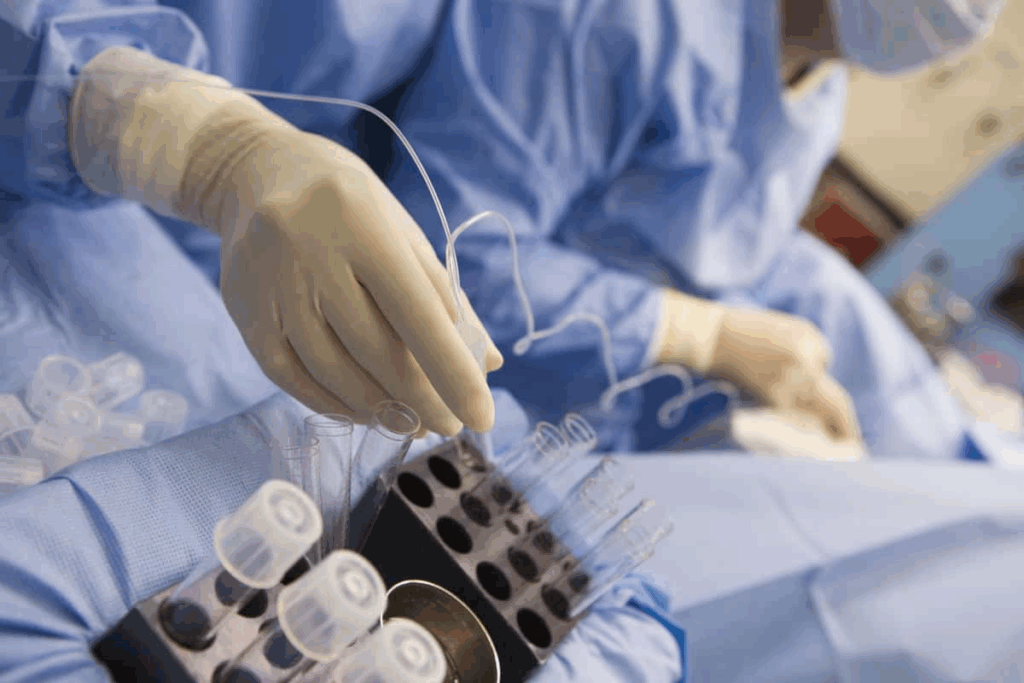
Going through egg retrieval is a big step in your journey to have a baby. At Liv Hospital, we make sure you know everything about this critical procedure. The egg retrieval process takes about 20-30 minutes. It collects mature eggs from your ovaries using a special needle under general anesthesia. What to expect and essential advice for a smooth egg retrieval procedure recovery in the days following.
Knowing what happens before, during, and after can make you feel more ready. After the procedure, you might feel some side effects. These come from the body’s reaction to the medications and the egg retrieval itself. Our guide is full of helpful tips for those going through IVF or egg freezing.
Key Takeaways
- Understand the egg retrieval process and its significance in IVF and egg freezing cycles.
- Learn what to expect before, during, and after the procedure.
- Discover tips for a smooth recovery from egg retrieval.
- Manage post-procedure symptoms effectively.
- Gain insights into the importance of complete guidance for a successful fertility journey.
Understanding the Egg Retrieval Procedure
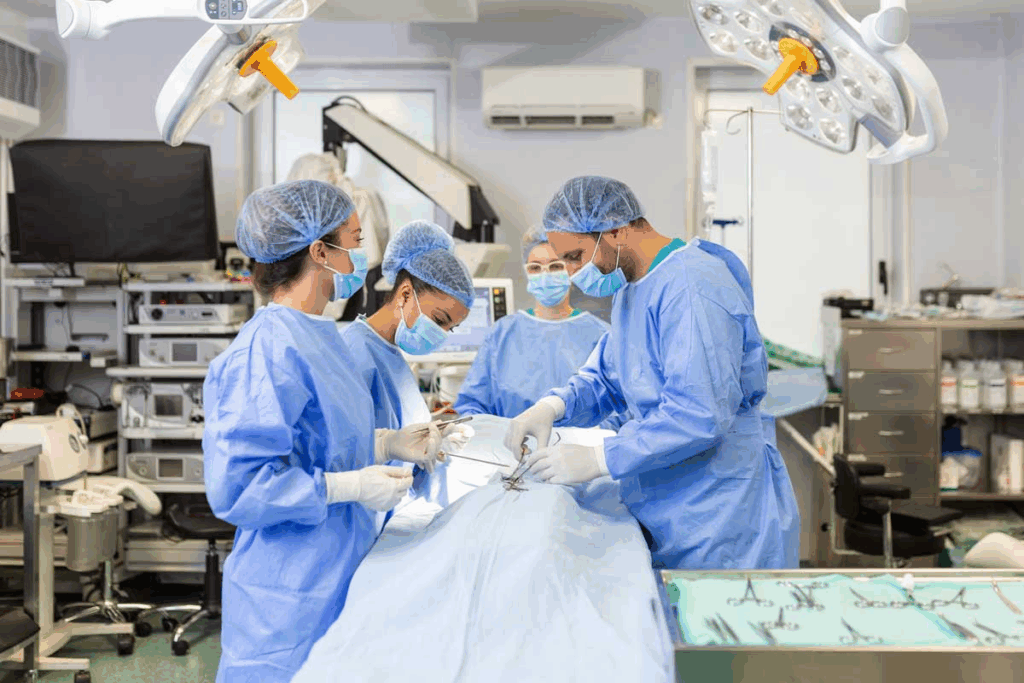
Learning about the egg retrieval procedure can ease worries and get you ready for what’s next. This process involves taking mature eggs from the ovaries with a thin needle. It’s usually simple, but everyone’s recovery is different.
What Happens During the Procedure
The egg retrieval takes about 15 to 30 minutes under sedation or general anesthesia. A fertility specialist uses ultrasound to guide a needle through the vaginal wall to the ovaries. The needle sucks out the follicles with the eggs, which are then checked for an egg.
The procedure happens in a fertility clinic or hospital. These places have the right tech and staff for a safe, comfy experience. The eggs are then processed in a lab as part of the IVF treatment.
Anesthesia Options and Their Effects
Anesthesia is key to making the procedure comfortable. There are different types, like conscious sedation, twilight anesthesia, or general anesthesia. The choice depends on your health, the procedure’s complexity, and the clinic’s preferences.
Anesthesia Type | Description | Effects |
Conscious Sedation | Medications are used to relax and calm the patient, who remains awake but drowsy. | Minimal impact on breathing; patient may remember some aspects of the procedure. |
Twilight Anesthesia | A deeper level of sedation where the patient is in a state between consciousness and unconsciousness. | Patient may have little to no memory of the procedure; some impact on breathing. |
General Anesthesia | The patient is completely unconscious and unaware of the procedure. | No memory of the procedure; requires close monitoring of vital signs. |
Each anesthesia type has its own benefits and side effects. Our medical team will talk to you about the options. They’ll suggest the best one for you based on your needs and medical history.
Preparing for Your Recovery Before the Procedure
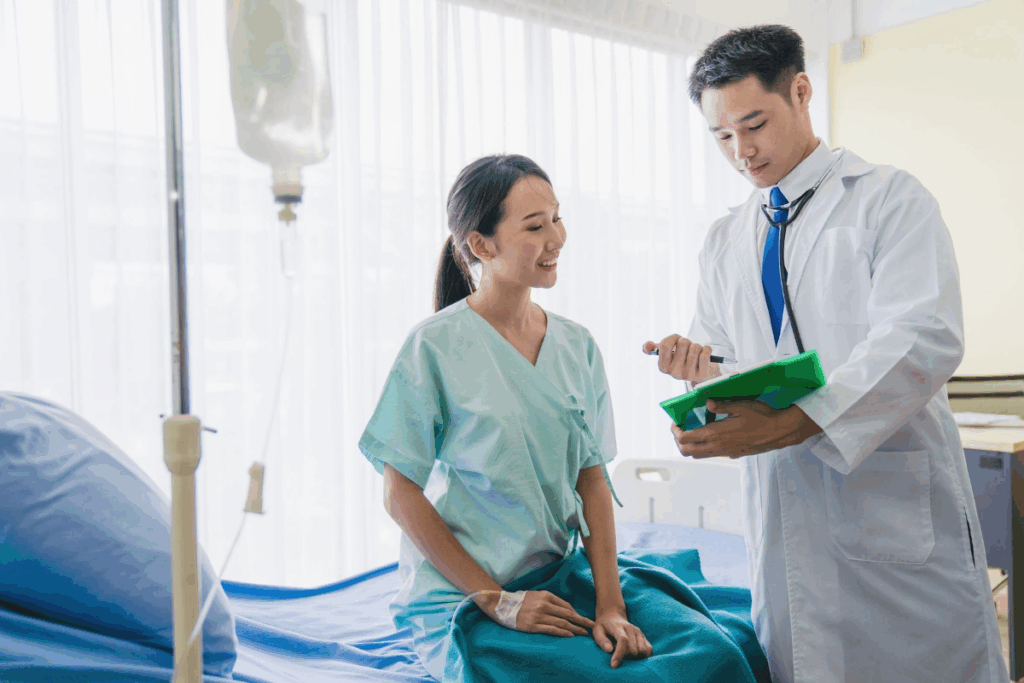
Before egg retrieval, get your home and body ready for recovery. Rest, drink plenty of water, and eat well to heal faster. Having someone to support you and a cozy place to rest can also help a lot.
Essential Items to Have at Home
Having the right things at home can make recovery easier. You’ll need:
- Comfortable clothes like loose dresses or sweatpants
- Pain meds as your doctor says
- Drinks like water, clear broths, or electrolyte drinks
- Healthy snacks like fruits, nuts, or energy bars
- Things to do like books, magazines, or a tablet
Transportation and Support Person Arrangements
Getting a ride home after the procedure is key. You might not be able to drive. It’s best to have a trusted friend or family member with you. They can:
- Drive you home safely
- Do chores or run errands for you
- Be there for emotional support
Having someone to count on can really help you relax and recover better.
Setting Up a Comfortable Recovery Space
Creating a cozy recovery area is important. Think about:
- Setting up a comfy spot with pillows and blankets
- Keeping it quiet and at a good temperature
- Having a phone or device to call your healthcare team
By getting your home ready and having support, you can focus on getting better without too much trouble.
What to Expect Immediately After Retrieval
After the egg retrieval, the recovery phase starts. This is a key time to ensure a smooth transition. We’ll guide you through what to expect right after, helping you prepare for a comfortable recovery.
The Recovery Room Experience
Patients usually spend time in the recovery room after the procedure. Medical staff watch your vital signs and look for any immediate reactions. The stay in the recovery room can last about 30 minutes to an hour.
You might feel drowsy or groggy from the sedation. Our medical team is there to make sure you’re comfortable and answer any questions.
Discharge Instructions and Paperwork
Before you leave, you’ll get detailed instructions for at-home care. This includes managing pain, recognizing complications, and follow-up appointments. It’s helpful to have a friend or family member with you to understand and follow these instructions.
You’ll also need to complete paperwork before leaving. Our staff will help you with this, making sure you have all the necessary documents and information.
Traveling Home Safely
Traveling home after the procedure needs some planning. Because of the sedation, it’s best to have someone with you. Driving yourself home is not recommended, as the sedation can affect your reaction time and judgment.
When you’re traveling home, take it easy and avoid hard activities. If you’re going a long way, stop for short breaks to stretch and move around.
Aspect | Details |
Recovery Room Time | Approximately 30 minutes to 1 hour |
Discharge Instructions | Provided before leaving; includes pain management and follow-up |
Traveling Home | Must be accompanied; avoid driving due to sedation effects |
Egg Retrieval Procedure Recovery: The First 24 Hours
Recovering from egg retrieval starts right after the procedure. The first 24 hours are key. Taking care of your body and following certain rules can help a lot.
Managing Pain and Discomfort
Managing pain is very important. Always follow your doctor’s advice on pain meds. You might need over-the-counter meds or stronger ones.
Tips for managing pain:
- Take pain medication as directed by your healthcare provider.
- Rest in a comfortable position to minimize discomfort.
- Avoid strenuous activities that could exacerbate pain.
Hydration and Nutrition Needs
Drinking water and eating right are key during recovery. Drink lots of water and eat light, healthy foods.
Hydration and nutrition guidelines:
Food/Drink | Recommendation |
Water | Drink at least 8-10 glasses |
Light Meals | Opt for soups, fruits, and vegetables |
Caffeine/Alcohol | Avoid for at least 24 hours |
Activity Restrictions and Rest Requirements
Resting is very important in the first 24 hours. Try not to lift heavy things, bend, or do hard exercise.
Activity guidelines:
- Avoid heavy lifting (>20 lbs) for 24 hours.
- Refrain from strenuous exercise or activities that cause discomfort.
- Limit travel and avoid long trips for a few days.
By sticking to these tips, you can make your recovery easier. Most women can get back to normal in one to two days. But, it might take longer to fully recover.
Managing Physical Symptoms Days 1-3
Egg retrieval is a big deal, and knowing how to handle the physical symptoms that come after can really help. In the first three days, you might feel a few things. But with the right advice, you can get through it.
Cramping and Abdominal Pain
Cramping and pain in your belly are common after egg retrieval. These happen because the ovaries get stimulated during the procedure. To ease cramping:
- Take pain relief medicine as your doctor tells you to.
- Use a heating pad on your lower belly to relax the muscles.
- Try gentle stretches or yoga to help blood flow and feel better.
Bloating and Constipation
Bloating and constipation are also common after egg retrieval. They’re often because of hormonal changes and the anesthesia. To help with bloating and constipation:
- Drink lots of water and clear fluids to stay hydrated.
- Eat more fiber with foods like fruits, veggies, and whole grains.
- Do some light exercise, like short walks, to help with bowel movements.
Spotting and Vaginal Discharge
Spotting and vaginal discharge can happen after egg retrieval. To deal with these symptoms:
- Wear comfy, breathable clothes to avoid irritation.
- Use sanitary pads for any spotting or discharge.
- Avoid tampons and sex until your doctor says it’s okay.
Understanding and managing these symptoms can help you focus on getting better. If you have severe or ongoing symptoms, reach out to your healthcare provider for help and advice.
Medication Management During Recovery
Managing medications well is important for a smooth recovery after egg retrieval. Patients may get different medicines to help with pain and healing.
Pain Relief Options
Managing pain is a big part of recovery care. We might give you ibuprofen or acetaminophen for mild pain. Sometimes, stronger medicines are needed. Always stick to the dosage your doctor gives you.
Here is a summary of common pain relief options:
Pain Relief Medication | Dosage | Frequency |
Ibuprofen | 400-600 mg | Every 4-6 hours |
Acetaminophen | 500-1000 mg | Every 4-6 hours |
Hormonal Medications
Hormonal medicines may be given to help with fertility. They help balance hormones during recovery. We’ll tell you exactly how to take them.
Antibiotics and Other Prescribed Medications
Antibiotics might be given to prevent infections. It’s important to finish all antibiotics. Other medicines may also be given for specific symptoms. We’ll make sure you know how to use each one right.
Key Considerations for Medication Management:
- Always follow the prescribed dosage and schedule.
- Be aware of any side effects and tell your doctor.
- Don’t stop taking any medicine without talking to your doctor first.
- Keep track of your medicines to follow the right plan.
Self-Care Strategies for Optimal Healing
Self-care is key after egg retrieval. It helps manage symptoms and boosts wellbeing. By using the right self-care, you can make your recovery smoother and improve your health.
Heat Therapy for Cramping
Heat therapy is a simple way to ease cramping after egg retrieval. A warm heating pad on your lower abdomen can relax the muscles and reduce pain.
To use heat therapy safely:
- Use a heating pad on a low or medium setting.
- Place a cloth between the heating pad and your skin.
- Limit application to 15-20 minutes at a time.
Gentle Movement and Stretches
Gentle movement and stretches can help with discomfort and improve circulation. Short walks or light stretching exercises are good choices.
Some recommended stretches include:
- Gentle pelvic tilts.
- Seated forward bends.
- Light yoga poses.
Activity | Benefits | Precautions |
Short Walks | Improves circulation, reduces bloating | Avoid strenuous or long walks |
Light Stretching | Relaxes muscles, reduces cramping | Do not overstretch or bounce |
Gentle Yoga | Enhances flexibility, promotes relaxation | Avoid deep twists or bends |
Managing Emotional Wellbeing
Emotional wellbeing is as important as physical health after egg retrieval. Stress-reducing techniques can help manage anxiety and emotional ups and downs.
Some effective strategies include:
- Meditation and deep breathing exercises.
- Journaling or expressive writing.
- Connecting with supportive friends or family.
By focusing on self-care and using these strategies, you can handle the challenges of egg retrieval better. This will support your recovery.
Timeline for Returning to Normal Activities
After egg retrieval, knowing when to start normal activities is key for a smooth recovery. Everyone recovers differently, but there are general tips for a safe return to daily life.
Days 1-2: Essential Rest Period
The first 48 hours after egg retrieval are very important for recovery. It’s best to relax and avoid hard work, like heavy lifting or intense exercise. Rest is key for your body to heal. You can do light activities like walking, but don’t push yourself too hard.
Days 3-5: Gradual Return to Routine
By days 3-5, you can start to slowly increase your activity. Try short walks and light chores around the house. But, remember to stay away from heavy lifting, bending, or hard exercise.
“It’s essential to balance rest with gentle movement to promote healing and prevent complications.”
Beyond Day 5: Exercise, Work, and Intimacy
After the first five days, most women can go back to their usual activities, like work, exercise, and intimacy. But, the exact time can vary based on your recovery and the egg retrieval details. Always listen to your doctor about when to start these activities, like hard exercise or intimacy.
Your overall health, the egg retrieval details, and how well you handle activities also matter. Always talk to your healthcare provider for advice on getting back to normal after egg retrieval.
Recognizing and Managing Complications
Knowing about possible complications after egg retrieval can make your recovery smoother. The procedure is usually safe, but knowing the risks helps you get help quickly if needed.
Warning Signs of OHSS (Ovarian Hyperstimulation Syndrome)
OHSS is a possible issue after egg retrieval. It happens when the ovaries get too stimulated, causing swelling and fluid in the belly. Spotting OHSS symptoms early is key for managing it well.
Common signs of OHSS include:
- Severe pelvic pain
- Nausea and vomiting
- Diarrhea
- Rapid weight gain
- Bloating and swelling in the belly
- Less urine than usual
If you notice these signs, reach out to your healthcare provider right away.
Infection Symptoms and Prevention
Infection is another risk after egg retrieval. Though rare, knowing the signs helps catch and treat it early.
Infection symptoms might be:
- Fever over 100.4°F (38°C)
- Severe belly pain
- Heavy or smelly vaginal discharge
- Redness or swelling around the vaginal area
To lower infection risk, follow your doctor’s hygiene and care advice.
When to Contact Your Doctor vs. Seek Emergency Care
Knowing when to call your doctor and when to go to the emergency room is important. For severe symptoms like heavy bleeding, bad pain, or trouble breathing, get help right away.
Symptoms | Action |
Mild pelvic pain, mild bloating | Contact your doctor during office hours |
Severe pelvic pain, heavy bleeding, fever over 100.4°F | Seek emergency care |
Rapid weight gain, less urine, severe bloating | Contact your doctor right away; might need urgent care |
Being aware of possible complications can improve your recovery. Always be cautious and talk to your healthcare provider if you’re unsure about any symptoms.
Conclusion: Navigating Your Recovery Journey
Recovering from egg retrieval takes patience, self-care, and support. Knowing what to expect and managing symptoms helps. This way, you can move through your egg retrieval recovery journey with confidence.
Preparation is essential for a smooth recovery. We suggest focusing on your physical and emotional health. This ensures a successful navigating recovery experience.
If you have concerns or questions, don’t hesitate to ask your healthcare provider for egg retrieval support. With the right care and support, you can confidently navigate this journey and achieve a successful outcome.
FAQ
What is the egg retrieval procedure, and how is it performed?
Egg retrieval is a minor surgery. A doctor uses a needle guided by ultrasound to get eggs from the ovaries. The procedure is done under sedation or anesthesia to make you comfortable.
How does egg retrieval work, and what are the steps involved?
In egg retrieval, a doctor uses a needle to get the eggs from the ovaries. The eggs are then sent to the lab for processing. It usually takes 30-60 minutes.
What kind of anesthesia is used during egg retrieval, and what are the effects?
Anesthesia types vary, but common ones are conscious sedation, twilight anesthesia, or general anesthesia. You might feel drowsy, dizzy, or nauseous. These effects usually go away in a few hours.
How can I prepare my home for recovery after egg retrieval?
Prepare your home by getting comfy clothes, heating pads, and pain meds. Have someone drive you home and stay with you for a few hours.
What are the common physical symptoms after egg retrieval, and how can I manage them?
You might feel cramping, bloating, and spotting after egg retrieval. Manage these by taking pain meds, using heating pads, and resting.
How long does it take to recover from egg retrieval, and when can I resume normal activities?
Recovery time varies, but most people can get back to normal in a few days. Take it easy for 24-48 hours and avoid heavy activities.
What are the signs of complications after egg retrieval, and when should I seek medical attention?
Look out for severe pain, heavy bleeding, fever, and vomiting. If you see these signs, get medical help right away.
How do I manage pain and discomfort after egg retrieval?
Manage pain by taking pain meds, using heating pads, and resting.
Can I drive myself home after egg retrieval?
No, you shouldn’t drive yourself home. The anesthesia can make it unsafe. Have someone drive you and stay with you for a few hours.
How does egg retrieval affect my emotional wellbeing, and how can I manage it?
Egg retrieval can be emotional. It’s normal to feel anxious or stressed. Practice self-care, talk to loved ones, and seek help if needed.
What medications are typically prescribed after egg retrieval, and how should I take them?
You might get pain meds, hormonal meds, and antibiotics. Take them as your doctor says, following the dosage and schedule.
When can I resume intimacy after egg retrieval?
Avoid intimacy for a few days to prevent infection and let your body heal. Follow your doctor’s advice on when to start again.
How does egg harvesting process work, and what are the differences between egg retrieval and egg harvesting?
Egg harvesting and retrieval are the same. They involve using a needle guided by ultrasound to get eggs from the ovaries. The terms are often used the same way.
Reference
World Health Organization. Egg Retrieval Recovery: A Guide. Retrieved from https://www.who.int/news-room/fact-sheets/detail/infertility



 Departments
 Related Videos
 Our Doctors
 News
News