Acoustic neuroma, also known as vestibular schwannoma, is a rare, non-cancerous tumor. It grows on the vestibulocochlear nerve, affecting hearing and balance. The Medical organization says it’s rare, found in less than 1 in 20,000 people yearly. Early diagnosis is key to avoid serious issues and keep neurological function intact. Eighth cranial nerve how far down the neck does it go? It doesn’t. Our amazing guide explains its path inside the skull to the brainstem.
The tumor’s growth can lead to hearing loss, tinnitus, and balance issues. These symptoms can develop slowly, making early detection hard. At Liv Hospital, we focus on advanced diagnostic methods and proven treatments. Our goal is to give our patients the best care possible.
Key Takeaways
- Acoustic neuroma is a rare, benign tumor affecting the vestibulocochlear nerve.
- Early diagnosis is critical to preventing serious complications.
- Symptoms include hearing loss, tinnitus, and balance problems.
- Advanced diagnostic protocols are essential for accurate diagnosis.
- Liv Hospital provides complete care for patients with acoustic neuroma.
Understanding Acoustic Neuroma
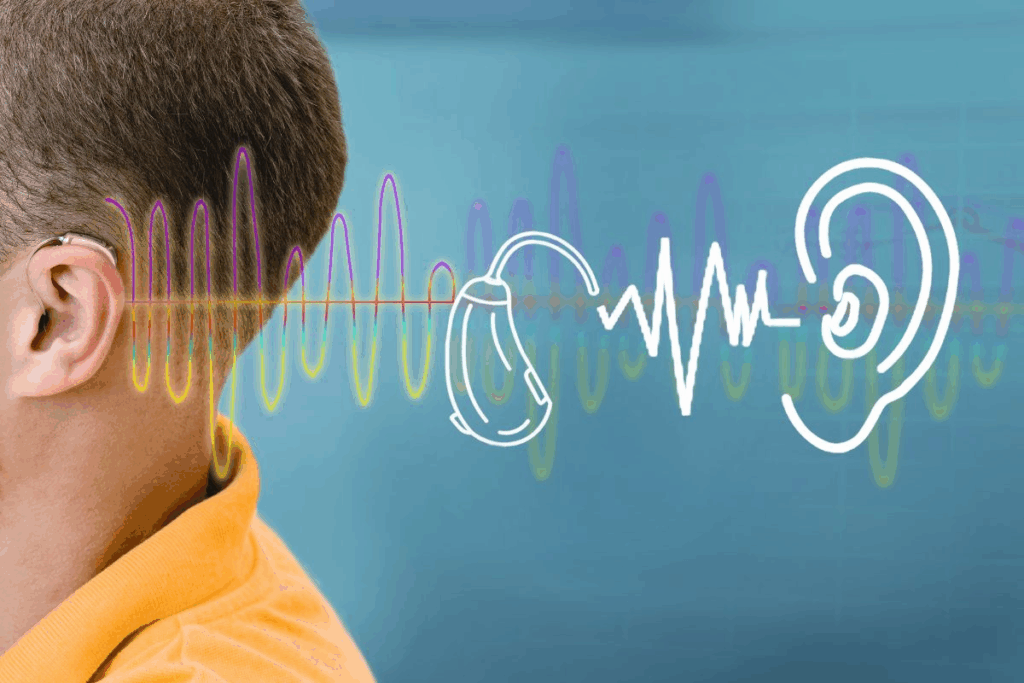
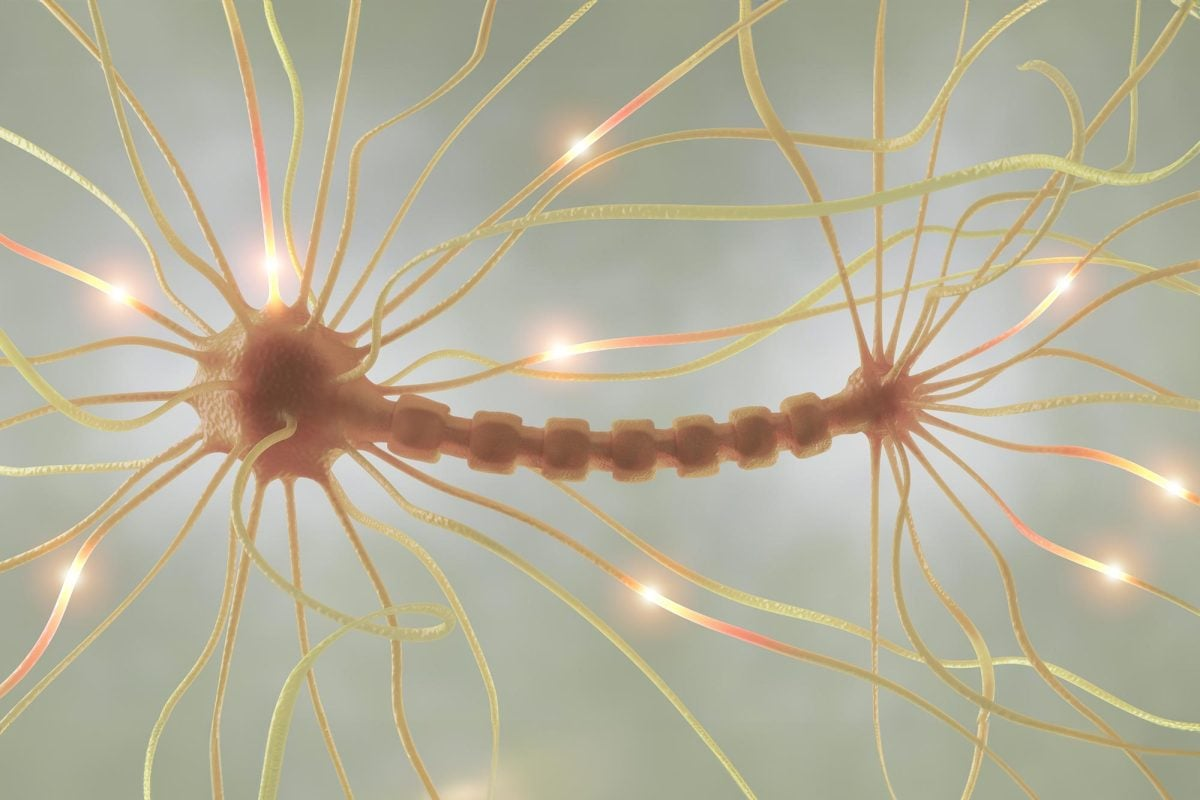
An acoustic neuroma is a non-cancerous tumor that grows from the Schwann cells of the vestibulocochlear nerve. This nerve is key for sending sound and balance signals from the inner ear to the brain. It’s a rare condition that affects how we hear and balance.
Definition and Pathophysiology
Acoustic neuroma grows slowly from Schwann cells around the vestibulocochlear nerve. This can press on the nerve, causing hearing loss, ringing in the ears, and balance problems. It’s caused by too many Schwann cells, which can be due to genetics, like in Neurofibromatosis Type 2 (NF2).
Prevalence and Demographics
Acoustic neuroma affects about 1 in 20,000 people each year, according to the Acoustic Neuroma Association. It’s more common in women and usually strikes adults between 30 and 60. It’s rare in kids and gets more common with age.
Unilateral vs. Bilateral Acoustic Neuromas
Acoustic neuromas can happen on one side (unilateral) or both sides (bilateral). Most are on one side and happen by chance. But, if they’re on both sides, it’s often because of NF2, a genetic disorder. Knowing if it’s one-sided or both-sided helps doctors figure out the best treatment and check for other health issues.
Anatomy of the Eighth Cranial Nerve: How Far Down the Neck It Extends

The vestibulocochlear nerve is key for hearing and balance. It carries sound and balance info from the inner ear to the brain.
Structure and Path of the Vestibulocochlear Nerve
The vestibulocochlear nerve, or eighth cranial nerve, has two parts. The vestibular part deals with balance, and the cochlear part handles hearing.
This nerve starts in the inner ear and goes through the internal auditory canal. It reaches the brainstem. Its path is near the cerebellopontine angle, where the cerebellum meets the pons.
Vestibular and Cochlear Divisions
The vestibular division helps with balance. It connects to the otolith organs and semicircular canals in the inner ear. These are key for sensing head movements.
The cochlear division is for hearing. It connects to the cochlea, where sound turns into electrical signals for the brain.
Division | Function | Innervates |
Vestibular | Balance and Equilibrium | Otolith organs and semicircular canals |
Cochlear | Hearing | Cochlea |
Relationship to the Cerebellopontine Angle
The vestibulocochlear nerve goes through the cerebellopontine angle. Tumors here, like acoustic neuromas, can harm the nerve. Symptoms include hearing loss, tinnitus, and balance problems.
Knowing the eighth cranial nerve’s anatomy is vital. It helps in diagnosing and treating nerve issues.
Early Warning Signs of Acoustic Neuroma
Spotting the early signs of acoustic neuroma is key to getting timely help. This condition, also known as vestibular schwannoma, is a non-cancerous tumor that grows on the vestibulocochlear nerve. It can cause serious hearing and balance problems if not treated quickly.
Unilateral Hearing Loss Patterns
Unilateral hearing loss is a common first sign of acoustic neuroma. This means hearing loss on one side. It might start with trouble hearing high sounds. People might find it hard to hear in noisy places or need to turn up the TV or radio.
This hearing loss is usually sensorineural. It affects the inner ear or the nerve to the brain. It’s different from conductive hearing loss, which is related to the middle ear.
Tinnitus Characteristics
Tinnitus, or ringing in the ears, is another common symptom. The sounds can be ringing, buzzing, hissing, or others. They usually happen on one side, matching the affected ear. Tinnitus can vary a lot, from constant to occasional.
Subtle Balance Disturbances
Balance problems are also an early sign. At first, they might be mild, like feeling a bit unsteady. This can happen in dark places or when it’s hard to see. As the tumor grows, these issues can get worse, leading to vertigo or trouble walking.
If you notice these symptoms, see a doctor right away. Early treatment can greatly improve your life and health.
Progressive Symptoms as Tumors Grow
Acoustic neuroma tumors growing can lead to many symptoms that make life harder. The National Institute on Deafness and Other Communication Disorders says these symptoms include vertigo, facial numbness, and headaches.
Vertigo and Dizziness
Vertigo or dizziness is a common symptom of growing acoustic neuromas. This happens because the tumor presses on the vestibular nerve. This nerve helps us balance. People might feel:
- A spinning sensation or feeling off balance
- Dizziness that worsens with certain head movements
- Nausea or vomiting associated with vertigo
Facial Numbness and Weakness
The tumor can also press on the facial nerve. This leads to numbness or weakness in the face. Symptoms include:
- Numbness or tingling sensations on one side of the face
- Weakness in facial muscles, affecting expressions
- Difficulty closing the eye on the affected side
This can also affect the trigeminal nerve. This can cause more facial pain or strange feelings.
Headaches and Intracranial Pressure
Bigger acoustic neuromas can cause headaches because of increased pressure inside the skull. These headaches can be:
- Severe and persistent, often worse in the morning
- Associated with nausea and vomiting
- Accompanied by other symptoms such as visual disturbances
In conclusion, growing acoustic neuromas can lead to many symptoms. These symptoms can really affect a person’s life. It’s important to notice these symptoms early for the best treatment.
Rare Symptoms and Complications
Acoustic neuromas are usually known for causing hearing loss and tinnitus. But, bigger tumors can lead to rare symptoms. These symptoms happen when the tumor presses on nearby structures, causing various problems.
Visual Disturbances
Visual issues can be a rare symptom of large acoustic neuromas. This happens when the tumor presses on the trigeminal nerve or the brainstem. It might cause double vision or blurry vision.
The Medical organization notes that large acoustic neuromas can lead to visual problems. We’ll dive deeper into this topic.
Swallowing Difficulties
Swallowing problems, or dysphagia, can also occur with acoustic neuromas. This happens when the tumor impacts the nerves that control swallowing muscles.
If you’re having trouble swallowing, it’s important to see a doctor. They can check for other conditions and provide the right treatment.
Neck Pain and Discomfort
Neck pain is another rare symptom linked to acoustic neuromas. This pain comes from the tumor’s pressure on nearby nerves and structures.
Rare Symptoms | Possible Causes |
Visual Disturbances | Compression of trigeminal nerve or brainstem |
Swallowing Difficulties | Affecting nerves controlling swallowing muscles |
Neck Pain | Pressure on surrounding nerves and structures |
It’s key to understand these rare symptoms and complications for diagnosis and treatment. We’ll keep exploring these topics in the next sections.
When to Seek Medical Attention
Acoustic neuroma symptoms can be subtle. But, there are specific red flags that mean you should see a doctor. Knowing these warning signs is key for timely care and managing the condition well.
Red Flags That Require Immediate Care
Certain symptoms mean you need to see a doctor right away. These include:
- Sudden or severe hearing loss in one ear
- Increasing tinnitus or ringing in the ear
- Difficulty with balance or walking
- Facial numbness or weakness
- Severe headaches or dizziness
The American Academy of Otolaryngology says if symptoms get worse or show tumor growth, get medical help fast.
Documenting Your Symptoms Effectively
Keeping a detailed record of your symptoms helps a lot. It aids in diagnosis and treatment planning. We suggest documenting:
Symptom | Date | Severity | Additional Notes |
Hearing Loss | 2023-02-10 | Moderate | Noticed after a cold |
Tinnitus | 2023-02-15 | Mild | Ringing sound, mostly at night |
Accurate documentation helps doctors understand your symptoms’ progression and impact.
Preparing for Your Doctor’s Appointment
Before your appointment, consider the following:
- List your symptoms and when they started
- Gather any relevant medical records or test results
- Prepare a list of questions for your doctor
- Bring a friend or family member for support
Being prepared helps you get the most out of your appointment and receive the right care.
“The key to effective management of acoustic neuroma lies in timely diagnosis and appropriate treatment planning.”
Early detection and intervention can significantly improve outcomes for individuals with acoustic neuroma.
American Academy of Otolaryngology
Initial Clinical Assessment
Identifying acoustic neuroma starts with a detailed initial clinical assessment. This includes looking at the patient’s medical history, a thorough physical exam, and specialized tests. These steps help us create a treatment plan.
Medical History Evaluation
Looking at the patient’s medical history is key. We gather info on their symptoms, like hearing loss and balance issues. We also ask about past health problems and treatments.
- Documenting the patient’s symptoms and medical history
- Inquiring about family history of relevant conditions
- Reviewing previous audiological test results
The Medical organization says a detailed medical history is vital for diagnosing acoustic neuroma. This helps us spot risk factors and decide on further tests.
Physical Examination Techniques
The physical exam is also important. We check the ears, nose, and throat, and do a neurological exam. Specific tests include:
- Otoscopy to examine the ear canal and tympanic membrane
- Pure tone audiometry to assess hearing thresholds
- Romberg test to evaluate balance and equilibrium
These tests help find any signs of acoustic neuroma.
Neurological Testing
Neurological tests are also key. We check the eighth cranial nerve and other nerves. Tests include:
- Auditory Brainstem Response (ABR) testing
- Electronystagmography (ENG) or videonystagmography (VNG)
- Facial nerve function tests
These tests help us understand the extent of any nerve damage. They guide further testing and treatment.
By combining medical history, physical exam, and neurological tests, we make a plan. This plan includes further testing and treatment.
Audiological Diagnostic Tests
Audiological tests are key in finding acoustic neuroma. They show how the tumor affects hearing. These tests help find hearing loss and spot the tumor.
Pure Tone and Speech Audiometry
Pure tone audiometry checks how well you can hear different sounds. Speech audiometry looks at how well you understand speech. Together, they help find hearing loss from acoustic neuroma.
For example, someone with acoustic neuroma might hear better in one ear than the other. Speech tests show trouble understanding speech, mainly in loud places.
Auditory Brainstem Response (ABR)
The ABR test checks the auditory nerve and brainstem. It looks at how the auditory system reacts to sound.
ABR is great for finding acoustic neuroma because it spots nerve problems, even with small tumors. It’s safe and gives important info about the hearing pathway.
Otoacoustic Emissions Testing
OAE testing looks at the outer hair cells in the cochlea. It helps figure out if hearing loss is from the cochlea or nerve.
In acoustic neuroma cases, OAE testing gives clues about the tumor’s effect. If OAE responses are there, it means the outer hair cells are okay. This suggests the hearing loss is from a nerve problem, like an acoustic neuroma.
Diagnostic Test | Purpose | Relevance to Acoustic Neuroma |
Pure Tone Audiometry | Measures hearing thresholds across frequencies | Helps identify asymmetric hearing loss |
Speech Audiometry | Assesses speech understanding | Reveals difficulties in speech comprehension |
Auditory Brainstem Response (ABR) | Evaluates auditory nerve and brainstem function | Detects abnormalities in the auditory nerve |
Otoacoustic Emissions (OAE) Testing | Assesses outer hair cell function | Helps determine the cause of hearing loss |
Advanced Imaging Techniques
Diagnosing acoustic neuroma has gotten better thanks to advanced imaging. These methods give clear pictures of the tumor and the area around it. They are key for accurate diagnosis and treatment planning.
MRI with Gadolinium Contrast
Magnetic Resonance Imaging (MRI) with gadolinium contrast is top for finding acoustic neuroma. The Radiological Society of North America says it shows the tumor and its surroundings well. Gadolinium makes the tumor stand out, helping doctors plan treatment better.
Doctors give the patient gadolinium before the MRI. This agent makes the tumor easier to see. MRI with gadolinium is great for spotting small tumors and seeing how they affect nearby nerves.
CT Scans for Bony Structures
Computed Tomography (CT) scans are good for looking at the bones in the ear area. They’re not as good as MRI for soft tissue tumors but help with bone details. CT scans show how the tumor affects the bone and help plan surgery.
CT scans give a different view than MRI. They help doctors understand the tumor’s size and how it affects the body. This information is important for treatment planning.
Vestibular Function Tests
Vestibular function tests are also important for diagnosing acoustic neuroma. These tests check how well the vestibular system works. Tests like electronystagmography (ENG), videonystagmography (VNG), and caloric testing are used.
These tests show how much the tumor affects the vestibular system. This is key for planning treatment and helping patients. Doctors can give better care by knowing how the tumor affects the vestibular system.
Differential Diagnosis: Similar Conditions
Diagnosing acoustic neuroma needs a careful look at other conditions. These can affect the inner ear and the cerebellopontine angle. It’s key to know these alternatives when checking patients.
Ménière’s Disease
Ménière’s disease affects the inner ear, causing vertigo, hearing loss, and tinnitus. These symptoms can be confused with acoustic neuroma. Ménière’s disease symptoms come and go, unlike acoustic neuroma’s steady progression.
- Episodic vertigo: A key sign of Ménière’s disease, unlike the slow balance problems of acoustic neuroma.
- Fluctuating hearing loss: This is different from the steady hearing loss of acoustic neuroma.
- Tinnitus and ear fullness: Both conditions have these symptoms, but Ménière’s is more episodic.
Other Cerebellopontine Angle Tumors
Other tumors can also appear in the cerebellopontine angle, like meningiomas and trigeminal schwannomas. These can cause similar symptoms, like hearing loss and balance problems. It’s important to make the right diagnosis.
- Meningiomas: These slow-growing tumors come from the meninges and can press on nearby structures.
- Trigeminal schwannomas: These tumors affect the trigeminal nerve, causing facial pain or numbness. They are different from acoustic neuromas.
Vestibular Neuritis and Labyrinthitis
Vestibular neuritis and labyrinthitis are inner ear problems that can cause vertigo and balance issues. Vestibular neuritis is inflammation of the vestibular nerve, while labyrinthitis affects the inner ear’s labyrinth.
- Acute onset: Both conditions start suddenly, unlike acoustic neuroma’s gradual symptoms.
- Viral etiology: They are often caused by viruses, unlike the tumor-related symptoms of acoustic neuroma.
Multiple Sclerosis Considerations
Multiple sclerosis (MS) is a disease that can affect the central nervous system, including the vestibulocochlear nerve. It can cause symptoms like hearing loss and balance problems, similar to acoustic neuroma.
MS has other neurological symptoms and can have a relapsing-remitting pattern. MRI tests are key in telling it apart from acoustic neuroma.
Conclusion: From Diagnosis to Treatment Planning
Managing acoustic neuroma well starts with quick diagnosis and detailed treatment plans. We’ve seen how spotting early signs and knowing the tests are key to finding acoustic neuroma.
The Acoustic Neuroma Association says early treatment can greatly help patients. By knowing the symptoms, tests, and possible issues, patients and doctors can make a treatment plan that fits them.
Handling acoustic neuroma needs a team effort. Neurosurgeons, otolaryngologists, and others play a big role. This team approach helps make sure patients get the right care for them.
For more help and support, patients can reach out to groups like the Acoustic Neuroma Association. They offer useful resources and connect people who face similar issues.
FAQ
What is an acoustic neuroma?
An acoustic neuroma is a non-cancerous tumor. It grows on the eighth cranial nerve. This nerve controls hearing and balance.
What are the common symptoms of acoustic neuroma?
Symptoms include hearing loss on one side and tinnitus. You might also feel off balance, dizzy, or have vertigo. Some people get facial numbness, headaches, or neck pain too.
How is acoustic neuroma diagnosed?
Doctors use a few methods to diagnose it. They look at your medical history and do physical exams. They also do audiological tests and MRI scans with contrast.
What is the difference between unilateral and bilateral acoustic neuromas?
Unilateral neuromas are on one side. Bilateral ones are on both sides. Bilateral cases often come with a genetic disorder called neurofibromatosis type 2.
Can acoustic neuroma be treated?
Yes, there are treatments. You might watch it, have surgery, or get radiation therapy. The choice depends on the tumor’s size, location, and your health.
What are the risks of not treating acoustic neuroma?
Untreated neuromas can cause hearing loss and balance issues. They might also lead to facial weakness and brainstem compression, which can be life-threatening.
How can I prepare for a doctor’s appointment for suspected acoustic neuroma?
Write down your symptoms and when they started. Talk about your medical history and any questions you have. This helps your doctor understand your situation better.
Are there any support organizations for people with acoustic neuroma?
Yes, there are groups that offer information and support. They help those with acoustic neuroma and their families.
Can acoustic neuroma cause vertigo and dizziness?
Yes, it can. The tumor affects the vestibular nerve, which is key for balance. This can lead to vertigo and dizziness.
Is acoustic neuroma a cancerous tumor?
No, it’s not cancerous. But, it can cause serious health problems if not managed right.
References
National Center for Biotechnology Information. Evidence-Based Medical Guidance. Retrieved from https://www.ncbi.nlm.nih.gov/books/NBK470177/