
When to go? EKG best symptom triggers to know. If you have chest pain or dizziness, learn why you need this test immediately now. Heart disease is one of the leading causes of death worldwide. They lead to millions of deaths each year. An electrocardiogram (ECG) is key in checking heart health.
An ECG measures the heart’s electrical activity. It helps spot irregularities or problems that might mean there’s a heart issue. If a patient shows certain symptoms, a doctor might order an ECG to understand their heart better.
In this article, we’ll look at the two main symptoms that make a doctor order an ECG. We’ll see why this test is so important for keeping the heart healthy.
Key Takeaways
- An ECG is a vital diagnostic tool for assessing heart health.
- Certain symptoms can indicate the need for an ECG test.
- An abnormal ECG can signal underlying heart conditions.
- ECG tests are key for early detection and prevention.
- Doctors use ECG results to guide treatment decisions.
Understanding the Purpose of an ECG
The electrocardiogram (ECG) is a non-invasive test that shows how well the heart works. It’s a key tool for doctors to check the heart’s electrical activity. They use it to find problems and diagnose heart conditions.
What is an ECG?
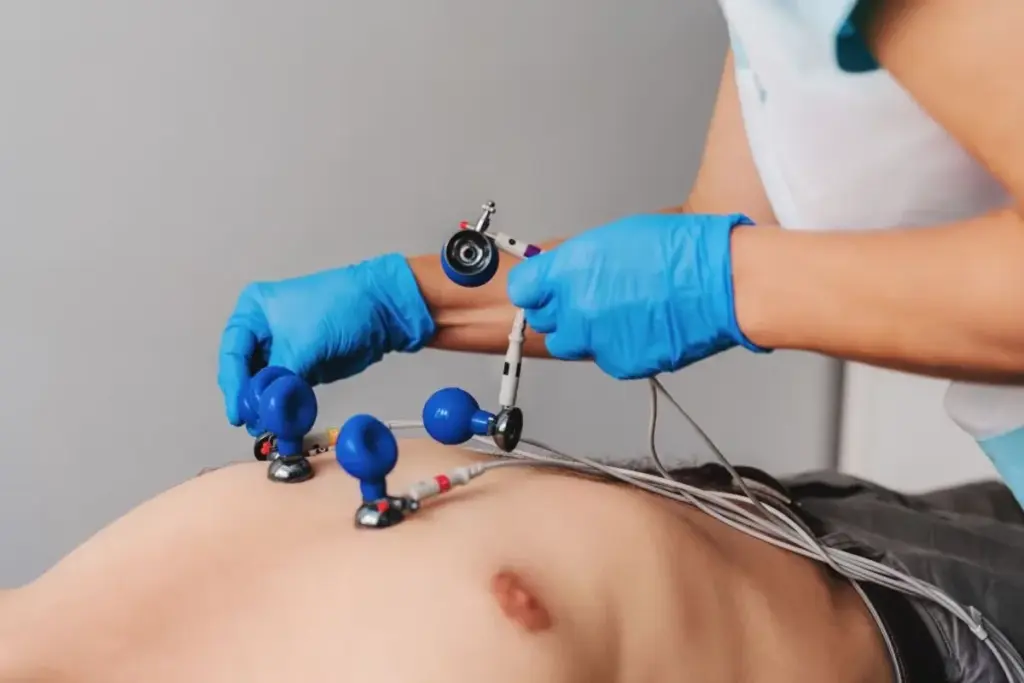
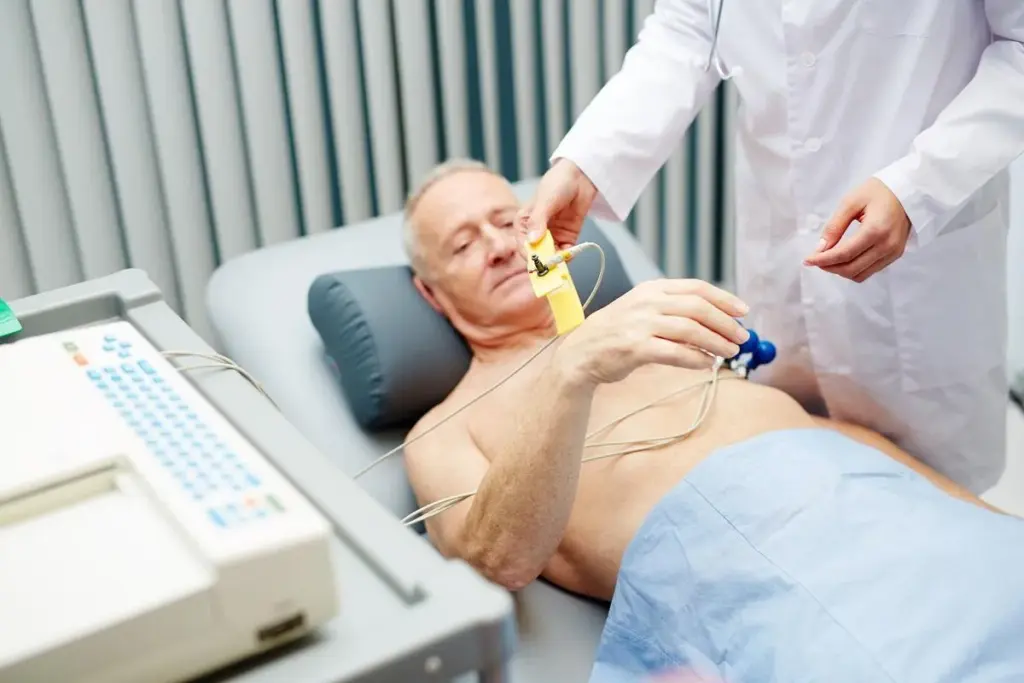
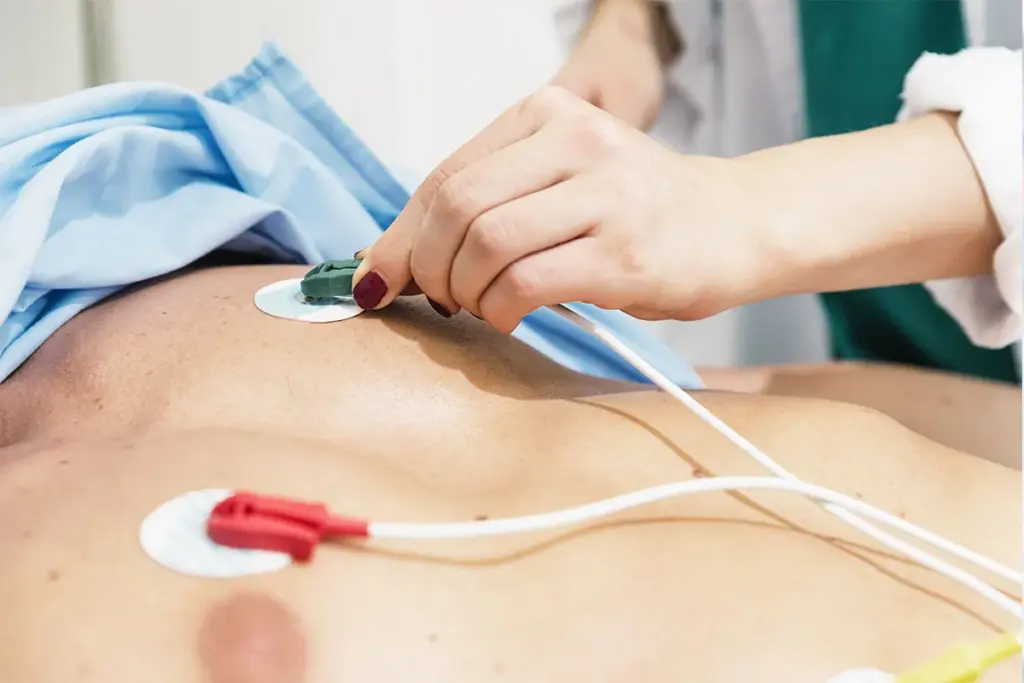
An ECG, or electrocardiogram, measures the heart’s electrical signals. These signals are picked up by electrodes on the skin, usually on the chest, arms, and legs. The ECG machine shows these signals as a visual of the heart’s rhythm and activity.
Key aspects of an ECG include:
- Detecting irregular heart rhythms (arrhythmias)
- Identifying patterns that may indicate a heart attack or ischemia
- Monitoring the heart’s electrical activity over time
How ECGs Work
ECGs capture the electrical impulses that control the heartbeat. These impulses start in the heart’s natural pacemaker, the sinoatrial node. They then travel through the heart’s chambers, making it contract and pump blood. The ECG electrodes pick up these impulses, showing them as a tracing on the ECG paper or screen.
The process involves:
- Preparing the skin by cleaning and possibly shaving the areas where electrodes will be attached
- Attaching electrodes to specific locations on the body
- Recording the heart’s electrical activity for a few minutes
Importance of Monitoring Heart Health
Monitoring heart health with ECGs is key for catching and managing heart conditions. Finding problems early can lead to quick treatments, which can save lives. For example, an ECG can spot signs of a heart attack, allowing for fast medical help.
“The ECG is a fundamental tool in cardiology, providing critical information about the heart’s electrical activity and helping diagnose a wide range of cardiac conditions.” –
A cardiology expert
Understanding EKG readings is also important. Abnormalities in an ECG can show different heart conditions, like arrhythmias or ischemia. By looking at these readings, doctors can decide the best treatment for patients.
We stress the need for regular heart health checks, mainly for those at risk for heart disease. This way, we can all help keep our hearts healthy and prevent heart problems.
Common Symptoms Leading to an ECG
Certain symptoms can be alarming. We use an ECG as a key tool to understand their cause. This non-invasive test gives us insights into the heart’s functioning. It helps us diagnose and manage various cardiac conditions.
Chest Pain
Chest pain is a common reason for an ECG. It can signal a heart attack or serious heart conditions. We take chest pain seriously and use an ECG to quickly check the heart’s electrical activity.
An abnormal electrocardiogram can show a heart attack or other cardiac issues. This prompts immediate medical action.
The chest pain’s feel can vary. It might feel like pressure, tightness, or discomfort. An ECG is key in figuring out if chest pain is heart-related. We also look at medical history, risk factors, and other symptoms.
Shortness of Breath
Shortness of breath, or dyspnea, may lead to an ECG. It can be linked to heart failure or other cardiac conditions where the heart isn’t pumping well. An ECG can spot patterns that suggest heart failure or other issues causing shortness of breath.
An ECG can show if shortness of breath is heart-related by showing signs of ischemia or previous heart damage. We look at ECG findings with other tests and clinical evaluations to find the cause. For example, an EKG can detect a heart attack on EKG, which is critical for timely action.
Dizziness or Lightheadedness
Dizziness or lightheadedness can be symptoms of heart rhythm disorders or other cardiac issues. An ECG can detect arrhythmias or other electrical disturbances causing these symptoms. We use the ECG to monitor the heart’s rhythm and find irregularities that might cause dizziness or lightheadedness.
- Dizziness or lightheadedness can be caused by many factors, including heart rhythm disorders.
- An ECG is a valuable tool in diagnosing the cause of these symptoms.
- By analyzing the ECG, we can determine if the symptoms are related to a heart condition that needs medical attention, such as one that might show an abnormal ECG means a serious underlying issue.
Understanding the cause of these symptoms is key. An ECG plays a big role in this process. It helps us to detect heart attack and other serious conditions early. This ensures patients get the care they need quickly.
Additional Symptoms that May Prompt an ECG
Heart health is more than just chest pain. Symptoms like dizziness, palpitations, and swelling also need attention. These signs can point to heart problems that need medical help.
Palpitations
Palpitations feel like your heart is skipping beats or beating irregularly. They can happen due to stress, caffeine, or heart issues. If you feel them often or they’re severe, a doctor might do an ECG to check for heart rhythm problems.
The American Heart Association says some arrhythmias are harmless, but others are dangerous. [1] An ECG can figure out what kind you have and what to do next.
Fatigue
Fatigue means feeling very tired. It can be a sign of heart problems among other health issues. If you’re tired and also short of breath or dizzy, a doctor might suggest an ECG to check your heart.
“The heart’s ability to pump blood effectively is key for energy. When it doesn’t work right, you can feel very tired.”
Swelling in Legs or Feet
Swelling in your legs or feet, or edema, can mean your heart isn’t pumping well. Fluid builds up when the heart fails. An ECG can see if heart problems are causing the swelling by checking the heart’s electrical activity.
|
Symptom |
Possible Heart Condition |
Diagnostic Tool |
|---|---|---|
|
Palpitations |
Arrhythmias |
ECG |
|
Fatigue |
Heart Failure |
ECG, Echocardiogram |
|
Swelling in Legs or Feet |
Heart Failure |
ECG, Echocardiogram |
It’s important to know about these symptoms and how they relate to heart health. If you’re feeling any of these, see a doctor. They can decide if you need an ECG or not.
Risk Factors for Heart Conditions
Knowing the risk factors for heart conditions is key to staying healthy. Heart disease includes many conditions that affect the heart. Finding these risks early can help prevent problems.
Family History
Family history is a big risk factor for heart disease. If your family has heart disease, you might be at higher risk too. Genetic predisposition plays a big role in this. If heart disease runs in your family, talk to your doctor. They might suggest an EKG to check your heart.
Lifestyle Contributions
Lifestyle choices also play a big part in heart disease risk. Eating poorly, not exercising, and smoking can lead to high blood pressure and diabetes. These are all risks for heart disease. An abnormal ECG reading might show problems linked to these choices.
- Unhealthy diet
- Lack of physical activity
- Smoking
Age Considerations
Age is also a big factor, as heart disease risk goes up with age. As we get older, we’re more likely to get conditions that harm the heart. Regular check-ups and tests like an EKG can catch problems early. Knowing what does an abnormal EKG look like helps in preventing heart disease.
By recognizing these risks and acting early, we can lower our heart disease risk. Staying active and eating well are important for heart health.
When to Seek Medical Attention
Knowing the signs of a heart emergency is key for quick medical help. Heart conditions show up in different ways. It’s important to know which symptoms need urgent care.
Signs of a Heart Emergency
Some symptoms mean you might be having a heart emergency. It’s vital to recognize them. These include:
- Chest pain or discomfort that lasts or is very bad
- Shortness of breath or trouble breathing
- Dizziness or feeling like you might pass out
- Severe tiredness or weakness
- Rapid or irregular heartbeat
If you or someone you know has these symptoms, get medical help right away. An abnormal EKG can show a heart problem. It’s important to know what it means for your health.
An EKG, or electrocardiogram, checks your heart’s electrical activity. Abnormal EKG results can mean different heart issues, like arrhythmias or heart attacks. Knowing what an EKG looks like in a heart attack helps understand how serious it is.
Consultation with Healthcare Providers
If you have symptoms that might be heart-related, see a doctor first. They will check your symptoms, do tests like an EKG, and figure out what to do next.
Talk about your medical history and lifestyle during your visit. This includes family heart disease history and habits that might affect your heart. Knowing why your EKG is abnormal helps you and your doctor make better decisions for your care.
We stress the need to not wait for medical help if you think you’re having a heart emergency. Quick action can greatly improve your chances of recovery.
The ECG Procedure Explained
An ECG, or electrocardiogram, is a simple test that shows how well your heart is working. It’s a key tool for doctors to check your heart health and spot any problems.
Preparation and the Test Process
Before the test, you might need to take off any jewelry or clothes that could get in the way. The doctor will then put electrodes on your chest, arms, and legs. These electrodes connect to an ECG machine, which tracks your heart’s electrical signals.
The test is easy and doesn’t hurt. You’ll need to stay very calm and lie down for a few minutes while it records your heart’s activity.
Duration and Comfort
The whole ECG test usually takes 5 to 10 minutes. You might feel a bit of cold when the electrodes go on, but it’s just for a moment. The whole thing is pretty comfortable, and you can breathe as you normally would.
To wrap up, here’s what you need to know about an ECG:
|
Aspect |
Description |
|---|---|
|
Preparation |
Remove jewelry and certain clothing; electrodes are attached to chest, arms, and legs. |
|
Test Duration |
Typically 5 to 10 minutes. |
|
Comfort Level |
Generally comfortable; may feel a slight cold sensation from electrodes. |
|
Pain or Discomfort |
Non-invasive and painless. |
Knowing what to expect from an ECG can make you feel less nervous. If you have any questions or worries, it’s smart to talk to your doctor.
Interpreting ECG Results
After an ECG, you might wonder what it means for your heart. We’ll help you understand your ECG results. This includes common findings and what to do next.
Common Findings in ECG Readings
ECG readings show a lot about your heart’s health. You might see normal rhythms, arrhythmias, or signs of heart problems. An abnormal ECG means you need more tests.
Some common ECG findings are:
- Normal sinus rhythm
- Arrhythmias (abnormal heart rhythms)
- Signs of heart attack or ischemia
- Conduction abnormalities
Next Steps After Testing
If your ECG is normal, your doctor might suggest more tests. If it’s not, they’ll talk about what it means and what to do next. This could be more tests, medicine, or changes in your lifestyle.
|
ECG Finding |
Potential Implication |
Next Steps |
|---|---|---|
|
Normal Sinus Rhythm |
Heart is functioning normally |
Routine check-ups |
|
Arrhythmia |
Abnormal heart rhythm |
Further monitoring, medication |
|
Signs of Heart Attack |
Previous or ongoing heart condition |
Additional diagnostic tests, lifestyle changes |
Understanding your ECG results is key to heart health. Work with your doctor to find the best plan for you.
Frequently Asked Questions About ECGs
Many people have questions about ECGs, and we’re here to provide clarity. An electrocardiogram (ECG) is a test that measures the heart’s electrical activity. Here, we answer some common questions about ECGs.
How Often Should You Get an ECG?
The need for an ECG varies by person. Those with heart conditions or risk factors might need them more often. Doctors usually recommend an ECG during annual check-ups or when symptoms appear.
|
Age Group |
Risk Factors |
Recommended ECG Frequency |
|---|---|---|
|
Under 40 |
No known risk factors |
Not typically recommended |
|
40-60 |
Presence of risk factors (e.g., high blood pressure, diabetes) |
Every 2-5 years |
|
Over 60 |
History of heart disease or symptoms |
Annually or as advised by a doctor |
It’s key to follow your doctor’s advice on ECG frequency. They help spot heart issues early. An ECG can reveal problems like arrhythmias or signs of a heart attack.
Does an ECG Hurt?
An ECG is a painless test. Some might feel a bit of discomfort when the electrodes are taken off. But this is short-lived. Anxiety can sometimes lead to an abnormal EKG, but it doesn’t always mean a heart issue.
Who is Qualified to Review ECG Results?
Healthcare professionals, like cardiologists or primary care doctors, review ECG results. They know how to interpret them and guide you next. If your ECG shows an abnormal reading, your doctor will explain what it means and what to do next.
Understanding your ECG results helps you take care of your heart. If you have questions or concerns, talk to your healthcare provider. EKG results are usually ready soon after the test, and your doctor will go over them with you.
Lifestyle Changes for Heart Health
Our daily habits play a big role in heart health. Making positive changes can help us live longer and healthier. Focusing on nutrition and exercise can greatly lower heart disease risk.
Nutrition for a Healthy Heart
Eating fruits, vegetables, whole grains, and lean proteins is key. Adding colorful fruits and vegetables to your diet gives you important nutrients and antioxidants. It’s also good to cut down on saturated fats, sodium, and sugars.
Try the Mediterranean diet for heart health. It includes whole grains, lean proteins, and healthy fats like olive oil. This diet has been proven to support heart health and lower heart disease risk.
Importance of Regular Exercise
Regular exercise is vital for heart health. Do at least 150 minutes of moderate-intensity aerobic exercise, or 75 minutes of vigorous-intensity aerobic exercise, or a mix of both, each week. Good activities include brisk walking, cycling, or swimming.
Adding strength training to your routine also boosts heart health. It improves heart function and muscle strength. Finding a routine that works for you and sticking to it is key.
By changing your lifestyle, you can improve your heart health. This can also lower the chance of abnormal ECG results, like an abnormal ekg or ecg. Knowing what an ekg stands for in medical terms and recognizing heart attack signs can help you stay healthy.
Conclusion: The Role of ECGs in Preventative Care
Electrocardiograms (ECGs) are key in checking and keeping the heart healthy. They show important details about the heart’s work. This includes signs of heart failure and what a heart attack EKG might look like.
It’s important to understand ECG results. An abnormal EKG can point to different heart issues. Knowing this can lead to more tests or treatment. Also, abnormal Holter test results can show heart rhythm problems that need doctor’s care.
Key Takeaways and Regular Check-Ups
Regular health checks are essential for heart health. Talk to your doctor about your risk factors and any symptoms. They can decide if an ECG is needed. A bad EKG result means you need more tests, not a final diagnosis.
Being informed and proactive about heart health is important. This way, you can work with your doctor to prevent and manage heart issues well.
FAQ
What does an abnormal ECG mean?
An abnormal ECG can show many heart problems. This includes arrhythmias, heart attacks, or other issues. We’ll talk about what these results mean and what to do next.
Can an ECG detect a heart attack?
Yes, an ECG is key in finding heart attacks. It can spot signs like ST-segment elevation or Q-waves. This helps doctors act fast.
What are the common symptoms that lead to an ECG?
Symptoms like chest pain or shortness of breath might lead to an ECG. Dizziness, palpitations, fatigue, and leg swelling are also signs. We’ll look into these symptoms and their link to heart health.
How often should you get an ECG?
How often you need an ECG depends on your health and risk factors. It’s best to talk to your doctor about when you should get one.
Does an ECG hurt?
No, an ECG is safe and painless. It uses electrodes on your skin to record your heart’s activity. You won’t feel any pain or harm.
Who is qualified to review ECG results?
Only a doctor, like a cardiologist, should look at ECG results. They can tell you what it means and what to do next.
Can lifestyle changes improve heart health?
Yes, living healthy can help your heart. Eating right and exercising regularly can lower heart disease risk.
What is the next step after an abnormal stress test?
After a bad stress test, you might need more tests like an ECG or echocardiogram. We’ll talk about what comes next and why follow-up care is important.
Can anxiety cause an abnormal ECG?
Yes, anxiety can affect your heart rate and rhythm, showing up on an ECG. But, you should see a doctor to find out why your ECG is abnormal.
What does a heart attack look like on an ECG?
A heart attack shows on an ECG with specific signs. These include ST-segment elevation or depression, Q-waves, or T-wave inversion. We’ll explain these signs and why they’re important for diagnosing heart attacks.