
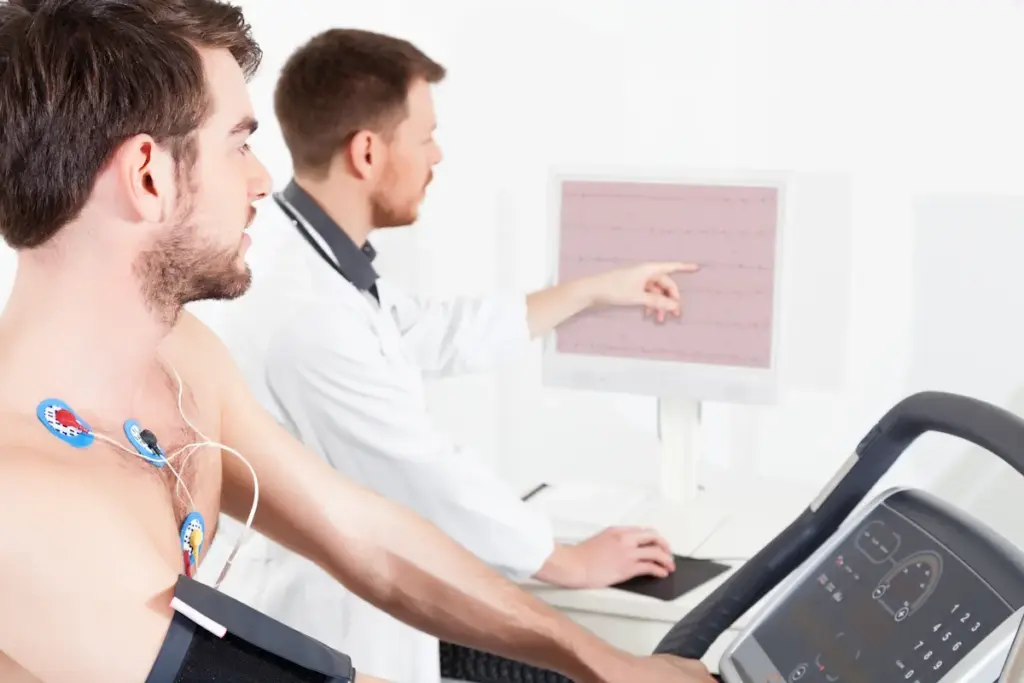
Heart disease is a big problem worldwide, causing millions of hospitalizations and deaths. Diagnostic tests like EKG and echocardiogram are key in finding and treating heart disease. Every year, 17.9 million people die from heart-related diseases, showing how vital accurate diagnosis and treatment are. EKG vs echocardiogram: Which is the best choice? Compare vital accuracy and safety facts to decide which amazing heart test you really need.
When diagnosing heart issues, EKG and echocardiogram are often used. Both tests give important insights into heart health but serve different needs. Knowing the differences between them helps in making better choices for your heart.
Key Takeaways
- Both EKG and echocardiogram are used to diagnose heart conditions, but they provide different types of information.
- Echocardiogram offers a more detailed view of the heart’s structure and function.
- EKG is mainly used to check heart rhythm and find arrhythmias.
- The choice between EKG and echocardiogram depends on the patient’s specific condition and medical history.
- Cardiac ablation is a procedure that may be recommended based on the results of these diagnostic tests.
Understanding EKG: How it Works
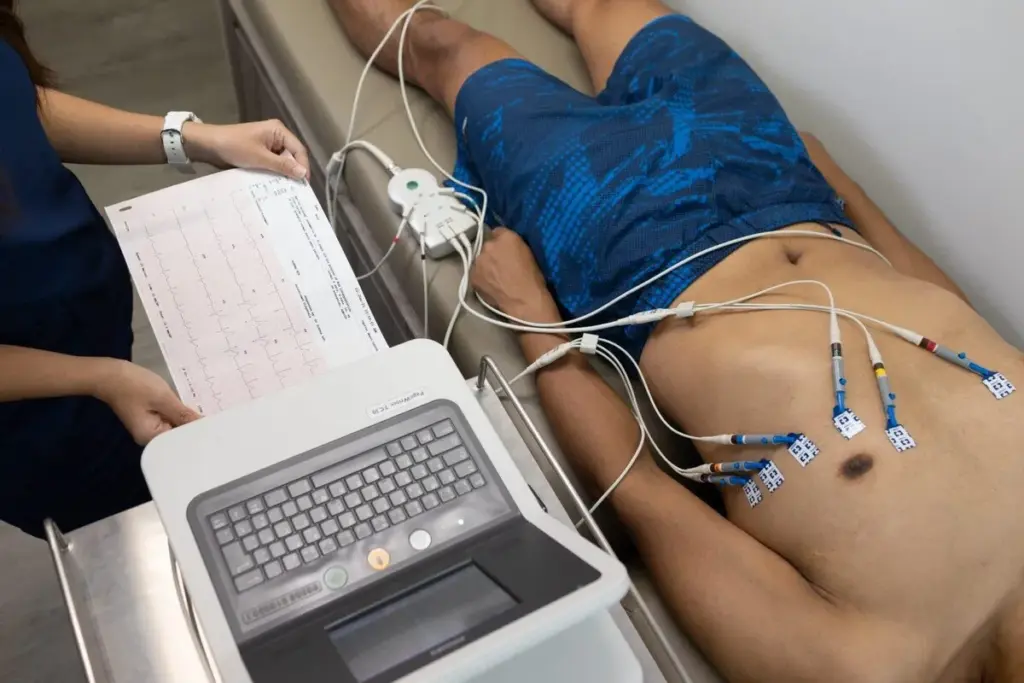
The EKG is a non-invasive test that gives us insights into the heart’s electrical activity. It’s a key tool in cardiac care. We use EKGs to check the heart’s rhythm and spot issues that need more attention.
Definition and Purpose of EKG
An EKG, or electrocardiogram, is a simple yet powerful tool. It measures the heart’s electrical activity. An EKG captures the heart’s signals and shows its rhythm and function by attaching electrodes to the skin.
The main goal of an EKG is to help doctors diagnose and monitor heart conditions. This includes arrhythmias, coronary artery disease, and other heart issues.
“EKGs have changed cardiology by giving a quick and painless way to check the heart’s electrical activity,” says a leading cardiologist. This has greatly helped us diagnose and manage heart conditions better.
Common Uses in Cardiology
EKGs are used in cardiology to diagnose and monitor heart conditions. They are used for:
- Diagnosing arrhythmias, such as atrial fibrillation or ventricular tachycardia
- Monitoring coronary artery disease and detecting signs of ischemia or infarction
- Assessing the heart’s function in patients with symptoms like chest pain or shortness of breath
- Evaluating the effectiveness of treatments, such as medications or pacemakers
Types of EKG Tests Available
There are several EKG tests, each with its own use and benefits. These include:
- Resting EKG: A standard EKG test done while the patient is at rest.
- Stress EKG: An EKG test done while the patient is under physical stress, usually through exercise or medication.
- Holter Monitoring: A portable EKG device that records the heart’s activity over 24 to 48 hours.
Understanding the different EKG tests helps healthcare professionals choose the right one for each patient.
What is an Echocardiogram?
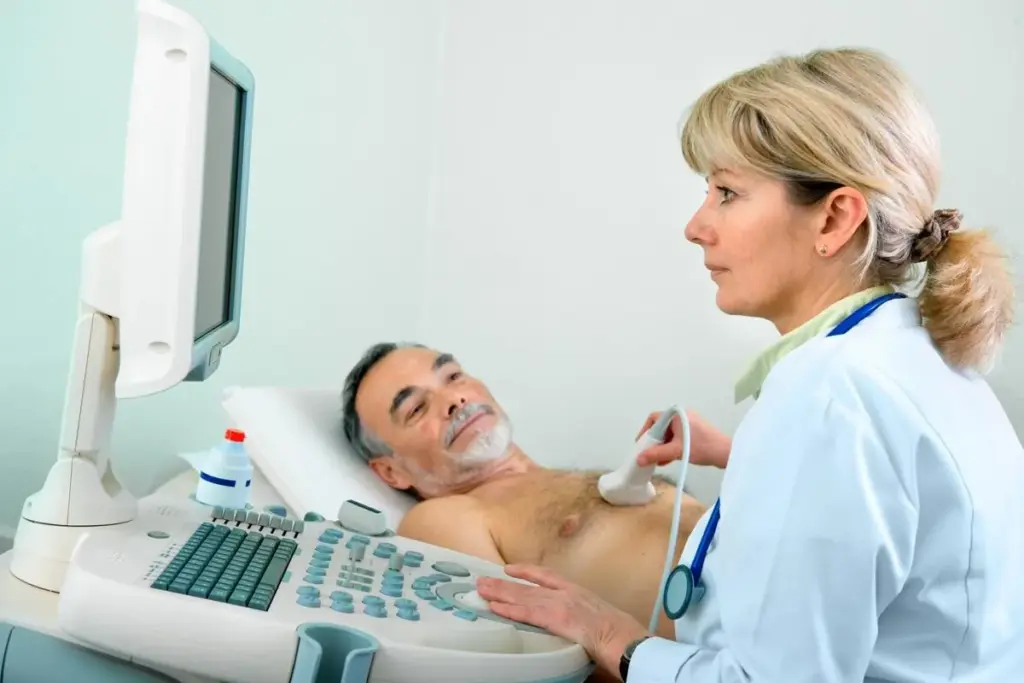
An echocardiogram uses sound waves to see the heart’s details. It’s a non-invasive test that checks heart health and finds heart problems.
Overview of Echocardiogram Techniques
Echocardiography uses ultrasound to make heart images. This method checks heart chambers, valves, and walls. A trained technician or cardiologist does the test.
A transducer on the chest sends and gets sound waves. These waves turn into images on a screen. Doctors can see the heart working live.
Different Types of Echocardiograms
There are many echocardiograms for different needs:
- Transthoracic Echocardiogram (TTE): The most common, with the transducer on the chest.
- Transesophageal Echocardiogram (TEE): A transducer goes into the esophagus for a closer look.
- Stress Echocardiogram: Checks the heart before and after stress, like exercise or medicine.
- Contrast Echocardiogram: Uses a contrast agent for clearer images, great for those with poor quality images.
Indications for Echocardiography
Echocardiography is used for many reasons, like:
- Checking heart valve health and strength.
- Looking at heart failure and cardiomyopathy.
- Finding congenital heart defects.
- Watching heart function in patients getting chemotherapy.
As
“Echocardiography has become an indispensable tool in cardiology, giving a peek into the heart’s structure and function without invasive procedures.”
, it’s a key tool for diagnosing and treating heart issues.
Key Differences Between EKG and Echocardiogram
It’s important to know the differences between EKG and Echocardiogram for heart health. Both tests check the heart but in different ways.
Measuring Electrical Activity vs. Structural Function
An EKG looks at the heart’s electrical activity. It shows how well the heart’s rhythm works. An Echocardiogram, on the other hand, looks at the heart’s structure. It shows how well the heart’s parts work together.
An EKG can spot irregular heartbeats. An Echocardiogram can show problems like leaky valves or poor heart function.
|
Characteristics |
EKG |
Echocardiogram |
|---|---|---|
|
Primary Measurement |
Electrical activity of the heart |
Structural function of the heart |
|
Diagnostic Insights |
Heart rhythm, electrical conduction |
Heart anatomy, valve function, chamber function |
|
Common Uses |
Detecting arrhythmias, ischemia |
Assessing heart failure, valve disorders |
Duration and Procedure Comparisons
An EKG is quick and easy. It takes just a few minutes. Electrodes are placed on the chest and limbs to record the heart’s activity.
An Echocardiogram takes longer and needs special skills. It uses ultrasound to show the heart’s details. It can take 30 minutes to an hour.
Typical Interpretations of Results
Understanding EKG and Echocardiogram results needs special knowledge. EKGs can show heart problems like arrhythmias or heart attacks. These findings help doctors decide what to do next.
Echocardiograms give detailed info on the heart’s structure and function. They help diagnose heart failure or valve disease.
Knowing the differences helps doctors pick the right test for each patient. This ensures accurate diagnosis and effective treatment.
Benefits of EKG
EKG is a key tool in heart health, giving quick and accurate info. It’s a non-invasive test that’s vital in cardiology. It offers many benefits that help care for patients better.
Quick Diagnosis in Emergency Situations
EKG shines in emergencies where fast diagnosis is key. It lets doctors quickly check the heart’s electrical activity. This helps them make fast decisions in serious cases like heart attacks or bad heart rhythms.
“The EKG is a key tool in the emergency department, giving quick insights into the heart’s function during critical moments.”
Simplicity and Accessibility
EKG is easy to use and available everywhere. This test can be done in any healthcare setting. It’s a tool that’s easy to find, from small clinics to big hospitals, all over the world.
Cost-Effectiveness in Routine Screening
EKG is also a budget-friendly option for heart checks. It gives a quick look at the heart’s electrical health. It’s a great first step for those at risk of heart disease, without the cost of more complex tests.
Using EKG in regular check-ups helps doctors spot problems early. This can lead to better health outcomes and save money on more expensive treatments later.
Benefits of Echocardiogram
Echocardiograms are key in cardiology, giving lots of info on the heart. They use ultrasound tech to look inside the heart without surgery. This helps doctors find and treat heart problems well.
Detailed Structural Imaging
Echocardiograms show the heart’s inside in detail. They can see chambers, valves, and walls clearly. This lets doctors check the heart’s shape and work with great accuracy.
“Echocardiography is a cornerstone in the diagnosis and management of heart disease, providing a non-invasive and highly informative assessment of cardiac health.”
These clear images help find issues like valve problems and heart failure. Knowing this helps doctors plan better treatments.
Evaluation of Heart Function Over Time
Echocardiograms help not just at first but also over time. They let doctors see how the heart changes. This helps check if treatments are working and make changes if needed.
Non-Invasive Procedure with Minimal Risks
Echocardiograms are safe and easy, with little risk. They use a probe on the chest to see the heart. This makes it safe for many patients, even those who can’t have other tests.
Echocardiograms are very important for heart care. They give detailed views, track heart changes, and are safe. This makes echocardiograms a vital tool in cardiology today.
Limitations of EKG
EKG is a valuable tool for diagnosing heart issues. Yet, it has its limits. The type of condition and the patient’s health can affect its effectiveness.
Missed Diagnoses in Certain Conditions
EKG measures the heart’s electrical activity. But, it might miss some heart problems. For example, it can’t always spot early coronary artery disease or valve disorders. This is why EKG should be used with other tests when needed.
|
Condition |
EKG Detection Capability |
Additional Diagnostic Needs |
|---|---|---|
|
Arrhythmias |
High |
None typically needed |
|
Coronary Artery Disease (early stages) |
Limited |
Stress test, Echocardiogram |
|
Valve Disorders |
Limited |
Echocardiogram |
Interpretation Challenges
Reading EKG results can be tricky. Age, sex, and health conditions play a role. For instance, what’s normal in athletes might be a sign of trouble in others. Also, test interference can make it harder to understand the results. So, a skilled cardiologist is needed to interpret EKGs.
Patients Who May Need Further Testing
Some people need more tests than just an EKG. This is because EKG has its limits. For example, those with heart disease symptoms but normal EKGs might need more tests. Echocardiograms, stress tests, or cardiac MRI could be needed for a clear diagnosis.
- Patients with a history of heart disease
- Individuals with symptoms like chest pain or shortness of breath
- Athletes or individuals with high physical activity levels
Knowing EKG’s limits helps doctors make better choices. They can ensure patients get the right tests for their health needs.
Limitations of Echocardiogram
Echocardiography is a powerful tool for diagnosing heart issues. Yet, it has its own set of limitations. These can affect how well it works.
Availability and Accessibility Issues
In some areas, getting an echocardiogram can be hard. Limited access to skilled technicians and modern equipment makes it tough to get timely diagnoses.
Dependence on Technician Skill
The quality of an echocardiogram depends a lot on the technician. Variability in technician expertise can cause differences in image quality and accuracy.
Potential for Limited Views of the Heart
Some patients, like those with lung disease, can make it hard to get clear images. Advancements in technology, like contrast echocardiography, help with this.
|
Limitation |
Description |
Potential Solution |
|---|---|---|
|
Availability Issues |
Limited access to echocardiography in rural or under-resourced areas |
Telemedicine and mobile echocardiography units |
|
Technician Skill |
Variability in technician expertise affecting image quality and diagnostic accuracy |
Standardized training programs and quality control measures |
|
Limited Views |
Patient factors limiting echocardiographic windows |
Use of contrast echocardiography and alternative imaging modalities |
In conclusion, echocardiography is a valuable tool but has its limits. Knowing these challenges helps us use it better in medical practice.
When to Choose EKG Over Echocardiogram
An EKG is often the best choice for checking heart health in some cases. We’ll look at when EKG is better than echocardiogram. This includes specific symptoms, emergency room needs, and routine check-ups.
Specific Symptoms That Indicate EKG
Certain symptoms point to using EKG for diagnosis. These include:
- Chest pain or discomfort: EKG is key in spotting heart attacks or blockages.
- Palpitations or irregular heartbeats: EKG finds arrhythmias and other rhythm problems.
- Dizziness or fainting spells: EKG can find causes like arrhythmias or conduction issues.
Emergency Room Situations
In emergencies, EKG is often the first choice. It’s quick and easy to use. It checks heart function fast, which is vital for heart attacks or dangerous arrhythmias.
Rapid diagnosis is critical in emergencies. EKG gives quick insights into the heart’s electrical activity. This helps make quick care decisions.
Routine Checkups and Risk Assessments
EKG is also great for routine heart checks and risk assessments. It’s a simple, non-invasive test that can:
- Find heart problems before symptoms show.
- Check the risk of heart issues later.
- See if treatments are working.
Using EKG in routine checks helps doctors offer preventive care and early treatments. This improves patient results.
When to Opt for an Echocardiogram
Knowing when to get an echocardiogram is key to better health. This test gives clear images of the heart. Doctors use it to check the heart’s health.
Complex Symptoms Requiring Detailed Analysis
If you have complex symptoms like chest pain or shortness of breath, an echocardiogram might be needed. These signs can point to heart issues like valve problems or heart failure. The test helps find the cause and plan the right treatment.
- Checks how well heart valves work
- Looks at heart chamber size and function
- Finds issues like tumors or clots
Preoperative Assessments
Before surgery, an echocardiogram is often needed. It checks the heart’s health and spots risks from anesthesia and surgery. It’s very important for those with heart disease or big surgeries.
Monitoring Heart Disease Progression
For those with heart disease, regular echocardiograms are vital. They help track how the disease is changing and if treatments are working. This lets doctors adjust plans to help patients get better.
- Keeps an eye on heart function in heart disease patients
- Sees if heart failure treatments are working
- Helps change treatment plans based on test results
In short, choosing to have an echocardiogram is a big decision. It depends on symptoms, the need for tests before surgery, and tracking heart disease. By knowing when to use this test, doctors can give better care and improve patient results.
The Role of Technology in Heart Monitoring
Technology has changed heart monitoring a lot. It gives us new ways to see how healthy our hearts are. These new tools are helping doctors diagnose and treat heart problems better.
Technology has made cardiac imaging more accurate and easy to use. This lets doctors make better choices for their patients. We’ll look at the latest in EKG and echocardiography, and what’s coming next in cardiac imaging.
Advancements in EKG Technology
EKG technology has improved a lot. It can now do more to help diagnose heart issues. Some key changes include:
- Portable and Wearable EKG Monitors: These let people monitor their heart anytime, not just in the doctor’s office.
- Advanced Signal Processing Algorithms: These make EKG readings more accurate and cut down on mistakes.
- Integration with Digital Health Platforms: This makes it easy to share and check heart data online.
These updates have made EKGs more useful and easier to use. They help find heart problems early and treat them sooner.
Innovations in Echocardiography
Echocardiography has also seen big improvements. These changes have made it better at diagnosing and predicting heart problems. Some key advancements include:
- 3D and 4D Echocardiography: These give detailed, moving pictures of the heart’s shape and how it works.
- Contrast Echocardiography: This makes it easier to see inside the heart and how blood moves.
- Strain Imaging: This lets doctors check how well the heart muscle is working.
These new features have made echocardiography more precise. It helps doctors diagnose and keep track of heart conditions better.
The Future of Cardiac Imaging
The future of heart imaging looks bright. New research and tech are coming to make it even better. Things like artificial intelligence and machine learning will play big roles.
Some exciting possibilities include:
- AI-Powered Diagnostic Tools: These could make analyzing heart images faster and more accurate.
- Point-of-Care Ultrasound: This could make echocardiography more available in different places.
- Personalized Cardiac Imaging: This could tailor heart scans to fit each patient’s needs.
As tech keeps getting better, heart imaging will too. This means better care for patients in the future.
Understanding Your Test Results
It’s important to understand your EKG and echocardiogram test results. They help you make informed decisions about your heart health. When you get your results, it’s key to know what they mean for your heart.
What EKG Results Can Indicate
EKG results show how your heart’s electrical activity is working. They can point to heart problems like arrhythmias or coronary artery disease. For example, an EKG can tell if you’ve had a heart attack or are at risk for one. Remember, EKG results are just one part of understanding your heart health.
Some common things an EKG might show include:
- Normal sinus rhythm
- Arrhythmias, such as atrial fibrillation
- Signs of ischemia or infarction
Interpreting Echocardiogram Findings
An echocardiogram gives detailed images of your heart. It can spot problems like valve issues or heart failure. It helps your healthcare provider see how well your heart is working and find any problems.
Important things an echocardiogram can check include:
- Ejection fraction, showing how well your heart pumps
- Valve function, looking for stenosis or regurgitation
- Wall motion abnormalities, which can show ischemia areas
Discussion with Your Healthcare Provider
After getting your test results, talking to your healthcare provider is key. They can explain your results in the context of your health, symptoms, and medical history. This is your chance to ask questions, understand your results, and plan your next steps.
Some questions you might ask include:
- What do my test results mean for my current health?
- Are there any more tests or evaluations I need?
- What treatment options are there based on my results?
By working closely with your healthcare provider and understanding your test results, you can actively manage your heart health.
Conclusion: Choosing the Right Test for Heart Health
Choosing the right test for heart health is very important. It depends on the patient’s needs and the situation. We looked at the differences between EKG and echocardiogram, two key tests in cardiology.
Key Considerations for Test Selection
Healthcare providers think about several things when choosing between EKG and echocardiogram. They look at the patient’s symptoms, medical history, and if detailed heart images are needed. It’s all about giving the best care for each patient.
Summary of Findings
EKG checks the heart’s electrical activity, while echocardiogram shows the heart’s structure and function. Knowing what each test can do helps doctors make the best choice for patients.
By looking at each patient’s needs, we can pick the right test. This leads to better care and better heart health outcomes.
FAQ
What is the difference between an EKG and an echocardiogram?
An EKG checks the heart’s electrical activity. An echocardiogram uses sound waves to show the heart’s structure and function.
What is a cardiac ablation?
Cardiac ablation is a procedure that uses energy to destroy heart tissue causing abnormal heart rhythms.
What is the purpose of a catheter ablation for atrial fibrillation?
This procedure aims to fix abnormal heart rhythms by destroying the bad electrical pathways in the heart.
How serious is heart ablation surgery?
Heart ablation surgery is usually safe and effective. But, like any surgery, there are risks like bleeding or infection.
What are the benefits of catheter ablation for supraventricular tachycardia (SVT)?
Catheter ablation for SVT is very effective. It can cure the condition, making symptoms go away and improving life quality.
How long does it take to recover from a heart ablation procedure?
Recovery time varies, but most people can get back to normal in a few days to a week.
What are the possible risks and complications of cardiac ablation?
Risks include bleeding, infection, damage to the heart or tissues, and arrhythmias.
Can I die from a heart ablation?
Death from heart ablation is rare. But, it can happen, mainly in those with serious heart disease or other health issues.
How many times can you have a heart ablation?
How many times you can have heart ablation depends on your situation. Sometimes, you might need more than one procedure.
What is the life expectancy after cardiac ablation?
Life expectancy after cardiac ablation varies. It depends on your heart condition, overall health, and how well the procedure works.
JAMA Network. Evidence-Based Medical Insight. Retrieved from https://jamanetwork.com/journals/jama/fullarticle/187942