Millions of people worldwide undergo elbow surgery every year. A key part of getting better is wearing a sling. How long you need to wear it depends on the surgery type and your situation.
Recovering from an elbow injury or elbow pain treatment is tough. It’s important to follow the right post-op care for a good recovery. A sling helps by supporting and protecting the injured area.
Key Takeaways
- Understanding the importance of wearing a sling after surgery.
- Factors influencing the duration of sling use.
- Tips for effective post-operative care.
- The role of a sling in supporting recovery.
- What to expect during the recovery period.
Understanding the Purpose of Slings After Elbow Surgery
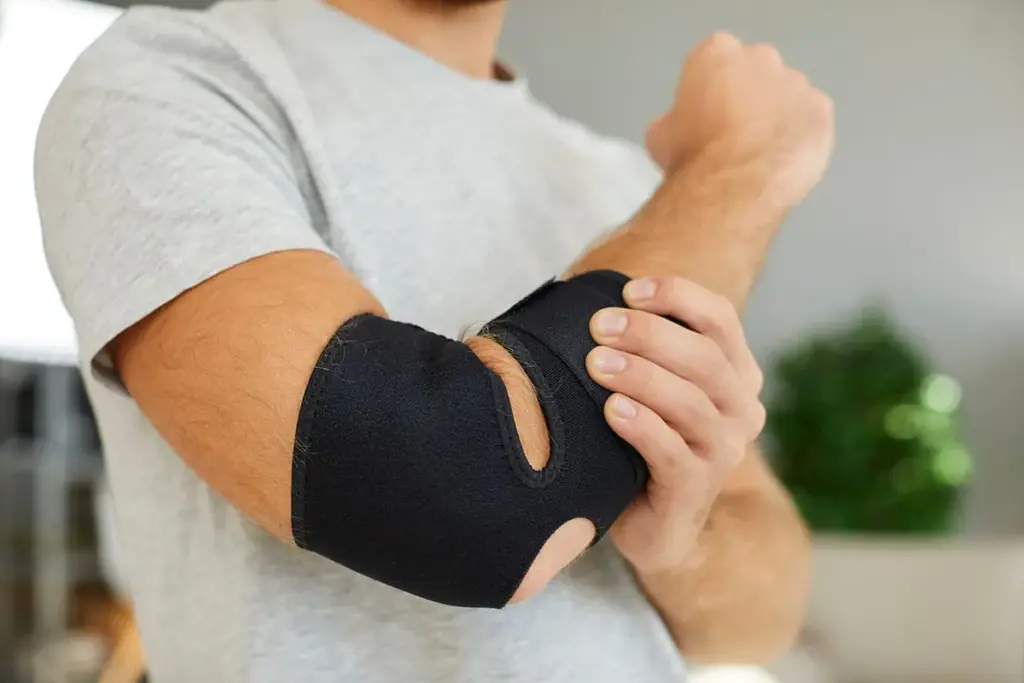
Knowing how a sling helps after elbow surgery is key for a good recovery. After surgery, patients often need to wear a sling to support their arm while it heals.
Immobilization and Protection Benefits
A sling’s main job after elbow surgery is to keep the area stable and safe. It limits movement, which helps prevent problems and supports healing. This is very important in the early stages of recovery when the elbow is most at risk.
The sling also helps by reducing pain and discomfort. It does this by taking pressure off the surgical area. This lets the tissues heal without too much stress or movement.
Types of Slings Used for Different Elbow Procedures
Not all elbow surgeries need the same type of sling. For example, a simple sling might be enough for small procedures. But, more complex surgeries might need a stronger or specialized sling. The right sling depends on the surgery and the patient’s needs.
- Simple slings for minor elbow surgeries
- Supportive slings for more complex procedures
- Specialized slings designed for specific types of elbow surgery
How Slings Contribute to Healing
Slings play a big role in healing after elbow surgery by keeping the elbow stable. This stability is key for proper healing of tissues and bones. Slings also help by reducing movement and stress on the surgical area, which lowers the risk of complications like infection or re-injury.
Using a sling correctly can help you recover faster and more successfully. It’s a big part of the care plan after surgery, helping with the whole rehabilitation process.
Common Types of Elbow Surgery and Their Recovery Protocols
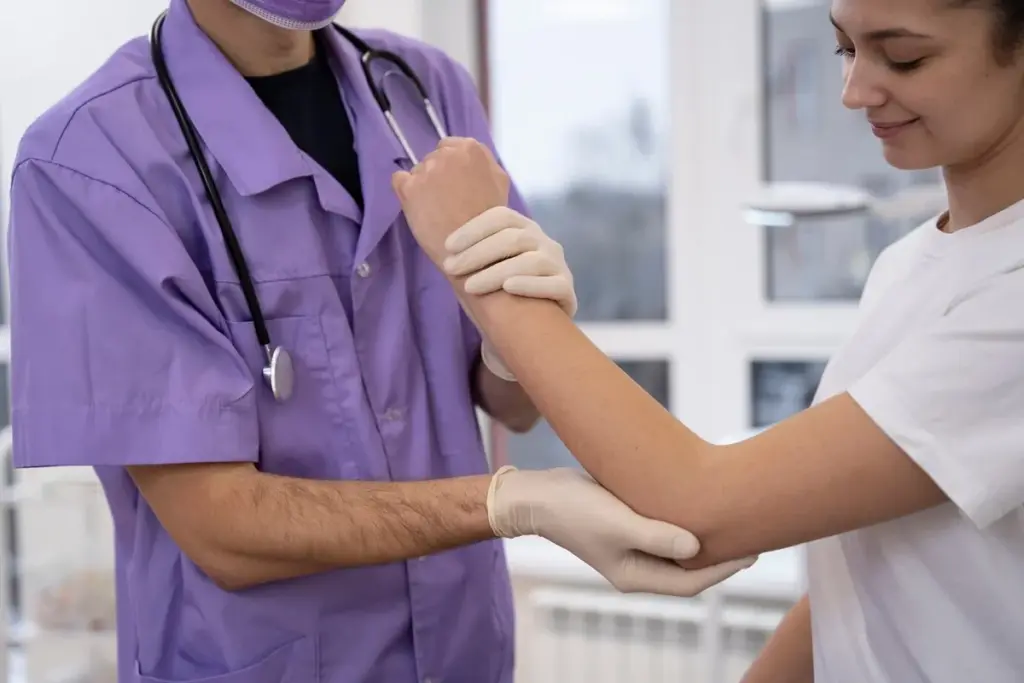
Elbow surgery includes many procedures, each with its own recovery plan. The surgery type depends on the condition, its severity, and the patient’s health.
Tennis Elbow Surgery (Lateral Epicondylitis)
Tennis elbow surgery treats chronic tendonitis on the outside of the elbow. It’s common in tennis players and those with repetitive arm motions. The surgery removes damaged tendon tissue to ease pain and improve function.
Recovery Protocol: Recovery from tennis elbow surgery takes 4 to 6 weeks. Patients should avoid heavy lifting and bending. Physical therapy helps regain strength and flexibility.
Ulnar Nerve Transposition
Ulnar nerve transposition surgery relieves pressure on the ulnar nerve in the elbow. This can cause numbness, tingling, and weakness in the hand and arm. The surgery moves the ulnar nerve to reduce compression.
Recovery Protocol: Recovery from this surgery is about 3 to 4 weeks. Patients may need a splint to keep the elbow stable. Gentle exercises are introduced to restore elbow movement.
Elbow Arthroscopy
Elbow arthroscopy is a minimally invasive procedure for diagnosing and treating elbow conditions. It involves using a small camera and instruments through tiny incisions.
Recovery Protocol: Recovery from elbow arthroscopy is faster, with most patients returning to normal activities in 2 to 4 weeks. Physical therapy is recommended to improve elbow mobility and strength.
Total Elbow Replacement
Total elbow replacement replaces the damaged elbow joint with an artificial one. It’s for patients with severe rheumatoid arthritis or complex fractures.
Recovery Protocol: Recovery from total elbow replacement takes several months. Patients may need a splint for 4 to 6 weeks. A structured rehabilitation program is essential to regain elbow function and strength.
Typical Sling Duration for Different Elbow Procedures
Knowing how long to wear a sling after elbow surgery is key for a good recovery. The time needed can change a lot based on the surgery’s complexity and type.
Minimally Invasive Procedures
For minimally invasive procedures, like some elbow arthroscopy, the sling time is usually short. It ranges from 1 to 2 weeks. These surgeries have smaller cuts and less damage, helping patients heal faster.
Moderate Procedures
Moderate procedures, like ulnar nerve transposition, need a sling for 2 to 4 weeks. This longer time helps the elbow heal right, reducing risks.
Complex Reconstructive Surgeries
For complex reconstructive surgeries, like total elbow replacement, the sling time can be longer. It can last from 4 to 6 weeks or more. These surgeries need more time to heal properly.
Factors That Influence Sling Duration
Many factors affect how long a sling is needed. These include the patient’s health, the surgeon’s advice, and the surgery method. Also, any complications or extra rehab can make the sling time longer.
It’s vital for patients to listen to their surgeon’s sling use advice. Knowing these factors and following the recommended time can help patients recover well after elbow surgery.
The First Week After Elbow Surgery: Critical Recovery Period
The first week after elbow surgery is a big time for recovery. It’s important to follow certain steps to heal right and avoid problems.
Initial Post-Operative Care Instructions
Right after surgery, it’s key to follow some care steps. Keep the surgery area clean and dry, watch for infection signs, and use pain meds as told. “Rest, ice, compression, and elevation (RICE) are key in the first recovery phase,” say orthopedic doctors.
Always listen to your doctor’s specific advice. They might have extra tips for your situation and surgery type.
Managing Swelling and Inflammation
Swelling and inflammation are common after elbow surgery. Use ice packs for 15-20 minutes, several times a day. Also, keep your arm up to lower swelling. “Managing swelling well is key to a good recovery,” says a top orthopedic expert.
Compression bandages or sleeves can also help with swelling. Make sure to use them as your surgeon suggests.
Proper Sling Positioning and Adjustment
Getting the sling right is important for healing. Adjust it to support your arm without hurting your shoulder or neck. Wear it as your surgeon says, usually all the time except for certain activities or baths.
Check the sling’s fit often to avoid skin issues and stay comfy. “A good-fitting sling is vital for a smooth recovery,” says a medical pro.
Pain Management Strategies During Elbow Surgery Recovery
Managing pain well is key to a smooth recovery after elbow surgery. It makes patients more comfortable and helps them heal faster.
Prescribed Medications and Their Usage
After elbow surgery, doctors often give patients pain meds. These can be opioids for bad pain, NSAIDs for swelling, or acetaminophen for mild pain. Always take your meds as told by your doctor to manage pain safely.
It’s important to report any side effects to your doctor. Also, be careful with opioids to avoid getting too dependent on them.
Non-Pharmaceutical Pain Relief Methods
There are also non-med ways to ease pain after elbow surgery. These include:
- Using ice packs to cut swelling and pain
- Keeping the arm up to lessen swelling
- Wearing compression bandages for support
- Doing gentle exercises as your physical therapist suggests
These methods can work with your meds to help you feel better.
When to Contact Your Doctor About Pain
Knowing when to call your doctor about pain is important. Call them if you have:
|
Symptom |
Description |
|---|---|
|
Severe Pain |
Pain that can’t be controlled with your meds |
|
Increased Swelling |
Swelling that gets worse or is red and warm |
|
Numbness or Tingling |
New or getting worse numbness or tingling in the arm or hand |
Spotting these signs early can stop problems and help you recover better.
Weeks2-3 of Recovery: Gradual Transition Phase
After elbow surgery, weeks 2-3 are key. Patients start to feel more independent and use their sling less. This time is about finding the right balance between support and gentle exercises to help healing.
Reduction in Sling Usage Patterns
In weeks 2-3, sling use starts to decrease. The sling is worn less often and for shorter periods as patients get more comfortable and mobile. It’s important to follow the doctor’s advice on when to use the sling to ensure proper healing.
Doctors often suggest wearing the sling in specific situations, such as:
- During heavy activities or when lifting objects
- In crowded areas or when there’s a risk of accidental impact
- At night, if recommended by the surgeon
Beginning Gentle Range of Motion Exercises
Weeks 2-3 introduce gentle exercises to keep the elbow flexible and prevent stiffness. These exercises should be done within a pain-free range. They include simple movements like bending, straightening, and rotating the elbow.
A sample routine might include:
|
Exercise |
Repetitions |
Frequency |
|---|---|---|
|
Gentle Elbow Flexion |
10-15 |
3 times a day |
|
Elbow Extension |
10-15 |
3 times a day |
|
Forearm Rotation |
10-15 |
3 times a day |
Signs of Normal Healing Progress
During weeks 2-3, watch for signs of healing. These include:
- Gradual reduction in pain levels
- Improved range of motion
- Decreased swelling and bruising
Regular follow-up appointments with the surgeon are vital. By weeks 2-3, most patients are on the right track. But, healing speeds can vary from person to person.
Weeks4-6: Transitioning Away From the Sling
As you enter weeks 4-6 after elbow surgery, you’ll start to move away from the sling. Your doctor will guide you through this. It’s a big step towards getting your elbow strong and mobile again.
Supervised Sling Removal Periods
In weeks 4-6, your doctor will tell you when to remove the sling. You’ll start with short periods without the sling, under their watch. It’s important to listen to your doctor to avoid any setbacks.
You might start with simple tasks or exercises without the sling. As your elbow gets stronger, you’ll do more. Keep an eye on your pain to help your doctor adjust your sling removal plan.
Progressive Strengthening Exercises
Strengthening your elbow is key in weeks 4-6. Your doctor or physical therapist will give you progressive strengthening exercises. These exercises help improve your elbow’s strength and range of motion.
Exercises might include flexion and extension, forearm rotations, and grip strengthening. Do these exercises without pain and stop if you feel sharp pain or discomfort.
- Flexion and extension exercises to improve elbow mobility
- Forearm rotations to enhance flexibility and strength
- Grip strengthening exercises using light weights or resistance bands
Adjusting to Daily Activities Without Support
Without the sling, you’ll need to do daily tasks on your own. It might be hard at first, but you’ll get better with time. Start with simple things like dressing and eating, then move on to harder tasks.
Make sure your environment is safe by removing tripping hazards and ensuring good lighting. This is important if you’re feeling numb or weak in your arm.
By week 6, most people have made a lot of progress. But keep following your doctor’s advice and go to all your follow-up appointments. This ensures you’re recovering well.
What to Expect at Post-Op Appointments After Elbow Surgery
Knowing what to expect at post-op appointments can make your recovery easier. These visits are key for checking on your progress and making any needed changes to your recovery plan.
First Follow-Up Visit (7-14 Days)
Your first follow-up visit is usually 7 to 14 days after surgery. Your surgeon will:
- Check the surgical site to see if it’s healing right
- Remove any stitches or staples
- Look at your range of motion and pain
- Give advice on how to keep recovering at home
It’s important to tell your surgeon about any unusual symptoms like more pain, swelling, or numbness.
Subsequent Appointments and Milestone Assessments
After the first visit, you’ll have more appointments to check on your progress. These visits may include:
- Checking your range of motion and strength
- Looking at how bones or tendons are healing
- Changing your rehab exercises
- Talking about when you can go back to normal activities
These assessments help your surgeon see how you’re doing and make the right decisions for you.
When Your Surgeon Might Adjust Sling Requirements
As you get better, your surgeon might change your sling use. They’ll look at:
- How your pain is improving
- Your range of motion
- How stable your elbow is
Your surgeon’s advice is key in deciding when to change or stop using a sling.
Questions to Ask Your Surgeon About Recovery
Being ready with questions for your post-op appointments is helpful. You might ask about:
- How long it will take to recover
- Physical therapy or exercises
- Possible complications and what to watch for
- When you can go back to work or sports
Don’t be shy about asking questions – your surgeon is there to help you recover.
How to Properly Wear and Adjust Your Elbow Sling
Wearing and adjusting your elbow sling right is key for a smooth recovery after surgery. Using a sling can be tough, but with the right tips, you can get the most out of it.
Correct Positioning for Maximum Benefit
To get the most from your elbow sling, position it correctly. The sling should support your arm with your elbow bent at about 90 degrees. Make sure it’s not too tight or too loose to avoid discomfort or harm your healing.
Preventing Pressure Points and Skin Irritation
One common problem with sling use is skin irritation or pressure points. To avoid this, adjust the sling often and watch for any redness or irritation. You can also use a soft cloth or padding under the sling to make it more comfortable.
Nighttime Sling Management
Managing your sling at night can be tough, but it’s key for keeping your elbow in the right position while you sleep. Think about using a sling that’s more comfy for nighttime, or adjust how you sleep to avoid elbow pressure. Sleeping on your back or the opposite side can help reduce strain.
Sling Hygiene and Maintenance
Keeping your sling clean is important for both hygiene and comfort. Wash the sling as the maker says, and make sure it’s dry before you use it. Check the sling often for wear and tear, and get a new one if needed to keep support.
By following these tips, you can make sure your elbow sling supports and comforts you during recovery. If you have any worries about your sling or feel any discomfort, talk to your healthcare provider for help.
When Can You Start Straightening Your Arm After Elbow Surgery?
Knowing when and how to straighten your arm after elbow surgery is key for a good recovery. You’ll need to slowly regain arm mobility. It’s important to follow a safe and effective healing timeline.
Timeline for Range of Motion Recovery
The time it takes to regain range of motion after elbow surgery depends on the surgery type. Patients can start with gentle exercises a few weeks after surgery. For less invasive surgeries, this can be as early as 1-2 weeks.
More complex surgeries might need a longer wait, usually 4-6 weeks, before starting exercises.
Safe Exercises to Improve Extension
To safely improve arm extension, start with gentle exercises. Your healthcare provider or physical therapist will guide you. Some exercises include:
- Gentle stretching: Slowly straighten your arm while keeping your elbow comfortable.
- Active range of motion exercises: Move your arm through its range without help.
- Passive range of motion exercises: Use your other arm or a device to gently move your affected arm.
Warning Signs of Pushing Too Hard
Be aware of warning signs that you’re pushing too hard during recovery. These include:
- Increased pain: Sharp or severe pain when straightening your arm.
- Swelling: Sudden or increased swelling around your elbow.
- Numbness or tingling: Unusual sensations in your arm or hand.
If you notice any of these symptoms, see your healthcare provider right away.
Dealing with Persistent Stiffness
Dealing with persistent stiffness after elbow surgery can be tough. To manage it, you can:
- Continue with gentle exercises as recommended by your healthcare provider.
- Use heat or cold therapy to reduce stiffness.
- Consider physical therapy to improve flexibility and strength.
Getting full arm extension after elbow surgery takes patience and following rehabilitation protocols. Being aware of signs of complications is also important. By following these steps, you can improve your recovery and get back to normal activities.
Driving After Elbow Surgery: Timeline and Safety Considerations
After elbow surgery, many patients wonder when they can drive again. The answer varies based on the surgery type, recovery progress, and your driving ability.
Safety Concerns While Using a Sling
Using a sling after surgery limits your arm movement. This can make driving harder. It’s important to check if you can safely drive before getting behind the wheel.
Key safety concerns include:
- Limited mobility: A sling restricts arm movement, affecting steering and braking.
- Reaction time: Reduced mobility can slow your reaction to road surprises.
- Visibility: A sling might block your view or make mirror checks harder.
Legal and Insurance Implications
Driving after surgery has legal and insurance issues. Laws differ, but you must always control your vehicle. If an accident happens and your surgery is a factor, you could face legal and insurance problems.
|
Consideration |
Description |
|---|---|
|
Legal Responsibility |
Driving with a known impairment can lead to legal trouble. |
|
Insurance Implications |
An accident while driving with a sling might affect your insurance claim. |
Gradual Return to Driving Protocol
When you’re ready to drive again, start slowly. Begin in an empty parking lot to check your driving skills.
Steps to follow:
- Start with short drives in low-traffic areas.
- Gradually increase your driving time and complexity.
- Stop if you feel uncomfortable or in pain.
Alternative Transportation Options During Recovery
During recovery, using other transport is safer. Options include rides from family, public transport, or ride-sharing.
By carefully considering these points, you can ensure a safe recovery after elbow surgery.
Managing Daily Activities While Wearing an Elbow Sling
Wearing an elbow sling after surgery changes your daily life. But, with some smart adjustments, you can handle your daily tasks well. We’ll look at tips for bathing, dressing, work, and sleeping to ease your recovery.
Bathing and Personal Hygiene Strategies
Bathing with a sling is tough, but it’s doable. Use a waterproof sling cover or sponge baths. Having someone help, like when washing your hair or back, is a good idea.
Dressing and Clothing Adaptations
Dressing with a sling can be hard. Wear loose, easy clothes. Choose front-opening shirts or dresses. Clothes with magnetic or velcro closures are also helpful.
“Wearing loose, comfortable clothing can make a big difference during your recovery. It’s all about making things easier for yourself.” – An Orthopedic Surgeon
Workplace Accommodations and Modifications
If your job is active, talk to your boss about changes. You might work from home or have easier tasks. For desk jobs, make your workspace ergonomic to avoid arm and shoulder strain.
|
Job Type |
Possible Accommodations |
|---|---|
|
Desk Job |
Ergonomic workstation setup, reduced typing duties |
|
Physical Labor |
Temporary reassignment, work from home |
Sleep Positioning and Comfort Tips
Sleeping with a sling can be hard, but there are ways to get better rest. Try sleeping in a reclined position or use extra pillows for support. Don’t sleep on the side of the surgery to avoid pain and risks.
- Use a recliner or adjust your bed to a comfortable position.
- Place pillows around you to support your sling and arm.
- Avoid sleeping on your stomach or the side of the surgery.
Physical Therapy Protocols for Optimal Elbow Surgery Recovery
A tailored physical therapy plan is key for elbow surgery recovery. Each patient’s path is different, so their rehab needs are too.
Early Rehabilitation Exercises While Using a Sling
Patients can start gentle exercises with a sling on. These early steps help keep mobility and prevent stiffness. They include finger bends, wrist rotations, and shoulder shrugs.
Examples of early exercises:
- Finger bends and straightens
- Wrist rotations
- Shoulder shrugs and rolls
Progression of Therapy as Sling Use Decreases
When sling use goes down, therapy gets more intense. It includes active range of motion, strengthening, and proprioceptive training.
Home Exercise Programs and Compliance
Following a home exercise plan is vital. We give detailed instructions and demos. Sticking to these plans greatly affects recovery.
Tips for effective home exercise programs:
- Set a regular schedule for exercises
- Keep a log of exercises performed
- Gradually increase exercise intensity as advised
Measuring Progress in Rehabilitation
We track progress with regular checks on range of motion, strength, and function. Standardized measures help us adjust therapy as needed.
Key indicators of progress:
- Improvement in range of motion
- Increase in muscle strength
- Enhanced functional ability
Complications That May Extend Sling Usage After Elbow Surgery
Recovering from elbow surgery can be tough. Many complications might make you use a sling longer than expected. Knowing about these issues can help you plan better and get better faster.
Delayed Healing and Its Causes
Delayed healing is a big issue that can make sling use longer. Several things can cause this, including:
- Poor blood supply to the affected area
- Infection or inflammation
- Underlying health conditions, such as diabetes
- Smoking or tobacco use
- Poor nutrition or inadequate rest
Knowing these causes can help you avoid them. This way, you can heal faster.
Post-Surgical Infections: Signs and Treatment
Infections after surgery are serious. They can slow down your recovery. Look out for these signs:
- Increased redness or swelling around the surgical site
- Pus or discharge from the wound
- Fever or chills
- Increased pain or tenderness
Seeing a doctor right away is key. They might give you antibiotics or need to do more surgery.
Nerve Damage Considerations and Management
Nerve damage is another risk after elbow surgery. It can happen during surgery or later due to swelling. Symptoms include numbness, tingling, or weakness in your arm or hand.
Managing nerve damage usually means watching it closely, doing physical therapy, and sometimes more surgery to relieve pressure.
Revision Surgery Scenarios and Recovery Expectations
Sometimes, you might need a second surgery to fix problems from the first one. This can be more complicated and take longer to recover from.
|
Revision Surgery Scenario |
Recovery Expectation |
|---|---|
|
Infection requiring debridement |
Extended antibiotic treatment and potentially longer sling use |
|
Implant failure or loosening |
Revision surgery with potentially longer recovery and rehabilitation |
|
Nerve damage repair |
Variable recovery depending on the extent of nerve damage and repair |
Knowing about the possibility of needing a second surgery can help you prepare for a longer recovery.
Special Considerations for Athletes Recovering from Elbow Surgery
Athletes recovering from elbow surgery face unique challenges. They need to heal and regain strength and flexibility for their sport. This is key to a successful return.
Sport-Specific Return Timelines
The time it takes to return to competition varies by sport and surgery type. For example, tennis elbow operation recovery timelines differ from more complex surgeries.
|
Sport |
Typical Return Timeline |
Key Factors for Return |
|---|---|---|
|
Tennis |
3-6 months |
Regaining grip strength, forearm endurance |
|
Baseball (Pitchers) |
6-9 months |
Restoring elbow stability, pitching mechanics |
|
Golf |
2-4 months |
Regaining swing strength, flexibility |
Modified Training During Recovery Phases
During recovery, athletes need modified training to stay fit without harming their healing. This includes:
- Lower body and core strengthening exercises
- Cardiovascular training that doesn’t stress the elbow
- Flexibility and mobility exercises for the shoulder and wrist
Preventing Re-injury When Returning to Competition
Preventing re-injury is key when returning to competition. Athletes should work with coaches and trainers to create a safe return plan. This includes:
- Gradual increase in intensity and volume of training
- Monitoring for signs of overuse or fatigue
- Use of protective gear or braces as needed
Working With Sports Medicine Specialists
Working with sports medicine specialists is vital for athletes recovering from elbow surgery. These experts offer:
- Rehabilitation protocols tailored to the athlete’s specific needs
- Strategies for preventing re-injury
- Guidance on when to return to competition safely
Understanding these special considerations helps athletes recover from elbow surgery effectively. This ensures a strong and healthy return to their sport.
Conclusion: Key Takeaways About Elbow Surgery Recovery and Sling Use
Recovering from elbow surgery needs careful post-op care. This includes using a sling correctly. The time you need to use a sling depends on the surgery type. It can be from 1-2 weeks for simple surgeries to 4-6 weeks for more complex ones.
Good elbow surgery recovery means more than just wearing a sling. It also includes moving your elbow and getting stronger. It’s important to follow post-op care advice well to heal right and avoid problems.
Important points from our talk are about supervised sling removal and starting to move your elbow again. You also need to adjust your daily life to help your elbow heal. Proper elbow pain treatment and management are key for a smooth recovery.
By sticking to these tips and working with your healthcare team, you can get the best results after elbow surgery.
FAQ
How long do I need to wear a sling after elbow surgery?
The time you need to wear a sling depends on your surgery. For simple procedures, it’s 1-2 weeks. More complex surgeries might need 4-6 weeks.
What is the purpose of wearing a sling after elbow surgery?
A sling keeps your elbow stable and safe. It helps your elbow heal by limiting movement. It also reduces pain and swelling.
Can I drive while wearing an elbow sling?
It’s not safe to drive with an elbow sling. It can make it hard to control the car. Always check with your doctor first.
How do I manage pain after elbow surgery?
To manage pain, take the medicines your doctor prescribes. Use ice therapy and start gentle exercises as advised by your doctor or physical therapist.
When can I start straightening my arm after elbow surgery?
When you can start moving your arm again depends on your surgery. You might start with gentle exercises a few weeks after. Always follow your doctor’s or physical therapist’s advice.
What are the signs of normal healing after elbow surgery?
Normal healing signs include less pain and swelling. You’ll also notice your range of motion improving. Doing daily tasks will become easier.
How do I properly wear and adjust my elbow sling?
Wear your sling snug but not too tight. Adjust it to avoid pressure points and skin irritation. Your healthcare provider can give you specific instructions.
What are the possible complications that may extend sling usage?
Issues like delayed healing, infections, or nerve damage might mean you need to wear the sling longer. Your surgeon will keep an eye on you and adjust your treatment plan as needed.
Can I bathe or shower while wearing an elbow sling?
You can adapt your bathing and showering to wear a sling. Your healthcare provider can give you tips on keeping the sling dry or suggest alternatives for staying clean.
How does physical therapy contribute to elbow surgery recovery?
Physical therapy is key in your recovery. It helps you with exercises that improve your range of motion, strength, and function. This helps you get back to your normal activities.
Are there special considerations for athletes recovering from elbow surgery?
Athletes need special rehabilitation plans. They might need modified training and advice on preventing re-injury when they return to competition.
What should I expect during post-op appointments after elbow surgery?
Post-op appointments are for checking on your healing and adjusting your treatment plan. Your surgeon will also answer any questions or concerns you have.
National Center for Biotechnology Information. Evidence-Based Medical Insight. Retrieved from https://pubmed.ncbi.nlm.nih.gov/14677402/