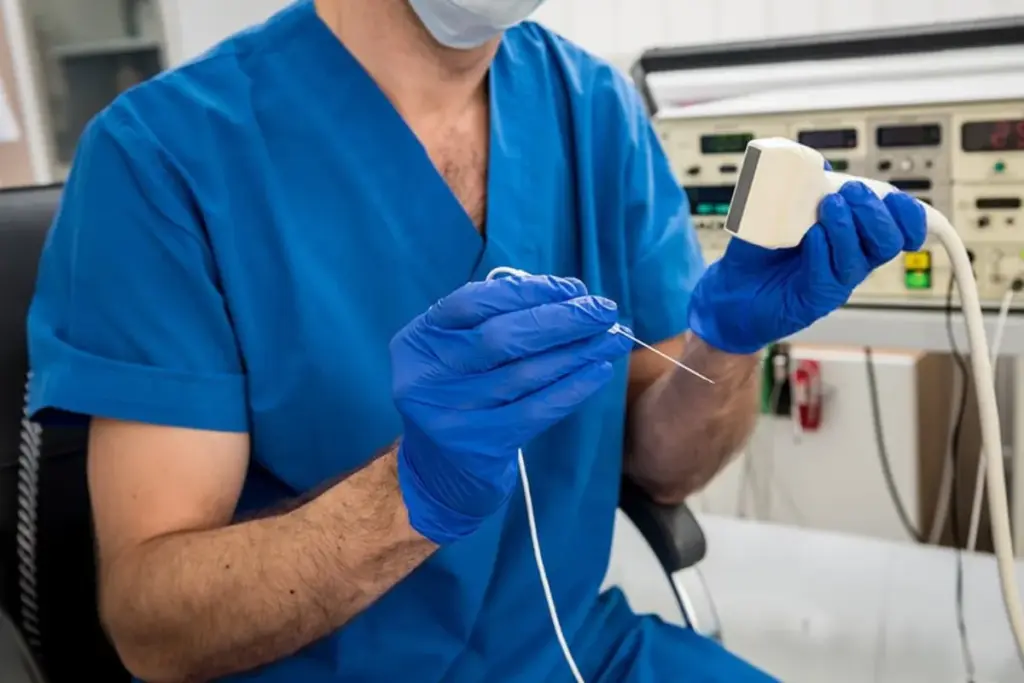
Heart rhythm disorders affect millions worldwide. They cause symptoms like palpitations, shortness of breath, and fatigue. Cardiac electrophysiology is a medical specialty that diagnoses and treats these conditions. We understand the importance of being informed about your treatment options.
During an electrophysiology procedure, patients often wonder if they are awake. The answer depends on the type of procedure and individual patient needs. Our medical team ensures that you are comfortable and informed throughout the process.
Key Takeaways
- Cardiac electrophysiology treats heart rhythm disorders.
- Electrophysiology procedures can vary in complexity.
- Patient comfort is a priority during these procedures.
- Being awake or asleep during the procedure depends on individual needs.
- Our medical team provides complete care and support.
What Is Cardiac Electrophysiology?
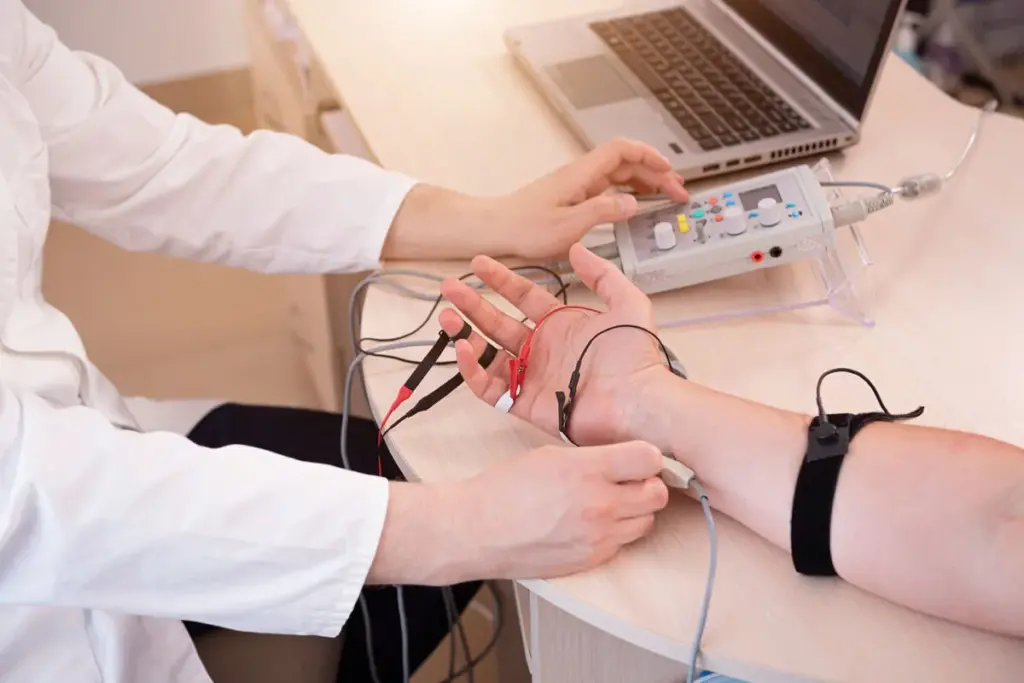
We explore the world of cardiac electrophysiology, where we learn about the electrical signals that control our heart. This field of medicine deals with heart rhythm disorders, or arrhythmias. It aims to diagnose and treat these issues.
The Science Behind Heart Rhythm Studies
The study of heart rhythm involves understanding the heart’s electrical properties. Cardiac electrophysiology looks at how electrical signals move through the heart. This helps us manage different arrhythmias.
The heart’s electrical system is complex. It includes ion channels, nodes, and pathways that work together. Any problem in this system can cause arrhythmias, which can be dangerous.
Common Conditions Requiring Electrophysiology Procedures
Many conditions need electrophysiology procedures for diagnosis and treatment. These include:
- Atrial fibrillation, a type of irregular heartbeat that can increase the risk of stroke and heart failure.
- Ventricular tachycardia, a potentially life-threatening arrhythmia that can cause the heart to beat too quickly.
- Supraventricular tachycardia (SVT), a condition characterized by rapid heartbeats originating above the ventricles.
Electrophysiology studies and procedures help us understand and manage these conditions. They improve patient outcomes and quality of life.
The Consciousness Question: Awake or Asleep?
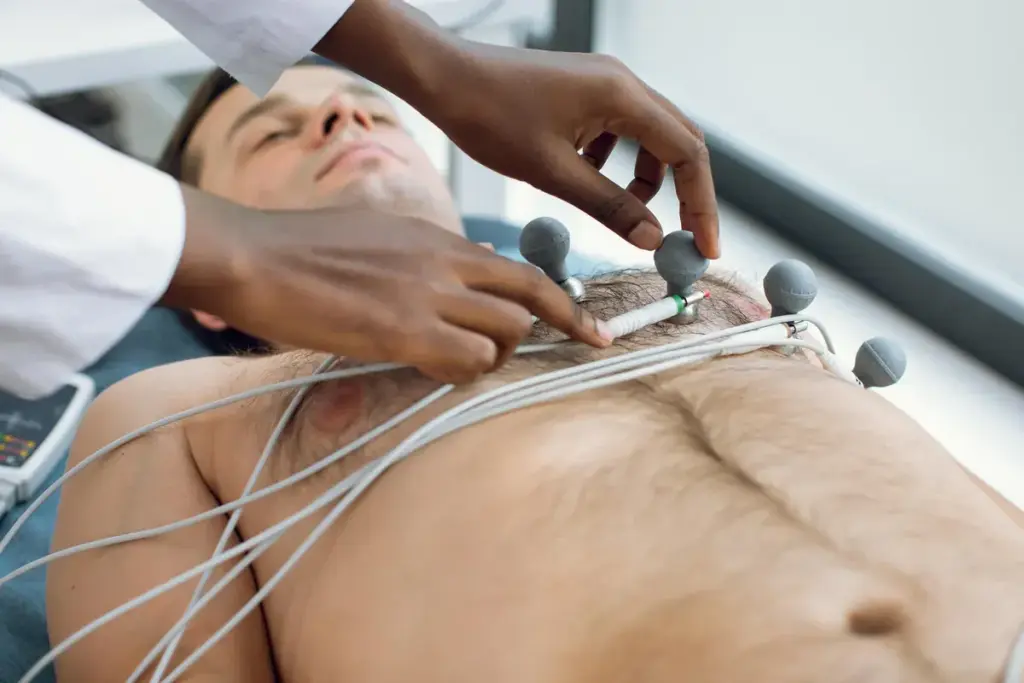
Patients often wonder if they’ll be awake or asleep during an electrophysiology procedure. The answer varies based on the sedation type. This can range from conscious sedation to general anesthesia.
We aim to ease your anxiety by explaining what to expect. Knowing about the procedure helps a lot.
Levels of Sedation in Electrophysiology
Electrophysiology procedures use different sedation levels for comfort. The main types are:
- Conscious Sedation: Patients stay awake but feel relaxed and might not remember the procedure.
- Deep Sedation: Patients are semi-conscious and may not respond to commands.
- General Anesthesia: Patients are completely asleep and won’t feel pain.
|
Sedation Type |
Patient State |
Typical Use in Electrophysiology |
|---|---|---|
|
Conscious Sedation |
Awake but relaxed |
Diagnostic procedures, some ablations |
|
Deep Sedation |
Semi-conscious |
Complex ablations, some device implantations |
|
General Anesthesia |
Completely unconscious |
Complex arrhythmia ablations, some surgical implantations |
Why Some Procedures Require Consciousness
Some electrophysiology procedures need patients to be awake or under conscious sedation. This is because their feedback is key during treatments like catheter ablations for arrhythmias.
Being awake or partially awake lets patients report any discomfort or unusual sensations. This helps electrophysiologists adjust the treatment as needed.
By staying conscious, patients help make the procedure successful. This leads to better outcomes for them.
Types of Electrophysiology Procedures and Sedation Approaches
Electrophysiology procedures help manage heart rhythm disorders. They include diagnostic and therapeutic techniques. The sedation approach can greatly affect the patient’s experience and the procedure’s success.
Diagnostic EP Studies
Diagnostic EP studies check the heart’s electrical system. Catheters are inserted through veins and guided to the heart. Local anesthesia is used to numb the area. Conscious sedation may be used to relax the patient.
The sedation level depends on the patient’s anxiety and the procedure’s complexity.
Therapeutic Ablation Procedures
Therapeutic ablation procedures destroy abnormal heart pathways. Conscious sedation or deep sedation is used for comfort. The choice depends on the technique, patient condition, and the doctor’s preference.
Device Implantation Procedures
Device implantation procedures place devices to control the heartbeat. Local anesthesia is commonly used. Conscious sedation may be used to relax the patient.
Patients usually remain awake and can follow instructions.
The following table summarizes the types of electrophysiology procedures and their typical sedation approaches:
|
Procedure Type |
Typical Sedation Approach |
Patient State |
|---|---|---|
|
Diagnostic EP Studies |
Local anesthesia, Conscious sedation |
Awake, Relaxed |
|
Therapeutic Ablation Procedures |
Conscious sedation, Deep sedation |
Relaxed, Sometimes asleep |
|
Device Implantation Procedures |
Local anesthesia, Conscious sedation |
Awake, Relaxed |
Conscious Sedation in Electrophysiology
Conscious sedation is now a common practice in electrophysiology. It balances patient comfort with the needs of the procedure. This method uses medications to relax patients without making them fully asleep.
Medications Used for Twilight Sedation
Twilight sedation combines different medications to relax and calm patients. Sedation medications like benzodiazepines and opioids are often used. These are given carefully to ensure the right level of sedation and safety.
What Patients Experience During Conscious Sedation
Patients stay awake but feel very relaxed during conscious sedation. They might feel sleepy and not fully aware of their surroundings. They can respond to commands and might remember parts of the procedure.
This method makes the electrophysiology experience better for patients. It reduces anxiety and discomfort. Knowing what to expect helps patients prepare for their treatment.
General Anesthesia for EP Procedures
Some electrophysiology procedures need general anesthesia for the best results. This type of anesthesia makes patients completely asleep during the procedure. It’s key for complex or long treatments.
When Full Anesthesia Is Necessary
General anesthesia is mainly for very complex EP procedures. “It lets us do detailed procedures with more accuracy,” says a top electrophysiologist. This is great for patients with anxiety or those needing precise treatments.
Complete Unconsciousness During Complex Procedures
Patients are fully asleep and pain-free during these procedures. Anesthesiologists use special drugs to keep them that way. A patient said, “I was amazed at how smoothly everything went. I didn’t feel a thing, and the medical team was incredibly supportive throughout the entire process.”
General anesthesia has many benefits. It lowers anxiety, improves accuracy, and makes the procedure safer. This way, doctors can do their best work without worrying about the patient’s comfort.
The Electrophysiology Study Process
Learning about the electrophysiology study process can ease worries for those going through it. We’ll walk you through the main steps, from getting ready to recovering.
Pre-Procedure Preparation
Before the EP study, several steps are taken. We tell patients to follow certain rules about their meds, fasting, and cleanliness. It’s also key to have someone with you on the big day.
Patients often have to do some tests like blood work and maybe an echocardiogram or stress test. This makes sure they’re ready for the procedure. Our team will give you all the details you need.
What Happens in the EP Lab
In the EP lab, we put catheters in through a vein in your groin or neck. We use X-ray to guide them to your heart. The whole thing is done under sedation or local anesthesia. Patients stay awake or lightly sedated so we can watch their heart rhythm.
- Insertion of catheters through a vein
- Guiding catheters to the heart using X-ray
- Recording of the heart’s electrical activity
- Possible pacing or ablation if necessary
Recovery and Post-Procedure Experience
After the procedure, patients are taken to a recovery area for a few hours. Most patients can go home the same day, but some might need to stay overnight for extra care.
|
Recovery Aspect |
Typical Experience |
|---|---|
|
Pain or Discomfort |
Mild, manageable with medication |
|
Activity Level |
Restricted for 24-48 hours |
|
Follow-up |
Usually within a week |
Our team will give you all the post-procedure instructions you need for a smooth recovery.
Patient Experiences During Catheter Ablation
Knowing what to expect during catheter ablation can help reduce anxiety. This procedure treats irregular heartbeats by destroying abnormal electrical pathways in the heart.
Sedation Protocols for Different Ablation Types
Sedation methods vary based on the ablation type. Some use conscious sedation, where patients are awake but relaxed. Others might use general anesthesia to keep patients asleep.
The choice between these sedation methods depends on several factors. These include the procedure’s complexity, the patient’s health, and the arrhythmia being treated.
|
Ablation Type |
Sedation Protocol |
Patient Experience |
|---|---|---|
|
Simple Ablation |
Conscious Sedation |
Relaxed, may feel some discomfort |
|
Complex Ablation |
General Anesthesia |
Asleep, no pain or discomfort |
What You Might Feel During an Ablation
With conscious sedation, patients might feel a pinch when the catheter is inserted. They might also feel some discomfort during the ablation. But the sedation helps reduce pain or discomfort.
General anesthesia makes patients sleep through the procedure. They won’t feel pain or discomfort during it. Afterward, some might feel soreness or discomfort at the catheter site, but it usually goes away quickly.
Every patient’s experience is different. What one person feels during catheter ablation might not be the same for another. Our medical team works hard to make sure patients are as comfortable as possible during the procedure.
Atrial Fibrillation Procedures and Consciousness
Managing atrial fibrillation (AFib) involves different procedures. Each one has its own thoughts on how to keep the patient awake. AFib is a heart rhythm problem that can cause symptoms like irregular heartbeat, shortness of breath, and tiredness.
AFib ablation is a key treatment for those with symptoms who haven’t gotten better with medicine. It uses catheters to destroy the bad electrical paths in the heart that cause the arrhythmia.
Sedation Approaches for AFib Ablation
The sedation for AFib ablation can change based on the method and the patient’s health. Conscious sedation is often used. It lets patients stay awake but calm during the procedure. This way, they can give feedback, which is important for the success of the ablation.
For conscious sedation, doctors mix sedatives and painkillers. They adjust the sedation level to keep the patient comfortable but awake enough to respond.
Patient Awareness During AFib Treatment
Being awake during AFib treatment, like during ablation, is key to its success. Patients who are awake or semi-awake can tell the doctor about any pain or discomfort. This helps the doctor adjust the procedure as needed.
But, how awake a patient is can depend on the sedation. Some might get deep sedation or even general anesthesia for longer or more complex procedures. The choice depends on the patient’s needs and the procedure’s details.
Ventricular Arrhythmia Treatments and Sedation Requirements
Sedation is key in treating ventricular arrhythmias during electrophysiology procedures. Ventricular tachycardia (VT) and other arrhythmias can be deadly. So, precise treatments are needed.
Electrophysiology procedures, like VT ablation, are vital for managing these conditions. VT ablation involves finding and treating the arrhythmia’s source. The patient’s level of consciousness is very important.
VT Ablation Consciousness Considerations
The choice between keeping a patient awake or sedated depends on several factors. These include the patient’s health, the arrhythmia’s complexity, and the electrophysiologist’s techniques. Conscious sedation is often chosen to keep patients comfortable and able to follow instructions.
Conscious sedation during VT ablation lets patients give feedback in real-time. This is important for avoiding problems and making sure the procedure works. But, the choice between sedation and general anesthesia depends on the patient and the procedure.
Safety Protocols for Complex Arrhythmia Procedures
Safety is the top priority in complex procedures like VT ablation. Safety protocols include watching the patient closely, controlling sedation levels, and being ready for emergencies. The electrophysiology lab has advanced tools to monitor the patient’s heart and vital signs.
Having emergency plans in place is also essential. This means having the right equipment and trained staff ready for any emergencies. This ensures the best results for patients with complex arrhythmia treatments.
Pacemaker and Defibrillator Implantation: Awake or Asleep?
Patients often wonder if they’ll be awake or asleep during pacemaker or defibrillator implantation. These procedures are key for managing heart conditions. Knowing the anesthesia used can ease patient worries.
Pacemaker and defibrillator implantation involve placing a small device under the skin, usually in the chest. The choice of anesthesia depends on the procedure’s complexity, the patient’s health, and the doctor’s preference.
Typical Anesthesia for Cardiac Device Implantation
Mostly, these implantations are done under local anesthesia with conscious sedation. This means patients are awake but feel relaxed and comfortable. Local anesthesia numbs the area, while conscious sedation reduces anxiety and discomfort.
Conscious sedation lets patients breathe on their own and follow instructions. It’s a safe way to keep patients comfortable without the risks of general anesthesia.
What Patients Feel During Device Procedures
Patients might feel some pressure or discomfort during the procedure. But this is usually minimal thanks to the local anesthesia. They might also feel the device being adjusted or positioned under their skin.
|
Aspect |
Local Anesthesia with Conscious Sedation |
General Anesthesia |
|---|---|---|
|
Patient State |
Awake but relaxed |
Completely asleep |
|
Discomfort Level |
Minimal |
None |
|
Recovery Time |
Generally quicker |
May take longer |
The table shows why local anesthesia with conscious sedation is often preferred. It balances patient comfort with safety during the procedure.
While most procedures use conscious sedation, some might need general anesthesia. This choice depends on the patient’s health, the procedure’s complexity, and other factors.
Benefits of Maintaining Some Consciousness
Being conscious during some electrophysiology procedures has many benefits. It affects both how well the procedure goes and how the patient feels. When patients are awake or partially awake, they can give feedback to the medical team right away. This feedback is key for the procedure’s success.
Keeping patients conscious also makes them safer. They can follow instructions and tell the team if they’re feeling pain. This interaction can lead to better results and fewer problems.
Advantages for Procedure Success and Safety
Being awake during some electrophysiology procedures can make them more successful. For example, during catheter ablation, patient feedback helps doctors find and treat the right areas. This feedback makes the procedure more accurate, which might mean fewer repeat treatments are needed.
Key advantages include:
- Improved accuracy through real-time patient feedback
- Enhanced patient safety through immediate response to discomfort or complications
- Potential reduction in procedure time due to more precise targeting of affected areas
Patient Feedback During Critical Moments
Patient feedback during important parts of electrophysiology procedures is very valuable. For example, during an ablation procedure, a patient can tell the doctor if they feel pain. This lets the doctor make changes right away.
This feedback loop makes the procedure more effective and safer for the patient. By sharing their feelings, patients help their treatment. This can lead to better results overall.
Patient Testimonials: Real Experiences During EP Procedures
Many patients feel anxious about electrophysiology procedures. But hearing from others who have gone through it can be very reassuring. We’ve collected testimonials from patients who had EP procedures under conscious sedation or general anesthesia. They share their experiences.
Stories from Conscious Sedation Patients
Patients who have conscious sedation during EP procedures often feel relaxed and comfortable. One patient said, “I was aware of the procedure, but I didn’t feel any pain. The medical team was very reassuring and kept me informed every step of the way.” This level of communication and care can significantly impact a patient’s experience, making the process less intimidating.
Another patient mentioned, “The conscious sedation helped me relax, and I was able to follow the instructions from the medical team when needed. It was over before I knew it, and the recovery was quick.” These stories show the benefits of conscious sedation in EP procedures. It allows patients to stay comfortable and cooperative during treatment.
|
Aspect of Experience |
Conscious Sedation |
General Anesthesia |
|---|---|---|
|
Awareness During Procedure |
Patients are relaxed but somewhat aware |
Patients are completely unconscious |
|
Pain Perception |
Typically minimal to no pain |
No pain experienced |
|
Recovery Time |
Generally quick recovery |
Recovery time can vary |
Experiences Under General Anesthesia
Patients who have general anesthesia during EP procedures often say they were “asleep” during the treatment. One patient mentioned, “I didn’t know anything was happening until it was all over. The medical team told me everything went smoothly.” This can be a significant advantage for patients who are anxious about being awake during medical procedures.
Another patient said, “I was a bit worried about the anesthesia, but the team explained everything to me, and I felt safe. When I woke up, it was done, and I was recovering.” These stories show how effective general anesthesia is. It ensures patients are comfortable and unaware during complex EP procedures.
Preparing Mentally for Your Electrophysiology Procedure
Before your electrophysiology procedure, it’s key to mentally prepare. This ensures a smooth and stress-free experience. We know medical procedures can be scary, but the right mindset can help.
Discussing Sedation Options with Your EP Specialist
Talking about sedation with your electrophysiology specialist is important. Your doctor will pick the best sedation for you, based on your procedure and health history. Conscious sedation and general anesthesia are common choices, each with its own benefits and considerations.
|
Sedation Type |
Description |
Benefits |
|---|---|---|
|
Conscious Sedation |
Patients remain awake but relaxed |
Quick recovery, ability to respond to doctor’s instructions |
|
General Anesthesia |
Patients are completely asleep |
No memory of the procedure, reduced anxiety |
Techniques for Staying Calm During Conscious Procedures
If you’re having a conscious sedation procedure, there are ways to stay calm. Deep breathing exercises and visualization can help. Our medical team will also support and guide you during the procedure.
Advances in Patient Comfort During Electrophysiology
We’re always looking to improve electrophysiology, focusing on making patients more comfortable. New sedation methods and technology are key to this goal. Our aim is to give our patients the best care possible during their procedures.
New Sedation Approaches
New sedation techniques have greatly improved comfort during electrophysiology. Conscious sedation is now more common. It keeps patients relaxed and able to follow instructions. Our team keeps up with the latest sedation methods to ensure our patients are well cared for.
|
Sedation Approach |
Benefits |
Patient Experience |
|---|---|---|
|
Conscious Sedation |
Relaxation without loss of consciousness, quick recovery |
Patients are comfortable and able to respond to instructions |
|
Deep Sedation |
Reduced anxiety and pain, amnesia for the procedure |
Patients are less aware of the procedure, may have some memory loss |
Technology Improving the Patient Experience
Technology has also been a big help in making patients more comfortable. Advanced imaging technologies and real-time monitoring systems make procedures more precise and quick. This means less discomfort for patients. We use the latest equipment to ensure top-notch care for our patients.
Conclusion
Electrophysiology procedures are complex and need careful thought about patient care. We’ve looked at the science behind heart rhythm studies and sedation methods. Comfort and safety for the patient are top priorities.
We’ve talked about different electrophysiology procedures. These include diagnostic studies, ablation procedures, and device implantation. Each one has its own needs for patient care, like sedation or anesthesia.
The success of these procedures depends on combining technical skill with caring for the patient. Healthcare providers can adjust their approach to fit each patient’s needs. This ensures comfort and safety.
As medical technology improves, we’re dedicated to top-notch healthcare for all patients. We focus on patient care in electrophysiology to get better results. This improves the quality of care for everyone.
FAQ
What is cardiac electrophysiology?
Cardiac electrophysiology is a part of cardiology. It focuses on heart rhythm disorders. It studies the heart’s electrical properties and treats arrhythmias.
What is an electrophysiology study?
An electrophysiology study tests the heart’s electrical activity. It uses catheters to record signals and find arrhythmias.
Are patients awake during electrophysiology procedures?
It varies by procedure and sedation. Some use conscious sedation, while others need general anesthesia.
What is conscious sedation?
Conscious sedation relaxes patients during procedures. It uses medications to reduce anxiety and discomfort, but keeps them awake.
What are the benefits of conscious sedation?
Conscious sedation reduces anxiety and discomfort. It makes patients more cooperative and speeds up recovery. It also lets them give feedback during the procedure.
What is catheter ablation?
Catheter ablation uses heat or cold to destroy abnormal heart pathways. It treats arrhythmias by removing the problem areas.
How is atrial fibrillation treated with electrophysiology?
Atrial fibrillation is treated with catheter ablation. This procedure aims to restore a normal rhythm by removing the abnormal pathways.
What is ventricular tachycardia ablation?
Ventricular tachycardia ablation treats arrhythmias in the ventricles. It uses catheter ablation to destroy the abnormal pathways causing the arrhythmia.
Are pacemaker and defibrillator implantation procedures performed under general anesthesia?
Not always. Some procedures use general anesthesia, while others use conscious sedation or local anesthesia.
How can I prepare mentally for my electrophysiology procedure?
To prepare mentally, talk to your EP specialist about sedation options. Learn relaxation techniques like deep breathing. Follow any pre-procedure instructions from your healthcare team.
What are the latest advances in patient comfort during electrophysiology?
Advances include new sedation methods and better anesthesia techniques. There are also technological improvements like better monitoring systems and more comfortable equipment.
References
National Center for Biotechnology Information. Evidence-Based Medical Insight. Retrieved from https://www.ncbi.nlm.nih.gov/pmc/articles/PMC3905671/