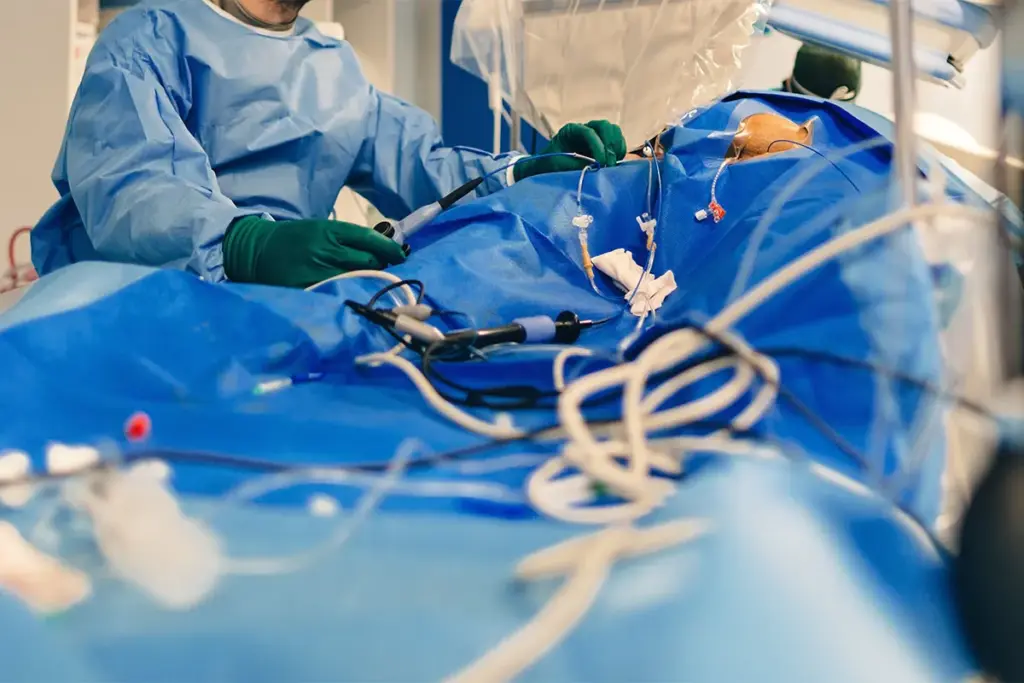
Does electrophysiology involve surgery? This top surgical guide explains the procedures. Learn how invasive treatments can cure your heart issues.
Cardiac electrophysiologists are key in finding and treating heart rhythm problems. Over 3 million Americans suffer from atrial fibrillation, a condition they handle. This shows their importance in heart care.
These doctors receive specialized training in electrophysiology, the study of the heart’s electrical system. They can do many procedures. This includes electrophysiology testing and electrophysiology studies to diagnose and manage heart rhythm disorders.
Key Takeaways
- Cardiac electrophysiologists specialize in diagnosing and treating heart rhythm disorders.
- They undergo extensive training in electrophysiology and related procedures.
- Electrophysiology testing and studies are key for diagnosing heart conditions.
- Cardiac electrophysiologists play a vital role in managing heart health.
- Their expertise helps patients with various heart rhythm disorders.
What is Cardiac Electrophysiology?
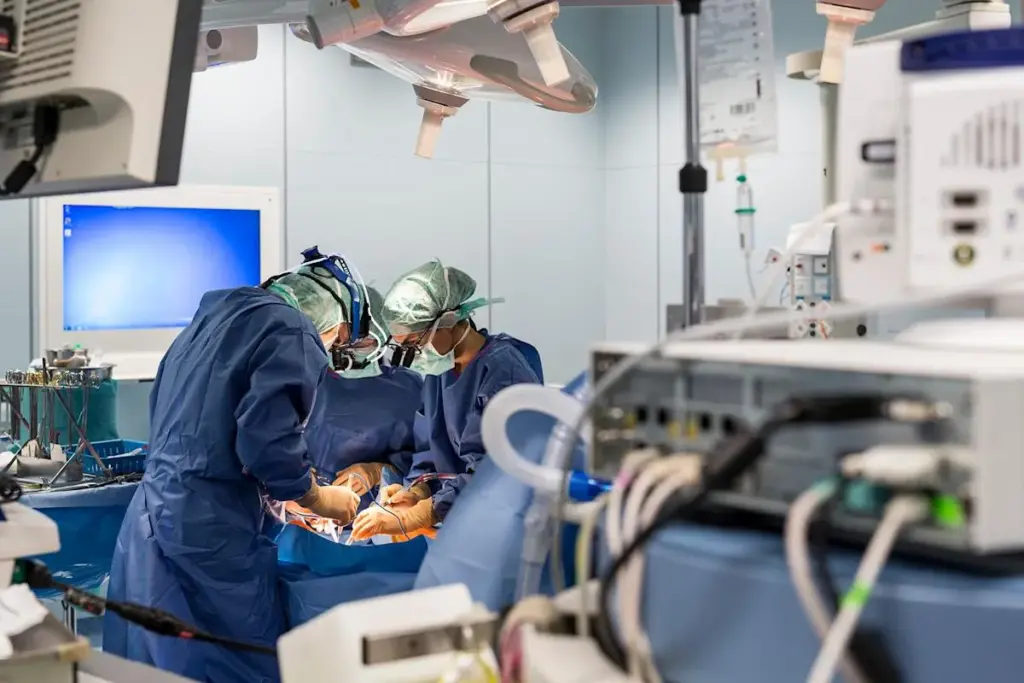
Cardiac electrophysiology is a part of cardiology that deals with heart rhythm problems. We focus on the heart’s electrical system. We use different methods to find and fix issues with heart rhythms.
Definition and Scope of Electrophysiology
Cardiac electrophysiology studies the heart’s electrical system. It helps diagnose and treat irregular heartbeats. This field is key for managing problems like atrial fibrillation and ventricular tachycardia.
Electrophysiologists use tools like electrophysiology studies to track the heart’s electrical activity. They find where arrhythmias start.
This field also includes treatments like catheter ablation and pacemaker implants. These procedures happen in a cath lab. It’s a place with the right tech for these complex heart treatments.
The Role of a Cardiac Electrophysiologist
A cardiac electrophysiologist is a cardiologist with extra training. They are experts in fixing heart rhythm issues. They do things like heart catheterization and electrophysiology studies.
They work with other doctors to care for patients with complex heart problems.
Their job includes:
- Diagnosing and treating heart rhythm disorders
- Performing electrophysiology studies and catheter ablation procedures
- Implanting pacemakers and defibrillators
- Providing long-term management and follow-up care for patients with arrhythmias
Cardiac electrophysiologists use advanced tests and treatments. They are key in helping patients with heart rhythm issues.
Cardiac Electrophysiologists vs. Cardiac Surgeons
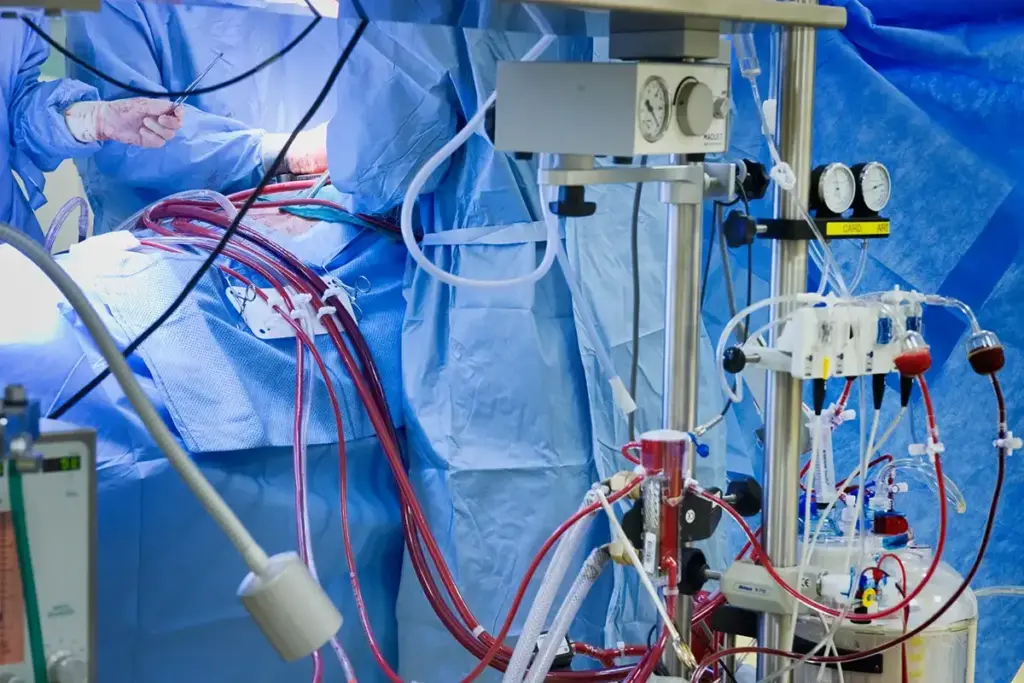
Cardiac electrophysiologists and cardiac surgeons are both heart care experts. But they have different roles and areas of focus. Electrophysiologists deal with heart rhythm problems. Surgeons handle heart surgeries.
Key Differences in Training and Expertise
Electrophysiologists get deep training in cardiology, focusing on the heart’s electrical system. They use cardiac catheterization to treat arrhythmias. Surgeons, on the other hand, do heart surgeries like bypasses and transplants.
Training for these doctors is different. Electrophysiologists do a cardiology fellowship with electrophysiology training. Surgeons have a longer training, including cardiothoracic surgery residency.
Overlap in Cardiac Care
Even though they focus on different areas, electrophysiologists and surgeons often team up. For example, a patient with arrhythmia might get a catheter ablation from an electrophysiologist. A surgeon might be needed for surgical cases.
There are times when they work together, like in hybrid procedures. Knowing what each specialist does helps patients make informed choices.
|
Specialist |
Primary Focus |
Common Procedures |
|---|---|---|
|
Cardiac Electrophysiologist |
Diagnosing and treating heart rhythm disorders |
Cardiac catheterization, catheter ablation |
|
Cardiac Surgeon |
Surgical procedures related to the heart |
Bypass surgery, heart transplants |
Understanding Invasive vs. Surgical Procedures
It’s important to know the difference between invasive and surgical procedures in cardiac electrophysiology. Invasive procedures mean going into the body through a cut or tool. They can be for checking or fixing problems.
What Constitutes Surgery?
Surgery means making a big cut to fix or take out a part of the body. In heart care, this can be anything from fixing arteries to getting a new heart. Cardiac surgeons get a lot of training for these big jobs.
On the other hand, invasive procedures don’t always need a big cut. For example, a heart catheterization uses a thin tube through a small hole in the leg or arm. It helps doctors see inside the heart and fix problems.
Minimally Invasive Procedures
Minimally invasive procedures are a type of invasive procedure. They use tiny cuts or natural openings. Cardiac electrophysiologists do these, like left heart catheterization (LHC) and right heart catheterization. They help with heart rhythm problems and other conditions. The term cateterismo also means these procedures in some places.
|
Procedure Type |
Description |
Specialist |
|---|---|---|
|
Surgery |
Involves significant incision to repair or remove diseased or damaged body parts |
Cardiac Surgeon |
|
Invasive Procedure |
Enters the body through incision or instrument insertion |
Cardiac Electrophysiologist |
|
Minimally Invasive Procedure |
Uses small incisions or natural body openings |
Cardiac Electrophysiologist |
Knowing the difference is key for both patients and doctors. It helps pick the best treatment for each person’s needs and the doctor’s skills.
Common Electrophysiology Procedures
We use advanced electrophysiology procedures to tackle complex heart rhythm issues. These steps are key for diagnosing and treating different arrhythmias. They ensure patients get the best care for their heart condition.
Diagnostic Procedures
Diagnostic steps in electrophysiology are vital for figuring out a patient’s arrhythmia. Some main diagnostic procedures are:
- Electrophysiology studies (EPS) to check the heart’s electrical system
- Cardiac catheterization to see the heart’s chambers and blood vessels
- Electrocardiograms (ECG) to record the heart’s electrical activity
These tools help us find the root cause of arrhythmias. They also help us decide the best treatment plan.
Therapeutic Interventions
Therapeutic steps in electrophysiology aim to treat arrhythmias and bring back a normal heart rhythm. Some common treatments include:
- Catheter ablation to destroy abnormal electrical pathways
- Pacemaker implantation to control heart rhythm
- Implantable cardioverter-defibrillator (ICD) implantation to stop dangerous arrhythmias
These treatments are often less invasive and very effective in managing arrhythmias.
By combining precise diagnostics with effective treatments, we offer complete care for heart rhythm disorders.
Cardiac Ablation: A Primary Electrophysiology Procedure
Cardiac ablation is a key electrophysiology procedure. It helps patients with heart rhythm disorders. This procedure destroys the abnormal electrical pathways in the heart that cause arrhythmias.
How Ablation Works
Cardiac ablation uses a thin, flexible tube called a catheter. It delivers energy to the heart tissue. This energy can be heat or cold, destroying the bad electrical pathway.
The procedure is done in an electrophysiology lab by a cardiac electrophysiologist. The patient gets sedation to relax. The electrophysiologist guides the catheter through a vein in the leg to the heart using X-ray.
Types of Cardiac Ablation
There are several types of cardiac ablation:
- Radiofrequency ablation, which uses heat to destroy the abnormal electrical pathway.
- Cryoablation, which uses extreme cold to achieve the same result.
- Laser ablation, which uses a laser to destroy the problematic tissue.
|
Ablation Type |
Energy Source |
Primary Use |
|---|---|---|
|
Radiofrequency Ablation |
Heat |
Treats arrhythmias like atrial fibrillation |
|
Cryoablation |
Cold |
Effective for certain types of supraventricular tachycardia |
|
Laser Ablation |
Laser |
Used for specific cases of arrhythmia |
Cardiac ablation is a valuable treatment for arrhythmias. Knowing how it works and the different types helps patients make informed decisions.
Pacemaker and Defibrillator Implantation
Electrophysiologists are experts in putting in pacemakers and defibrillators to fix irregular heartbeats. These devices are key in managing heart rhythm problems. They help keep the heart beating in a steady and right rhythm.
Procedure Overview
Putting in pacemakers and defibrillators is a minimally invasive procedure. The device goes under the skin, usually near the collarbone. It happens in a catheterization lab, where cardiac electrophysiologists use special imaging to place leads in the heart.
We use local anesthesia to numb the area for the implant. This keeps the patient comfortable. After, we test the device to make sure it works right.
Is Device Implantation Considered Surgery?
Even though pacemaker and defibrillator implantation are invasive, they’re not traditional surgery. They don’t need a big cut or stopping the heart. Instead, they use catheter-based techniques to cut down on recovery time and risks.
They’re done in a catheterization lab, not an operating room. But, they need special training and skills. This shows how important cardiac electrophysiologists are in handling heart rhythm issues.
- Pacemaker implantation helps regulate heartbeats in individuals with abnormal heart rhythms.
- Defibrillator implantation can prevent sudden cardiac death by delivering an electric shock when necessary.
- Both procedures are vital in treating various arrhythmias and improving patient outcomes.
In conclusion, pacemaker and defibrillator implantation are key in managing heart rhythm disorders. Knowing about these procedures and the role of cardiac electrophysiologists helps patients make better choices for their care.
The Cardiac Catheterization Process
The cardiac catheterization process is key for doctors to diagnose and treat heart issues. It’s often done in a cath lab. It lets doctors check the heart’s chambers, valves, and blood vessels.
What Happens During Catheterization
A thin, flexible tube called a catheter is used. It’s inserted into an artery or vein in the leg or arm. Then, it’s guided to the heart. This is usually done under local anesthesia to make it less painful.
Key Steps in the Procedure:
- A small incision is made to insert the catheter.
- The catheter is guided through the blood vessels to the heart.
- Contrast dye is injected to visualize the heart’s structures on an X-ray.
- Pressures within the heart’s chambers can be measured.
- Blood samples can be taken for oxygen level analysis.
Left and Right Heart Catheterization
There are two types of cardiac catheterization: left heart and right heart. The choice depends on the goal of the procedure.
|
Procedure |
Description |
Common Uses |
|---|---|---|
|
Left Heart Catheterization |
Catheter is guided to the left side of the heart. |
Diagnosing coronary artery disease, assessing left ventricular function. |
|
Right Heart Catheterization |
Catheter is guided to the right side of the heart. |
Measuring pressures in the pulmonary arteries, assessing heart failure. |
Recovery from Catheterization
After the procedure, patients are watched for a few hours. This is to check for any issues. Most people can go home the same day or the next morning.
Recovery Tips:
- Keep the insertion site dry for 24-48 hours.
- Avoid heavy lifting or strenuous activities for a few days.
- Follow the doctor’s instructions regarding medication and follow-up appointments.
Electrophysiology Studies and Their Purpose
Electrophysiology studies are key in diagnosing and treating heart rhythm disorders. They help understand the heart’s electrical system. This is to find any problems that might cause arrhythmias.
Diagnosing Arrhythmias
These studies are vital for spotting arrhythmias. Cardiologists use catheters to record the heart’s electrical signals. This helps them figure out the arrhythmia’s type and where it starts.
A define catheter is a thin, flexible tube. It goes into the heart through a leg vein. It records electrical signals and can also give treatments like ablation.
Mapping the Heart’s Electrical System
Electrophysiology studies also map the heart’s electrical system. They create detailed maps of the heart’s electrical paths. This helps find areas that might cause arrhythmias.
The data from these studies guides treatment choices. For instance, it helps decide the best steps during a cath procedure or cardiac cath procedure.
These procedures happen in a catheterization lab. This lab has the tech needed for such precise work.
|
Procedure |
Purpose |
Location |
|---|---|---|
|
Electrophysiology Study |
Diagnose and treat arrhythmias |
Catheterization Lab |
|
Cardiac Catheterization |
Diagnose and treat heart conditions |
Catheterization Lab |
|
Ablation |
Treat arrhythmias by destroying abnormal electrical pathways |
Catheterization Lab |
By studying the heart’s electrical system, electrophysiology studies offer insights. These insights help guide treatment plans.
When Electrophysiologists Collaborate with Surgeons
Cardiac electrophysiologists and surgeons work together to treat heart rhythm disorders. This teamwork ensures patients get care that fits their needs perfectly.
Hybrid Procedures
Hybrid procedures are a big step forward in treating complex heart issues. They combine the skills of electrophysiologists and surgeons. This way, they can achieve results that might not be possible alone.
In the cath lab, electrophysiologists use special tools and techniques to fix arrhythmias. Surgeons might do surgical ablations or other steps to help. This teamwork makes sure patients get the best care.
During these procedures, the doctor and surgeon work together in the same room. They make decisions and adjust plans as needed. This teamwork leads to better results for patients.
Complex Cardiac Cases
When dealing with complex heart issues, the team effort is key. Patients with many heart problems or those who didn’t respond to first treatments need this team approach. Electrophysiologists and surgeons create detailed plans to tackle all of a patient’s heart issues.
For instance, a patient with atrial fibrillation and coronary artery disease might need both catheter ablation and surgery. The doctor and surgeon plan and carry out the treatment together. This ensures all of the patient’s heart problems are addressed.
This team effort helps patients with complex heart conditions get the best care. It improves their outcomes and quality of life.
Patient Preparation for Electrophysiology Procedures
We stress the need for good preparation for electrophysiology procedures. This ensures safety and success. Proper preparation is vital for the best results in treating heart rhythm disorders.
Pre-procedure Testing
Before an electrophysiology procedure, like catheterization, patients get tested. These tests check the heart’s health and spot risks. Tests include:
- Blood tests for clotting disorders or other issues
- Electrocardiogram (ECG) to see the heart’s electrical activity
- Echocardiogram to look at the heart’s structure and function
- Stress test to see how the heart performs under stress
These tests help us understand the patient’s heart better. This way, we can plan the procedure well. The cath lab team prepares with this info, making sure everything is ready for the heart catheterization purpose.
Medication Management
Managing medications is key in preparing for these procedures. Patients must list their current medications, including blood thinners. We might ask them to:
- Keep taking some medications as usual
- Stop blood thinners or other medications that could affect the procedure
- Change the dosage of some medications before the procedure
Following these instructions is critical to reduce risks during the procedure. Our team will guide patients on medication management. This ensures they are ready for their cath lab procedures.
By managing tests and medications well, we prepare patients for their procedures. This leads to better results and a smoother recovery.
Recovery and Aftercare Following EP Procedures
Understanding the recovery process after an electrophysiology (EP) procedure is key. We’ll guide you through what to expect during and after your recovery. This will help you be ready for the immediate post-procedure period and long-term follow-up.
Immediate Post-procedure Care
Right after your EP procedure, you’ll go to a recovery area. Medical staff will watch over you closely. Rest and observation are key to ensure there are no immediate complications.
You’ll likely be told to rest in bed for a few hours. Your heart rate, blood pressure, and other vital signs will be checked. The medical team will also manage any discomfort or pain, giving you medication as needed.
Long-term Follow-up
After you’re discharged, it’s important to follow the long-term care instructions from your healthcare provider. This may include follow-up appointments to check the device’s function (if you had a pacemaker or defibrillator implanted) and to monitor your heart’s rhythm.
|
Care Aspect |
Immediate Post-procedure |
Long-term Follow-up |
|---|---|---|
|
Monitoring |
Continuous monitoring of vital signs |
Periodic check-ups with your healthcare provider |
|
Activity |
Rest; avoid strenuous activities |
Gradually resume normal activities as advised |
|
Medication |
Pain management as needed |
Adhere to prescribed medication regimen |
|
Follow-up |
Initial follow-up before discharge |
Scheduled follow-ups for device check (if applicable) |
By following these guidelines, patients can have a smoother recovery and better outcomes from their EP procedures. We’re committed to providing complete care and support throughout your journey.
Risks and Benefits of Electrophysiology Interventions
When you think about electrophysiology procedures, like those in a cardiovascular cath lab, knowing the risks and benefits is key. These include catheter heart surgery and arterial catheterization. They help diagnose and treat complex heart rhythm issues.
These procedures have changed cardiology, giving patients new, less invasive treatments. But, they’re not risk-free.
Potential Complications
Electrophysiology procedures are usually safe but can have risks. These might include bleeding, infection, or damage to the heart or blood vessels. Rarely, serious issues like stroke or cardiac tamponade can happen.
It’s important for patients to talk to their doctors about these risks. This way, they can understand what might happen during their procedure.
Success Rates and Outcomes
Despite the risks, the benefits of these interventions are big. Many patients see big improvements in their symptoms and life quality after treatments like spell catheter.
Success rates depend on the procedure and the patient’s health. For example, catheter ablation for some arrhythmias can work well, greatly reducing symptoms for many.
We think it’s important to weigh the risks and benefits when considering electrophysiology interventions. Talking to a healthcare provider helps patients make choices that fit their needs and condition.
Advances in Cardiac Electrophysiology Technology
The field of cardiac electrophysiology has seen big changes in technology. These changes have made diagnosing and treating heart rhythm problems better. They have also made treatments more effective and safer.
3D Mapping Systems
One big change is the 3D mapping systems. These systems show the heart’s electrical activity in detail. This helps doctors find and fix problems with electrical signals in the heart.
Benefits of 3D Mapping Systems:
- They help doctors diagnose and treat heart problems better.
- They make procedures shorter because they give a clear view.
- They lead to better results and fewer problems for patients.
Robotics in Electrophysiology
Robotics has also changed cardiac electrophysiology a lot. Robots help doctors move more precisely during procedures. This reduces the chance of mistakes and makes patients’ outcomes better. Robots are very helpful in tricky cases where being exact is key.
|
Technological Advancement |
Benefits |
Impact on Patient Care |
|---|---|---|
|
3D Mapping Systems |
Enhanced precision, reduced procedure times |
Improved outcomes, fewer complications |
|
Robotics in Electrophysiology |
Precise and controlled movements |
Reduced risk of complications, improved outcomes |
As technology keeps getting better, we’ll see even more changes in cardiac electrophysiology. New technologies like artificial intelligence and machine learning will likely be big parts of the future. They will help make patient care even better.
Conclusion
Cardiac electrophysiologists are key in finding and treating heart rhythm problems. They use left and right heart catheterizations to understand and manage heart conditions.
Even though they don’t do surgery, their work is very important. They often use catheterizations for diagnosis. New technology, like 3D mapping systems, makes their work more precise.
Knowing how to recover from heart catheterization is vital for patient care. Electrophysiologists work with other doctors to make sure patients get the best treatment. This teamwork improves patient results.
As we keep improving in cardiac electrophysiology, teamwork with surgeons will stay essential. This teamwork helps solve complex heart problems. It leads to better care and management of heart rhythm issues.
FAQ
What is cardiac electrophysiology?
Cardiac electrophysiology studies the heart’s electrical system. It focuses on diagnosing and treating heart rhythm disorders.
What is the role of a cardiac electrophysiologist?
A cardiac electrophysiologist is a doctor who specializes in heart rhythm disorders. They use electrophysiology studies to diagnose and treat these conditions.
Do cardiac electrophysiologists perform surgery?
No, they don’t perform surgery. But they work closely with cardiac surgeons for complete care.
What is the difference between invasive and surgical procedures?
Invasive procedures use instruments or devices inserted into the body. Surgical procedures make incisions to access areas. Cardiac electrophysiologists often do minimally invasive procedures.
What is cardiac ablation?
Cardiac ablation treats heart rhythm disorders. It destroys or scars the abnormal electrical pathways in the heart.
What is the cardiac catheterization process?
Cardiac catheterization uses a catheter to diagnose and treat heart conditions. It includes heart rhythm disorders.
What is the difference between left and right heart catheterization?
Left heart catheterization accesses the left side of the heart. Right heart catheterization accesses the right side. The choice depends on the condition being treated.
What is an electrophysiology study?
An electrophysiology study is a test to understand the heart’s electrical activity. It diagnoses arrhythmias.
How do patients prepare for electrophysiology procedures?
Patients undergo pre-procedure testing and manage their medications. This prepares them for electrophysiology procedures.
What are the risks and benefits of electrophysiology interventions?
Electrophysiology interventions have risks like complications. But they also offer benefits like improved heart rhythm and reduced symptoms.
What are the latest advances in cardiac electrophysiology technology?
Advances include 3D mapping systems and robotics. These have improved diagnosing and treating heart rhythm disorders.
How long does it take to recover from a cardiac catheterization?
Recovery time varies. But most patients can return to normal activities within a few days.
What is the purpose of implanting pacemakers and defibrillators?
Pacemakers and defibrillators regulate the heart’s rhythm. They prevent life-threatening arrhythmias.
Are pacemaker and defibrillator implantation procedures considered surgery?
These procedures are invasive. But cardiac electrophysiologists perform them in a catheterization laboratory. They are not considered surgery.
References
National Center for Biotechnology Information. Evidence-Based Medical Insight. Retrieved from https://pmc.ncbi.nlm.nih.gov/articles/PMC9767878/