
Recovery after embolization is usually quick and less painful than old surgeries. People who get uterine fibroid embolization (UFE) can get back to their daily life fast.
The recovery time changes based on the embolization procedure done. But, studies show quick symptom relief and high patient happiness. At top healthcare places, we focus on giving the best care and support to patients from all over.
Key Takeaways
- Embolization recovery is generally faster than traditional surgical alternatives.
- Uterine fibroid embolization (UFE) allows patients to return to normal activities quickly.
- Recovery time varies depending on the type of embolization procedure.
- Patients experience rapid symptom improvement and high satisfaction rates.
- Innovative healthcare organizations prioritize giving full support to patients from abroad.
The Science Behind Embolization Procedures
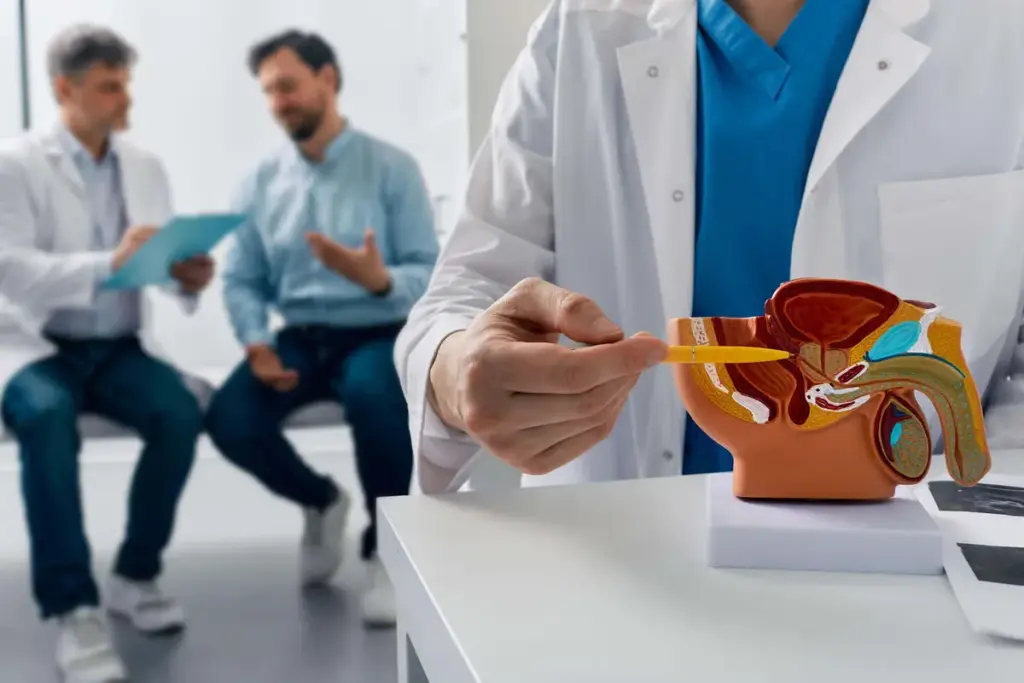
Embolization procedures rely on interventional radiology. This field uses imaging to diagnose and treat diseases. It’s a key treatment in healthcare, often chosen over surgery because it’s less invasive.
Definition and Medical Purpose
Embolization blocks blood flow to certain areas or organs. It’s used to treat many conditions by cutting off blood supply. This helps reduce symptoms or even cure the condition.
It’s effective against uterine fibroids, cancer, and vascular malformations. By stopping blood flow, it can shrink tumors, stop bleeding, or ease symptoms.
- Uterine Fibroid Embolization (UFE) to treat fibroids
- Tumor and Cancer Embolization to reduce tumor size
- Vascular Malformation Embolization to correct abnormal blood vessel formations
How Embolization Works in the Body
Embolization uses embolic agents like particles or coils to block blood flow. These are delivered through a catheter, guided by medical imaging. Once in place, they block blood vessels, cutting off blood supply.
The process is planned and executed with fluoroscopy and angiography. This ensures the agents are placed accurately, reducing risks. For more on embolization, visit on musculoskeletal embolization.
Understanding embolization helps patients see its benefits and outcomes. As we improve in vascular embolization, we offer safer, more effective treatments for many conditions.
Common Types of Embolization Procedures
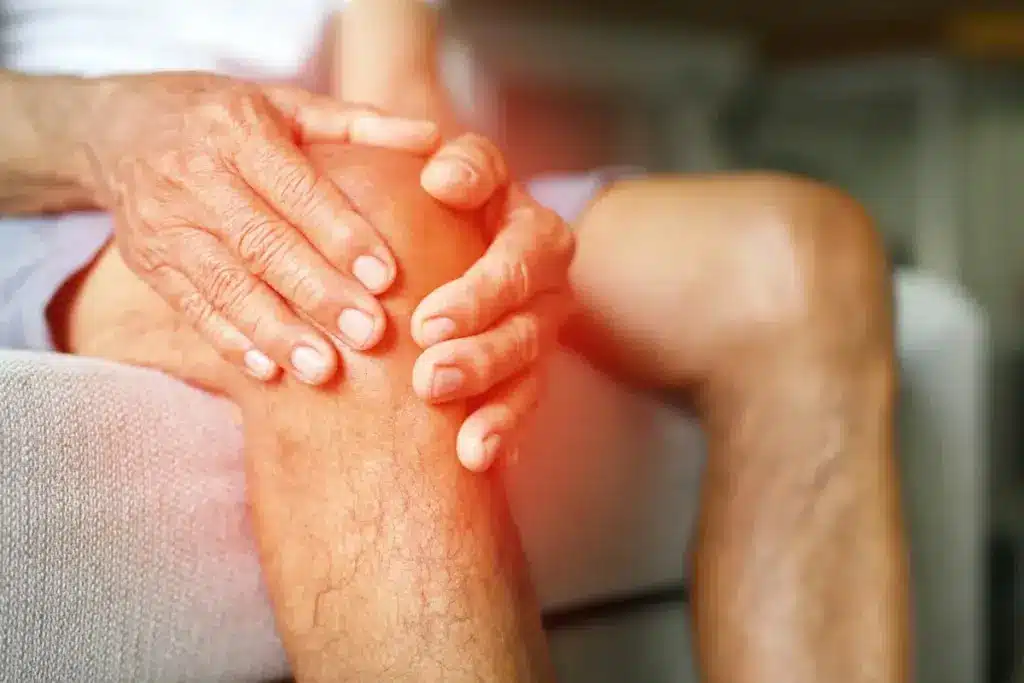
Embolization is a key treatment in modern medicine, helping with many health issues. It’s used for things like uterine fibroids and some cancers. This makes embolization a versatile tool in healthcare.
Uterine Fibroid Embolization (UFE)
UFE treats uterine fibroids, which are non-cancerous growths causing pain and heavy bleeding. It cuts off blood to these fibroids, shrinking them and easing symptoms. This method is great for women wanting to avoid big surgeries.
Tumor and Cancer Embolization
Embolization also fights tumors and cancer. It blocks the tumor’s blood supply, starving it of nutrients and oxygen. This slows tumor growth and is often paired with other cancer treatments.
Vascular Malformation Embolization
Vascular malformations are odd blood vessel formations. Embolization is a top choice for treating them. It shrinks the malformation and eases symptoms like pain and bleeding. The process involves guiding a catheter to the malformation and blocking the blood vessels.
Musculoskeletal Embolization
Musculoskeletal embolization is a newer use of embolization. It’s mainly for treating tendinopathies and chronic pain. By targeting blood vessels, it reduces inflammation and aids in healing. This method is a hopeful option for those not helped by usual treatments.
|
Type of Embolization |
Condition Treated |
Benefits |
|---|---|---|
|
Uterine Fibroid Embolization (UFE) |
Uterine Fibroids |
Minimally invasive, avoids hysterectomy, reduces symptoms |
|
Tumor and Cancer Embolization |
Cancerous Tumors |
Reduces tumor size, enhances effectiveness of other treatments |
|
Vascular Malformation Embolization |
Vascular Malformations |
Reduces malformation size, alleviates pain and bleeding |
|
Musculoskeletal Embolization |
Tendinopathies, Chronic Pain |
Reduces inflammation, promotes healing, alternative to conventional treatments |
The Immediate Post-Embolization Experience
<SEP-6384_image_3>Understanding what to expect after embolization is crucial for managing expectations and ensuring a smooth recovery. The first days after the procedure are key. They involve close monitoring and care to handle any complications or side effects.
First 24-48 Hours After the Procedure
The first 24 to 48 hours are very important. Patients might feel pain, fever, and nausea, known as post-embolization syndrome. These symptoms are usually treated with medication and rest.
Research shows that managing post-embolization syndrome is possible with the right treatment. Rest and staying hydrated are key during this time.
Hospital Stay Duration and Monitoring
The length of a hospital stay after embolization depends on the procedure and the patient’s health. Patients are watched for a few hours to a couple of days to check for immediate issues.
Medical staff keep a close eye on the patient’s condition. They manage pain and address any concerns or complications. This close monitoring is vital for a successful recovery time and to avoid embolization complications.
Managing Post-Embolization Syndrome
Handling post-embolization syndrome is a big part of recovery. It involves pain management strategies like medication and rest. Patients should follow their healthcare provider’s advice closely for a smooth recovery.
Understanding what to expect right after embolization helps prepare patients for recovery. Good pain management and following post-procedure instructions are key to avoiding discomfort and ensuring a good outcome.
General Recovery Timeline After Embolization
Knowing the recovery timeline after embolization helps patients plan their return to normal life. While everyone’s experience is different, there’s a general guide most can follow.
Days 1-3: Initial Recovery Phase
The first few days after embolization are about the body’s immediate response. Patients might feel post-embolization syndrome, which includes pain, fever, and nausea. These symptoms are usually managed with medication and rest.
- Rest and avoid strenuous activities
- Follow medication instructions carefully
- Monitor symptoms and report any concerns to your healthcare provider
Days 4-7: Early Improvement Period
In the early improvement period, symptoms start to lessen. For example, those who had uterine fibroid embolization might feel less pain and pressure from fibroids.
Pain management is key during this time, with medication adjusted as needed. Patients should also start to do more, but avoid hard exercise.
Weeks 2-4: Progressive Recovery
In the progressive recovery phase, symptoms keep getting better. The reduction in symptoms is more noticeable, and patients can do more of their usual activities.
- Gradually increase physical activity
- Return to work, if cleared by your healthcare provider
- Continue to follow up with your healthcare team
Complete Recovery Expectations
The time to fully recover can vary a lot, depending on the procedure and the patient’s health. Generally, most patients can get back to normal in a few weeks after embolization.
Research shows that embolization patients can get back to normal in a few weeks. Many see big improvements in their symptoms and life quality.
Pain Management During the Recovery Process
Pain management is key to keeping patients comfortable after embolization. Good pain management helps patients recover faster and get back to their daily lives sooner.
Expected Pain Levels and Duration
Patients may feel different levels of pain after embolization. The pain’s intensity and how long it lasts can vary. This depends on the type of procedure and the patient’s health.
In the first few days, patients might feel some discomfort. This can be mild or moderate. Doctors use a mix of medicines and other methods to help manage this pain.
Medication Options for Pain Control
There are many medicines to help with pain after embolization. The right one depends on how much pain the patient feels, their health history, and other factors.
- Over-the-counter pain relievers: For mild to moderate pain, over-the-counter drugs like acetaminophen or ibuprofen work well.
- Prescription pain medications: If the pain is more severe, doctors might prescribe stronger medicines. These can include opioids.
Non-Pharmaceutical Pain Management Strategies
There are also ways to manage pain without medicine. These can be very helpful during recovery.
|
Strategy |
Description |
Benefits |
|---|---|---|
|
Rest and Relaxation |
Staying calm and avoiding hard activities helps. |
It helps the body heal faster. |
|
Heat or Cold Therapy |
Using heat or cold packs on the affected area. |
It can lessen pain and discomfort. |
|
Breathing Exercises |
Deep breathing to manage stress and pain. |
It makes you feel more relaxed and less anxious. |
Using these strategies together can help patients manage their pain better. This makes them more comfortable and helps them get back to their normal lives faster.
Physical Activity Guidelines After Embolization
Knowing the right physical activity guidelines after embolization is key to a smooth recovery. We suggest that patients stick to certain guidelines to help them heal well.
Activity Restrictions in the First Week
In the first week, it’s important to avoid heavy lifting, bending, and hard activities. This helps your body heal and lowers the chance of problems.
- Avoid lifting objects heavier than 10 pounds.
- Minimize bending or stooping.
- Refrain from strenuous exercises or activities.
By sticking to these rules, you can ensure a safe and effective recovery.
Gradual Return to Normal Activities
As you get better, you can start doing your usual activities again. But, do it slowly to avoid pushing yourself too hard.
- Start with light activities such as short walks.
- Gradually increase your activity level over the next few weeks.
- Listen to your body and rest when needed.
It’s important to be patient and not rush your recovery.
Exercise Recommendations During Recovery
Even though you should avoid hard activities at first, some gentle exercises are good. We suggest gentle stretching and light aerobic exercises, like walking, to keep blood flowing and help healing.
Gentle exercises can also help reduce the risk of complications and improve overall well-being.
Adhering to these physical activity guidelines can significantly enhance your recovery after embolization. You’ll be able to get back to your usual activities safely and effectively.
Recovery After Uterine Fibroid Embolization (UFE)
Recovery after UFE is key to getting the best results. Uterine Fibroid Embolization is a fast recovery option compared to old surgeries.
Specific UFE Recovery Timeline
The recovery time for UFE varies, but most women can get back to normal in one to two weeks. Most patients see big improvements in symptoms within a month after the procedure.
Here’s what you can expect during recovery:
- First 24-48 hours: Rest is important. You might feel pain, fever, and nausea due to post-embolization syndrome.
- Days 2-7: Symptoms start to lessen, and you can do light activities.
- 1-2 weeks: You can go back to work and normal life, but some symptoms might linger.
Managing Post-UFE Symptoms
It’s important to manage symptoms after UFE for a smooth recovery. Pain management is key, with meds to help with pain. You might also get post-embolization syndrome, which includes fever, nausea, and tiredness. These are usually treated with meds and rest.
“The key to a successful recovery after UFE is careful management of symptoms and gradual resumption of activities.”
Return to Work and Normal Life
When you can go back to work and life after UFE depends on your job and health. Most patients can go back to work in 1-2 weeks. But, always follow your doctor’s advice, as everyone recovers differently.
Talking to your healthcare provider about your recovery plan is a good idea. It helps you smoothly get back to your normal life.
Musculoskeletal Embolization Recovery
Knowing what to expect after musculoskeletal embolization is key for patients. This procedure is minimally invasive and treats many musculoskeletal issues. It aims to reduce pain and improve function.
Pain Relief Timeline
Musculoskeletal embolization can greatly reduce pain. Studies show that most patients see at least 80% pain relief within the first month. This quick relief shows how well the procedure works.
Range of Motion Improvements Over Time
Patients also see better mobility after the procedure. The treatment cuts down inflammation and helps the area heal. This leads to improved mobility and flexibility over time.
Physical Therapy Integration
Adding physical therapy to the treatment plan is important. Physical therapy helps patients regain strength and improve joint mobility. A customized physical therapy program can make the recovery faster and more effective.
Comparing Embolization Recovery to Surgical Alternatives
Embolization recovery is getting more attention for being quicker and less invasive than traditional surgery. It’s important for patients to know how recovery times differ between these options.
Hospital Stay Comparison
Embolization procedures often mean a shorter hospital stay. This is a big plus compared to surgery, which can keep you in the hospital for days. With embolization, you might go home in just 24 to 48 hours.
|
Procedure Type |
Average Hospital Stay |
|---|---|
|
Embolization |
1-2 days |
|
Surgical Alternatives |
3-5 days or more |
Recovery Timeline Differences
Embolization recovery is usually faster than surgery. Patients can get back to normal in 1-2 weeks. Surgery, on the other hand, can take 6-8 weeks or longer to fully recover.
Pain and Discomfort Levels
Pain management is key during recovery. Embolization tends to cause less pain than surgery. Most patients feel mild to moderate discomfort that can be managed with medication.
Return to Work and Normal Activities
Being able to go back to work and normal activities is important. Embolization’s quick recovery lets patients get back to their routines sooner. Most can return to work in a few days to a week, depending on their job and health.
In summary, embolization has clear advantages over surgery. It means shorter hospital stays, quicker recovery, and less pain. These benefits make embolization a good choice for those looking for effective treatment with less disruption to their lives.
Potential Complications During Recovery
Embolization is usually safe, but knowing about possible problems during recovery is important. Understanding these issues helps ensure a smooth recovery.
Minor Complications (Occurring in 17% of Cases)
About 17% of people might face minor issues like mild pain, fever, or nausea. These problems are often solved with medicine and rest. A top interventional radiologist says most patients face some form of post-embolization syndrome, which usually gets better on its own.
We keep a close eye on patients to quickly handle these symptoms.
Serious Complications and Warning Signs
Though rare, serious problems can happen. These include infection, significant pain, or bad reactions to the embolization material. It’s key to watch out for signs like severe pain, high fever, or trouble breathing. If you see these, get medical help right away.
We stress the need to know these signs to act fast.
30-Day Readmission Rates (Approximately 5%)
About 5% of patients might need to go back to the hospital within 30 days. This could be because of complications or ongoing symptoms. We do everything we can to avoid this and make sure patients get the care they need.
When to Contact Your Healthcare Provider
If you notice severe pain, fever over 101.5°F, or trouble managing pain with meds, call your doctor fast. We’re here to help you through your recovery and answer any questions you have.
Knowing about possible problems and when to get help makes recovery easier. Our team is ready to support you at every step, aiming for the best outcome after your procedure.
Nutritional and Lifestyle Considerations
Nutrition and lifestyle choices greatly affect healing after embolization procedures. Eating well, staying hydrated, and getting enough rest are key. These support the recovery process.
Dietary Recommendations for Optimal Recovery
Eating foods rich in essential nutrients helps healing and lowers complication risks. We suggest eating a variety of:
- Fruits and vegetables, which are full of antioxidants and fiber
- Lean proteins, such as poultry, fish, and legumes, for tissue repair
- Whole grains, like brown rice, quinoa, and whole-wheat bread, for complex carbs and fiber
- Nuts and seeds, which are full of healthy fats and antioxidants
Avoid processed foods and those high in sugar and salt for a smoother recovery. Talking to a healthcare provider or nutritionist for a personalized diet plan is wise.
Hydration Importance
Drinking enough water is key for healing. Water helps remove toxins and keeps fluid balance. Drink at least 8-10 glasses of water daily, unless your doctor says differently.
Limit caffeinated and alcoholic drinks to help stay hydrated. They can make you lose water. Check your urine color to see if you’re drinking enough water.
Sleep and Rest Requirements
Enough sleep and rest are vital for recovery. Most people need 7-9 hours of sleep each night. A regular sleep schedule and a quiet sleep area can improve sleep quality.
Stay away from hard activities early on. Follow your doctor’s advice on activities to ensure a safe recovery.
Emotional and Psychological Aspects of Recovery
Recovering from embolization is more than just physical healing. It also involves managing your emotional and mental health. Understanding these aspects is key to a complete recovery.
Managing Expectations
It’s important to manage your expectations during recovery. Recovery times can vary, and you might feel a mix of emotions. This includes feeling relieved and anxious about the outcome.
We stress the need for realistic expectations about recovery. Knowing about post-procedure syndrome and recovery times is important.
Key aspects to manage expectations include:
- Understanding the procedure’s outcomes and possible side effects
- Knowing the recovery timeline
- Having a support system
Dealing with Post-Procedure Anxiety
Many patients feel anxious after embolization. This anxiety can come from worries about the procedure’s success, possible complications, or the recovery itself.
To deal with anxiety, we suggest:
- Learning what to expect during recovery
- Using relaxation techniques like deep breathing or meditation
- Talking openly with healthcare providers
“The psychological impact of medical procedures should not be underestimated. Support and clear communication are key to alleviating anxiety.”
—Interventional Radiologist
Support Resources for Patients
Access to support resources can greatly improve your recovery. Studies show that patients with strong support systems recover better and have a more positive outlook.
Support resources include:
|
Resource Type |
Description |
Benefits |
|---|---|---|
|
Support Groups |
Connecting patients with similar experiences |
Shared understanding, emotional support |
|
Counseling Services |
Professional guidance for emotional challenges |
Personalized coping strategies |
|
Educational Materials |
Information on recovery and self-care |
Empowerment through knowledge |
By recognizing the emotional and mental aspects of recovery and using available support, patients can better navigate the post-embolization period.
Long-term Outcomes After Embolization
Embolization is a treatment that brings long-term relief and better quality of life. It’s important to look at different factors that affect its success.
Success Rates for Different Embolization Types
Each type of embolization has its own success rate. For example, Uterine Fibroid Embolization (UFE) is very effective. It helps up to 90% of patients feel better.
|
Embolization Type |
Success Rate |
Symptom Relief |
|---|---|---|
|
UFE |
85-90% |
Significant reduction in fibroid symptoms |
|
Tumor Embolization |
70-80% |
Effective in reducing tumor size and symptoms |
|
Vascular Malformation Embolization |
80-85% |
Significant improvement in symptoms related to vascular malformations |
Complete Symptom Resolution
More than 50% of patients see all symptoms go away after embolization. This is very common with UFE. Symptoms like heavy bleeding and pain are greatly reduced or gone.
Complete symptom resolution shows how well embolization works. It depends on the doctor’s skill, how accurate the procedure is, and who gets treated.
Quality of Life Improvements
Embolization not only eases symptoms but also makes life better for patients. It lets them do things they couldn’t before without feeling held back.
Quality of life improvements mean more energy, less pain, and being able to do daily tasks without trouble.
Potential Need for Additional Procedures
Even though embolization works well for many, some might need more treatments. This depends on the condition, how much was done in the first procedure, and how the patient responds.
We talk about the chance of needing more procedures with patients later. We make sure they know what might happen and their options.
Follow-up Care Protocol
After embolization, a good follow-up care plan is key for the best recovery and long-term health. We know every patient’s path is different. So, our care is customized for each person.
Recommended Follow-up Schedule
Our follow-up plan includes regular visits to check on progress and solve any issues. The timing of these visits can change based on the procedure and the patient’s health.
- First visit: 1-2 weeks after the procedure
- Next visits: 6-12 weeks, 6 months, and 1 year later
- More visits if needed, based on the patient’s health
Imaging and Testing After Embolization
Imaging and testing are important to see if the embolization worked well and to watch for any problems.
|
Imaging/Test |
Purpose |
Timing |
|---|---|---|
|
Ultrasound or MRI |
Check if the treatment was successful and watch for complications |
1-3 months after the procedure |
|
Angiography |
Look at the blood vessels and find any issues |
When needed, based on what the doctor finds |
Long-term Monitoring Needs
Keeping an eye on a patient’s health over time is very important. We help create a plan for ongoing monitoring that fits each patient’s needs.
Research shows that sticking to a follow-up plan helps patients recover better and stay healthy longer. Following a detailed care plan reduces the chance of problems and leads to the best results.
‘s Approach to Embolization Recovery Care
Our care for embolization recovery is based on international standards and personal support. We know that getting better from embolization is more than just medical help. It needs a caring and skilled team.
International Standards Adherence
At , we stick to strictinternational standards. This ensures our patients get top-notch care. We follow guidelines for embolization and after-care.
Multidisciplinary Team Approach
Our team includes skilled doctors, nurses, and support staff. We work together to create care plans that meet each patient’s needs.
Advanced Medical Protocols
We use the latest medical methods to manage pain and prevent issues. Our protocols are always updated with new research and best practices.
Patient Satisfaction Metrics
We judge our success by how happy our patients are, not just by medical results. Our high patient satisfaction shows our dedication to caring and effective care.
|
Care Aspect |
Description |
Patient Benefit |
|---|---|---|
|
Personalized Care Plans |
Tailored to individual patient needs |
Enhanced recovery and comfort |
|
Advanced Pain Management |
Utilizing latest medical protocols |
Reduced discomfort and complications |
|
Multidisciplinary Team |
Experienced healthcare professionals |
Comprehensive and coordinated care |
combinesinternational standards, a team approach, advanced care, and patient focus. This way, we offer complete embolization recovery care. It supports the best results for our patients.
Conclusion
Embolization is a safe and effective treatment for many medical conditions. It offers patients big benefits and improves their quality of life. Studies show that embolization, guided by interventional radiology, helps relieve symptoms and improves outcomes.
We looked at different types of embolization procedures, like uterine fibroid embolization and musculoskeletal embolization. We also talked about the recovery process, possible complications, and long-term results. Knowing the recovery timeline and managing expectations helps patients make informed choices.
Embolization is becoming more popular for those looking for minimally invasive treatments. It has the advantage of reducing recovery time and improving results. At our institution, we aim to provide top-notch healthcare and support for international patients undergoing embolization.
FAQ
What is embolization, and how does it work?
Embolization is a procedure that blocks blood flow to certain areas. It treats conditions like uterine fibroids and musculoskeletal issues using embolic agents.
What are the common types of embolization treatments?
There are two main types: uterine fibroid embolization (UFE) and musculoskeletal embolization. Both are minimally invasive, reducing recovery time and scarring.
What can I expect during the immediate recovery after embolization?
Some discomfort is normal but can be managed with medication. Most patients are discharged within 24–48 hours.
How long does it take to recover from uterine fibroid embolization (UFE)?
Recovery is faster than surgery. Symptoms usually improve within a week, and normal activities can often be resumed in 1–2 weeks.
What are the activity restrictions during embolization recovery?
Activity guidelines vary depending on the procedure. Always follow your healthcare provider’s instructions.
How is post-embolization pain and discomfort managed?
Pain can be managed with medications and non-pharmaceutical methods, including lifestyle adjustments and supportive therapies.
What is post-embolization syndrome, and how is it managed?
Post-embolization syndrome includes symptoms like fever, pain, and fatigue. Self-management techniques can ease discomfort, but knowing when to contact your healthcare provider is crucial.
What are the nutritional and hydration needs after embolization?
Proper nutrition and hydration are vital for healing. Drink plenty of fluids, eat nutritious foods, and follow any dietary restrictions recommended by your provider.
What is the follow-up care protocol after embolization procedures?
Follow-up care includes regular imaging and tests to monitor the procedure’s success. Long-term monitoring may be recommended.
What are the possible complications of embolization, and how can they be managed?
Embolization is generally safe, but complications can occur. Being aware of warning signs and their frequency helps ensure timely management.
References
https://my.clevelandclinic.org/health/treatments/23512-embolization-procedure