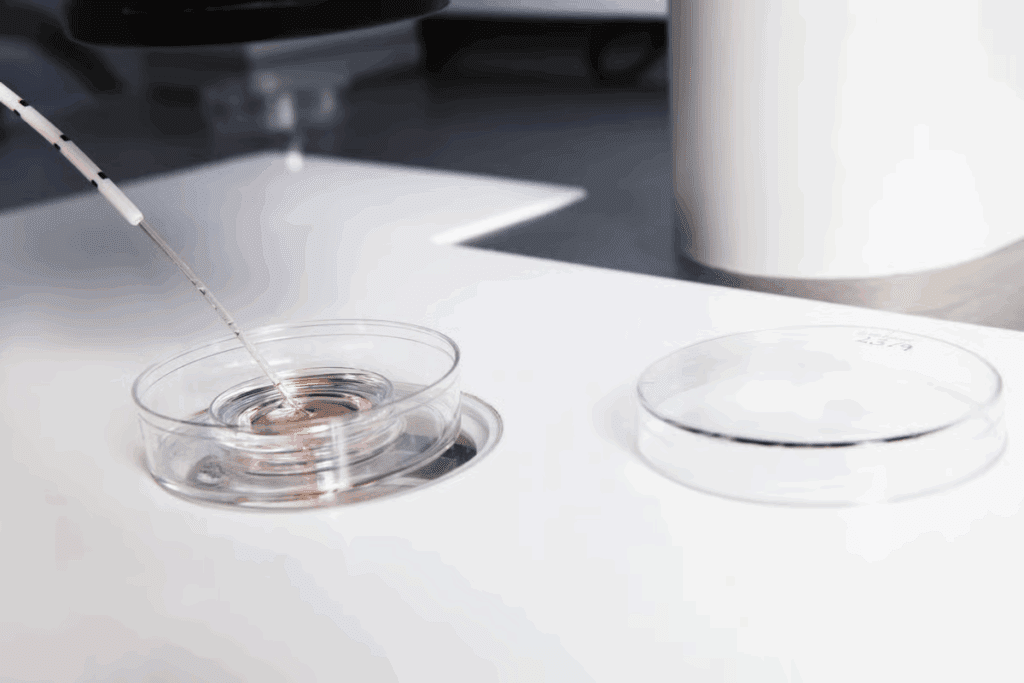
For couples and individuals facing infertility, assisted reproductive technology (ART) like in vitro fertilization (IVF) is a hope for parenthood. The success of IVF greatly depends on the embryo’s quality and genetic health.
Improving the high implantation success rate is key for fertility treatment success. Research shows that embryo quality is vital for the success rate of embryo transfer.
Thanks to new preimplantation genetic testing and better embryo transfer methods, IVF success has grown. As we look into what affects IVF implantation success, it’s clear that knowing and improving these factors is essential for a successful pregnancy.
Key Takeaways
- Embryo quality is a critical factor in determining IVF success rates.
- Preimplantation genetic testing can significantly improve implantation outcomes.
- Refined embryo transfer protocols enhance the chances of a successful pregnancy.
- Understanding the factors that influence IVF implantation success rates is vital for couples undergoing fertility treatment.
- Advancements in ART have led to improved success rates in IVF treatments.
The Science Behind Successful Embryo Implantation
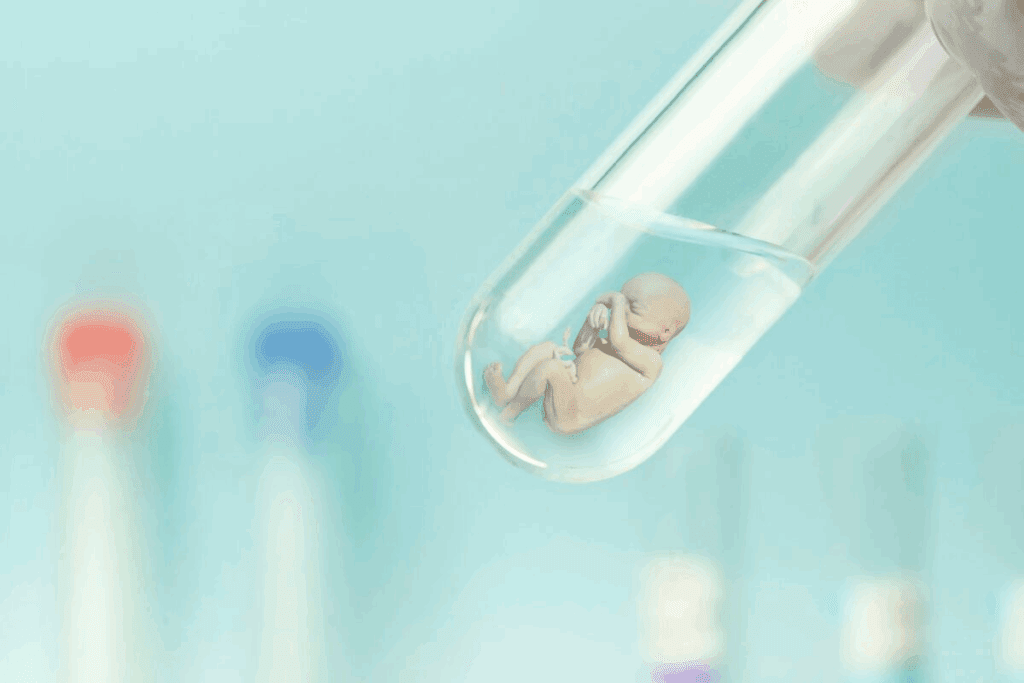
Understanding embryo implantation is key to better fertility treatment success. This process is when the embryo attaches to the uterine lining. It’s a vital step for pregnancy.
Many factors affect implantation success. These include the embryo’s health, the uterine lining’s readiness, and the timing of the embryo’s development. Three main conditions must be met for success: a receptive uterine lining, a healthy embryo at the right stage, and good communication between the embryo and the lining.
The Biological Process of Implantation
The implantation process has several stages. First, the embryo divides and becomes a blastocyst. Then, it hatches and implants into the uterine lining. This is helped by molecular signals that let the embryo stick to and grow into the lining.
Experts say, “The window of implantation is a critical period during which the embryo and the endometrium are synchronized for implantation.”
This synchronization is essential for the success of the implantation process.
Critical Timing and Synchronization
The timing of embryo transfer is very important. It must match the embryo’s development stage and the uterine lining’s readiness. Proper synchronization means the embryo is transferred when the uterine environment is best for implantation.
Research shows frozen embryo transfers can be more successful than fresh ones in some cases. This is because they can be timed better for the optimal implantation window. This shows how important timing is for the frozen embryo transfer success rate and overall implantation success rate.
Current Embryo Implantation Success Rates Explained
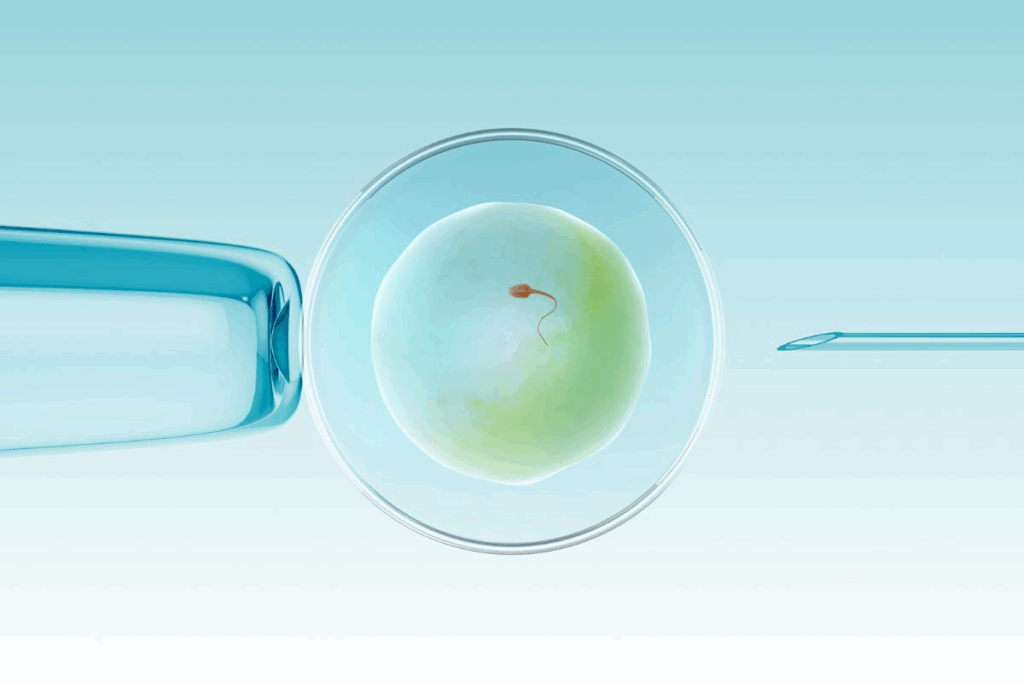
It’s key to know about embryo implantation success rates for those going through IVF. New data sheds light on how well different embryo transfer methods work.
Statistical Overview of Success Rates
Success rates for embryo implantation vary a lot. Frozen embryo transfer (FET) is proving to be more successful than fresh embryo transfer. The stats show FET has a 52% pregnancy rate, while fresh transfers have a 45.3% rate. This shows why FET is becoming more popular in IVF.
Also, the quality of embryos greatly affects success. Women with top-quality embryos see a 95% pregnancy rate. The first transfer success rate is 69.4%. This shows how important embryo quality is for IVF success.
How Success Rates Are Calculated
IVF success rates are figured out by looking at pregnancies per transfer cycle. They consider the patient’s age, embryo quality, and transfer type. Clinics share success rates based on live births per transfer, giving a clear view of their success.
“Calculating success rates is complex, with many factors involved. It’s vital for patients to grasp their own chances of success.”
Realistic Expectations Based on Your Profile
Patients should have realistic hopes based on their own situation. Age, medical history, and embryo quality all play a big part. For example, younger patients with good embryos usually see better success rates. Knowing these factors helps set realistic goals and make better treatment choices.
“Success in IVF depends on many things, like the clinic’s skill, embryo quality, and the uterus’s readiness.”
— Medical Expert, IVF Specialist
By grasping current success rates and what affects them, patients can better plan their IVF journey. This helps make informed choices about their treatment.
The Critical Role of Embryo Quality in Implantation
Embryo quality is key to IVF success. Many factors affect IVF outcomes, like the uterine environment and embryo transfer techniques. But, embryo quality is a big factor in how well an embryo implants.
Grading Systems for Embryo Quality
Experts use grading systems to check embryo quality. These systems look at how well the embryo looks. For blastocysts, they check the size and health of the embryo parts.
High-quality embryos are those that look great and have reached the blastocyst stage.
Blastocyst Development and Success Correlation
Blastocyst development is a key step in IVF. These embryos are 5-6 days old after fertilization. Reaching the blastocyst stage means the embryo is likely healthy and can implant well.
Studies show that transferring blastocysts leads to better implantation rates than earlier stages.
The Impact of Euploid Embryos on Success
Euploid embryos have the right number of chromosomes. This is important for successful implantation and growth. Using euploid embryos in IVF boosts implantation rates and lowers miscarriage risks.
Preimplantation genetic testing (PGT) helps find these healthy embryos. This way, we can pick the best embryos for transfer.
By focusing on embryo quality and using PGT, we can improve implantation chances. This makes IVF more effective for those trying to conceive.
Frozen vs. Fresh Embryo Transfer: Which Offers Better Results
Recent studies have shed light on the comparative success rates of frozen versus fresh embryo transfers. This offers valuable insights for patients undergoing IVF treatments.
Success Rate Comparison
Studies show a big difference in success rates between frozen and fresh embryo transfers. Frozen transfers have a 52% pregnancy rate, while fresh transfers have a 45.3% rate. This shows why frozen transfers are becoming more popular in IVF cycles.
The higher success rate of frozen transfers comes from several reasons. Freezing and thawing embryos selects the strongest ones. Also, frozen transfers happen in a more natural uterine environment, unlike fresh transfers which are influenced by hormones.
Why Frozen Transfers Often Yield Higher Success
Frozen embryo transfers (FET) are becoming more popular because of their higher success rates. Several reasons explain this:
- The uterine environment is more receptive during a natural cycle.
- The absence of ovarian hyperstimulation syndrome (OHSS) risks associated with fresh transfers.
- Improved synchronization between embryo development and uterine preparation.
These factors together lead to the higher success rates seen with frozen embryo transfers.
Optimal Candidates for Each Transfer Type
Choosing the right embryo transfer method depends on the patient’s individual factors and medical history. While frozen transfers are generally more successful, some patients might do better with fresh transfers. The choice should be based on the patient’s specific needs and circumstances.
| Transfer Type | Success Rate | Optimal Candidates |
|---|---|---|
| Frozen Embryo Transfer | 52% | Patients with high ovarian response, risk of OHSS, or those undergoing PGT. |
| Fresh Embryo Transfer | 45.3% | Patients with low ovarian response or those who prefer to avoid freezing embryos. |
Understanding the differences between frozen and fresh embryo transfers helps patients make better choices for their IVF treatment. This can potentially improve their chances of success.
How Age Impacts Embryo Implantation Success Rate
It’s important to understand how age affects embryo implantation. This knowledge helps set realistic expectations and makes informed decisions about fertility treatments. Knowing the link between age and implantation success is key.
Success Rates by Age Bracket
Age is a big factor in embryo implantation success. Women under 35 usually see better success rates, from 51% to 55.6%. But, women over 42 see a big drop in success, to about 4.1% with their own eggs.
| Age Bracket | Live Birth Rate per Embryo Transfer |
|---|---|
| Under 35 | 51-55.6% |
| 35-37 | 40-45% |
| 38-40 | 25-30% |
| 41-42 | 10-15% |
| Over 42 | 4.1% |
Biological Factors Behind Age-Related Decline
The main reason for the decline in success with age is egg quality and quantity. Older eggs are more likely to have genetic problems. This can make it harder for them to implant and lower success rates.
Key biological factors include:
- Egg quality deterioration: Older eggs are more prone to genetic errors.
- Reduced ovarian reserve: The number of available eggs decreases with age.
- Increased chromosomal abnormalities: Older eggs have a higher risk of aneuploidy.
Strategies to Optimize Success at Different Ages
While age is a big factor, there are ways to improve success rates at any age. Younger patients focus on choosing the best embryos and transfer techniques. Older patients might consider using donor eggs or embryos to boost their chances.
Talking to a fertility specialist is a good idea. They can help find the best approach for your situation.
Preimplantation Genetic Testing: A Game-Changer for Implantation
Preimplantation genetic testing (PGT) has changed the way we approach fertility treatments. It improves implantation success by checking embryos for genetic issues before they’re transferred.
Types of Genetic Testing Available
There are different types of PGT, each with its own purpose:
- PGT-A (Preimplantation Genetic Testing for Aneuploidy): This test looks for chromosomal problems in embryos, helping find those with the right number of chromosomes.
- PGT-M (Preimplantation Genetic Testing for Monogenic Disorders): It finds specific genetic disorders caused by a single gene mutation.
- PGT-SR (Preimplantation Genetic Testing for Structural Rearrangements): This test spots embryos with structural chromosomal issues.
How PGT Improves Implantation Odds
PGT boosts implantation chances by picking embryos with the right chromosomes. This reduces miscarriage and failed implantation risks due to chromosomal problems.
Research shows PGT-A can greatly increase implantation rates. This is true for women over 35 or those who’ve had many miscarriages.
Cost-Benefit Analysis of Genetic Testing
PGT may increase IVF costs, but its benefits often make it worth it. Here are the main points:
| Factors | Benefits | Costs |
|---|---|---|
| Success Rates | Higher chances of successful implantation and pregnancy | Extra $1,500 – $3,000 per cycle |
| Miscarriage Risk | Less risk of miscarriage due to chromosomal issues | N/A |
| Emotional Impact | Less stress and worry by choosing viable embryos | N/A |
Choosing PGT depends on your medical history, age, and personal choices. Talking to a fertility expert can help decide if PGT is right for you.
Optimizing Endometrial Receptivity for Successful Implantation
The endometrium is key for embryo implantation. Making it more receptive can boost success rates. Several factors help make the endometrium ready for implantation.
Endometrial Thickness and Texture
Thickness and texture are vital for endometrial receptivity. Studies show a thickness of 7 to 10 millimeters is best for implantation. An optimal thickness gives the embryo its best chance to implant.
We check the endometrial texture during ultrasounds. This ensures it’s trilaminar, showing it’s healthy and ready for implantation.
Endometrial Receptivity Array (ERA) Testing
ERA testing is a tool to understand endometrial receptivity at a molecular level. This test looks at specific gene expressions to find the best time for embryo transfer. This personalizes treatment for each patient.
By finding the implantation window, we can greatly increase implantation success.
Treating Underlying Uterine Conditions
Conditions like fibroids, polyps, or adhesions can harm endometrial receptivity. Treating these conditions is key to a good implantation environment. We use advanced tests to find and treat uterine issues.
This way, we can improve implantation success. Our strategy includes detailed endometrium checks, tailored treatments, and fixing any uterine problems.
Medical Protocols to Enhance Implantation Success
To boost implantation success, we use many medical steps. These steps help make the conditions right for embryo implantation. This way, we see better results from IVF.
Hormonal Support Strategies
Hormones play a big role in IVF. They get the uterus ready for implantation and keep the pregnancy going. Progesterone supplementation is often used after egg retrieval or embryo transfer. The type and how long it’s used can change based on the patient and clinic rules.
Estrogen supplementation is also used, along with progesterone. It helps the endometrium. We check hormone levels with blood tests to make sure they’re right and adjust as needed.
| Hormone | Role in Implantation | Common Supplementation Methods |
|---|---|---|
| Progesterone | Prepares the uterus for implantation | Oral capsules, vaginal suppositories, injections |
| Estrogen | Supports endometrial growth | Oral tablets, patches, vaginal rings |
Immunological Treatments
For those who have trouble implanting or have immune issues, we use special treatments. Intravenous immunoglobulin (IVIG) therapy is one. It gives antibodies to help the immune system and might improve implantation chances.
“The use of IVIG has been shown to be beneficial in certain cases of recurrent implantation failure, though its success can vary.”
Corticosteroids are also used to lower inflammation and change the immune response. But, we use them carefully because of possible side effects.
Emerging Adjuvant Therapies
New treatments are being looked into to help implantation. Low-dose aspirin is sometimes used to improve blood flow to the uterus. But, not everyone agrees it’s the best choice.
Granulocyte-colony stimulating factor (G-CSF) is another new therapy being studied. It might help improve implantation rates. We’re learning more about its benefits and how to use it best.
By using these medical steps, we can greatly improve implantation chances for those trying IVF.
Lifestyle Modifications That Impact Implantation Outcomes
Lifestyle choices greatly affect embryo implantation success. Adopting healthy habits can improve your chances of a successful implantation.
Nutrition and Dietary Considerations
Eating a balanced diet is key for fertility and implantation. Include foods high in antioxidants like fruits and vegetables. Whole grains offer fiber and vitamins.
Key nutrients for implantation include:
- Folic acid: prevents birth defects
- Omega-3 fatty acids: supports hormone production and reproductive health
- Iron: essential for ovary function
- Vitamin D: important for reproductive health
| Nutrient | Food Sources | Benefit |
|---|---|---|
| Folic acid | Leafy greens, citrus fruits | Prevents birth defects |
| Omega-3 fatty acids | Fatty fish, nuts, seeds | Supports hormone production |
| Iron | Red meat, spinach, beans | Supports healthy ovary function |
Stress Management Techniques
Stress can harm implantation. Try stress-reducing activities like meditation, yoga, or deep breathing.
Effective stress management includes:
- Meditation and mindfulness
- Yoga and tai chi
- Deep breathing exercises
Physical Activity Guidelines
Regular exercise is good for health and fertility. But, too much can be bad.
Good physical activities are:
- Brisk walking
- Swimming
- Cycling
Substances to Avoid Before Transfer
Some substances can harm implantation. Avoid:
- Caffeine: too much can affect fertility
- Alcohol: can disrupt hormone levels and implantation
- Smoking: greatly reduces fertility and implantation success
Conclusion: Creating Your Personalized Strategy for Optimal Implantation Success
Understanding what affects embryo implantation success is key for those going through IVF. We’ve looked into the science behind successful implantation. This includes the quality of the embryo and the impact of age.
We’ve also talked about ways to boost implantation success. These include preimplantation genetic testing and improving endometrial receptivity. Lifestyle changes like diet, managing stress, and staying active are also important. By combining these, we can craft a personalized strategy for IVF that fits each person’s needs.
It’s vital to work with healthcare providers to create a plan that increases implantation success. This way, individuals can make informed choices. They can take steps towards reaching their reproductive goals.
FAQ
What is the average success rate of embryo implantation?
The success rate of embryo implantation varies. It depends on the embryo’s quality, the person’s age, and the type of transfer. Frozen embryo transfers have a 52% success rate. Fresh transfers have about a 45.3% success rate.
How does embryo quality affect implantation success rates?
Embryo quality is key to implantation success. High-quality embryos, like those that are euploid, have a better chance of implanting. Grading systems and blastocyst development are important indicators.
What is the difference between frozen and fresh embryo transfer success rates?
Frozen embryo transfers often have higher success rates than fresh ones. This is because they allow for better timing with the uterine lining. The freezing process also helps pick the best embryos.
How does age impact embryo implantation success rates?
Age greatly affects implantation success rates. Success rates drop after 35. This is because egg quality declines and chromosomal abnormalities increase.
What is preimplantation genetic testing (PGT), and how does it improve implantation odds?
PGT screens embryos for chromosomal issues before transfer. It boosts implantation odds by picking euploid embryos. These embryos have a higher chance of implanting and lower miscarriage risk.
How can endometrial receptivity be optimized for successful implantation?
To optimize endometrial receptivity, ensure the endometrium is thick and textured. ERA testing can find the best transfer time. Treating uterine conditions also helps.
What lifestyle modifications can impact implantation outcomes?
Healthy diet, stress management, and exercise can improve implantation outcomes. Avoiding tobacco and too much caffeine also helps.
What medical protocols can enhance implantation success?
Hormonal support, immunological treatments, and new therapies can boost success. These can be customized for each person.
How can I create a personalized strategy for optimal implantation success?
To create a personalized strategy, work with a healthcare provider. Assess embryo quality, endometrial receptivity, and health. Then, develop a plan tailored to your needs.
References
National Center for Biotechnology Information. Enhancing Embryo Implantation Success in Assisted Reproductive Technology. Retrieved from https://pubmed.ncbi.nlm.nih.gov/40028443/
National Center for Biotechnology Information. Improving Embryo Implantation Success in Assisted Reproductive Technology. Retrieved from https://pubmed.ncbi.nlm.nih.gov/40064027/