Your guide to the best embryology school options and necessary steps for a successful career. To become an embryologist, you need a detailed education and practical training in assisted reproductive technology (ART). We’ll show you the steps to start this fulfilling career. It’s all about gaining specialized knowledge in embryologist programs.
Embryology is a thrilling field for those who love life sciences. To get into it, you must take a deep dive into biological sciences and get specific training in embryologist education.
As the need for skilled embryologists grows, knowing the educational path and job options is vital. We’ll look at how to become an embryologist, including the embryologist training program.
Key Takeaways
- Embryologist programs offer specialized knowledge in assisted reproductive technology (ART).
- A solid base in biological sciences is key for a career in embryology.
- Practical training is essential for becoming a skilled embryologist.
- The demand for embryologists is increasing, thanks to new fertility treatments.
- Understanding the educational journey is critical for success in embryology.
What is an Embryologist?
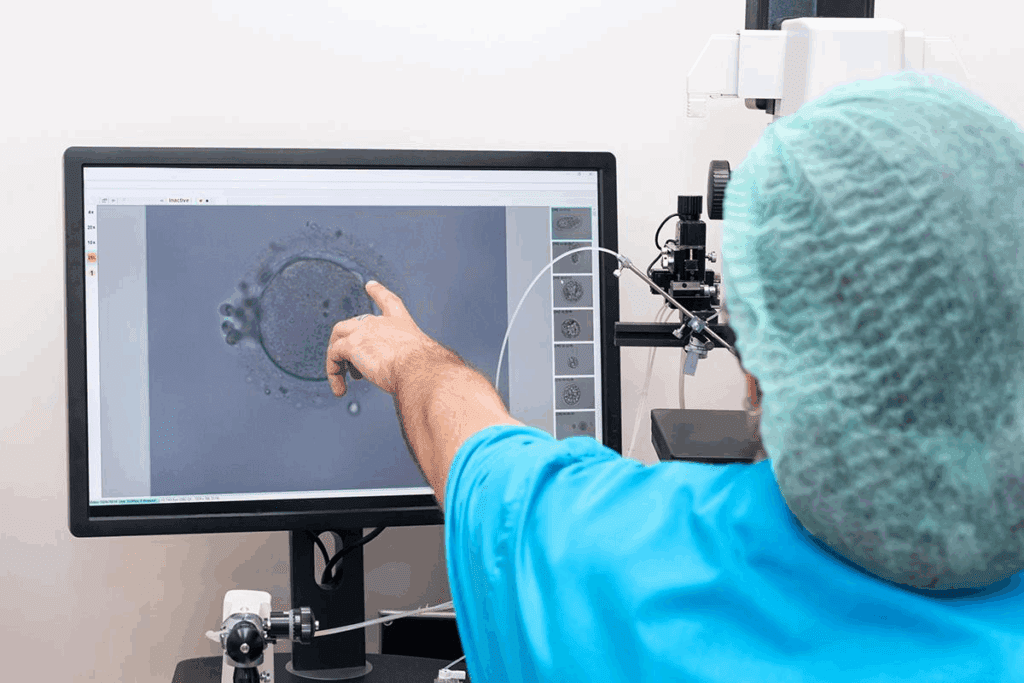
Embryologists are key players in reproductive medicine. They work with human gametes and embryos in a lab. They are both clinicians and scientists, studying embryo development. They often work in fertility clinics, hospitals, or research places.
Role and Responsibilities
An embryologist does many things. They handle human gametes and embryos during IVF training. Their tasks include fertilizing eggs with sperm, watching embryo growth, and picking the best embryos for implantation.
Key Responsibilities of an Embryologist
- Conducting IVF and other ART procedures
- Monitoring embryo development and health
- Selecting suitable embryos for transfer
- Cryopreserving embryos and gametes
- Maintaining laboratory records and quality control
To be an embryologist, you need a degree in biological sciences. Then, you need embryologist schooling or training. Their work is vital in reproductive medicine, helping those facing fertility issues.
Career Path Overview: Steps to Become an Embryologist
[Add image here]
To become an embryologist, you need both formal education and specialized training. This field requires a deep understanding of reproductive sciences. You must follow a structured path that includes both theory and practical skills.
Starting with a bachelor’s degree in biological sciences is key. Many also get advanced degrees and certifications. This boosts their skills and job chances.
Educational Timeline
Your journey starts with an undergraduate degree in biological sciences or a related field. Then, you’ll get specialized training in embryology and reproductive sciences. This might include master’s or doctoral programs for more advanced roles.
| Educational Level | Typical Duration | Key Focus Areas |
|---|---|---|
| Bachelor’s Degree | 4 years | Biological Sciences, Biochemistry |
| Master’s Degree | 2-3 years | Clinical Embryology, Reproductive Sciences |
| PhD | 3-5 years | Research in Reproductive Biology |
Licensing and Certification Path
Certification is a big part of an embryologist’s career. Groups like the American Board of Bioanalysis offer certifications. These show an embryologist’s skills in assisted reproductive technology (ART) and more.
Knowing the educational and certification steps helps future embryologists. It guides them in planning their career paths and professional growth.
Undergraduate Education Requirements
Starting a career as an embryologist needs a strong base in biological sciences. This foundation is usually gained through a bachelor’s degree. It’s the first step towards becoming an expert in this field.
Bachelor’s Degree in Biological Sciences
A bachelor’s degree in biological sciences or a similar field is essential. It gives a deep understanding of biological principles. This includes genetics, biochemistry, and molecular biology, key for embryology.
Studying biological sciences is the first step towards advanced studies in embryology. It’s important to learn about human anatomy, physiology, and developmental biology well.
Essential Coursework and Prerequisites
Key courses for embryologists include genetics, cell biology, biochemistry, and molecular biology. These subjects are vital for understanding embryology’s biological processes.
Students also need to prepare for advanced degrees or specialized training. This might include embryologist courses or IVF training. These programs require a solid background in biological sciences.
Embryology School and Training Programs
Many top schools offer detailed embryology training. These programs mix theory with hands-on practice. They aim to prepare future embryologists for work in assisted reproductive technology (ART).
Pinnacle Embryology Training Program
The Pinnacle Embryology Training Program is well-known. It offers a deep dive into embryology. You’ll learn from basic to advanced IVF lab techniques.
World Embryology Skills and Training (WEST)
World Embryology Skills and Training (WEST) focuses on practical skills. It’s all about getting real experience in IVF. This prepares you for the challenges of fertility clinics.
ASRM Clinical Embryology Learning Laboratory (CELL)
The ASRM Clinical Embryology Learning Laboratory (CELL) is all about ART training. It combines theory and practice. You’ll learn the latest in ART techniques.
Here’s a quick look at what each program offers:
| Program | Duration | Focus |
|---|---|---|
| Pinnacle Embryology Training | 6 months | Theoretical and Practical Embryology |
| WEST | 3 months | Hands-on IVF Training |
| CELL | 10 months | Comprehensive ART Training |
These programs are key for anyone wanting to be a skilled embryologist. By picking the right one, you’ll get the skills and knowledge needed to thrive in this field.
Advanced Degrees in Reproductive Sciences
Advanced degrees in reproductive sciences give specialized knowledge. This can boost career paths for embryologists. Many go for master’s or PhDs to dive deeper into reproductive biology and embryology.
Master’s Programs in Clinical Embryology
Master’s programs in clinical embryology offer advanced training. They cover reproductive biology, embryology, and lab techniques. You also get hands-on experience in IVF labs.
By getting a master’s, embryologists can improve their skills. This makes them stand out in the job market.
PhD Options for Research Careers
PhD programs in reproductive sciences are for research careers. They let you do original research and help advance the field. PhD studies include coursework, research, and writing a dissertation.
Graduates with PhDs can work in research, academia, or industry. They make big contributions to embryology.
Advanced degrees help embryologists grow their careers. They also help develop new reproductive medicine technologies and treatments.
Specialized IVF and ART Training
Learning about IVF and ART is key for embryologists. They need to know the techniques and procedures of assisted reproductive technology. This is very important for those who want to work in fertility clinics and IVF labs.
Laboratory Techniques and Procedures
Embryologists learn many lab techniques. They learn about IVF culture media preparation, embryo micromanipulation, and cryopreservation. These skills are very important for ART procedures to work well.
Training programs give hands-on experience in labs. This lets embryologists practice their skills with the help of experienced professionals.
| Laboratory Technique | Description | Importance in ART |
|---|---|---|
| IVF Culture Media Preparation | Preparation of culture media for embryo growth | Critical for embryo development |
| Embryo Micromanipulation | Techniques for manipulating embryos, such as ICSI | Essential for fertilization and embryo selection |
| Cryopreservation | Freezing and storage of embryos and gametes | Vital for preserving fertility and future use |
Clinical Applications of ART
It’s also important for embryologists to understand ART’s clinical uses. They need to know about patient assessment, treatment protocols, and clinical decision-making. They must work well with clinicians to create good treatment plans.
Training programs also teach the latest advancements in ART. This makes sure embryologists are up-to-date with reproductive medicine.
Professional Certifications for Embryologists
Getting professional certifications is key for embryologists to grow in their careers. These certifications show expertise and boost career chances.
American Board of Bioanalysis Certification
The American Board of Bioanalysis (ABB) has a certification for embryologists. It’s well-respected in the field. This shows an embryologist meets certain standards and has the right skills.
The ABB certification involves a detailed exam. It tests knowledge in embryology techniques, lab procedures, and clinical uses. Getting this certification shows dedication to the field and opens up more career doors.
Additional Specialized Certifications
There are more specialized certifications for embryologists too. These focus on areas like IVF lab management or embryology research.
| Certification | Description | Issuing Body |
|---|---|---|
| Certified Embryologist (CE) | Demonstrates expertise in embryology techniques and laboratory procedures | American Board of Bioanalysis |
| Highly Specialized Embryologist (HSE) | Recognizes advanced knowledge and skills in embryology | American Board of Bioanalysis |
By getting these certifications, embryologists can boost their professional standing and career chances. We suggest that embryologists look into these options to move forward in their careers.
Gaining Practical Experience in Embryology
To become a skilled embryologist, one must go through intense training. This includes internships and hands-on experience in labs. It’s key to learn the skills needed for IVF and other reproductive technologies.
Internships and Clinical Rotations
Internships and clinical rotations give you real-world experience in embryology labs. They let you use what you’ve learned in actual settings. It’s important for learning lab procedures, using equipment, and caring for patients.
Many programs include time in fertility clinics. Here, you learn about IVF procedures, growing embryos, and freezing them. For example, you might:
| Procedure | Description | Skills Gained |
|---|---|---|
| IVF Cycle Monitoring | Monitoring patient response to ovarian stimulation | Ultrasound interpretation, hormone level analysis |
| Embryo Culture | Culturing embryos for transfer | Micromanipulation, embryo grading |
| Cryopreservation | Freezing embryos or eggs for future use | Cryopreservation techniques, vitrification |
Entry-Level Laboratory Positions
Entry-level jobs in labs are also important for gaining experience. These roles let you work with experienced embryologists. You learn technical skills and how to manage a lab.
These jobs often include laboratory maintenance, quality checks, and helping with IVF training. Working in a lab helps you improve your skills and keep up with new technologies.
Career Opportunities for Embryologists
The need for assisted reproductive technology (ART) is rising. This means more jobs for embryologists. They can work in many places, from clinics to research labs.
Embryologists are needed in fertility clinics and IVF labs. They help people and couples have babies. Their skills in working with cells and their knowledge of lab work are very important.
Fertility Clinics and IVF Laboratories
There are many jobs for embryologists in fertility clinics and IVF labs. Some of these roles include:
- Clinical Embryologist: Prepares and does ART procedures.
- Laboratory Manager: Runs the IVF lab’s daily activities.
- Embryology Consultant: Gives advice on embryology.
Research and Academic Positions
Embryologists can also work in research and teaching. They help improve reproductive medicine. They might study new ART methods or teach students.
Some jobs for embryologists in research and teaching are:
- Research Scientist: Works on studies to better ART results.
- Professor/Lecturer: Teaches about embryology and reproductive biology.
- Research Coordinator: Manages research projects and works with scientists.
Salary and Job Outlook
The need for skilled embryologists is rising. This affects their salary and job chances. The field of assisted reproductive technology (ART) is growing fast. So, the demand for well-trained embryologists is expected to increase.
Average Salary Range
Embryologists earn an average of $95,520 to $102,099 a year. This shows the high skill and education needed for the job.
| Position | Average Salary | Location |
|---|---|---|
| Embryologist | $95,520 – $102,099 | United States |
| Senior Embryologist | $120,000 – $150,000 | United States |
Growth Projections and Industry Demand
The need for medical scientists, like embryologists, is expected to grow. This growth comes from new advances in reproductive medicine and more use of ART.
Key factors influencing job outlook include:
- Increasing demand for fertility treatments
- Advancements in embryology techniques
- Expanding healthcare infrastructure
Pursuing a Rewarding Career in Embryology
Becoming an embryologist is a rewarding career that needs dedication and specialized training. It also requires a strong background in reproductive sciences. These professionals help individuals and families through advanced fertility treatments.
We’ve covered the steps to become an embryologist, from getting an undergraduate degree to advanced degrees and specialized training. With more demand for skilled embryologists, we encourage those interested to follow their career dreams with passion and commitment.
The role of embryologists is key in the growth of fertility treatments and research. By knowing the needs and chances in this field, people can make smart choices about their careers. This way, they can help advance the field of embryology.
FAQ
What is the first step to becoming an embryologist?
First, get a bachelor’s degree in biological sciences. This gives you a solid base in biology, chemistry, and more.
What kind of specialized training is required to become an embryologist?
You need specialized training in embryology. Programs like Pinnacle Embryology Training Program and World Embryology Skills and Training (WEST) are key. They offer hands-on experience in assisted reproductive technology (ART).
How important are advanced degrees in reproductive sciences for a career as an embryologist?
Advanced degrees, like master’s or PhD in reproductive sciences, boost your career. They give you deeper knowledge and qualify you for leadership roles or research.
What is the role of professional certifications for embryologists?
Professional certifications, like the American Board of Bioanalysis Certification, show your expertise. They help advance your career by proving your skills and knowledge in embryology.
How can one gain practical experience in embryology?
Practical experience comes from internships, clinical rotations, and entry-level jobs. These give you hands-on training and exposure to embryology techniques.
What are the career opportunities available to embryologists?
Embryologists can work in fertility clinics, IVF labs, and research places. They can hold roles from clinical embryologist to research and academic positions.
What is the average salary range for embryologists?
Embryologists earn between $95,520 and $102,099. Salary varies by location, experience, and employer.
What are the growth projections for the embryology field?
The demand for embryologists is increasing. This is due to more need for assisted reproductive technology (ART) services. It shows a positive job outlook and growth in the field.
How long does it take to become an embryologist?
It takes 6-8 years after high school to become an embryologist. This includes undergraduate studies, specialized training, and possibly advanced degrees.
What are the essential skills required to be a successful embryologist?
Successful embryologists need technical skills like lab techniques. They also need strong observational and analytical skills to excel in their work.
What kind of education is required to become an embryologist?
To be an embryologist, you need a bachelor’s degree in biological sciences. Then, specialized training in embryology and possibly advanced degrees in reproductive sciences.
References
National Center for Biotechnology Information. Embryologist Career: Education, Training, and ART Specialization. Retrieved from https://pubmed.ncbi.nlm.nih.gov/33025411/