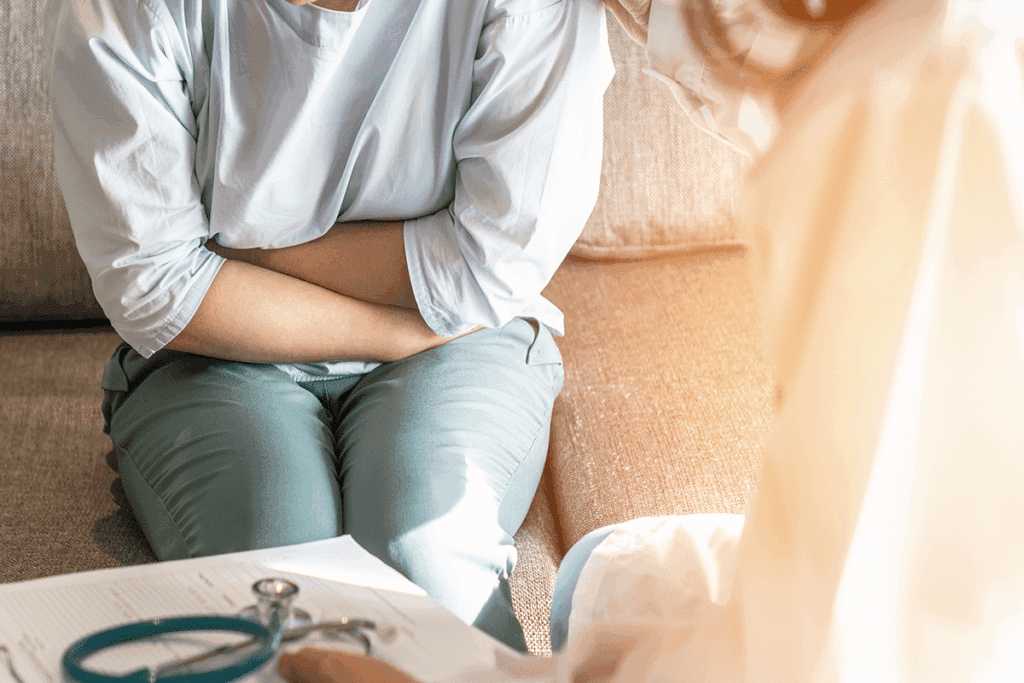
Endometriosis is a condition where tissue like the uterine lining grows outside the uterus. It affects more than 11% of women of childbearing age. Studies show a strong link between endometriosis and lower back pain. This condition can cause severe symptoms, including cyclic lower back pain that gets worse during menstruation. Is yourendo and back pain connected? This ultimate guide reveals the surprising link and the best, powerful strategies for relief.
At Liv Hospital, we understand the complex link between endometriosis and lower back pain. Our aim is to help you understand this condition and its effects on women’s health. We want to help you find the root cause of your symptoms.
Key Takeaways
- Endometriosis affects over 11% of women of childbearing age.
- There’s a significant link between endometriosis and lower back pain.
- Cyclic lower back pain can be a symptom of endometriosis.
- Understanding endometriosis is key to managing its symptoms.
- Liv Hospital is dedicated to providing full care for women with endometriosis.
Understanding Endometriosis
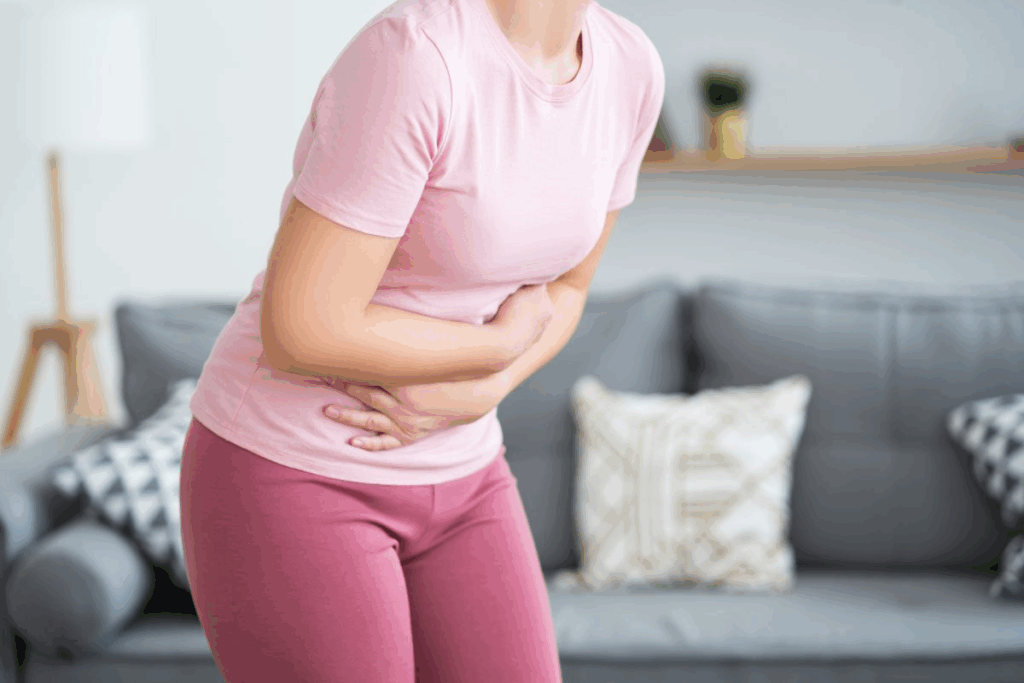
Endometriosis is a complex condition that affects many women worldwide. It’s important to understand its definition, how common it is, and its effects on the body.
What is Endometriosis?
Endometriosis happens when endometrial tissue grows outside the uterus. This tissue thickens and bleeds with each menstrual cycle. It causes inflammation, scarring, and adhesions in nearby tissues.
Prevalence in Women of Childbearing Age
More than 11% of women between 15 and 44 have endometriosis. It’s a major cause of pelvic pain, infertility, and other symptoms. These can greatly affect a woman’s quality of life.
Common Locations of Endometrial Tissue
Endometrial tissue often grows on pelvic organs like ovaries, fallopian tubes, and uterine ligaments. It can also appear in the lower back, causing pain there.
Location | Frequency |
Ovaries | High |
Fallopian Tubes | Moderate |
Ligaments supporting the uterus | Moderate |
Lower Back | Low |
Knowing where endometrial tissue often grows helps us understand how it can cause lower back pain.
The Link Between Endo and Back Pain
It’s important to understand how endometriosis and back pain are connected. We’ll look at the evidence, how endometrial tissue impacts the back, and what university studies have found.
Statistical Evidence
Many women with endometriosis suffer from lower back pain. About 26% of women between 18 and 44 have this symptom. A study in the Journal of Women’s Health showed that women with endometriosis are more likely to have chronic back pain than others.
Key statistics include:
- 26% of women aged 18-44 report lower back pain symptoms.
- Women with endometriosis are more likely to experience chronic back pain.
- Endometriosis affects an estimated 1 in 10 women of childbearing age.
How Endometrial Tissue Affects the Back
Endometrial tissue can cause inflammation and irritation. This leads to pain. When it grows outside the uterus, it can hurt the back.
The reasons include:
- Inflammation caused by endometrial tissue.
- Irritation of nerves in the lower back.
- Adhesions and scar tissue formation.
Research Findings from University Studies
University studies have looked into the link between endometriosis and back pain. A study from the University of California found that women with endometriosis often have lower back pain. This is due to inflammation and adhesions from the endometrial tissue.
Another study in the European Journal of Obstetrics, Gynecology, and Reproductive Biology found a strong link between endometriosis and chronic pelvic pain. This pain can spread to the lower back.
“The presence of endometrial tissue outside the uterus can lead to significant pain and discomfort, affecting not only the pelvic region but also the lower back.”
Medical Expert, University of California
These studies show why it’s important to consider endometriosis when looking at lower back pain in women, mainly those of childbearing age.
Endometriosis Lower Back Pain: Causes and Mechanisms
Lower back pain from endometriosis comes from several key factors. We’ll look into these to see how they cause discomfort for many women with endometriosis.
Inflammation and Tissue Irritation
Inflammation and tissue irritation are major causes of lower back pain in endometriosis. When endometrial tissue grows outside the uterus, it causes inflammation in the lower back. This inflammation irritates nerves and leads to pain.
The endometrial tissue in the lower back also releases pro-inflammatory cytokines. These chemicals make the inflammation worse and add to the pain.
Adhesions and Scar Tissue Formation
Adhesions and scar tissue formation also play a role in lower back pain. Endometrial tissue growth and bleeding cause adhesions. These are bands of fibrous tissue that can bind organs or tissues together. The adhesions can pull on surrounding structures, causing pain.
Cause | Effect | Pain Mechanism |
Inflammation | Nerve Irritation | Pain Signaling |
Adhesions | Tissue Displacement | Mechanical Stress |
Scar Tissue | Nerve Compression | Radicular Pain |
Impact on Surrounding Structures
The growth of endometrial tissue and inflammation can affect nerves, muscles, and ligaments in the lower back. This can cause a variety of symptoms, from localized pain to pain that radiates and discomfort.
Knowing these mechanisms is key to creating effective treatments. Treatments should aim to address the symptoms and the underlying causes of endometriosis-related lower back pain.
What Does Endometriosis Back Pain Feel Like?
Understanding endometriosis back pain is key for diagnosis and treatment. Women with endometriosis often feel unique sensations. These are different from other back pain types.
Throbbing Discomfort in Lower Back
Endometriosis back pain often feels like a throbbing discomfort in the lower back. This pain can be constant and change in intensity. It’s not just a dull ache; it’s a deep, persistent throbbing that’s quite uncomfortable.
Radiating Pain to Buttocks and Groin
Another sign of endometriosis back pain is pain that radiates to other areas, like the buttocks and groin. This pain can be mistaken for other conditions, making diagnosis hard. The pain can spread along nerves, causing discomfort in areas not related to the lower back.
Sensations of Heaviness and Pelvic Pressure
Many women also feel sensations of heaviness or pelvic pressure with their back pain. This feels like a constant weight or pressure in the pelvic area. It can get worse in certain positions or during specific times in the menstrual cycle.
These feelings can greatly affect daily life. They impact not just physical comfort but also emotional well-being. It’s important for healthcare providers to recognize these signs. This helps women get the right diagnosis and treatment.
Cyclic Nature of Endometriosis Back Pain
Endometriosis back pain follows a cycle that mirrors the menstrual cycle. This pattern is key for diagnosing and treating the condition. It’s important to grasp this cycle.
Pain Patterns During Menstrual Cycle
Women with endometriosis often notice their back pain changes with their menstrual cycle. Pain usually gets worse before and during menstruation. It then starts to fade as the cycle goes on.
This change is tied to the hormonal shifts in the cycle. Here are some important points about pain patterns:
- Pain often begins or gets worse a few days before menstruation starts.
- The pain usually reaches its peak on the first day of menstruation.
- As menstruation goes on, the pain may start to lessen.
- Some women might feel less pain after menstruation ends.
Hormonal Influences on Pain Intensity
Hormones like estrogen and progesterone greatly affect endometriosis back pain. These hormones control the growth and shedding of endometrial tissue.
Here are the main hormonal impacts:
- Estrogen levels: Rising estrogen can make endometrial tissue grow, leading to more pain.
- Progesterone effects: Progesterone can first calm the tissue but then cause it to become inflamed and painful.
- Hormonal changes during menstruation: Hormone drops during menstruation can cause inflammation and pain.
Tracking Symptoms for Diagnosis
Keeping a symptom journal is a great way to diagnose and manage endometriosis back pain. By recording pain patterns and menstrual cycles, women can give their doctors important information.
Good tracking includes:
- Recording pain intensity and where it is.
- Noting when pain happens in relation to the menstrual cycle.
- Tracking any other symptoms, like heavy bleeding or tiredness.
Understanding the cycle of endometriosis back pain and tracking symptoms helps women and doctors create better treatment plans.
Endometriosis and Sciatic Pain Connection
It’s important to know how endometriosis and sciatica are connected. Endometriosis is when tissue like the uterus lining grows outside the uterus. This can cause pain, including sciatic pain.
Lumbosacral Plexus Compression
Endometriosis can press on the lumbosacral plexus. This is a group of nerves in the lower back and legs. When endometrial tissue grows near these nerves, it can irritate and compress them. This leads to pain that goes down the sciatic nerve.
Neurological Symptoms and Deficits
When nerves are compressed by endometriosis, it can cause many symptoms. These include sciatic pain, numbness, tingling, and weakness in the legs. Some women may also have trouble moving because of motor function problems.
Common Neurological Symptoms:
- Sciatic pain radiating down the leg
- Numbness or tingling sensations
- Muscle weakness
- Altered reflexes
Differentiating from Other Causes of Sciatica
It’s key to tell endometriosis-related sciatica from other causes. While sciatica can be caused by herniated discs or spinal stenosis, endometriosis-related sciatica is tied to the menstrual cycle and hormones.
Characteristics | Endometriosis-related Sciatica | Other Causes of Sciatica |
Cyclical Nature | Often related to menstrual cycle | Not typically cyclical |
Hormonal Influence | Influenced by hormonal changes | Not directly influenced by hormones |
Associated Symptoms | Pelvic pain, heavy bleeding | Back pain, limited mobility |
Knowing these differences helps doctors create better treatment plans. They can focus on the real cause of sciatica, whether it’s endometriosis or something else.
Diagnosing Endometriosis-Related Back Pain
To find out if back pain is from endometriosis, doctors use different methods. It’s hard to tell because the symptoms can be like other back pain issues.
Medical History and Physical Examination
We start by asking a lot of questions about your health history. We want to know about your menstrual cycles, where the pain is, and how bad it is. Then, we do a physical check to see if there are tender spots and how well you can move.
This step helps us understand what might be causing your back pain. It guides us to the next steps in testing.
Imaging Studies and Their Limitations
Imaging studies like ultrasound and MRI help us see inside your body. They look for signs of endometriosis. But, they might miss small implants.
These tests help us find other causes of back pain and see big endometriosis spots. But, if they don’t show anything, it doesn’t mean you don’t have endometriosis.
Laparoscopy as the Gold Standard
Laparoscopy is the best way to find out if you have endometriosis. It’s a small surgery that lets us see inside your body. We can also take a sample to make sure.
This method gives us a clear answer. It’s great when other tests don’t work.
Treatment Options for Endometriosis in Lower Back
There are many ways to treat endometriosis-related lower back pain. These include both non-surgical and surgical methods. The right treatment depends on how bad the symptoms are and how much endometrial growth there is.
Pain Management Approaches
Managing pain is key when treating lower back pain from endometriosis. Over-the-counter pain relievers like ibuprofen or acetaminophen are often the first choice. They help reduce pain and swelling.
For more severe pain, prescription-strength NSAIDs or other pain medicines might be needed. Physical therapy, acupuncture, and making lifestyle changes can also help. These methods can lessen pain and improve life quality.
Hormonal Treatments
Hormonal therapies play a big role in managing endometriosis-related lower back pain. They work by lowering estrogen levels. This can shrink endometrial lesions and reduce pain. Common treatments include birth control pills, gonadotropin-releasing hormone (GnRH) agonists, and progestins.
But, hormonal treatments can have side effects. They might not be right for everyone. Always talk to a healthcare provider before starting hormonal therapy.
Surgical Interventions
In some cases, surgical intervention is needed to treat endometriosis-related lower back pain. Surgical options include laparoscopic surgery to remove implants and scar tissue. In severe cases, a hysterectomy might be considered.
Choosing surgery is usually when other treatments haven’t worked well. The decision should be made after weighing the benefits and risks with a healthcare provider.
In summary, treating endometriosis-related lower back pain needs a personalized approach. This might include pain management, hormonal treatments, and sometimes surgery. Understanding these options helps patients and doctors create a treatment plan that works.
Living with Endometriosis and Chronic Back Pain
Endometriosis and chronic back pain can really affect your life. But, there are ways to feel better. It’s important to tackle both the physical and emotional sides of the condition.
Lifestyle Modifications
Making lifestyle changes can help a lot. Dietary adjustments are key. Eating foods that fight inflammation, like omega-3s, fruits, and veggies, can ease pain.
- Increasing consumption of antioxidant-rich foods
- Avoiding processed foods and sugars
- Staying hydrated
Regular exercise is also vital. Yoga, swimming, and walking can boost flexibility and reduce pain. It’s important to find the right balance to avoid making symptoms worse.
Physical Therapy Approaches
Physical therapy can greatly help with endometriosis and back pain. A physical therapist can create a plan to improve strength and flexibility. This can help lessen pain and discomfort.
Therapy Type | Benefits |
Manual Therapy | Relieves muscle tension, improves circulation |
Exercise Programs | Enhances strength, flexibility, and posture |
Education on Body Mechanics | Helps in preventing strain and injury |
The
American Physical Therapy Association
also says physical therapy is great for managing chronic pain and improving function.
Complementary and Alternative Therapies
Some people find relief in alternative therapies. Acupuncture and mindfulness meditation can help manage pain and stress.
A study in the Journal of Alternative and Complementary Medicine showed that
“acupuncture significantly reduced pain intensity in women with endometriosis”
. These therapies can be used with traditional treatments to improve overall well-being.
By using these strategies, people with endometriosis can manage their symptoms better. It’s about finding the right mix of treatments and lifestyle changes that work for you.
When to Seek Medical Attention for Endometriosis Back Pain
Knowing when to see a doctor is key to handling endometriosis back pain well. Some pain is normal, but certain signs mean you should get medical help right away.
Red Flag Symptoms
There are specific signs that mean you should see a doctor fast. These include:
- Severe pain that stops you from doing daily things or sleeping well.
- Sudden onset of pain that’s much worse than usual endometriosis pain.
- Pain with fever, nausea, or vomiting.
- Neurological symptoms like numbness, tingling, or weakness in your legs.
- Changes in bowel or bladder habits, like constipation or trouble peeing.
If you have any of these symptoms, see a doctor fast. They can check for other serious problems.
Finding the Right Specialist
It’s important to see the right doctor for endometriosis back pain. You might need to see:
- A gynecologist who knows a lot about endometriosis.
- A pain management specialist for ongoing pain issues.
- A physical medicine and rehabilitation (PM&R) specialist for full rehabilitation.
Ask your primary care doctor for a referral to a specialist who treats endometriosis.
Preparing for Your Appointment
To get the most from your visit, prepare by:
- Writing down your symptoms, when they happen, and how bad they are.
- Listing your medications and any supplements you take.
- Gathering important medical records, like past scans or surgery reports.
- Preparing questions for your doctor about your condition and treatment options.
Being ready will help you get care that fits your needs well.
Conclusion
Endometriosis is a complex condition that affects many women worldwide. It causes a range of symptoms, including lower back pain. In this article, we explored the relationship between endometriosis and lower back pain.
We discussed the causes, symptoms, and treatment options. Endometriosis can lead to lower back pain due to inflammation and adhesions. The menstrual cycle plays a big role in the pain’s intensity.
Understanding the link between endometriosis and lower back pain helps manage symptoms. It improves quality of life. If symptoms persist or worsen, seeking medical attention is key.
Recognizing the connection between endometriosis and lower back pain is vital. It helps in effective management and treatment. By raising awareness and promoting education, we can improve the lives of those affected.
FAQ
What is endometriosis and how does it cause lower back pain?
Endometriosis is when tissue like the uterus lining grows outside the uterus. This leads to inflammation and scarring. When this tissue grows in the lower back, it can cause pain.
Can endometriosis cause chronic back pain?
Yes, it can. The growth of endometrial tissue in the lower back or its effect on nerves can cause chronic pain.
How common is lower back pain in women with endometriosis?
It’s quite common. Many women with endometriosis experience lower back pain.
What are the typical characteristics of endometriosis-related back pain?
The pain can feel like throbbing or radiate to the buttocks and groin. It can also feel heavy or press on the pelvis, getting worse during the menstrual cycle.
Can endometriosis cause sciatic pain?
Yes, it can. It can press on nerves, causing pain, numbness, or weakness in the legs.
How is endometriosis-related back pain diagnosed?
Doctors use a detailed medical history, physical exam, and imaging studies. Laparoscopy is often the best way to confirm the diagnosis.
What are the treatment options for endometriosis-related lower back pain?
Options include managing pain, hormonal treatments, and surgery to remove affected areas.
Can lifestyle modifications help manage endometriosis-related back pain?
Yes, they can. Staying healthy, exercising regularly, and reducing stress can help manage the pain.
When should I seek medical attention for endometriosis back pain?
Seek help for severe pain, heavy bleeding, or if pain affects your daily life.
How can I prepare for an appointment to discuss endometriosis-related back pain?
Keep a pain journal, list your medications, and be ready to discuss your symptoms and medical history with your doctor.
What kind of specialist should I consult for endometriosis-related back pain?
See a gynecologist for endometriosis and a pain management specialist or orthopedist for back pain.
Can physical therapy help with endometriosis-related back pain?
Yes, it can. Physical therapy improves flexibility, strengthens muscles, and enhances physical function.
Are there any complementary therapies that can help with endometriosis back pain?
Yes, therapies like acupuncture, dietary changes, and relaxation techniques may help. Always talk to your doctor first to make sure they’re safe.
References
Government Health Resource. Evidence-Based Medical Guidance. Retrieved from https://www.nature.com/articles/s41572-018-0008-5