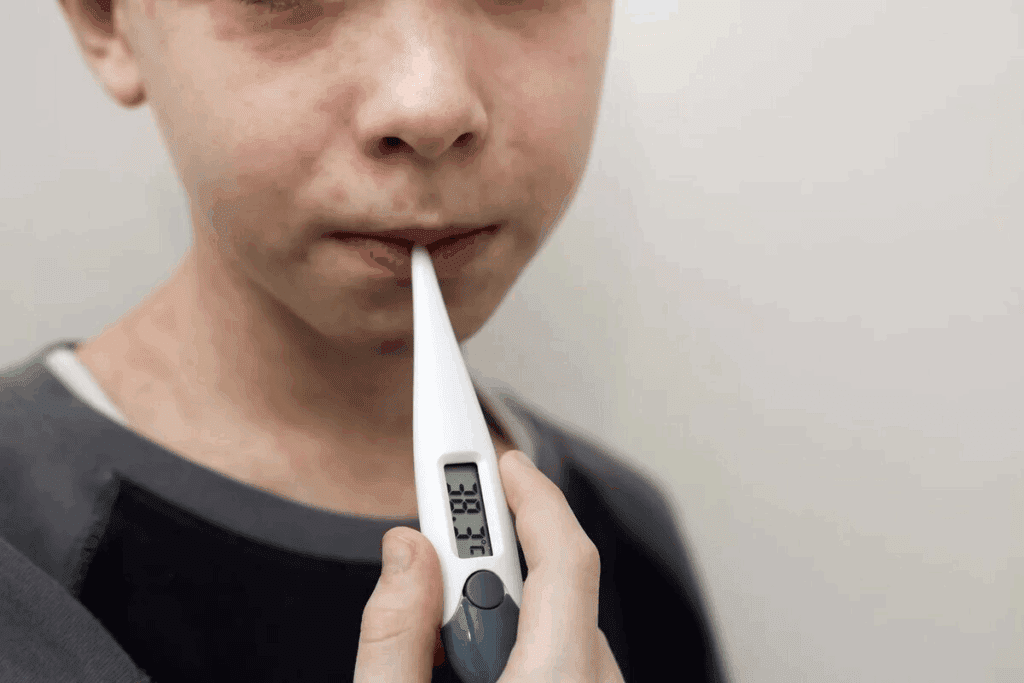
Many think heart problems only happen to adults, but children can also be affected. About 1 in 100 kids are born with a heart defect. This is a big worry for parents.The endocrinologist hand exam reveals much. specific health clues. Learn why doctors check palms and tremors during your visit.
As a parent, worrying about your child’s heart health is normal. Most heart symptoms, like chest pains and palpitations, are not serious. But, sometimes, these symptoms need a pediatrician or pediatric cardiologist’s check-up. We know how important it is to know when your child needs a specialist.
Key Takeaways
- Heart defects are a significant concern in children, affecting about 1 in 100 births.
- Common heart symptoms in children, such as chest pain and palpitations, are usually harmless but should be evaluated.
- A pediatric cardiologist specializes in diagnosing and treating heart conditions in children.
- Early evaluation is key for spotting heart problems in kids.
- Parents should talk to a pediatrician or pediatric cardiologist if they’re worried about their child’s heart health.
Understanding Pediatric Cardiology

Pediatric cardiologists are experts in children’s heart health. As a parent, you might worry about your child’s heart. We’re here to help you understand what pediatric cardiologists do and the conditions they treat.
What is a Pediatric Cardiologist?
A pediatric cardiologist is a doctor who focuses on children’s heart health. They know a lot about kids’ hearts, from birth defects to heart rhythm problems. Pediatric cardiologists are key in keeping children’s hearts healthy, giving care from simple check-ups to complex surgeries.
Common Conditions Treated by Pediatric Cardiologists
Pediatric cardiologists deal with many heart issues in kids, like murmurs, arrhythmias, and birth defects. Congenital heart defects are heart problems kids are born with. They can be simple or need surgery. Here’s a quick look at some common conditions and their treatments:
| Condition | Typical Treatment |
| Heart Murmurs | Monitoring, further diagnostic tests if necessary |
| Arrhythmias | Medication, lifestyle changes, or pacemaker implantation |
| Congenital Heart Defects | Surgical repair, catheter-based interventions, or ongoing monitoring |
Knowing about pediatric cardiologists and what they treat helps parents get the best care for their kids’ hearts.
Signs and Symptoms of Heart Problems in Children

Heart issues in kids can show up in different ways. It’s key for parents to know the signs. This helps spot heart problems early.
Recognizing Warning Signs
Signs of heart trouble in kids include chest pain, palpitations, and fainting episodes. Chest pain is a big worry. It can mean many things, including heart problems.
Fainting, or syncope, might also point to heart issues. While it can happen for many reasons, kids who faint a lot should see a doctor.
| Symptom | Description | Potential Cause |
| Chest Pain | Pain or discomfort in the chest area | Heart conditions, respiratory issues, or musculoskeletal problems |
| Palpitations | Irregular heartbeat or sensation of skipped beats | Heart rhythm disorders or other cardiac conditions |
| Fainting Episodes | Temporary loss of consciousness | Cardiac issues, neurological problems, or other medical conditions |
Importance of Early Detection
Finding heart problems early is key for treatment and avoiding damage. Pediatric cardiologists are important for diagnosing heart issues in kids.
By spotting warning signs and acting fast, parents can get their kids the right care. Regular check-ups and screenings can also catch heart problems early.
When to Schedule a Pediatric Cardiology Appointment
Scheduling a pediatric cardiology appointment at the right time is key. It helps in diagnosing and managing heart conditions in children. As a parent, knowing when to seek a consultation is vital.
Routine Screenings and Check-Ups
Routine screenings and check-ups are essential in pediatric care. Pediatricians often look for heart murmurs or signs of heart conditions during these visits. If your child has a heart murmur or shows cyanosis at birth, seeing a pediatric cardiologist is important.
Following the recommended vaccination and check-up schedule is also important. These visits allow healthcare providers to monitor your child’s health and address any concerns.
Family History of Heart Conditions
If your child has a family history of heart conditions, watch their heart health closely. Some heart conditions run in families. Knowing your family’s medical history helps assess risk.
Symptoms like arrhythmia symptoms in kids, such as irregular heartbeats or shortness of breath, should not be ignored. If your child shows these signs, seeing a pediatric cardiologist is important.
Talking to your pediatrician or pediatric cardiologist about your family’s medical history is a good idea. They can help you understand the necessary steps and screenings for your child’s heart health.
Risk Factors for Pediatric Heart Issues
Many factors can lead to heart problems in kids. It’s key to spot them early. Knowing these risks helps us care for our young patients better.
Congenital Heart Defects
Congenital heart defects are a big risk for kids. These defects happen when the heart or blood vessels don’t form right during pregnancy. Some are found at birth, while others are discovered later. Early detection and treatment are key to manage these conditions well.
Genetic syndromes like Down syndrome raise the risk of these defects. In such cases, cardiac screening is often recommended. This is because of the importance of genetic syndrome cardiac screening.
Lifestyle Factors
Lifestyle choices also affect kids’ heart health. Eating too much processed food, sugar, and unhealthy fats can lead to obesity and heart problems. Encouraging healthy eating and regular exercise can help reduce these risks.
Children with a family history of heart conditions are at higher risk. In such cases, regular check-ups and screenings are essential. We also need to watch for signs of growth delay, as they might be linked to heart issues. This calls for a growth delay heart check.
By tackling these risk factors, we can prevent or manage heart issues in kids. This ensures they can live healthy, active lives.
Conditions that Require Immediate Attention
Certain symptoms in children can show serious heart problems that need quick medical check-ups. As a parent, knowing these signs can help your child get the right care fast.
Severe Chest Pain or Shortness of Breath
Severe chest pain or trouble breathing in kids is a big warning sign. It might mean serious heart issues like cardiomyopathy or coronary artery anomalies. If your child has chest pain or can’t breathe well, get medical help fast.
“Chest pain in children should never be ignored,” says the need for quick checks. A thorough heart exam can find out why these symptoms happen and what to do next.
Fainting or Dizziness
Fainting or feeling dizzy in kids might mean a heart problem that needs a cardiologist’s look. These signs could be from heart rhythm issues or pediatric high blood pressure. It’s key to talk to a doctor to check for serious problems.
Also, if your child feels very tired and faints or gets dizzy, they need a detailed heart check. This can spot any heart issues.
In short, watching your child’s health closely and knowing when to act can really help. If you see any of these serious signs, don’t wait to get medical help.
The Role of Pediatricians in Cardiac Health
Pediatricians are key in spotting heart problems early in kids. They help find heart issues and send kids to cardiologists for more checks.
How Pediatricians Identify Heart Issues
Pediatricians know how to spot heart problems during check-ups. They listen to heart sounds and look for signs of trouble or odd heart rhythms.
Referrals to Cardiologists
If a pediatrician thinks a child might have a heart issue, they send them to a cardiologist. Tests like echocardiograms or ECGs help find the problem. For example, a child with a heart murmur might need a pre-op heart clearance check.
Pediatricians also check if it’s safe for kids to have surgery. They make sure the child’s heart is okay before surgery.
| Pediatrician’s Role | Description |
| Initial Assessment | Performing routine check-ups to identify possible heart issues early. |
| Referral to Specialist | Referring children to pediatric cardiologists for more evaluation and diagnosis. |
| Pre-op Clearance | Checking cardiac health before surgery to ensure safety. |
Pediatricians and cardiologists work together for kids’ heart health. This teamwork is vital for managing heart conditions well.
Diagnostic Tests Used in Pediatric Cardiology
Pediatric cardiologists use many tests to check a child’s heart health. These tests help find and manage heart problems. This way, kids get the right care they need.
Echocardiograms and ECGs
Echocardiograms and ECGs are key tools in pediatric cardiology. An echocardiogram uses sound waves to show the heart’s images. It helps find heart defects and other issues.
An ECG checks the heart’s electrical activity. It spots irregular heartbeats and other electrical problems.
Both tests are safe and don’t hurt. They give important info for treatment plans and check if treatments work.
Stress Tests and Holter Monitors
Stress tests check how the heart works when it’s stressed, usually through exercise. They show how the heart handles physical activity.
A Holter monitor records the heart’s activity for 24 to 48 hours. It catches heart rhythms that don’t show up in short tests. It gives a full picture of the heart’s activity during daily life.
These tests are very important in pediatric cardiology. They help doctors make the best care plans for each child. This ensures the best results for kids.
Treatment Options for Pediatric Heart Conditions
Managing heart conditions in kids requires different treatments. This can include medicine, lifestyle changes, or surgery. When a child is diagnosed, creating a detailed treatment plan is key. We work with families to find the best approach for each child.
Medications and Lifestyle Changes
Medicine is often a big part of treating heart conditions in kids. It helps control symptoms and prevent problems. Along with medicine, making lifestyle changes is important. This might mean eating better, being more active, and staying away from smoke.
Key Lifestyle Changes:
- Dietary modifications to ensure a balanced intake of nutrients
- Encouraging appropriate physical activity to promote cardiovascular health
- Avoiding secondhand smoke to reduce cardiovascular risks
For example, kids with heart issues might need to eat more fruits and veggies. Regular check-ups with a pediatric cardiologist are also key. This helps adjust the treatment plan as needed.
Surgical Interventions
Sometimes, surgery is needed to fix heart defects. Thanks to new surgical methods, kids are doing better after surgery. We team up with experts to decide if surgery is right and plan it carefully for each child.
Types of Surgical Interventions:
| Surgical Procedure | Description | Indications |
| Catheter-based procedures | Minimally invasive techniques using catheters to repair heart defects | Certain types of septal defects, valve issues |
| Open-heart surgery | Surgical repair or replacement of heart structures through an incision in the chest | Complex congenital heart defects, severe valve disease |
| Heart transplant | Replacement of a diseased heart with a healthy donor heart | End-stage heart failure, severe congenital heart defects |
When checking for toddler heart symptoms or doing an infant heart assessment, thinking about surgery is important. Early treatment can greatly improve a child’s chances of a good outcome.
The Importance of Follow-Up Care
Regular monitoring and follow-up care are key for managing long-term heart conditions in kids. We know that kids with heart issues need ongoing care to stay healthy.
Regular Monitoring of Heart Health
Children with heart conditions need regular check-ups with their pediatric cardiologist. These visits help monitor their condition and adjust their treatment plan. The cardiologist checks the child’s heart health and looks for any complications or changes.
Some important parts of regular monitoring include:
- Routine echocardiograms and ECGs to check heart function
- Watching for signs of heart failure or other complications
- Changing medications or treatment plans as needed
- Guiding on lifestyle changes, like diet and exercise
Managing Long-Term Conditions
Managing long-term heart conditions in kids needs a detailed care plan. We work with families to create a plan that meets their child’s specific needs. This plan helps promote optimal heart health.
Some key parts of managing long-term conditions include:
- Creating a treatment plan that considers the child’s overall health and any other medical conditions
- Providing education and support to help families manage their child’s condition and make informed decisions about their care
- Regularly reviewing and updating the treatment plan to ensure it remains effective and relevant
For example, a child with school-age chest pain may need more frequent visits to monitor their condition. An adolescent with palpitations might need additional testing, like a Holter monitor, to diagnose and manage their condition.
By working together with families and providing ongoing care and support, we can help kids with heart conditions live active, healthy lives.
Family Support and Resources
When a child is diagnosed with a heart condition, it changes a family’s life. They need emotional, educational, and advocacy support. It’s tough to have a child with a heart condition, and families need help to understand the healthcare system.
Emotional Support for Families
Families with children who have heart conditions face a lot of emotional challenges. They might feel anxious, scared, and unsure about their child’s future. It’s key to offer emotional support to these families.
Counseling services give families a safe place to talk about their feelings. Support groups, both in-person and online, help families feel connected. They share experiences and find comfort in knowing they’re not alone.
| Type of Support | Description | Benefits |
| Counseling Services | Professional guidance for families to cope with emotional distress | Reduces anxiety, improves coping mechanisms |
| Support Groups | Community of families with similar experiences | Fosters a sense of belonging, shares experiences |
| Online Resources | Accessible information and forums | Convenient access to information, connects families worldwide |
Educational Resources and Advocacy
Families need more than emotional support. They also need educational resources and advocacy. We give them accurate, up-to-date information about their child’s heart condition.
Educational resources help families make informed decisions. They learn about their child’s condition, treatment options, and how to manage their health at home. Advocacy is also key. It ensures families get the support and services they need from healthcare providers and schools.
By providing emotional support, educational resources, and advocacy, we help families deal with the challenges of pediatric heart conditions. Understanding a child’s patient history heart risk and knowing when to seek a child specialist referral timing are important parts of this support.
Conclusion: Prioritizing Heart Health in Children
Keeping a child’s heart healthy is key for their overall well-being. We’ve learned that knowing when a child needs a cardiologist is important. It helps prevent long-term damage and supports healthy growth.
Healthy Habits for a Healthy Heart
Teaching healthy habits early is vital. This means a balanced diet, regular exercise, and staying away from smoke. These habits can greatly lower the risk of heart problems in kids.
Guidance from Pediatric Cardiology Experts
Getting help from pediatric cardiologists is essential for spotting heart issues early. They offer advice and treatment plans made just for each child. This ensures they get the best care possible.
Working with healthcare experts and focusing on pediatric cardiology helps kids get the care they need. This way, they can thrive and live healthy lives.
FAQ
What are the common heart symptoms in children that require a cardiologist’s attention?
Children may show signs like chest pain, palpitations, and fainting. They might also have cyanosis at birth or arrhythmia symptoms. If your child shows any of these signs, seeing a pediatric cardiologist is important.
How do pediatric cardiologists evaluate heart conditions in children?
Pediatric cardiologists use tests like echocardiograms and ECGs to check hearts. They also use stress tests and Holter monitors. These tests help find and track heart problems, ensuring the right treatment.
What is the importance of early detection and treatment of heart conditions in children?
Finding and treating heart issues early is key to avoiding long-term damage. Pediatric cardiologists are essential in diagnosing and treating these conditions. Early action can greatly improve a child’s quality of life.
When should I schedule a pediatric cardiology appointment for my child?
Schedule a visit if your child has a heart murmur or shows symptoms like chest pain. Regular check-ups are also important for heart health.
What are the risk factors for pediatric heart issues?
Heart problems in kids can be due to congenital defects, lifestyle, or genetic syndromes. If your child has a family history or a congenital defect, a pediatric cardiologist can help manage their heart health.
How do pediatricians identify heart issues in children?
Pediatricians check for heart problems during routine visits. If they find something, they’ll send your child to a pediatric cardiologist for more tests and treatment.
What are the treatment options for pediatric heart conditions?
Treatments include medicines, lifestyle changes, and surgery. Pediatric cardiologists work with families to create a treatment plan that works best for the child.
Why is follow-up care important in managing long-term heart conditions in children?
Follow-up care is vital for managing long-term heart conditions. It allows for regular monitoring and adjustments to treatment plans. Pediatric cardiologists help families develop a care plan that meets their child’s needs.
How can families get emotional support and resources for children with heart conditions?
Families can get support and resources from their pediatric cardiologist and healthcare team. Hospitals and organizations also offer support groups, educational materials, and advocacy services.
What is the role of pediatric cardiologists in evaluating and managing heart conditions in children with genetic syndromes?
Pediatric cardiologists are key in managing heart conditions in children with genetic syndromes. They work with families to create a care plan that addresses the child’s unique needs and ensures the best outcomes.
Can lifestyle factors impact heart health in children?
Yes, diet and exercise can greatly affect a child’s heart health. Encouraging healthy habits can help keep your child’s heart healthy and reduce the risk of heart conditions.
How often should my child have a heart check-up if they have a family history of heart conditions?
If your child has a family history of heart conditions, regular heart check-ups are important. Working with a pediatric cardiologist can help determine the best schedule for these check-ups. Regular monitoring can catch issues early, leading to better treatment and outcomes.
References
National Center for Biotechnology Information. Evidence-Based Medical Insight. Retrieved from https://www.ncbi.nlm.nih.gov/pmc/articles/PMC3601825/