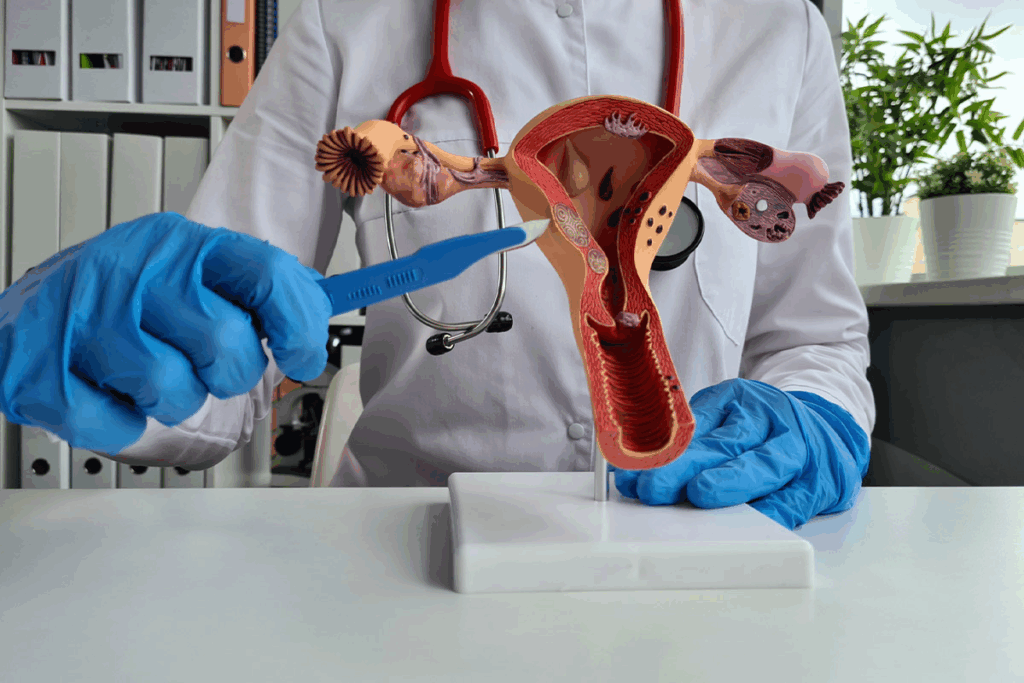
Getting ready for uterine cancer surgery means learning about the surgery and what you need to do. If you’re diagnosed with endometrial cancer, it’s important to know your options. This helps you make the best treatment choices.
AtLiv Hospital, we offer top-notch surgical care and focus on you, the patient. Endometrial cancer treatment often involves a hysterectomy. This is the main surgery for uterine cancer and gives you the best chance of beating it if caught early.
Our team will help you get ready for this big treatment. We make sure you know what to expect and support you every step of the way. Facing endometrial cancer surgery? This ultimate, vital guide provides the essential steps to prepare and what to expect during recovery.
Key Takeaways
- Understanding the surgical process is key for preparing for uterine cancer surgery.
- Hysterectomy is the main surgery for uterine cancer.
- Early detection is the best way to cure the cancer.
- Liv Hospital offers world-class surgical care and puts patients first.
- We provide full support during your treatment.
Understanding Endometrial Cancer

Endometrial cancer starts in the endometrium, the lining of the uterus. It’s a big health worry for many women. Most cases are caught early, when the cancer is only in the uterus.
What is Endometrial Cancer?
Also known as uterine cancer, endometrial cancer grows in the uterus lining. It happens when cells grow too fast and form tumors. Doctors use a few tests to find endometrial cancer, like a pelvic exam and ultrasound.
Risk Factors and Early Detection
Many things can raise your risk of getting endometrial cancer. These include getting older, being very overweight, and using hormone therapy. Finding cancer early is key, and tests help a lot.
Some main risk factors are:
- Age: Risk goes up after 50.
- Obesity: Being very overweight raises risk.
- Hormone Replacement Therapy: Some hormone therapies increase risk.
- Family History: Having a family history of certain genetic syndromes can raise risk.
Staging and Prognosis
Knowing the stage of endometrial cancer is very important. It helps figure out how well you might do and what treatment to use. The stages range from I (cancer is only in the uterus) to IV (cancer has spread far away).
Stage | Description | 5-Year Survival Rate |
I | Cancer is confined to the uterus | 90% |
II | Cancer has spread to the cervix | 75% |
III | Cancer has spread outside the uterus but remains within the pelvic region | 50% |
IV | Cancer has spread to distant parts of the body | 20% |
Knowing the stage of endometrial cancer helps everyone make better choices about treatment. It also helps predict how well you might do.
Types of Endometrial Cancer Surgery

Surgery is key in treating endometrial cancer, with several options available. The choice of surgery depends on the cancer’s stage and grade, and the patient’s health.
Total Hysterectomy
A total hysterectomy removes the uterus and cervix. It’s the main surgery for endometrial cancer. This is done when the cancer is only in the uterus.
Bilateral Salpingo-Oophorectomy
Along with a total hysterectomy, removing both ovaries and fallopian tubes is common. This step helps prevent cancer spread and handles hormonal effects.
Lymph Node Assessment
Lymph node assessment is vital in endometrial cancer surgery. It involves removing and checking lymph nodes in the pelvis and sometimes the para-aortic area. This helps find out if the cancer has spread.
Pelvic Wash Procedures
A pelvic wash is done during surgery. It involves flushing the pelvic cavity with saline solution. The solution is then checked for cancer cells. This gives important info on cancer spread.
Surgical Approaches for Endometrial Cancer Surgery
Endometrial cancer surgery has changed, with many options now available. Each method is chosen based on the patient’s needs. The right surgery can greatly affect recovery and results.
Traditional Open Surgery
Traditional open surgery uses a big cut in the belly to reach the uterus. It’s been around for a long time. It’s often picked for more serious cases or when things get complicated.
Open surgery gives a clear view of the area affected by cancer. This is good for tricky cases.
Minimally Invasive Techniques
Nowadays, less invasive surgeries like laparoscopic and robotic-assisted are more common. They use small cuts, causing less damage. These surgeries lead to less scarring, less pain, and faster healing.
Laparoscopic surgery uses tiny cameras and tools. Robotic-assisted surgery lets the surgeon make precise moves with robotic help.
Comparing Recovery Times by Approach
Recovery times differ based on the surgery type. Minimally invasive surgeries usually mean shorter hospital stays and quicker healing. People who have these surgeries often feel less pain and can get back to life faster.
A study showed that those with minimally invasive surgery recovered in 2-3 weeks. Those with open surgery took 6-8 weeks. Knowing this helps patients prepare for their recovery.
Initial Consultation and Diagnosis
Knowing what to expect at your first visit can make you feel less anxious. It helps you get ready for the tests needed to find out if you have endometrial cancer.
What to Expect During Your First Appointment
Your doctor will do a detailed check to see if you have endometrial cancer. This starts with a pelvic exam to look for any unusual signs.
You’ll also talk about your health history, symptoms, and any risks you might have. This helps your doctor plan the right tests for you.
Diagnostic Tests and Procedures
There are several tests and procedures to confirm endometrial cancer. These include:
- Imaging Tests: Like ultrasound or MRI to see the uterus and nearby areas.
- Biopsy: A way to take tissue samples from the endometrium for lab tests.
- Pelvic Wash: A method where fluid is put into the pelvic area and then taken out for analysis.
Diagnostic Test | Purpose | What to Expect |
Transvaginal Ultrasound | To see how thick and textured the endometrium is. | A probe is put into the vagina to get ultrasound pictures. |
Endometrial Biopsy | To get tissue samples for lab tests. | A thin tube is put through the cervix to get endometrial tissue. |
MRI | To see how big the cancer is and if it has spread. | You’ll lie in an MRI machine to get detailed pictures of the pelvic area. |
Understanding Your Pathology Report
After your tests, a pathology report will be made from the tissue samples. This report is key to confirming your diagnosis and understanding your cancer.
Important parts of your pathology report include:
- Type of Cancer: It will say if you have endometrioid adenocarcinoma or another type of endometrial cancer.
- Grade of Cancer: Shows how much the tumor cells look like normal cells.
- Stage: Tells if the cancer is only in the uterus or has spread.
Your doctor will talk about the report with you. They will also explain what to do next in your treatment.
Choosing Your Surgical Team
The success of your endometrial cancer surgery depends on your surgical team. Their expertise greatly affects your surgery outcome and recovery. It’s key to choose a skilled and experienced team for your treatment.
For endometrial cancer treatment, your team’s experience and specialization matter a lot. A gynecologic oncologist is a specialist in female reproductive system cancers. They offer complete care, from surgery to follow-up treatments.
Finding the Right Gynecologic Oncologist
To find the right gynecologic oncologist, ask your primary care doctor or other healthcare providers for referrals. Check with your insurance for in-network specialists. Online research can give you insights into a doctor’s credentials and patient reviews.
When looking for surgeons, consider their:
- Experience in endometrial cancer surgeries
- Certification by a recognized medical board
- Hospital privileges at a reputable institution
- Patient satisfaction ratings
Questions to Ask Your Surgeon
After finding surgeons, ask important questions during your consultation. This helps you understand their expertise and care approach. Some questions include:
- What experience do you have with endometrial cancer surgeries?
- What surgical approach do you recommend for my condition, and why?
- What are the possible risks and complications of the surgery?
- How will you manage my pain during and after surgery?
- What is the typical recovery time, and what support can I expect?
Question | Why It Matters |
What experience do you have with endometrial cancer surgeries? | To understand the surgeon’s level of expertise and familiarity with your specific condition. |
What surgical approach do you recommend, and why? | To know the rationale behind the recommended surgical method and its benefits. |
How will you manage my pain during and after surgery? | To understand the pain management strategy and ensure your comfort during recovery. |
Getting a Second Opinion
Getting a second opinion is common and valuable with a cancer diagnosis. It offers additional insights into your condition and treatment options. It helps you make a more informed decision. Don’t hesitate to seek another opinion if you’re unsure about your diagnosis or treatment plan.
When getting a second opinion, consider another gynecologic oncologist. They can review your case and provide an independent assessment. This is helpful in complex cases or when there are multiple treatment options.
Physical Preparation for Surgery
Getting ready for endometrial cancer surgery means paying attention to your physical health. This can make a big difference in how you feel after the surgery. There are several steps you can take to prepare your body for the big day.
Pre-Surgery Medical Evaluations
Your medical team will check your health before surgery. They might do blood tests, imaging studies, and look at your medical history. It’s important to follow your doctor’s advice and tell them about any health changes.
For example, if you have diabetes, controlling your blood sugar is key. A study in the Journal of Clinical Endocrinology and Metabolism found that keeping blood sugar in check can lower the risk of complications after surgery.
Test/Evaluation | Purpose |
Blood Tests | Check your overall health and find any issues |
Imaging Studies | See how big the cancer is and plan the surgery |
Medical History Review | Find out if there are any risks and get your health ready |
Nutrition and Exercise Guidelines
Eating well is important to get your body ready for surgery. Eat lots of fruits, vegetables, whole grains, and lean proteins. Drinking plenty of water is also key. Your doctor might suggest a special diet or supplements.
“A healthy diet before surgery can improve outcomes by ensuring the body has the necessary nutrients to heal and recover effectively.” – American Cancer Society
Exercising gently, like walking, can also help. But, always talk to your doctor before starting any new exercise.
Medication Adjustments
Some medicines might need to be changed or stopped before surgery. This includes blood thinners, diabetes meds, and some supplements. Always check with your doctor before changing your meds.
- Talk to your healthcare provider about your medications
- Follow their advice on changing or stopping medicines
- Let your doctor know about any over-the-counter meds or supplements
Smoking Cessation and Alcohol Reduction
Smoking and drinking too much can make surgery and recovery harder. Quitting smoking and drinking less can really help. There are resources to help you quit smoking, like counseling and nicotine replacement therapy.
By focusing on these areas, you can get your body ready for endometrial cancer surgery. This can make the surgery and recovery easier. Always listen to what your healthcare team tells you.
Mental and Emotional Preparation
Getting ready for endometrial cancer surgery means more than just physical prep. It’s also about your mental and emotional health. This focus helps you recover better and feel better overall.
Coping with Anxiety and Fear
Feeling anxious or scared before surgery is normal. We suggest several ways to handle these feelings:
- Meditation and mindfulness practices
- Deep breathing exercises
- Seeking professional counseling or therapy
These methods can calm your mind and lessen anxiety. Talking to loved ones or a support group also helps. Sharing your feelings can bring relief and comfort.
Building a Support Network
A strong support network is key during this time. We advise reaching out to family, friends, or support groups for emotional and practical support. Having someone to drive you to appointments or just listen can greatly improve your mental and emotional state.
Considering Fertility and Hormonal Changes
Endometrial cancer surgery might affect your fertility or hormones. Talking to your healthcare provider about these changes is important. Knowing what to expect can ease your worries and help you prepare emotionally.
Resources for Emotional Support
Many resources are available for emotional support. We suggest checking out:
- Cancer support hotlines
- Online forums and communities
- Local support groups
- Mental health professionals specializing in cancer care
These resources can offer valuable advice, comfort, and connection. They help you through your journey.
By preparing mentally and emotionally, you can face endometrial cancer surgery better. This focus improves your recovery experience.
Practical Preparations Before Surgery
Getting ready for endometrial cancer surgery is key to a smooth recovery. It can feel overwhelming, but with the right steps, you can make your recovery easier.
Home Preparation Checklist
Before surgery, make your home ready for recovery. Here are some important steps:
- Stock up on groceries and essentials to avoid having to go out.
- Prepare meals in advance that can be easily reheated.
- Set up a comfortable recovery area with necessary items within reach.
- Arrange for someone to help with household chores and errands.
Insurance and Financial Considerations
It’s important to know about your insurance and finances before surgery. We recommend:
- Reviewing your insurance policy to understand what is covered.
- Contacting your insurance provider to clarify any doubts.
- Preparing for any out-of-pocket expenses related to your surgery and recovery.
Insurance Aspect | Action Required |
Coverage Details | Review policy documents |
Pre-Approval | Contact insurance provider |
Out-of-Pocket Expenses | Plan financially |
Planning for Recovery Time
Planning for your recovery is essential. Consider:
- The length of time you will need to recover.
- Notifying your employer or arranging for leave.
- Making arrangements for any dependents or pets.
Arranging for Help During Recovery
A support system is vital for recovery. We suggest:
- Asking a friend or family member to stay with you.
- Hiring professional help if needed.
- Setting up a schedule for check-ins and assistance.
By following these steps, you can make your recovery from endometrial cancer surgery more comfortable. We’re here to support you every step of the way.
The Day Before and Morning of Surgery
The day before and morning of your surgery are key times for preparation. You need to follow certain steps to make your experience smooth. This is important for endometrial cancer surgery.
Final Instructions and Preparations
The day before, you’ll get a call from the hospital with final details. It’s vital to listen carefully to these instructions. They might cover arrival times, parking, and what to expect.
On surgery day, arrive early at the hospital. Having a friend or family member with you can be helpful.
What to Bring to the Hospital
Bringing the right things can make your stay more comfortable. Here’s a list of must-haves:
Item | Description |
Insurance Cards and ID | Make sure you have all your insurance cards and a valid ID. |
Comfortable Clothing | Wear loose, comfy clothes for your hospital stay. |
Personal Care Items | Don’t forget your toothbrush, hairbrush, and other personal items. |
Medications | Bring a list of your current medications and dosages. |
Fasting and Medication Guidelines
Fasting is important and your team will guide you. You’ll likely need to avoid eating and drinking before surgery.
Some medications might need to be stopped or changed before surgery. Always follow your surgeon’s advice on medications to reduce risks.
By following these guidelines, you can help make your surgery and recovery smoother.
What to Expect During Your Hospital Stay
Knowing what to expect during your hospital stay can make a big difference. As you prepare for endometrial cancer surgery, understanding your stay can ease your anxiety. It helps you feel more prepared for the procedure.
Anesthesia and Surgical Procedures
For endometrial cancer surgery, your medical team will choose the right anesthesia for you. General anesthesia is often used to keep you comfortable and pain-free. Your anesthesiologist will talk to you about this before the surgery.
The surgery team includes a gynecologic oncologist. They will do the surgery based on your diagnosis and health. Your team will explain the surgery details to you.
Duration and Immediate Post-Op Care
The surgery’s length depends on its complexity and your response to anesthesia. Usually, it takes a few hours. After, you’ll go to the post-anesthesia care unit (PACU) for close monitoring.
Right after surgery, you’ll be watched for pain, complications, and recovery. Your team will also teach you about post-op care and recovery.
Hospital Routines and Medical Monitoring
You’ll be watched closely by healthcare professionals during your stay. They’ll check your vital signs, manage pain, and watch for complications. Your care team will also help with daily needs and comfort.
- Regular vital sign checks
- Pain management assessments
- Monitoring for signs of infection or other complications
- Assistance with daily needs and mobility
Potential Complications to Be Aware Of
Endometrial cancer surgery is usually safe, but there are risks. These include infection, bleeding, blood clots, and anesthesia reactions. Your medical team will discuss these risks and take steps to avoid them.
Knowing about these risks helps you spot any problems early. Your healthcare team is dedicated to giving you the best care and support during your stay.
Recovery After Endometrial Cancer Surgery
Knowing what to expect during recovery can make it easier after endometrial cancer surgery. The recovery time is key for healing and getting back to normal. Recovery times differ based on the surgery type, with less invasive surgeries often leading to quicker recovery.
Hospital Stay Duration
The time you spend in the hospital varies. It depends on the surgery type and your health. Minimally invasive surgeries usually mean shorter stays. Your healthcare team will guide you based on your situation and surgery.
Managing Pain and Discomfort
Managing pain is a big part of recovery. Your doctors will give you pain meds. It’s important to follow their advice and report any bad pain. Techniques like deep breathing or using a heating pad can also help.
“Pain is what we feel when our tissues are being stressed or damaged. Effective pain management is key for a smooth recovery.”
Activity Restrictions and Gradual Return to Normal
It’s important to rest but also to start doing things again slowly. At first, avoid heavy lifting or bending. As you get better, you can do more. Listening to your body and not pushing too hard is important for a good recovery.
- Avoid heavy lifting for at least 4-6 weeks after surgery.
- Slowly start doing more based on how you feel.
- Follow your doctor’s advice on what activities to avoid.
Follow-up Appointments and Additional Treatments
Going to follow-up appointments is important. They help check on your recovery and address any issues. Keeping up with these appointments is key for the best results.
Recovering from endometrial cancer surgery involves managing pain, following activity rules, and going to follow-up visits. Understanding these steps can help you recover better.
Conclusion
Preparing for endometrial cancer surgery is a big task. It involves understanding your diagnosis, the surgery process, and what you need to do before. With the right preparation, patients can handle their surgery and recovery better.
Following the advice in the previous sections helps patients. They learn about the different surgeries, the surgical methods, and how to prepare for a smooth recovery. This way, patients can be more involved in their treatment.
In conclusion, endometrial cancer surgery needs careful planning and preparation. Patients who know what to expect can face their surgery with confidence. We urge patients to work closely with their healthcare team for the best results.
FAQ
What is endometrial cancer, and how is it diagnosed?
Endometrial cancer starts in the uterus. Doctors use ultrasounds and biopsies to find it. A biopsy takes tissue from the uterus for tests.
What are the different types of surgery for endometrial cancer?
The main surgery is a total hysterectomy, removing the uterus. Sometimes, they also remove ovaries and fallopian tubes. Tests on lymph nodes and pelvic washes might also happen.
What is the difference between traditional open surgery and minimally invasive surgery for endometrial cancer?
Open surgery uses a big cut. Minimally invasive surgery uses small cuts and special tools. It usually means less pain and quicker recovery.
How do I choose the right gynecologic oncologist for my surgery?
Look for experience with endometrial cancer. Check their credentials and what others say. Ask questions during your first visit to see if they’re right for you.
What physical preparations should I make before undergoing endometrial cancer surgery?
Get checked by your doctor before surgery. Follow diet and exercise advice. Stop smoking and drinking. Take your meds as told.
How can I cope with anxiety and fear before my surgery?
Build a support network. Think about therapy or counseling. Use relaxation methods like deep breathing or meditation.
What are the practical steps I should take to prepare my home for recovery?
Make your home comfy for recovery. Get help lined up. Plan for recovery time and buy what you need.
What can I expect during my hospital stay for endometrial cancer surgery?
You’ll get anesthesia and surgery. Then, you’ll get care right away. The hospital will watch for any problems.
How long does it take to recover from endometrial cancer surgery?
Recovery time varies. It can take weeks to months. Your team will help with pain, activity, and follow-ups.
What follow-up care is necessary after endometrial cancer surgery?
You’ll need to see your team for check-ups. You might need more treatments. They’ll watch for cancer coming back.
How is the recovery process different for radical hysterectomy?
Radical hysterectomy is more extensive. It takes longer to recover. You might have more pain and stay in the hospital longer.
What is a pelvic wash during hysterectomy, and why is it performed?
A pelvic wash cleans the pelvic area. It collects cells for tests. This helps see if cancer has spread.
What are the benefits of choosing a skilled and experienced surgical team for my uterine cancer hysterectomy?
A skilled team gives you the best care. They can handle problems better. They provide personalized care for better results.
How does endometrial cancer surgery impact fertility and hormonal changes?
Surgery, like a hysterectomy, means you can’t have kids anymore. If ovaries are removed, you might go through menopause early.
References
National Center for Biotechnology Information. Endometrial Cancer Surgery: Preparation and Treatment Options. Retrieved from https://www.ncbi.nlm.nih.gov/pmc/articles/PMC9954548/