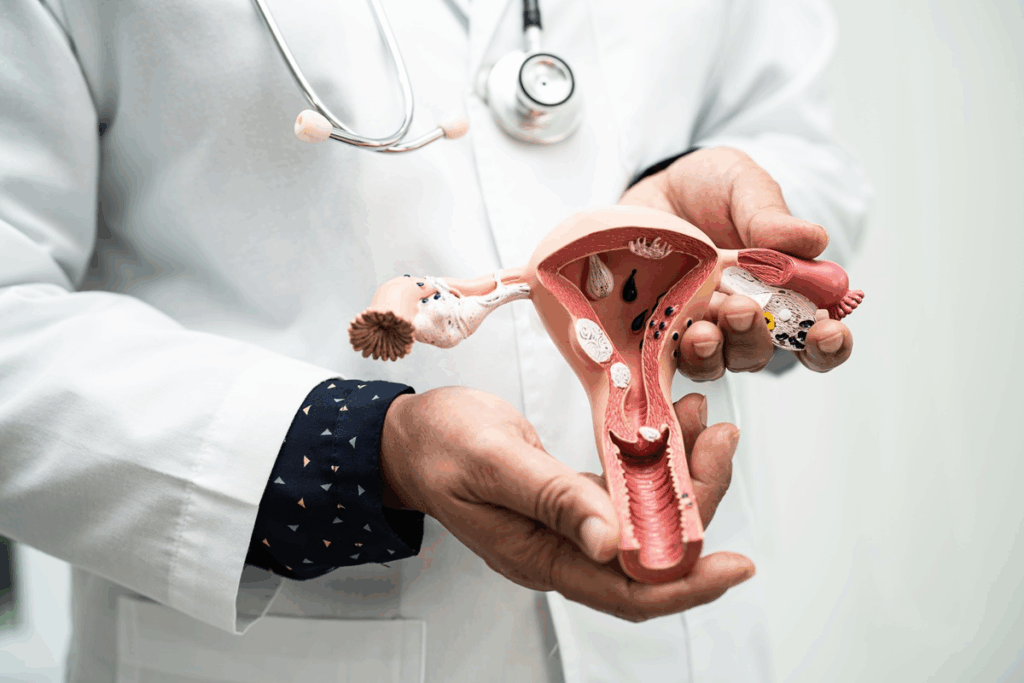
Endometrial carcinoma, also known as uterine cancer, is the most common cancer in the female reproductive system in the U.S. AtLiv Hospital, we focus on creating detailed, personalized treatment plans for each patient.
To effectively treat endometrial cancer, it’s important to know the different treatment options. These include surgery, radiation therapy, chemotherapy, and hormone therapy. Surgery is usually the first step, aiming to remove the cancerous tissues.
We know that every patient’s fight against cancer is different. So, we aim to offer personalized care that meets each person’s unique needs and situation. This is the ultimate guide to endometrial carcinoma treatment. Discover the vital, proven options, from surgery to modern therapies.
Key Takeaways
- Endometrial cancer is the most common gynecologic malignancy in the U.S.
- Surgery is often the primary treatment for endometrial cancer.
- Treatment plans are tailored to each patient’s specific needs.
- Various treatment options are available, including radiation therapy and chemotherapy.
- Liv Hospital provides extensive, multidisciplinary care for international patients.
Understanding Endometrial Cancer

It’s important to know about endometrial cancer to catch it early and treat it well. This cancer starts in the uterus’s lining, called the endometrium. It’s a common cancer in women’s reproductive systems.
What is Endometrial Carcinoma?
Endometrial carcinoma is cancer that starts in the uterus’s lining. It’s mostly found in women after menopause. But it can happen to any woman. The exact cause is not known, but too much estrogen is a big factor.
Prevalence and Risk Factors
About 65,000 new cases of endometrial cancer are found each year in the U.S. It affects about 3 percent of women at some point. Risk factors include hormone therapy, obesity, and genetic syndromes like Lynch syndrome. Knowing these risks helps prevent the disease.
- Hormone replacement therapy without progesterone
- Obesity and metabolic syndrome
- Genetic predisposition (e.g., Lynch syndrome)
- Postmenopausal estrogen therapy
Signs and Symptoms
The main symptom of endometrial cancer is unusual bleeding from the uterus. This can be irregular periods, bleeding between periods, or bleeding after menopause. Other signs include pelvic pain and symptoms from cancer spreading. Spotting these symptoms early is key for treatment.
Key symptoms to watch for:
- Abnormal uterine bleeding
- Pelvic pain or discomfort
- Unintended weight loss
- Abnormal vaginal discharge
Diagnosis and Staging of Endometrial Cancer

Diagnosing and staging endometrial cancer are key steps in creating a treatment plan. They help doctors know how far the cancer has spread. This information guides the choice of treatment.
Diagnostic Procedures
Several tests are used to find and check how far endometrial cancer has spread. These include:
- Pelvic exams to check the reproductive organs for any issues.
- Transvaginal ultrasounds to see how thick the endometrium is and if there are tumors.
- Hysteroscopy, which lets doctors see inside the uterus.
- Biopsies, where tissue samples are taken to check for cancer cells.
The FIGO Staging System
The FIGO staging system helps doctors understand how far endometrial cancer has spread. It divides the cancer into stages based on its spread.
FIGO Stage | Description |
I | Cancer confined to the uterus |
II | Cancer involves the uterus and cervix |
III | Cancer extends outside the uterus but remains within the pelvic region |
IV | Cancer has spread to distant organs or outside the pelvic region |
How Staging Affects Treatment Decisions
The stage of endometrial cancer greatly affects treatment choices. The survival rate for endometrial cancer varies by stage. Early-stage cancer often has a better outlook and may be treated with surgery or other therapies.
Advanced stages might need more treatments, like chemotherapy or radiation. Accurate staging is key for the right treatment plan and better patient outcomes. We tailor treatment plans for each patient based on their diagnosis and stage.
Surgical Approaches for Endometrial Carcinoma Treatment
Surgery is the main treatment for endometrial carcinoma. It offers different methods based on each patient’s needs. Surgery is key in managing endometrial cancer, setting the stage for further treatments.
Total Hysterectomy with Bilateral Salpingo-Oophorectomy
Total hysterectomy with bilateral salpingo-oophorectomy (THBSO) is the most common surgery for endometrial cancer. It removes the uterus, cervix, fallopian tubes, and ovaries. THBSO is considered the standard surgical treatment because it removes the main tumor and treats nearby microscopic disease.
A study in the Journal of Clinical Oncology shows THBSO improves survival for early-stage endometrial cancer patients. The surgery is done under general anesthesia. It can be done through open surgery or minimally invasive methods.
Lymph Node Dissection
Lymph node dissection is a key part of surgical staging for endometrial cancer. It removes and checks lymph nodes to see if cancer has spread. Lymph node dissection helps in accurately staging the disease and guides further treatment.
The extent of lymph node dissection varies based on patient risk and surgeon preference. Some studies suggest sentinel lymph node mapping could be a good alternative to full lymphadenectomy, possibly reducing complications.
Procedure | Description | Benefits |
Total Hysterectomy | Removal of the uterus and cervix | Effective removal of the primary tumor |
Bilateral Salpingo-Oophorectomy | Removal of the fallopian tubes and ovaries | Reduces risk of ovarian and fallopian tube cancer |
Lymph Node Dissection | Removal and examination of lymph nodes | Accurate staging and guides adjuvant treatment |
Minimally Invasive Surgical Options
Minimally invasive surgery (MIS) is gaining popularity for treating endometrial cancer. MIS, like laparoscopic or robotic-assisted surgery, offers smaller incisions, less pain, and quicker recovery.
“Minimally invasive surgical approaches have revolutionized the treatment of endometrial cancer, providing patients with less morbidity and faster return to normal activities.” – Medical Expert, Gynecologic Oncologist
MIS is great for patients with early-stage disease or those at high risk for surgery complications. But, the choice between MIS and open surgery depends on many factors, like tumor characteristics and patient health.
Fertility-Sparing Approaches
For younger patients wanting to keep their fertility, there are fertility-sparing options. These include less surgery, like hormonal therapy or conservative surgery, to treat cancer while keeping reproductive abilities.
Fertility-sparing methods are for patients with early-stage, low-grade endometrial cancer. Careful patient selection and counseling are key to use these options right.
In conclusion, there are many surgical options for endometrial carcinoma treatment, tailored to each patient. Knowing the different methods, from total hysterectomy to fertility-sparing options, is vital for complete care.
Radiation Therapy for Endometrial Cancer
Radiation therapy is a key part of treating endometrial cancer. It uses high-energy rays to kill or slow cancer cells. We use it to target cancer effectively, often with surgery.
Types of Radiation Therapy
There are two main types of radiation therapy for endometrial cancer: External Beam Radiation Therapy (EBRT) and Brachytherapy.
- External Beam Radiation Therapy (EBRT): This method sends radiation from outside the body to the cancer. EBRT is given daily, Monday through Friday, for weeks. It’s non-invasive, making it easy for many patients.
- Brachytherapy: This method places radioactive material inside the body, near the tumor. Brachytherapy can be temporary or permanent. It’s often used with EBRT for better results.
When Radiation is Recommended
Radiation therapy is recommended at different stages of endometrial cancer treatment. It can be used:
- After surgery: To kill any remaining cancer cells and lower the chance of it coming back.
- Before surgery: To shrink the tumor, making it easier to remove surgically.
- As the primary treatment: For patients who can’t have surgery or have advanced disease.
Managing Side Effects of Radiation
Radiation therapy can cause side effects. Common ones include fatigue, skin irritation, and stomach problems. We help manage these side effects by:
- Supportive care: Medications and therapies to ease symptoms.
- Dietary adjustments: Nutritional counseling to help with stomach side effects.
- Rest and relaxation: Encouraging patients to rest and do stress-reducing activities.
Understanding radiation therapy’s role in treating endometrial cancer helps patients make informed choices. We’re committed to supporting patients throughout their treatment.
Chemotherapy Options for Uterine Cancer
Uterine cancer treatment often includes chemotherapy. This method uses strong drugs to kill cancer cells. It’s used after surgery to lower the chance of cancer coming back, mainly for advanced or high-risk cases.
Common Chemotherapy Drugs
Chemotherapy for uterine cancer usually involves a mix of drugs. Carboplatin and paclitaxel are top choices. These drugs stop cancer cells from growing and dividing, leading to their death.
The choice of drugs depends on the cancer’s stage, the patient’s health, and past treatments. We’ll look into how these drugs fit into treatment plans.
Treatment Protocols and Cycles
Chemotherapy for uterine cancer is given in cycles. Each cycle is followed by a recovery time. The number of cycles and treatment length vary based on the case and drugs used.
A common treatment might be carboplatin and paclitaxel every three weeks for several cycles. The exact plan is based on how well the patient responds and tolerates the treatment.
Side Effects and Management Strategies
Chemotherapy can cause side effects like nausea, fatigue, hair loss, and a higher risk of infection. We’ll work with patients to manage these side effects. This includes medication, dietary changes, and rest.
For example, anti-nausea meds can help with nausea and vomiting. Patients are also advised on healthy eating and staying hydrated during treatment.
Combination Approaches with Other Treatments
Chemotherapy is often paired with other treatments like radiation therapy. This multi-modal approach is great for advanced uterine cancer patients.
Combining chemotherapy with other treatments attacks cancer from different angles. This improves treatment success and lowers recurrence risk.
Hormone Therapy for Endometrial Cancer
Endometrial cancer treatment sometimes includes hormone therapy. This targets tumors that are sensitive to hormones. It’s considered for patients with hormone receptor-positive tumors to slow disease progression.
This treatment lowers hormone levels in the body. It’s very helpful for patients with advanced endometrial cancer.
Types of Hormone Treatments
Hormone therapy for endometrial cancer has different types. Progestins are often used. They counteract estrogen’s effects on cancer cells.
Other treatments include Selective Estrogen Receptor Modulators (SERMs) and Aromatase Inhibitors. SERMs act like estrogen in some areas but block it in others. Aromatase Inhibitors lower estrogen production by blocking the enzyme aromatase.
- Progestins: Synthetic versions of progesterone that can slow the growth of hormone receptor-positive endometrial cancer cells.
- SERMs: Drugs that can act like estrogen in some parts of the body but block estrogen effects in other parts, such as the uterus.
- Aromatase Inhibitors: Medications that lower estrogen levels by blocking the enzyme aromatase, which turns other hormones into estrogen.
Candidates for Hormone Therapy
Hormone therapy is recommended for patients with hormone receptor-positive endometrial cancer. Tumor tissue is tested for hormone receptors to see if hormone therapy is right. Patients with advanced or recurrent endometrial cancer may also benefit.
Effectiveness and Limitations
The success of hormone therapy varies. Some patients see their disease progress slower or tumors shrink. But, it’s not right for everyone, mainly those with hormone receptor-negative tumors.
Talking to a healthcare provider about the benefits and limits is key to finding the best treatment.
Managing Hormone Therapy Side Effects
Hormone therapy can cause side effects like weight gain, fluid retention, and mood changes. It’s important to manage these to keep quality of life during treatment.
- Monitoring and adjusting hormone doses to minimize side effects.
- Implementing lifestyle changes, such as diet and exercise, to manage weight gain and other side effects.
- Seeking support from healthcare providers and support groups to cope with emotional and psychological impacts.
Understanding hormone therapy’s role in treating endometrial cancer helps patients make informed decisions. We work closely with patients to tailor treatment plans to their needs and circumstances.
Emerging Treatments: Immunotherapy and Targeted Therapies
Immunotherapy and targeted therapies are new ways to fight endometrial cancer. They offer hope to those with few treatment options. These methods could lead to better outcomes for patients.
Checkpoint Inhibitors
Checkpoint inhibitors boost the immune system to fight cancer. Clinical trials show they work well for endometrial cancer, mainly in patients with high MSI-H. This could lead to better survival rates and more effective treatments.
Targeted Molecular Therapies
Targeted therapies aim at specific cancer genes or pathways. They can be used alone or with other treatments like chemotherapy. This approach aims to reduce side effects and improve treatment results.
Clinical Trials and Research Developments
Clinical trials are testing new treatments for endometrial cancer. These trials are key to finding better treatments and improving patient care. Researchers are also looking into new combinations and targets to advance treatment options.
Biomarker Testing for Treatment Selection
Biomarker testing helps choose the right treatment for patients. Tests like MSI-H and PD-L1 help doctors make better treatment plans. This ensures treatments are tailored to each patient’s needs.
Treatment Approach | Mechanism of Action | Potential Benefits |
Checkpoint Inhibitors | Release brakes on immune system | Improved response rates, overall survival |
Targeted Molecular Therapies | Target specific genetic mutations | Minimized side effects, improved outcomes |
Biomarker Testing | Identify patients for targeted therapies | Personalized treatment approaches |
Recovery and Survivorship After Endometrial Cancer Treatment
The journey doesn’t end with treatment; recovering from endometrial cancer requires ongoing care and support. As patients transition from active treatment to survivorship, they face new challenges and opportunities for healing.
Post-Treatment Follow-Up Care
After completing treatment, patients need regular follow-up care. This is to monitor for recurrence and manage long-term side effects. We recommend a follow-up schedule that typically includes:
- Physical exams and medical history updates
- Imaging tests such as CT scans or MRIs
- Discussion of any symptoms or concerns
These visits are key for early detection and ongoing support.
Managing Long-Term Side Effects
Endometrial cancer treatment can lead to long-term side effects. These include menopausal symptoms, fatigue, and changes in bowel or bladder function. We work with patients to manage these effects through:
- Hormone replacement therapy (HRT) for menopausal symptoms
- Physical therapy to improve strength and mobility
- Nutritional counseling to address dietary concerns
By addressing these side effects, we help patients improve their quality of life during survivorship.
Emotional and Psychological Support
Surviving endometrial cancer can be emotionally challenging. We provide access to counseling services, support groups, and other resources. This helps patients cope with the emotional aspects of their journey.
Emotional support is a critical component of survivorship care. It helps patients navigate feelings of anxiety, fear, or depression that may arise after treatment.
Lifestyle Modifications for Cancer Survivors
Adopting a healthy lifestyle can significantly improve survivorship outcomes. We encourage patients to:
- Maintain a balanced diet rich in fruits, vegetables, and whole grains
- Engage in regular physical activity, such as walking or yoga
- Practice stress-reduction techniques, including meditation or deep breathing exercises
These lifestyle modifications not only enhance overall health but also reduce the risk of cancer recurrence.
By focusing on care that includes follow-up visits, side effect management, emotional support, and lifestyle adjustments, we empower endometrial cancer survivors. We help them lead fulfilling lives.
Conclusion: Navigating Your Endometrial Cancer Journey
Dealing with endometrial cancer treatment can feel overwhelming. But knowing your options is the first step to control your care. We’ve looked at many treatments, from surgery to new therapies.
Starting your endometrial cancer journey means having a strong support system. This includes doctors, family, and support groups. They offer emotional and psychological help.
Knowing about different treatments helps you make smart choices about your care. Talk to your healthcare team about what you need. This way, you can find the best treatment for you.
Every step in your endometrial cancer journey needs careful thought and support. We’re here to give you the resources and care you need during this tough time.
FAQ
What are the common treatments for endometrial cancer?
Treatments for endometrial cancer include surgery, radiation, chemotherapy, and hormone therapy. The choice depends on the cancer’s stage and type, and the patient’s health.
How is endometrial cancer staged?
The FIGO system is used to stage endometrial cancer. It looks at the tumor’s size, lymph nodes, and if cancer has spread. Accurate staging helps choose the best treatment.
What is the role of surgery in treating endometrial cancer?
Surgery is a key treatment for endometrial cancer. It often involves removing the uterus and ovaries. Sometimes, lymph nodes are also removed to check for cancer spread.
When is radiation therapy recommended for endometrial cancer?
Radiation is recommended for those at high risk of cancer coming back or with advanced disease. It can be external beam radiation or brachytherapy.
What are the common chemotherapy drugs used for uterine cancer?
Common chemotherapy drugs for uterine cancer include carboplatin, paclitaxel, and doxorubicin. The treatment plan and cycles vary based on the patient’s condition and response.
How does hormone therapy work for endometrial cancer?
Hormone therapy targets hormone-sensitive tumors by reducing hormone production. It’s used for patients with recurrent or advanced disease.
What are the emerging treatments for endometrial cancer?
New treatments include immunotherapy and targeted therapies. These are being tested in clinical trials and offer hope for patients.
How can patients manage long-term side effects after endometrial cancer treatment?
Patients can manage side effects by living a healthy lifestyle. This includes eating well and exercising regularly. Emotional support is also key for well-being.
What is the importance of post-treatment follow-up care?
Follow-up care is vital for monitoring the patient’s health. It helps catch any signs of cancer coming back and manages side effects. Regular check-ups are important for the best outcomes.
Are there any lifestyle modifications that can help cancer survivors?
Yes, survivors can improve their health by maintaining a healthy weight, eating well, and exercising. These changes can also lower the risk of cancer coming back.
References
Government Health Resource. Endometrial Cancer Treatment: A Personalized Guide. Retrieved from https://guidelines.esgo.org/media/2025/09/ESGO-ESTRO-ESP-Guidelines-for-EC_-LO-July-2025.pdf