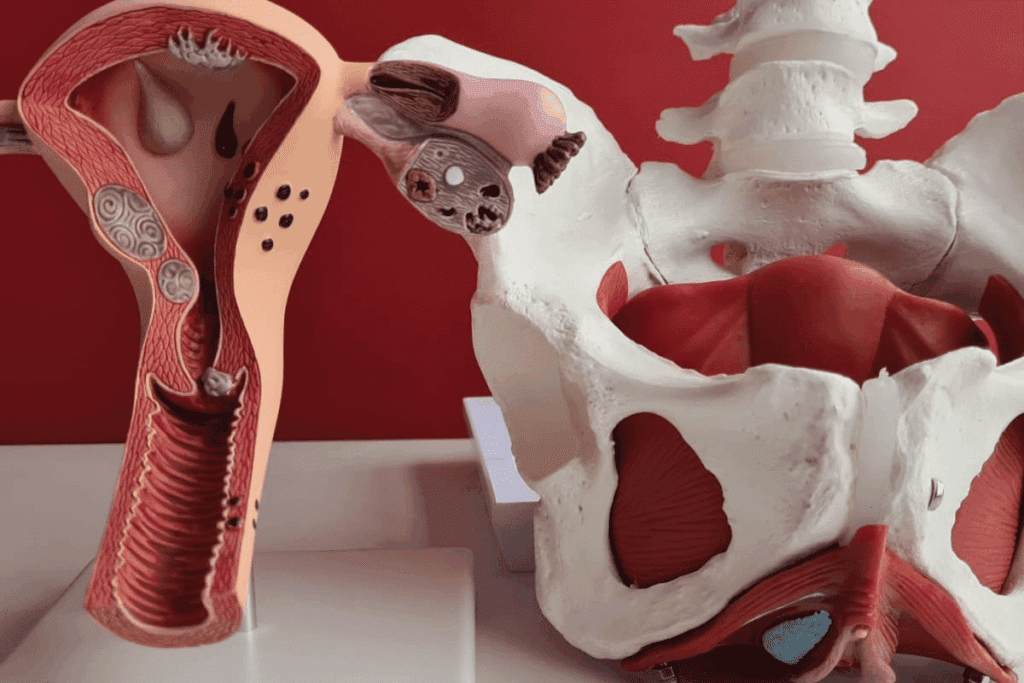
Endometrial hyperplasia makes the uterine lining too thick. This can lead to precancerous changes and a higher risk of endometrial cancer. Dealing with this condition can be tough and scary endometrial lining thickening.
Early detection and treatment are critical to stop cancer from developing. Studies show endometrial hyperplasia is at least three times more common than endometrial cancer. In this guide, we’ll cover causes, symptoms, and treatment options for this condition.
At places like Liv Hospital, they use modern treatments to stop the condition from getting worse. They also help keep fertility when it’s wanted. We want to help you understand endometrial hyperplasia and its treatments. This way, you can make smart choices about your health.
Key Takeaways
- Endometrial hyperplasia is a condition characterized by the abnormal thickening of the uterine lining.
- Unopposed estrogen exposure is a primary cause of this condition.
- Early detection and treatment can prevent progression to endometrial cancer.
- Modern treatment protocols can preserve fertility when desired.
- Treatment options vary based on the severity and individual patient needs.
Understanding Endometrial Hyperplasia

Endometrial hyperplasia is a condition where the lining of the uterus grows too much. This can cause the uterus lining to thicken. It may also lead to abnormal bleeding.
Definition and Classification Systems
Endometrial hyperplasia happens when the lining of the uterus grows too much. The World Health Organization (WHO) has a system to classify it. It divides it into two types: without atypia and with atypia.
The WHO system is important because it helps doctors decide how to treat it. Endometrial hyperplasia without atypia means the cells look normal. But atypical hyperplasia means the cells look abnormal, which means there’s a higher risk of cancer.
Classification | Description | Cancer Risk |
Endometrial Hyperplasia without Atypia (EH) | Normal cellular appearance | Lower risk |
Atypical Hyperplasia (AH) | Abnormal cellular features | Higher risk |
Prevalence and Epidemiology
Endometrial hyperplasia is often found in women of childbearing age. It can happen to any woman, though. It’s more common in women with hormonal imbalances, like those with too much estrogen.
Most cases of endometrial hyperplasia happen in women in their 50s and 60s. Being overweight, never having children, and using estrogen therapy without progesterone are risk factors. Knowing these risks helps doctors find and treat women who are more likely to get it.
Recognizing the Causes of Endometrial Lining Thickening

It’s key to know what makes the endometrial lining get thicker. The endometrium is the inner lining of the uterus. It changes with hormones throughout the month. But, if this balance gets messed up, it can cause the lining to grow too much.
Hormonal Imbalances: Estrogen Dominance
One big reason for a thick endometrium is hormonal imbalance, mainly too much estrogen. Without enough progesterone, estrogen can make the lining grow. This imbalance can happen for many reasons, like:
- Being overweight, which can raise estrogen levels
- Having polycystic ovarian syndrome (PCOS), a hormonal disorder
- Using estrogen-only hormone therapy during menopause
Too much estrogen without progesterone is a big risk for endometrial hyperplasia. It’s important to fix these hormonal issues to manage the condition well.
Medical Conditions Contributing to Hyperplasia
Some medical issues can also cause endometrial hyperplasia. These include:
Medical Condition | Description | Impact on Endometrium |
Polycystic Ovarian Syndrome (PCOS) | A hormonal disorder causing enlarged ovaries with small cysts | Increased risk of endometrial hyperplasia due to hormonal imbalances |
Obesity | Excess body fat leading to increased estrogen production | Unopposed estrogen stimulation can cause endometrial thickening |
Diabetes | A metabolic disorder affecting insulin production or function | Potential link to increased risk of endometrial hyperplasia |
These conditions show why treating endometrial hyperplasia needs a full approach. Knowing the causes helps doctors create treatment plans that fit each patient’s needs.
Symptoms and Warning Signs
Knowing the signs of uterine thickening is key to better treatment. Endometrial hyperplasia shows specific signs that help catch it early. This is important for quick action.
Abnormal Uterine Bleeding Patterns
One common sign is abnormal uterine bleeding. This can mean changes in how long or how often you bleed. Or it might be how much you bleed.
Some women might bleed between periods. Others might have periods that last longer or are much heavier. These are signs of a problem.
Symptom | Description |
Heavy Menstrual Bleeding | Significantly increased flow during menstruation |
Prolonged Menstrual Bleeding | Menstrual period lasting longer than usual |
Intermenstrual Bleeding | Bleeding or spotting between menstrual periods |
Postmenopausal Bleeding
Postmenopausal bleeding is a big warning sign. Any bleeding after menopause needs to be checked right away. It could be a sign of endometrial hyperplasia or something serious.
Women who bleed after menopause should get checked. This includes transvaginal ultrasound and endometrial biopsy. These tests help find the cause of the bleeding.
When to Seek Medical Attention
Women should know their normal menstrual patterns. If anything seems off, they should see a doctor. Bleeding that’s not normal is a big sign to get checked.
See a healthcare provider if you notice any unusual bleeding. This includes heavy or long periods, bleeding between periods, or bleeding after menopause. Catching it early is key to treating endometrial hyperplasia well.
Diagnostic Procedures for Endometrial Hyperplasia
Diagnosing endometrial hyperplasia involves both clinical checks and special tests. It’s key to get the right diagnosis for the right treatment.
Transvaginal Ultrasound
Transvaginal ultrasound is a key tool in diagnosing endometrial hyperplasia. It’s non-invasive and helps measure the endometrium’s thickness. A thick endometrium might suggest hyperplasia, but more tests are needed to confirm.
- Non-invasive and relatively quick procedure
- Provides immediate results
- Helps in assessing the thickness of the endometrium
Endometrial Biopsy Techniques
Endometrial biopsy is a key test for getting tissue samples. There are different methods, like:
- Pipelle biopsy: A thin, flexible tube collects endometrial tissue.
- Dilation and Curettage (D&C): This involves dilating the cervix and scraping the uterine lining.
These methods help get tissue for checking abnormal cell growth and hyperplasia.
Hysteroscopy and Tissue Sampling
Hysteroscopy lets doctors see inside the uterus with a thin, lighted telescope. It also allows for tissue sampling. This method gives a clear view of the uterus and can spot issues not seen by other tests.
Hysteroscopy and tissue sampling improve diagnosis by allowing direct viewing and sampling of the endometrium.
Using these tests, doctors can accurately diagnose endometrial hyperplasia. They can then create a treatment plan that fits the individual’s needs.
Understanding the Cancer Risk Spectrum
It’s key to know the cancer risk levels in endometrial hyperplasia for good care. This condition makes the endometrium grow too thick. It can be from mild to serious precancerous changes. The chance of these changes turning into cancer depends on their type.
Simple vs. Complex Hyperplasia
Endometrial hyperplasia is split into simple and complex types. Simple hyperplasia is less likely to turn into cancer. It’s seen as having a low risk of cancer.
Complex hyperplasia has a denser glandular pattern and might have abnormal cells. This type is riskier, even more so with abnormal cells.
The Significance of Cellular Atypia
Atypia is a big deal in cancer risk with endometrial hyperplasia. Atypia means cells look like they could be cancerous. Having atypia raises the risk of cancer a lot. Atypical hyperplasia is seen as a serious warning sign for cancer.
- Simple hyperplasia without atypia: Lower risk
- Complex hyperplasia without atypia: Moderate risk
- Simple atypical hyperplasia: Higher risk
- Complex atypical hyperplasia: Highest risk
Progression Rates to Endometrial Cancer
The risk of turning into endometrial cancer changes based on the type and atypia. Here’s what studies found:
- Simple hyperplasia without atypia has a very low risk.
- Complex hyperplasia without atypia has a slightly higher risk.
- Atypical hyperplasia (both simple and complex) has a much higher risk of becoming cancer.
Knowing these risks helps us choose the best treatment for endometrial hyperplasia. We need to look at each patient’s risk and findings to give the right care.
Hormonal Treatment Approaches
Hormonal treatments are key for managing endometrial hyperplasia, helping women who want to keep their fertility. These treatments aim to balance the body’s hormones, which is often out of balance in this condition.
Oral and Local Progestin Therapy
Progestins are man-made versions of progesterone, a hormone that balances estrogen. Oral progestin therapy is often used to treat endometrial hyperplasia. It helps thin the endometrium, lowering the risk of cancer.
Local progestin therapy delivers the hormone directly to the uterus. This method can be effective and may have fewer side effects.
Benefits of Progestin Therapy: It can be customized for each patient. Its effects on the endometrium can be checked regularly.
Levonorgestrel Intrauterine System (LNG-IUS)
The LNG-IUS is a form of local progestin therapy. It’s a device inserted into the uterus that releases levonorgestrel. This system treats endometrial hyperplasia and also acts as birth control.
Advantages of LNG-IUS: It’s a targeted treatment with few side effects. It’s great for women who don’t want to take pills or need birth control.
Combined Hormonal Contraceptives
Some women are given combined hormonal contraceptives (CHCs) to treat endometrial hyperplasia. CHCs contain estrogen and progestin. They help regulate menstrual cycles and lower the risk of endometrial hyperplasia.
Considerations for CHCs: While effective, CHCs might not be right for everyone. The choice to use CHCs depends on the patient’s health and medical history.
Surgical Management Options
When hormonal treatments don’t work, surgery is needed for endometrial hyperplasia. There are many surgical choices, from simple to more serious treatments. These options depend on the patient’s condition and needs.
Dilation and Curettage (D&C)
Dilation and Curettage (D&C) is a common surgery for endometrial hyperplasia. It involves opening the cervix and removing the uterine lining. This helps remove the thickened lining and gets tissue for tests.
Benefits of D&C:
- Provides tissue for pathological examination
- Can be both diagnostic and therapeutic
- Less invasive compared to other surgical options
Endometrial Ablation Techniques
Endometrial ablation destroys the uterine lining to stop or reduce bleeding. There are different methods, like thermal balloon and radiofrequency ablation. It’s mainly for heavy bleeding but can also treat some endometrial hyperplasia.
Considerations for Endometrial Ablation:
- Not suitable for cases with atypical hyperplasia
- May not be appropriate for women wishing to preserve fertility
- Can significantly reduce menstrual bleeding
Hysterectomy: When It’s Necessary
Hysterectomy removes the uterus and is often needed for atypical hyperplasia or when other treatments fail. It’s a sure way to prevent endometrial cancer.
Treatment Option | Indications | Considerations |
D&C | Diagnostic, therapeutic for non-atypical hyperplasia | Less invasive, provides tissue for pathology |
Endometrial Ablation | Heavy menstrual bleeding, non-atypical hyperplasia | Not for atypical hyperplasia or those wishing to preserve fertility |
Hysterectomy | Atypical hyperplasia, failed other treatments | Definitive treatment, eliminates cancer risk |
It’s important to know about surgical options for endometrial hyperplasia. Each method has its own use, benefits, and things to consider. This shows how important it is to get care that’s just right for you.
Personalized Treatment Strategies
Personalized treatment plans are key for managing endometrial hyperplasia. Every woman’s case is different, so treatment must be tailored to fit.
We look at several important factors when planning treatment. These include the patient’s menopausal status, fertility desires, and atypia presence. This personalized approach helps us pick the best treatment.
Treatment for Premenopausal Women
For premenopausal women, the goal is to regulate menstrual cycles and balance hormones. Progestin therapy is often used to balance estrogen levels.
Hormonal contraceptives might also be prescribed. They help regulate cycles and lower the risk of hyperplasia growth.
Treatment for Postmenopausal Women
Postmenopausal women need a different treatment plan. Menopause ends a woman’s reproductive years, so the focus is on managing the condition and preventing complications.
Treatment may include hormonal therapy. But if there’s a high cancer risk or severe symptoms, treatments like hysterectomy might be needed.
Fertility-Sparing Approaches
For women who want to keep their fertility, fertility-sparing treatments are vital. These treatments aim to manage endometrial hyperplasia without harming future pregnancy chances.
Options include progestin therapy. It can be given systemically or locally through an intrauterine device. This helps manage the condition without affecting fertility.
By using a personalized treatment strategy, we can manage endometrial hyperplasia well. We address each patient’s unique needs and situations.
Lifestyle Modifications and Complementary Approaches
Changing your lifestyle can help manage endometrial hyperplasia. These changes can lower the risk of it coming back and improve your health.
Weight Management Strategies
Keeping a healthy weight is key in managing endometrial hyperplasia. Too much weight can lead to more estrogen, causing the uterus to thicken. Eating right and staying active can help you keep a healthy weight.
Nutritional Considerations
Eating a balanced diet is important. Include lots of fruits, veggies, whole grains, and lean proteins. Try to eat less processed foods and sugar.
Food Group | Recommended Foods | Benefits |
Fruits and Vegetables | Leafy greens, berries, citrus fruits | Rich in antioxidants and fiber |
Whole Grains | Brown rice, quinoa, whole wheat bread | High in fiber and nutrients |
Lean Proteins | Chicken, fish, legumes | Supports overall health and satiety |
Exercise and Physical Activity
Exercise is great for managing weight and reducing endometrial hyperplasia risk. Aim for 150 minutes of moderate activity or 75 minutes of vigorous activity each week.
By making these lifestyle changes, women can play a big role in managing endometrial hyperplasia and its risks.
Monitoring and Follow-up Protocols
Managing endometrial hyperplasia well means having a good plan for follow-up. This plan should fit each patient’s needs. It’s important to watch for any changes or if the condition comes back, mainly for those at higher risk.
Surveillance Schedules
Seeing your doctor regularly is key. This helps in keeping an eye on your condition and making any needed changes to your treatment. How often you need to see your doctor depends on your risk level and how severe your hyperplasia is.
- People with simple hyperplasia without atypia should see their doctor every 6 to 12 months.
- Those with complex or atypical hyperplasia need to see their doctor more often, every 3 to 6 months, because of a higher risk of cancer.
It’s important for patients to stick to their follow-up appointments. This way, any changes in their condition can be caught early.
Repeat Biopsy Guidelines
Getting another biopsy is a big part of follow-up care for endometrial hyperplasia. When you need another biopsy depends on your first diagnosis and how well you’re doing with treatment.
Here are some guidelines for when to have another biopsy:
- If you have simple hyperplasia without atypia, you might need another biopsy after 12 months if symptoms don’t go away or if something changes.
- For complex or atypical hyperplasia, you’ll likely need another biopsy after 3 to 6 months to see how well progestin therapy is working.
These biopsies are important for checking if your treatment is working. They also help catch any worsening of your condition or the start of cancer early.
Long-term Management Considerations
Managing endometrial hyperplasia long-term means more than just follow-ups. It also includes making lifestyle changes and sometimes taking hormones for a long time. We help patients create a long-term plan that fits their needs and risk levels.
By watching closely, following up regularly, and using the right treatment plans, we can manage endometrial hyperplasia well. This helps lower the chance of serious problems.
Conclusion
Endometrial hyperplasia is a serious condition that needs quick attention. It can lead to endometrial cancer if not treated. We’ve looked into this condition, including the dangers of a thickened endometrial lining and the need for early treatment.
Getting a diagnosis and starting treatment early can greatly help women. Knowing the causes, symptoms, and how to get tested is key. Treatment options vary, from hormone therapy to surgery, based on the situation.
Women with a thickened uterus after menopause should see a doctor. We stress the importance of tailored treatments and healthy lifestyle choices. A holistic approach to health can lower risks and improve well-being.
FAQ
What is endometrial hyperplasia?
Endometrial hyperplasia is when the lining of the uterus grows too much. It can be divided into types based on whether there are abnormal cells or not.
What causes thickening of the endometrial lining?
Hormonal imbalances, like too much estrogen without enough progesterone, can cause the lining to thicken. Obesity and PCOS also increase the risk.
What are the symptoms of endometrial hyperplasia?
Symptoms include unusual bleeding, like bleeding after menopause. This is a sign that you need to see a doctor.
How is endometrial hyperplasia diagnosed?
Doctors use several methods to diagnose it. These include ultrasound, biopsy, and hysteroscopy. They also do a clinical check-up and imaging studies.
What is the risk of endometrial hyperplasia progressing to cancer?
The risk depends on the type of hyperplasia and if there are abnormal cells. The risk is higher with complex hyperplasia and atypia.
What are the treatment options for endometrial hyperplasia?
Treatments include hormonal therapy and local progestin. LNG-IUS and birth control pills are also options. Surgery like D&C and hysterectomy are also used.
How does treatment for endometrial hyperplasia differ for premenopausal versus postmenopausal women?
Treatment varies with age. Younger women might get treatments that help them keep their fertility. Older women often need more serious treatments like hysterectomy.
What lifestyle modifications can help manage endometrial hyperplasia?
Managing it involves healthy lifestyle choices. This includes losing weight, eating right, and exercising regularly.
How often should women with endometrial hyperplasia have follow-up appointments?
Regular check-ups are key to managing it. The schedule for follow-ups and biopsies depends on each person’s situation.
Can endometrial hyperplasia be prevented?
While not all cases can be prevented, some steps can lower the risk. These include managing hormones, staying at a healthy weight, and treating underlying conditions.
What is the significance of cellular atypia in endometrial hyperplasia?
Atypia is a big factor in the risk of cancer. Atypical hyperplasia has a higher risk of turning into cancer.
How does obesity relate to endometrial hyperplasia?
Obesity is a risk factor because it can lead to hormonal imbalances. This imbalance can cause the lining to grow too much.
References
National Center for Biotechnology Information. Thickened Endometrial Stripe: Significance and Interpretation on Ultrasound. Retrieved from https://www.ncbi.nlm.nih.gov/pmc/articles/PMC8310815/.