Endometriosis and adenomyosis are two chronic gynecological conditions. They affect about 200 million women worldwide. Knowing the difference is key for the right diagnosis and treatment.endometriosis adenomyosis and endometriosisRobot Assisted Surgery: Gynecologic Procedures
At Liv Hospital, we know these conditions are often mixed up. This is because they share symptoms like pelvic pain and heavy bleeding. But they grow in different parts of the reproductive system. So, getting the right diagnosis is vital for better health.
Medical Expert, “Knowing the difference is key for the right treatment.” We aim to give top-notch healthcare to international patients. We make sure women get the care they need.
Key Takeaways
- Endometriosis and adenomyosis are distinct gynecological conditions.
- Accurate diagnosis is key for effective treatment.
- Liv Hospital provides top care for international patients.
- Understanding the differences improves quality of life.
- Proper diagnosis is vital for managing symptoms.
Understanding Female Reproductive Health Challenges
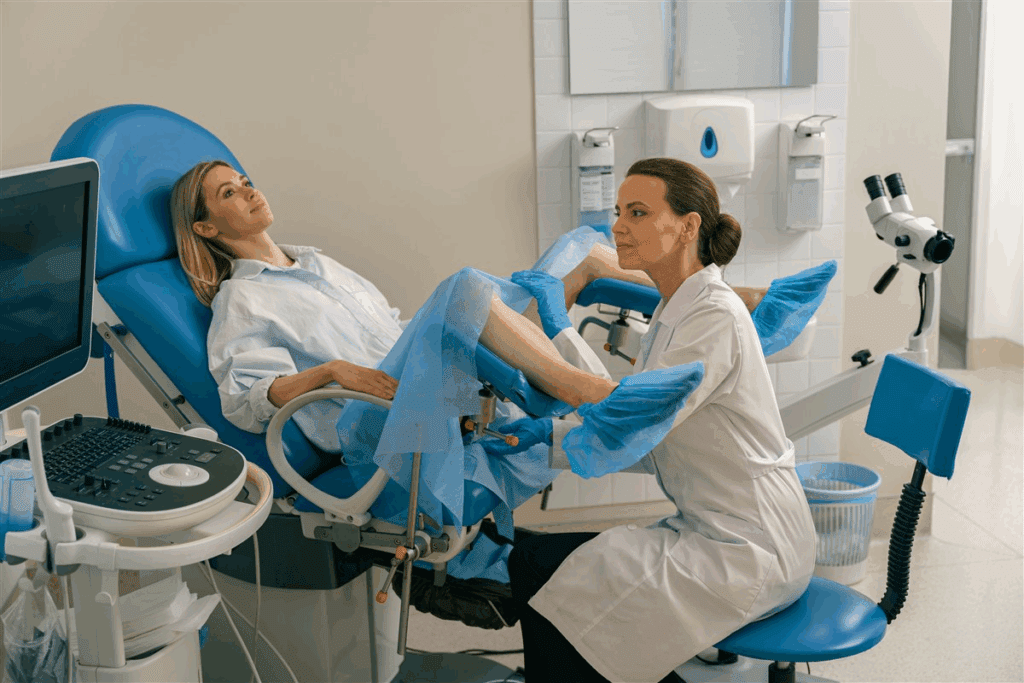
Endometriosis and adenomyosis are common health issues that affect millions of women worldwide. These conditions cause growth of endometrial-like tissue in wrong places. This leads to pain and heavy periods, affecting women’s lives greatly.
Adenomyosis and endometriosis both cause similar symptoms like pelvic pain and heavy periods. But they affect the body differently because of their location.
The Global Impact: 200 Million Women Affected
Endometriosis affects about 200 million women globally. It’s one of the most common gynecological conditions. Adenomyosis also impacts many women, though its exact number is harder to find.
These conditions affect not just women’s health but also society and the economy. They cause physical, emotional, and psychological pain to those affected.
The Burden of Chronic Gynecological Conditions
Chronic conditions like endometriosis and adenomyosis are a big challenge for healthcare. Symptoms like chronic pain, heavy bleeding, and infertility make daily life hard. They also affect overall well-being.
Condition | Prevalence | Common Symptoms |
Endometriosis | Estimated 13-15% of women in Western countries | Pelvic pain, heavy periods, dyspareunia |
Adenomyosis | Approximately 1% of women | Heavy menstrual bleeding, pelvic pain, uterine enlargement |
Why Early Recognition Matters
Early diagnosis of endometriosis and adenomyosis is key to better management. Without it, women suffer longer and healthcare costs rise.
By raising awareness, we can help diagnose these conditions sooner. This improves treatment and benefits women’s health care overall.
What is Endometriosis?
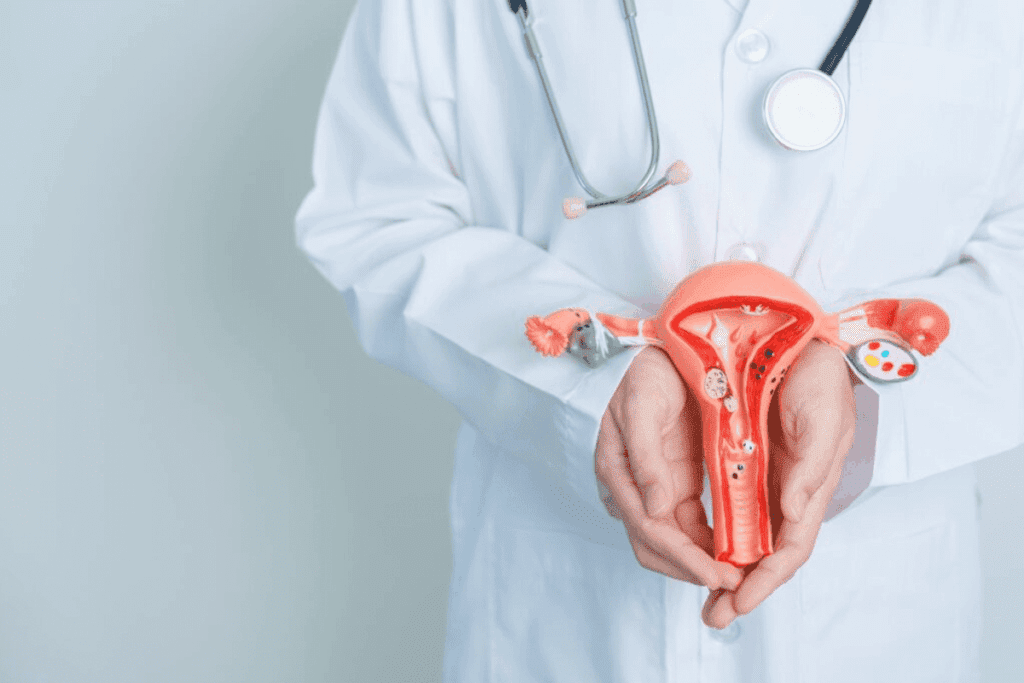
Endometriosis happens when tissue like the uterus lining grows outside the uterus. This causes health problems. It affects millions of women globally, impacting their lives greatly.
Tissue Growth Outside the Uterus
Endometriosis is when endometrial tissue grows in places like ovaries, fallopian tubes, and pelvic organs. This misplaced tissue leads to inflammation, scarring, and adhesions. Symptoms include pelvic pain and heavy bleeding.
Common Locations: Ovaries, Fallopian Tubes, and Pelvic Organs
The ovaries, fallopian tubes, and pelvic organs are the most common places for endometriosis. It can also appear in other areas, like the bowel or bladder. This can cause symptoms ranging from mild discomfort to severe pain.
Prevalence: 13-15% of Women in Western Countries
Research shows endometriosis affects about 13-15% of women in Western countries. The real number might be higher because some cases go undiagnosed. It can greatly affect a woman’s life, impacting her physical and emotional health.
Risk Factors and Possible Causes
The exact reasons for endometriosis are not fully known. But, some risk factors have been found. These include a family history, early menstruation, and certain genes. More research is needed to understand how these factors contribute to endometriosis.
What is Adenomyosis?
Adenomyosis is a condition where endometrial tissue grows inside the uterine wall. It’s often misunderstood or misdiagnosed. This affects women in many ways, causing symptoms that can really impact their life.
Definition: Endometrial Tissue Within the Uterine Wall
Adenomyosis happens when endometrial tissue grows inside the uterine wall. This tissue acts like it’s in its normal place, thickening and bleeding with each cycle. It causes inflammation and swelling in the surrounding tissue.
How Adenomyosis Causes Uterine Enlargement
The growth of endometrial tissue inside the uterine wall can make the uterus bigger. This is because of the inflammation and swelling from the misplaced tissue. Symptoms include heavy or prolonged menstrual bleeding, severe cramping, and pelvic pressure.
Prevalence: Approximately 1% of Women
Adenomyosis affects about 1% of women. But, the real number might be higher because it’s hard to diagnose. It’s more common in women between 40 and 50 years old.
Risk Factors and Possible Causes
The exact cause of adenomyosis is not known. But, some risk factors have been found. These include previous uterine surgery and conditions that affect the uterus. Knowing these risk factors helps in diagnosing and managing adenomyosis.
It’s important to tell adenomyosis apart from endometriosis. Both involve endometrial tissue in abnormal places, but they affect women differently. Understanding the differences is key for the right diagnosis and treatment.
Endometriosis Adenomyosis and Endometriosis: The Connection
The link between endometriosis and adenomyosis is complex. They share biological mechanisms but have different developmental paths. Many women are diagnosed with both, showing the need for a deep understanding of their connection.
Coexistence: When Both Conditions Occur Simultaneously
Research shows that women can have both adenomyosis and endometriosis at once. A big number of women with endometriosis also have adenomyosis. This suggests a possible link between the two.
When both conditions are present, diagnosis and treatment can be harder. Symptoms may blend or show differently. So, a detailed diagnostic process is key to accurately identify both conditions.
Shared Biological Mechanisms
Both endometriosis and adenomyosis involve endometrial tissue growing in the wrong places. This points to common biological mechanisms. These may include:
- Hormonal influences that promote endometrial tissue growth
- Genetic predispositions that affect endometrial cell growth regulation
- Inflammatory processes that help both conditions develop and progress
Grasping these shared mechanisms aids in creating treatments that tackle both conditions at once.
Key Differences in Development and Progression
Even though they share traits, endometriosis and adenomyosis differ in how they develop and progress. For example:
- Endometriosis involves endometrial tissue outside the uterus, often in ovaries, fallopian tubes, and pelvic organs.
- Adenomyosis has endometrial tissue inside the uterine wall, causing the uterus to grow.
These differences are vital for creating treatments that focus on each condition’s unique aspects.
Comparing Symptoms and Clinical Presentation
Endometriosis and adenomyosis can make life hard for women. They share symptoms that make it tough to tell them apart. Both hit women who are of childbearing age.
Shared Symptoms: Pelvic Pain, Heavy Bleeding, and Dyspareunia
Both conditions cause similar problems like pelvic pain, heavy bleeding, and painful sex. These symptoms can confuse doctors and patients alike.
Pelvic pain is a big deal for both. Heavy bleeding can cause anemia and other issues.
Unique Manifestations of Endometriosis
Endometriosis shows up in different ways. For example, it can cause pain when you go to the bathroom or have a bowel movement. This happens if the endometrial tissue sticks to the intestines or bladder.
Distinctive Features of Adenomyosis
Adenomyosis is different because it grows inside the uterus. It makes the uterus bigger and can cause pain all over. Women often feel a heavy or pressured feeling in their pelvis.
“Both conditions share symptoms like pelvic pain and heavy periods, but endometriosis is often considered more severe because of the systemic impact it can have on the body.”
Which Condition Typically Causes More Severe Symptoms?
Endometriosis can be worse for women. It can cause more problems like infertility and adhesions. This is because endometrial implants can be found in many places.
In short, while both conditions are tough, endometriosis can be more severe. Getting the right diagnosis and treatment is key to managing these chronic issues.
Diagnosis Challenges and Methods
Diagnosing endometriosis and adenomyosis is tough because their symptoms are complex and similar to other gynecological issues. Getting the right diagnosis is key to effective treatment and better quality of life for patients.
The Diagnostic Journey: Why These Conditions Are Often Missed
Finding the right diagnosis for endometriosis and adenomyosis can take a long time. Several things make it hard, like the different ways symptoms can show up, other gynecological conditions, and the limits of tests.
Common misdiagnoses include irritable bowel syndrome (IBS), pelvic inflammatory disease (PID), and other conditions with similar symptoms.
Clinical Evaluation and Patient History
A detailed clinical evaluation and patient history are vital for diagnosing endometriosis and adenomyosis. Healthcare providers need to look at the patient’s symptoms, medical history, and physical exam findings.
“A detailed patient history is key to spotting symptoms that might point to endometriosis or adenomyosis.”
Imaging Techniques: Ultrasound, MRI, and CT Scans
Advanced imaging has made diagnosing endometriosis and adenomyosis easier. Ultrasound is often the first choice, while MRI gives more detailed views of the disease.
Recent studies show that diagnosing adenomyosis is now less invasive thanks to these imaging advances.
Imaging Technique | Advantages | Limitations |
Ultrasound | Non-invasive, widely available | Limited detail for deep lesions |
MRI | High detail, useful for complex cases | Expensive, not as widely available |
CT Scans | Quick, useful for detecting large lesions | Radiation exposure, less detail for soft tissues |
Surgical Diagnosis: Laparoscopy and Tissue Sampling
Surgical diagnosis, like laparoscopy, is the best way to diagnose endometriosis. Tissue sampling during laparoscopy confirms the disease through histology.
Laparoscopy lets doctors see endometrial lesions directly and assess how widespread the disease is. This helps guide treatment plans.
Treatment Approaches and Management
Treating endometriosis and adenomyosis requires a detailed plan for each patient. We know that every case is different. So, we create a treatment plan that fits each person’s needs.
Pain Management Strategies
Managing pain is key for those with endometriosis and adenomyosis. We use many methods, from common pain relievers to special medicines. This helps control pain effectively.
Hormonal Treatments for Both Conditions
Hormonal treatments play a big role in managing both conditions. Birth control pills are often used to reduce symptoms by controlling hormones.
Doctors say that treatments start with birth control pills and go up to surgery. This way, we can adjust the treatment based on how severe the condition is and how well the patient responds.
Surgical Options for Endometriosis
For some, surgery is needed. Laparoscopic surgery is a common method for treating endometriosis. It removes endometrial lesions with little downtime.
Interventions for Adenomyosis
Adenomyosis treatment may also include surgery, like hysterectomy in severe cases. We talk about the benefits and risks with our patients. This helps them make informed choices.
Treatment Approach | Endometriosis | Adenomyosis |
Pain Management | Over-the-counter pain relievers, specialized pain medications | Similar to endometriosis, with a focus on managing heavy bleeding |
Hormonal Treatments | Birth control pills, hormonal therapies | Similar hormonal treatments, potentially more intense |
Surgical Options | Laparoscopic surgery to remove endometrial lesions | Hysterectomy in severe cases, other surgical interventions |
We aim to give our patients the best care possible. We support them from diagnosis to managing these complex conditions.
Living with Chronic Gynecological Conditions
Living with chronic gynecological conditions like endometriosis and adenomyosis is tough. They affect many parts of a woman’s life. These conditions can change daily activities, relationships, and overall happiness.
Impact on Quality of Life
Endometriosis and adenomyosis can really hurt a woman’s quality of life. But, endometriosis is often worse. The pain and heavy bleeding can limit what you can do, affect your mind, and strain relationships.
Women with these conditions often feel tired, anxious, or depressed. They might find it hard to focus at work or school. Managing these conditions is key to improving daily life.
Fertility Concerns and Family Planning
Fertility concerns are big for women with endometriosis or adenomyosis. These conditions can make it hard to get pregnant. It’s important to talk to a healthcare provider about family planning.
For those thinking about pregnancy, knowing how these conditions affect fertility is vital. Some women might get pregnant naturally, but others might need help.
Psychological and Emotional Support
The emotional side of living with these conditions is huge. Women often feel isolated, frustrated, and sad. Getting psychological support, like counseling or support groups, is very helpful.
Meeting others who face similar challenges can make you feel less alone. Mental health experts can also help with the emotional side of these conditions.
Lifestyle Modifications That May Help
Making some lifestyle modifications can help manage symptoms. Eating better, like more fruits and veggies, can help. So can gentle exercise and stress-reduction techniques.
- Doing gentle exercise, like yoga or walking, can help with pain and well-being.
- Stress-reduction techniques, like meditation or deep breathing, can help manage stress.
- Getting enough rest and keeping a regular sleep schedule can help with fatigue.
By making these lifestyle changes and getting the right medical care, women can improve their quality of life. They can better manage their conditions.
Conclusion: Navigating Your Health Journey
It’s important to know the difference between adenomyosis and endometriosis to find the right treatment. These two conditions are related but have their own unique signs and symptoms. This affects how they are diagnosed and treated.
Getting an accurate diagnosis is the first step to effective treatment. Doctors can create specific treatment plans by understanding the unique signs of each condition. This helps address each patient’s needs.
Managing these chronic conditions requires a complete approach. This includes medical treatments, lifestyle changes, and emotional support. A holistic approach helps women improve their health and quality of life.
In summary, while endometriosis and adenomyosis are challenging, understanding them is key to managing them well. Women should seek medical help if they have symptoms. Working closely with doctors helps create a treatment plan that fits their needs.
FAQ
Can you have adenomyosis and endometriosis at the same time?
Yes, it’s possible to have both adenomyosis and endometriosis at once. Many women deal with both conditions. This can make diagnosis and treatment harder.
What is the main difference between endometriosis and adenomyosis?
The main difference is where the endometrial tissue grows. Endometriosis grows outside the uterus. Adenomyosis grows inside the uterine wall.
Are the symptoms of endometriosis and adenomyosis the same?
While both share symptoms like pelvic pain and heavy bleeding, they have unique signs. Endometriosis often causes pain during sex and bowel movements. Adenomyosis leads to a bigger uterus and more severe cramps.
How are endometriosis and adenomyosis diagnosed?
Doctors use a mix of clinical checks, patient history, and imaging like ultrasound and MRI. Sometimes, they need to do surgery to get a clear diagnosis.
What are the treatment options for endometriosis and adenomyosis?
Treatments include managing pain, hormonal treatments, and surgery. For endometriosis, removing lesions is common. Adenomyosis might need uterine artery embolization or even a hysterectomy in severe cases.
Can endometriosis and adenomyosis affect fertility?
Yes, both can make it hard to get pregnant. Fertility issues should be part of the treatment plan.
Are there any lifestyle modifications that can help manage endometriosis and adenomyosis?
Yes, making healthy lifestyle choices can help. Eating well, exercising, and managing stress can ease symptoms and improve overall health.
Is adenomyosis the same as endometriosis inside the uterus?
Adenomyosis is endometrial tissue in the uterine wall. Endometriosis inside the uterus means lesions in the uterine cavity. They’re related but different conditions.
Which condition is more likely to cause severe symptoms?
Both can cause serious symptoms. Adenomyosis often leads to heavy bleeding and a bigger uterus. Endometriosis can cause widespread pain and adhesions.
References
Government Health Resource. Evidence-Based Medical Guidance. Retrieved from https://www.nejm.org/doi/full/10.1056/NEJMoa053154