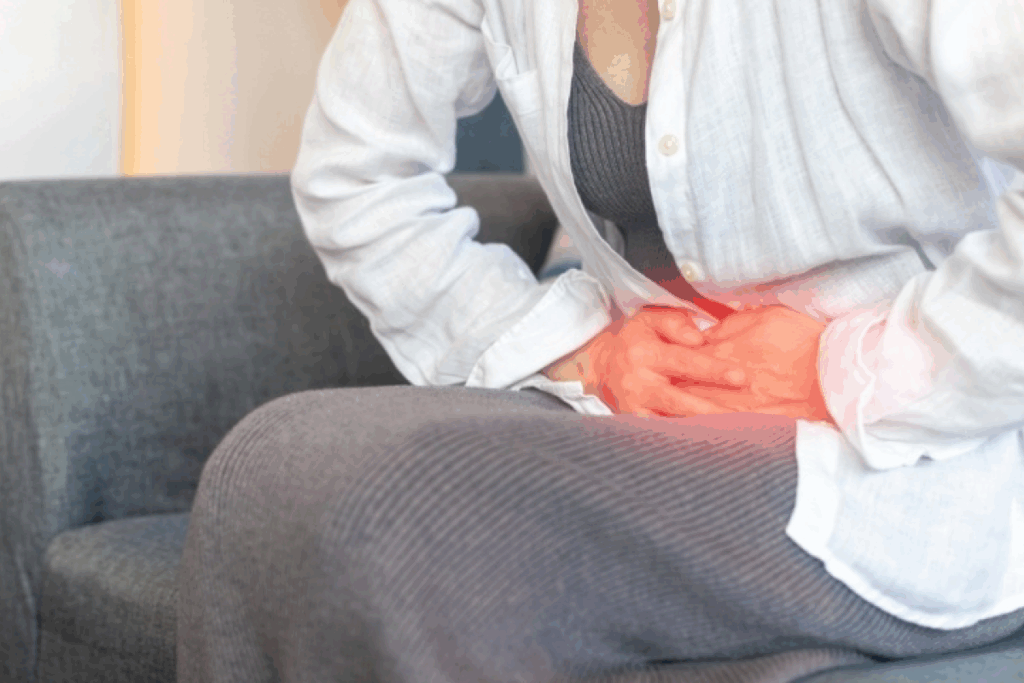
We often think of back pain as a muscle or bone issue. But, new studies show that endometriosis might be a big reason for ongoing pain in many women. Is your pain fromendometriosis and back ache? This critical guide reveals the surprising link and the best, powerful relief strategies.
Endometriosis is a common gynecological problem. It affects more than 11% of women during their childbearing years. Studies have found a strong link between endometriosis and severe back pain. Knowing about this connection is key to treating both conditions well.
We will look into how endometriosis and back pain are connected. We’ll talk about how common it is, its symptoms, and why it’s important to recognize these signs for better care.
Key Takeaways
- Endometriosis affects over 11% of individuals assigned female at birth during reproductive years.
- There’s a significant association between endometriosis and debilitating back pain.
- Understanding endo-related symptoms is key for effective management.
- Recognizing the link between endometriosis and back pain can improve treatment outcomes.
- Comprehensive care for endometriosis should include consideration of back pain symptoms.
The Endometriosis-Back Pain Connection
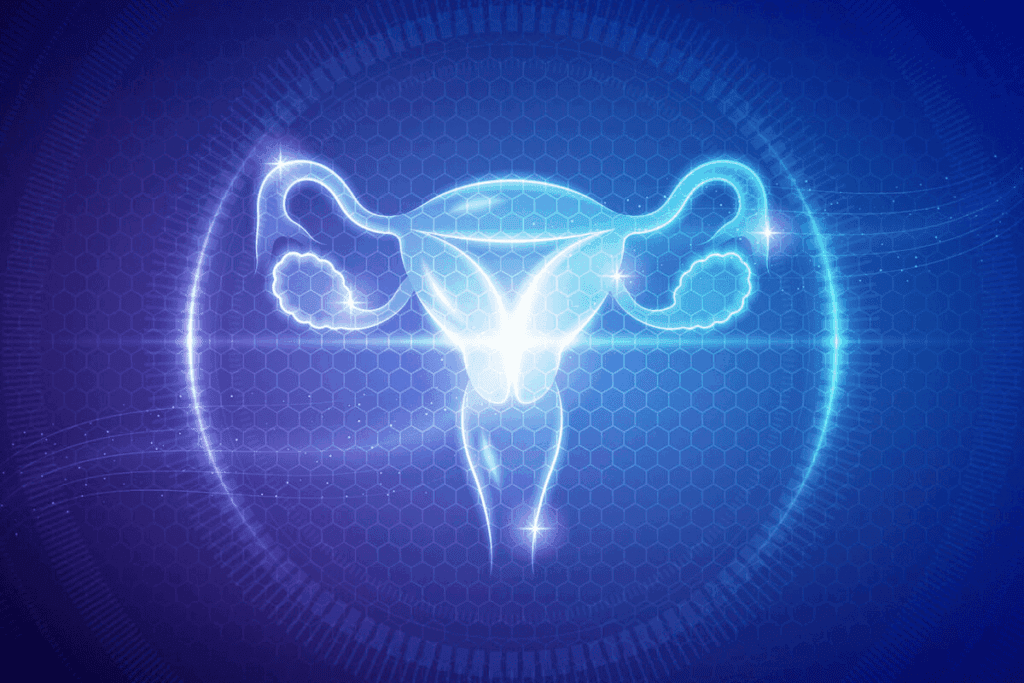
Understanding the link between endometriosis and back pain is key for proper diagnosis and treatment. This connection shows that endometriosis affects more than just the reproductive system. It also impacts the musculoskeletal system.
Prevalence of Endometriosis in Women Ages 15-44
Endometriosis affects many women, mainly those between 15 and 44 years old. About 10% of women in this age group have endometriosis. This means millions of women worldwide are dealing with it.
The high number of cases in this age group emphasizes the need for awareness. It’s important to know the symptoms, including back pain.
Statistical Association Between Endometriosis and Back Pain
Research shows a clear link between endometriosis and back pain. Women with endometriosis often experience back pain. This suggests a strong connection between the two.
Studies indicate that endometriosis increases the risk of chronic back pain. This highlights the importance of considering endometriosis when diagnosing back pain.
The connection between endometriosis and back pain is not just a coincidence. It stems from the way endometriosis works. The growth of endometrial tissue outside the uterus causes inflammation and scarring. These can lead to pain, including back pain.
Does Endometriosis Cause Back Pain? The Scientific Evidence
New studies show a strong link between endometriosis and back pain. We’re learning more about this connection through recent research.
Research Findings on Endo-Related Back Pain
Research shows women with endometriosis often have back pain. Research findings point out several important points:
- Women with endometriosis are more likely to have back pain than others.
- The severity of endometriosis symptoms matches the intensity of back pain.
- Endometriosis-related back pain can take different forms, like lower back pain and pain that radiates.
The Oxford University Genetic Study
Oxford University conducted a key study on the genetic link between endometriosis and pain. The research looked at genetic data from thousands of women with endometriosis.
Shared Genetic Basis Between Endometriosis and Pain Conditions
The study found a shared genetic basis between endometriosis and pain conditions, including back pain. This discovery is important for understanding endometriosis-related back pain.
The study’s results show genetic factors are key in both endometriosis and pain symptoms. This could lead to better treatments in the future.
How Endometriosis Triggers Back Pain
Endometriosis and back pain are closely linked. Several mechanisms play a role in this connection. We will dive into these to understand how endometriosis causes back pain.
Inflammation from Endometrial Tissue
Endometriosis can cause back pain through inflammation. When endometrial tissue grows outside the uterus, it leads to chronic inflammation. This inflammation irritates nerves and tissues, causing pain.
Chronic inflammation is a key feature of endometriosis. It plays a big role in back pain. The inflammation in the lower back is a major reason for the pain many women with endometriosis feel.
Compression of the Lumbosacral Plexus
Endometriosis can also cause back pain by compressing nerves in the lower back. When endometrial lesions or adhesions press on these nerves, it leads to pain in the legs or lower back.
Pinched Nerves and Prostaglandin Effects
Pinched nerves from endometriotic lesions or adhesions can cause a lot of pain. Prostaglandins, hormone-like substances from endometrial tissue, can also make nerves more sensitive. This makes pain worse.
Prostaglandins’ effect on pain is important. It helps explain why some women with endometriosis have more severe back pain than others.
Tissue Adhesions and Scarring
Tissue adhesions and scarring from endometriosis can also lead to back pain. As endometrial lesions grow and bleed, they form adhesions. These adhesions pull on surrounding tissues, causing pain and discomfort.
Understanding these mechanisms is key to finding effective treatments for back pain caused by endometriosis.
Mechanism | Description | Effect on Back Pain |
Inflammation | Chronic inflammation from endometrial tissue | Increases pain sensitivity |
Nerve Compression | Compression of the lumbosacral plexus | Causes radiating pain |
Pinched Nerves | Endometriotic lesions or adhesions pinching nerves | Significant pain |
Tissue Adhesions | Scarring and adhesions from endometriosis | Pulling on surrounding tissues, causing pain |
Locations of Endometriosis That Affect the Back
It’s important to know where endometriosis happens to understand back pain. Endometriosis can grow in different parts of the pelvis. The back pain is often linked to where the endometrial tissue grows.
Uterosacral Ligaments and Posterior Pelvis
The uterosacral ligaments support the uterus and are a common spot for endometriosis. When they’re affected, it can cause lower back pain. The posterior pelvis, around the sacrum and coccyx, can also be involved, adding to the back pain.
Inflammation and scarring in these areas can irritate nerves, making pain worse. We’ll look at this in more detail in the table below.
Location | Common Symptoms | Potential Complications |
Uterosacral Ligaments | Lower back pain, pelvic pain | Nerve irritation, adhesions |
Posterior Pelvis | Lower back pain, sacral pain | Chronic pain, bowel issues |
Rectovaginal Septum Involvement
The area between the rectum and vagina, the rectovaginal septum, can also have endometriosis. Deep infiltrating endometriosis here can cause a lot of pain, often in the lower back.
Deep infiltrating endometriosis means the growths go deep into tissues, causing severe pain and possibly affecting bowel function.
Rare Cases: Spinal and Thoracic Endometriosis
In rare cases, endometriosis can be in the spine or thoracic cavity, causing back pain. Spinal endometriosis is very rare and can cause pain that follows the menstrual cycle.
Thoracic endometriosis, affecting the lungs or diaphragm, is also rare but can cause chest pain and breathing problems. These cases are rare but show how endometriosis can affect different parts of the body.
Types of Back Pain Associated with Endometriosis
It’s important to know the different back pain types linked to endometriosis. This knowledge helps in managing the condition better. Back pain from endometriosis can affect different parts of the back, making diagnosis and treatment tricky.
Lower Back Pain Patterns
Many with endometriosis experience lower back pain. This pain can be persistent and debilitating, often felt in the sacral area or spreading to the buttocks and thighs. It might get worse during menstruation or stay constant, affecting daily life a lot.
Mid and Upper Back Pain Manifestations
Mid and upper back pain is less common but can happen in endometriosis. This pain might be due to rare cases of thoracic endometriosis, where tissue is in the thoracic cavity. Symptoms include pain between the shoulder blades or in the rib area, sometimes making breathing difficult or painful during deep breaths.
Radiating Pain and Referred Pain
Endometriosis can also cause pain that spreads or is felt in other areas. For example, pain from uterosacral ligament involvement might go to the lower back or legs. Knowing this helps in diagnosing and treating the pain more accurately.
By understanding the different back pain types in endometriosis, doctors can create better treatment plans. This helps improve life for those with this condition.
What Does Endometriosis Back Pain Feel Like?
Endometriosis back pain can feel different for everyone. Women often say it’s a deep, dull ache or sharp, stabbing pain.
Characteristic Symptoms and Sensations
The pain from endometriosis can feel like a constant, throbbing ache or sharp, stabbing pains. The pain can be in the lower back or spread to the hips or legs.
Back pain from endometriosis often gets worse during periods. But, some women feel pain all month. Posture, activity, and stress can also affect the pain.
Cyclic vs. Chronic Pain Patterns
Endometriosis back pain can follow different patterns. Some women feel pain only during their period, while others have pain all the time. Understanding these patterns is key to managing the pain.
Pain that follows the menstrual cycle usually gets worse during periods. But, chronic pain needs a more detailed treatment plan. This often includes medicine and lifestyle changes.
Patient Descriptions of Endo Back Pain
Women with endometriosis describe their back pain vividly. They often say it feels:
- Heavy and aching in the lower back
- Sharp, stabbing pains that spread to the legs
- A constant, dull ache that gets worse with activity
- Pain that feels like it’s “pulling” or “stretching” in the lower back
These descriptions show how varied endometriosis back pain can be. It’s important to have a treatment plan that fits each person.
Differentiating Features from Other Back Pain
Endometriosis back pain has unique features. It often follows a cycle with periods and can be linked to other symptoms like pelvic pain or heavy bleeding. This helps tell it apart from other back pains.
Getting an accurate diagnosis is vital for the right treatment. Doctors need to look at a patient’s full medical history and symptoms to see if back pain is from endometriosis.
Diagnosing Endometriosis-Related Back Pain
Figuring out if back pain is from endometriosis takes a few steps. We look at how doctors check for this condition.
Medical History and Physical Examination
First, we talk about your health and do a physical check. We learn about your symptoms and past health. This helps find where it hurts and if something’s off.
Imaging Studies and Diagnostic Tests
Tests like ultrasound and MRI are key. They show where endometrial growths are. We also use other tests to make sure it’s not something else.
The Role of Laparoscopy in Diagnosis
Laparoscopy is a special surgery. It lets us see endometrial growths up close. It’s the best way to find out if you have endometriosis.
Challenges in Diagnosing Endometriosis Back Pain
It’s hard to figure out if back pain is from endometriosis. Symptoms can vary a lot. We have to look at many things to make a diagnosis.
We use history, physical checks, tests, and surgery to find out. This way, we can treat your back pain well.
When to Seek Medical Help for Suspected Endometriosis Back Pain
It’s important to know when to see a doctor for back pain from endometriosis. This condition can cause a lot of pain. Knowing when to get help is key to managing your symptoms.
Warning Signs That Require Immediate Attention
Some symptoms mean you need to see a doctor right away. These include:
- Severe or sharp back pain that doesn’t improve with rest
- Pain that radiates down the legs or arms
- Numbness, tingling, or weakness in the legs
- Difficulty walking or maintaining balance
- Loss of bladder or bowel control
If you have any of these symptoms, get medical help fast.
Finding the Right Specialist
When you think you might have endometriosis back pain, see the right doctor. You might start with your primary care doctor. They can send you to:
- A gynecologist for endometriosis issues
- An orthopedist or spine specialist for back pain
- A physical medicine and rehabilitation (PM&R) specialist for rehabilitation
Having a team of doctors can help manage your endometriosis and back pain.
Preparing for Your Doctor’s Appointment
To get the most from your doctor’s visit, prepare by:
- Keeping a symptom diary to track pain patterns and intensity
- Listing all medications and supplements you’re currently taking
- Noting any questions or concerns you have
- Bringing relevant medical records or test results
Being ready helps you have a good conversation with your doctor.
Treatment Approaches for Endometriosis Back Pain
Dealing with endometriosis back pain needs a plan made just for you. We’ll look at different ways to treat it, like medicine, surgery, physical therapy, and more.
Medical Management Options
Medical treatment is often the first step for endometriosis back pain. This includes:
- Hormonal therapies to lower estrogen levels and slow endometrial growth.
- Pain relief medications like NSAIDs or opioids to help with pain.
- Anti-inflammatory drugs to fight inflammation caused by endometriosis.
These treatments can help lessen symptoms but might have side effects. They’re not right for everyone.
Surgical Interventions
For some, surgery is needed to ease endometriosis back pain. Options include:
- Laparoscopic surgery to remove lesions or adhesions.
- Hysterectomy in severe cases when other treatments fail.
Surgery can offer a lot of relief. It’s usually considered after other treatments have been tried.
Physical Therapy and Rehabilitation
Physical therapy is key in managing endometriosis back pain. It improves flexibility, strength, and posture. Techniques include:
- Pelvic floor physical therapy to address pelvic floor issues.
- Core strengthening exercises to support the back and posture.
- Stretching and relaxation techniques to ease muscle tension.
Physical therapy can be customized for each person. It’s often used with other treatments.
Complementary and Alternative Treatments
Many women find relief from endometriosis back pain with alternative treatments. These include:
- Acupuncture to reduce pain and aid healing.
- Herbal supplements with anti-inflammatory effects.
- Dietary changes to cut inflammation and boost health.
These treatments can be used with traditional medicine to make it more effective.
Treatment Approach | Description | Benefits |
Medical Management | Hormonal therapies, pain relief medications, anti-inflammatory drugs | Reduces symptoms, can be tailored to individual needs |
Surgical Interventions | Laparoscopic surgery, hysterectomy | Can provide significant relief, removes endometrial lesions |
Physical Therapy | Pelvic floor physical therapy, core strengthening, stretching | Improves flexibility, strength, and posture |
Complementary Therapies | Acupuncture, herbal supplements, dietary changes | Reduces pain, promotes healing, enhances overall well-being |
Self-Management Strategies for Endometriosis Back Pain
Endometriosis back pain can be really tough. But, there are ways to make it better. By using these methods every day, people can handle their pain better and feel better overall.
Heat and Cold Therapy
Using heat or cold on the painful area can help. Heat therapy, like a warm bath or heating pad, relaxes muscles and boosts blood flow. Cold therapy, such as an ice pack, can cut down inflammation and dull the pain.
Exercise and Movement Modifications
Doing gentle exercises and changing how you move can lessen back pain. Low-impact exercises like yoga, swimming, or cycling keep you flexible and strong without making pain worse. Also, keeping good posture and moving right can ease back strain.
Exercise Type | Benefits | Precautions |
Yoga | Improves flexibility and strength | Avoid deep twists and bends |
Swimming | Low-impact, improves cardiovascular health | Be mindful of pool temperature |
Cycling | Low-impact, improves leg strength | Avoid high resistance levels |
Stress Reduction Techniques
Stress can make endometriosis symptoms, like back pain, worse. Using stress reduction techniques like meditation, deep breathing, or muscle relaxation can help. These methods can lower stress and ease pain.
Dietary Considerations and Anti-Inflammatory Approaches
What you eat matters a lot for managing endometriosis symptoms. Eating an anti-inflammatory diet full of fruits, veggies, whole grains, and omega-3s can help. It’s smart to avoid foods that can make symptoms worse, like processed foods, caffeine, and alcohol.
By using these self-management strategies, people with endometriosis can control their back pain better. This can greatly improve their overall health and happiness.
Conclusion: Living Well Despite Endometriosis Back Pain
Living with endometriosis can be tough, mainly when it leads to lower back pain. But, with the right care and treatment, you can lessen symptoms and live better. It’s key to understand the condition and use good strategies to manage pain.
To tackle endometriosis back pain, you need a full plan. This includes medical help, making lifestyle changes, and taking care of yourself. By teaming up with doctors and trying different treatments, you can find relief and feel better overall.
Handling lower back pain from endometriosis means using medicine, physical therapy, and changing your lifestyle. A complete approach to managing pain can make symptoms less and improve your life. With the right steps and support, you can manage endometriosis and live well.
FAQ
Can endometriosis cause back pain?
Yes, endometriosis can cause back pain. Studies show women with endometriosis often have back pain. This is due to inflammation, nerve compression, and tissue adhesions.
What are the common locations of endometriosis that can affect the back?
Endometriosis can affect the back in several ways. It can involve the uterosacral ligaments, the posterior pelvis, and the rectovaginal septum. In rare cases, it might even occur in the spine or thoracic region.
How does endometriosis trigger back pain?
Endometriosis triggers back pain through several mechanisms. It causes inflammation, compresses nerves, and forms tissue adhesions. These factors can lead to pain.
What types of back pain are associated with endometriosis?
Endometriosis can cause different types of back pain. This includes lower back pain, mid and upper back pain, and pain that radiates. The pain can be cyclic or chronic.
What does endometriosis back pain feel like?
Endometriosis back pain can feel sharp, stabbing, or cramping. It often gets worse during menstruation. It can also feel like a dull ache or heaviness in the lower back or pelvic area.
How is endometriosis-related back pain diagnosed?
Diagnosing endometriosis-related back pain involves several steps. A medical history, physical exam, imaging studies, and sometimes laparoscopy are used. It’s a challenging diagnosis that requires ruling out other causes of back pain.
When should I seek medical help for suspected endometriosis back pain?
Seek medical help if you have persistent or severe back pain. This is true if the pain is linked to menstrual cycles, heavy bleeding, or other symptoms like infertility or pelvic pain.
What are the treatment approaches for endometriosis back pain?
Treatment options include medical management and surgical interventions. Hormonal therapies or pain relief medications are used. Laparoscopy to remove endometrial lesions is also an option. Physical therapy and complementary therapies like acupuncture or dietary changes are considered as well.
Can lifestyle changes help manage endometriosis back pain?
Yes, lifestyle changes can help manage endometriosis back pain. Heat or cold therapy, exercise modifications, stress reduction techniques, and dietary adjustments can alleviate symptoms and improve quality of life.
Is it possible to live well despite having endometriosis back pain?
Yes, it’s possible to live well with endometriosis back pain. Proper management and treatment are key. Understanding the condition, seeking appropriate medical care, and implementing self-management strategies can significantly improve symptoms and quality of life.
References
World Health Organization. Evidence-Based Medical Guidance. Retrieved from https://www.who.int/news-room/fact-sheets/detail/endometriosis