Many women face sudden hot flashes and night sweats. These symptoms can mess up their sleep and daily life. If you have endometriosis, these symptoms might be more than just a coincidence.
Up to 50% of women with endometriosis deal with night sweats and hot flashes. This is because endometrial implants outside the uterus cause hormonal imbalances. Knowing how endometriosis links to these symptoms is key to managing them better and improving your life.
Key Takeaways
- Endometriosis affects about 10-15% of women of childbearing age worldwide.
- Up to 50% of women with endometriosis experience night sweats and hot flashes.
- Hormonal imbalances caused by endometrial implants can lead to thermoregulatory symptoms.
- Understanding the connection between endometriosis and vasomotor symptoms is key for effective symptom management.
- Managing endometriosis symptoms well can greatly improve your quality of life.
Understanding Endometriosis: A Common Yet Misunderstood Condition

Endometriosis affects millions of women worldwide but is often misunderstood. We will look at how common it is and its global impact. We will also explore its basics to understand its effects better.
Prevalence and Global Impact
Endometriosis is a big health issue for about 1 in 10 women of childbearing age globally. It’s caused by endometrial tissue growing outside the uterus, leading to symptoms and complications.
It’s a big problem worldwide, affecting around 190 million women. The number of women affected varies, but it’s a common gynecological condition.
| Region | Estimated Prevalence |
|---|---|
| North America | 6.4 million women |
| Europe | 14.4 million women |
| Asia-Pacific | 94.2 million women |
The Basics of Endometriosis Pathology
Endometriosis implants are often found on ovaries, fallopian tubes, and the back of the uterus. These implants react to hormonal changes, causing inflammation, scarring, and adhesions.
The growth of endometrial tissue outside the uterus is key to endometriosis. This tissue thickens and bleeds with each cycle, causing chronic pain and other symptoms.
Understanding endometriosis is key to finding effective treatments. Knowing where endometriosis implants are and how they react to hormones helps doctors provide better care.
The Biology and Behavior of Endometriosis Implants
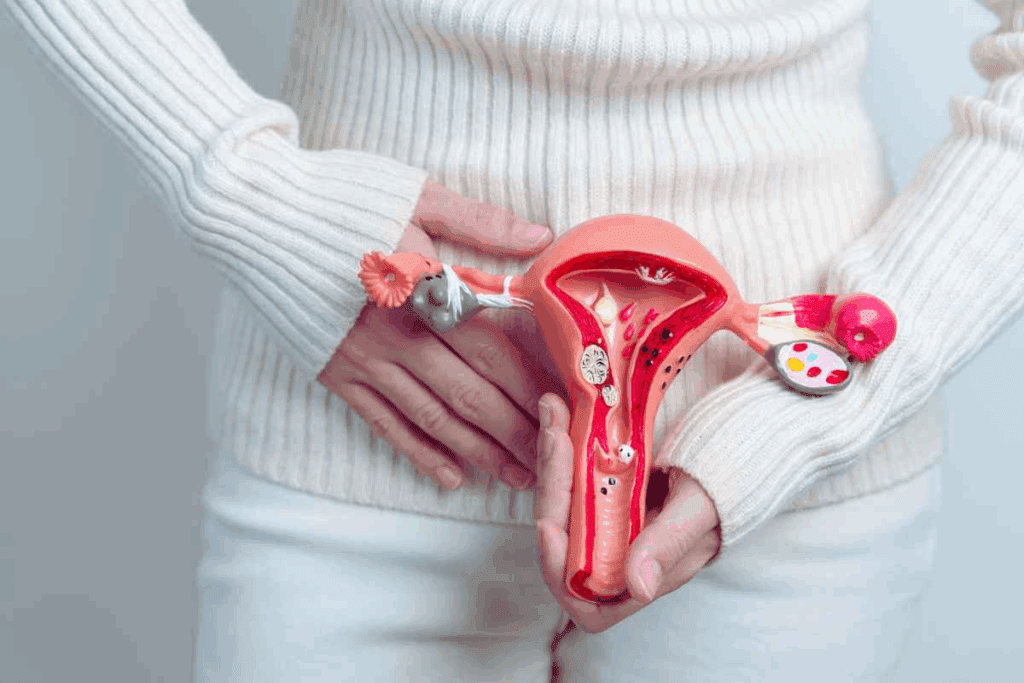
It’s important to know how endometrial tissue implants work to understand endometriosis. This condition happens when tissue like the uterus lining grows outside the uterus. It causes pain and discomfort.
How Endometrial Tissue Grows Outside the Uterus
Endometrial tissue can grow in places outside the uterus. This happens because of retrograde menstruation. Menstrual tissue flows back through the fallopian tubes and into the pelvic area. This tissue grows and bleeds with each cycle.
Hormonal changes, like estrogen, make these implants grow. This leads to inflammation, scarring, and adhesions in the area.
Common Locations of Endometriotic Tissue
Endometriotic tissue can be found in different places, including:
- The ovaries
- Fallopian tubes
- The pelvic peritoneum
- And, less commonly, in distant sites such as the bowel or bladder
The location and how much tissue is present can affect symptoms.
The Cyclical Response of Implants to Hormones
Endometriotic implants react to hormonal changes, just like the uterus lining. This can cause cyclical pain and symptoms like hot flashes and night sweats.
The implants grow and cause irritation when they react to estrogen and progesterone. Knowing this helps manage symptoms.
Mapping the Territory: Where Endometriosis Implants Are Found
It’s important to know where endometriosis implants are found to diagnose and treat it well. These implants can be in the pelvic area or in other parts of the body.
Pelvic Locations: Ovaries, Fallopian Tubes, and Uterus
The pelvic area is where endometriosis implants are most common. They often appear on the ovaries, fallopian tubes, and the back part of the uterus. Ovaries are often affected, leading to “chocolate cysts” due to their dark fluid.
Fallopian tubes can also be involved, causing damage and affecting fertility. The uterosacral ligaments, which support the uterus, are another common spot for these implants.
Distant Sites: Bowel, Bladder, and Beyond
Endometriosis implants can also be found in distant locations. The bowel and bladder are common sites. Sometimes, it can affect the appendix or even more distant areas like the lungs or skin.
| Location | Common Symptoms |
|---|---|
| Ovaries | Pelvic pain, ovarian cysts |
| Fallopian Tubes | Tubal damage, infertility |
| Bowel | Bloating, constipation, painful bowel movements |
| Bladder | Frequent urination, painful urination |
Knowing where endometriosis implants can be found is key for doctors to diagnose and treat it. The variety of locations makes symptoms complex and treatment challenging.
The Hormonal Connection: Estrogen and Endometriosis
Hormonal imbalances, like estrogen dominance, are closely tied to endometriosis symptoms. Estrogen is key in the female reproductive system, affecting endometrium growth. In endometriosis, estrogen fuels endometrial implants, causing inflammation and scarring.
Estrogen Dominance and Its Effects
Estrogen dominance happens when estrogen and progesterone levels are out of balance. This imbalance can cause endometrial tissue to grow too much, inside and outside the uterus. For those with endometriosis, estrogen dominance makes symptoms worse by growing endometrial implants.
Effects of Estrogen Dominance:
- Proliferation of endometrial tissue
- Increased inflammation
- Enhanced pain perception
- Worsening of endometriosis symptoms
How Hormonal Imbalances Trigger Vasomotor Symptoms
Hormonal imbalances, like estrogen dominance, can cause hot flashes and night sweats in women with endometriosis. These symptoms come from changes in estrogen levels, affecting how the body regulates temperature.
The complex interplay between hormonal fluctuations and vasomotor symptoms shows the need for a full approach to managing endometriosis. Understanding how estrogen and other hormones affect symptoms helps healthcare providers find better treatments.
Hot Flashes: A Common but Overlooked Symptom of Endometriosis
Hot flashes are a common symptom in women with endometriosis. Yet, they are often not recognized or treated properly. This is because hot flashes are not just a sign of menopause but can also be linked to endometriosis.
The Physiology of Hot Flashes
Hot flashes in endometriosis are caused by hormonal changes, mainly the rise of estrogen. This condition is known for its high estrogen levels. The exact cause involves how estrogen affects the body’s temperature control.
Research shows that endometriosis can lead to hot flashes due to hormonal imbalances. These imbalances affect the brain’s temperature control center.
Frequency and Intensity in Endometriosis Patients
Women with endometriosis often have hot flashes more often than others. The severity of these hot flashes can range from mild to very severe. This can greatly affect their daily lives.
| Symptom | Frequency | Intensity |
|---|---|---|
| Hot Flashes | Daily to Weekly | Mild to Severe |
| Night Sweats | Several times a week | Moderate to Severe |
Distinguishing from Menopause-Related Hot Flashes
Hot flashes are often linked to menopause, but those in endometriosis are different. They can happen at any age and are not just related to menopause. Women with endometriosis may also experience pelvic pain and heavy bleeding.
It’s important to understand these differences for proper diagnosis and treatment. Recognizing hot flashes as a symptom of endometriosis helps healthcare providers give better care to these women.
Night Sweats and Endometriosis: The Sleep Disruptor
Night sweats are a common symptom of endometriosis that affects many women. These episodes of intense sweating can soak through nightclothes and bedding. This leads to discomfort and disrupted sleep patterns.
Why Endometriosis Causes Night Sweats
Endometriosis causes night sweats due to hormonal changes and chronic inflammation. The growth of endometrial tissue outside the uterus responds to hormones. This leads to inflammation and the release of chemical mediators.
These substances can affect the body’s heat control, causing sudden heat sensations. This results in night sweats. Hormonal changes, like those in estrogen levels, play a big role. Estrogen affects body temperature, and changes in it can cause night sweats.
Chronic inflammation from endometriosis also disrupts hormonal balances. This makes symptoms worse.
Impact on Sleep Quality and Daily Functioning
Night sweats have a big impact on sleep quality. They can lead to:
- Repeated awakenings during the night, reducing sleep duration and quality.
- Increased fatigue and lethargy during the day due to disrupted sleep.
- Mood disturbances, including irritability and anxiety, from lack of restful sleep.
- Difficulty concentrating and performing daily tasks due to sleep disruption.
The discomfort and stress from night sweats can also cause anxiety about sleep. This creates a cycle that worsens sleep quality. It’s important to address night sweats in managing endometriosis.
Understanding the link between endometriosis and night sweats helps healthcare providers. They can develop better treatment plans. These plans address physical symptoms and the impact on sleep and daily life.
The Science Behind Thermoregulatory Disruption in Endometriosis
Medical research is exploring how endometriosis affects body temperature control. Endometriosis causes tissue like the uterus lining to grow outside the uterus. This can lead to symptoms like hot flashes and night sweats, similar to menopause.
How Endometriosis Affects Body Temperature Control
Endometriosis impacts body temperature through several ways. The growth of endometrial implants causes inflammation. This inflammation can disrupt the body’s functions.
These implants can also affect the hypothalamus, the brain part that controls body temperature. The hypothalamus is key to keeping the body’s temperature stable. When endometrial implants are present, they can send signals to the hypothalamus, causing thermoregulatory issues. This can lead to symptoms like hot flashes and night sweats.
Key factors influencing thermoregulatory disruption in endometriosis include:
- Inflammation caused by endometrial implants
- Hormonal influences, such as estrogen dominance
- Immunological responses to endometrial tissue
The Role of Inflammation in Vasomotor Symptoms
Inflammation plays a big role in vasomotor symptoms in endometriosis. The presence of endometrial implants causes chronic inflammation. This inflammation can affect the body’s thermoregulatory system.
Research shows that inflammatory cytokines from endometrial implants can affect the hypothalamus. This disruption can cause vasomotor symptoms like hot flashes and night sweats.
- Inflammatory cytokines influence the hypothalamus.
- This influence disrupts normal body temperature regulation.
- The result is vasomotor symptoms like hot flashes and night sweats.
Understanding how inflammation causes vasomotor symptoms is key to treating endometriosis. By focusing on inflammation, healthcare providers can help manage thermoregulatory issues in endometriosis.
Diagnosing Endometriosis When Vasomotor Symptoms Are Present
Diagnosing endometriosis is tough when you have vasomotor symptoms. Symptoms like hot flashes and night sweats aren’t the first signs of endometriosis. This makes finding the right diagnosis harder.
Endometriosis is when tissue like the uterus lining grows outside the uterus. This causes pain and discomfort. Vasomotor symptoms can confuse doctors, making it hard to get a correct diagnosis early on.
Diagnostic Challenges and Considerations
Every patient with endometriosis is different. Some have the usual symptoms like pelvic pain and heavy bleeding. Others might have symptoms like vasomotor symptoms.
Getting a correct diagnosis needs a full check-up. This includes talking about your health, a physical exam, and sometimes imaging or surgery. Doctors should think about endometriosis when they see vasomotor symptoms, along with other signs.
Tests and Procedures to Confirm Endometriosis
There are several ways to confirm endometriosis. These include:
- Pelvic examination: A detailed pelvic exam can find signs of endometriosis like tender nodules.
- Imaging studies: Ultrasound or MRI can spot endometriomas or other signs of endometriosis.
- Laparoscopy: This is the best way to see endometriosis. It’s a surgery where a surgeon looks at the reproductive organs and pelvis.
- Biopsy: Sometimes, a biopsy of suspected endometriotic lesions can confirm the diagnosis.
By knowing the challenges and using the right tests, doctors can better diagnose endometriosis. This is true even when vasomotor symptoms are present.
Treatment Options for Managing Hot Flashes and Night Sweats
Managing hot flashes and night sweats in endometriosis involves different strategies. These symptoms are common in menopause but also affect women with endometriosis. We will look at the treatment options that can help ease these symptoms.
Hormonal Therapies and Their Effectiveness
Hormonal therapies are key in treating endometriosis symptoms like hot flashes and night sweats. They aim to lower estrogen levels. This helps reduce the growth of endometrial implants and eases symptoms.
Gonadotropin-releasing hormone (GnRH) agonists and progestins are common hormonal therapies. GnRH agonists stop estrogen production, shrinking endometrial tissue and easing symptoms. Progestins create a hormonal environment that doesn’t support endometrial growth.
Though effective, hormonal therapies can have side effects. Their choice depends on the patient’s symptoms and medical history.
Surgical Removal of Endometriosis Implants
Surgery is another option for managing endometriosis symptoms. Removing endometrial implants can lessen symptoms.
Laparoscopic surgery is a minimally invasive method used for this purpose. It allows for precise removal of implants with less recovery time. Surgery should be considered after discussing with a healthcare provider.
Complementary and Alternative Approaches
Complementary and alternative methods can also help manage hot flashes and night sweats in endometriosis. These include dietary changes, stress management, and supplements.
Some women find relief with acupuncture and herbal remedies. But, the evidence for these methods varies. It’s important to talk to a healthcare provider before trying them.
Managing hot flashes and night sweats in endometriosis needs a personalized approach. This considers the individual’s health, symptom severity, and preferences. Working with healthcare providers can help find effective relief from these symptoms.
Lifestyle Modifications to Manage Vasomotor Symptoms
Managing vasomotor symptoms from endometriosis needs a mix of changes. These can help lessen hot flashes and night sweats. Making these lifestyle changes can make a big difference.
Dietary Changes That May Help
What you eat affects your symptoms. Some foods can make symptoms worse, while others can help. Start by looking at what you eat.
- Increasing intake of omega-3 fatty acids found in fish and flaxseeds
- Consuming foods rich in antioxidants like berries and leafy greens
- Avoiding triggers such as spicy foods, caffeine, and alcohol
A study in the Journal of Women’s Health showed benefits. Women eating more fruits, veggies, and whole grains saw less hot flashes and night sweats.
“Dietary interventions can be a valuable tool in managing endometriosis symptoms, including vasomotor symptoms,” says Medical Expert, a leading researcher in the field.
| Food Group | Beneficial Foods | Foods to Avoid |
|---|---|---|
| Fats | Omega-3 rich foods (salmon, flaxseeds) | Saturated fats (red meat, full-fat dairy) |
| Vegetables | Leafy greens (spinach, kale) | Nightshades (tomatoes, peppers) |
Exercise and Stress Management Techniques
Exercise and managing stress are key. They help control hormones and reduce stress. This can ease symptoms.
Effective stress management includes:
- Yoga and meditation
- Deep breathing exercises
- Progressive muscle relaxation
Try to exercise for at least 30 minutes a day. Activities like brisk walking or cycling are good.
Sleep Hygiene for Night Sweat Management
Good sleep hygiene is vital for night sweats. Simple changes can greatly improve sleep.
Here are some sleep tips:
- Keep your bedroom cool and well-ventilated
- Avoid screens before bed
- Use breathable bedding and sleepwear
By making these lifestyle changes, women with endometriosis can better manage vasomotor symptoms. This can improve their daily life.
When to Seek Medical Help for Endometriosis Symptoms
Knowing when to get medical help is key to managing endometriosis symptoms well. This condition affects women in different ways and can really impact daily life. We’ll show you the red flags that mean you need to see a doctor. We’ll also help you find the right healthcare provider.
Red Flags That Shouldn’t Be Ignored
Some symptoms need immediate medical attention. If you’re experiencing any of these, you should get help right away:
- Severe pelvic pain that makes it hard to do everyday things or gets worse over time.
- Heavy or irregular menstrual bleeding that’s very uncomfortable or causes anemia.
- Chronic fatigue that doesn’t get better with rest.
- Digestive issues like constipation, diarrhea, or painful bowel movements during your period.
- Infertility or trouble getting pregnant.
These symptoms might mean you have endometriosis or another condition that needs a doctor’s check-up. Ignoring them can cause more problems and lower your quality of life.
Finding the Right Healthcare Provider
Finding a doctor who knows about endometriosis and its symptoms is important for good care. Here are some tips to find the right one:
- Ask for referrals from friends, family, or other doctors.
- Check credentials and look for specialists in gynecology or obstetrics.
- Read reviews and testimonials from other patients to see how they’ve done.
- Prepare a list of questions to ask during your first visit to make sure they can help you.
A good doctor will listen to you, do a thorough check-up, and create a treatment plan just for you. They should also know about the latest treatments for endometriosis.
By knowing the red flags and finding the right doctor, you can manage your endometriosis better. This will improve your overall health and well-being.
Conclusion: Living Well Despite Endometriosis-Related Hot Flashes and Night Sweats
Managing endometriosis well is key to easing symptoms like hot flashes and night sweats. Understanding endometriosis and its effects helps women start living better despite it.
Women can manage their symptoms with hormonal treatments, lifestyle changes, and other methods. Eating right, exercising, and managing stress can help lessen hot flashes and night sweats.
By using a full management plan, women can feel better, sleep better, and live better. It’s important to get medical help if symptoms don’t get better or get worse. With the right plan, living well with endometriosis is possible.
FAQ
What is endometriosis and how does it cause hot flashes and night sweats?
Endometriosis is when tissue like the lining of the uterus grows outside the uterus. This causes inflammation and hormonal imbalances. These can lead to hot flashes and night sweats.
Where are endometriosis implants commonly found?
You can find endometriosis implants in the pelvic area, like the ovaries and fallopian tubes. They can also be in the uterus or even in distant places like the bowel and bladder.
Can endometriosis cause hot flashes in women who are not menopausal?
Yes, women not in menopause can get hot flashes from endometriosis. This is due to hormonal imbalances and inflammation from the implants.
How do hormonal therapies help manage hot flashes and night sweats in endometriosis?
Hormonal therapies can manage hot flashes and night sweats by balancing hormones. They also reduce inflammation.
What lifestyle modifications can help alleviate vasomotor symptoms in endometriosis?
Changes in diet, exercise, stress management, and good sleep can help with vasomotor symptoms in endometriosis.
When should I seek medical help for endometriosis symptoms?
Seek medical help if you have severe pain, heavy bleeding, or persistent symptoms that affect your daily life.
How is endometriosis diagnosed when vasomotor symptoms are present?
Diagnosing endometriosis with symptoms requires a full evaluation. This includes medical history, physical exam, imaging tests, and sometimes laparoscopy.
Can surgical removal of endometriosis implants help alleviate hot flashes and night sweats?
Yes, removing implants surgically can help. It reduces inflammation and hormonal imbalances, easing symptoms.
Are there any complementary and alternative approaches that can help manage vasomotor symptoms in endometriosis?
Yes, approaches like acupuncture, herbal supplements, and mind-body therapies may help. But their effectiveness varies.
How does endometriosis affect body temperature control?
Endometriosis can disrupt body temperature control. It does this by causing inflammation and hormonal imbalances. This leads to vasomotor symptoms.
References
National Center for Biotechnology Information. Embryo Transfer Failure: Causes and Solutions in IVF. Retrieved from https://pmc.ncbi.nlm.nih.gov/articles/PMC7939155/


 Departments
 Related Videos
 Our Doctors
 News
News