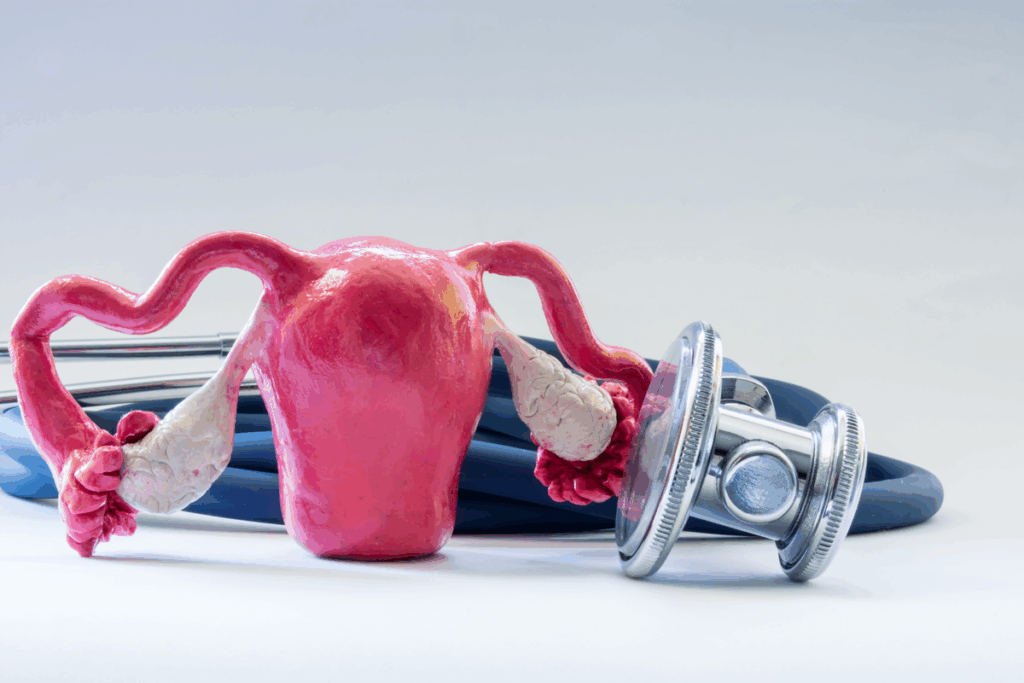
Millions of women worldwide live with endometriosis pain. Finding the right treatment can change their lives. We know managing this condition needs a mix of medications and caring support.This endometriosis medication guide reviews 7 vital, proven options. Get the essential facts on treatments that offer surprising relief.
About 10-15% of women of childbearing age have endometriosis. Pain is the main symptom. Treatments include NSAIDs, hormonal therapies, and surgery. At Liv Hospital, we guide you through these choices to find what works best.
Key Takeaways
- Many medication options are available for managing endometriosis.
- Orilissa (Elagolix) is a new GnRH antagonist for endometriosis relief.
- Hormonal therapies, like birth control pills, can ease symptoms.
- NSAIDs are often the first choice for endometriosis pain.
- A patient-centered approach is key for managing endometriosis effectively.
The Impact of Endometriosis on Women’s Health
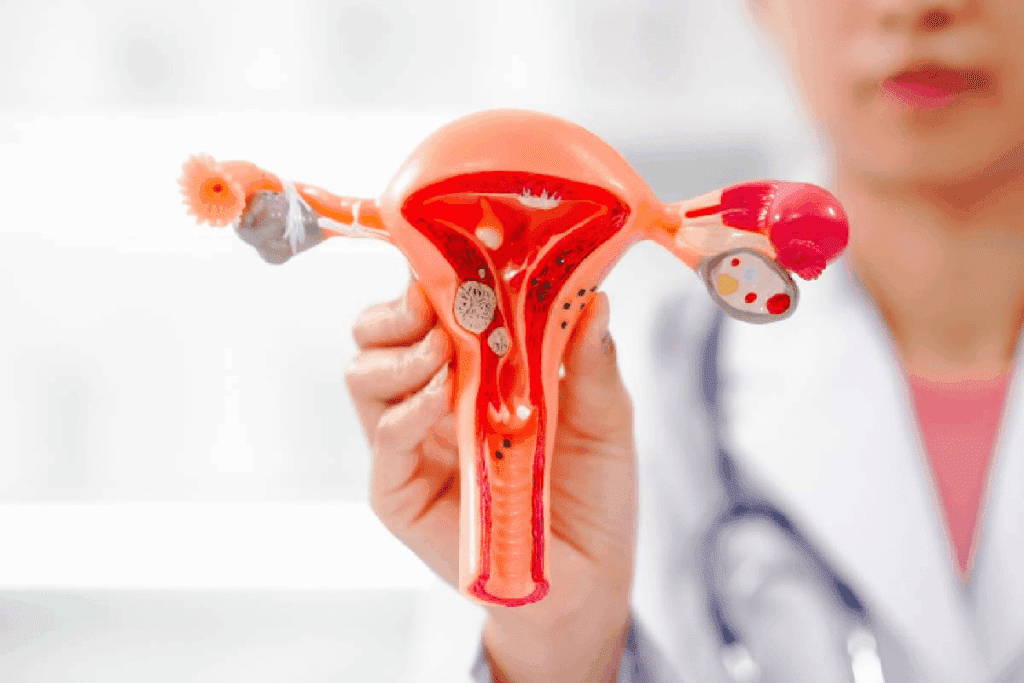
Endometriosis is a serious condition that affects women’s health deeply. It’s important to understand and address this issue. This condition has wide-ranging effects on women’s lives.
Defining Endometriosis and Its Symptoms
Endometriosis is a chronic condition where tissue like the uterus lining grows outside the uterus. It causes pain and other symptoms. Symptoms include chronic pelvic pain, heavy menstrual bleeding, and infertility.
These symptoms can make daily life hard for women. They can affect a woman’s quality of life greatly.
Global Prevalence: Affecting 10-15% of Reproductive-Age Women
Endometriosis is common, affecting 10-15% of women of reproductive age worldwide. This means millions of women face its symptoms and challenges. Awareness and proper treatment, including endometriosis pills, are essential.
The Challenge of Chronic Pain Management
Managing chronic pain is a big challenge in treating endometriosis. There are pills for endometriosis available, but finding the right one can take time. We work with doctors to create treatment plans.
These plans may include endometriosis meds like NSAIDs and hormonal contraceptives. The goal is to reduce pain and improve life quality.
Understanding endometriosis and its effects on women’s health is key. This knowledge helps us meet the needs of those affected. It’s a step towards improving their well-being.
Comprehensive Endometriosis Medication Options

Understanding the different medications for endometriosis is key. Each treatment is tailored to fit the individual’s needs. This approach helps manage symptoms effectively.
Treatment Goals and Approaches
The main goal of endometriosis treatment is to lessen pain and improve life quality. The treatment plan depends on the severity of symptoms and the patient’s health history.
There are several types of medications for endometriosis. These include NSAIDs, hormonal contraceptives, progestin-based therapies, and GnRH agonists and antagonists. Each type works differently and has its own benefits and side effects.
Balancing Symptom Relief with Side Effects
Finding the right balance between symptom relief and medication side effects is important. For example, hormonal contraceptives can help with menstrual pain but may cause mood swings or weight gain.
- NSAIDs: Good for pain but might upset your stomach.
- Hormonal Contraceptives: Helps with menstrual pain but can affect mood.
- Progestin-based Therapies: May cause bleeding or weight gain.
- GnRH Agonists/Antagonists: Can make you feel like you’re in menopause, with symptoms.
Understanding Treatment Satisfaction Rates
How satisfied women are with their treatment varies. It depends on how well the treatment works, side effects, and how it affects their daily life. Many women see an improvement in their quality of life with the right medication.
“The goal is to find a treatment that not only manages symptoms but also fits into the patient’s lifestyle and preferences,” says Medical Expert, a leading specialist in endometriosis treatment.
When Medication Should Be Combined with Other Therapies
For some, medication alone may not be enough. In these cases, combining it with other treatments like lifestyle changes, physical therapy, or surgery might be needed.
For instance, Orilissa (elagolix), a GnRH antagonist, can help with pain. It works best when paired with other treatments, like pain management or hormonal therapies.
NSAIDs: First-Line Pain Relief
NSAIDs are often the first choice for treating endometriosis pain. They help improve life quality for those with endometriosis. These drugs, or Nonsteroidal Anti-Inflammatory Drugs, reduce pain and inflammation.
Targeting Endometriosis Pain
NSAIDs block the production of prostaglandins. These hormone-like substances cause pain and inflammation. By lowering prostaglandin levels, NSAIDs help reduce endometriosis pain.
Ibuprofen: Dosage and Effectiveness
Ibuprofen is a top NSAID for endometriosis pain. It’s taken in doses of 400 to 800 mg every 8 hours as needed. Studies show it can lessen menstrual pain and boost quality of life for women with endometriosis.
Naproxen and Other NSAID Options
Naproxen is another NSAID for managing endometriosis pain. It has a longer half-life, so it’s taken less often. Other NSAIDs like mefenamic acid might be used based on individual needs and medical history.
Limitations and Safety Considerations
While NSAIDs are helpful, they have limits and side effects. Common issues include stomach problems and nausea. Long-term use can cause serious problems like bleeding and kidney damage. Always use NSAIDs under a doctor’s watch.
NSAID | Typical Dosage | Common Side Effects |
Ibuprofen | 400-800 mg every 8 hours | Gastrointestinal issues, dizziness |
Naproxen | 250-500 mg every 8-12 hours | Nausea, stomach pain, headache |
Mefenamic Acid | 500 mg initially, then 250 mg every 6 hours | Diarrhea, abdominal pain, drowsiness |
In conclusion, NSAIDs are key in treating endometriosis pain. Knowing how they work and their side effects helps women make informed choices. It’s vital to work with a healthcare provider to find the best NSAID and dosage.
Hormonal Contraceptives for Endometriosis Control
Hormonal contraceptives are being used more to treat endometriosis. They help control hormone levels in the body.
Mechanism of Action in Endometriosis
Hormonal contraceptives change hormone levels in the body. This can slow down the growth of endometrial tissue. It also helps reduce symptoms of endometriosis.
They work by lowering estrogen levels. This stops endometrial implants from growing. This leads to less pain and symptoms.
Oral Contraceptive Pills: Formulations and Usage
Oral contraceptive pills (OCPs) are a common treatment for endometriosis. They contain estrogen and progestin or just progestin. The choice depends on the patient’s history and symptoms.
Using OCPs continuously is often advised. This keeps the treatment effective.
Contraceptive Patches and Rings
Contraceptive patches and vaginal rings are also used to manage endometriosis. The patch releases hormones through the skin. The vaginal ring releases hormones locally.
Both methods keep hormone levels steady. This helps control endometriosis symptoms.
Effectiveness Rates and Common Side Effects
Research shows hormonal contraceptives can lessen endometriosis pain. But, they might not work for everyone. Some women may experience side effects like nausea and breast tenderness.
Healthcare providers should help patients find the best option. They should also try to reduce side effects.
Knowing about different hormonal contraceptives helps women with endometriosis. They can make better choices about their treatment.
Progestin-Based Therapies and Delivery Methods
Progestins are key in stopping endometrial growth, which helps reduce symptoms of endometriosis. These treatments are a mainstay in managing endometriosis. They come in various forms to fit different patient needs.
How Progestins Suppress Endometriosis
Progestins create a hormonal environment that stops endometrial tissue growth. They do this by causing the endometrium to decidualize and then atrophy. This reduces symptoms like pelvic pain and heavy bleeding.
Progestin-Only Pills and Injections
Progestin-only pills (POPs) are a good oral treatment for endometriosis. They’re great for women who can’t take estrogen or need birth control. Progestin injections, given every few months, also work well. They provide a steady dose of progestin to manage symptoms.
Intrauterine Devices (IUDs) for Localized Treatment
IUDs that release progestin locally in the uterus are very effective for endometriosis. They offer contraception and reduce menstrual bleeding and pelvic pain. The local delivery cuts down on systemic side effects, making them a popular choice.
Comparing Different Progestin Options
It’s important to compare the different progestin therapies. The choice between pills, injections, and IUDs depends on several factors. These include patient preference, side effects, and the need for birth control.
Treatment Option | Delivery Method | Primary Benefits | Common Side Effects |
Progestin-Only Pills | Oral | Effective for symptom control, contraception | Irregular bleeding, mood changes |
Progestin Injections | Intramuscular injection every 3 months | Long-lasting effect, convenient | Weight gain, depression |
Progestin-Releasing IUD | Intrauterine device, replaced every 5-7 years | Localized treatment, reduces menstrual bleeding | Spotting, hormonal side effects |
Understanding the different progestin therapies helps healthcare providers create personalized treatment plans. This improves outcomes and quality of life for patients.
GnRH Agonists for Advanced Endometriosis Management
Women with advanced endometriosis can find relief with GnRH agonists. These drugs create a temporary menopause-like state. This can greatly reduce symptoms, improving life quality.
Creating a Temporary Menopause
GnRH agonists first stimulate the pituitary gland, raising estrogen levels. But, they then downregulate it, lowering estrogen. This drop in estrogen mimics menopause, easing endometriosis symptoms.
Mechanism of Action: These drugs cut down on GnRH production, lowering estrogen. This is key in managing endometriosis, as endometrial growth depends on estrogen.
Available GnRH Agonist Medications
Several GnRH agonist medications are used for endometriosis treatment. These include:
- Leuprolide acetate
- Goserelin acetate
- Triptorelin
- Nafarelin
Each drug works the same way but may differ in how you take it and for how long.
Administration Methods and Treatment Duration
GnRH agonists can be given through injections or nasal sprays. The choice depends on symptom severity, patient preference, and the drug used.
Medication | Administration Method | Typical Treatment Duration |
Leuprolide acetate | Injection | 3-6 months |
Goserelin acetate | Implant | 3 months |
Triptorelin | Injection | 1-3 months |
Add-Back Therapy to Minimize Side Effects
Managing side effects of GnRH agonists is a big challenge. These can include hot flashes, bone loss, and mood swings. Add-back therapy helps by adding estrogen and/or progesterone. This reduces side effects while keeping the treatment’s benefits.
Understanding GnRH agonists’ role in treating advanced endometriosis helps doctors offer better options. Add-back therapy makes treatment more tolerable, making it a good long-term choice.
Orilissa and Other GnRH Antagonists for Endometriosis
Endometriosis treatment has improved with GnRH antagonists. They offer new, targeted ways to help patients. This could lead to better results for those suffering from endometriosis.
The Evolution from GnRH Agonists to Antagonists
GnRH agonists have been used for treating endometriosis. They work by lowering estrogen levels, which helps reduce symptoms. But, they can cause initial flare-ups and long-term side effects.
GnRH antagonists, like Orilissa, suppress estrogen without the flare. This makes them a better choice for many patients.
Orilissa (Elagolix): Dosage and Administration
Orilissa, or elagolix, is a GnRH antagonist for endometriosis pain. It’s taken orally, either 150 mg once daily or 200 mg twice daily. The dosage depends on how severe the symptoms are and how well the patient responds.
Advantages Over Traditional GnRH Agonists
GnRH antagonists, like Orilissa, have big advantages. They stop gonadotropin secretion right away, avoiding the flare-ups of GnRH agonists. This means quicker relief from symptoms and possibly fewer long-term side effects.
Side Effect Profile and Treatment Duration
Side effects of Orilissa include hot flashes, night sweats, and menstrual changes. Treatment length depends on how well the patient does with the medication. Studies show Orilissa can work for up to 12 months, but plans can vary.
Medication | Dosage | Common Side Effects | Treatment Duration |
Orilissa (Elagolix) | 150 mg once daily or 200 mg twice daily | Hot flashes, night sweats, changes in menstrual bleeding | Up to 12 months |
GnRH Agonists | Varies by medication | Initial flare, hypoestrogenic symptoms | Varies, often with add-back therapy |
The introduction of GnRH antagonists like Orilissa is a big step forward. It gives patients more treatment options and could lead to better results.
Emerging Endometriosis Medication Research
The field of endometriosis treatment is changing fast. New medicines are showing great promise. These new options are being tested in clinical trials, giving hope for better symptom management.
Dichloroacetate (DCA): Promising 79% Pain Reduction
Dichloroacetate (DCA) might be a big step forward in treating endometriosis. Studies show it can reduce pain by 79%. This is a big deal, as it’s better than some current treatments.
DCA works in a unique way. It offers hope for those who haven’t found relief with other treatments.
Other Medications in Clinical Trials
There are many other medicines being tested too. They target different parts of the endometriosis problem.
These new treatments show how complex endometriosis is. They highlight the need for treatments that fit each person’s needs.
Addressing the 30% Dissatisfaction Rate with Current Treatments
Many patients are unhappy with current treatments. They say the pain relief isn’t enough or the side effects are too bad.
New treatments like DCA aim to fix this. They offer different ways to fight endometriosis and might be easier to take.
As a study found,
“The development of new treatments is key to better patient outcomes and happiness.”
Timeline for New Medication Availability
The timeline for new medicines varies. It depends on the trial’s phase and how long it takes to get approval.
But, medicines like DCA might get approved faster. They show a lot of promise.
Looking ahead, new treatments will be vital for managing endometriosis. By keeping up with research and trials, we can help patients worldwide.
Why Surgical Treatments Often Lead Back to Medication
Surgery for endometriosis works well at first but often leads to needing medication again. Managing endometriosis is complex and involves many treatments.
Endometriosis affects millions of women, causing pain and discomfort. Surgery can help, but it’s not a permanent fix. Symptoms often come back.
40-50% Recurrence Rate Within Five Years
Research shows that 40-50% of women with endometriosis see symptoms return within five years after surgery. This high rate shows the need for ongoing care.
A study in the Journal of Minimally Invasive Gynecology found that endometriosis can come back after surgery. Rates range from 21.5% to 50% within 2 to 5 years.
This highlights the importance of post-surgical care and the need for additional treatments.
Time Frame | Recurrence Rate |
2 years | 21.5% |
5 years | 40-50% |
Post-Surgical Medication Strategies
After surgery, medication is key to managing endometriosis. A full plan may include hormonal treatments or other drugs to control symptoms.
Common post-surgical medication strategies include:
- Hormonal contraceptives to reduce menstrual flow and suppress endometriotic implants
- Progestin-only therapies to create a hormonal environment that inhibits endometriosis growth
- GnRH agonists or antagonists to induce a temporary menopausal state, reducing symptoms
Balancing Surgical and Pharmaceutical Approaches
Combining surgery and medication is essential for managing endometriosis. A mix of treatments can offer the best results. Surgery provides quick relief, while medication helps manage symptoms long-term.
Medical Expert. Cook says, “A treatment plan that includes surgery, medication, and lifestyle changes is often needed to manage endometriosis well.” This approach helps tailor care to each patient’s needs.
Creating Your Personalized Endometriosis Treatment Plan
Every woman’s battle with endometriosis is different. That’s why a personalized treatment plan is key. It must meet her unique needs and situation.
Working with Specialists for Optimal Care
Getting help from healthcare specialists is vital. They craft a treatment plan that fits you perfectly. This plan considers your symptoms, medical history, and lifestyle. Working with a healthcare provider ensures you get optimal care tailored just for you.
Factors That Influence Medication Selection
Choosing the right medication for endometriosis depends on several things. These include how severe your symptoms are, your medical history, and what treatments you’ve tried before. Your age, if you want to have kids in the future, and any other health issues also matter. We listen to your story to create a treatment plan that’s just right for you.
Monitoring Treatment Effectiveness
It’s important to check if your treatment is working. Regular visits to your healthcare provider help make any needed changes. Keeping a symptom journal is helpful too. It lets you track your progress and see any changes in your condition. This way, your treatment plan stays effective and adaptable to your evolving needs.
When to Consider Changing Your Approach
If your treatment isn’t giving you the relief you need, it’s time to think about changing it. If your symptoms don’t get better or even get worse, it’s a sign that something needs to change. We help you spot these signs and find new ways to manage your endometriosis. Being open and flexible helps us find a better way to help you.
Conclusion: Navigating the Endometriosis Medication Landscape
Understanding endometriosis medication can feel overwhelming. But knowing the different treatments is key to managing symptoms. We’ve looked at many options, from NSAIDs to GnRH agonists, each with its own benefits and side effects.
Working with healthcare providers is important. Together, women can create a treatment plan that helps with symptoms and considers overall health. New treatments are being developed, giving hope to those who haven’t found relief yet.
Finding the right treatment is the goal for managing endometriosis. We urge women to stay informed and work with their healthcare team. This way, they can find the best care for themselves and improve their life quality.
FAQ
What is Orilissa (elagolix) and how is it used in treating endometriosis?
Orilissa, also known as elagolix, is a GnRH antagonist. It helps manage moderate to severe endometriosis pain. It works by reducing estrogen and progesterone, which slows down endometrial tissue growth and pain.
What are the common side effects of hormonal contraceptives used for endometriosis?
Hormonal contraceptives for endometriosis can cause nausea, breast tenderness, mood swings, and unexpected bleeding. These side effects usually get better over time.
How do NSAIDs help in managing endometriosis pain?
NSAIDs, like ibuprofen and naproxen, reduce prostaglandins. These hormone-like substances cause pain and swelling. This helps manage endometriosis pain.
What are progestin-based therapies, and how are they used in treating endometriosis?
Progestin-based therapies use synthetic progestins to treat endometriosis. They can be pills, injections, or IUDs. They stop endometrial tissue growth.
What is the role of GnRH agonists in managing advanced endometriosis?
GnRH agonists create a temporary menopausal state. They reduce estrogen, slowing endometrial tissue and pain growth. They’re used for advanced endometriosis.
Are there any new medications being developed for endometriosis treatment?
Yes, new treatments like dichloroacetate (DCA) are being researched. DCA has shown a 79% pain reduction. Other treatments are in clinical trials.
Why do surgical treatments for endometriosis often lead back to the need for medication?
Surgical treatments for endometriosis often fail, with 40-50% of patients seeing symptoms return within five years. Medication is often needed after surgery to manage symptoms.
How can a personalized endometriosis treatment plan be created?
A personalized plan involves working with specialists. They choose the best medication and treatment based on individual needs. The plan is adjusted as needed.
What factors influence the selection of medication for endometriosis?
Medication choice depends on symptom severity, health history, previous treatments, and side effect tolerance.
How is Orilissa (elagolix) administered, and what are its advantages?
Orilissa is taken orally, twice a day. Its benefits include quick action and managing pain without the initial flare-ups of GnRH agonists.
REFERENCE
National Center for Biotechnology Information. Endometriosis Medications: Relief Options Explained. Retrieved from https://pubmed.ncbi.nlm.nih.gov/40373315/