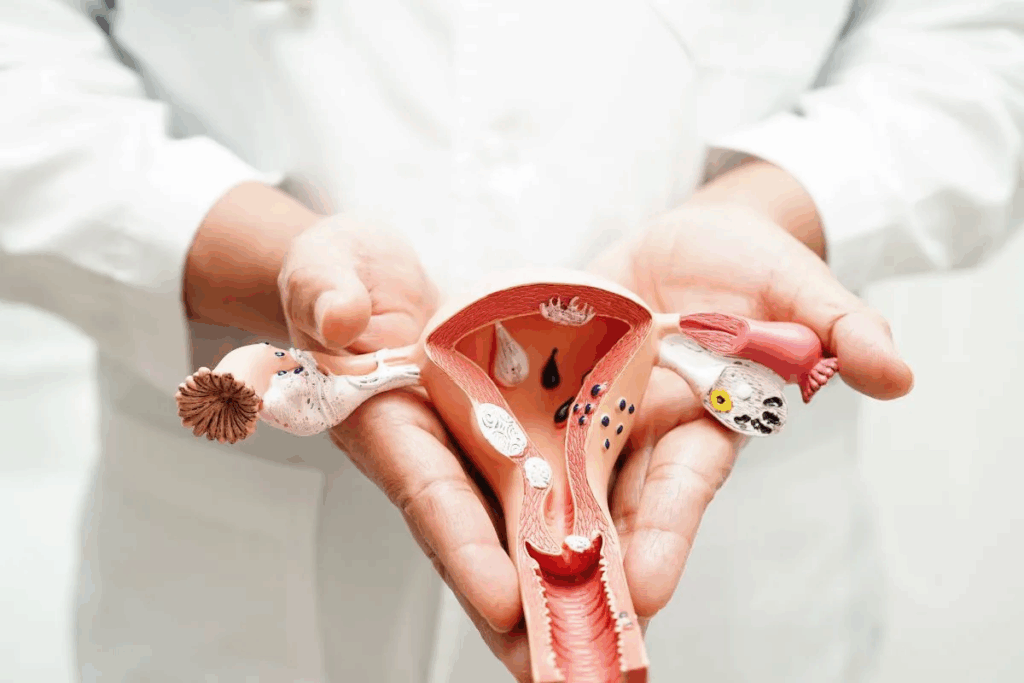
Discovering that your ovaries are enlarged can be alarming. But knowing the common causes and symptoms can help. It gives you reassurance and guides you on what to do next enlarged ovary causes.
At Liv Hospital, we understand how worrying ovarian health concerns can be. Our patient-centered approach and commitment to top-notch care mean you can trust us. We’ll evaluate your concerns thoroughly and address them with expertise.
Many things can cause your ovaries to grow, like PCOS, ovulation issues, and ovarian cysts. Knowing these causes and their symptoms is key. It helps you know when it’s time to see a doctor.
Key Takeaways
- Ovarian enlargement can result from various factors, including benign and serious conditions.
- Common causes include PCOS, ovulation, and ovarian cysts.
- Understanding symptoms is critical for knowing when to seek medical care.
- Liv Hospital offers patient-centered care for ovarian health concerns.
- Early evaluation and treatment can greatly improve outcomes.
Understanding Enlarged Ovaries

It’s important for women to know about enlarged ovaries and their health. These can signal many conditions, from mild to serious.
What Are Enlarged Ovaries?
Enlarged ovaries are bigger than usual. Normally, they’re like an almond. But when they grow, they can get much larger.
Normal Ovary Size vs. Enlarged
A normal ovary is about 3 cm long, 1.5 cm wide, and 1 cm thick. If it’s bigger, it’s enlarged. Ovarian enlargement is found with medical imaging.
How Ovarian Enlargement Is Detected
Doctors find enlarged ovaries during a pelvic exam or with ultrasound. Ultrasound makes images of the ovaries. This helps doctors see their size and any problems.
We use these tools to find why ovaries get bigger. Then, we plan the best treatment.
Common Enlarged Ovary Causes and Their Symptoms

The ovaries can grow due to many reasons, some good, some not so much. Knowing why they grow is key to finding and fixing the problem.
Overview of Possible Causes
There are many reasons why ovaries might get bigger. Here are some common ones:
- Polycystic Ovary Syndrome (PCOS): A hormonal issue that can cause cysts and swelling.
- Ovulation: When an egg is released, it can make the ovary swell.
- Ovarian Cysts: Fluid-filled sacs that can grow on the ovaries, making them bigger.
- Ovarian Torsion: A serious twist of the ovary that cuts off blood flow.
Each cause has its own set of symptoms. It’s important to know what’s causing the problem.
Differentiating Between Serious and Non-Serious Causes
Some reasons for big ovaries are harmless and go away on their own. But others are serious and need quick help. For example:
- Non-serious causes might include normal ovulation or cysts that usually go away by themselves.
- Serious causes include ovarian torsion, big cysts that burst, and other serious issues that need fast treatment.
Signs of a serious problem include really bad pain, fever, and bleeding inside. If you have these symptoms, get medical help right away.
Knowing the reasons and symptoms can help you decide when to see a doctor.
Polycystic Ovary Syndrome (PCOS)
PCOS, or Polycystic Ovary Syndrome, is a complex hormonal disorder affecting many women. It causes irregular menstrual cycles, cysts on the ovaries, and hormonal imbalance.
What Is PCOS?
PCOS is a condition where ovaries make too much of male hormones. This hormonal imbalance can stop ovulation. It leads to irregular periods and cysts on the ovaries.
The exact cause of PCOS is not fully known. It’s believed to be a mix of genetics and environment. Insulin resistance, where the body doesn’t use insulin well, is also linked to PCOS.
How PCOS Causes Ovarian Enlargement
In women with PCOS, ovaries can grow due to cysts. These cysts are not cancer but can make ovaries swell. The hormonal imbalance in PCOS can make ovaries bigger, seen on ultrasound.
Symptoms and Warning Signs
PCOS symptoms vary among women. Common signs include:
- Irregular menstrual cycles or no periods at all
- Hirsutism (too much hair on face, chest, and back)
- Acne and oily skin
- Male pattern baldness
- Fertility issues
Spotting these symptoms early is key. It helps in getting the right medical care and managing the condition well.
Long-term Health Implications
PCOS is more than a reproductive issue. It has serious long-term health risks. Women with PCOS are more likely to get:
- Type 2 diabetes because of insulin resistance
- Cardiovascular diseases
- High blood pressure
- Obesity
Managing PCOS needs a full approach. This includes lifestyle changes like diet and exercise. Medication may also be needed to control hormonal imbalances and health risks.
Ovulation and Physiological Changes
Ovulation is a normal part of the menstrual cycle. It can cause minor swelling in the ovaries. During ovulation, the ovary releases an egg, leading to various changes in the body.
Normal Ovarian Changes During Menstrual Cycle
The menstrual cycle is complex, involving hormonal and physical changes. Normal ovarian changes happen throughout the cycle. They prepare the ovary for fertilization.
In the follicular phase, the ovaries grow follicles with eggs. As the cycle goes on, one follicle releases an egg during ovulation. This can cause minor swelling in the ovary.
When Normal Enlargement Occurs
Normal ovarian enlargement happens during the menstrual cycle, often around ovulation. This swelling is usually minor and goes away by itself.
Several factors contribute to normal ovarian enlargement. These include:
- Hormonal changes
- Follicular growth
- Ovulation
Distinguishing Normal from Abnormal Swelling
It’s important to tell normal swelling from abnormal swelling. Normal swelling is minor and goes away by itself. But abnormal swelling might be a sign of a problem.
Abnormal swelling has certain characteristics. These include:
Characteristics | Normal Swelling | Abnormal Swelling |
Duration | Temporary, resolves on its own | Persists or worsens over time |
Size | Minor enlargement | Significant enlargement |
Symptoms | Mild discomfort | Severe pain, bloating, or other symptoms |
If you have persistent or severe symptoms, see a healthcare provider. They can help find out why your ovaries are swollen.
Functional Ovarian Cysts
Functional ovarian cysts are a common reason for enlarged ovaries. These cysts are fluid-filled sacs that form on the ovaries during the menstrual cycle. They are usually harmless and often go away on their own.
Types of Functional Cysts
There are two main types of functional ovarian cysts: follicular cysts and corpus luteum cysts. Follicular cysts happen when the follicle doesn’t release an egg during ovulation. Corpus luteum cysts form when the corpus luteum doesn’t dissolve after releasing an egg.
Characteristics of Functional Cysts:
- Typically benign
- Often associated with the menstrual cycle
- Can cause ovarian enlargement
- May resolve without treatment
Symptoms of Ovarian Cysts
Many functional ovarian cysts don’t show symptoms. But some women might feel pelvic pain, bloating, or discomfort during sex. Rarely, a cyst can rupture or twist, causing severe pain and serious health risks.
Common symptoms include:
- Pelvic pain or discomfort
- Bloating or swelling in the abdomen
- Irregular menstrual cycles
- Discomfort during intercourse
When Cysts Resolve Naturally
Most functional ovarian cysts go away on their own within a few months. It’s important to watch the cyst’s size and symptoms to avoid complications.
When Cysts Require Medical Attention
While many cysts go away naturally, some need medical help. If a cyst is big, doesn’t go away, or causes a lot of symptoms, treatment is needed. Sometimes, surgery to remove the cyst or ovary is required.
Indications for Medical Attention:
Symptom | Description |
Severe Pelvic Pain | Sudden, severe pain that doesn’t subside |
Vaginal Bleeding | Heavy or irregular bleeding |
Fever | High temperature indicating possible infection |
Endometriosis and Endometriomas
Endometriosis is when tissue like the uterus lining grows outside the uterus. This misplaced tissue, called endometrial implants, causes inflammation and scarring. It also leads to the formation of endometriomas, or chocolate cysts.
How Endometriosis Affects the Ovaries
Endometriosis can harm the ovaries in many ways. The growth of endometrial tissue on the ovaries creates endometriomas. These cysts are filled with old blood, making them dark. They can cause the ovaries to grow and change their shape, affecting their function.
Chocolate Cysts and Ovarian Enlargement
Endometriomas, or chocolate cysts, are a sign of ovarian endometriosis. These cysts can grow big and cause the ovaries to enlarge. This can lead to a lot of pain, mostly during menstrual periods.
Recognizing Endometriosis Symptoms
Symptoms of endometriosis vary but often include pelvic pain, heavy or irregular bleeding, and infertility. Spotting these symptoms early is key for treatment. Here are the common symptoms:
Symptom | Description |
Pelvic Pain | Pain in the lower abdomen that can range from mild to severe |
Heavy or Irregular Bleeding | Menstrual periods that are heavier or more irregular than usual |
Infertility | Difficulty conceiving due to endometriosis-related damage to the ovaries or fallopian tubes |
Impact on Fertility
Endometriosis can greatly affect fertility. The presence of endometriomas and inflammation can damage the ovaries and fallopian tubes. This makes it harder for women to get pregnant. Knowing how endometriosis affects fertility is important for those planning to start a family.
We’ve talked about how endometriosis impacts the ovaries, causing endometriomas and enlargement. Recognizing symptoms and understanding its effect on fertility are important steps in managing this condition.
Ovarian Torsion: A Medical Emergency
Ovarian torsion is a serious medical issue where the ovary twists, cutting off its blood supply. This can cause severe pain and serious health risks if not treated quickly.
The Mechanism of Ovarian Torsion
When the ovary twists, it cuts off its blood supply. This twisting can happen for many reasons, like ovarian cysts or tumors. These can make the ovary bigger and more likely to twist.
The consequences of ovarian torsion can be severe, including damage to the ovary from lack of blood. Quick diagnosis and treatment are key to avoid lasting damage and keep the ovary working.
Risk Factors for Torsion
Some things make ovarian torsion more likely. These include:
- Presence of ovarian cysts or tumors
- Previous history of ovarian torsion
- Ovarian hyperstimulation syndrome (OHSS)
- Pregnancy
Recognizing the Warning Signs and Symptoms
The signs of ovarian torsion can vary but often include:
- Severe, sharp pelvic pain
- Nausea and vomiting
- Abdominal tenderness
- Fever
It’s important to notice these symptoms early and get medical help right away.
Why Immediate Medical Attention Is Critical
Ovarian torsion needs quick action. The sooner it’s treated, the better chance of saving the ovary and avoiding serious problems. Waiting too long can lead to damage that causes infertility and other health issues.
Symptom | Description | Urgency Level |
Severe Pelvic Pain | Sharp, intense pain in the pelvic area | High |
Nausea and Vomiting | Feeling queasy or vomiting | Medium |
Abdominal Tenderness | Tenderness to the touch in the abdominal area | High |
Pelvic Inflammatory Disease (PID)
PID, or Pelvic Inflammatory Disease, is a serious health problem. It can cause the ovaries to grow bigger and lead to other issues. This condition is caused by inflammation of the female reproductive organs due to bacterial infections.
Bacterial Infections Leading to PID
The main cause of PID is bacterial infections. These infections often come from sexually transmitted bacteria like Chlamydia trachomatis and Neisseria gonorrhoeae. These bacteria can move up from the vagina and cervix into the upper genital tract, causing inflammation and infection.
Other bacteria, not just sexually transmitted ones, can also cause PID. The infection can happen during or after menstruation. This is because the cervix is more open, letting bacteria into the uterus.
How PID Causes Ovarian Enlargement
PID can make the ovaries and fallopian tubes swell up. This happens when the infection spreads to these areas, causing inflammation. It can also lead to abscesses or cysts, making the ovaries painful and swollen.
Recognizing PID Symptoms
Symptoms of PID can vary. They often include lower abdominal pain, abnormal vaginal discharge, fever, and painful urination or sex. It’s important to notice these symptoms early to get treatment quickly and avoid serious problems.
In some cases, PID may not show any symptoms. This is why regular check-ups and screenings are key for catching it early.
Treatment and Prevention
Treatment for PID usually involves antibiotics to fight the bacterial infection. It’s important to start treatment early to avoid problems like infertility, chronic pelvic pain, and a higher risk of ectopic pregnancy.
To prevent PID, it’s best to practice safe sex, get regular STI screenings, and avoid douching. Douching can upset the natural balance of bacteria in the vagina.
Ovarian Tumors and Neoplasms
It’s key to know about ovarian tumors and neoplasms for early detection and treatment of ovarian cancer. Ovarian neoplasms include a variety of growths, from benign cysts to malignant tumors. These can greatly affect a woman’s health.
Differentiating Between Benign and Malignant Tumors
Ovarian tumors can be benign or malignant. Benign tumors are not cancerous and don’t spread. Malignant tumors are cancerous and can spread. Knowing the difference is vital for the right treatment.
We’ll look at the traits of both benign and malignant ovarian tumors. We’ll also talk about their symptoms and how they can affect ovarian function.
Risk Factors for Ovarian Cancer
Some factors raise the risk of ovarian cancer. These include genetic mutations, family history of ovarian or breast cancer, and personal history of certain cancers. Knowing these risk factors helps identify who might need closer monitoring or preventive steps.
Risk Factor | Description |
Genetic Mutations | Mutations in genes like BRCA1 and BRCA2 greatly increase ovarian cancer risk. |
Family History | A family history of ovarian or breast cancer in close relatives raises risk. |
Personal History | A history of breast, uterine, or colorectal cancer may also increase risk. |
Warning Signs That Shouldn’t Be Ignored
It’s important to recognize the warning signs of ovarian cancer for early detection. Common symptoms include persistent pelvic pain, bloating, trouble eating, and urgent need to urinate. While these symptoms can be vague, persistent ones should lead to a doctor’s visit.
Key symptoms to watch for:
- Pelvic pain or discomfort
- Bloating or increased abdominal size
- Difficulty eating or feeling full quickly
- Urinary urgency or frequency
Screening and Early Detection
Early detection of ovarian cancer greatly improves treatment success. There’s no single screening test, but a mix of pelvic exams, imaging tests, and blood tests can help diagnose. Those at high risk may need more frequent checks.
We stress the importance of staying aware and proactive in health monitoring. This is key for early detection of ovarian tumors and neoplasms.
Diagnosing Enlarged Ovaries
Diagnosing enlarged ovaries involves several steps. These steps help find the cause.
Physical Examination
A physical exam is the first step. A healthcare provider may do a pelvic exam. This checks the reproductive organs for any issues.
Imaging Tests
Imaging tests are key for diagnosing enlarged ovaries. These include:
- Ultrasound: Uses sound waves to create images of the ovaries. It helps spot cysts, tumors, or other problems.
- MRI (Magnetic Resonance Imaging): Gives detailed images of the ovaries and nearby tissues. It helps diagnose conditions like endometriosis or ovarian torsion.
Blood Tests and Markers
Blood tests help diagnose conditions linked to enlarged ovaries. These tests may include:
- Hormone Levels: Checks for hormonal imbalances. This could indicate conditions like PCOS.
- Tumor Markers: Such as CA-125. It can be high in ovarian cancer cases.
Surgical Diagnosis Methods
Surgical methods might be needed in some cases. This includes:
- Laparoscopy: A minimally invasive surgery. It lets doctors see the ovaries and other pelvic organs directly.
- Biopsy: Removes a tissue sample from the ovary. It’s examined further.
Diagnostic Method | Description | Used For |
Physical Examination | Pelvic exam to check for abnormalities | Initial assessment |
Ultrasound | Imaging test using sound waves | Identifying cysts, tumors |
Blood Tests | Checking hormone levels, tumor markers | Diagnosing hormonal imbalances, ovarian cancer |
Laparoscopy | Minimally invasive surgery for direct visualization | Diagnosing endometriosis, ovarian torsion |
When to Worry About Enlarged Ovary Causes
Some causes of enlarged ovaries are harmless, but others can be serious. It’s important to know the warning signs. Enlarged ovaries can come from cysts, tumors, or hormonal imbalances. Knowing when to see a doctor is key to avoiding problems.
Red Flag Symptoms Requiring Immediate Attention
Certain symptoms mean you should see a doctor right away. These include:
- Severe pelvic pain: Sudden, sharp pain in the lower abdomen that may radiate to the back or thighs.
- Heavy vaginal bleeding: Excessive or prolonged bleeding that soaks through sanitary products quickly.
- Fever and chills: Elevated body temperature accompanied by shivering or feeling cold.
- Nausea and vomiting: Persistent queasiness or vomiting, specially if it’s severe.
- Abdominal tenderness: Significant discomfort or pain when the abdomen is pressed.
Distinguishing Between Urgent and Non-Urgent Symptoms
Not all symptoms need immediate attention. It’s important to tell the difference. For example, mild pelvic discomfort or slight menstrual changes are not as urgent as severe pain or heavy bleeding.
Questions to Ask Your Doctor
When talking to your doctor about enlarged ovaries, ask the right questions. This helps you understand your situation better. Consider asking:
- What is the likely cause of my ovarian enlargement?
- Are there any additional tests needed to confirm the diagnosis?
- What treatment options are available for my condition?
- Are there any lifestyle changes that can help manage or prevent ovarian enlargement?
- How will we monitor my condition to ensure it doesn’t lead to complications?
Risk Factors That Increase Concern
Certain risk factors can make serious causes of enlarged ovaries more likely. These include a history of ovarian cysts or tumors, endometriosis, and a family history of ovarian or breast cancer. Knowing these risk factors helps you and your doctor make better decisions about your care.
By understanding the symptoms and risk factors of enlarged ovaries, you can take steps to protect your health. Seek medical attention when needed.
Conclusion: Managing and Preventing Ovarian Enlargement
Understanding how to manage and prevent ovarian enlargement is key. Knowing the causes, like PCOS, cysts, and endometriosis, helps us take care of our ovaries. This knowledge lets us act early to keep our ovaries healthy.
Preventing ovarian enlargement means living a healthy life. Eating well and exercising often are important. Also, seeing a gynecologist regularly helps catch problems early. If ovarian enlargement is found, quick medical help can stop bigger issues.
Handling ovarian enlargement well needs both medical care and lifestyle changes. Doctors can suggest treatments based on the cause. This might include hormones or surgery.
It’s vital to see a doctor if symptoms don’t go away or get worse. By being proactive and informed, women can lower their risk of ovarian enlargement. This helps avoid serious problems.
FAQ
What are the symptoms of an enlarged ovary?
Symptoms include pelvic pain, bloating, and swelling in the abdomen. Irregular menstrual cycles and pain during sex are also common. Some women may find it hard to empty their bladder.
Is an enlarged ovary a sign of cancer?
An enlarged ovary can mean different things, like cancer or cysts. But not all cases are cancer. A doctor needs to check to find out why it’s enlarged.
What causes ovarian enlargement?
Many things can cause an ovary to grow, like hormonal changes or cysts. PCOS, endometriosis, and tumors are also causes. Knowing the cause helps in treating it.
Can ovary swelling occur during the menstrual cycle?
Yes, swelling can happen during the cycle due to normal changes. But, if it’s big or lasts long, it might be a problem.
What are the reasons for an enlarged ovary?
PCOS, cysts, endometriosis, and tumors are some reasons. Each has its own symptoms and health effects.
How is ovarian enlargement diagnosed?
Doctors use a physical exam, ultrasound, and sometimes blood tests. They choose the best test based on your symptoms and health history.
What are the risk factors for ovarian cancer?
Family history, genetic mutations, age, and reproductive history are risks. Knowing these can help with screening and prevention.
When should I seek medical attention for ovarian enlargement?
See a doctor for severe pain, swelling, or fever. If you’ve had ovarian problems before, get checked early.
Can PCOS cause ovarian enlargement?
Yes, PCOS often leads to enlarged ovaries. It causes cysts, hormonal imbalances, and other issues. Managing PCOS is key.
How does endometriosis affect the ovaries?
Endometriosis can cause “chocolate cysts” on ovaries, leading to pain and swelling. It also affects fertility and quality of life. Proper management is important.
References
National Center for Biotechnology Information. Postmenopausal Endometrial Thickness: Defining Normality. Retrieved from https://pubmed.ncbi.nlm.nih.gov/15386607/