Explaining why enlarged veins in feet and ankles appear, focusing on venous insufficiency and standing for long periods. Have you seen unsightly or enlarged veins on your feet and ankles? This is a common worry for many. Varicose veins affect tens of millions worldwide.
Knowing why they appear is key to preventing and treating them. Liv Hospital uses the latest medical knowledge and focuses on the patient. They help people spot early signs and find proven treatments for noticeable veins on feet.
Key Takeaways
- Varicose veins are a significant healthcare concern affecting millions globally.
- Factors contributing to their development include genetics, lifestyle, and age.
- Early signs can be recognized with proper medical care and attention.
- Evidence-based treatment options are available for enlarged foot and ankle veins.
- Liv Hospital offers patient-centered care for individuals affected by varicose veins.
Understanding Visible Veins in the Lower Extremities
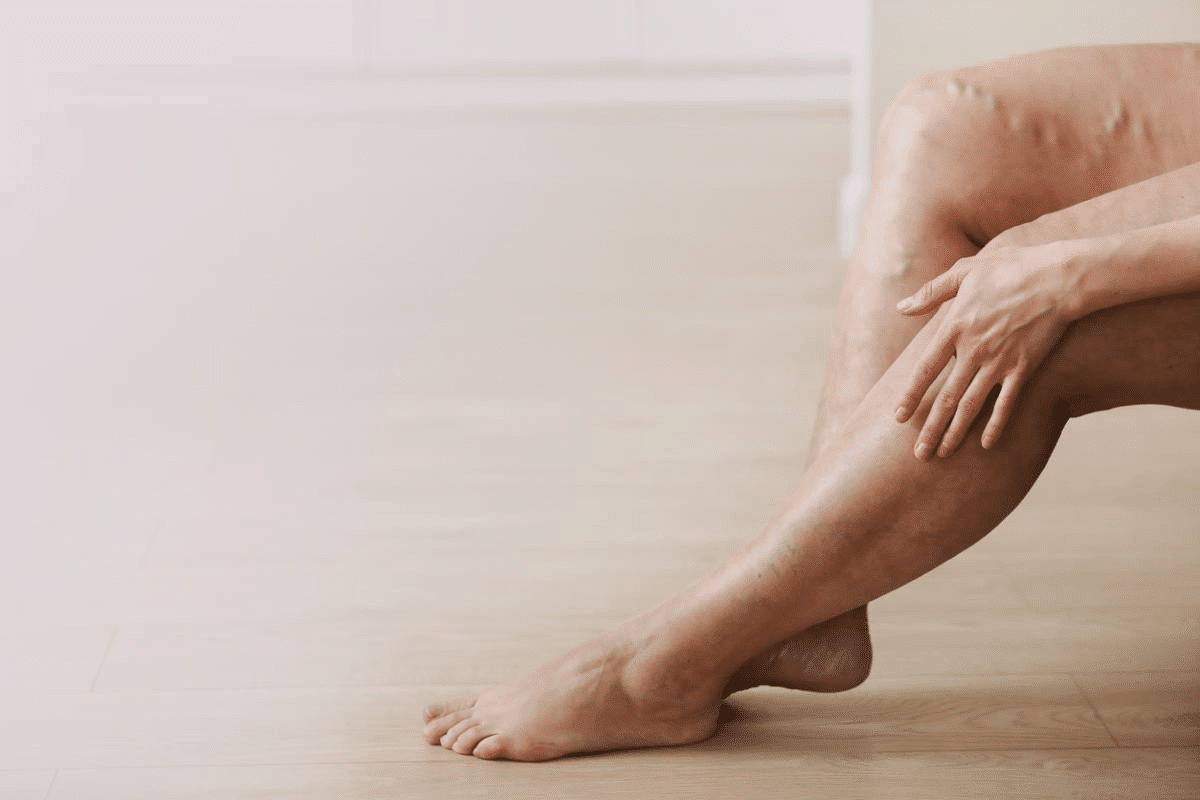
Visible veins on the lower parts of the body, like feet and ankles, worry many people. These veins come in different types, each with its own look.
Types of Visible Veins: Varicose, Spider, and Reticular
There are several types of visible veins on the feet and ankles. Varicose veins are big, raised, and swollen. They twist and turn a lot. On the other hand, spider veins are smaller and red, purple, or blue. They also twist and turn but are closer to the skin.
Reticular veins are a network of fine, blue or green veins. They look like a web.
Normal vs. Abnormal Vein Appearance
It’s important to know the difference between normal and abnormal veins. Normally, veins are not very visible on the skin. But if they become visible, enlarged, or twisted, it might mean there’s a problem.
Varicose Veins Are Enlarged, Twisted Veins That Commonly Appear on Feet and Ankles
Varicose veins on feet and ankles can be a big worry. They are not just about looks. They can also show a deeper venous problem.
Defining Characteristics of Varicose Veins on Feet
Varicose veins on feet look big and twisted. They can hurt, cause swelling, and change the skin color or thickness nearby.
Key features of varicose veins on feet include:
- Enlarged and twisted veins
- Pain and discomfort
- Swelling in the affected area
- Skin changes, such as discoloration or thickening
How Varicose Veins in Ankles Differ from Other Venous Conditions
Varicose veins in ankles stand out because of their size and location. They are bigger than spider veins and can be felt under the skin.
The distinction is key for the right diagnosis and treatment. Ankles with varicose veins might also have more severe symptoms. These can include aching, feeling heavy, or itching.
The Prevalence of Venous Conditions in the United States
Venous conditions, like varicose veins, are a big health issue in the U.S. They affect a lot of people. The number of people with these conditions varies by age, gender, and other factors.
Statistical Overview of Affected Populations
Varicose veins affect 10% to 30% of the population. This shows how common they are. Women are more likely to have varicose veins than men.
|
Demographic Group |
Prevalence of Varicose Veins |
|---|---|
|
Women |
20-40% |
|
Men |
10-20% |
|
Overall Population |
10-30% |
Demographic Patterns: Age, Gender, and Risk Factors
Getting older increases the risk of varicose veins. Women are more likely to get them because of hormones and pregnancy.
Key demographic patterns include:
- Age: Increasing prevalence with age
- Gender: Higher prevalence among women
- Family History: Increased risk with a family history of varicose veins
- Obesity: Higher risk among obese individuals
The Science Behind Veins Appearing on Feet: How Venous System Works
The venous system is key in getting blood back to the heart. When it doesn’t work right, veins can show up on feet and ankles. It’s a complex network of veins that helps blood circulate all over the body.
Normal Venous Function and Blood Flow in Feet
In a healthy body, blood moves up to the heart through leg veins. This happens thanks to muscle contractions and one-way valves that stop blood from flowing back. The feet and ankles have many veins that can be affected by different factors.
A vascular expert says, “The venous system’s efficiency is key for good circulation. Any problem in this system can cause visible veins and other issues.”
Venous Valvular Incompetence and Its Effects on Ankle Veins
Venous valvular incompetence happens when the one-way valves in veins get weak or damaged. This lets blood flow back and pool in the lower parts of the body. It can make veins bigger and visible on the skin.
This condition can cause swelling, pain, and skin changes in ankle veins. Knowing what causes venous valvular incompetence is important for finding good treatments.
“Venous valvular incompetence is a big reason for varicose veins and other venous problems in the lower body.”
Understanding the venous system and its problems can help keep veins healthy. This can prevent serious issues.
Primary Causes of Prominent Veins in Feet and Ankles
Many factors lead to varicose veins in the feet and ankles. These include genetics, lifestyle choices, and certain medical conditions. Knowing these causes helps in preventing and treating them.
Genetic and Hereditary Factors
Genetics play a big role in getting varicose veins. If your family has them, you might get them too. Hereditary factors can affect the strength and elasticity of vein walls, making them more likely to get bigger and twist.
Lifestyle Contributors: Obesity, Inactivity, and Standing Occupations
Lifestyle choices also play a big part. Obesity puts more pressure on leg veins. Inactivity can cause poor blood flow. Jobs that make you stand a lot can also strain your veins, making them more noticeable.
Medical Conditions That Increase Risk of Foot Veins
Some medical conditions raise the risk of varicose veins. These include issues that affect blood flow and pressure, like deep vein thrombosis and chronic venous insufficiency. It’s important to manage these conditions to avoid varicose veins.
Pregnancy and Hormonal Influences on Ankle Veins
Pregnancy is a big risk factor for varicose veins. The increased blood volume and hormonal changes are to blame. Hormonal influences can make vein walls relax, leading to swelling. The growing uterus also adds to the pressure in leg veins.
Symptoms and Complications of Visible Foot and Ankle Veins
Varicose veins are more than just a cosmetic issue. They can cause discomfort, pain, and other problems if not treated. This is true for veins on the feet and ankles.
Physical Manifestations: Pain, Swelling, and Skin Changes
Varicose veins can cause pain, swelling, and skin changes. The pain can feel like a dull ache or sharp stabbing. It often gets worse during the day, after standing for a long time.
Common physical manifestations include:
- Pain or discomfort in the legs
- Swelling in the feet, ankles, or legs
- Skin discoloration or hyperpigmentation
- Itching or irritation around the affected veins
Potential Complications if Left Untreated
If varicose veins are not treated, they can cause serious problems. These issues can greatly affect your quality of life. They might even need more serious medical care.
|
Complication |
Description |
|---|---|
|
Venous Ulcers |
Open sores that can develop due to chronic venous insufficiency, often requiring wound care and potentially leading to infection. |
|
Deep Vein Thrombosis (DVT) |
A blood clot that forms in a deep vein, which can be life-threatening if the clot breaks loose and travels to the lungs. |
|
Superficial Thrombophlebitis |
Inflammation of a superficial vein caused by a blood clot, which can be painful and may lead to further complications. |
It’s important to know the symptoms and complications of varicose veins. This helps you get medical help early and avoid more problems.
Diagnostic Approaches for Venous Conditions in the Lower Extremities
Venous conditions in the lower legs can be diagnosed with a mix of clinical checks and advanced tests. This detailed method helps doctors find the cause of visible veins on the feet and ankles.
When to Seek Medical Attention for Veins on Feet
If you have ongoing pain, swelling, or skin changes near the veins, see a doctor. Also, watch for signs of serious problems like ulcers or bleeding. These need quick medical check-ups.
Key indicators for seeking medical attention include:
- Persistent or severe pain in the legs
- Swelling that doesn’t improve with elevation
- Skin discoloration or ulcers
- Bleeding from varicose veins
Common Diagnostic Tests and Procedures for Ankle Vein Issues
Doctors use different tests to check venous conditions. These tests show how serious the issue is and what treatment is needed.
|
Diagnostic Test |
Description |
Clinical Utility |
|---|---|---|
|
Ultrasound |
Non-invasive imaging technique using high-frequency sound waves |
Assesses blood flow and detects abnormalities in veins |
|
Duplex Ultrasound |
Combines Doppler and conventional ultrasound |
Evaluates blood flow and vein function |
|
Venography |
Involves injecting contrast material into veins for X-ray imaging |
Provides detailed images of vein structure and function |
Diagnosing venous conditions in the lower legs involves both doctor’s exams and advanced tests. Knowing when to see a doctor and what tests are used helps patients understand their treatment options.
Treatment Options for Visible Veins in Feet and Ankles
There are many ways to treat visible veins in the feet and ankles. These methods range from traditional to new approaches. The right treatment depends on how bad the veins are, the patient’s health, and what they prefer.
Conservative Management
Non-invasive methods are used to ease symptoms and stop venous disease from getting worse. Compression stockings are key in treating varicose veins. They help blood flow better and reduce swelling. Also, keeping your legs up can help by lowering venous pressure.
Staying healthy, exercising regularly, and not standing or sitting for too long are also important. These habits can help manage visible veins.
Home Remedies and Self-Care Strategies
There are also home remedies and self-care tips to help with varicose veins. These include:
- Regular exercise to improve circulation
- Avoiding tight clothing that constricts the legs
- Using cold water therapy to reduce swelling
- Elevating the legs regularly
Medical Interventions
For serious cases, medical treatments are needed. Sclerotherapy involves injecting a solution into the vein to close it. Laser treatment uses light to heat and close the vein. Sometimes, surgical removal of the vein is recommended.
Emerging Therapies and Research Developments
New treatments for venous diseases are being researched. These include endovenous laser therapy and radiofrequency ablation. They are less invasive than surgery. Research is ongoing to make treatments better and more effective.
As we learn more about venous diseases, more treatment options become available. It’s important for patients to talk to doctors to find the best treatment for them.
Prevention Strategies for Healthy Foot and Ankle Veins
To keep your foot and ankle veins healthy, you need to make some lifestyle changes. Simple habits can help lower your risk of getting varicose veins.
Keeping a healthy weight is key. Too much weight can strain your veins, causing varicose veins. Regular exercise boosts circulation and lowers venous risk.
It’s also important to avoid standing or sitting for too long. Short breaks to move around can ease vein pressure. Elevating your legs helps reduce swelling and promotes blood flow.
By following these tips, you can help keep your veins healthy. Simple changes can lower your risk of varicose veins and improve your vascular health.
FAQ
What are varicose veins on feet and ankles?
Varicose veins are enlarged, twisted veins that can hurt and look bad. They happen when the veins’ valves don’t work right. This causes blood to stay and the veins to get bigger.
Can you get varicose veins on the top of your foot?
Yes, you can get varicose veins on the top of your foot. They’re more common in the ankles and legs. Many things can cause them, like your genes, being overweight, and standing a lot.
Are varicose veins on the ankles a sign of a serious medical condition?
Sometimes, varicose veins in the ankles mean a bigger problem, like deep vein thrombosis or chronic venous insufficiency. If you’re worried or have symptoms, see a doctor.
How do you treat varicose veins on your feet and ankles?
To treat varicose veins, you can use compression stockings and elevate your legs. You can also try home remedies like exercise and losing weight. Medical treatments include sclerotherapy, laser treatment, and surgery.
Can varicose veins be prevented?
Some things that cause varicose veins, like your genes, you can’t change. But, you can lower your risk by staying healthy, exercising, and not standing or sitting too long.
Are there any complications associated with varicose veins on the feet and ankles?
Yes, untreated varicose veins can cause pain, swelling, skin changes, and even ulcers or blood clots.
How are varicose veins diagnosed?
Doctors usually diagnose varicose veins by looking and talking to you. They might also use tests like ultrasound or venography to confirm it and check for other problems.
Can I stillexercise with varicose veins on my feet and ankles?
Yes, exercising is good for varicose veins. Try low-impact activities like walking or swimming to help your circulation and feel better.
Are there any new treatments available for varicose veins?
Yes, new treatments for varicose veins are being researched. New options include endovenous laser treatment and radiofrequency ablation.
Can I wear compression stockings with varicose veins on my feet and ankles?
Yes, wearing compression stockings is often suggested for varicose veins. They can help your blood flow better and ease symptoms.
References
National Center for Biotechnology Information. Varicose Veins: Causes and Appearance on Feet and Ankles. Retrieved from https://www.ncbi.nlm.nih.gov/pmc/articles/PMC12082987/