
Did you know that knowing your personality type can really help you grow? The Enneagram test is a great tool for self-discovery. It helps people understand their motivations and actions. Unlike an enneagram test, heart tests have risks. Avoid 3 dangerous complications. Get vital safety facts before your medical procedure.
We use the Enneagram test to help people grow and develop. Knowing your personality type makes it easier to face daily challenges. It also boosts your overall happiness. Simple habits, like taking a certain number of daily steps, can also aid in this journey.
Key Takeaways
- The Enneagram test is a valuable tool for self-assessment and personal growth.
- Understanding your personality type can improve your professional and personal life.
- Daily habits, like monitoring your daily steps, can support personal development.
- The Enneagram test helps in identifying individual motivations and behaviors.
- Personal growth is a continuous process that benefits from consistent self-assessment.
What is the Enneagram Test?
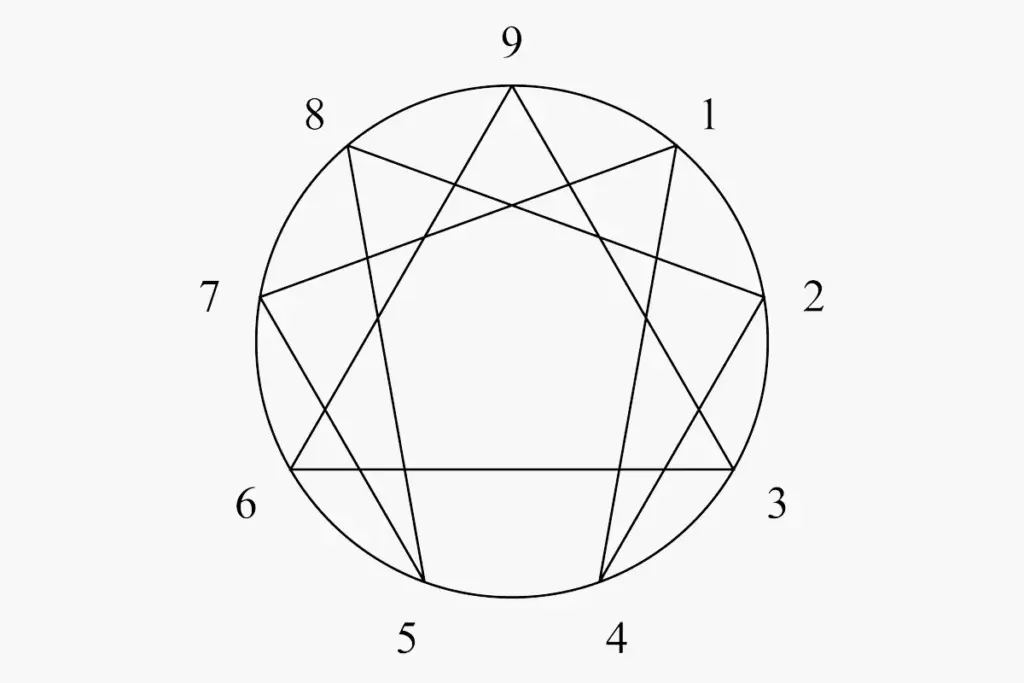
The Enneagram, though rooted in ancient traditions, has evolved into a contemporary tool for self-discovery. It categorizes people into nine types based on their motivations, fears, and desires.
Definition and History
The Enneagram comes from Greek words meaning “nine” and “something written.” It’s a system that describes nine personality types and their emotional patterns. Its history is rich, influenced by many spiritual traditions.
It started in ancient Sufi mysticism and other spiritual practices. Over time, thinkers and teachers have developed and refined it. Today, it helps with personal growth, psychological insight, and spiritual development.
How It Differentiates Personalities
The Enneagram identifies nine core types with unique characteristics and growth paths. It offers deep insights into fears, desires, and behavior drivers.
|
Enneagram Type |
Core Fear |
Core Desire |
|---|---|---|
|
Type 1: The Reformer |
Being corrupt or wrong |
Being good and right |
|
Type 2: The Helper |
Being unloved or unwanted |
Being loved and valued |
|
Type 3: The Achiever |
Being worthless or a failure |
Being successful and accomplished |
Popularity in Modern Psychology
The Enneagram has become popular in modern psychology. It helps understand human behavior and personality. Its depth makes it valuable for personal growth and therapy.
It’s not just for personal growth. It also helps in understanding relationships and workplace dynamics. Knowing Enneagram types can lead to better relationships with others.
The Nine Enneagram Types
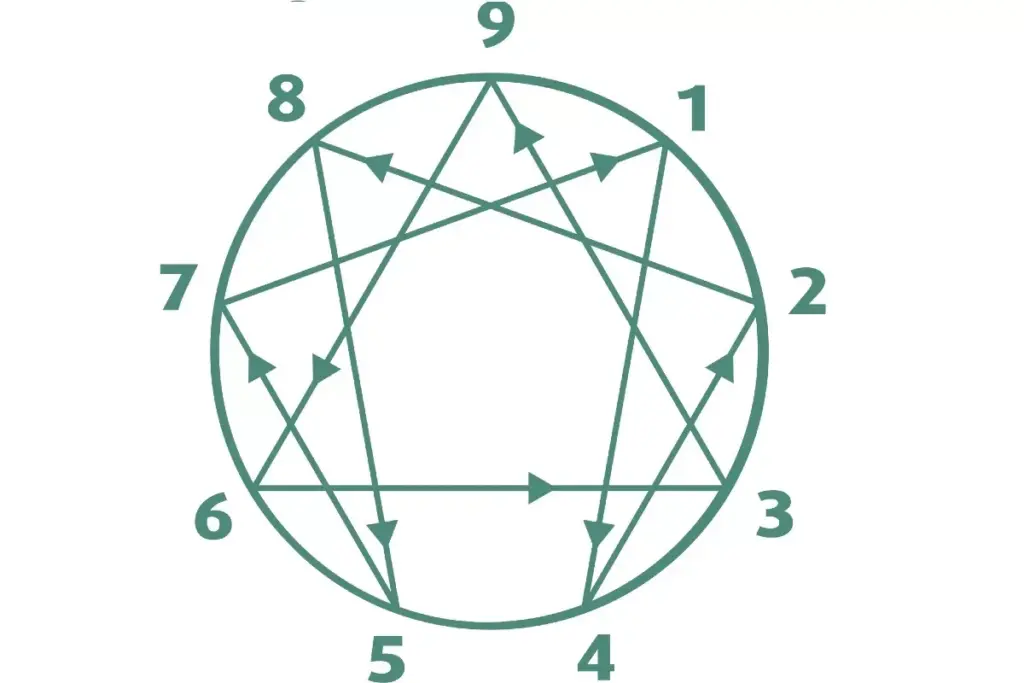
The Enneagram system breaks down into nine main personality types. It helps us grow and understand ourselves better. Each type has its own set of traits, motivations, and behaviors.
Overview of Each Type
The nine Enneagram types are based on what drives and scares us. Here’s a quick look at each:
- Type 1: The Reformer – wants to be good and right.
- Type 2: The Helper – needs love and value.
- Type 3: The Achiever – all about success.
- Type 4: The Individualist – wants to be unique.
- Type 5: The Investigator – loves to understand.
- Type 6: The Loyal Skeptic – loyal but skeptical.
- Type 7: The Enthuasiast – seeks new experiences.
- Type 8: The Challenger – strong and in control.
- Type 9: The Peacemaker – keeps the peace.
Key Traits and Behaviors
Each Enneagram type has its own set of traits and behaviors. For example, Type 3: The Achiever is driven and image-conscious. On the other hand, Type 9: The Peacemaker is calm and avoids conflict. Knowing these traits helps us see our strengths and weaknesses.
Knowing our Enneagram type also helps us grow. For instance, we can link our growth to activities like walking. Studies show that walking at least 10,000 steps a day is good for our health.
Growth Paths for Each Type
Personal growth is different for each Enneagram type. For example, Type 1: The Reformer can learn to accept imperfection. Type 7: The Enthuasiast can work on making deeper commitments. By understanding our growth paths, we can improve ourselves and live a more balanced life.
Just like walking keeps us physically fit, knowing our Enneagram type improves our mental and emotional health. By embracing our growth paths, we can lead a more fulfilling life.
Benefits of Taking the Enneagram Test
The Enneagram test offers many benefits for personal and professional growth. It helps you understand your motivations, behaviors, and areas for improvement.
Personal Development Insights
Knowing your Enneagram type can lead to significant personal growth. It reveals your core motivations and fears. This knowledge helps you work on your weaknesses.
For example, if you’re a Type 1, you might learn to delegate tasks better. This reduces your self-criticism.
Improving Interpersonal Relationships
The Enneagram test can also improve your relationships. It helps you understand others’ motivations and needs. This leads to empathy and better communication.
Knowing a colleague is a Type 2, for instance, helps you see their need for appreciation. This can improve teamwork.
Enhancing Workplace Dynamics
In the workplace, knowing Enneagram types can make teams work better. It helps managers understand team members’ strengths and weaknesses. This leads to a more harmonious and productive work environment.
|
Enneagram Type |
Strengths |
Weaknesses |
Growth Opportunities |
|---|---|---|---|
|
Type 1 |
Organized, responsible |
Perfectionistic, critical |
Learning to delegate and relax standards |
|
Type 2 |
Supportive, empathetic |
People-pleasing, overly dependent |
Developing self-care and assertiveness |
|
Type 3 |
Driven, achievement-oriented |
Competitive, image-conscious |
Focusing on intrinsic motivation and genuine connections |
By using the insights from the Enneagram test, you can grow personally. This also makes your work environment better. It leads to stronger relationships and overall well-being.
How to Take the Enneagram Test
Choosing how to take the Enneagram test can seem tough. But don’t worry, we’re here to help. The Enneagram test helps you understand yourself better. Picking the right method is key to getting accurate results.
Different Assessment Methods
There are many ways to take the Enneagram test. Each method has its own way of working. Here are some common ones:
- Self-report questionnaires that ask you to rate your preferences and behaviors.
- Interviews with certified Enneagram coaches or practitioners.
- Online tests that use algorithms to determine your Enneagram type.
- Workshops or group sessions where you can learn about the Enneagram and interact with others.
Each method has its own benefits. Your choice often depends on what you prefer and how you learn best.
Online vs. In-Person Testing
Deciding between online or in-person testing is a big choice. Both have their good points:
|
Testing Method |
Advantages |
Disadvantages |
|---|---|---|
|
Online Testing |
Convenient, accessible from anywhere, and often less expensive. |
May lack personal interaction, and results might not be as nuanced. |
|
In-Person Testing |
Provides a more personal and interactive experience, allowing for immediate feedback and questions. |
Can be more costly, and availability might be limited by location. |
Choosing between online and in-person testing depends on what you prefer and what you want to get from the test.
Tips for Accurate Results
To get the best results from your Enneagram test, follow these tips:
- Be Honest: Answer questions truthfully, reflecting your typical behaviors and preferences.
- Understand the Questions: Take your time to comprehend what is being asked to provide accurate responses.
- Avoid Overthinking: Try not to overanalyze your answers; your initial response is often the most genuine.
- Consider Multiple Assessments: Taking more than one test can provide a more complete understanding of your Enneagram type.
By following these tips and choosing the right method, you can learn more about yourself. Start your journey of self-discovery with the Enneagram test.
Understanding Your Results
Getting your Enneagram test results can show you new strengths and weaknesses. It helps you understand yourself and others better. This journey into self-discovery is exciting.
Interpreting Your Enneagram Type
First, learn about your Enneagram type. It’s not just a number. It’s about your motivations, fears, and desires. Your Enneagram type helps you understand why you react in certain ways.
For example, if you’re a Type 3 (The Achiever), you might seek success and recognition. This need for validation can guide you in your life.
Recognizing Strengths and Weaknesses
The Enneagram test shows your strengths and areas to improve. Knowing your talents helps you reach your goals. Acknowledging weaknesses lets you grow and find ways to overcome them.
A Type 9 (The Peacemaker) might be great at solving conflicts. But they might struggle with being assertive. By recognizing these traits, you can improve your strengths and work on assertiveness.
Utilizing Feedback for Growth
Use your Enneagram test results to grow. Setting daily goals, like steps, can help you apply these insights. This approach can lead to personal and professional growth.
To use your results well, follow these steps:
- Think about how your type matches your self-image.
- Choose areas to improve and set goals.
- Find ways to use your strengths and work on weaknesses.
By using your Enneagram insights daily, you can grow and develop. Just as regular steps improve health, Enneagram insights can enrich your life.
Common Misconceptions About the Enneagram
The Enneagram test is often misunderstood, which can stop people from using it for personal growth. We aim to clear up these misconceptions and show the real value of the Enneagram test.
Is It Just Another Personality Test?
Many think the Enneagram is just like other personality tests. But it goes deeper, revealing what drives us, our fears, and desires. It offers a deeper look into ourselves and others, unlike other tests.
Stereotypes and Misinterpretations
Some believe the Enneagram puts people into fixed types, ignoring our complexity. But the Enneagram sees us as dynamic, changing over time. It’s about understanding our tendencies and paths for growth, not being stuck in one type.
The Enneagram vs. Other Models
When we compare the Enneagram to models like the Myers-Briggs Type Indicator (MBTI), we see they’re different. The MBTI looks at how we see and judge information. The Enneagram, on the other hand, dives into our motivations and emotions.
|
Aspect |
Enneagram |
MBTI |
|---|---|---|
|
Focus |
Underlying motivations and emotional drivers |
Preferences for perceiving and judging information |
|
Approach |
Dynamic, acknowledging growth and change |
Categorical, based on preferences |
|
Application |
Personal growth, understanding motivations |
Understanding communication styles, teamwork |
Knowing these differences helps us pick the right model for personal growth and self-awareness.
Critiques and Limitations of the Enneagram Test
The Enneagram test has become popular for its insights into personality. Yet, it faces criticisms. It’s important to look at both its benefits and limitations.
Scientific Validity and Research
The Enneagram test’s scientific validity is debated. Some say it lacks solid evidence, while others see it as helpful for personal growth. The Enneagram comes from spiritual and philosophical roots, making it hard to study with traditional science.
Key Concerns:
- Lack of empirical research supporting the Enneagram’s theoretical framework
- Difficulty in measuring the test’s reliability and validity using traditional psychological standards
- The need for more studies on the Enneagram’s effectiveness in various contexts
Potential for Misuse
The Enneagram test can be misused. It simplifies complex personalities into types. This can lead to stereotypes and wrong labels, affecting how people see themselves and interact with others.
It’s important to understand the Enneagram test with caution, seeing both its benefits and drawbacks.
Balancing Insights with Caution
To get the most from the Enneagram test, we need to use it wisely. We should know its limits and see it as one tool for growth and understanding.
|
Age Group |
Recommended Steps per Day |
|---|---|
|
18-64 years |
10,000 steps |
|
65 years and older |
7,000-10,000 steps |
|
Children and Adolescents |
At least 60 minutes of moderate to vigorous physical activity |
Like how exercise needs vary by age, our use of the Enneagram test should fit the individual. This ensures we get useful insights without falling into traps.
Integrating the Enneagram in Everyday Life
Using the Enneagram in daily life can change us for the better. It helps us understand ourselves better, feel our emotions, and stay strong. Knowing our Enneagram type helps us face life’s challenges and make choices that match our values and dreams.
Using Insights for Personal Growth
The Enneagram helps us grow as individuals. It shows us what drives us, what we fear, and what we want. For example, Type 3s work hard for success and praise. But this can lead to exhaustion. By facing these issues, Type 3s can find a healthier way to reach their goals.
To grow using the Enneagram, try these steps:
- Reflect on your thoughts, feelings, and actions often. See how they match your Enneagram type.
- Set goals that are realistic for you. Choose ones that play to your strengths and weaknesses.
- Work on understanding your emotions and those of others. This helps you connect better with people.
Impact on Relationships
The Enneagram also changes how we connect with others. Knowing the Enneagram types of our friends, family, and workmates helps us communicate better. For example, knowing a colleague is Type 1 helps us talk in a way they’ll appreciate, avoiding misunderstandings.
To improve your relationships with the Enneagram, do this:
- Find out the Enneagram types of the people you care about.
- Adjust how you talk to match their Enneagram type.
- Be patient and understanding with people who are different from you.
Professional Applications
In work, the Enneagram is a great tool for growth and teamwork. Knowing the Enneagram types of your team helps leaders build better teams. For example, a leader can give tasks that match a team member’s strengths, making the team stronger.
To use the Enneagram at work, try these:
- Use Enneagram insights to make your team work better together.
- Lead in a way that fits the Enneagram types of your team.
- Create a work place where everyone can grow, no matter their Enneagram type.
It’s also important to stay active every day. The Enneagram helps us understand ourselves, but exercise boosts our mind and body. Aim for at least 7,000 to 10,000 steps a day to stay healthy and strong.
Conclusion: The Value of the Enneagram Test
The Enneagram test is a powerful tool for self-discovery and growth. It helps people understand their personality types and what drives them. This knowledge can reveal their strengths and areas for improvement.
Recapitulating the Essentials
This article has shown how the Enneagram test can improve relationships and work life. It helps people understand each other better, leading to better communication and teamwork. The Enneagram test is a key to unlocking personal growth.
Embracing Self-Discovery
The Enneagram test is a great tool for finding areas to grow. It helps people become more mindful of their daily habits. For example, tracking steps can help reach a healthy daily goal.
We suggest that readers find out their Enneagram type. This knowledge can guide them in their personal and professional lives. It opens doors to new growth and a more fulfilling life.
FAQ
What is the Enneagram test, and how can it help with personal growth?
The Enneagram test is a tool to understand your personality. It shows your motivations, strengths, and weaknesses. Knowing your Enneagram type helps you see where you can grow. It guides you in improving yourself, with daily habits like walking.
How many steps should I walk per day for overall health and well-being?
The steps you should walk daily depend on your age. Most aim for 7,000 to 10,000 steps. For weight loss, 10,000 to 12,000 steps is good. Always talk to a doctor to find the right goal for you.
Is the Enneagram test scientifically validated, and can it be used in professional settings?
The Enneagram test’s science is debated. Yet, many use it for growth in work and teams. It’s key to use it wisely and consider different views.
How can I accurately determine my Enneagram type, and what are the different assessment methods?
To find your Enneagram type, try online tests, workshops, or a coach. Use many methods and think about your results to get it right.
Can the Enneagram test help improve interpersonal relationships, and how can I apply its insights in my daily life?
Yes, it can. It shows how we act, communicate, and solve problems. Knowing your and others’ types helps build better relationships and work environments.
What are the benefits of combining Enneagram insights with physical activity, such as walking, for overall well-being?
Mixing Enneagram insights with walking boosts well-being. It helps manage stress and promotes healthy habits. Walking can also help with weight, mental health, and energy, leading to a better life.
Are there age-specific recommendations for daily step counts, and how can I adjust my goals according to my age?
Yes, step counts change with age. Older adults might aim for 6,000 to 8,000 steps. Younger adults might aim for 10,000 or more. Always check with a doctor for the right goal for you.
How can I use the Enneagram test to enhance my professional interactions and workplace dynamics?
Knowing your and others’ Enneagram types helps in communication and teamwork. It can make work better, more productive, and happier.
What are some common misconceptions about the Enneagram test, and how can I avoid them?
Some think the Enneagram is too simple or definitive. But it’s complex. To avoid mistakes, be open-minded, consider many views, and remember that everyone is unique.
National Center for Biotechnology Information. Evidence-Based Medical Insight. Retrieved from https://pmc.ncbi.nlm.nih.gov/articles/PMC6589630/[3



 Departments
 Related Videos
 Our Doctors
 News
News