
At Liv Hospital, we offer detailed ENT examinations for the ear, nose, and throat. We use the latest methods to find problems quickly and accurately. This helps us give our patients the best care possible.
Getting an ENT examination can seem scary. But our team is here to make it easy and comfortable. We focus on top-notch healthcare and support for patients from around the world.
We use the newest technology and care methods. This ensures we check everything thoroughly. It’s important for both simple and complex issues with the ear, nose, and throat.
Key Takeaways
- Comprehensive ENT examinations assess the ear, nose, and throat.
- Evidence-based protocols ensure accurate diagnosis.
- Liv Hospital is committed to delivering world-class healthcare.
- Advanced technology is used for thorough assessments.
- Support is provided for international patients.
Understanding ENT Medicine and Its Importance
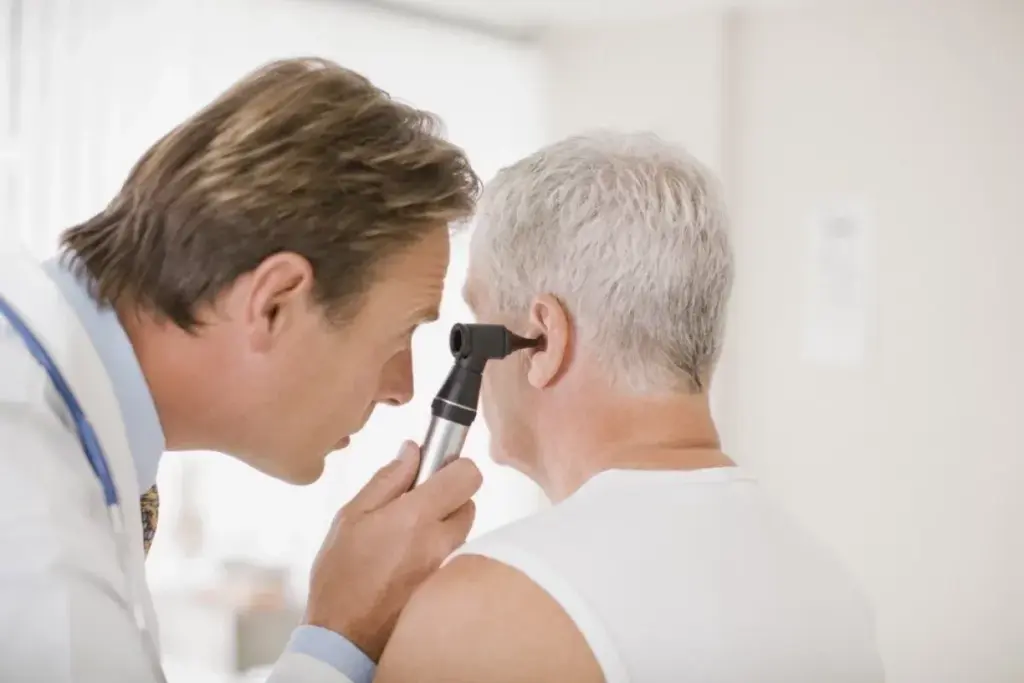
Otorhinolaryngology, or ENT, is a key part of medicine. It focuses on the ear, nose, and throat. This field deals with many issues, like hearing loss and nasal problems.
What ENT Stands For in Medical Practice
ENT stands for Ear, Nose, and Throat. It’s a special area of medicine. It covers both medical and surgical treatments.
The Comprehensives Scope of Otorhinolaryngology
Otorhinolaryngology covers many conditions. These include hearing loss and nasal blockages. It requires a deep understanding of the head and neck. ENT doctors can handle everything from simple colds to serious cancers.
Statistics on ENT Conditions in the United States
In the United States, about 80% of ENT cases start with common symptoms. These include hearing loss and sore throats.
“The high prevalence of ENT conditions highlights the importance of this medical specialty in maintaining public health.”
ENT-related visits to doctors are common. This shows the need for specialized care in this area.
Understanding ENT medicine helps us see its vital role in healthcare. ENT specialists are key in treating many health issues. They provide essential care for hearing, sinus, and throat problems.
Common Reasons to Visit an ENT Specialist

ENT specialists deal with many issues, from common colds to complex conditions. People go to them for ear problems, nose and sinus issues, and throat and neck concerns.
Ear-Related Symptoms Requiring Examination
Ear problems like hearing loss, pain, or tinnitus are common reasons to see an ENT specialist. These issues can really affect someone’s life. So, getting checked and treated quickly is very important.
Nose and Sinus Concerns That Prompt ENT Visits
Issues like nasal blockage, sinusitis, and other sinus problems often lead people to see an ENT. Getting the right diagnosis and treatment can really help and prevent bigger problems.
Throat and Neck Issues Requiring Specialist Care
Sore throats, neck lumps, and other throat and neck issues are also reasons to visit an ENT. It’s important to know if these are short-term or long-term problems to manage them well.
Acute vs. Chronic Conditions
It’s key for ENT specialists to tell if a problem is short-term or long-term. Research shows that quick and detailed checks can improve diagnosis by up to 30%. Our specialists can handle both kinds of problems, making sure our patients get the best care.
|
Condition Type |
Examples |
Typical Treatment Approach |
|---|---|---|
|
Acute |
Ear infections, sinusitis |
Antibiotics, pain management |
|
Chronic |
Persistent hearing loss, chronic sinusitis |
Long-term management, possibly surgery |
“Accurate diagnosis is the cornerstone of effective ENT care. By understanding the underlying cause of a patient’s symptoms, we can develop a targeted treatment plan that addresses their specific needs.”
ENT Specialist
Preparing for Your ENT Appointment
Knowing what to expect and how to prepare can make your ENT appointment better. It’s important to bring the right information and documents to make the most of your visit.
Essential Medical Records to Bring
When you see an ENT specialist, bring your important medical records. This includes:
- Previous test results and diagnoses related to your current ENT issue
- A list of your current medications and dosages
- Any relevant medical history, including allergies and previous surgeries
Having these records helps us understand your condition better. This way, we can make the best decisions for your care.
Medication Considerations Before Your Visit
Some medications might need to be changed or stopped before your appointment. It’s a good idea to talk about your medications with us beforehand. This helps avoid any problems.
What to Expect During Your Initial Consultation
At your first visit, you’ll get a thorough check-up and talk about your symptoms and treatment options. We aim to clearly explain your condition and the best treatment for you.
Typical Duration and Process
The first consultation usually takes 30 to 60 minutes. It includes a detailed medical history, a physical exam, and possibly some tests to find out what’s causing your symptoms.
The Complete ENT Medical History
A detailed medical history is key to a good ENT assessment. It’s essential for diagnosing and treating ENT issues well.
The Seven Cardinal Questions in ENT Assessment
Our ENT specialists use seven key questions to find symptoms and disease severity. These questions help us understand the patient’s health fully. Then, we can plan the right treatment.
- What are the primary symptoms?
- How long have the symptoms been present?
- How severe are the symptoms?
- Are there any factors that alleviate or exacerbate the symptoms?
- Have there been any previous treatments or interventions?
- Is there a family history of similar conditions?
- Are there any other relevant medical conditions?
How Detailed Symptom History Improves Diagnosis
A detailed symptom history is key for accurate diagnosis. Knowing the patient’s symptoms and how long they’ve had them helps us find the cause. Then, we can plan a treatment that targets the problem.
Documenting Previous Treatments and Outcomes
Recording past treatments and their results is important. It shows what worked and what didn’t. This helps us create a new treatment plan that meets the patient’s needs.
Family History Considerations
Family history is important in ENT conditions. We look at family history to find genetic factors that might be involved.
|
Information Type |
Importance in ENT Assessment |
|---|---|
|
Symptom History |
Helps identify the primary condition and its severity |
|
Previous Treatments |
Informs the development of a new treatment plan |
|
Family History |
Identifies possible genetic factors |
By looking at these factors, we can create a full ENT medical history. This guides our diagnosis and treatment planning.
Physical Examination Techniques Used by ENT Specialists
ENT specialists use inspection, palpation, and specialized tools to check patients. This method helps us find and treat many ear, nose, and throat problems well.
Systematic Inspection and Palpation Methods
They look closely at the ear, nose, and throat. They also feel these areas to find any problems. This helps us understand the size, shape, and tenderness of different parts.
A study on the National Center for Biotechnology Information shows how important a detailed check-up is for diagnosing ENT issues.
Specialized Equipment in the ENT Examination Room
ENT doctors use special tools like otoscopes and nasendoscopes. An otoscope lets us see inside the ear canal and eardrum. A nasendoscope helps us look at the nasal passages and throat.
These tools are key for making accurate diagnoses and plans for treatment.
The Standard Sequence of a Complete ENT Examination
Every ENT exam follows a set order to check all important areas. This order includes looking at the ears, nose, throat, and neck. We adjust how the patient sits to make sure they’re comfortable and we get accurate results.
Patient Positioning for Different Assessments
How a patient sits is very important during an ENT exam. For example, when checking the ears, the patient’s head is tilted. This helps us see the eardrum better.
When examining the nose, the patient might lean back. This lets us get a better look. By changing how the patient sits, we make sure the exam is thorough and comfortable.
Diagnostic Procedures in a Complete ENT Examination
A complete ENT examination includes several steps to check the ear, nose, throat, and neck. These steps help doctors find and treat many health issues.
Otoscopic Examination of the Ear Canal and Eardrum
An otoscopic examination is key. It lets doctors see inside the ear canal and eardrum. They can spot problems like earwax, infections, or eardrum tears.
Using an otoscope, doctors can see the ear’s inner parts. This makes it easier to find and fix ear problems.
Anterior and Posterior Rhinoscopy Techniques
Rhinoscopy is also vital. It lets doctors look at the nasal cavity’s front and back parts. This helps find blockages or issues like nasal polyps or tumors.
Comprehensive Oropharyngeal Assessment
Checking the mouth, throat, and nearby areas is part of the exam. This helps doctors spot problems like tonsillitis or throat issues. Special tools and methods are used to get a clear view.
Thorough Neck Examination Protocols
Examining the neck is also important. Doctors feel the neck to find any swelling or lumps. This helps catch problems early.
In summary, a full ENT exam includes many steps. These include looking at the ear, nose, throat, and neck. Together, they help doctors understand and treat health issues well.
Advanced ENT Testing and Assessment Methods
ENT specialists use advanced tests to check ear, nose, and throat health. These tests help find and treat complex conditions. They are key for making good treatment plans.
Audiometry and Specialized Hearing Evaluations
Audiometry is a key test for hearing loss. It checks how well you can hear. Other tests, like speech audiometry and tympanometry, give more details about hearing loss.
- Audiometry: Measures the range and sensitivity of hearing.
- Speech Audiometry: Assesses the ability to understand speech.
- Tympanometry: Evaluates the middle ear function.
Nasendoscopy Procedures and Applications
Nasendoscopy lets ENT specialists see inside the nasal passages and sinuses. It’s great for finding issues like chronic sinusitis and nasal polyps.
Nasendoscopy Applications:
- Diagnosing chronic sinusitis.
- Identifying nasal polyps.
- Assessing nasal obstruction causes.
Cranial Nerve Assessment in ENT Practice
Cranial nerve assessment is important in ENT. It helps understand the neurological side of ENT issues. It checks how well cranial nerves related to the ear, nose, and throat work.
When Imaging Studies Become Necessary
Imaging studies like CT scans and MRI are needed when ENT specialists need to see inside the ear, nose, and throat. These studies help diagnose complex conditions and plan surgeries.
Common Imaging Studies:
- CT scans for detailed bony structures.
- MRI for soft tissue evaluation.
The Role of Endoscopy in Modern ENT Practice
In today’s ENT practice, endoscopy is key for checking and treating ear, nose, and throat issues. It gives us a clear view of the ENT anatomy. This helps us make accurate diagnoses and treatments.
Types of Endoscopic Procedures in Otorhinolaryngology
ENT specialists use different endoscopic procedures. These include nasal endoscopy, laryngoscopy, and otoscopy. Each is designed to look at specific parts of the ear, nose, and throat. This helps us find issues like sinusitis, vocal cord problems, and ear infections.
These procedures are vital for diagnosing and treating upper aerodigestive tract issues. With flexible or rigid endoscopes, we can see areas that are hard to reach.
Clinical Scenarios Requiring Endoscopic Evaluation
Endoscopy is often needed for symptoms like chronic sinusitis, nasal blockage, or throat pain. It’s also recommended for suspected tumors or abnormalities in the ENT area.
Scenarios needing endoscopy include long-lasting ear infections, hearing loss, and trouble swallowing. By directly examining the area, we can find the cause of symptoms and plan the right treatment.
What Patients Experience During ENT Endoscopy
During an ENT endoscopy, patients might feel some discomfort. But the procedure is usually okay. We use local anesthesia to lessen discomfort, and it’s often done on an outpatient basis.
Patients can usually go back to their normal activities soon after. We give them detailed care instructions to help with recovery.
Recovery and Post-Procedure Care
After the procedure, patients might feel a sore throat or nasal congestion. These symptoms are usually short-lived and go away by themselves.
We tell patients to avoid hard activities and follow a certain diet. This helps prevent complications and speeds up recovery.
Evidence-Based Protocols Improving ENT Diagnostic Accuracy
Using evidence-based protocols in ENT exams has changed the game. It has led to better care for patients. At Liv Hospital, we aim for the best care by using the latest research methods.
Research-Backed Examination Methods and Their Outcomes
Research shows that systematic ENT exams improve accuracy. These methods help us avoid mistakes. This means patients get the right treatment.
Statistical Improvements in Diagnostic Precision
Structured exams have boosted accuracy by up to 30%. This is vital in ENT care. Precise diagnosis is essential for effective treatment.
Liv Hospital’s Implementation of Academic Care Protocols
At Liv Hospital, we use academic care protocols in ENT. This ensures our patients get the latest in care. Our care is a team effort, with many specialists working together.
Multidisciplinary Approach to ENT Care
Our team creates personalized care plans. This ensures each patient gets the best care. Our teamwork is key to top-notch healthcare.
Conclusion: The Value of Comprehensive ENT Examinations
Comprehensive ENT examinations are key for accurate diagnosis and effective treatment. At Liv Hospital, we focus on thorough ENT care. We use advanced diagnostic techniques and team up with experts to get the best results for our patients.
A detailed medical history and physical exam are part of a complete ENT check-up. Sometimes, we also do tests like audiometry and nasendoscopy. Our goal is to offer top-notch healthcare, meeting the needs of patients from around the world.
Choosing Liv Hospital means you get our team’s expertise and modern facilities. We aim to provide personalized, caring, and effective treatment plans. Each plan is made just for you, based on your unique condition.
FAQ
What is an ENT doctor?
An ENT doctor, also known as an otorhinolaryngologist, is a medical specialist. They deal with the diagnosis and treatment of disorders related to the ear, nose, and throat.
What does ENT stand for?
ENT stands for Ear, Nose, and Throat.
What is otorhinolaryngology?
Otorhinolaryngology is the medical specialty that deals with the diagnosis and treatment of disorders related to the ear, nose, and throat.
What are common reasons to visit an ENT specialist?
Patients visit ENT specialists for various reasons. This includes ear-related symptoms like hearing loss or ear pain. It also includes nose and sinus concerns such as nasal obstruction or sinusitis. Throat and neck issues like sore throat or neck masses are also common reasons.
How should I prepare for my ENT appointment?
To make the most of your ENT appointment, it’s essential to come prepared. Bring your medical records and a list of your medications.
What can I expect during my initial ENT consultation?
During your initial consultation, you can expect a thorough examination. You will also discuss your symptoms and treatment options.
What is involved in a complete ENT examination?
A complete ENT examination involves a thorough medical history and physical examination techniques. It also includes diagnostic procedures to assess the ear, nose, throat, and neck.
What diagnostic procedures are used in ENT examinations?
Diagnostic procedures used in ENT examinations include otoscopic examination and rhinoscopy techniques. They also include a complete oropharyngeal assessment and a thorough neck examination.
What is endoscopy, and how is it used in ENT practice?
Endoscopy is a medical procedure that allows for detailed examination and treatment of various ENT conditions. Different types of endoscopic procedures are used, depending on the clinical scenario.
How do ENT specialists assess hearing loss?
ENT specialists use audiometry and specialized hearing evaluations to assess hearing loss.
What is nasendoscopy, and when is it used?
Nasendoscopy is a procedure that provides a detailed view of the nasal passages and sinuses. It is used to diagnose and treat various nasal and sinus conditions.
How do evidence-based protocols improve ENT diagnostic accuracy?
Evidence-based protocols improve diagnostic accuracy by implementing research-backed examination methods. These methods have been shown to enhance diagnostic precision significantly.
Reference
National Center for Biotechnology Information. Evidence-Based Medical Insight. Retrieved from https://www.ncbi.nlm.nih.gov/books/NBK556014/[5