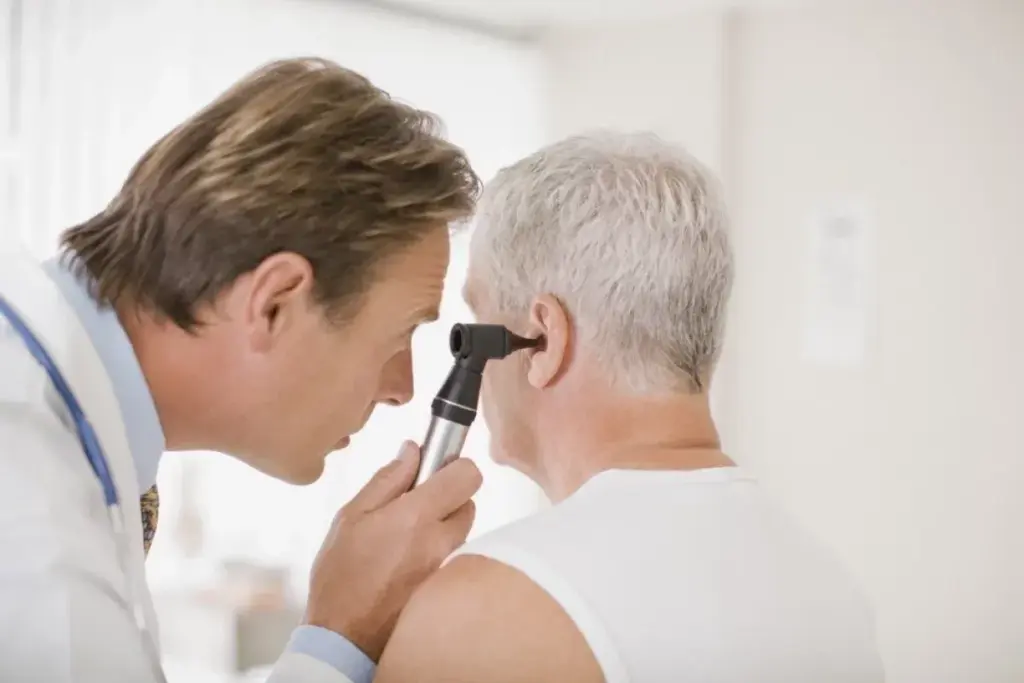
Fearing pain during an ear, nose, and throat exam is common. Yet, most procedures are well-tolerated. Routine checks are quick and cause minimal discomfort.
At livhospital.com, we focus on your comfort. We use modern techniques to reduce discomfort. Knowing what to expect can make you feel more confident about your appointment.
An ear, nose, and throat specialist, or ENT doctor, is trained to diagnose and treat conditions. So, what does ENT stand for? It stands for the medical specialty that deals with ear, nose, and throat disorders. This knowledge can help ease your pain concerns.
Key Takeaways
- Most ENT exams are routine and not painful.
- Modern techniques and patient-centered care prioritize comfort and safety.
- Understanding the facts can ease your mind before your next visit.
- ENT stands for ear, nose, and throat specialist.
- Routine checks are typically quick and cause minimal discomfort.
What Does ENT Stand For? Understanding Otorhinolaryngology

Otorhinolaryngology, or ENT, is a branch of medicine that deals with the ear, nose, and throat. It’s key for diagnosing and treating many conditions in these areas.
Definition and Scope of ENT Medicine
ENT medicine covers diagnosing, treating, and managing ear, nose, and throat disorders. ENT specialists, or otorhinolaryngologists, handle simple issues like earwax buildup and complex problems like throat cancers. Knowing what ENT medicine does helps patients see the full care these specialists offer.
The Role of an ENT Specialist in Healthcare
ENT specialists are vital in healthcare, focusing on hearing, balance, and other critical functions. At an ENT appointment or ENT appt, patients get a detailed check-up and a treatment plan tailored just for them. An ENT doctor’s expertise is key for solving complex issues that affect daily life.
Common Conditions Treated by ENT Doctors
ENT doctors deal with many issues, like ear infections, hearing loss, sinusitis, and tonsillitis. Knowing the ENT doctor meaning shows their role in managing both short-term and long-term conditions of the ear, nose, and throat. Getting care from an ENT specialist can lead to better health and effective treatment.
The Truth About Pain During ENT Exams

How people feel pain during ENT exams can vary a lot. Some might feel a bit uncomfortable, while others might not feel anything. Knowing what affects pain during these exams helps manage expectations and reduce anxiety.
Research on Patient Experiences and Pain Perception
Studies show that people’s experiences during ENT exams can be very different. Psychological factors like anxiety and stress greatly affect how pain is felt. For example, someone who is very anxious might feel more pain than someone who is calm. ENT doctors work hard to make the exam as comfortable as possible.
Good communication between the patient and the ENT doctor is key. By understanding a patient’s worries, doctors can make the experience less stressful and painful.
Factors That Influence Discomfort Levels
Many things can affect how much discomfort someone feels during an ENT exam. These include the type of procedure, the patient’s health, and their pain tolerance. For example, someone with nasal polyps might feel more pain during a nasal exam. Knowing this helps doctors tailor the exam to the patient’s needs.
Comparing ENT Exams to Other Medical Procedures
ENT exams are often found to be quite comfortable compared to other medical procedures. They are usually quick and non-invasive. For example, an ear exam is often less painful than a procedure like a colonoscopy. Knowing this helps patients prepare for what to expect during an ENT exam.
Types of ENT Examinations and Their Comfort Levels
ENT specialists use many ways to check your ears, nose, and throat. Each method has its own comfort level. Knowing this can help you feel less nervous about your visit.
Routine Ear Examinations
Checking your ears is key in ENT care. They use otoscopy and tympanometry to see how your ears are doing.
Otoscopy and Tympanometry
Otoscopy lets doctors look into your ear canal and eardrum. Tympanometry checks how well your eardrum moves. These tests are usually quick and don’t hurt much.
Patient Comfort During Ear Exams
Most people find ear exams pretty comfortable. Some might feel a bit of pressure during tympanometry.
Nasal and Sinus Examinations
Checking your nose and sinuses is important for finding problems. It helps doctors diagnose issues in these areas.
Anterior Rhinoscopy and Nasal Endoscopy
Anterior rhinoscopy is a basic check of your nasal passages. Nasal endoscopy uses a scope to look deeper into your nose and sinuses. It might be a bit uncomfortable, mainly if your nose is stuffy.
Managing Discomfort During Nasal Exams
To make nasal exams less uncomfortable, doctors might use numbing sprays or decongestants before starting.
Throat Examinations
Throat exams help find problems in your throat. They check your mouth, pharynx, and larynx.
Oral Cavity and Pharyngeal Inspection
Doctors usually use a tongue depressor and light to look at your throat. This is usually okay for most people.
Laryngoscopy Comfort Considerations
Laryngoscopy looks at your larynx and might be more uncomfortable. But, using local anesthesia can make it less painful.
Specialized ENT Diagnostic Procedures
Some ENT tests are more detailed and might use special tools or techniques. These include ENT operations or tests on the ENT nose. They’re designed for your specific needs and are done with your comfort in mind.
What to Expect During a Standard ENT Appointment
A standard ENT appointment includes several key steps. These steps are designed to ensure a thorough examination and diagnosis. Knowing what to expect can help reduce anxiety, making the experience more comfortable for our patients.
Initial Consultation Process
When you arrive, the initial consultation process starts. You’ll discuss your symptoms and medical history. This helps your ENT doctor understand your condition better.
During this time, your ENT doctor will ask about the duration and severity of your symptoms. They’ll also ask about any previous treatments and your overall health. This information is vital for tailoring the examination to your specific needs.
Physical Examination Techniques
The physical examination is a critical part of your ENT appointment. Our specialists use state-of-the-art equipment for a thorough examination of your ears, nose, and throat. Techniques include otoscopy for ear examinations, nasal endoscopy for nasal and sinus assessments, and laryngoscopy for throat evaluations.
These advanced diagnostic tools allow us to closely examine the areas of concern. This enables an accurate diagnosis. The choice of technique depends on your specific symptoms and the findings from your initial consultation.
Duration and Intensity of Typical Examinations
Most ENT examinations are quick, lasting between 15 to 30 minutes. The intensity can vary, but we strive to make the experience as comfortable as possible. We take every precaution to minimize any discomfort.
Post-Examination Discussions and Follow-Up
After the examination, we discuss our findings with you. We explain the diagnosis and outline a treatment plan. This may include medication, further testing, or surgical intervention. We address any questions you may have, ensuring you’re fully informed about your care.
To illustrate the process and outcomes, let’s consider a comparison of different ENT procedures and their typical follow-up requirements:
|
Procedure |
Typical Duration |
Follow-Up |
|---|---|---|
|
Ear Examination |
15 minutes |
Review in 2 weeks |
|
Nasal Endoscopy |
30 minutes |
Follow-up in 1 month |
|
Laryngoscopy |
20 minutes |
Discussion of treatment plan |
By understanding the steps involved in a standard ENT appointment, you can better prepare yourself. This reduces anxiety and makes the most of your time with your ENT specialist.
Modern ENT Examination Techniques and Pain Management
Modern ENT practice has changed a lot. It now uses the latest technology and focuses on the patient. This change is thanks to new medical tools and understanding what patients need.
Technological Advancements in ENT Tools
The ENT field has made big steps forward. These steps have made exams more accurate and comfortable for patients. Some key changes include:
Digital Imaging and Visualization Systems
Digital imaging gives clear pictures. This helps ENT doctors find problems more easily. It lets them see the ear, nose, and throat in detail.
Minimally Invasive Diagnostic Equipment
New tools are less invasive. This makes exams less painful for patients. These tools are designed to be gentle and quick.
Patient-Centered Approaches to Minimize Discomfort
ENT doctors now focus more on the patient. They use many ways to make exams less uncomfortable. Some of these ways are:
Topical Anesthetics and Numbing Agents
Topical anesthetics and numbing agents reduce pain. They are applied directly to the area. This makes the exam more comfortable.
Distraction Techniques and Patient Positioning
Doctors use distraction to calm patients. They might explain what they’re doing or use a calm environment. The right position also helps reduce discomfort.
Comparing Traditional vs. Contemporary ENT Methods
Old methods are being replaced by new ones. These new methods focus on being accurate and caring for the patient. This is a big step forward in ENT care.
As we keep improving in ENT, technology and caring for the patient will stay key. This ensures patients get the best care during their ENT appointment.
Preparing for Your ENT Exam to Minimize Discomfort
Patients can greatly reduce discomfort and anxiety by being prepared for an ENT exam. Knowing what to expect and being ready can change how you feel during the exam.
Before your appointment: practical tips
Being prepared before your ENT appointment is key. Arriving 15-20 minutes early lets you fill out paperwork and get comfortable. Wear loose, comfy clothes to make the exam easier. Also, bring any medical records and a list of your current medications.
- Bring a friend or family member for support
- Write down your symptoms and questions
- Avoid eating a heavy meal before the appointment
Communication strategies with your ENT specialist
Talking openly with your ENT specialist is important for a comfortable exam. Share your medical history, including allergies and past surgeries. Explain your symptoms and worries clearly. This helps your specialist tailor the exam to you. Don’t be shy about asking questions or sharing any discomfort.
Managing anxiety about possible pain
It’s normal to worry about pain during an ENT exam. But, there are ways to handle this anxiety.
Relaxation techniques
Try deep breathing, progressive muscle relaxation, and visualization to calm down. Practicing these before your appointment can make them more effective during the exam.
When to consider medication for anxiety
If you’re really anxious, talk to your ENT specialist or doctor about medication. They can suggest the best option and make sure it won’t affect the exam or your safety.
Special Considerations for Different ENT Procedures
ENT procedures cover a wide range of exams, each with its own needs. It’s key to know how to make patients comfortable during these tests. We’ll look at the different procedures and how to manage any discomfort.
Endoscopic Examinations
Endoscopic exams use a flexible or rigid endoscope to see inside the ear, nose, and throat. They help find and diagnose many ENT issues.
Flexible vs. Rigid Endoscopy Comfort Levels
Flexible endoscopy is often more comfortable. It moves easily through the nasal passages and throat, making it less uncomfortable. Rigid endoscopy, though sometimes needed, can be more uncomfortable because it’s stiffer.
Patient Experiences with Endoscopic Procedures
Patients usually find the endoscope insertion the most uncomfortable part. But, using topical anesthetics and the skill of the ENT specialist can greatly reduce this discomfort.
Hearing Tests and Audiological Evaluations
Hearing tests are non-invasive ways to check how well someone can hear. They’re important for finding hearing problems and planning treatment.
Non-invasive Hearing Assessments
Tests like pure-tone audiometry are common and painless. They involve listening to sounds through headphones. This test helps find out a person’s hearing levels.
Tympanometry and Other Pressure Tests
Tympanometry changes air pressure in the ear canal to test the eardrum and bones. It’s not painful but might feel like pressure.
Biopsy Procedures and Tissue Sampling
Biopsy procedures take tissue samples from the ear, nose, or throat for tests. This is often needed to diagnose conditions like cancer.
Pain Management During Biopsies
Local anesthesia is used to reduce discomfort during biopsies. The type and amount of anesthesia depend on the biopsy’s location and size.
Recovery and Post-procedure Discomfort
After a biopsy, some discomfort or soreness might occur. This can usually be managed with over-the-counter pain relievers. We give detailed care instructions to help reduce any discomfort.
|
ENT Procedure |
Typical Discomfort Level |
Pain Management Measures |
|---|---|---|
|
Endoscopic Examination |
Mild to Moderate |
Topical Anesthetics |
|
Hearing Tests |
None to Minimal |
None Required |
|
Biopsy Procedures |
Variable |
Local Anesthesia |
When ENT Operations May Cause Discomfort and How It’s Managed
ENT operations are key in treating ear, nose, and throat issues. But, they can sometimes cause discomfort after. We’ll look at common surgeries, pain management, and recovery times. It’s important to know that while discomfort is possible, it’s managed well through medical practices.
Common ENT Surgical Procedures
ENT specialists do many surgeries to treat different problems. Here are some common ones:
Tonsillectomy and Adenoidectomy
Tonsillectomy removes the tonsils, and adenoidectomy removes the adenoids. These are often done together to treat infections or sleep issues.
Sinus Surgeries and Septoplasty
Sinus surgeries help with drainage and reduce inflammation. Septoplasty fixes a deviated nasal septum. These can improve breathing and reduce sinus infections.
Ear Tube Placement and Other Ear Surgeries
Ear tube placement helps with ear infections by allowing drainage. Other surgeries include tympanoplasty to fix the eardrum or mastoidectomy to remove infected bone cells.
Pain Management Protocols for ENT Operations
Managing pain well is key for comfort and recovery. We use many ways to reduce discomfort:
Pre-operative Medications
Some medications before surgery can help lower anxiety and pain after.
Intra-operative Anesthesia Options
The type of anesthesia, local or general, depends on the procedure and patient. It ensures they stay comfortable during surgery.
Post-operative Pain Control Strategies
After surgery, pain is managed with medications and other methods. This includes rest, staying hydrated, and adjusting diet.
Recovery Timelines and Pain Expectations
Knowing the recovery and pain expectations can help reduce anxiety. Most patients can handle their pain with the right medication. Recovery times vary but usually last from a few days to weeks.
|
Procedure |
Typical Recovery Time |
Expected Discomfort Level |
|---|---|---|
|
Tonsillectomy |
7-10 days |
Moderate |
|
Sinus Surgery |
1-2 weeks |
Mild to Moderate |
|
Ear Tube Placement |
1-2 days |
Mild |
Understanding the chance of discomfort and how it’s managed helps patients prepare for their surgery. Our team is dedicated to providing full care and support during this time.
Conclusion: Making Your ENT Experience as Comfortable as Possible
Knowing what to expect during an ENT exam can help you feel less anxious and uncomfortable. An ENT doctor, or otorhinolaryngologist, deals with ear, nose, and throat issues. Being informed and talking well with your doctor can make your visit more comfortable.
Today’s ENT exams and pain relief methods are designed to reduce discomfort. At livhospital.com, we aim to offer top-notch care that focuses on your comfort and safety. Our ENT team uses the newest medical tech and patient-focused methods to ensure a good experience.
Understanding what an ENT doctor does can make your visit easier. We work hard to make your ENT experience as comfortable as it can be. This includes from the first meeting to after your exam and follow-up care.
FAQ
What is an ENT doctor?
An ENT doctor, or otorhinolaryngologist, is a specialist. They treat ear, nose, and throat issues.
What does ENT stand for?
ENT stands for Ear, Nose, and Throat. These are the main areas ENT doctors focus on.
Is an ENT exam painful?
Most ENT exams are not painful. But, some might feel uncomfortable, depending on the procedure and your health.
What can I expect during a standard ENT appointment?
At a standard ENT appointment, you’ll have a consultation and physical exam. You might also have some tests. The details depend on your condition.
How can I minimize discomfort during an ENT exam?
To feel less discomfort, talk to your ENT doctor about your worries. Follow any instructions and use relaxation techniques.
What are some common ENT procedures, and are they painful?
Common procedures include endoscopic exams and hearing tests. Some might be a bit uncomfortable, but doctors aim to make you comfortable.
How is pain managed during and after ENT surgery?
Doctors use various methods to manage pain during and after surgery. This includes medication and other strategies based on your needs.
What is otorhinolaryngology?
Otorhinolaryngology is the study of ear, nose, and throat health. It involves diagnosing and treating related disorders.
Are there any tips for preparing for an ENT exam?
Yes, arrive early and be ready to talk about your health history. Also, ask questions about the exam.
Can anxiety affect my ENT exam experience?
Yes, anxiety can make your experience worse. Talk to your doctor about your worries and use relaxation methods.
What advancements have been made in ENT examination techniques?
ENT exams have improved a lot. Now, we use advanced tools and focus on making patients comfortable.
How long does it take to recover from ENT surgery?
Recovery times vary by surgery type. Your doctor will guide you on what to expect during recovery.
Reference
National Center for Biotechnology Information. Evidence-Based Medical Insight. Retrieved from https://pubmed.ncbi.nlm.nih.gov/30885070/