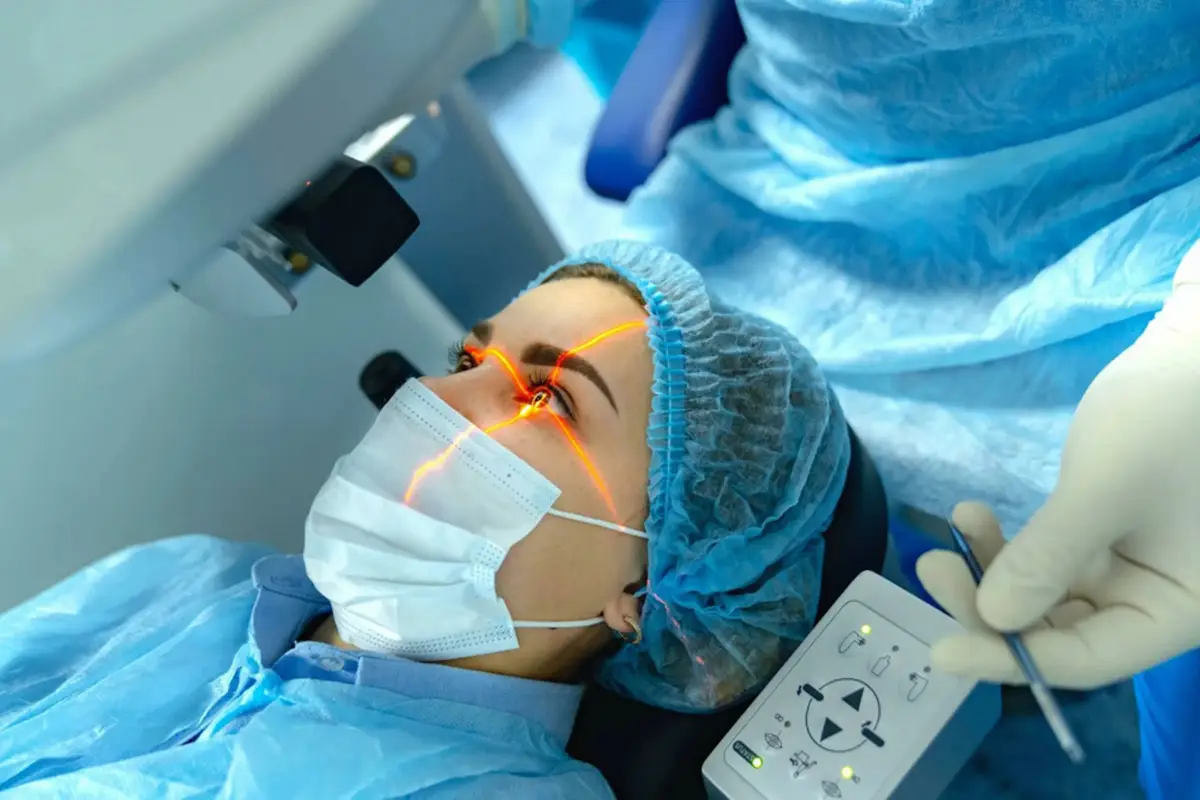
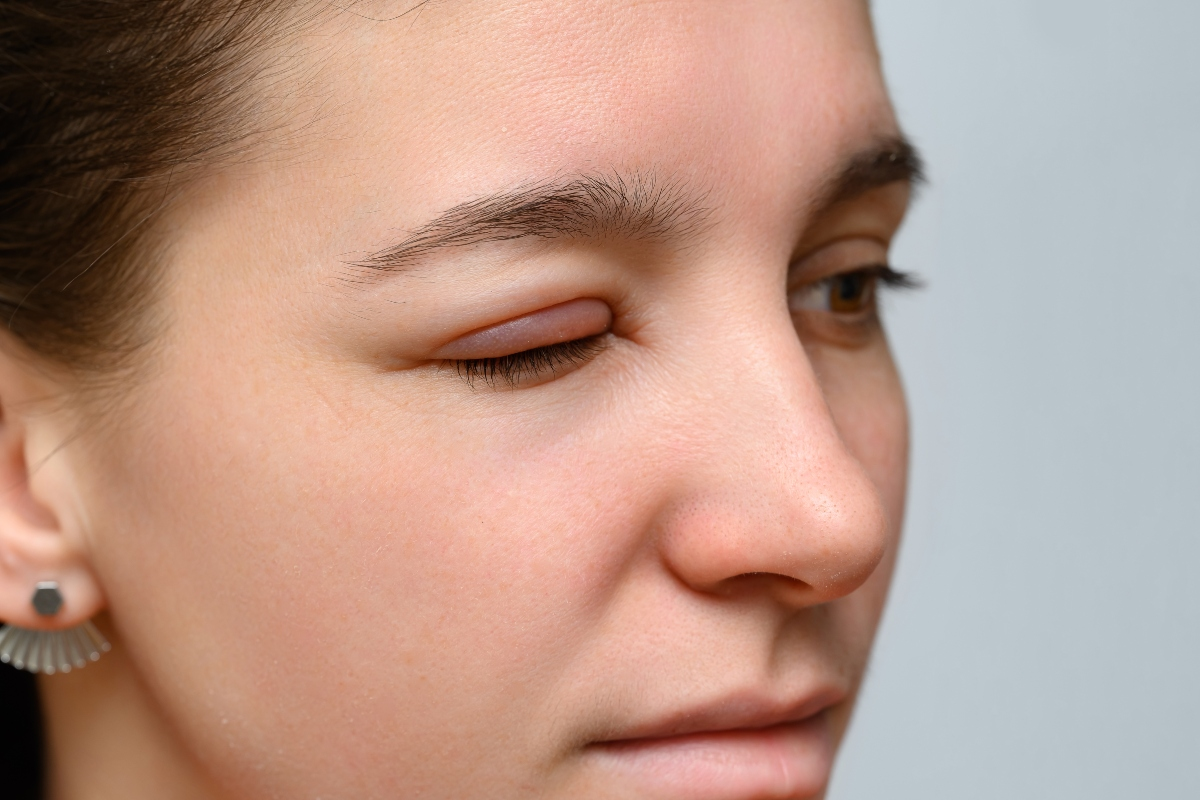
Epiretinal peel surgery is a vitrectomy procedure that removes tissue from the inner retina. It treats epiretinal membranes (ERMs) that cause vision problems and lower visual clarity.Considering an epiretinal peel? This ultimate surgery guide explains how to prepare, the procedure, and recovery.
Before this surgery, it’s important to know what it treats and how it works. At Liv Hospital, we offer top-notch vitreoretinal surgery. We’ll help you understand what you need to do before epiretinal membrane peeling.
Key Takeaways
- Understanding epiretinal membranes and their impact on vision
- The role of vitrectomy membrane peel in treating ERMs
- Preparation steps for a successful retinal peel surgery
- The importance of world-class vitreoretinal surgical expertise
- What to expect during the recovery process
Understanding Epiretinal Membrane Conditions

The epiretinal membrane is a thin layer on the retina’s surface. It can affect your vision. This condition, also known as ERM, forms when fibrous tissue grows on the retina. It can cause vision problems.
Knowing about ERM, how common it is, and its risk factors is key. This is important for those thinking about epiretinal peel surgery.
What Is an Epiretinal Membrane?
An epiretinal membrane is a thin layer of fibrous tissue on the retina. It can cause visual distortions and affect vision quality. It often happens with age, but can also be caused by retinal detachment or eye inflammation.
Having an epiretinal membrane can lead to symptoms like:
- Blurred vision
- Distorted vision (metamorphopsia)
- Difficulty with reading or performing daily tasks
Prevalence and Age-Related Risk Factors
Research shows that ERMs occur in about 5.3 to 18.5 percent of people. The risk grows with age. ERMs are more common in older adults, affecting up to 20 percent of those aged 75 and older.
Knowing these facts helps patients and doctors spot ERM early. It also helps them choose the right treatment.
The risk factors for ERM include:
- Advanced age
- Previous retinal detachment surgery
- Diabetes
- Ocular inflammation
By understanding these risks and how common ERM is, patients can prepare for surgery. They can also know what to expect from the treatment.
Recognizing Symptoms That Require Epiretinal Peel

Visual symptoms linked to epiretinal membrane often signal the need for surgery. These symptoms can make everyday tasks hard, so it’s important to spot them early.
Visual Distortions and Metamorphopsia
Metamorphopsia is a key symptom of epiretinal membrane. It makes straight lines look curved or distorted. This can make it hard to read or drive.
Visual distortions can get worse if not treated. Spotting these symptoms early can help plan treatment and improve results.
The Four Stages of Epiretinal Membrane Development
Epiretinal membrane goes through four stages, each showing a worsening of the condition.
Stage | Description |
Stage 1 | Presence of epiretinal membrane without significant retinal distortion |
Stage 2 | Retinal distortion without significant visual symptoms |
Stage 3 | Significant retinal distortion with visual symptoms |
Stage 4 | Severe retinal distortion with significant visual impairment |
Knowing these stages helps both patients and doctors. It helps them understand how severe the condition is and decide if surgery is needed.
The Diagnostic Process for ERM
To find out if you have ERM, we use a detailed process. It includes eye exams and special imaging. These tools help us see how serious the condition is and what treatment you need.
Comprehensive Eye Examinations
First, we do a full eye check. This check-up includes:
- Visual acuity tests to measure your vision sharpness
- Refraction tests to find the right lens for you
- Dilated fundus examination to look at the retina and macula
These tests help us see how ERM affects your vision and eye health.
Advanced Imaging Techniques
For diagnosing ERM, we use special imaging. The main tool is Optical Coherence Tomography (OCT).
OCT helps us:
- See the retinal layers and spot any issues
- Measure the retina and ERM thickness
- Check how bad ERM is and its effect on the retina
Here’s a look at how we diagnose ERM:
Diagnostic Technique | Description | Benefits |
Visual Acuity Test | Measures the sharpness of vision | Shows how ERM affects your vision |
OCT | Provides detailed images of retinal layers | Accurately diagnoses ERM and its severity |
Dilated Fundus Examination | Inspects the retina and macula | Helps spot ERM and other eye issues |
By using eye exams and OCT, we can find ERM and plan the best treatment for you.
Finding the Right Retinal Specialist
Finding a skilled vitreoretinal surgeon is key for ERM surgery. Your retinal specialist plays a big role in your treatment’s success. They must be very knowledgeable about ERM.
Qualifications and Experience to Look For
When looking for a vitreoretinal surgeon, check their qualifications and ERM experience. Make sure they are board-certified and have a lot of experience in vitreoretinal surgery. Ask how many ERM surgeries they’ve done.
Medical Expert. His success shows why choosing an experienced surgeon is important.
Important Questions to Ask Your Surgeon
Before you decide, ask your surgeon important questions. Ask about their ERM treatment approach, the techniques they use, and what to expect during and after surgery. Here are some questions to ask:
- What experience do you have with ERM surgeries?
- What are the possible risks and complications of the procedure?
- How will you take care of me after surgery?
- What are the expected results, and how will we track your progress?
By asking these questions, you can understand your surgeon’s qualifications and experience. This helps you make a confident choice for your retinal specialist.
Insurance Coverage and Cost Considerations
Insurance and cost are key when planning for ERM surgery. Knowing the financial side helps patients make smart choices about their care.
Navigating Insurance Approval
Getting insurance approval can be tricky. Start by calling your insurance to see what they cover for epiretinal peel surgery. Make sure to ask about any special steps, like pre-approval or needing a letter from your eye doctor.
Key steps to follow:
- Check if your insurance covers ERM surgery
- Get pre-approval if needed
- Know any costs you’ll have to pay yourself
Typical Costs for Epiretinal Peel Surgery
The price of ERM surgery changes based on a few things. These include where the surgery is done, the surgeon’s fees, and how complex the surgery is. Usually, the cost for a vitrectomy with membrane peeling is between $5,000 and $10,000 per eye.
Factors influencing the cost:
- The surgeon’s fees and experience
- The cost of the facility and its location
- Costs for anesthesia and other services
Talking about costs with your surgeon’s office is important. They can explain what the price includes. Some places might offer payment plans or deals to help with the cost.
Understanding insurance and costs for ERM surgery helps patients prepare financially. We suggest asking questions and getting clear on any cost concerns.
Medical Preparations Before Your Epiretinal Peel Surgery
To have a smooth and successful Epiretinal Peel Surgery, getting ready medically is key. Your healthcare provider will guide you through several important steps.
Required Pre-Operative Testing
Before your surgery, you’ll do pre-operative testing to make sure you’re safe. These tests might include blood work and other checks to see how you’re doing. It’s important to do what your doctor says about these tests to avoid any last-minute problems.
Our team will tell you what tests you need and where to get them done. Usually, these tests happen a few days before your surgery.
Medication Adjustments and Restrictions
Some medications might need to be changed or stopped before your surgery. This is to avoid any problems during or after the surgery. Tell your doctor about all the medications you’re taking, including any over-the-counter drugs or supplements.
Your healthcare provider will tell you which medications to keep taking, stop, or change. It’s very important to follow these instructions to reduce risks.
Fasting and Dietary Guidelines
Fasting guidelines are a big part of getting ready for Epiretinal Peel Surgery. You’ll be told when to stop eating and drinking before the surgery. Usually, patients need to fast for a few hours before to avoid problems with anesthesia.
Also, eating healthy before your surgery can help you recover better. Our team will give you dietary guidelines to follow before and after your surgery.
By following these medical preparations carefully, you can help make your Epiretinal Peel Surgery a success and have a smooth recovery.
Practical Preparations for Surgery Day
Getting ready for epiretinal peel surgery is more than just medical prep. It also means taking practical steps for a smooth surgery day. At Focus Eye Clinic, we aim to make your experience as comfortable and luxurious as possible.
What to Bring to the Surgical Center
On surgery day, bring important items to the center. These include:
- A valid government-issued ID
- Insurance cards and relevant medical documents
- A list of your current medications
- Comfortable clothing and any personal items that may make you feel more at ease
Transportation and Caregiver Arrangements
Getting to and from the center without driving is key. It’s best to have a family member or friend with you for support.
Having someone to care for you in the first 24 hours is very helpful. They can remind you to take your meds, cook meals, and help with daily tasks.
Setting Up Your Home for Recovery
Before surgery, prepare your home for a smooth recovery. This includes:
Task | Description |
Stocking up on supplies | Make sure you have groceries, water, and any needed medications. |
Creating a comfortable recovery area | Prepare a quiet, cozy spot with pillows and blankets for resting. |
Minimizing fall hazards | Clear your home of tripping hazards to avoid accidents during recovery. |
By following these steps, you can make your surgery day more comfortable and stress-free.
The Pars Plana Vitrectomy with Membrane Peel Procedure
The pars plana vitrectomy with membrane peel is a complex surgery for epiretinal membrane issues. It removes the vitreous gel and peels the membrane to improve vision.
Step-by-Step Surgical Process
The surgery is done in several steps:
- Preparation: The eye is cleaned with a sterile drape, and a lid speculum keeps it open.
- Vitrectomy: The vitreous gel is removed through small cuts.
- Membrane Peeling: Special tools are used to carefully remove the epiretinal membrane.
- Internal Inspection: The retina is checked for any remaining problems.
- Closure: The cuts are closed, often with self-sealing methods.
Anesthesia Options and What to Expect
The surgery is usually done under local anesthesia to keep the patient comfortable. Local anesthesia numbs the eye area. Monitored anesthesia care helps the patient relax further.
Here are some important points about anesthesia:
- Your surgeon will discuss the type of anesthesia with you.
- Local anesthesia is often used for this surgery.
- Patients are usually awake but calm during the procedure.
Knowing about the pars plana vitrectomy with membrane peel can ease worries. It helps prepare patients for their surgery.
Recovery Timeline After Epiretinal Peel Surgery
Recovering from epiretinal peel surgery takes time and has different stages. Knowing these stages helps patients prepare and recover smoothly.
First 24-48 Hours Post-Surgery
The first 48 hours are key for recovery. Rest and avoid hard work. It’s best to have someone with you at home for the first night.
You might feel some pain, blurry vision, or light sensitivity. These feelings usually go away in a few days. We give you clear instructions to handle these symptoms.
First Week Recovery Milestones
By the first week, vision starts to get better, though it might be blurry. It’s important to see your retinal specialist for check-ups.
Here’s what you should do during this week:
- Avoid heavy lifting or bending
- Use eye drops to prevent infection and inflammation
- Wear an eye shield at night to protect the eye
Long-Term Visual Improvement Expectations
Visual improvement after surgery varies. Most people see big changes in a few weeks to months.
Being patient and following your surgeon’s care tips is key. These steps help you get the best vision possible.
We’re here to support you all the way. We want you to get the best results from your surgery.
Managing Possible Complications
Epiretinal peel surgery is usually safe, but knowing about possible problems is key. Every surgery has risks, and understanding them helps patients recover better.
Common Side Effects vs. Serious Complications
Patients might feel some common side effects after surgery. These can include mild pain, blurry vision, or light sensitivity. These usually go away in a few days.
But, it’s important to know the difference between these and serious issues. Serious problems, though rare, can be infections, retinal detachment, or high eye pressure. Symptoms like severe pain, sudden vision loss, or flashes of light need quick medical help.
When to Seek Immediate Medical Attention
Knowing when to get help is critical. If you have severe eye pain, sudden vision loss, flashes of light, increased light sensitivity, or signs of infection, call your eye doctor or go to the emergency room.
Being aware of these risks and knowing when to act can greatly improve recovery. We’re here to support our patients, ensuring they get the care they need for the best results.
Conclusion: Success Rates and Quality of Life Improvements
Epiretinal membrane (ERM) surgery greatly improves vision and quality of life for patients. Many studies show that a large number of patients see better and have fewer visual problems after surgery. This surgery, also known as pars plana vitrectomy with membrane peel, is very effective.
Understanding the surgery, preparing well, and following care instructions are key to the best results. The success of ERM surgery comes from better techniques and the skill of retinal specialists.
People who have ERM surgery often feel much better in their daily lives. They have less trouble with their vision. It’s important to listen to a skilled retinal specialist to get the best results from ERM surgery.
FAQ
What is an epiretinal membrane, and how does it affect vision?
An epiretinal membrane is a thin layer on the retina’s surface. It can cause vision problems, like distortions and changes in how things look.
What are the stages of epiretinal membrane development?
Epiretinal membranes go through four stages. These stages help doctors understand how severe the condition is and plan the best treatment.
How is an epiretinal membrane diagnosed?
Doctors use eye exams and special imaging like Optical Coherence Tomography (OCT) to diagnose epiretinal membranes.
What should I look for when finding a retinal specialist for ERM surgery?
Look for a specialist with the right qualifications and experience in ERM surgery. Their approach to treatment is also important for a good outcome.
How do I navigate insurance approval for ERM surgery?
Talk to your insurance provider to understand what’s covered. Discuss costs with your surgeon’s office too.
What are the necessary medical preparations before undergoing ERM surgery?
You’ll need to do some tests and adjust your medications. Follow dietary and fasting guidelines to prepare for surgery.
What are the practical preparations I should make for surgery day?
Pack what you need, arrange for transport, and get your home ready for recovery. This helps make the day smoother.
What is the pars plana vitrectomy with membrane peel procedure?
This is a precise surgery for ERM. It removes the vitreous gel and the membrane on the retina.
What can I expect during the recovery period after ERM surgery?
Recovery times vary, but you’ll see your vision improve. Follow your doctor’s instructions for the best recovery.
What are the possible complications of ERM surgery, and how can they be managed?
Complications can range from minor side effects to serious issues. Knowing the signs and when to seek help is key to safety and success.
What is the success rate of ERM surgery in improving visual acuity and quality of life?
ERM surgery is very successful. Most patients see a big improvement in their vision and quality of life.
How long does it take to recover from vitrectomy and membrane peeling surgery?
Recovery times differ, but most people can get back to normal in a few weeks. Vision will keep getting better over months.
Are there any specific post-operative care instructions I should follow after ERM surgery?
Yes, following your doctor’s post-operative care instructions is vital. It helps ensure a smooth recovery and the best results.
References
National Center for Biotechnology Information. Epiretinal Peel Surgery: Preparation and Treatment of Epiretinal Membranes. Retrieved from https://www.ncbi.nlm.nih.gov/pmc/articles/PMC11952143/