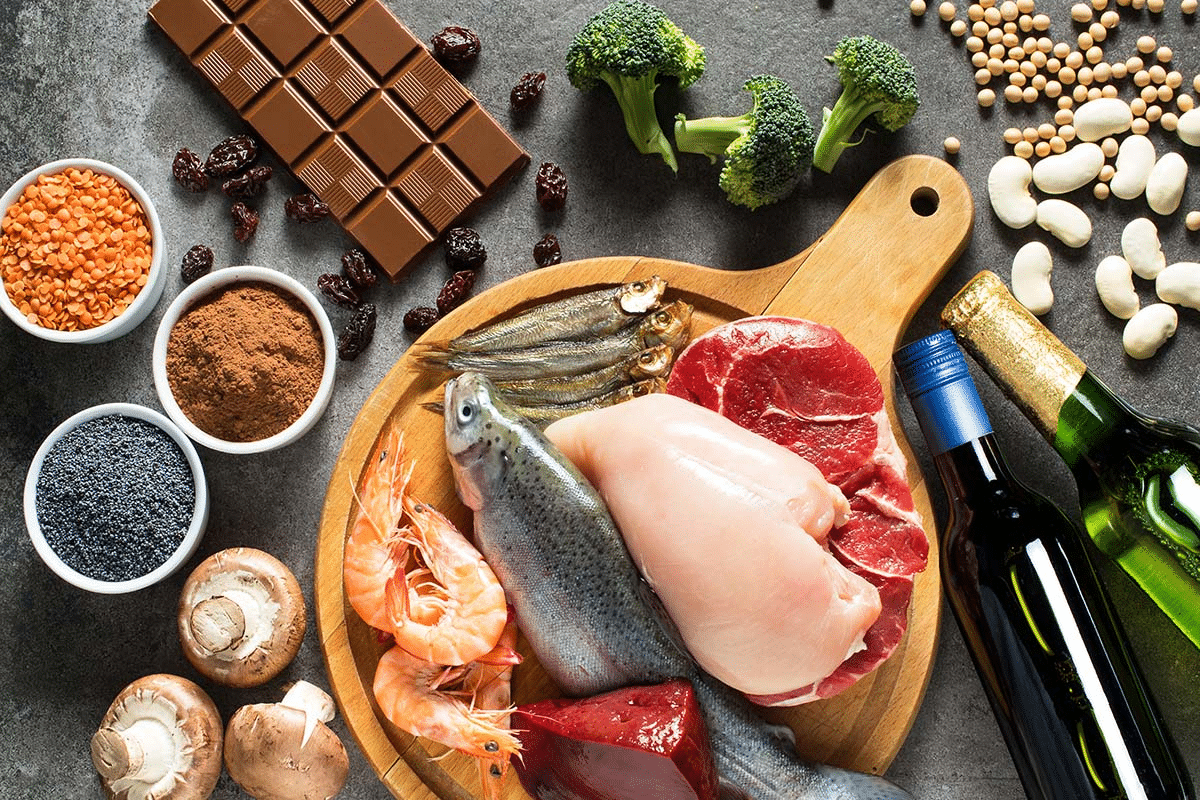
Arthritis affects millions worldwide, and what we eat is key in managing it. At Liv Hospital, we focus on you, using the latest research to help you feel better. Complete guide detailing 12 foods to avoid with arthritis to help reduce inflammation and chronic joint pain quickly.
Managing arthritis is not just about medication; it’s also about making informed food choices. Foods high in saturated fat, omega-6 fats, sugar, and salt can make arthritis worse. It’s important to know which foods to avoid.
Understanding how diet affects arthritis can help you feel better. We’ll look at key foods that can make arthritis worse. We’ll also show you how to change your diet to lessen joint pain and swelling.
Key Takeaways
- Certain foods can make arthritis symptoms worse.
- Dietary choices are very important in managing arthritis.
- Avoiding trigger foods can help reduce joint pain and swelling.
- An evidence-based diet plan can improve your quality of life.
- Patient-centered care is essential for effective arthritis management.
The Connection Between Diet and Arthritis
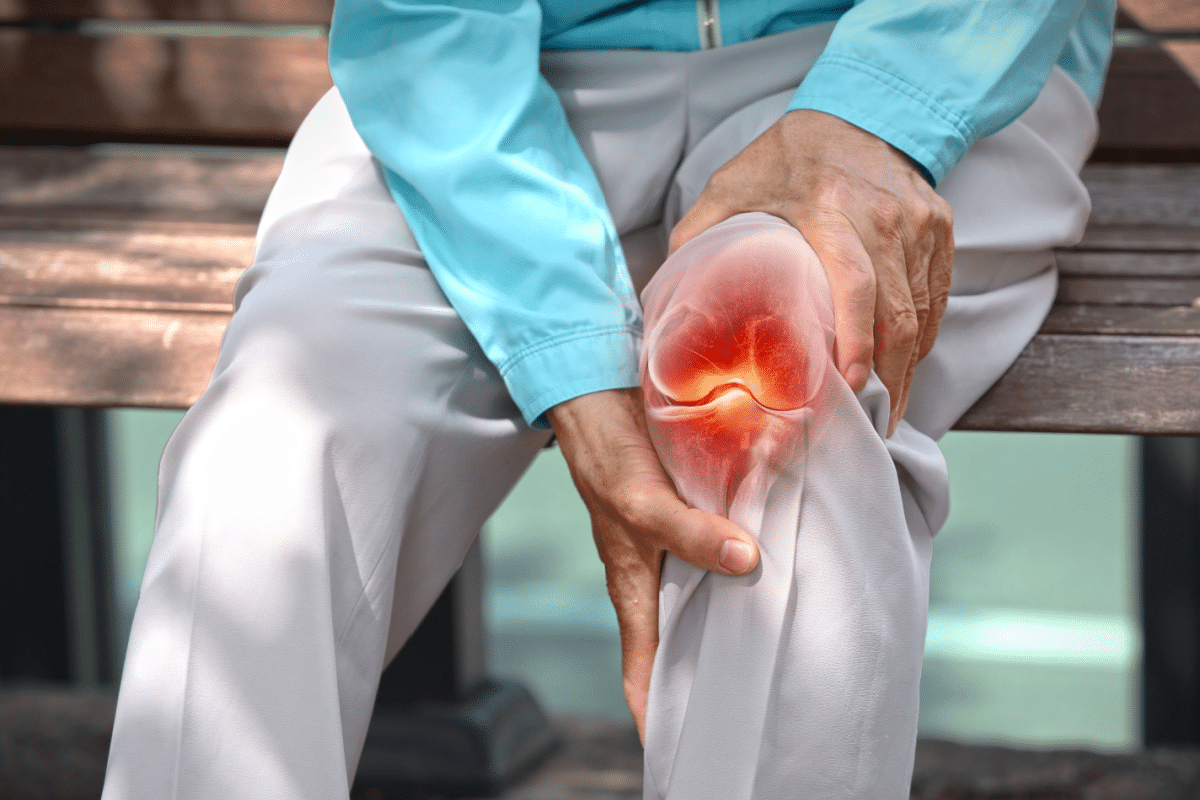
Studies show that what we eat affects inflammation and joint pain in people with arthritis. Our diet plays a big role in managing symptoms. Knowing this helps us manage arthritis better.
Our food choices can make arthritis symptoms better or worse. Some foods can make inflammation and pain worse. We’ll look at how different foods affect arthritis and why some should be avoided.
How Food Choices Impact Inflammation
Inflammation is a big problem for people with arthritis. What we eat can change how much inflammation we have. For example, eating red meat can make inflammation worse, leading to more joint pain.
Some foods make inflammation go up, while others help it go down. Knowing the difference is key to managing arthritis. We’ll talk about foods that cause inflammation and those that help reduce it.
|
Food Group |
Effect on Inflammation |
Impact on Arthritis |
|---|---|---|
|
Red Meat |
Increases inflammation |
May worsen joint swelling and pain |
|
Processed Foods |
Promotes inflammation |
Can exacerbate arthritis symptoms |
|
Fatty Fish |
Reduces inflammation |
May help alleviate arthritis symptoms |
Why Certain Foods Worsen Joint Pain
Some foods can make joint pain worse by causing more inflammation. Foods high in sugar and fats can increase inflammation. But foods full of antioxidants and omega-3s can help reduce it.
Knowing which foods to eat and which to avoid can help manage arthritis. By choosing the right foods, people with arthritis can feel better and live better lives.
12 Foods to Avoid With Arthritis: The Scientific Evidence
Knowing how certain foods affect arthritis is key to managing it well. Studies show that some foods can make arthritis symptoms worse. By looking at the science, we can choose better foods to eat.
How Inflammatory Foods Affect Different Types of Arthritis
Different types of arthritis react differently to food. For example, rheumatoid arthritis, an autoimmune form, gets worse with some foods. Eating red meat can lead to more symptoms and higher inflammation.
Osteoarthritis, the most common type, is also affected by diet and weight. Foods with lots of sugar and saturated fats can increase inflammation. This can make osteoarthritis symptoms worse.
|
Type of Arthritis |
Foods to Avoid |
Reason |
|---|---|---|
|
Rheumatoid Arthritis |
Red Meat |
Higher inflammation levels |
|
Osteoarthritis |
Foods high in sugar and saturated fats |
Contributes to inflammation |
|
Knee Arthritis |
Processed meats and fried foods |
Exacerbates joint pain and inflammation |
Foods That Specificially Impact Knee Arthritis
Knee arthritis affects many people and can be influenced by what we eat. Foods like processed meats and fried foods can make joint pain and inflammation worse. This makes knee arthritis symptoms more severe.
Understanding how certain foods affect knee arthritis helps us make better food choices. This can help manage symptoms more effectively.
Processed and Ultra-Processed Foods
Ultra-processed foods are everywhere in today’s diet and can make arthritis worse. They are full of refined grains, added sugars, unhealthy fats, and artificial additives. Eating too much of these foods can lead to more inflammation, which makes arthritis symptoms worse.
Refined Grains and White Flour Products
Refined grains, like those in white bread and pasta, have lost most of their nutrients. They are left with mostly empty calories. This can cause blood sugar to rise and lead to insulin resistance, both of which increase inflammation. Lowering the amount of refined grains in your diet can help reduce some of the inflammation linked to arthritis.
Packaged Snacks and Fast Food
Packaged snacks and fast food are often loaded with unhealthy fats, salt, and sugar. They can be bad for people with arthritis. These foods also contain AGE products, which can cause inflammation in the body. It’s important to cut down on packaged snacks and fast food to manage arthritis symptoms better.
By paying attention to what we eat and choosing whole, nutrient-rich foods, people with arthritis can improve their condition. This can also enhance their overall quality of life.
Red Meat and High-Fat Protein Sources
Research shows that eating a lot of red meat and processed meats can make arthritis worse. It’s important to know how these foods affect our joints to manage arthritis better.
Is Red Meat Bad for Arthritis? The Research
Studies link red meat consumption to more body inflammation, which worsens arthritis. Red meats have more fat, mainly saturated fat, than white meats and plant proteins.
A study in the Arthritis Care & Research journal found that eating more red meat makes rheumatoid arthritis symptoms worse. This might be because red meat has advanced glycation end (AGE) products that trigger inflammation.
Processed Meats and Deli Products
Processed meats, like deli products and sausages, are high in saturated fats and contain sodium nitrite. These can make inflammation worse and hurt arthritis symptoms.
Here’s a table showing how processed meats might affect arthritis:
|
Processed Meat Type |
Preservatives/AGEs |
Potential Impact on Arthritis |
|---|---|---|
|
Sausages |
High in sodium nitrite and AGEs |
Increased inflammation |
|
Deli Meats |
Contain sodium nitrite |
Potential worsening of symptoms |
|
Bacon |
High in saturated fats and AGEs |
Exacerbated inflammation |
Healthier Protein Alternatives for Arthritis Sufferers
It’s good to cut down or avoid red meat and processed meats. But, there are healthier protein options that can help with arthritis.
Some good choices are:
- Lean poultry like chicken and turkey
- Fish, like salmon, which is rich in omega-3 fatty acids
- Plant-based proteins like beans, lentils, and tofu
- Nuts and seeds, which are full of healthy fats and antioxidants
Adding these protein sources to your diet can help manage arthritis symptoms and improve your life quality.
Dairy Products and Their Impact on Arthritis
The debate about dairy’s role in managing arthritis is ongoing. Dairy can affect arthritis symptoms, depending on its fat and sugar levels.
Some dairy items, like those high in fat, might make inflammation worse. We’ll look at how full-fat dairy and yogurt impact arthritis symptoms.
Full-Fat Dairy and Saturated Fats
Full-fat dairy has saturated fats, which can cause inflammation in fat tissues. This could make arthritis symptoms worse. Studies show that too much saturated fat can increase body inflammation.
Key points to consider:
- Full-fat dairy includes cheese, whole milk, and some yogurts.
- Saturated fats in these products can cause inflammation.
- Lowering saturated fat intake might help with arthritis symptoms.
Is Yogurt Bad for Arthritis? Separating Fact from Fiction
Yogurt, with its probiotics, might have anti-inflammatory effects good for arthritis. But, the type of yogurt and its sugar content matter a lot.
Some yogurts, like those high in sugar or made with full-fat dairy, might not help arthritis. Yet, plain, low-fat yogurt with live cultures could reduce inflammation.
Key considerations for yogurt consumption:
- Choose plain, unflavored yogurt to avoid added sugars.
- Opt for low-fat or non-fat versions to reduce saturated fat intake.
- Ensure the yogurt contains live and active cultures for anti-inflammatory benefits.
Sugar and Artificial Sweeteners
Eating too much sugar can make arthritis symptoms worse. What you eat is key to managing the condition. Sugar affects arthritis in many ways, including causing more inflammation and changing how your body works.
Added Sugars in Processed Foods
Many processed foods, like canned fruits, baked goods, and snacks, have a lot of added sugars. These foods not only add to your sugar intake but also often don’t have the nutrients you need. This makes it harder to manage your diet.
Here are some common sources of added sugars:
- Candy and chocolates
- Baked goods like cakes and pastries
- Sweetened beverages
- Processed snacks
- Condiments like ketchup and barbecue sauce
Desserts and Sweet Treats
Desserts and sweet treats are big contributors to sugar intake. Regularly eating these can cause more inflammation, which can make arthritis symptoms worse. It’s often advised to limit or avoid these foods.
“Reducing sugar intake is a critical step in managing arthritis symptoms. By making informed dietary choices, individuals can better control their condition.”
Sugar Substitutes and Their Effects on Inflammation
Sugar substitutes, or artificial sweeteners, are used instead of sugar. But, their effect on inflammation and arthritis symptoms is not fully understood. Some studies suggest that certain artificial sweeteners might be harmful, while others are seen as safe.
When looking at sugar substitutes, remember to:
- Choose products that have scientific backing
- Know about any possible side effects
- Get advice from healthcare professionals
Understanding how sugar and artificial sweeteners affect arthritis helps you make better food choices. This can help you manage your condition more effectively.
Oils, Fats, and Nut Products
Knowing how oils, fats, and nuts affect arthritis helps us make better food choices. The fats and oils we eat can either help or hurt our inflammation levels.
Omega-6 Fatty Acids and Inflammatory Response
Omega-6 fatty acids are found in many vegetable oils, nuts, and seeds. They’re good for us, but too much can cause more inflammation. This is bad news for people with arthritis, as it can make symptoms worse.
Common sources of omega-6 fatty acids include sunflower oil, corn oil, and some nuts like peanuts. You don’t have to cut them out completely. Just be careful not to eat too much of them.
Key sources of omega-6 fatty acids:
- Sunflower oil
- Corn oil
- Peanuts
- Soybean oil
Fried and Deep-Fried Foods
Fried foods are bad because they’re full of unhealthy fats and omega-6 fatty acids. Eating them a lot can make inflammation worse and hurt arthritis symptoms.
Some fried foods to eat less of include:
- French fries
- Fried chicken
- Doughnuts
Choosing to bake or grill instead of fry can cut down on unhealthy fats. This helps keep inflammation in check.
Peanuts and Arthritis: Understanding the Relationship
Peanuts are full of omega-6 fatty acids, which can affect arthritis symptoms. Some people might see more inflammation after eating peanuts. Others might not notice anything different.
The link between peanuts and arthritis is different for everyone. People with arthritis should watch how their body reacts to peanuts and other foods that might trigger symptoms.
Tips for managing peanut consumption:
- Keep a food diary to track any changes in symptoms
- Consume peanuts in moderation
- Consider alternative nut butters like almond or cashew butter
Being aware of the oils, fats, and nuts we eat helps us manage arthritis better. Eating a balanced diet with healthy fats and watching out for triggers is key to managing arthritis symptoms.
Beverages That Can Worsen Arthritis Symptoms
Managing arthritis means watching what we eat and drink. Some drinks can make symptoms worse. It’s key to know how they affect our joints.
What Not to Drink With Arthritis
Some drinks can make arthritis symptoms worse. Drinks high in sugar can cause more inflammation. Medical Expert, a rheumatologist, says, “Diet, including drinks, affects inflammation and arthritis symptoms.”
“The link between diet and arthritis is becoming increasingly clear, and beverages are a key part of this connection.”
Staying away from certain drinks can help. We suggest cutting down or avoiding drinks that might make your condition worse.
Alcohol and Its Impact on Joint Health
Alcohol can have both good and bad effects on arthritis. Drinking in moderation might help, but too much can make symptoms worse. For those with gout, alcohol can trigger flares, so it’s best to limit it.
It’s important to watch how much alcohol you drink. If you do drink, do it in small amounts.
Sugary Sodas and Fruit Juices
Sugary sodas and fruit juices have a lot of added sugars. These can cause more inflammation and make arthritis symptoms worse. Drinking these regularly can harm your health, including your joints.
Switching to water or low-calorie drinks can cut down sugar intake. This might help ease arthritis symptoms. Try unsweetened tea or coffee, or just drink water all day.
Being careful about what we drink is another way to manage arthritis. Making smart choices about drinks can help with diet changes and other lifestyle tweaks. This can improve our joint health.
Conclusion: Building an Anti-Inflammatory Diet for Arthritis Management
We’ve looked at how diet affects arthritis, showing which foods make symptoms worse and which help. Knowing how food choices impact inflammation lets people with arthritis manage their condition better.
Creating an anti-inflammatory diet is essential for managing arthritis. It means eating foods that fight inflammation, like fatty fish, nuts, seeds, fruits, and veggies. Adding these to your diet can lessen arthritis symptoms and boost your health.
It’s also important to avoid foods that cause inflammation. This includes processed foods, red meat, high-fat dairy, and sugary drinks. Making smart food choices can help manage arthritis and improve life quality.
Choosing an anti-inflammatory diet helps people with arthritis control their condition. It reduces the need for medication and improves health. This shows how important diet is in managing arthritis, leading to better health outcomes.
FAQ
Are peanuts bad for arthritis?
Peanuts can be good for you, but they might make arthritis worse for some. This is because they have a lot of omega-6 fatty acids. They can also cause allergic reactions or sensitivities.
Is red meat bad for arthritis?
Yes, red meat can make arthritis symptoms worse. It has substances that increase inflammation. Avoiding red meat might help you feel better.
Is yogurt bad for arthritis?
Not always. Yogurt has probiotics that can fight inflammation. But, choose low-fat or non-dairy options to help with arthritis.
What should you not drink with arthritis?
Stay away from sugary sodas and fruit juices with lots of sugar. Also, don’t drink too much alcohol. These can make inflammation worse and hurt your joints.
What are the worst foods to eat for arthritis?
Avoid processed foods, red meat, and high-fat dairy. Also, foods with lots of added sugars and fried foods are bad. They can make your joints hurt more.
Are foods high in omega-6 fatty acids bad for arthritis?
Too much omega-6 fatty acids can cause inflammation. But, some are good. Eating more omega-3 fatty acids can help fight inflammation and manage arthritis.
Is chicken good for arthritis?
Chicken is a better choice than red meat for people with arthritis. Choose lean, organic, or free-range chicken to reduce inflammation.
What not to eat for arthritis?
Avoid foods that can make inflammation worse. This includes processed meats, high-fat dairy, and foods with lots of added sugars. Eating whole, nutrient-rich foods can help with arthritis symptoms.
What beverages can worsen arthritis symptoms?
Sugary sodas, fruit juices with lots of sugar, and too much alcohol can make arthritis symptoms worse. Cutting back on these drinks can help manage inflammation and pain.
Reference
Government Health Resource. Foods for Arthritis Relief and Joint Pain. Retrieved from https://www.the-rheumatologist.org/article/58046/