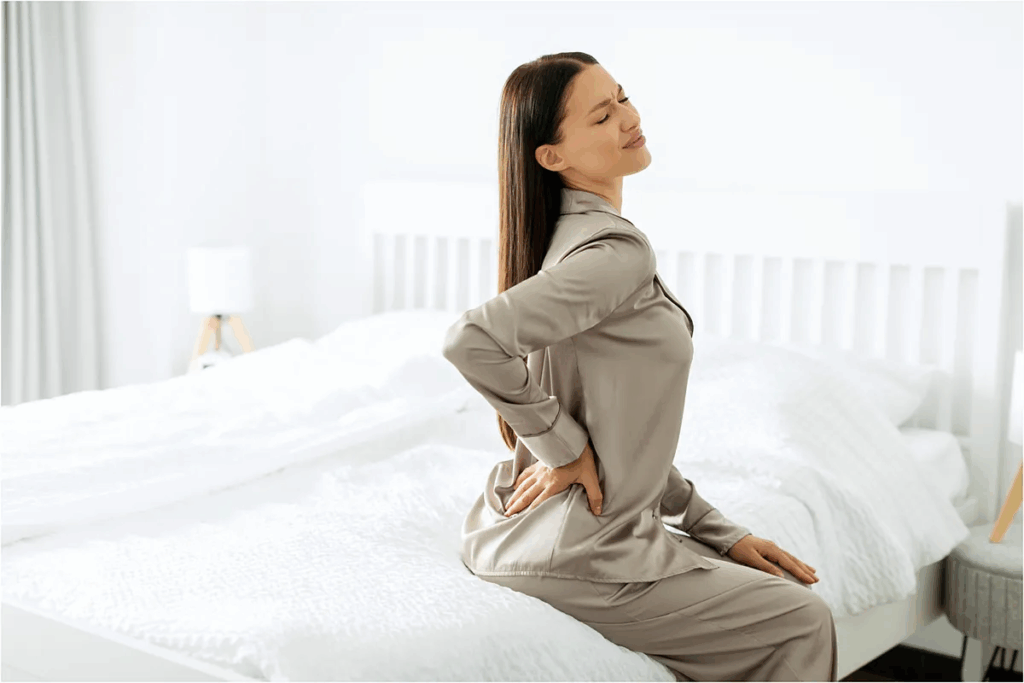
Millions of people worldwide deal with back spasms. These are involuntary muscle contractions that cause pain and limit movement. They can be caused by muscle strain, poor posture, or medical conditions. Our healthcare organization aims to find effective ways to ease this pain and improve function. Seven proven treatments and techniques explaining what helps back spasms and reduces muscle cramping immediately.
We will look at seven proven treatment options for back muscle spasms. These are backed by healthcare experts and research. They aim to fix the underlying issues of lower back pain spasms and offer full relief.
Key Takeaways
- Understanding the causes of back spasms is key to effective treatment.
- There are many treatment options for back muscle spasms.
- Proven methods can greatly reduce lower back pain spasms.
- Healthcare providers suggest combining therapies for best results.
- The main goal of treatment is to restore function and ease suffering.
Understanding Back Spasms and Their Impact

Back spasms affect millions globally, causing discomfort and disrupting daily life. These spasms are sudden, involuntary muscle contractions in the back. They lead to pain and limited movement.
What Are Back Spasms?
Back spasms are sudden, intense muscle contractions in the back. They can be painful and triggered by muscle strain, poor posture, or medical conditions. Understanding the causes is key to effective treatment.
The symptoms of back spasms include:
- Sharp pain in the back
- Involuntary muscle contractions
- Limited mobility
- Stiffness in the back muscles
The Global Prevalence of Back Pain
Back pain, often linked to back spasms, affects about 1.71 billion worldwide. This shows the need for effective treatment for back spasms and management.
“Lower back pain is one of the most common reasons for people to seek medical care, highlighting the importance of understanding and addressing back spasms.”
The global impact of back pain stresses the need for a complete approach to prevention, diagnosis, and treatment. By understanding back spasms, people can find better lower back spasm cure options and improve their life quality.
Common Causes of Back Muscle Spasms
Knowing why back muscle spasms happen is key to treating and preventing them. These spasms can really disrupt your day and life. We’ll look at what causes them, so you can spot the problems and start feeling better.
Physical Triggers
Physical reasons are a big part of why back spasms occur. These include:
- Muscle Strain: When muscles get stretched or torn, often from lifting too much, sudden moves, or hard workouts.
- Poor Posture: Sitting or standing wrong for too long can put strain on your back muscles.
- Overuse: Doing the same thing over and over, like athletes or people with tough jobs, can wear out your back muscles.
Fixing these issues with the right exercises, better posture, and ergonomic changes can help a lot.
Medical Conditions Associated with Back Spasms
Some health issues can also lead to back spasms. These include:
- Herniated Discs: When the soft part of the disc leaks out, it can irritate nerves and cause spasms.
- Degenerative Disc Disease: As discs wear down, they don’t cushion as well, putting more strain on muscles.
- Spondylolisthesis: When a vertebra slips forward, it can lead to muscle spasms.
Getting the right medical care and making lifestyle changes is important for easing spasms and stopping them from coming back.
By knowing what causes back muscle spasms, you can start treating and preventing them. This can greatly improve your life.
Recognizing the Symptoms of Back Spasms
It’s important to know the signs of back spasms to manage them well. Back spasms can show up in different ways. So, it’s key to understand their common symptoms.
Physical Manifestations
Back spasms can cause sharp pain that’s really tough to handle. This pain might stay in one spot or spread to other back areas. Also, spasms can make your back stiff and limited mobility, making simple tasks hard.
- Muscle tightness or stiffness
- Sharp or stabbing pain
- Difficulty in moving or straightening up
- Pain that worsens with movement
These signs can change in how bad they are and how long they last. Knowing these symptoms is the first step to finding relief.
How Back Spasms Affect Daily Activities
Back spasms can really mess with your daily life. They can make simple things like walking, sitting, or standing for a while hard. The pain and stiffness from spasms can make it hard to do everyday things without discomfort.
- Reduced mobility due to pain and stiffness
- Difficulty in maintaining proper posture
- Challenges in performing routine tasks
By spotting these symptoms, you can start managing your back spasms better. This can help improve your life quality.
Immediate Relief Method #1: Rest and Proper Positioning
Quick relief from back spasms is possible with simple methods. Back spasms can really mess up your day and health. Finding fast and effective ways to feel better is key.
The Importance of Limited Bed Rest
Resting for a bit can help when you have back spasms. It lets the muscles heal and prevents more strain. But, don’t rest for too long, or your muscles might get weak. Usually, 1-2 days of rest is enough, then start moving gently to keep muscles strong and flexible.
“Too much bed rest can harm your muscles, bones, and increase blood clot risks,” doctors warn. So, finding the right balance is important.
Optimal Positions to Alleviate Back Spasms
Getting into the right position can help ease back spasms. Lying on your back with knees bent and supported by pillows can ease lower back strain. The fetal position, where you lie on your side with knees to chest, also relaxes back muscles.
If you have really bad back spasms, a firm mattress or a board under your mattress can offer extra support. It helps keep your spine’s natural curve. But, don’t stay in one spot for too long, as it can make spasms worse.
By mixing limited rest with the right positions, you can relieve back spasm and start getting better. Listen to your body and change your plan if needed.
Effective Treatment Method #2: Heat and Cold Therapy
Heat and cold therapy are simple yet effective ways to manage back spasms. They help reduce pain and improve movement.
When to Apply Ice
Ice is best used at the start of back spasms, when there’s swelling. It reduces swelling and numbs pain. Wrap ice in a cloth and apply it for 15-20 minutes, several times a day.
Benefits of Cold Therapy:
- Reduces inflammation
- Numbness to alleviate pain
- Constricts blood vessels to reduce swelling
When to Use Heat Treatment
Heat therapy is better after the swelling goes down. It relaxes muscles, improves blood flow, and reduces stiffness. Use a warm bath, shower, or a low-setting heating pad for 15-20 minutes.
Benefits of Heat Therapy:
- Relaxes muscles and reduces spasms
- Improves blood circulation
- Reduces stiffness and promotes healing
Medical experts say, “Heat or cold can greatly help with back spasms.”
“Contrast therapy, switching between heat and cold, works well for some.”
Therapy Type | Primary Benefits | Application Timing |
Cold Therapy | Reduces inflammation, numbs pain | Initial stages, acute injury |
Heat Therapy | Relaxes muscles, improves circulation | After initial inflammation subsides |
In conclusion, both heat and cold therapy are great for back spasms. Knowing when to use each can greatly improve pain management and quality of life.
What Helps Back Spasms Method #3: Medication Options
Medication is key in managing back spasms. These spasms can be very painful and limit daily activities. Knowing the different medicines available is important for relief.
Over-the-Counter Pain Relievers (NSAIDs)
OTC pain relievers, like NSAIDs, are often used for back spasms. NSAIDs reduce inflammation, which helps with spasms. Ibuprofen (Advil, Motrin) and naproxen (Aleve) are examples. They help with pain and inflammation.
It’s important to take OTC NSAIDs as directed. While safe, taking too much can cause stomach problems.
Prescription Muscle Relaxants
For severe back spasms, doctors might prescribe muscle relaxants. These drugs reduce muscle tone and relieve spasms. Flexeril and Soma are common ones. They’re for short-term use because of the risk of addiction and side effects like sleepiness.
Anti-Inflammatory Injections
Anti-inflammatory injections are an option when other medicines don’t work. They target the problem area directly. Corticosteroid injections are used to cut down inflammation and pain.
Though injections can help a lot, they’re usually for severe cases. This is because of the risks and side effects.
Understanding the different medicines helps people work with their doctors to find the best treatment for back spasms.
Relief Method #4: Physical Therapy and Exercise
Physical therapy and exercise are key in managing back spasms. They offer a wide range of benefits. By strengthening the muscles around the spine and improving flexibility, people can lessen the occurrence and intensity of back spasms.
Strengthening Exercises for Back and Core
It’s important to strengthen the back and core muscles. This helps support the spine and prevents spasms. Here are some exercises we suggest:
- Plank: Builds core strength, which is essential for spinal stability.
- Bridges: Strengthens the lower back muscles and glutes.
- Pelvic Tilts: A gentle exercise that stabilizes the lower back.
Stretching Routines for Spasm Prevention
Stretching routines are also vital for preventing back spasms. They improve flexibility and reduce muscle tension. Here are some stretches to try:
- Knee to Chest Stretch: Relieves tension in the lower back.
- Cat-Cow Stretch: Increases flexibility and reduces spine stiffness.
- Hamstring Stretch: Tight hamstrings can cause back pain; stretching them helps.
Combining strengthening exercises and stretching routines is a great way to manage and prevent back spasms. It’s important to work with a healthcare professional or physical therapist. They can help create a program that fits your needs and abilities.
Treatment Method #5: Massage and Manual Therapies
Massage and manual therapies can help with back spasms. They relax muscles, improve blood flow, and reduce pain. We’ll look at how these therapies work, including DIY methods and professional options.
Self-Massage Techniques
Self-massage is easy and affordable for back spasms. It helps ease muscle tension. Here are some simple ways to do it:
- Use a foam roller to roll out tense areas
- Apply gentle pressure with your fingers on the affected region
- Try a tennis ball against a wall to target tight spots
Tips for Effective Self-Massage:
- Begin with light pressure and increase as needed
- Focus on tight spots but avoid the spine
- Breathe deeply to relax your muscles more
Professional Therapeutic Options
While self-massage is helpful, professional therapies offer more. They use advanced techniques and tailor care to you. Here are some professional options:
- Deep tissue massage: Works on deeper muscle and tissue layers
- Shiatsu: Uses pressure on body points to relax
- Myofascial release: Targets fascia tension, the muscle tissue layer
Professional massage therapists can adjust their methods for you. This can lead to better relief from back spasms. Adding massage and manual therapies to your care plan can greatly improve your life.
Alternative Method #6: Complementary Therapies
Complementary therapies can help with back spasms. They work well with traditional treatments to make them more effective.
Acupuncture and Acupressure
Acupuncture is an ancient Chinese medicine practice. It uses thin needles to help the body heal and relieve pain. Acupressure is similar but uses manual pressure instead of needles. Both aim to balance the body and help it heal naturally.
Benefits of Acupuncture and Acupressure:
- Relieves pain and muscle tension
- Improves circulation and reduces inflammation
- Enhances overall well-being
Yoga and Mindfulness Practices
Yoga combines physical postures, breathing, and meditation. It helps with flexibility, strength, and relaxation. Mindfulness practices, like meditation and deep breathing, reduce stress and improve body awareness.
Key aspects of yoga for back spasm relief include:
- Gentle stretching to improve flexibility
- Strengthening core muscles for better support
- Breathing techniques to reduce stress and tension
Herbal Remedies and Supplements
Some herbal remedies and supplements can help with back spasms. They reduce inflammation and relax muscles. Always talk to a healthcare professional before trying new supplements.
Herbal Remedy | Potential Benefits |
Turmeric | Anti-inflammatory properties |
Ginger | Anti-inflammatory and analgesic effects |
Magnesium | Muscle relaxation and reduced cramping |
Prevention Method #7: Lifestyle Modifications
Making simple lifestyle changes can greatly reduce back spasms. By adding a few key adjustments to our daily routines, we can ease and prevent lower back muscle spasms. These changes not only help with back spasms but also improve our overall health.
Ergonomic Adjustments at Home and Work
Ergonomic adjustments are key in preventing back spasms. Setting up our workspace for good posture is very important. This means adjusting the height of our chair, monitor, and keyboard to comfortable levels. At home, we can also adjust our furniture to support our back.
Using an ergonomic chair or a standing desk helps keep our spine’s natural curve. Taking regular breaks to stretch also reduces muscle tension and prevents spasms.
Proper Body Mechanics for Daily Activities
Using proper body mechanics during daily activities helps prevent back spasms. This means lifting objects correctly, bending at the knees, and avoiding twisting motions. Being mindful of our movements reduces strain on our back muscles.
For example, when lifting heavy objects, bend at the knees, keep it close to your body, and lift with your leg muscles. This method spreads the weight evenly and lowers muscle spasm risk.
Nutrition and Hydration for Muscle Health
A balanced diet rich in essential nutrients is vital for muscle health and preventing back spasms. Adequate hydration also keeps muscles supple and resilient.
Eating foods high in calcium, magnesium, and potassium relaxes muscles and lowers spasm risk. Drinking plenty of water throughout the day keeps muscles hydrated and less likely to cramp.
By adopting these lifestyle changes, we can effectively reduce back spasms and enhance our quality of life. It’s about creating a supportive environment for our back health through ergonomic adjustments, proper body mechanics, and a balanced diet.
When to Seek Medical Help for Back Spasms
Many back spasms can be treated at home. But, some cases need medical help right away. Back spasms might be a sign of a bigger issue that needs a doctor’s check-up.
Warning Signs That Require Immediate Attention
Severe pain, numbness, or tingling in the back or legs are red flags. If you notice these symptoms, you should see a doctor fast:
- Severe pain that doesn’t improve with rest
- Numbness or tingling sensations in the legs
- Weakness in the legs or difficulty walking
- Loss of bladder or bowel control
- Recent trauma or injury to the back
What to Expect During a Medical Evaluation
When you see a doctor for back spasms, they’ll start with your medical history and a physical check-up. They’ll ask about when your symptoms started, how bad the pain is, and what makes it better or worse.
They might also do tests like X-rays, MRI, or CT scans to find out why you’re having spasms.
The doctor’s goal is to figure out what’s causing your back spasms and plan the best treatment. This could include physical therapy, medicine, or sometimes surgery, based on what they find.
Conclusion: Creating a Comprehensive Back Spasm Management Plan
Managing back spasms requires a mix of different treatments and lifestyle changes. We’ve looked at seven ways to find relief, like resting and using heat or cold, taking medicine, and doing exercises. We also talked about massage, trying other therapies, and making changes in daily life.
A good plan should use a few of these methods, based on what works best for you. For example, exercises can make your back muscles stronger. Making small changes in how you sit and move can also help stop spasms from happening again.
What works best for back spasms is often a mix of these ideas. Knowing what causes and shows back spasms helps you make a plan just for you. It’s smart to talk to a doctor to find the best way to treat your back spasms.
With a solid plan, you can make back spasms less common and less severe. This improves your life a lot. We urge you to take charge of your back spasms treatment.
FAQ
What are back spasms and how do they affect individuals?
Back spasms are sudden muscle contractions in the back. They cause pain and stiffness. This can make daily activities hard and lower your quality of life.
What are the common causes of back muscle spasms?
Physical triggers like muscle strain and poor posture cause back spasms. Medical conditions can also play a role.
How can I immediately relieve back spasms?
Resting in bed and using proper positioning can help. Applying heat or cold therapy also works, depending on the spasm’s cause and severity.
What are the benefits of heat and cold therapy for back spasms?
Heat therapy relaxes muscles and boosts blood flow. Cold therapy reduces inflammation and numbs pain. Choose based on your injury’s stage and type.
What medication options are available for treating back spasms?
You can try over-the-counter pain relievers or prescription muscle relaxants. Anti-inflammatory injections are also an option to manage pain and spasms.
How does physical therapy help in managing back spasms?
Physical therapy strengthens the back and core. It also includes stretching routines. These help prevent future spasms and improve flexibility.
Can massage and manual therapies help alleviate back spasms?
Yes, self-massage and professional massage therapy can relax tense muscles. They improve circulation and reduce pain.
Are there alternative therapies that can help with back spasms?
Yes, acupuncture, yoga, mindfulness practices, and herbal remedies may offer relief. They help manage back spasms.
How can lifestyle modifications prevent back spasms?
Making ergonomic adjustments and using proper body mechanics helps. Good nutrition and hydration also support muscle health and prevent spasms.
When should I seek medical help for back spasms?
Seek medical help for severe pain, numbness, or other warning signs. It’s important to get a proper evaluation and rule out serious conditions.
What can I expect during a medical evaluation for back spasms?
Expect a physical exam, review of your medical history, and possibly tests. These help find the cause and develop a treatment plan.
How long does it take to recover from lower back muscle spasms?
Recovery time varies. It depends on the cause and severity of the spasms, and the treatment’s effectiveness.
What is the best treatment for back muscle spasms?
The best treatment combines rest, physical therapy, medication, and lifestyle changes. It’s tailored to your specific condition and needs.
References
National Center for Biotechnology Information. Evidence-Based Medical Guidance. Retrieved from https://www.ncbi.nlm.nih.gov/pmc/articles/PMC5564699/