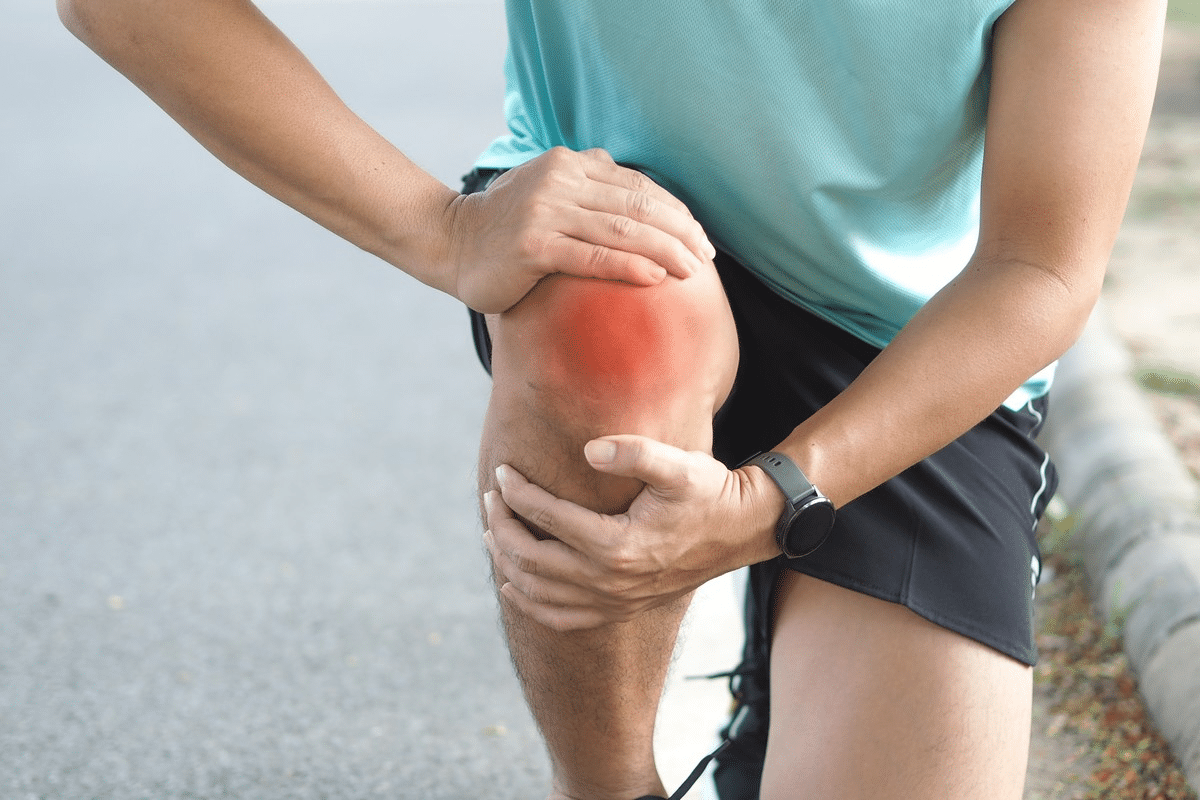
Listing seven common signs of arthritis aching legs and effective strategies for managing pain and inflammation safely.
Arthritis in the legs is a common problem that affects many people. Over 58.5 million adults have been diagnosed with some form of arthritis. Knowing the signs and symptoms is important for early treatment.
At Liv Hospital, we offer top-notch healthcare for international patients. Our team focuses on your health with innovative care and a patient-first approach.
Key Takeaways
- Arthritis in the legs affects millions worldwide.
- Early recognition of symptoms is key for effective management.
- Liv Hospital provides complete care for international patients.
- Understanding signs and symptoms is vital for relief.
- Our care is patient-centered and based on evidence.
Understanding Arthritis in Legs
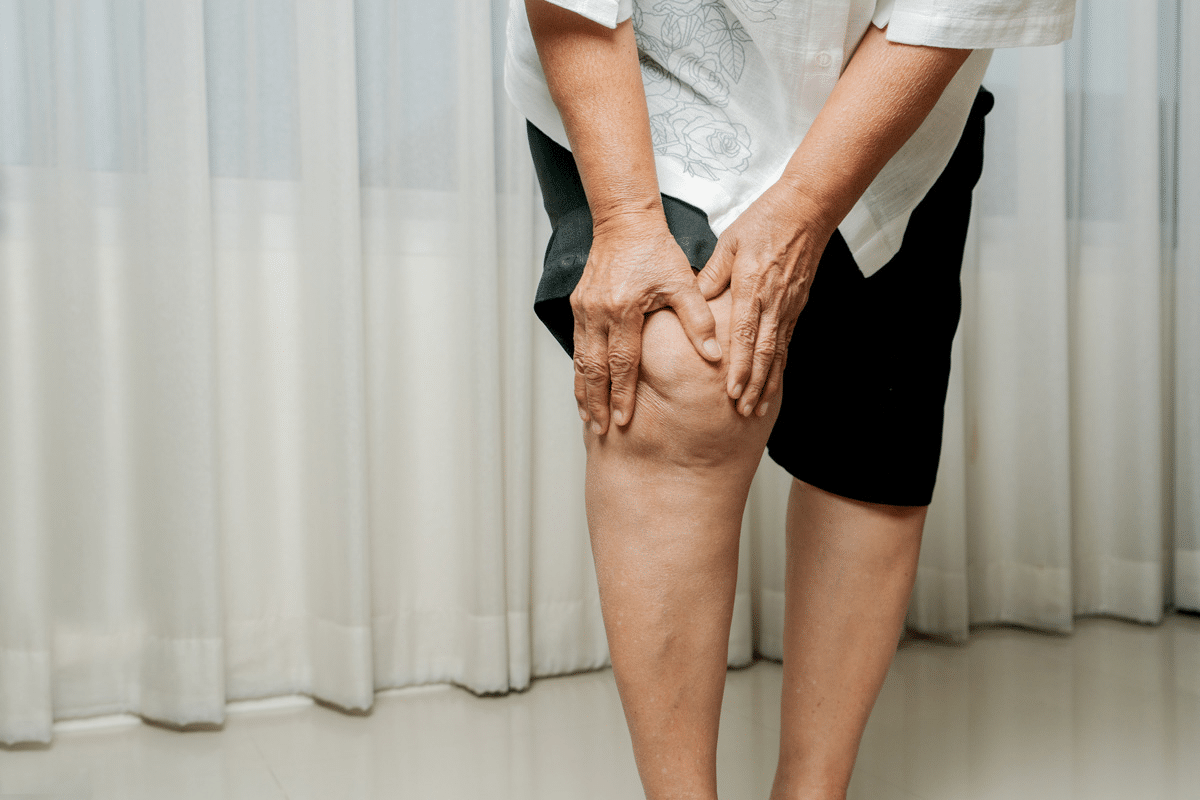
It’s important to understand arthritis in the legs to treat it well. It can cause a lot of pain and make moving hard. Arthritis can affect different parts of the leg, like the knees, hips, calves, and thighs.
Common Types of Arthritis Affecting the Legs
There are three main types of arthritis in the legs: osteoarthritis, rheumatoid arthritis, and psoriatic arthritis. Each type affects the legs in its own way.
- Osteoarthritis is a disease that wears down joints, often in the knees and hips. It causes pain and stiffness.
- Rheumatoid arthritis is an autoimmune disease. It can affect any joint, including those in the legs, leading to inflammation and pain.
- Psoriatic arthritis is linked to psoriasis. It causes pain and swelling in the joints of the legs.
|
Type of Arthritis |
Commonly Affected Areas |
Symptoms |
|---|---|---|
|
Osteoarthritis |
Knees, Hips |
Pain, Stiffness |
|
Rheumatoid Arthritis |
Any joint, including legs |
Inflammation, Pain |
|
Psoriatic Arthritis |
Joints in legs |
Joint pain, Swelling |
How Arthritis Impacts Different Leg Areas
Arthritis can affect different parts of the leg, causing various symptoms. Knee arthritis can make walking hard. Hip arthritis can cause pain in the groin or thigh. Calf arthritis can lead to pain and swelling in the lower leg.
“Arthritis in the legs can significantly impact a person’s quality of life, making everyday activities challenging.”
— Medical Expert
Arthritis pain can happen in many places, like the knee, hip, calf, and thigh. It can be mild or very severe. Knowing where the pain is and what type of arthritis it is helps doctors find the right treatment.
Joint Pain and Discomfort

Joint pain is a key symptom of arthritis in the legs. It shows up in different ways. Many people with this condition find it hard to live their lives as they wish.
Characteristics of Arthritis-Related Leg Pain
The pain from arthritis leg pain can feel different to everyone. It’s often a constant discomfort that gets worse when you move or do more.
Dull, Achy, or Throbbing Sensations
People with arthritis in their legs often feel dull, achy, or throbbing sensations in their joints. These feelings can stay the same or change based on what they’re doing and other things.
The type of pain can tell you a lot about what’s going on. For example, a dull ache might mean long-term inflammation. On the other hand, a throbbing pain could mean a sudden flare-up.
Pain Patterns and Triggers
Knowing about pain patterns and triggers is key to managing arthritis and leg pain. The pain can get worse or start because of things like exercise, weather, or how you sit.
Figuring out what triggers your pain can help you take steps to feel better. This can make your life a lot easier and happier.
Morning Stiffness and Reduced Mobility
Arthritis in the legs can make mornings tough. It causes stiffness and makes moving hard. This happens because the joints get inflamed and degenerate.
Why Stiffness Occurs After Rest
Morning stiffness comes from joint inflammation and fluid buildup when we’re not moving. Our joints don’t move when we’re resting, so fluid builds up. This leads to stiffness. Inflammatory arthritis, like rheumatoid arthritis, is known for this.
As we start moving, the stiffness gets better. The joints warm up, and the fluid spreads out. But for those with severe arthritis, the stiffness can last all day, making everyday tasks hard.
Duration of Morning Stiffness
How long morning stiffness lasts can show how bad the arthritis is. Mild cases might only last a few minutes. But severe cases can last hours.
Tracking how long morning stiffness lasts is key to managing arthritis. It helps people understand their condition better. They can then work with their doctors to find the right treatment.
Impact on Daily Activities
Morning stiffness and reduced mobility really affect daily life. Simple tasks like getting out of bed or walking can be hard. This can also make us less active, which makes arthritis symptoms worse.
To fight morning stiffness and improve mobility, we suggest medical treatments, physical therapy, and self-care. Gentle exercises like stretching or yoga can help. Also, using heat or cold packs on the affected areas can help too.
Swelling and Inflammation in Leg Joints
Swelling and inflammation are key signs of arthritis in the legs. These symptoms can make daily life hard. We’ll look at how to spot these signs and how to measure swelling.
Visual Signs of Joint Inflammation
Signs of joint inflammation include swelling, redness, and warmth. Swelling happens when fluid builds up in the joint, making it look bigger. Redness comes from more blood flowing to the area.
Warmth and Redness Around Affected Joints
The joint might feel warm because of inflammation. This warmth is the body’s way of reacting to injury or disease. It brings more blood to the area. Redness is also common, caused by blood vessels getting wider.
To show the signs of inflammation, here’s a table:
|
Sign |
Description |
|---|---|
|
Swelling |
Fluid builds up, making the joint look bigger |
|
Warmth |
The joint gets warmer because of inflammation |
|
Redness |
Blood vessels get wider, making the skin red |
Measuring and Monitoring Swelling
It’s important to measure and watch swelling closely. Use a tape measure to track the joint’s size. This helps see if treatments are working.
Knowing the signs of swelling and inflammation helps get the right medical care. This can improve managing arthritis.
Decreased Range of Motion
Arthritis in the legs can make moving around harder. It leads to less range of motion, affecting daily tasks. Let’s dive into why this happens and what it means.
Restricting Movement
Arthritis causes pain, stiffness, and changes in joints. This affects the muscles and ligaments around the joints. The pain makes it hard to move the joints fully, reducing how well we can move.
Progressive Nature of Mobility Loss
Arthritis gets worse over time, causing more mobility loss. As joints get damaged, moving becomes harder. It’s important to catch this early and manage it well.
Assessing Joint Flexibility
Simple tests can check how flexible your joints are. For example, bending down to touch your toes shows how flexible your legs are. Doctors can also do tests to see how well you can move and plan treatment.
Here are some ways to check your range of motion:
- See how far you can bend your knees
- Try standing up from sitting without help
- Walk a certain distance without too much pain
Knowing how arthritis affects movement helps manage symptoms. It keeps us moving better.
Muscle Pain and Weakness
Arthritis in the legs is more than just joint pain. It can also cause muscle pain and weakness. The condition affects muscles and nerves around the joints, creating a mix of symptoms.
Causes of Muscle Pain in Legs
Several factors contribute to muscle pain in the legs due to arthritis. Inflammation and swelling can irritate muscles and nerves. The body’s response to joint pain is to tighten muscles, leading to pain and stiffness.
Rheumatoid arthritis can directly harm muscles, causing pain and weakness. The inflammation from rheumatoid arthritis can spread to muscles, tendons, and ligaments. This makes pain and discomfort worse.
“The relationship between arthritis and muscle pain is complex. It’s not just about the joints; the surrounding muscles and nerves play a significant role in the overall symptomatology.”
Medical Expert, Rheumatologist
Signs of Muscle Weakness
Muscle weakness is a big concern for people with arthritis. It makes everyday tasks harder. Signs include trouble climbing stairs, getting up from a seat, or staying balanced.
- Difficulty in performing daily tasks due to reduced muscle strength
- Feeling of fatigue or heaviness in the legs
- Instability or loss of balance
Relationship Between Joint and Muscle Symptoms
The connection between joint and muscle symptoms in arthritis is complex. Joint pain and inflammation can cause muscle pain and weakness. On the other hand, muscle weakness can make joint pain worse by changing how we move and putting more stress on joints.
|
Symptom |
Joint-Related |
Muscle-Related |
|---|---|---|
|
Pain |
Localized to the joint |
Can be widespread around the joint |
|
Stiffness |
Typically after rest or inactivity |
Can occur after activity or prolonged use |
|
Weakness |
Often due to pain or stiffness |
Can be due to muscle atrophy or pain |
It’s important to understand this complex relationship. This knowledge helps in creating effective treatment plans for both joint and muscle symptoms.
Crepitus and Unusual Joint Sensations
Arthritis in the legs can show itself in many ways, including crepitus, which is joint sounds. Crepitus is common in people with osteoarthritis. These sounds can be scary and might mean the disease is getting worse.
Understanding Clicking, Popping, and Grinding Sounds
Crepitus is when you feel clicking, popping, or grinding in your joints. It happens because the cartilage wears down and gas bubbles form in the fluid that keeps joints moving. When you move your joint, these bubbles can pop, making the sounds.
Key factors contributing to crepitus include:
- Cartilage degeneration
- Gas bubbles in synovial fluid
- Joint inflammation
- Wear and tear on the joint
When Joint Sounds Indicate Arthritis
While sometimes joints crack without a problem, if it happens a lot, it might mean arthritis. If you have crepitus and also feel pain, stiffness, or swelling, it could be arthritis getting worse. Seeing a doctor is a good idea if you have ongoing or severe joint sounds.
The link between joint sounds and arthritis is complex. A detailed check-up is needed to figure out what’s going on.
Other Unusual Joint Sensations
People with arthritis might also feel their joints grinding or grating. This can happen when the cartilage gets rough or bone spurs form. Knowing about these feelings helps in managing arthritis better.
Some common unusual joint sensations include:
- Grinding or grating sensations
- Clicking or popping sounds
- Sensations of instability or giving way
By noticing and dealing with these symptoms, people with arthritis can manage their condition better. This improves their life quality.
Risk Factors and Treatment for Arthritis Aching Legs
It’s important to know the risk factors and treatment options for arthritis aching legs. This condition can cause a lot of pain and limit movement. So, it’s key to understand how to prevent and treat it.
Key Risk Factors
Several factors can increase your chance of getting arthritis in your legs. These include:
- Age: As you get older, your joints naturally wear down.
- Genetics: If your family has arthritis, you might get it too.
- Obesity: Being overweight puts more stress on your joints.
- Previous Joint Injuries: Getting hurt in a joint can lead to arthritis later.
- Female Sex: Women are more likely to get certain types of arthritis.
The Arthritis Foundation says, “Knowing your risk factors can help you prevent or manage arthritis.”
“Keeping a healthy weight, staying active, and protecting your joints are key strategies for reducing your risk.”
Medical Treatments and Medications
There are many ways to treat arthritis aching legs. These include medical treatments and lifestyle changes. Medical treatments might include:
- Nonsteroidal Anti-Inflammatory Drugs (NSAIDs): To reduce pain and inflammation.
- Corticosteroids: For short-term relief of severe inflammation.
- Disease-Modifying Antirheumatic Drugs (DMARDs): To slow the progression of certain types of arthritis.
- Biologic Agents: Targeted therapies that can reduce inflammation and slow disease progression.
It’s important to work closely with a healthcare provider to find the best treatment plan.
Physical Therapy and Exercise
Physical therapy and exercise are key in managing arthritis symptoms. A good exercise program can help:
- Improve joint flexibility and range of motion.
- Strengthen the muscles around the affected joints.
- Enhance overall physical function and reduce pain.
Low-impact activities like swimming, cycling, and tai chi are good for people with arthritis.
Home Remedies and Self-Care Strategies
There are also home remedies and self-care strategies to help manage arthritis aching legs. These include:
- Applying Heat or Cold: To reduce pain and stiffness.
- Maintaining a Healthy Weight: To reduce stress on the joints.
- Using Assistive Devices: Such as canes or walkers to reduce strain on the legs.
- Practicing Stress Management Techniques: Such as meditation or deep breathing exercises.
By using these approaches together, people can create a plan to manage their arthritis symptoms and improve their life quality.
Conclusion
Knowing the signs of arthritis in legs is key to finding relief and treatment. Common symptoms include joint pain, morning stiffness, and swelling. Other signs are a decrease in range of motion, muscle pain, and unusual sensations in the joints.
Managing arthritis well means using medical treatments, physical therapy, and taking care of yourself. At Liv Hospital, we offer top-notch healthcare for international patients. Our team works hard to give personalized care, helping you manage your symptoms and live better.
We focus on patient-centered care to help those with arthritis. Our goal is to give you the best care possible. This ensures international patients get the help they need to manage their condition well.
FAQ
What are the common types of arthritis that affect the legs?
Osteoarthritis, rheumatoid arthritis, and psoriatic arthritis are common in the legs. They cause pain, stiffness, and swelling, mainly in the knees, hips, and ankles.
How does arthritis in the legs affect daily activities?
Arthritis in the legs makes everyday tasks hard. It’s tough to walk, climb stairs, or do simple tasks. Morning stiffness and less mobility also limit physical activities.
What are the characteristics of arthritis-related leg pain?
Leg pain from arthritis feels dull, achy, or throbbing. It’s often stiff and limits movement. The pain can be constant or happen when you walk or climb stairs.
Why does morning stiffness occur in people with arthritis in the legs?
Morning stiffness happens because of inflammation in the joints when you rest. It can last from a few minutes to hours. Gentle exercise and stretching can help.
How can swelling and inflammation in leg joints be measured and monitored?
Swelling and inflammation are measured with joint circumference, ultrasound, and MRI scans. Regular checks track the condition’s progress and treatment response.
What are the signs of muscle weakness associated with arthritis in the legs?
Muscle weakness shows as trouble walking, climbing stairs, or doing daily tasks. Signs include muscle wasting, weaker muscles, and less range of motion.
Can crepitus and unusual joint sensations be a sign of arthritis in the legs?
Yes, crepitus and unusual sensations like clicking or grinding sounds are signs of arthritis. They happen when cartilage wears down and bone spurs form.
What are the key risk factors for developing arthritis in the legs?
Risk factors include age, obesity, family history, and previous injuries. Genetics and lifestyle also play a role.
What treatment options are available for managing arthritis in the legs?
Treatments include pain relief meds, corticosteroid injections, physical therapy, and self-care. Exercise, weight management, and lifestyle changes help too.
How can I manage arthritis-related leg pain and improve mobility?
Managing leg pain and improving mobility need a full approach. This includes medical treatments, physical therapy, and self-care. Gentle exercise, stretching, and strengthening can help.
References
National Center for Biotechnology Information. Evidence-Based Medical Guidance. Retrieved from https://www.ncbi.nlm.nih.gov/pmc/articles/PMC3266664/



 Departments
 Related Videos
 Our Doctors
 News
News