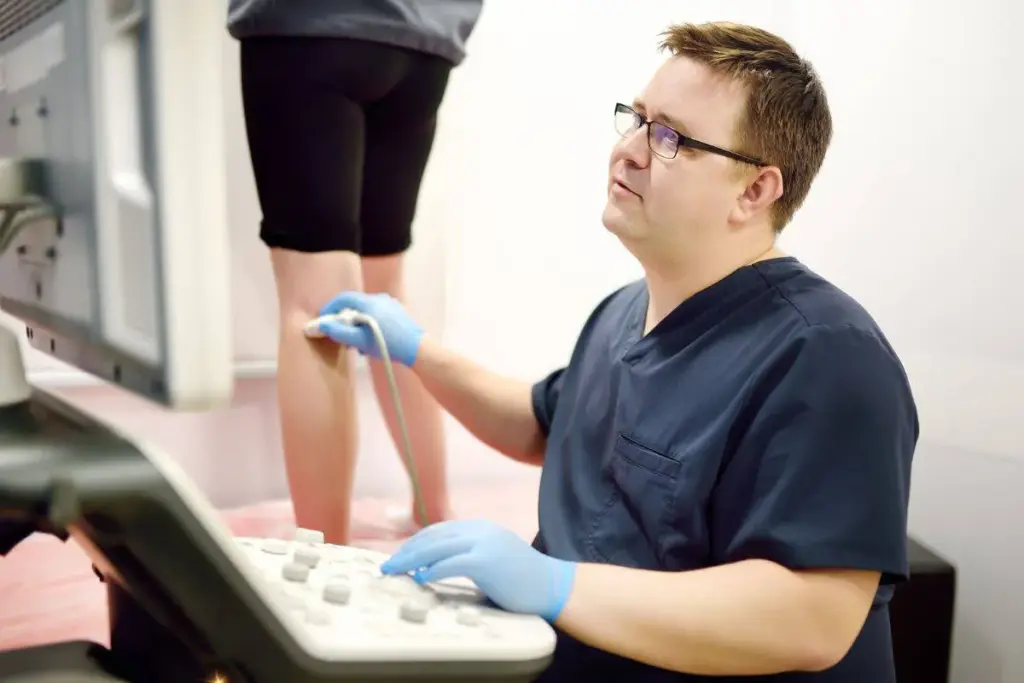
Many patients wonder if they’ll be asleep for minimally invasive radiology treatments. It depends on the procedure and the patient’s health.
Thinking about a medical procedure can be scary. Some interventional radiology procedures might need sedation or anesthesia. But others can be done with local anesthesia or conscious sedation. This way, you can stay awake and aware during the treatment.
Our team will tell you all about your procedure. We’ll let you know if you’ll need sedation or not. This helps ease any worries you might have.
Key Takeaways
- Not all procedures require being put to sleep.
- The type of anesthesia used depends on the procedure and patient health.
- Local anesthesia or conscious sedation may be used for some treatments.
- Patient comfort and safety are our top priorities.
- Our team will explain the specifics of your procedure.
What Is Interventional Radiology?
Interventional radiology is a big step forward in medical care. It gives patients new, less invasive ways to treat diseases instead of surgery. This field has grown a lot, using images to help diagnose and treat many health issues.
Definition and Core Principles
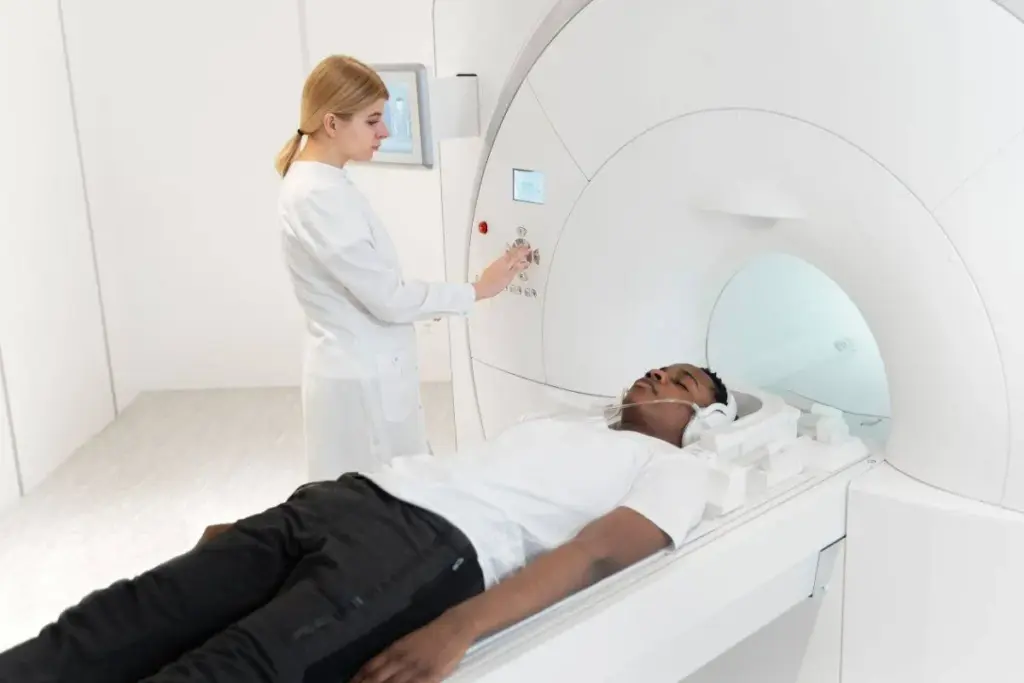
Interventional radiology (IR) uses images to guide small, non-surgical procedures. Its main goal is to treat or diagnose without open surgery. This approach can make recovery faster and lower the chance of complications.
IR treatments include many procedures. For example, it can do vascular work like angioplasty and stenting. It also does non-vascular work, like biopsies and drainages. These are done with tools guided by advanced imaging like CT or MRI.
Historical Development of the Field
The history of interventional radiology started in the 1960s with the first angioplasty. It has grown a lot, thanks to better imaging, new devices, and techniques.
The evolution of interventional radiology has transformed the way we treat patients, giving them less invasive options that speed up recovery and improve results.
Over time, interventional radiologists have taken on more complex tasks. They’ve moved from simple angiography to complex surgeries. This growth is thanks to better catheters, embolic materials, and imaging tools.
The Minimally Invasive Advantage
Interventional radiology is known for being minimally invasive. It uses small incisions and images to guide procedures. This means many IR treatments can be done on an outpatient basis, cutting down on hospital stays and speeding up recovery.
|
Benefits |
Traditional Surgery |
Interventional Radiology |
|---|---|---|
|
Recovery Time |
Often several weeks |
Typically a few days or less |
|
Hospital Stay |
Usually required |
Often outpatient |
|
Pain and Discomfort |
Generally more |
Generally less |
The benefits of IR’s minimally invasive approach are clear. It makes patients more comfortable and lowers the risk of surgery complications. As technology gets better, IR’s role in healthcare will likely grow, bringing new treatments to patients everywhere.
Common Interventional Radiology Procedures Performed Today
Interventional radiology covers a wide range of treatments for different health issues. Experts in this field use their skills for many important procedures. These help diagnose and treat various medical conditions.
Vascular Interventions
Vascular interventions focus on the blood vessels. They aim to improve blood flow and prevent problems from vascular diseases. Some common procedures include:
- Angioplasty and Stenting: Widening narrowed or blocked blood vessels and placing stents to keep them open.
- Embolization: Blocking blood flow to specific areas, like tumors, to stop bleeding or shrink tumors.
- Thrombectomy: Removing blood clots from blood vessels to improve circulation.
Non-Vascular Interventions
Non-vascular interventions cover a wide range of procedures not related to blood vessels. These include:
- Biopsies: Using imaging to get tissue samples for diagnosis.
- Drainage Procedures: Putting in drains to remove fluid, like abscesses or pleural effusions.
- Nerve Blocks and Ablations: Managing pain by stopping pain signals to the brain.
Interventional Oncology Treatments
Interventional oncology treatments are minimally invasive for cancer diagnosis and treatment. Examples include:
- Tumor Embolization: Cutting off the blood supply to tumors to shrink them.
- Ablation Therapies: Destroying cancer cells using heat, cold, or chemicals.
- Chemoinfusion: Delivering chemotherapy directly to the tumor site.
|
Procedure Type |
Examples |
Purpose |
|---|---|---|
|
Vascular Interventions |
Angioplasty, Stenting, Embolization |
Restore blood flow, prevent bleeding, reduce tumor size |
|
Non-Vascular Interventions |
Biopsies, Drainage, Nerve Blocks |
Diagnosis, fluid removal, pain management |
|
Interventional Oncology |
Tumor Embolization, Ablation, Chemoinfusion |
Treat cancer by cutting off blood supply, destroying cancer cells, delivering targeted therapy |
Types of Anesthesia Used in Interventional Radiology Procedures
It’s important for patients to know about the different types of anesthesia in interventional radiology. The choice depends on the procedure’s complexity, the patient’s health, and the doctor’s expertise.
Local Anesthesia
Local anesthesia numbs only the area where the procedure is done. It’s often used for simpler procedures. This type has the advantage of quick recovery and allows patients to stay awake and alert.
Moderate (Conscious) Sedation
Moderate sedation makes patients relax and feel more at ease. They stay awake but might not remember much. This is good for procedures that might be a bit uncomfortable but not too painful.
Deep Sedation
Deep sedation makes patients very sleepy, almost to the point of not waking up easily. It’s used for more complex or painful procedures. It’s important to watch patients closely to keep them safe.
General Anesthesia
General anesthesia makes patients completely unconscious. It’s usually for the most complex procedures or when other options don’t work. The choice of general anesthesia depends on the patient’s health and the procedure’s complexity.
Choosing the right anesthesia for image-guided treatments is key in interventional radiology. The right choice helps patients have a smooth and safe experience during radiology treatments.
- Local anesthesia for minor procedures
- Moderate sedation for procedures requiring relaxation
- Deep sedation for complex or uncomfortable procedures
- General anesthesia for major or complex interventions
Knowing about these options helps patients prepare for their interventional imaging procedures. They’ll know what to expect with anesthesia.
Factors That Determine Your Anesthesia Type
Several key factors decide the anesthesia type for interventional radiology procedures. The choice of anesthesia is vital for patient comfort and success in minimally invasive procedures.
Procedure Complexity and Duration
The complexity and length of the procedure affect the anesthesia type needed. More complex procedures, like vascular interventions, might need deeper sedation or general anesthesia. This ensures patient comfort and success.
For example, precise navigation through blood vessels requires patient calmness. The right anesthesia helps achieve this.
Patient-Specific Considerations
Each patient’s health, medical history, and past anesthesia experiences are key. Patients with certain conditions may need special anesthesia plans for safety.
Patients with respiratory issues might need careful consideration. They might need general anesthesia over conscious sedation.
Anatomical Location of the Procedure
The procedure’s location is also critical. Sensitive areas may need more intense anesthesia for pain management.
For example, liver or kidney procedures might need different anesthesia than less sensitive areas.
Patient Preference and Anxiety Levels
Patient preference and anxiety levels are important. Some prefer full sedation, while others prefer local anesthesia or conscious sedation.
Understanding patient anxiety and involving them in decisions can improve their experience. It helps tailor the anesthesia to their needs.
Pre-Procedure Preparation for Sedation
Getting ready for sedation is key in interventional radiology. It makes sure you’re comfortable and safe. Let’s go over what you need to do.
Required Medical Evaluations
We do medical checks before your procedure. This is to make sure sedation is right for you. We look at your health history, medicines, and allergies.
Our team then decides the best sedation plan for you. This makes the procedure safer and smoother.
Fasting Guidelines
You’ll need to fast before your procedure. How long depends on your doctor. They’ll tell you exactly what to do.
Fasting helps avoid problems during the procedure. We’ll give you clear instructions on what to eat and drink.
Medication Adjustments
Some medicines might need to be changed or stopped before your procedure. Tell us about all your medicines. This includes blood thinners and diabetes drugs.
We’ll help you manage your medicines safely. This ensures the procedure goes well.
What to Bring to Your Appointment
Bring important medical papers, a list of your medicines, and comfort items to your procedure. It’s also good to have someone with you.
|
Item to Bring |
Purpose |
|---|---|
|
Medical Records |
To ensure our team has access to your complete medical history |
|
List of Medications |
To review and adjust medications as necessary |
|
Comfort Items |
To provide emotional comfort during your stay |
|
Insurance Cards and ID |
For administrative purposes |
By following these steps and working with our team, you’ll be ready for your procedure. We make sure sedation is safe and smooth for you.
The Day of Your Interventional Radiology Procedure
Getting ready for your interventional radiology procedure? Knowing what happens on the day can ease your worries. We’re here to walk you through each step, making sure you’re comfortable and informed.
Arrival and Check-in Process
When you arrive, our friendly staff will help you with the check-in. Try to get there a bit early. This way, you can fill out any paperwork and get comfortable before your procedure.
Pre-procedure Consultations
Before your procedure, you’ll meet with your interventional radiologist. They’ll go over your treatment plan, answer your questions, and listen to any concerns. This is also a chance to talk about any medications you’re taking or health changes.
IV Placement and Monitoring Setup
Next, an IV line will be placed for medications and radiology treatments. Our team will also set up monitoring equipment. This ensures your safety and comfort during the procedure.
The Sedation Process
Your interventional radiologist will discuss sedation options with you. You might get local anesthesia, moderate sedation, deep sedation, or general anesthesia. Our team will watch over you to make sure you’re comfortable and safe.
|
Procedure Step |
Description |
Responsible Staff |
|---|---|---|
|
Check-in |
Complete paperwork and get settled |
Front desk staff |
|
Pre-procedure Consultation |
Discuss treatment plan and address questions |
Interventional Radiologist |
|
IV Placement |
Administer IV for medications |
Nursing staff |
|
Sedation Administration |
Provide sedation as per the treatment plan |
Anesthesiologist/Nursing staff |
Knowing what to expect on the day of your interventional radiology procedure can make you feel more at ease. Our team is committed to making your experience as smooth and comfortable as possible.
Patient Experience During Procedures with Different Sedation Levels
The experience of patients during IR procedures changes with the sedation level. We’ll look at how different sedation options affect comfort and experience in minimally invasive radiology and IR treatments.
What You Might Feel with Local Anesthesia
Local anesthesia numbs the area of the procedure. Patients stay awake and alert. They might feel some pressure or movement but no pain. This sedation is for simpler IR treatments where patients can stay comfortable and respond to staff.
The Conscious Sedation Experience
Conscious sedation makes patients relaxed and less aware of the procedure. They might be drowsy and hard to wake up. But they can respond if needed. This sedation is good for more complex minimally invasive radiology procedures, reducing anxiety and discomfort.
Being “Put to Sleep” with General Anesthesia
General anesthesia makes patients completely unconscious. It’s for complex or long IR treatments. Patients won’t remember the procedure and won’t feel pain or discomfort.
Communication with Medical Staff During Procedures
Good communication between patients and medical staff is key, no matter the sedation. Even under conscious sedation, patients can respond. Medical staff watch vital signs and adjust sedation to keep patients comfortable and safe.
Knowing about different sedation levels helps patients prepare for IR treatments. The right sedation ensures patients get the best care possible.
Recovery After Interventional Radiology Sedation
Recovering from interventional radiology sedation involves several important steps. These include immediate monitoring after the procedure and care at home. Knowing these steps can help ensure a safe and smooth recovery.
Immediate Post-Procedure Monitoring
Right after your procedure, we watch your vital signs closely in a recovery area. This is key to catching any early signs of trouble and keeping you safe.
We check your blood pressure, heart rate, and oxygen levels often. We also look at how awake you are and if you’re in pain or feeling sick.
Discharge Requirements
To leave, you must meet some criteria. You need to be fully awake, have stable vital signs, and not be in too much pain or nausea.
We give you detailed instructions on how to care for yourself at home. This includes wound care, managing your medications, and when to come back for follow-up visits.
Transportation Considerations
It’s important to have someone drive you home. The sedation can make it unsafe for you to drive.
We suggest having a friend or family member with you to drive you home.
At-Home Recovery Timeline
How long you’ll need to rest at home varies. It depends on the procedure and your health. Usually, you’ll need to rest for the rest of the day and maybe the next day.
|
Day |
Activity Level |
Care Instructions |
|---|---|---|
|
Day of Procedure |
Rest, avoid strenuous activities |
Follow medication instructions, monitor for complications |
|
Day 1-2 |
Gradually increase activity |
Continue wound care, attend follow-up appointments |
|
Day 3+ |
Resume normal activities |
Monitor for any unusual symptoms, contact us if concerns arise |
For those getting interventional oncology treatments, it’s vital to follow your healthcare team’s specific recovery guidelines.
By following these guidelines and knowing what to expect, you can avoid complications. This ensures a good outcome from your radiology interventions.
Potential Side Effects and Complications
Interventional radiology procedures can have risks and side effects. They are usually safe and work well. But, knowing the possible problems is key for good care and making smart choices.
Common Reactions to Sedation
Sedation is used to relax patients during these procedures. It’s mostly safe, but some common side effects are drowsiness, nausea, and vomiting. These usually go away soon after the treatment.
We keep a close eye on patients during and after the treatment to handle any sedation side effects.
Rare but Serious Complications
Even though rare, serious issues can happen. These include allergic reactions, infections, or damage to nearby tissues and organs. In very rare cases, serious problems like stroke or heavy bleeding can occur.
Talking to your healthcare provider about your risks is very important. This helps you understand the chance of serious complications.
When to Seek Medical Attention
After the procedure, watch for any severe or unusual symptoms. Look out for severe pain, trouble breathing, or signs of infection like fever or redness at the site.
We give clear instructions on what to do after the procedure and who to call in an emergency.
Long-term Considerations
Most people recover fully without lasting effects. But, some procedures might need follow-up treatments or could affect kidney function due to contrast agents.
It’s important to have follow-up appointments with your healthcare provider. This helps monitor your recovery and answers any questions or concerns.
|
Complication Type |
Description |
Management |
|---|---|---|
|
Common Reactions |
Drowsiness, nausea, vomiting |
Monitoring, supportive care |
|
Rare but Serious |
Allergic reactions, infection, organ damage |
Immediate medical intervention, possible hospital stay |
|
Long-term Considerations |
Need for follow-up, possible kidney issues |
Follow-up care, monitoring |
Special Considerations for Different Patient Groups
Interventional radiology caters to various patient needs. This includes kids, seniors, those with ongoing health issues, and pregnant women. Each group needs a unique approach for safe and effective treatment.
Pediatric Patients
Children face special challenges in interventional radiology. Their small size and growing bodies need special tools and methods. We use child-friendly sedation methods and explain the procedure in a way kids can understand.
- Age-appropriate anesthesia and sedation
- Specialized pediatric interventional radiologists
- Child life specialists for emotional support
Elderly Patients
Elderly patients often have many health issues and take several medications. This can make procedures more complicated. We assess their health, adjust medications, and use gentle sedation techniques to reduce risks.
- Comprehensive pre-procedure evaluation
- Careful medication management
- Monitoring for possible complications
Patients with Chronic Conditions
Those with chronic conditions, like diabetes or heart disease, need extra care before, during, and after procedures. We work with their doctors to manage their condition and prepare them for the procedure.
Pregnant Patients
Pregnant women need special attention to keep both mom and baby safe. We use minimal radiation techniques and plan the procedure carefully to reduce risks.
- Careful risk-benefit analysis
- Use of non-ionizing radiation techniques when feasible
- Collaboration with obstetric specialists
Advances in Sedation for Minimally Invasive Radiology
Minimally invasive procedures are getting better thanks to new sedation methods. The field of interventional radiology is always changing. We see big steps forward in sedation medicines, monitoring tools, and making patients more comfortable.
New Medications and Delivery Systems
New medicines and ways to give them are coming out. For example, propofol and dexmedetomidine are becoming more popular. They help control sedation levels and make recovery faster.
Enhanced Monitoring Technologies
Keeping patients safe is key in interventional radiology. New monitoring tools track vital signs in real-time. This lets doctors adjust sedation quickly. Some important tools include:
- Continuous pulse oximetry
- Capnography for checking breathing
- Electrocardiography (ECG) for heart rate
Patient Comfort Innovations
Making patients comfortable is a big goal in interventional radiology. New ideas like virtual reality (VR) and audio-visual distraction techniques help. They make procedures less scary and more comfortable for patients.
Future Trends in IR Anesthesia
The future of sedation in interventional radiology is exciting. We can expect:
- Custom sedation plans based on genetics
- AI helping with sedation management
- New ways to sedate without medicines
Questions to Ask Your Interventional Radiologist About Sedation
When you’re getting ready for an interventional radiology procedure, talking about sedation is key. Knowing your options can make a big difference in how comfortable you feel. It can also change your experience during the treatment.
Understanding Your Specific Procedure
It’s important to ask your interventional radiologist about your procedure. They should explain the type of sedation they usually use. Knowing what to expect can help reduce your anxiety and make the process easier.
- What type of sedation is usually recommended for my procedure?
- How will the sedation be administered?
- What are the possible risks or side effects of the sedation?
Anesthesia Options Available to You
Talking about anesthesia options with your doctor is helpful. They can tell you what’s available and what’s best for you. Different procedures need different types of anesthesia, and your doctor can help you choose.
Key questions to ask:
- What anesthesia options are available for my procedure?
- How will my interventional radiologist decide the best anesthesia for me?
- Can I choose a specific type of anesthesia if I prefer it?
Recovery Expectations
Knowing what to expect during recovery is important. Your doctor can give you insights into the recovery process. They can also tell you what you might feel like after the procedure.
Consider asking:
- How long does recovery usually take after my procedure?
- What are common side effects during recovery, and how can I manage them?
- Are there any specific instructions I should follow during recovery?
Follow-up Care Requirements
Follow-up care is a big part of your treatment plan. Talking to your doctor about follow-up needs is important. It helps ensure you get the care and support you need after your procedure.
|
Follow-up Care Aspect |
Description |
Timeline |
|---|---|---|
|
Post-procedure check-up |
A follow-up appointment to check on healing and address any concerns |
Typically within 1-2 weeks |
|
Wound care instructions |
Instructions on how to care for the procedure site to prevent infection |
Provided before discharge |
|
Medication management |
Information on managing pain and other medications as needed |
Ongoing as necessary |
By asking the right questions and understanding your procedure, sedation, recovery, and follow-up care, you can have a better experience with your interventional radiology treatment.
Conclusion
Knowing your sedation options is key when you’re set for interventional radiology procedures. These modern methods are changing medicine, making it less invasive than old surgeries. Learning about the different anesthetics helps you get ready for the procedure and healing.
We’ve looked at what decides your anesthesia type. This includes how complex the procedure is, your health, and where it’s done. Knowing this helps you talk better with your doctor about your sedation choices.
Thinking about interventional radiology? It’s important to ask the right questions about sedation. Understand what you need to do before and what to expect after. This way, you can have a better experience and the best results from your treatment.
FAQ
What is interventional radiology?
Interventional radiology (IR) is a medical field that uses small, precise procedures to treat diseases. We use advanced imaging like X-ray and MRI to guide tools to the right spot in the body. This way, we can treat problems with less risk and quick recovery.
Are you put to sleep for interventional radiology procedures?
Not always. The anesthesia used depends on the procedure’s complexity, the patient’s health, and where the procedure is done. We might use local anesthesia, sedation, or general anesthesia, based on the case.
What are the benefits of minimally invasive interventional radiology procedures?
These procedures are safer, less painful, and have shorter recovery times. They also have smaller incisions, less blood loss, and less scarring than traditional surgery.
How do I prepare for an interventional radiology procedure with sedation?
To prepare, you’ll need medical checks, follow diet rules, and adjust your meds. Make sure you have a ride home after the procedure, as you might not be able to drive.
What can I expect during the recovery process after an interventional radiology procedure?
After the procedure, you’ll be watched until the sedation wears off. We’ll give you instructions for home care. Recovery times vary based on the procedure and your health.
Are there any potentially side effects or complications associated with interventional radiology procedures and sedation?
Yes, there can be side effects like drowsiness and nausea from sedation. Serious complications are rare but can happen. We’ll tell you when to seek help.
Can I undergo interventional radiology procedures if I have a chronic medical condition?
Yes, but we need to evaluate you carefully. We consider your condition, meds, and health to ensure safe treatment.
What advancements have been made in sedation for interventional radiology?
New sedation meds and delivery systems, better monitoring, and patient comfort innovations have improved care. We keep up with the latest to provide the best care.
What questions should I ask my interventional radiologist about sedation?
Ask about the procedure, anesthesia options, recovery, and follow-up care. Knowing this helps you feel more prepared and informed.
How do I choose the right interventional radiologist for my procedure?
Look at their experience, qualifications, and expertise in your procedure. Also, ask about their patient care approach, sedation options, and follow-up to ensure you get the best treatment.
References
National Center for Biotechnology Information. [Article name — PMC10275663]. Retrieved from https://pmc.ncbi.nlm.nih.gov/articles/PMC10275663/