
Detailing treatment options for bone on bone knee pain relief, including injections, physical therapy, and surgical options.
Getting a diagnosis of bone-on-bone knee pain can be scary. It often makes people worry about surgery or a life of pain. But, we know this doesn’t mean you’ll lose your ability to move.
AtLiv Hospital, we focus on you. We use proven, team-based healthcare. This approach is all about you.
Effective non-surgical treatment options can help manage symptoms. They can also restore function and keep you active. Studies show that many people with knee arthritis feel better with the right support.
Moving around helps more than just resting. We want you to understand your condition. And we want to help you find treatments that work.
Key Takeaways
- Conservative treatments can provide significant relief for bone-on-bone knee pain.
- A patient-centered approach is key for managing knee arthritis.
- Movement and the right support can improve symptoms and mobility.
- Non-surgical options are available to help manage knee pain.
- Understanding your condition is the first step to finding effective treatments.
Understanding Bone on Bone Knee Pain
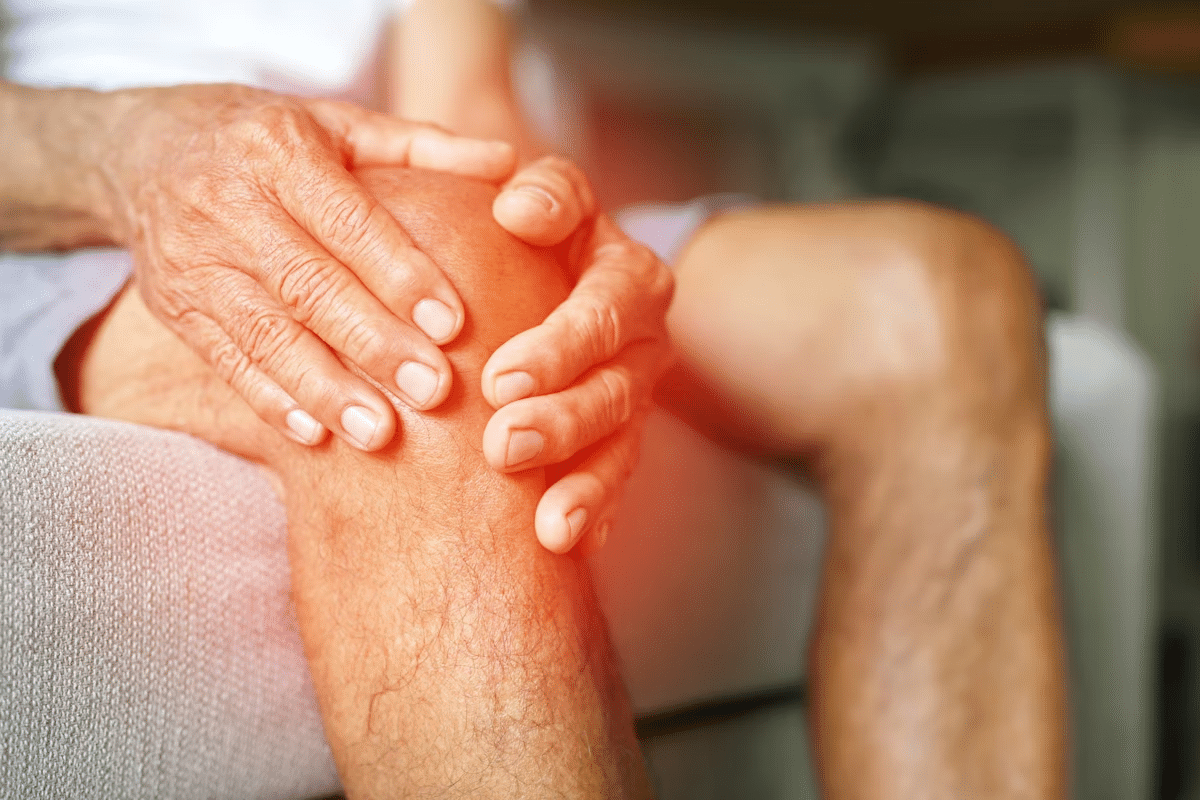
Osteoarthritis makes the cartilage in the knee thinner. This can lead to bone-on-bone contact and pain. The cartilage wears down, changing the joint and causing pain and mobility issues.
What Causes Cartilage Deterioration
Cartilage wear is complex and influenced by many factors. Aging is a big risk, as joints wear down over time. Other factors include genetics, obesity, and previous injuries to the knee. Without enough cartilage, bones rub together, putting more stress on the joint.
Inflammation also plays a key role. As osteoarthritis worsens, inflammation in the joint speeds up cartilage loss. This creates a cycle of damage and pain.
The Progression of Osteoarthritis
Osteoarthritis gets worse slowly. First, the cartilage gets thinner and more fragile. Then, it may disappear, exposing the bone. This can cause bone spurs and more damage to the joint.
“Osteoarthritis is not just a wear and tear condition; it’s a complex process involving joint inflammation, cartilage degradation, and changes in the surrounding bone.”
Medical Expert, Orthopedic Specialist
The speed of progression varies. It depends on age, lifestyle, and health. Knowing how it progresses helps in finding the right treatment.
Why Pain Occurs in Advanced Stages
In later stages, pain comes from several reasons. Cartilage loss means bones rub together, causing friction and pain. Bone spurs and inflammation also add to the discomfort.
|
Cause of Pain |
Description |
|---|---|
|
Bone-on-Bone Contact |
Friction between bones due to cartilage loss |
|
Bone Spurs |
Abnormal bone growths that can irritate surrounding tissues |
|
Inflammation |
Swelling and inflammation within the joint |
Managing these factors is key to reducing pain and improving life for those with advanced osteoarthritis.
Diagnosing Bone on Bone Knee Conditions
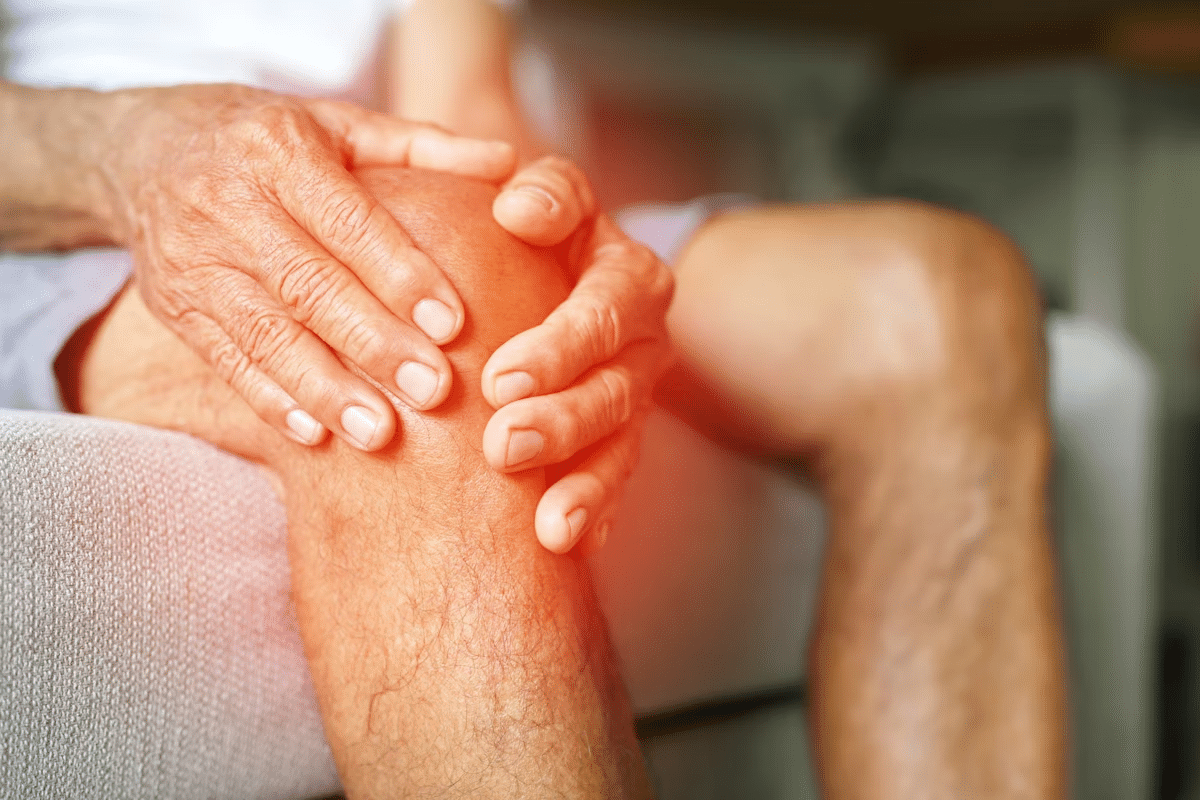
To diagnose bone on bone knee conditions, we need to look at symptoms and imaging tests. We’ll talk about common symptoms, the role of imaging, and how sometimes pain doesn’t match what tests show.
Common Symptoms and Warning Signs
Bone on bone knee pain has specific symptoms. These include:
- Persistent knee pain that gets worse with activity
- Stiffness, mainly after rest
- Swelling and inflammation around the knee
- Grinding or crunching sensations (crepitus) when moving the knee
- Reduced range of motion or trouble bending the knee
Spotting these symptoms early can help get a diagnosis and treatment sooner.
Imaging Tests and Their Limitations
Imaging tests are key in diagnosing knee osteoarthritis. The most used tests are:
|
Imaging Test |
Purpose |
Limitations |
|---|---|---|
|
X-rays |
Check joint space narrowing and bone spurs |
Doesn’t show soft tissue damage |
|
MRI |
Look at cartilage, ligaments, and soft tissues |
Expensive, not always needed for first diagnosis |
|
CT scans |
Give detailed bone images |
More radiation, not best for soft tissue |
Even though imaging tests are helpful, they have limits. Healthcare providers must think about these when looking at results.
The Disconnect Between Imaging and Pain Levels
Studies show a gap between imaging findings and pain levels. Some with big X-ray changes might feel little pain. Others with less X-ray changes might feel a lot of pain.
This gap shows how complex knee osteoarthritis is. We need a full approach to diagnose and treat it. Things like inflammation, how the knee moves, and how sensitive to pain someone is all matter.
It’s key for both doctors and patients to understand this gap. It shows why we must look at symptoms and imaging together when planning treatment.
Effective Bone on Bone Knee Pain Relief Methods
Managing bone on bone knee pain needs a mix of conservative methods and plans made just for you. Everyone’s situation is different. So, it’s key to try various treatments that have been proven to work.
Evidence-Based Conservative Approaches
First, we try conservative treatments for bone on bone knee pain. The British Medical Journal says to start with physical therapy and exercise before surgery. These methods aim to lessen pain, boost function, and improve life quality.
Some top conservative treatments are:
- Physical therapy to strengthen the muscles around the knee
- Low-impact exercises such as swimming or cycling
- Weight management to reduce stress on the knee joint
- Assistive devices like canes or walkers to reduce strain
These methods can greatly help with pain and mobility. It’s best to talk to a healthcare expert to find the right mix for you.
Comparing Treatment Effectiveness
It’s important to compare how different treatments work for bone on bone knee pain. Some might give quick relief, while others offer lasting benefits. We look at both the immediate and long-term effects of each treatment.
For example, physical therapy might take time but can lead to big improvements in knee function and pain. Medications like corticosteroid injections might give fast relief but aren’t good for long-term use.
Creating a Personalized Relief Plan
Making a plan just for you means tailoring treatments to fit your needs and condition. We get to know your lifestyle, how severe your condition is, and what you prefer. This helps us create a plan that works for you.
Your plan might include a mix of conservative treatments and lifestyle changes. By looking at your whole situation, we can help you find lasting relief from bone on bone knee pain.
In summary, effective relief from bone on bone knee pain needs a detailed and personal approach. By trying proven treatments and working with healthcare experts, you can make a plan that helps you manage pain and live better.
Physical Therapy Interventions
Physical therapy is key in managing bone-on-bone knee pain. It’s tailored to each patient’s needs for the best recovery. This approach helps patients get better faster.
Quadriceps Strengthening
Building up the quadriceps muscle is a big part of treating knee arthritis. Studies show that stronger quadriceps can lead to less knee pain. We use exercises like straight leg raises and squats to build strength.
Key Exercises for Quadriceps Strengthening:
- Straight leg raises
- Squats
- Leg press
- Leg extensions
Hip and Core Muscle Training
Training the hip and core muscles is also important. These muscles help improve how the lower limbs move and reduce knee strain. We focus on exercises that strengthen the gluteal muscles and core stabilizers.
Benefits of Hip and Core Strengthening:
- Improved lower limb alignment
- Enhanced stability
- Reduced knee pain
Gait Retraining and Biomechanical Correction
Gait retraining is a big part of physical therapy. It helps fix bad walking patterns that can make knee pain worse. By changing how a patient walks, we can lessen knee stress and boost mobility.
Gait Retraining Techniques:
- Gait analysis
- Orthotics and assistive devices
- Strengthening of supporting muscles
Targeted Exercise Protocols for Knee Arthritis
Exercise is key in managing knee arthritis. It helps more than just ease pain; it also boosts mobility. A good exercise plan should mix low-impact cardio, strength training, and flexibility exercises. These should match the person’s abilities and needs.
Low-Impact Cardiovascular Options
Low-impact cardio keeps the heart healthy without harming the knee. Cycling, swimming, and using an elliptical machine are top choices. They’re great for the heart and help manage weight, which is important for knee health.
Strength Training Guidelines
Building muscle around the knee is key. It helps support the joint and lessen pain. Try glute bridges, clamshells, and assisted sit-to-stand exercises. Start with light weights and increase as you get stronger.
- Start with bodyweight exercises or light resistance bands.
- Move to harder exercises as you get stronger and more confident.
- Always focus on proper form to avoid injuries.
Flexibility and Range of Motion Exercises
Keeping joints flexible and mobile is vital. Gentle stretches, like knee flexion and extension stretches, are helpful. Activities like yoga or Pilates can also improve flexibility, even with knee arthritis.
Regular exercise, along with other treatments, can greatly improve life for those with knee arthritis. Tailor the exercise plan to fit the person’s needs and gradually increase the challenge. This way, we can get the most benefits while keeping risks low.
Medication Options for Pain Management
For those with knee arthritis, knowing about medication options is key. Managing knee pain well often means using more than one approach. Medication is a big part of this.
Over-the-Counter Pain Relievers
OTC pain relievers are often the first choice for knee arthritis. Acetaminophen and ibuprofen are top picks. Acetaminophen eases pain, and ibuprofen also fights inflammation.
It’s important to stick to the right dose to avoid side effects. Too much acetaminophen can harm the liver. Taking too much ibuprofen can upset your stomach.
Prescription Medications
If OTC meds don’t work, prescription drugs might be needed. Corticosteroids are strong anti-inflammatory drugs. They can be taken by mouth or injected into the knee. Other options include stronger pain meds and ones for nerve pain.
Doctors usually prescribe these because of their strong effects and the chance of addiction.
Topical Treatments
Topical treatments are another way to tackle knee pain. Creams, gels, and patches with capsaicin, lidocaine, or NSAIDs can be applied right on the knee.
These can give targeted pain relief with less risk of side effects than pills.
Injectable and Regenerative Treatments
Injectable and regenerative treatments are new ways to fight knee arthritis. They help patients feel less pain and move better.
Corticosteroid Injections
Corticosteroid injections help by reducing knee inflammation and pain. They work well for sudden pain spikes.
Benefits: Quick pain relief, reduced inflammation.
Considerations: Too many injections can harm cartilage.
Hyaluronic Acid Viscosupplementation
Hyaluronic acid injections aim to make the knee’s fluid more like it used to be. This reduces friction and pain.
Key advantages: Improved joint lubrication, potentially longer-lasting relief.
Platelet-Rich Plasma Therapy
Platelet-rich plasma (PRP) therapy uses the patient’s own blood to help the knee. It has growth factors that might help heal and grow new tissue.
Potential benefits: Tissue repair, reduced pain.
Stem Cell and Emerging Regenerative Options
Stem cell therapy is a new area in medicine, aiming to treat knee arthritis. It uses stem cells to fix damaged tissue.
Though it’s in early stages, stem cell therapy could be a future treatment.
|
Treatment |
Primary Benefit |
Considerations |
|---|---|---|
|
Corticosteroid Injections |
Quick pain relief |
Potential negative effects on cartilage with repeated use |
|
Hyaluronic Acid Viscosupplementation |
Improved joint lubrication |
May require multiple injections |
|
Platelet-Rich Plasma Therapy |
Tissue repair, reduced pain |
Variable efficacy, insurance coverage may be limited |
Assistive Devices and Bracing
Assistive devices and bracing are key in easing knee pain from arthritis. They offer support and stability, helping people stay mobile and independent.
Knee Braces and Their Functions
Knee braces help manage knee arthritis. They come in different types, each with its own purpose:
- Prophylactic braces: Prevent injuries during physical activities
- Functional braces: Support knees with ligament instabilities
- Rehabilitative braces: Help during recovery by limiting knee motion
- Unloader braces: Shift weight off the damaged joint
Choosing the right knee brace is important. Always talk to a healthcare professional to find the best one for you.
Walking Aids and Mobility Support
Walking aids lessen stress on arthritic knees. Here are some common ones:
- Canes: Held in the hand opposite the affected knee to reduce pain
- Walkers: Offer stability for those with balance issues or severe pain
- Crutches: Used for short-term relief during flare-ups or after injuries
Using walking aids correctly can spread out weight, easing pressure on the knee joint.
Footwear Considerations and Orthotics
Choosing the right shoes is vital for knee arthritis. Look for:
- Shoes with good arch support: Keeps the foot aligned, reducing knee stress
- Cushioning: Absorbs shock, lessening knee joint impact
- Orthotic inserts: Custom-made to fix foot and knee alignment issues
Custom orthotics can be very helpful. They’re made to fix specific foot and knee problems.
By using these assistive devices and bracing, people with knee arthritis can see big improvements. They can manage pain better and move more easily.
Lifestyle Modifications for Long-Term Relief
To find lasting relief from bone on bone knee pain, you need to make big changes in your life. Changing your daily habits and routines can greatly help. This way, you can lessen your symptoms and live better.
Weight Management Strategies
Keeping a healthy weight is key to easing knee pain. Every pound you lose means four pounds less pressure on your knee. So, losing a little weight can make a big difference. We suggest eating right and exercising regularly to stay at a healthy weight.
- Dietary Changes: Eat a balanced diet with lots of fruits, veggies, whole grains, and lean proteins.
- Regular Exercise: Try low-impact activities like swimming, cycling, or brisk walking. They help burn calories and strengthen your knee muscles.
Activity Modification Techniques
Changing how you do daily tasks can also help. This means doing things differently or using tools to ease the strain on your knees.
- Use walking aids like canes or walkers to lessen knee pressure.
- Switch to low-impact exercises that are easier on your joints.
- Make your home and work spaces more ergonomic to reduce knee strain.
Dietary Approaches for Joint Health
Eating right is important for keeping your joints healthy. Some foods have anti-inflammatory properties that can ease knee pain.
- Omega-3 Fatty Acids: These are found in fish, flaxseeds, and walnuts. They have strong anti-inflammatory effects.
- Antioxidants: Foods high in antioxidants, like berries and leafy greens, can reduce inflammation and stress.
Managing Psychological Aspects of Chronic Pain
Chronic pain can affect your mind, causing stress, anxiety, and depression. It’s important to manage these feelings for your overall well-being.
We suggest:
- Mindfulness and Meditation: These practices can lower stress and improve how you handle pain.
- Cognitive Behavioral Therapy (CBT): This therapy can change how you see pain and help you cope better.
- Support Groups: Being part of a support group can make you feel less alone and more supported.
By making these lifestyle changes, you can find lasting relief from bone on bone knee pain. And you can also improve your overall quality of life.
Alternative and Complementary Therapies
Exploring ways to manage knee pain, we find alternative therapies helpful. They offer relief and better life quality for those with bone on bone knee pain.
Acupuncture and Traditional Chinese Medicine
Acupuncture is a key part of Traditional Chinese Medicine. It uses fine needles to help heal and reduce pain. Studies show it can help with knee pain and improve function in osteoarthritis patients.
Benefits of Acupuncture:
- Reduced pain and inflammation
- Improved joint mobility
- Enhanced overall well-being
Massage and Manual Therapies
Massage and manual therapies can ease knee pain. They reduce muscle tension, improve circulation, and relax the body. Different massage styles, like deep tissue and Swedish, meet individual needs.
Massage Techniques for Knee Pain:
- Deep tissue massage to target deeper muscle layers
- Swedish massage for relaxation and improved circulation
- Trigger point therapy to release tension in specific muscle areas
Heat and Cold Therapy Applications
Heat and cold therapies are simple yet effective for knee pain. Heat, like warm baths or heating pads, relaxes muscles and boosts blood flow. Cold, with ice packs or cold compresses, cuts inflammation and dulls pain.
|
Therapy Type |
Benefits |
Application |
|---|---|---|
|
Heat Therapy |
Relaxes muscles, increases blood flow |
Warm baths, heating pads |
|
Cold Therapy |
Reduces inflammation, numbs pain |
Ice packs, cold compresses |
Mind-Body Approaches for Pain Management
Mind-body therapies like meditation, yoga, and cognitive-behavioral therapy are key for managing chronic knee pain. They help develop coping strategies, reduce stress, and boost mental health.
Adding these therapies to a treatment plan can greatly help those with bone on bone knee pain. It leads to significant relief and a better quality of life.
Surgical Options When Conservative Treatment Fails
Advanced knee arthritis can lead to a lot of pain and trouble moving. Surgery might help a lot. If other treatments don’t work, looking into surgery is a good next step.
Arthroscopic Procedures
Arthroscopic surgery uses a small camera and tools to check and fix the knee. It’s a small cut to remove cartilage or bone bits, fix the menisci, or smooth out the joint.
But, it’s not the best for very bad arthritis. Studies show it might not help much in the long run for severe cases.
Partial and Total Knee Replacement
Knee replacement surgery changes the joint with artificial parts. There are two kinds: partial and total.
- Partial Knee Replacement: This fixes only the bad part of the knee, keeping the good parts. It’s for arthritis in just one part of the knee.
- Total Knee Replacement: This replaces the whole knee with artificial parts. It’s for arthritis in many parts of the knee.
|
Surgical Option |
Description |
Typical Recovery Time |
|---|---|---|
|
Arthroscopic Procedure |
Minimally invasive surgery to clean or repair the joint |
1-3 months |
|
Partial Knee Replacement |
Replacing only the damaged portion of the knee |
3-6 months |
|
Total Knee Replacement |
Replacing the entire knee joint with artificial components |
3-6 months |
Recovery Expectations and Rehabilitation
Recovery time after knee surgery depends on the type. Most people need to do physical therapy to get strong and move better.
Key components of the recovery process include:
- Immediate post-operative care to manage pain and swelling
- Gradual mobilization and strengthening exercises
- Progressive resistance training to improve muscle strength
- Functional training to enhance mobility and daily activity performance
Working with your healthcare team is key to a good recovery. They can help make a plan just for you.
Conclusion: Building Your Comprehensive Knee Pain Management Strategy
Managing bone on bone knee pain needs a mix of treatments and lifestyle changes. We’ve looked at many ways to help you feel better. This includes both non-surgical and surgical options.
A good knee pain plan is key to living better with knee arthritis. It combines proven treatments like physical therapy and medicine. Adding lifestyle changes like losing weight and choosing the right activities is also important.
Every person’s knee arthritis is different. That’s why a plan made just for you is best. Working with doctors and other healthcare experts helps create a plan that meets your needs.
Using a full knee pain management plan helps you control your condition. It reduces pain and boosts your overall health. This way, you can stay active and live a healthy life despite knee arthritis.
FAQ
What is the most effective treatment for knee arthritis?
The best treatment for knee arthritis often combines several methods. This includes physical therapy, medication, and changes in lifestyle. Sometimes, injectable or regenerative treatments are also suggested.
How can I manage bone on bone knee pain?
To manage bone on bone knee pain, a mix of treatments is best. This includes physical therapy, pain medicines, and using assistive devices. Also, making lifestyle changes like managing weight and changing activities is important.
What are the benefits of physical therapy for knee arthritis?
Physical therapy strengthens the muscles around the knee. It also improves joint movement and reduces pain. Exercises like strengthening the quadriceps and training the hip and core are part of it.
Are there any alternative therapies that can help with knee arthritis?
Yes, alternative therapies like acupuncture, massage, and heat or cold therapy can help. Mind-body approaches like meditation and yoga are also beneficial for some.
When is surgery considered for knee arthritis?
Surgery is considered when other treatments don’t work well. Options include arthroscopic procedures or knee replacement surgery.
What lifestyle changes can help alleviate knee arthritis symptoms?
Keeping a healthy weight and avoiding high-impact activities on the knee helps. Eating anti-inflammatory foods also aids in reducing symptoms.
How can I create a personalized relief plan for bone on bone knee pain?
To create a personalized plan, work with healthcare professionals. They will help find the best treatments and lifestyle changes for you.
What are the benefits of using assistive devices for knee arthritis?
Assistive devices like knee braces and walking aids reduce knee stress. They improve mobility and lessen pain.
Can injectable treatments help with knee arthritis?
Yes, injectable treatments like corticosteroids and hyaluronic acid can help. Platelet-rich plasma therapy is also an option for some.
How important is weight management for knee arthritis?
Weight management is very important for knee arthritis. Excess weight increases stress on the knee, making pain worse.
References
National Center for Biotechnology Information. Evidence-Based Medical Guidance. Retrieved from https://www.ncbi.nlm.nih.gov/books/NBK475772/