
Do you see things blurry and have eye redness, discharge, or feel uncomfortable? You might have an eye infection that needs a doctor’s help. Every year, about 1 million people in the U.S. visit doctors for eye infections. Many of them face vision problems.Find out the link between infection and vision:can eye infection cause blurred vision and when to worry. Answer to can eye infection cause blurred vision.
We’ll look into how infections can cause blurred vision. We’ll talk about the different infections that can make your vision blurry. It’s key to know the causes, symptoms, and treatments of eye infections to avoid vision damage.
Key Takeaways
- Eye infections are common and can lead to serious vision complications if left untreated.
- Approximately 1 million people in the United States seek medical care for eye infections annually.
- Blurred vision is a significant symptom that should not be ignored.
- Prompt medical attention is necessary to prevent long-term vision damage.
- Various types of infections can cause blurred vision.
The Connection Between Eye Infections and Vision Changes

It’s important to know how eye infections affect our vision. They can cause everything from mild blurriness to severe vision loss. We’ll look at how different infections affect our sight and how common they are in the U.S.
How Infections Affect Visual Clarity
Eye infections can harm our vision by causing inflammation and damage. For example, corneal infections can lead to scarring. This scarring can cause blurred vision or other vision problems.
The cornea is the clear outer layer of the eye. It’s key for focusing light. When it gets infected, it can disrupt this function, leading to vision issues.
The severity of vision changes varies by infection type and location. Infections like keratitis can cause more severe vision changes than those like conjunctivitis. Knowing how different infections affect vision is key for proper treatment.
Statistics on Eye Infections in the United States
Eye infections are a big public health issue in the U.S. Nearly 1 million people visit emergency rooms or doctor’s offices each year for corneal infections. Also, 1 in 500 contact lens users get sight-threatening infections yearly. Conjunctivitis, or pink eye, leads to about 3 million missed school days annually.
Condition | Annual Incidence | Impact |
Corneal Infections | Nearly 1 million ER/doctor visits | Vision-threatening complications |
Sight-threatening infections in contact lens wearers | 1 in 500 | Potential for severe vision loss |
Conjunctivitis (Pink Eye) | 3 million missed school days | Disruption in daily activities |
These numbers show the big impact of eye infections on health and daily life. Understanding the link between eye infections and vision changes is vital. It helps us see why prevention and early treatment are so important.
Understanding Common Eye Infections
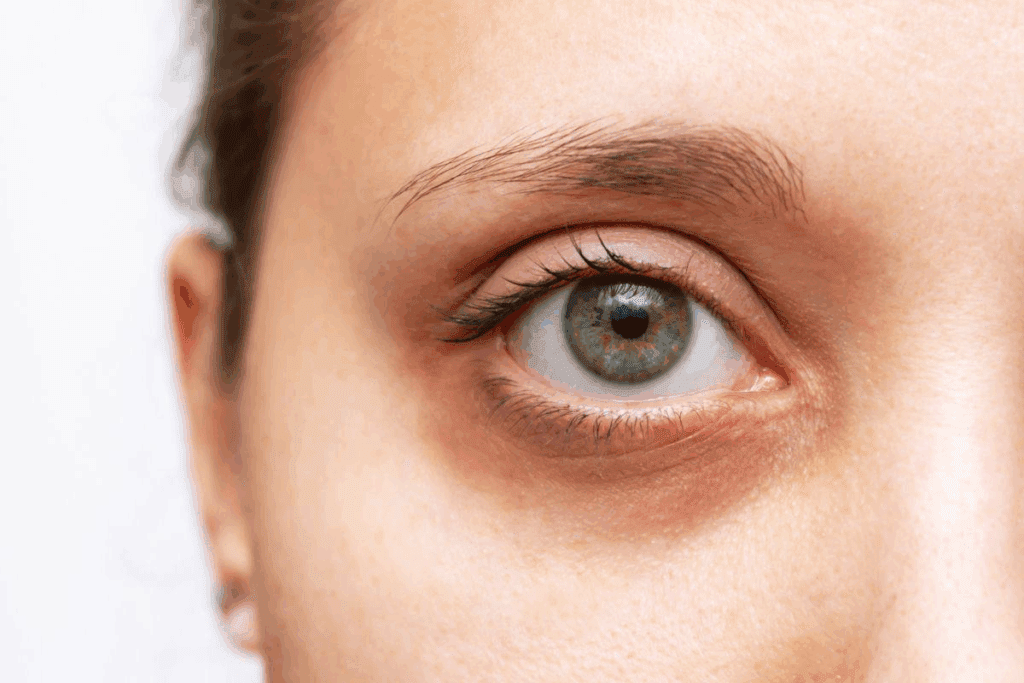
It’s important to know about different eye infections to treat and prevent them. If not treated, eye infections can cause blurred vision.
Bacterial Infections
Bacterial eye infections, like bacterial conjunctivitis, have thick, yellow or green discharge. They are contagious and can spread through touching contaminated surfaces or direct contact with someone’s eye discharge.
Bacterial conjunctivitis needs antibiotics to clear the infection and avoid complications.
Viral Infections
Viral eye infections, such as viral conjunctivitis, have watery discharge and are contagious. Unlike bacterial infections, viral ones don’t need antibiotics and usually get better in a few days to a week.
Fungal Infections
Fungal keratitis is a serious infection that can cause vision loss if not treated quickly. Fungal eye infections are less common but can be severe, needing antifungal medication.
Fungal keratitis often happens in people who have eye trauma or wear contact lenses without proper hygiene.
Knowing the type of eye infection is key to the right treatment and avoiding complications like blurred vision.
Keratitis: When Infection Attacks the Cornea
The cornea, the clear outer layer of the eye, can get infected. This leads to keratitis, a condition marked by inflammation. It’s caused by various infectious agents like bacteria, viruses, fungi, and protozoa.
Understanding Keratitis
Types of Keratitis
Keratitis can be caused by different things. The main types are:
- Bacterial Keratitis: Often seen in people who wear contact lenses and don’t follow good hygiene.
- Viral Keratitis: Caused by viruses, like herpes simplex.
- Fungal Keratitis: More common in those who work outdoors or have eye injuries with organic matter.
- Acanthamoeba Keratitis: Linked to bad contact lens use, like wearing them in contaminated water.
Symptoms and Progression
The symptoms of keratitis can differ based on the cause. But common signs include:
- Intense eye pain
- Blurred vision
- Sensitivity to light
- Redness of the eye
If keratitis isn’t treated, it can get worse. This can lead to corneal scarring and even permanent vision loss.
Risk Factors for Developing Keratitis
Some things can make you more likely to get keratitis:
Risk Factor | Description |
Contact Lens Use | Poor hygiene and wrong use of contact lenses. |
Eye Injury | Trauma to the eye, mainly with organic matter. |
Previous Eye Surgery | Higher risk because the cornea is already damaged. |
Chronic Eye Diseases | Conditions like dry eye can make you more prone to keratitis. |
Knowing these risk factors and symptoms is key. It helps catch keratitis early and treat it, avoiding serious problems.
Conjunctivitis (Pink Eye): More Than Just Redness
Pink eye, or conjunctivitis, is a common eye infection. It can cause a lot of discomfort and affect your vision. We will look at the different types of conjunctivitis, how it impacts your vision, and how it spreads.
Different Forms of Conjunctivitis
There are three main types of conjunctivitis: viral, bacterial, and allergic. Viral conjunctivitis is very contagious and often has watery discharge. It’s usually caused by viruses like adenovirus. Bacterial conjunctivitis has thicker, yellowish or greenish discharge due to bacteria. Allergic conjunctivitis happens when the eyes react to an allergen, leading to redness, itching, and watery discharge.
How Conjunctivitis Affects Vision
Conjunctivitis can make your vision blurry, which is more noticeable when it affects the cornea. The discharge can also make your eyelids stick together, making it hard to open your eyes in the morning. While these vision problems are usually temporary, they can be uncomfortable and disrupt your daily activities.
Contagion and Spread
Conjunctivitis, mainly the viral and bacterial types, is very contagious. It can spread through direct contact with infected discharge, touching contaminated surfaces, or through the air when someone coughs or sneezes. It’s important to practice good hygiene, like washing your hands often and avoiding touching your eyes, to prevent it from spreading.
To better understand the differences between the types of conjunctivitis, let’s examine the following table:
Type of Conjunctivitis | Cause | Discharge Characteristics | Contagiousness |
Viral | Virus (e.g., adenovirus) | Watery | Highly contagious |
Bacterial | Bacteria | Thick, yellowish or greenish | Contagious |
Allergic | Allergen | Watery | Not contagious |
Can Eye Infections Cause Blurred Vision? The Scientific Explanation
Eye infections can make your vision blurry. This happens because of inflammation and damage to the cornea or conjunctiva. Conditions like keratitis and conjunctivitis can really affect how well you see.
Mechanisms Behind Vision Changes
Several factors cause vision changes in eye infections. Swelling from inflammation can distort the cornea. This makes it hard for light to reach your retina clearly. Also, discharge or mucus can block light, causing blur.
“Inflammation and corneal damage are primary contributors to vision disturbances in eye infections.” Doctors say the impact on vision can vary. It depends on the infection’s type and how severe it is.
Temporary vs. Permanent Vision Effects
Most eye infections cause temporary vision problems. But, getting treatment quickly is key to avoid lasting damage. Untreated keratitis can scar the cornea, leading to permanent vision loss. But, conjunctivitis usually doesn’t cause permanent vision issues if treated right.
When to Be Concerned About Vision Changes
Watch out for vision changes with eye infections. If you have lasting blur, eye pain, or light sensitivity, see a doctor fast. Early treatment can prevent long-term vision problems.
As an expert in the field once said,
“The key to managing vision changes due to eye infections lies in timely intervention and appropriate care.”
This shows why it’s important to take care of your eyes. And seek help when you need it.
Keratitis vs. Pink Eye: Comparing Two Common Infections
Eye infections like keratitis and conjunctivitis can make vision blurry. It’s important to know the differences to treat them right. Keratitis and conjunctivitis both affect the eye but impact vision and structures differently.
Symptom Differences
Keratitis and conjunctivitis share some symptoms but have key differences. Keratitis, which inflames the cornea, causes severe pain, redness, and light sensitivity. It also makes vision blurry. On the other hand, conjunctivitis, or pink eye, leads to redness, itching, and discharge. It’s less painful than keratitis.
Here’s a table showing the differences:
Symptom | Keratitis | Conjunctivitis (Pink Eye) |
Pain Level | Severe | Mild to Moderate |
Redness | Present | Present |
Sensitivity to Light | Common | Less Common |
Discharge | Variable | Common |
Blurred Vision | Common | Variable |
Blurry Vision in Both Conditions
Both keratitis and conjunctivitis can make vision blurry. But why? Keratitis affects the cornea, causing serious vision problems. Conjunctivitis, or pink eye, makes vision blurry due to discharge or inflammation. This is usually less severe but can be annoying.
Severity and Treatment Approaches
Keratitis and conjunctivitis have different severities and treatments. Keratitis, affecting the cornea, needs strong treatment. This might include medications for viruses, bacteria, or fungi. Conjunctivitis treatment depends on its cause. Viral cases often get better on their own. Bacterial cases need antibiotics, and allergic cases are treated with anti-allergic meds.
Treatment Approaches:
- Keratitis: Aggressive medical treatment, potentially including topical medications and, in severe cases, surgical intervention.
- Conjunctivitis: Treatment varies by cause; may include antibiotics for bacterial cases, anti-allergic medications for allergic cases, and supportive care for viral cases.
Knowing these differences helps healthcare providers give the right care. It also helps patients follow the right treatment. This protects their vision and eye health.
Contact Lens Wearers: A Population at Risk
Contact lenses are convenient but come with a hidden danger: a higher risk of serious eye infections. Many people choose contact lenses for vision correction. But it’s important to know the risks and take steps to avoid them.
Why Contact Lenses Increase Infection Risk
Contact lenses can lead to eye infections, like keratitis, by creating a perfect spot for germs to grow. If lenses aren’t cleaned and disinfected right, or if they’re worn too long, the risk goes up. Also, using water from showers, swimming pools, or tap water for lens care can bring harmful germs to your eyes.
Poor hygiene practices play a big role in getting contact lens-related infections. Not washing hands before touching lenses, using old or wrong lens care solutions, and not changing lenses as advised can all raise the risk of infection.
Pseudomonas Aeruginosa and Other Common Culprits
Pseudomonas aeruginosa is a harmful bacterium that can cause severe keratitis, mainly in contact lens users. It loves moist places and can be in contaminated water. Other germs, fungi, and parasites can also cause serious eye infections if they get into the cornea.
The danger isn’t just in the type of lens; both soft and RGP lenses can lead to infections if not cared for right. But, the risk is even higher with extended or overnight wear.
Contact Lens Keratitis: Prevention and Management
To avoid contact lens keratitis, you need to take good care of your lenses, see your eye doctor regularly, and know the risks of wearing lenses. This means not sleeping in lenses unless your doctor says it’s okay, not letting lenses get wet, and following a strict cleaning and disinfecting routine.
- Always wash your hands before handling contact lenses.
- Use fresh contact lens solution each time you store your lenses; never top off old solution.
- Replace your contact lens case regularly, ideally every 1-3 months.
- Attend regular follow-up appointments with your eye care provider.
By knowing the risks and taking action, contact lens users can lower their chance of getting serious eye infections like keratitis. If you notice eye pain, redness, or blurry vision, get medical help right away.
Effective Treatments for Keratitis
Treating keratitis involves a detailed plan based on the cause and severity. The main goal is to get rid of the infection, reduce swelling, and help the eye heal. This is to avoid lasting vision problems.
Medication Options for Different Types
The type of medication for keratitis depends on the cause. Antibiotic, antiviral, or antifungal drugs are used for bacteria, viruses, or fungi.
- Bacterial Keratitis: Fortified antibiotic eye drops are used, and sometimes oral antibiotics are needed.
- Viral Keratitis: Antiviral drugs are used, mainly for herpes simplex keratitis. Topical antiviral agents are the main treatment.
- Fungal Keratitis: Antifungal eye drops are the main treatment. Sometimes, oral antifungal drugs are also needed.
The Treatment Timeline and Process
The treatment time for keratitis varies by type and severity. Treatment starts with eye drops applied often, then the frequency is reduced as the infection gets better.
- Initial intensive treatment phase: Medication is applied frequently, often every 30 minutes to 1 hour.
- Tapered treatment phase: The frequency of medication application is gradually reduced as the condition improves.
- Follow-up care: Regular visits to an eye care professional are needed to monitor healing and adjust treatment if needed.
When Surgery Might Be Necessary
In some cases, surgery is needed to manage complications or repair damage from keratitis. This includes corneal transplantation for severe scarring or perforation.
Prompt and appropriate treatment is key to prevent long-term vision damage and ensure the best outcomes for keratitis patients.
Managing Blurry Vision from Conjunctivitis
Understanding and managing blurry vision from conjunctivitis is key. Conjunctivitis, or pink eye, can cause blurry vision. This happens because the infection affects the cornea or because of the mucus and discharge it produces.
Immediate Relief Strategies
Several strategies can help with blurry vision from conjunctivitis. These include:
- Using warm compresses to loosen crust and reduce discharge
- Applying artificial tears to help clear out mucus and reduce dryness
- Avoiding rubbing the eyes to prevent further irritation
- Maintaining good hygiene to prevent the spread of infection
Medical Treatments for Vision Restoration
For bacterial conjunctivitis, antibiotics are often needed. Antiviral medication may be used for viral conjunctivitis caused by herpes simplex virus. Artificial tears and anti-inflammatory drops can also help manage symptoms and support vision recovery.
Treatment Type | Application | Expected Outcome |
Antibiotic Drops/Ointment | Bacterial Conjunctivitis | Clearing of infection, reduction in discharge |
Antiviral Medication | Viral Conjunctivitis (Herpes Simplex) | Reduction in viral load, symptom alleviation |
Artificial Tears | All Types of Conjunctivitis | Symptom relief, reduction in blurry vision |
How Long Blurry Vision Typically Lasts
The time blurry vision lasts depends on the cause and treatment. Once treated, blurry vision starts to clear up. Bacterial conjunctivitis may improve in a few days with antibiotics. Viral conjunctivitis may take longer, improving as the virus clears.
In conclusion, managing blurry vision from conjunctivitis needs a full approach. This includes quick relief strategies, the right medical treatment, and knowing how long symptoms last. By treating the cause and using supportive care, people can manage their symptoms and regain clear vision.
Potential Complications When Eye Infections Go Untreated
Untreated eye infections can cause serious damage to your eyes. They can lead to long-term vision problems. This can affect your eye health and your quality of life.
Corneal Scarring and Permanent Damage
One major risk is corneal scarring. The cornea is the clear outer layer of your eye. It’s vital for clear vision. If it gets infected, it can scar, causing permanent vision loss.
Corneal scarring can make your vision blurry, double, or even disappear. This can really impact your daily life.
Spread of Infection to Other Eye Structures
Untreated eye infections can spread to other parts of your eye. For example, an infection in the conjunctiva can move to the cornea or deeper. This can cause severe inflammation, like endophthalmitis, inside your eye.
Long-term Vision Impairment Risks
Untreated eye infections can also lead to long-term vision problems. The severity and type of infection determine the vision impact. Some may cause temporary issues, while others can result in permanent blindness.
Getting treatment quickly is key to avoiding these long-term vision problems.
Complication | Description | Potential Outcome |
Corneal Scarring | Scarring of the cornea due to infection | Permanent vision impairment |
Spread of Infection | Infection spreading to other parts of the eye | Severe inflammation, vision loss |
Long-term Vision Impairment | Lasting impact on vision due to infection | Vision disturbances, blindness |
In conclusion, untreated eye infections can have severe and lasting effects on your eye health and vision. It’s vital to get medical help right away to avoid these complications and protect your vision.
Prevention Strategies for Eye Infections
To prevent eye infections, we need to follow several steps. These include good hygiene, being aware of our environment, and special care for those who wear contact lenses. By doing these things, we can lower our chances of getting eye infections and keep our eyes healthy.
Hygiene Practices
Good hygiene is key to avoiding eye infections. Frequent handwashing is very important, before touching your eyes or handling contact lenses. Don’t share makeup or makeup tools, as this can spread germs. Also, make sure to clean and disinfect contact lenses properly and replace them as needed.
Medical Expert. Jelic, an ophthalmologist, says, “Hand hygiene is one of the simplest and most effective ways to prevent the spread of infection, including to the eyes.”
“Hand hygiene is a critical component of eye infection prevention.”
Environmental Considerations
Knowing about environmental factors can also help prevent eye infections. Stay away from contaminated water, like in hot tubs or swimming pools that aren’t properly chlorinated. Always wear protective eyewear during activities that could hurt your eyes or expose you to chemicals.
Environmental Risk | Prevention Measure |
Contaminated water | Avoid swimming in poorly chlorinated pools |
Chemical exposure | Wear protective eyewear during chemical handling |
Special Precautions for Contact Lens Users
People who wear contact lenses are more likely to get certain eye infections, like keratitis. To lower this risk, follow the right lens care and hygiene steps. This means cleaning and disinfecting lenses as directed, replacing them on time, and going to regular check-ups with your eye doctor.
By knowing and using these prevention steps, we can greatly reduce eye infections and keep our vision safe.
Conclusion: Protecting Your Vision Health
Keeping your vision healthy is key to avoiding vision loss and seeing clearly. Eye infections can blur your vision and lead to serious problems if not treated. It’s important to catch and treat eye infections early to prevent lasting vision damage.
By focusing on eye care, you can lower your risk of losing your vision. This means staying clean, not sharing personal items, and getting regular eye checks. Also, treating eye infections quickly is critical to prevent vision changes.
We stress the need for eye care to keep your vision in top shape. Taking steps now can protect your vision and lower the chance of vision problems later. Keeping your vision healthy is a team effort that needs awareness, learning, and quick action when needed.
FAQ
Can eye infections cause blurry vision?
Yes, eye infections like keratitis and conjunctivitis can make your vision blurry. This happens because the infection irritates and inflames the eye.
What are the common types of eye infections that can lead to blurred vision?
Bacterial, viral, and fungal infections can all cause blurry vision. Keratitis, a serious cornea infection, is one example. It needs quick treatment to avoid serious problems.
How do eye infections affect visual clarity?
Eye infections can make your vision unclear. They cause inflammation, redness, and irritation. This can lead to blurry vision, light sensitivity, and eye pain.
Can conjunctivitis cause blurry vision?
Yes, conjunctivitis, or pink eye, can make your vision blurry. It’s usually less severe than keratitis. Viruses, bacteria, or allergens can cause it.
What is the difference between keratitis and conjunctivitis?
Keratitis is a serious cornea infection that can lead to vision loss. Conjunctivitis is an inflammation of the conjunctiva. It causes redness, itching, and discharge.
How can contact lens wearers reduce their risk of developing eye infections?
Contact lens users can lower their risk by following good hygiene. Clean and disinfect lenses regularly. Don’t share or swap lenses.
What are the treatment options for keratitis?
Keratitis treatment varies based on the cause. It might include antibiotics, antivirals, or antifungals. In severe cases, surgery is needed to repair damage.
How long does blurry vision typically last after conjunctivitis?
How long blurry vision lasts after conjunctivitis depends on the cause and treatment. It usually clears up once the infection is treated.
What are the potentially serious complications of untreated eye infections?
Untreated eye infections can cause scarring and vision loss. They can also spread to other parts of the eye. Seeking medical help quickly is key.
Can eye infections cause permanent vision loss?
Yes, severe infections like keratitis can cause permanent vision loss. This is why quick medical attention is so important.
How can I prevent eye infections?
Preventing eye infections is simple. Practice good hygiene, avoid sharing items, and be careful with contact lenses. These steps can help keep your eyes safe.
What are the symptoms of keratitis?
Keratitis symptoms include intense pain, blurred vision, and sensitivity to light. You may also see redness and inflammation of the cornea. Seek medical help right away.
Is conjunctivitis contagious?
Yes, conjunctivitis can spread, mainly through viruses or bacteria. It can be passed on by touching an infected person’s eye discharge.
References
National Center for Biotechnology Information. Evidence-Based Medical Guidance. Retrieved from https://pubmed.ncbi.nlm.nih.gov/24145754/