Getting ready for a PET scan is key for good results. The night before is very important for pet scan preparation. In the U.S., over 2 million PET scans are done each year. They help doctors diagnose and treat many health issues.
The night before your PET scan, you need to follow some steps. This includes eating certain foods and changing your medications. By following pet scan guidelines, your scan will work better.
Knowing what to do and what to avoid before a PET scan is very important. It can really affect how well the scan goes.
Key Takeaways
- Understand the dietary restrictions required before a PET scan.
- Know which medications to adjust or avoid.
- Follow the provided pet scan guidelines carefully.
- Prepare your body for the scan by following the pre-scan instructions.
- Plan your transportation and accompaniment for the scan day.
Understanding PET Scans: What to Expect
A PET scan is a high-tech way to see how the body works. It helps doctors find and track diseases like cancer, brain problems, and heart issues.
The scan uses a special dye that lights up where the body is most active. This dye goes into the body and shows up in growing cells. The scanner picks up these signals to make clear pictures of what’s inside.
How PET Scans Work
PET scans find where the body is most active. First, a special dye is given. This dye has a tiny bit of radioactivity.
As it breaks down, it sends out signals. These signals are caught by the scanner. It uses these to make detailed pictures of the body’s activity.
PET scans have changed how doctors work. They help find and track diseases better. For example, they were key in Tina Schoenfelder’s recovery.
Common Reasons for PET Scans
PET scans are used for many reasons. They help find and watch cancer, check for brain diseases, and look at heart health.
Knowing why PET scans are used helps patients understand their importance.
Duration and Procedure Overview
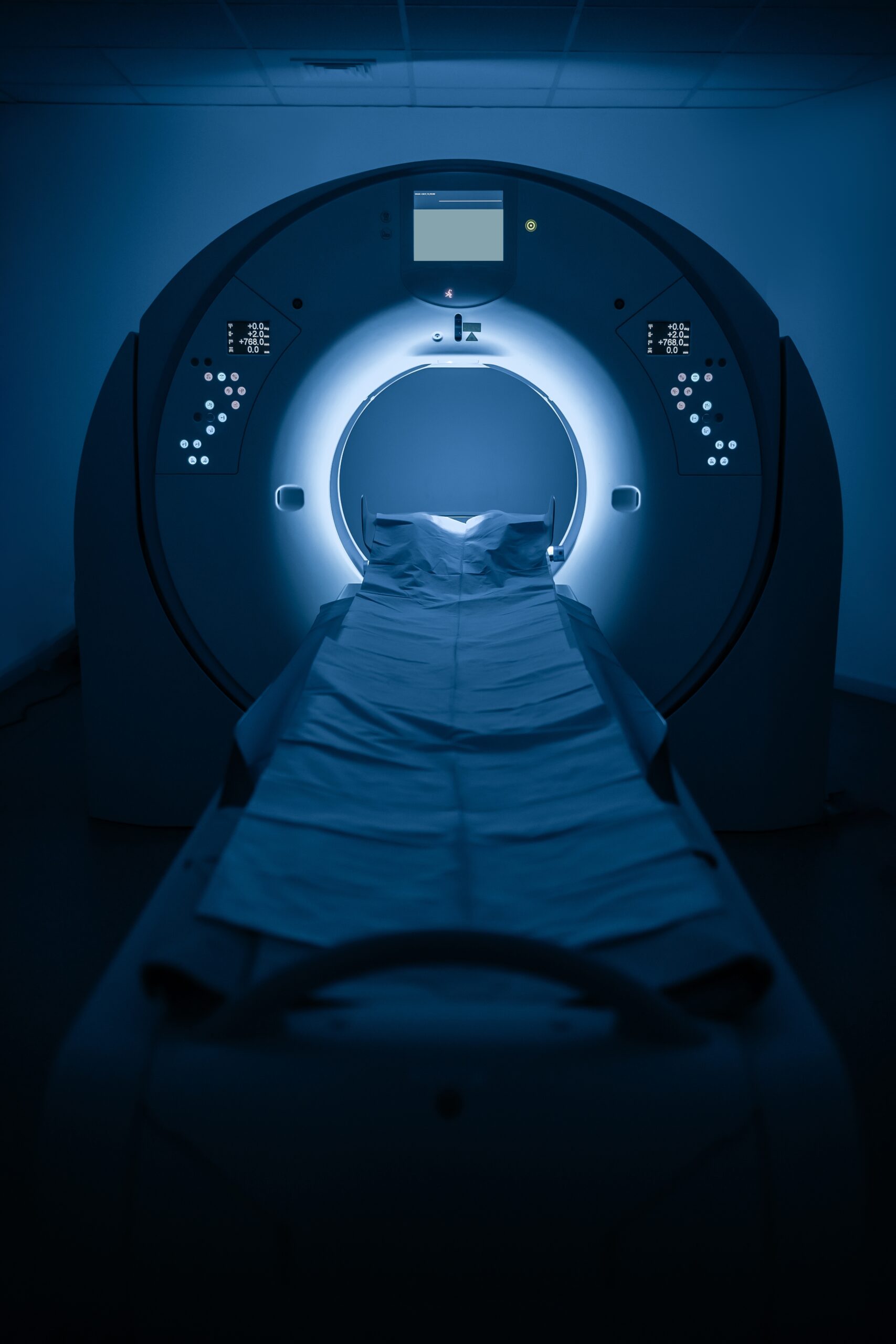
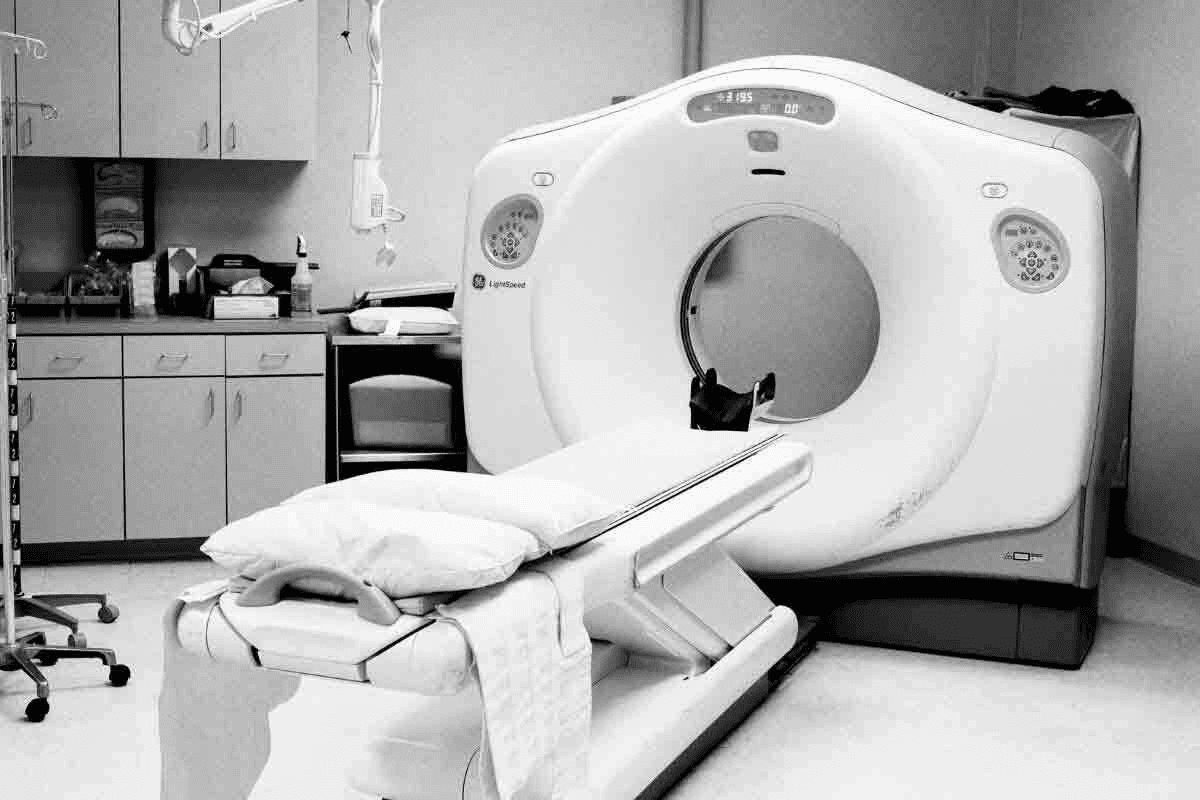
A PET scan usually takes 30 minutes to an hour. You lie on a table that slides into the scanner. The scanner picks up the dye’s signals, and a technologist watches the whole time.
Knowing what to expect can help you feel less nervous. It’s also good to know about pet scan side effects and pet scan contrast dye.
Why Proper Preparation Matters for Accurate Results
Getting ready for a PET scan is key to getting good results. A PET scan is a high-tech way to check for health issues. How well you prepare can affect the scan’s accuracy.
How Poor Preparation Affects Scan Quality
Not preparing well can make the scan less clear. This makes it hard for doctors to read the results right. It’s important to follow pet scan preparation tips given by your doctor to avoid problems.
Potential for False Readings
Not following pre-scan rules can lead to wrong results. This can cause doctors to miss or find things that aren’t there. It’s important to know about pet scan safety precautions to avoid these issues.
Safety Considerations
Safety is a big part of getting ready for a PET scan. Some medicines or supplements can mess with the scan. Tell your doctor about all your medicines, including ones you buy without a prescription. This helps keep you safe during the scan.
By following the prep instructions, you help make your PET scan a success. This improves the scan’s quality and makes it safe. If you have questions about getting ready for your PET scan, talk to your doctor.
General Timeline: When to Start Preparing
To get the best results from a PET scan, you need to prepare well in advance. This preparation involves several steps taken at different times. It’s all about making sure you’re ready for the scan.
48 Hours Before Your Scan
Start paying attention to your diet and activities two days before your PET scan. Try to avoid high-sugar foods and drinks as they can mess with your blood sugar. Also, some medications and supplements might need to be stopped. Always follow your healthcare provider’s specific instructions.
24 Hours Before Your Scan
24 hours before your PET scan, your preparations get stricter. You’ll need to stick to specific dietary restrictions like avoiding carbs and sugars. Your healthcare provider will also give you a list of medications and supplements to skip. It’s important to follow these instructions to get accurate results.
The Night Before Your Scan
The night before your PET scan is key. You’ll need to follow fasting instructions from your healthcare provider. This means not eating or drinking certain things for a while. It’s also a good time to review the procedure, plan your outfit, and gather all necessary documents.
By following the preparation timeline and instructions, you help make your PET scan a success. This ensures the results are as accurate as they can be.
Medications to Avoid Before PET Scan: Complete Guide
Getting ready for a PET scan is more than just showing up. You need to think about the medications you take. Some can mess with the scan’s results. It’s key to know what to avoid and when to stop taking them.
Prescription Medications That May Interfere
Some prescription drugs can mess with PET scan results. Tell your healthcare provider about all your prescription meds.
- Diabetes medications: Some diabetes meds, like metformin, might need to be stopped before a PET scan.
- Insulin: If you take insulin, your healthcare provider might tell you to adjust your dose or timing.
Over-the-Counter Medications to Avoid
OTC meds can also mess with PET scan results. You don’t have to stop all OTC meds, but some should be avoided or used carefully.
- Caffeine: Don’t have caffeine for at least 24 hours before a PET scan. It can change the results.
- Nicotine: Nicotine can also affect the scan’s results. Try to avoid nicotine products for as long as you can before the scan.
Supplements and Herbal Remedies to Discontinue
Supplements and herbal remedies can mess with the PET scan or its results. Tell your healthcare provider about all supplements you’re taking.
- Vitamins and minerals: Some vitamins and minerals, like those with sugar or carbs, might need to be stopped before a PET scan.
- Herbal supplements: Some herbal supplements can mess with the scan’s accuracy. Let your healthcare provider know if you’re taking any.
Always talk to your healthcare provider before changing any medication, supplement, or herbal remedy. They’ll give you advice based on your health and the PET scan you’re having.
Essential Fasting Instructions for PET Scans
To get the best results from your PET scan, it’s key to follow fasting instructions closely. Fasting is important for PET scan prep. It makes sure the scan gives clear and accurate images.
When to Start Fasting
The fasting start time for a PET scan varies. Your healthcare provider will tell you how long to fast, usually 4 to 12 hours. It’s important to stick to the fasting plan your doctor gives you.
What Counts as Breaking a Fast
Knowing what breaks fast is important for your PET scan prep. Eating or drinking anything with calories can mess up the scan. This includes snacks, sugary drinks, and some meds.
Avoid consuming:
- Sugary drinks and foods
- Meals and snacks
- Chewing gum
- Coffee or tea with sugar or cream
Special Considerations for Diabetic Patients
Diabetics need special care when fasting for a PET scan. Talk to your healthcare provider about managing your diabetes during fasting. You might need to adjust your meds or check your blood sugar more often.
Permitted Fluids During Fasting
While fasting, you can usually drink water. Staying hydrated is good, but avoid calorie or sugar drinks. Black coffee or tea without additives might be okay, but check with your doctor first.
Always follow your healthcare team’s specific guidelines for a successful PET scan.
Diet Restrictions Before Your PET Scan
Diet is very important before a PET scan. It affects how accurate the scan results are. Some foods and drinks can mess with the radiotracer used in PET scans. This can make the results less reliable.
Foods to Avoid 24 Hours Before
Stay away from foods high in sugar and carbs 24 hours before your PET scan. High-sugar foods and drinks like candy, sugary drinks, and white bread should be avoided. Also, try to limit or avoid caffeine and alcohol as they can change how your body works.
Recommended Low-Carb Foods Prior to Fasting
It’s good to eat low-carb foods before your PET scan. Low-carb foods include veggies like broccoli and spinach, proteins like chicken and fish, and healthy fats in nuts and avocados.
- Leafy greens
- Lean proteins
- Nuts and seeds
- Avocados
Hydration Guidelines
Drinking water is key before, during, and after your PET scan. Drink plenty of water to help your body work well. But, make sure to follow any special water instructions from your doctor.
“Adequate hydration is key to a successful PET scan. Water helps in the distribution of the radiotracer, ensuring that the scan provides clear and accurate images.”
Understanding PET Scan Contrast Dye and Radiotracers
Learning about contrast dye and radiotracers in PET scans can make the experience better. These substances help get clear images of the body’s activity.
How Radiotracers Work in Your Body
Radiotracers are special compounds that give off radiation. This radiation is picked up by the PET scanner to show the body’s inside. They go to areas where cells are very active, like in growing cancer.
The most used radiotracer is Fluorodeoxyglucose (FDG). It’s a sugar molecule that gives off positrons. Cancer cells use more sugar than normal cells, so FDG shows up in these areas during the scan.
Potential Reactions to Contrast Materials
Even though they’re safe, some people might react to contrast materials and radiotracers. Common side effects are nausea, headache, or dizziness. But serious reactions are rare. It’s key to tell your doctor about any allergies or sensitivities.
Preparation Specific to Contrast Administration
Getting ready for PET scans with contrast dye or radiotracers needs extra steps. You’ll likely need to arrive early for the contrast material. Also, tell your doctor about any health conditions or medicines that might affect the contrast.
Following any fasting or dietary restrictions is also important. Your healthcare team will tell you what to do to make sure the contrast works right.
Physical Activity Guidelines Before a PET Scan
Knowing how to handle physical activity before a PET scan is key for getting accurate results. Exercise can change where the radiotracer goes in your body. This might mess with the quality of the images.
Exercise Restrictions
Avoid hard exercise 24 to 48 hours before your PET scan. This means no running, cycling, or other intense workouts. Hard exercise can change blood flow and sugar use, which might mess with the radiotracer.
But, you don’t have to stop moving completely. Light walking or gentle stretching is okay. Always check with your doctor for what’s best for you and your scan.
Daily Activity Modifications
You might need to change your daily routine before the scan. This could mean taking the elevator, not lifting heavy, or doing less intense activities. The goal is to not mess with your metabolism or blood flow too much.
- Avoid heavy lifting or bending
- Reduce the intensity of your usual household chores
- Opt for shorter, more leisurely walks
Relaxation Recommendations
Relaxing is also important for your PET scan prep. Stress and anxiety can change how your body works, affecting the scan. Try relaxation techniques like deep breathing, meditation, or yoga to calm down.
Try some gentle relaxation the night before your scan. Being calm can make the whole thing easier and more comfortable.
What to Wear and Bring to Your PET Scan Appointment
To have a good PET scan experience, it’s key to know what to wear and what to bring. Your clothes and personal items can impact the scan’s quality and your comfort.
Clothing Recommendations
Choose clothes that are comfy and practical for your PET scan. Wear loose, comfortable clothing because you’ll be lying down for a while. Stay away from clothes with metal parts like zippers or buttons, as they can mess with the scan. Some places might give you a gown, but it’s smart to wear something easy to take off.
Items to Bring
Make your PET scan appointment go smoothly by bringing the right things. You’ll need:
- Your ID and insurance cards
- A list of your current meds
- Any important medical records or scan results
- A friend for support, if the facility allows it
Also, bring a book or a phone charger to keep you entertained while you wait.
Jewellery and Metal Objects
Try to avoid wearing jewellery and metal items on PET scan day. Metal can mess with the scan images, which might mean you need more scans or lower-quality results. Don’t wear:
- Jewellery, like necklaces, earrings, and rings
- Metal accessories, like belts or snaps
- Piercings, if you can
If you have metal implants or devices, like pacemakers, tell your doctor first. This might change your scan plan.
Dressing right and bringing the essentials can make your PET scan smooth and comfy.
Special Preparation Instructions for Different Types of PET Scans
PET scans are not the same for everyone. Preparation varies depending on the type of scan. Knowing what you need to do before your PET scan is key for getting good results. Each PET scan looks at different parts of the body, so the prep can change a lot.
Brain PET Scan Preparation
For a brain PET scan, you’ll need to fast before the scan. You should also avoid caffeine and nicotine for 24 hours. This is because they can change how blood flows to the brain.
Tell your doctor about any brain medicines you’re taking. Some might need to be changed or stopped before the scan.
Cardiac PET Scan Preparation
Getting ready for a cardiac PET scan is important. You’ll need to fast for 4-6 hours before it. Also, don’t have caffeine for 24 hours beforehand.
Tell your doctor about any heart medicines you’re on. They might need to adjust them. Wear comfy clothes and don’t eat a big meal before the scan.
Oncology PET Scan Preparation
An oncology PET scan looks for cancer. You’ll need to fast for 4-6 hours before it. Drink lots of water to stay hydrated.
Let your doctor know about any diabetes medicines. They might affect the scan. Also, avoid hard exercise for 24 hours before.
By following these pet scan preparation guidelines, you can help make sure your scan is accurate. Always listen to what your healthcare provider tells you to do for a successful PET scan.
Communicating with Your Healthcare Provider
Talking clearly with your healthcare team is key to a good PET scan result. It’s important to talk with your healthcare provider. This way, you’re ready for the scan and any risks are lessened.
Questions to Ask Before Your Scan
Before your PET scan, ask your healthcare provider important questions. This helps you understand what to expect and what you need to do. Some questions to ask include:
- What are the specific instructions for preparing for my PET scan?
- Are there any medications or supplements that I should avoid before the scan?
- How will the PET scan results be used in my treatment plan?
- Are there any possible risks or side effects from the scan?
Medical Conditions to Disclose
Telling your healthcare provider about any health issues is very important. Conditions like diabetes or kidney disease might need special care. Also, tell them about any allergies, like to contrast materials, to avoid bad reactions.
Pregnancy and Breastfeeding Considerations
If you’re pregnant or breastfeeding, talk to your healthcare provider first. The radiotracer in PET scans can be risky for the baby. Your doctor will decide if it’s safe or if there are other options.
By keeping the lines of communication open, you help make your PET scan a success. This also leads to more accurate results.
Conclusion: Creating Your Night-Before Checklist
Getting ready for your PET scan? A night-before checklist can make sure you’re all set. By using the pet scan prepping tips from this article, you’ll get accurate results and a smooth scan.
First, check your meds and follow fasting rules. Also, avoid certain foods and activities, as suggested in the pet scan preparation tips. Remember, each scan type, like brain or cardiac, has its own pet scan instructions.
Double-check your prep work and follow the guidelines. This way, you can avoid problems and have a successful PET scan. Take a moment to review your checklist and ask your healthcare provider any questions before your appointment.
FAQ
What should I do the night before a PET scan?
The night before, follow your healthcare provider’s instructions. This may include what to eat, what medications to take, and other steps to prepare.
What medications should I avoid before a PET scan?
Some medications can affect PET scan results. Talk to your healthcare provider about which ones to avoid.
How long should I fast before a PET scan?
Fasting times vary based on the scan type and your needs. Always follow the fasting instructions given by your healthcare provider.
Can I drink water before a PET scan?
Usually, you can drink water while fasting. But, always check with your healthcare provider to be sure.
What foods should I avoid before a PET scan?
Foods high in sugar or carbs can affect scan results. Your healthcare provider will guide you on what to eat.
Can I exercise before a PET scan?
Exercise rules vary by scan type and your health. Talk to your healthcare provider about what’s okay.
What should I wear to my PET scan appointment?
Wear comfy, loose clothes and no metal jewelry. Your provider may give more advice on what to bring.
Are there special preparation instructions for different types of PET scans?
Yes, each scan type has its own prep. Your healthcare provider will give you specific instructions.
What should I discuss with my healthcare provider before a PET scan?
Tell your provider about your health, medications, and any worries. Ask about your scan and how to prepare.
Are PET scans safe during pregnancy or breastfeeding?
PET scans use small amounts of radioactive materials. Talk to your healthcare provider about safety during pregnancy or breastfeeding.
What are the possible side effects of a PET scan?
Most people find PET scans okay, but some might react to the materials used. If you’re worried, talk to your healthcare provider.