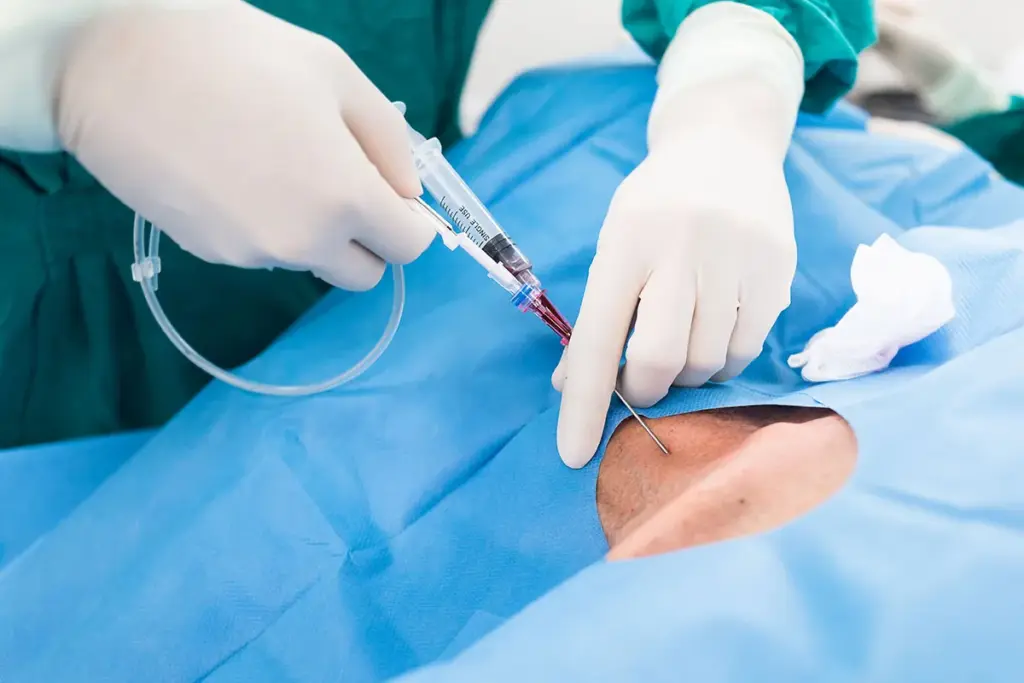
Explaining what is the difference between ablation and embolization (destroying vs blocking blood flow) in this embolization vs ablation guide. Minimally invasive procedures have changed how we treat many medical conditions, including tumors. Over 100,000 tumor ablation procedures are performed annually in the United States alone. This shows how these methods are becoming more common.
Ablation and embolization are two key procedures that have become more popular. They are used to treat tumors but in different ways. Tumor ablation uses heat or cold to directly destroy cancer cells. On the other hand, tumor embolization blocks the blood supply to the tumor, starving it of nutrients.
It’s important for patients and doctors to understand the differences between these procedures.
Key Takeaways
- Ablation and embolization are minimally invasive procedures.
- Tumor ablation destroys cancer cells directly.
- Tumor embolization cuts off the blood supply to the tumor.
- Both procedures are used to treat various medical conditions.
- The choice between ablation and embolization depends on several factors.
Understanding Minimally Invasive Procedures
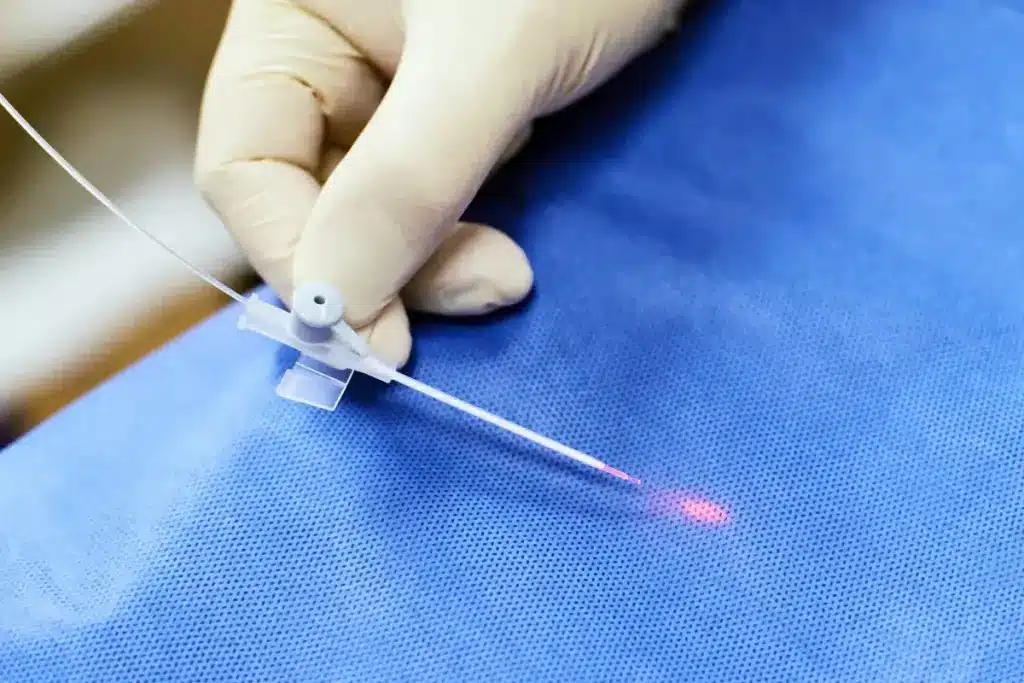
Minimally invasive procedures have changed the medical world. They offer safer options than old-school surgery. These new methods use imaging to make precise cuts, causing less harm to tissues.
The Evolution of Interventional Radiology
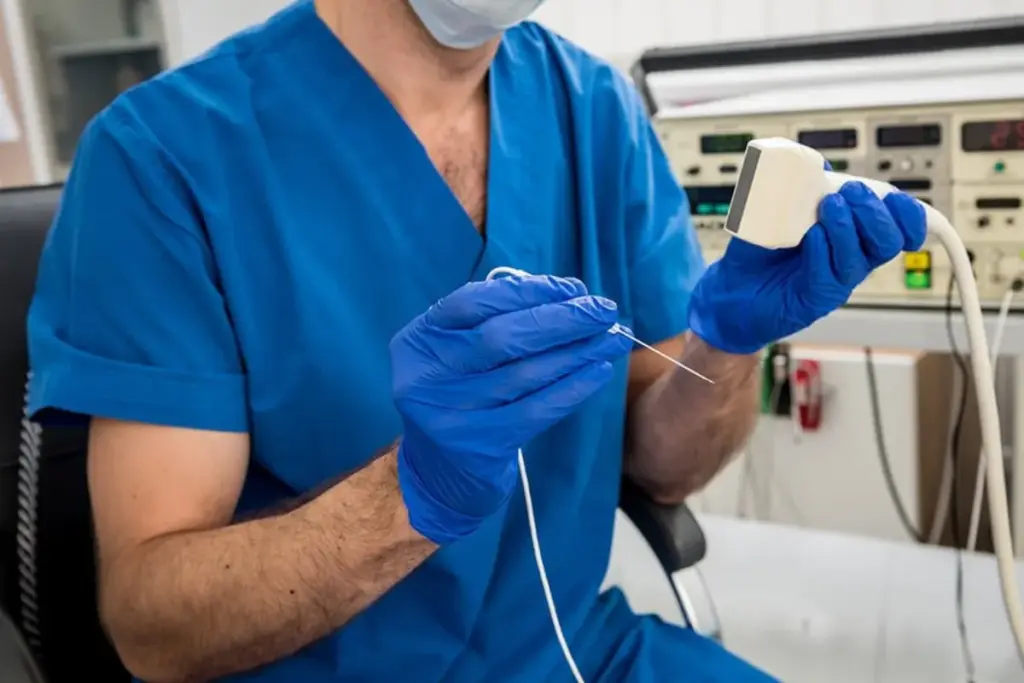
Interventional radiology has been key in making these new procedures. Techniques like hepatic embolisation and embolization of tumors are now common. They help treat many conditions, including cancer. The field keeps getting better, thanks to new tech and skills.
Advantages Over Traditional Surgery
These new procedures have big benefits over old surgery. They mean shorter recovery times, less pain, and fewer problems. Here’s a quick look at the main differences:
|
Aspect |
Minimally Invasive Procedures |
Traditional Surgery |
|---|---|---|
|
Recovery Time |
Typically shorter, often a few days |
Can be several weeks |
|
Pain and Discomfort |
Less pain due to smaller incisions |
More pain due to larger incisions |
|
Risk of Complications |
Lower risk due to less tissue damage |
Higher risk due to more extensive tissue damage |
For example, transarterial embolisation shows the good side of these new methods. It offers effective treatment with little impact on the patient’s life.
What is Ablation?
In medicine, ablation means removing tissue, often with heat or chemicals. It’s a key method for treating many conditions, like tumors.
Definition and Fundamental Principles
Ablation uses energy or chemicals to kill diseased tissue. The goal is to target and remove bad areas without harming good tissue. Tumor ablation is a special case, focusing on cancerous growths.
Types of Ablation Techniques
There are many ablation methods, each with its own way of working. Here are a few:
- Radiofrequency Ablation (RFA): Uses electrical energy to heat and destroy tissue.
- Microwave Ablation (MWA): Employs microwave energy to generate heat for tissue destruction.
- Cryoablation: Involves freezing tissue to kill diseased cells.
- Chemical Ablation: Utilizes chemical substances to destroy targeted tissue.
Radiofrequency Ablation
RFA is a common method for treating tumors. It works by inserting a needle into the tissue. Then, high-frequency electrical currents are used to heat it up.
Microwave Ablation
MWA uses microwave energy to heat tissue. It can reach higher temperatures and cover larger areas than RFA.
Cryoablation
Cryoablation, or cryotherapy, freezes diseased tissue to death. It’s less invasive and can treat many conditions.
Chemical Ablation
Chemical ablation injects substances that kill the target tissue. It’s used for certain conditions and is an alternative to heat-based methods.
Ablation, including tumor ablation, is a less invasive option than surgery for many medical issues. Knowing about the different ablation methods and their uses is important for choosing the right treatment.
What is Embolization?
Embolization is a minimally invasive procedure. It cuts off blood supply to specific areas. This method is great for treating tumors and other conditions by cutting off nutrients and oxygen.
Definition and Core Concepts
At its core, embolization involves injecting materials into blood vessels. This blocks or obstructs blood flow. Various embolic agents, like particles, coils, and glues, are used based on the procedure and patient’s condition.
Types of Embolization Procedures
There are several types of embolization procedures. Each is tailored for specific medical conditions and goals.
Transarterial Embolization
Transarterial embolization accesses the target area through an artery. It’s commonly used to treat tumors. Embolic materials are delivered directly to the site via the arterial supply.
Bland Embolization
Bland embolization uses non-medicated particles to block blood vessels. It’s often used to reduce blood flow to tumors without using therapeutic agents.
Chemoembolization
Chemoembolization combines chemotherapy drugs with embolization. This approach treats tumors locally. It maximizes chemotherapy effects while reducing systemic side effects.
Radioembolization (Y-90)
Radioembolization uses radioactive microspheres (Yttrium-90 or Y-90) to treat tumors. These microspheres are delivered to the tumor site via the bloodstream. They emit radiation to kill cancer cells.
|
Type of Embolization |
Description |
Common Applications |
|---|---|---|
|
Transarterial Embolization |
Embolization through an artery |
Tumors, vascular malformations |
|
Bland Embolization |
Non-medicated particle embolization |
Tumors, bleeding control |
|
Chemoembolization |
Embolization with chemotherapy |
Liver cancer, other tumors |
|
Radioembolization (Y-90) |
Radioactive microsphere embolization |
Liver cancer, metastatic disease |
Embolization vs Ablation: Key Differences
Embolization and ablation are two treatments used in interventional radiology. They are different in how they approach medical conditions. It’s important to know their differences.
Mechanism of Action and Target Approach
Ablation destroys tissue, usually with heat or cold. It’s used for tumors or arrhythmias. The aim is to remove the bad tissue while keeping the good tissue safe.
Embolization blocks blood flow to a specific area. This can be a tumor or a bleeding site. It uses materials to cut off nutrients and oxygen, shrinking the area or stopping bleeding.
Ablation Techniques: Radiofrequency ablation (RFA) and cryoablation are common methods used to destroy tumors.
Embolization Techniques: Various embolic agents like microspheres, coils, and glue are used to occlude blood vessels.
Procedural Techniques and Delivery Methods
Ablation needs precise placement of the device in the target tissue. It’s guided by ultrasound or CT scans. Embolization uses a catheter to reach the blood vessel and block it with embolic material.
- Ablation is often performed under conscious sedation or general anesthesia.
- Embolization procedures also utilize imaging guidance and may require similar anesthesia approaches.
Cost Considerations and Insurance Coverage
The cost of both procedures varies. It depends on the case’s complexity, technology, and healthcare provider. Both are usually covered by insurance if medically necessary. But, coverage can vary based on the insurance plan and condition.
“Understanding the nuances between embolization and ablation is key for informed healthcare decisions.” — Expert in Interventional Radiology
In conclusion, embolization and ablation are both important in interventional radiology. Their differences in how they work, technique, and use are significant. Patients and healthcare providers must consider these when choosing a treatment.
Medical Conditions Treated with Ablation
Ablation is a key medical procedure for many conditions. It’s used to treat various tumors and other health issues.
Liver Tumors and Metastases
Ablation is often used for liver tumors, like hepatocellular carcinoma and metastases. Tumor ablation is a less invasive option than surgery. It can lead to faster recovery and better results.
Kidney Tumors and Renal Cell Carcinoma
Kidney tumors, including renal cell carcinoma, are treated with ablation. It’s great for those who can’t have surgery.
Lung Nodules and Pulmonary Metastases
Ablation is also used for lung nodules and metastases. It helps control tumor growth and manage symptoms.
Cardiac Arrhythmias and Vein Disorders
Ablation is not just for cancer. It’s also used for heart rhythm problems and vein disorders. It helps fix irregular heartbeats and relieves symptoms.
Ablation’s wide use in medicine shows its value. It offers a less invasive option than surgery, improving patient care.
Medical Conditions Treated with Embolization
Embolization is a key treatment for many health issues. It’s a minimally invasive method that blocks blood flow to certain areas. This helps treat a wide range of conditions.
Hepatocellular Carcinoma and Liver Metastases
Embolization is often used for hepatocellular carcinoma and liver metastases. It cuts off the blood supply to tumors. This reduces tumor size and relieves symptoms. Tumor embolization methods, like TACE, are very promising for liver cancer treatment.
Uterine Fibroids and Adenomyosis
Uterine fibroid embolization (UFE) is a great option for fibroids. It’s a non-surgical way to shrink fibroids by cutting off their blood supply. It also helps with adenomyosis, which causes heavy bleeding and pain.
Vascular Malformations and Aneurysms
Embolization treats vascular malformations and aneurysms too. It blocks abnormal blood vessels. This prevents further problems and reduces the risk of rupture.
Gastrointestinal Bleeding and Hemorrhage Control
For severe gastrointestinal bleeding, embolization can save lives. It blocks the bleeding vessel. This helps stabilize the patient and stops further bleeding.
Patient Selection: Who Benefits Most from Each Procedure
It’s important to know who will get the most benefit from ablation or embolization. The choice between these treatments depends on several key factors.
Medical History Considerations
A patient’s medical history is a big factor in choosing between ablation and embolization. For example, those with severe health issues might do better with one treatment over the other due to risk.
- Cardiac Conditions: Certain heart problems need careful thought when picking between ablation and embolization.
- Previous Surgeries: If a patient has had surgery before, it can affect the choice. This is because previous surgeries can change the body’s anatomy and make one treatment harder to do.
Anatomical and Tumor Characteristics
The location and type of tumor or lesion are key in deciding between ablation and embolization.
- Tumor Size and Location: Big tumors or ones close to important areas might be better off with embolization. This helps protect nearby tissues.
- Vascularity: Tumors with lots of blood vessels might do well with embolization. This treatment can cut off the tumor’s blood supply.
Contraindications for Each Approach
Some conditions or situations might make ablation or embolization not suitable.
- Ablation Contraindications: Severe bleeding problems or pacemakers might make ablation not possible, depending on the type.
- Embolization Contraindications: Big vascular diseases or the chance of sending emboli to the wrong place might make embolization not the best choice.
Healthcare providers can make better choices by looking at these factors. This helps ensure the best treatment for each patient.
Comparing Effectiveness for Tumor Treatment
When it comes to treating tumors, knowing how ablation and embolization compare is key. Both are important in interventional radiology. But, their success depends on the tumor’s characteristics.
Size and Number Limitations
The size and number of tumors affect how well ablation and embolization work. Ablation is best for smaller, single tumors. Embolization is better for bigger or multiple tumors. The right choice depends on the tumor and the patient’s health.
Location and Accessibility Factors
The tumor’s location and how easy it is to reach are also important. Tumors near vital areas might need ablation to avoid harm. Embolization works well for hard-to-reach tumors.
Tumor Type and Vascularity Considerations
The tumor’s type and how it’s blood-vesselled matter too. Embolization is great for blood-rich tumors because it cuts off their blood supply. Ablation might be better for tumors that don’t respond well to embolization.
Choosing between ablation and embolization should be based on each patient’s needs. It’s about the tumor, the patient’s health, and the radiologist’s skills.
Procedural Experience and Hospital Stay
It’s important to know about the experience and hospital stay for embolization and ablation. Both are minimally invasive but differ in preparation, execution, and recovery.
Preparation and Anesthesia Requirements
Preparation for embolization vs ablation varies in anesthesia needs. Embolization uses local anesthesia and conscious sedation. Ablation might need general anesthesia or conscious sedation, based on the tumor’s location and the patient’s health.
Procedure Duration and Monitoring
The time needed for both procedures can vary. Hepatic embolisation, for example, can take several hours. This includes preparation and recovery from anesthesia. It’s vital to monitor closely during the procedure. Imaging techniques guide the catheter and ensure the embolic agents or ablative energy are delivered precisely.
Typical Length of Hospital Stay
The hospital stay for embolization or ablation can vary. Patients usually stay overnight for observation, more so for complex procedures like hepatic embolisation. The stay can range from a few hours to several days, depending on the patient’s health and the procedure’s specifics.
Recovery Timeline and Post-Procedure Care
Knowing how to recover is key for those getting tumor ablation or embolization. These treatments are minimally invasive. Yet, there are differences in recovery that patients need to know.
Immediate Post-Procedure Experience
Right after the treatment, patients are watched in a recovery room for hours. They usually stay in the hospital for at least one night for close monitoring. Patients might feel pain, discomfort, or tiredness, which doctors manage with medicine.
Activity Restrictions and Return to Normal Life
Doctors tell patients to avoid hard work, heavy lifting, and bending for a while. The time to avoid these activities varies based on health and the treatment. Most can get back to normal in a few days to a week.
Follow-up Imaging and Surveillance
Aftercare is vital to check if the treatment worked and to watch for side effects. Imaging tests like CT or MRI scans are set up at regular times. Here’s a possible schedule:
|
Follow-up Timeframe |
Imaging Test |
|---|---|
|
1 month |
CT Scan |
|
3 months |
MRI |
|
6 months |
CT Scan |
“Good aftercare is essential for the best results from tumor ablation or embolization.”
By knowing the recovery process and following care instructions, patients can recover better. This helps make their treatment more effective.
Potential Risks and Managing Complications
Ablation and embolization are usually safe, but knowing the risks is key. Both are minimally invasive but have their own risks and complications.
Common Side Effects of Each Procedure
Both procedures can cause side effects. Ablation might lead to pain, fatigue, and sometimes infection or bleeding. Embolization can cause post-embolization syndrome, with symptoms like pain, fever, and nausea.
Serious Complications and Their Management
Though rare, serious complications can happen. Ablation might harm nearby nerves or organs. Embolization risks include accidentally blocking blood to vital organs. Quick medical action is often needed to manage these issues.
Long-term Considerations
Looking ahead, there’s a chance for the condition to come back or new lesions to form. Regular check-ups with imaging are key to watch for these risks.
|
Procedure |
Common Side Effects |
Serious Complications |
|---|---|---|
|
Ablation |
Pain, Fatigue, Infection |
Damage to surrounding structures |
|
Embolization |
Post-embolization syndrome |
Non-target embolization |
It’s vital for patients to understand the risks and complications of embolisation for liver cancer or other conditions treated with transarterial embolisation. Knowing about these risks and how to manage them helps patients make better choices about their care.
Conclusion
It’s important to know the difference between embolization and ablation for treating medical conditions. Each method has its own use and benefits. The right choice depends on the tumor’s type, size, and where it is.
Both embolization and ablation are minimally invasive treatments for tumors. Embolization stops blood flow to the tumor. Ablation destroys the tumor tissue directly. The choice between them depends on the patient’s needs and the tumor’s specifics.
Understanding the differences helps patients and doctors make the best treatment plan. The decision between embolization and ablation is based on a detailed look at the patient’s condition and medical history.
FAQ
What is the main difference between tumor ablation and embolization?
Tumor ablation uses heat, cold, or chemicals to kill cancer cells directly. Embolization stops the blood flow to the tumor, causing it to shrink or die.
How do I know if I’m a good candidate for ablation or embolization?
Your suitability depends on your medical history, tumor type, and overall health. Talk to a healthcare professional to find the best treatment for you.
What are the advantages of minimally invasive procedures like ablation and embolization?
These procedures are less invasive. They offer quicker recovery, less pain, and fewer complications than traditional surgery.
What types of tumors can be treated with ablation?
Ablation treats liver, kidney, and lung tumors, as well as some heart conditions.
How is embolization used to treat liver cancer?
Hepatic embolization cuts off the blood supply to liver tumors. This reduces their size and slows growth.
What are the possible risks and complications of ablation and embolization?
Side effects include pain, fever, and fatigue. Serious issues like infection, bleeding, and tissue damage can also occur.
How long does it take to recover from ablation or embolization?
Recovery time varies. Most people can resume normal activities within a few days to weeks.
Will I need follow-up imaging after ablation or embolization?
Yes, follow-up imaging is needed. It helps check the procedure’s success and watch for complications or tumor return.
Can ablation or embolization be used in combination with other treatments?
Yes, they can be used with chemotherapy, radiation, or surgery. This combination can lead to better results.
How do cost considerations and insurance coverage factor into the decision between ablation and embolization?
Costs vary based on location, insurance, and individual factors. Discuss with a healthcare professional and insurance provider to find the most affordable option.
Reference
National Center for Biotechnology Information. Evidence-Based Medical Insight. Retrieved from https://www.ncbi.nlm.nih.gov/pmc/articles/PMC3930653/