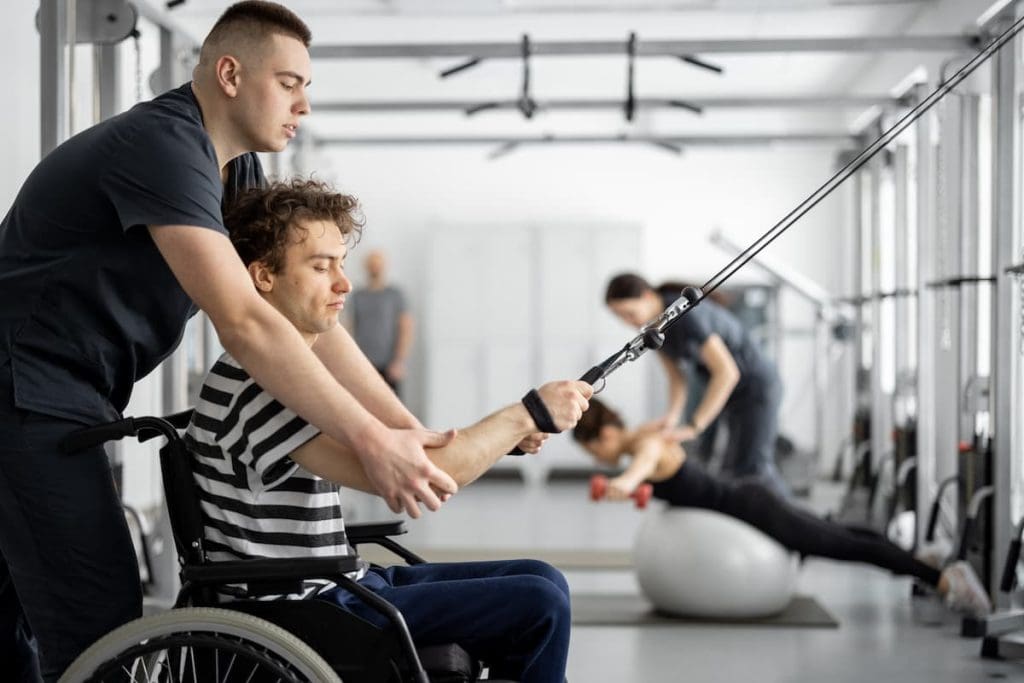
Knowing how long someone stays in rehab is key for patients and their families. It helps set realistic goals and plan for recovery. The time a patient stays in rehab varies based on several factors.
Recent statistics show that the average stay for inpatient rehab is about 12.4 to 14.8 days. This shows that rehab times can differ a lot. It points to the need for care that fits each person’s needs.
Every patient’s path is unique, and how long they stay can change a lot. Things like how well treatment works, how the patient is doing, and any other health issues play a big role. These factors help decide how long someone stays in rehab.
Key Takeaways
- The average inpatient rehab stay is between 12.4 to 14.8 days.
- The type and severity of the condition influence rehab duration.
- Individual patient factors significantly impact the length of stay.
- Personalized care is essential for effective rehabilitation.
- Patient progress and comorbidities can affect rehab stay length.
Understanding Rehabilitation: What Is Rehab and Its Purpose
Rehabilitation helps people overcome physical, emotional, or substance-related challenges. It’s a detailed process aimed at restoring health and function.

Definition and Types of Rehabilitation Programs
Rehab is a treatment for drug and alcohol addiction. It includes counselling, therapy, education, and sometimes medication. There are many rehab programs, like inpatient and outpatient services, for different needs.
Inpatient rehabilitation offers a focused environment for recovery. Outpatient programs let people get treatment while keeping their daily routines.
Goals and Expected Outcomes of Rehabilitation Treatment
The main goal of rehab is to help people stay in recovery. It tackles immediate health issues and gives patients the tools for long-term wellness.
- Developing coping strategies to manage cravings or symptoms
- Improving physical health through therapy and exercise
- Enhancing mental health through counselling and psychoeducation
- Building a supportive network of peers and professionals
Knowing about rehab’s definition, types, and goals helps people choose the right care. This sets them on the path to successful recovery.
Average Length of Stay in Rehabilitation Facilities
Rehabilitation time can vary a lot. It depends on the type of rehab and what each patient needs. Knowing the average length of stay in rehab is key for patients and their families. It helps them plan for the recovery journey.
Recent stats give us insights into rehab stays in the U.S. We’ll look at these to help you understand what to expect.
Statistical Overview of Rehab Duration in the United States
The average stay for inpatient rehab is about 12.4 to 14.8 days. The median length of stay (LOS) is between 12 and 17 days. This info is important for setting realistic recovery goals.
The time needed can change based on the patient’s needs, the rehab type, and any complications. For example, some conditions might need longer treatment.

Standard Timeframes for Inpatient Rehabilitation
Inpatient rehab has a structured program with a team of healthcare professionals. The time needed can be from a few days to weeks, depending on the patient’s condition and progress.
For many, the stay is between 12 to 17 days, as the stats show. But some might need more or less time based on their needs and how they respond to treatment.
Knowing these timeframes helps patients and families prepare emotionally and logistically. Remember, rehab is tailored to each person. The time needed can vary based on health and rehab goals.
Factors That Determine Length of Stay in Rehabilitation
Knowing what affects how long someone stays in rehab is key. Many things can change how long a patient stays, like their health and how motivated they are.
Studies show that how motivated a patient is matters a lot. Those who are more motivated tend to do better and leave sooner. But, if a patient has other health issues, they might need to stay longer.
The type of medical problem a patient has also plays a big role. Patients with more serious conditions often need more time to get the right treatment. Also, if the family gets involved early in planning, it can help shorten the stay.
Some important things that affect how long someone stays in rehab include:
- Patient motivation and engagement
- Presence of co-existing medical conditions
- Complexity of the patient’s medical condition
- Level of family support and involvement
- Effectiveness of the rehabilitation treatment plan
Healthcare providers can make better plans by understanding these factors. This helps make the stay shorter and improves how well patients do.
We know every patient’s path is different. The things that affect their stay can change a lot. By focusing on each patient’s needs, we can help them get the best results.
Physical Rehabilitation Duration Expectations
The time needed for physical rehabilitation varies. It depends on the condition’s type and severity. Every patient’s journey is different, affecting how long their rehab lasts.
Patients recovering from strokes or neurological injuries get care tailored to them. Studies show that traumatic brain injuries often require about 16.7 days of rehab. But this can change based on the extent and the patient’s health.
Stroke and Neurological Rehabilitation Length
Recovering from a stroke or neurological injury takes time. Recovery can last from weeks to years, depending on the stroke’s severity and the rehab’s success. Our teams create personalized plans for each patient, focusing on their unique needs and goals.
Neurological rehab helps patients regain lost functions and adjust to changes. The rehab’s length depends on the patient’s age, condition severity, and their motivation and engagement in rehab.
Post-Surgical Rehabilitation Periods
After surgery, post-surgical rehab is key to recovery. The rehab’s length varies, based on the surgery type and the patient’s health before surgery. Patients usually need several weeks to a few months of rehab after surgery.
Our rehab programs support patients through their recovery. They provide the tools and support needed for the best outcomes. Knowing the rehab duration helps patients prepare for their recovery journey.
What Is Rehab Like for Drug and Substance Addiction?
Rehab for drug and substance addiction is a complex process. It needs a personalized approach. Each person’s journey to recovery is unique, and rehab time can vary a lot.
Substance use treatment can last 30, 60, or 90 days. The right rehab time depends on many things. These include how severe the addiction is, if there are mental health issues, and how well the person responds to treatment.
Short-Term vs. Long-Term Drug Rehabilitation Programs
Drug rehab programs are divided into short-term and long-term. Short-term programs last from 30 to 60 days. They are for people with less severe addiction or moving from inpatient to outpatient care.
Long-term programs can last 90 days or more. They offer a detailed treatment plan. This is for those with severe addiction or mental health issues.
Choosing between short-term and long-term rehab depends on individual needs. It’s wise to talk to a healthcare professional to find the best treatment plan.
The choice between short-term and long-term rehab should be based on a detailed assessment. This includes the addiction’s severity and any mental health issues. Effective treatment means a plan made just for the person. It ensures they get the right support and care for lasting recovery.
- Short-term programs: 30-60 days, ideal for less severe addiction or transitioning care.
- Long-term programs: 90 days or more, suitable for severe addiction or co-occurring disorders.
Knowing the differences between these programs helps people make better choices for their recovery. We aim to offer full support and guidance during the rehab journey.
How Long Is Alcohol Rehab and Recovery?
The time needed for alcohol rehab varies based on each person’s situation. We know that everyone’s path to recovery is different. The length of stay in alcohol rehab can change a lot.
Alcohol rehab programs offer different lengths to meet various needs. They usually last from 30 to 90 days. Some programs can last even longer. Studies show that longer programs often lead to better results because they offer a more detailed treatment plan.
Typical Duration of Alcohol Rehabilitation Programs
It’s important to know the usual length of alcohol rehab programs. Some last for 30 days, while others can go up to 60 or 90 days. The program length depends on several things, like how bad the addiction is, if there are other health issues, and how well the person is doing in treatment.
Programs that last 60 to 90 days often have better success rates. They give people more time to slowly get back to living on their own. But the best rehab time is different for everyone, based on how they do in treatment and what they need.
Alcohol rehab isn’t the same for everyone. Some people might need more time, with both inpatient and outpatient care. We focus on creating a treatment plan that fits each person’s needs and situation.
Inpatient vs. Outpatient Rehabilitation Timeframes
Choosing between inpatient and outpatient rehab affects the care type and treatment length. Patients and their families must consider each option’s benefits and limitations.
Inpatient rehab means staying at a facility for full-time care and therapy. It’s needed for those with major surgery, severe injuries, or substance abuse issues. A structured environment is key.
Outpatient rehab lets patients get treatment at home. It’s flexible, allowing patients to keep up with work, school, or other duties.
When Outpatient Rehabilitation Is Sufficient
Outpatient rehab works for those needing less care and a supportive home. It’s great for physical therapy after surgery or injury, without constant watch.
Outpatient programs offer various therapies like physical, occupational, and speech. Patients can keep up with daily life while getting treatment. For example, they can go to therapy in the morning and then work or go home.
For substance abuse, outpatient rehab offers support and counselling without needing to stay in a facility. It’s good for those with family or work obligations.
The choice between inpatient and outpatient rehab depends on individual needs. Knowing the care levels and timeframes helps patients make the right choice for their recovery.
Insurance Coverage and Its Impact on Rehabilitation Length
How long you stay in rehab can depend a lot on your insurance. Different plans cover different things. Some offer more than others.
It’s key to know what your insurance covers for rehab. Check your policy to see what’s included. Things like the type of treatment and where you go can affect your coverage.
Financial Considerations Beyond Insurance
Even with insurance, you might not get enough coverage for all rehab. That’s when self-pay options come into play. They let you keep going with your rehab even if insurance doesn’t cover it all.
- Sliding Scale Fees: Some places charge based on how much you make.
- Payment Plans: You can pay for rehab over time with these plans.
- Financial Assistance Programs: Some programs help if you can’t afford it.
Looking into these options can help you get the rehab you need. We help our patients find ways to pay for it. This way, you’re not stuck with what insurance says.
Knowing about your insurance and looking at self-pay options helps you make smart choices. Our team is here to support you. We want to make sure you get the care you need.
Conclusion: Preparing for the Rehabilitation Journey
The time spent in rehab varies a lot. It depends on each person’s needs and situation. Knowing what affects how long rehab lasts is key for patients to get ready and make the most of their treatment.
At livhospital.com, we aim to give top-notch care. We work hard to improve our patients’ experience and treatment quality. We help guide patients through their rehab journey and offer full support. This way, we help them reach their best outcomes.
Getting ready for rehab means knowing about different rehab programs. It also means understanding insurance and what affects how long you’ll stay. Being prepared helps patients move through rehab with confidence and clear goals.
We aim to offer the best care and support during rehab. We want to make sure our patients get the best treatment and recover as well as possible.
FAQ
What is rehabilitation, and what is its purpose?
Rehabilitation helps people get better from many issues, like addiction and injuries. It offers a place for treatment and therapy. This helps patients reach their recovery goals.
How long does inpatient rehabilitation typically last?
Inpatient rehab usually lasts 12 to 17 days. Sometimes, it can take longer for certain conditions or complications.
What factors influence the length of stay in rehabilitation?
Many things can affect how long someone stays in rehab. These include how motivated they are, any other health issues, and family support.
How long does physical rehabilitation last?
Physical rehab time varies a lot. It depends on how serious the condition is and the person’s health.
What is the typical duration of drug and substance addiction rehabilitation programs?
Rehab for drug and substance addiction varies. Programs can last from 30 to 90 days or more, based on individual needs.
How long does alcohol rehabilitation typically last?
How long someone stays in alcohol rehab depends on their specific needs and situation.
What is the difference between inpatient and outpatient rehabilitation?
Choosing between inpatient and outpatient rehab depends on personal needs and circumstances. Each has its own timeframe.
How does insurance coverage impact the length of stay in rehabilitation?
Insurance coverage is key in figuring out how long someone stays in rehab. Knowing this helps with planning.
What are the benefits of short-term versus long-term rehabilitation programs?
Knowing the differences between short-term and long-term programs helps pick the right treatment. This is important for recovery.
How can patients prepare for their rehabilitation journey?
Preparing for rehab means understanding what affects stay length and the best program type. This is based on individual needs.
Reference
- Rodin, G., Zimmermann, C., Mayer, C., Howell, D., Katz, M., Sussman, J., Mackay, J. A., & Brouwers, M. (2009). Clinician-patient communication: evidence-based recommendations to guide practice in cancer. Current Oncology, 16(6), 42-49. https://www.ncbi.nlm.nih.gov/pmc/articles/PMC2794681/