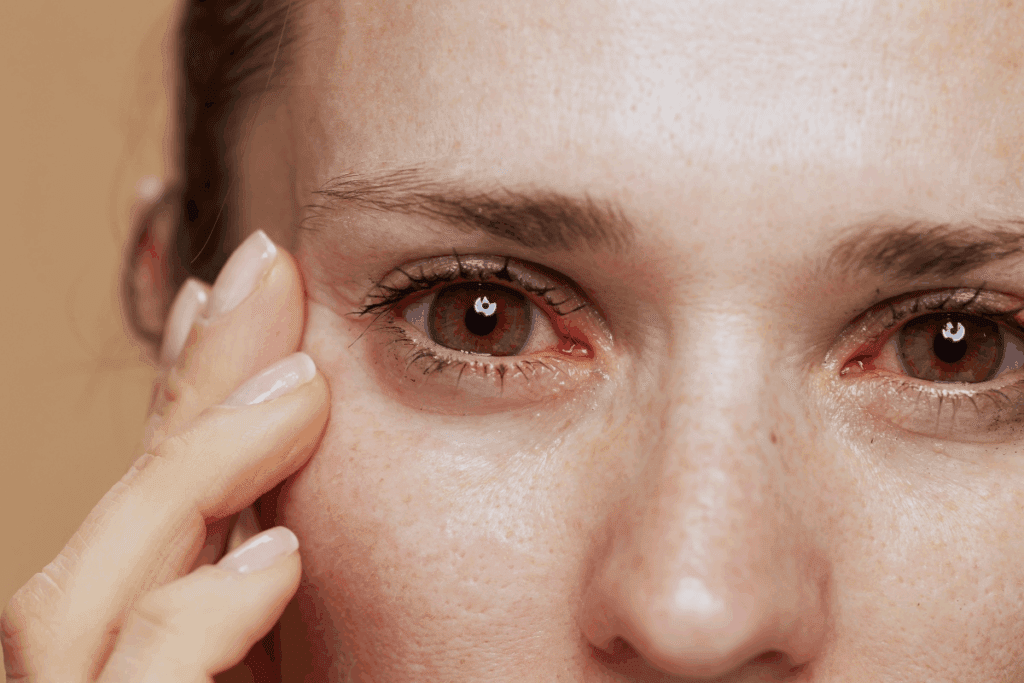
Bloodshot red eyes can be alarming, but knowing the causes and treatments can help quickly. At Liv Hospital, we understand that severe eye redness is common among many people.Learn quick relief techniques and identify a potential disease with red eyes that may be causing chronic redness. Treat disease with red eyes symptoms.
Bloodshot red eyes happen when tiny blood vessels on the eye’s surface get bigger and swell. This makes the white part of the eye look red or pink. It can be caused by allergies, dry eyes, or even more serious problems.
Our focus on patients means we give them the right diagnosis and treatment. Whether your bloodshot red eyes are from the environment or other reasons, our team is ready to assist.
Key Takeaways
- Identify the causes of bloodshot red eyes, including allergies and dry eyes.
- Understand the importance of seeking medical attention for severe eye redness.
- Discover effective treatment options for quick relief.
- Learn how a patient-centered approach can improve outcomes.
- Explore the various factors that contribute to red human eyes.
Understanding Bloodshot Eyes
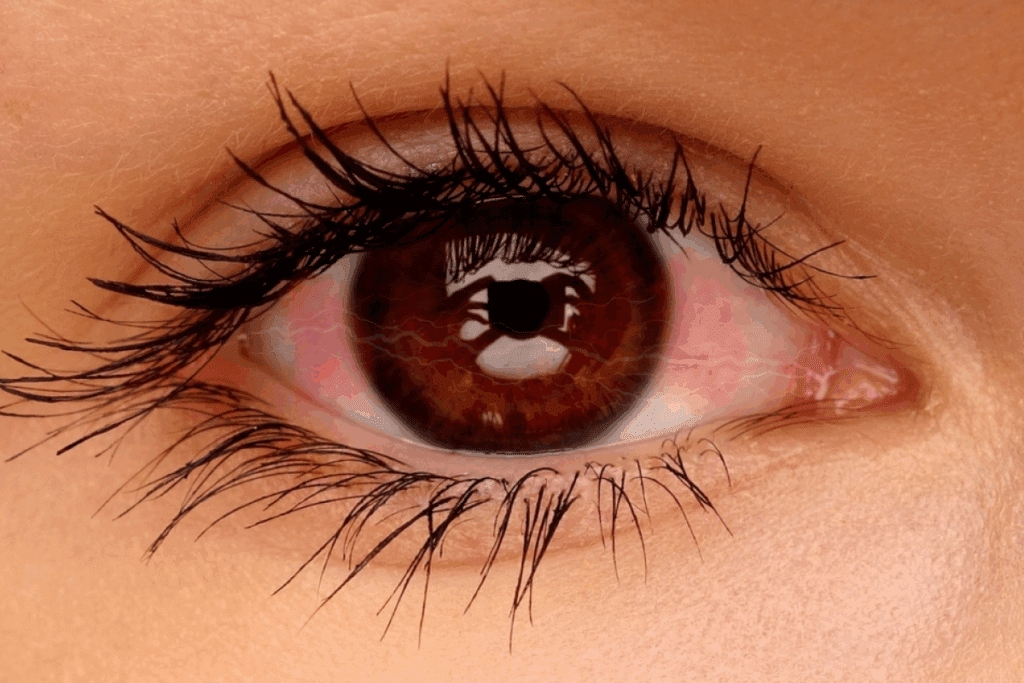
Red eyes happen when the blood vessels in the eye get bigger. This makes the eye look red. It can happen to one or both eyes and can start slowly or quickly. Many things can cause it, like allergies, infections, or being tired.
What Causes the Red Appearance
The red look of bloodshot eyes comes from bigger blood vessels on the eye’s surface. When these vessels get bigger, they show more, making the eye look red. Many things can make this happen, like allergies, infections, and irritants.
Inflammation Process in Eye Blood Vessels
Inflammation is key in bloodshot eyes. When something irritates or infects the eye, the body sends more blood to it. This makes the blood vessels bigger, causing redness. The body’s chemicals released during inflammation cause the symptoms of bloodshot eyes.
Gradual vs. Sudden Onset
Bloodshot eyes can start slowly or quickly. Slow starts might be from long-term issues like dry eyes or allergies. Quick starts could mean something serious like an infection or injury. Knowing how fast it starts helps figure out what’s wrong and how to fix it.
Characteristics | Gradual Onset | Sudden Onset |
Causes | Chronic allergies, dry eye syndrome | Acute infections, injury |
Symptoms | Mild redness, itching, dryness | Severe redness, pain, discharge |
Treatment Approach | Antihistamines, lubricating eye drops | Antibiotics, immediate medical attention |
Common Causes of Bloodshot Red Eyes
Red, bloodshot eyes can come from many things, like allergies or irritants in the air. Knowing what causes them helps find the right treatment.
Allergic Reactions and Histamine Release
Allergies often make eyes red. When an allergen hits the eye, it sets off histamine. This chemical makes blood vessels swell and turn red. Common culprits include pollen, dust, and pet dander.
Infections and Contagious Conditions
Eye infections, like pink eye, can also make eyes red. Pink eye spreads easily and can be caused by viruses or bacteria. Even eyelid inflammation, or blepharitis, can make eyes red.
Dry Eye Syndrome
Dry eye happens when eyes don’t make enough tears or when the tears aren’t good. It can make eyes feel gritty and look red. Age, some medicines, and the environment can cause dry eye.
Environmental Irritants and Pollutants
Things like smoke, dust, and chemicals can also make eyes red. These irritants can directly harm the eyes, causing them to become inflamed. Wearing protective eyewear can help prevent this.
Cause | Description | Common Symptoms |
Allergic Reactions | Release of histamine due to allergens like pollen or dust | Redness, itching, swelling |
Infections | Viral or bacterial infections such as conjunctivitis | Redness, discharge, contagious |
Dry Eye Syndrome | Insufficient or poor-quality tear production | Redness, dryness, grittiness |
Environmental Irritants | Exposure to smoke, dust, or chemical fumes | Redness, irritation, tearing |
Diseases with Red Eyes: Medical Conditions to Know
Red eyes can be a sign of many diseases. Knowing about these conditions is key to getting the right treatment. We’ll look at some common causes of red eyes.
Conjunctivitis (Pink Eye) Types and Symptoms
Conjunctivitis, or pink eye, is when the conjunctiva gets inflamed. It can be from a virus, bacteria, or allergies. Symptoms include redness, itching, and discharge. Viral conjunctivitis spreads easily, while bacterial can be treated with antibiotics.
“Conjunctivitis affects people of all ages,” says a top eye doctor. “Knowing the cause is important for the right treatment.”
Subconjunctival Hemorrhage
A subconjunctival hemorrhage happens when blood vessels in the conjunctiva break. This can be from sneezing, lifting heavy things, or rubbing your eyes too hard. It might look scary, but it’s usually not serious and will heal by itself.
Blepharitis and Eyelid Inflammation
Blepharitis makes your eyelids red, itchy, and swollen. It can be from bacteria, mites, or skin problems like rosacea. Keeping your eyelids clean is important for managing blepharitis.
Uveitis and Other Serious Eye Conditions
Uveitis is a serious condition that inflames the uvea, the middle eye layer. It can cause pain, light sensitivity, and vision issues. Seeing a doctor quickly is important to avoid problems like glaucoma or cataracts.
Knowing about these conditions helps you know when red eyes are serious. If your redness, pain, or vision changes don’t go away, get medical help.
Identifying When Eye Redness Is Serious
Eye redness can be a sign of something serious, but most of the time it’s not. It usually goes away in a few days with simple home care. But, knowing when it’s a sign of something serious is key.
Mild vs. Severe Symptoms
Mild eye redness is often from minor irritations. It can be treated with home remedies. But, if the redness is intense, painful, or changes your vision, it could be serious.
Pain, Vision Changes, and Warning Signs
Pain or vision changes with redness are big warning signs. They might mean you have uveitis or acute angle-closure glaucoma. These need quick medical help.
Duration: When Redness Persists Too Long
If redness lasts more than a week, it’s not going away by itself. Long-lasting redness, with discharge or light sensitivity, means you should see an eye doctor.
Accompanying Symptoms That Indicate Emergency
Some symptoms with redness mean you need emergency care. These include severe pain, vision loss, or light sensitivity. If you have these, get help right away.
Symptom | Possible Indication |
Mild redness | Minor irritation |
Severe redness with pain | Serious condition like uveitis |
Vision changes | Acute angle-closure glaucoma |
Prolonged redness | Infection or chronic condition |
Watching your symptoms and getting help when needed is important. If you have super red eyes or eye health worries, see an eye care professional.
Immediate Home Remedies for Bloodshot Eyes
If you have red, bloodshot eyes, there are simple home remedies to help. These can be caused by allergies, dry air, or too much screen time. Try these quick fixes to ease the redness and discomfort.
Cold Compress Application Techniques
Applying a cold compress is a great way to reduce redness. Wet a clean cloth with cold water, wring it out, and place it on your closed eyes. The cold helps shrink blood vessels, making your eyes look less red. You can do this several times a day as needed.
Tips for an effective cold compress:
- Use a clean cloth to avoid introducing bacteria into your eyes.
- Keep the cloth cold by refrigerating it or using an ice pack wrapped in a towel.
- Apply gentle pressure to avoid putting too much stress on your eyes.
Proper Eye Rinsing and Cleansing Methods
Rinsing your eyes with clean water can remove irritants and reduce redness. Use lukewarm water and a gentle flow to avoid irritation. You can also use an eye wash solution if you have one. Make sure your hands are clean before touching your eyes to prevent infection.
It’s important to avoid using harsh chemicals or soaps directly in your eyes, as they can cause further irritation.
Rest and Screen Time Reduction
It’s important to give your eyes a break, espeically after staring at screens for a long time. Follow the 20-20-20 rule: every 20 minutes, look away from your screen and focus on something 20 feet away for 20 seconds. Reducing screen time and getting enough rest can help reduce eye redness.
Removing Contact Lenses Safely
If you wear contact lenses, removing them safely is key to avoid irritating your eyes further. Wash your hands thoroughly before handling your lenses. Gently pull down your lower eyelid and slide the lens down to the white part of your eye. Pinch the lens between your thumb and index finger to remove it. Clean and disinfect your lenses properly before reinserting them, or consider giving your eyes a break by not wearing them until the redness subsides.
By following these home remedies, you can quickly find relief from bloodshot eyes and prevent future issues. If your symptoms don’t improve or get worse, it’s best to see an eye care professional.
Over-the-Counter Eye Drops and Solutions
Choosing the right over-the-counter eye drops can greatly help with eye redness and discomfort. We’ll look at the different types of eye drops and their uses.
Lubricating Artificial Tears
Lubricating artificial tears mimic our natural tears. They moisturize dry eyes, easing irritation and discomfort. These drops are great for people who stare at screens a lot or live in dry places.
Antihistamine Eye Drops for Allergies
Antihistamine eye drops help with allergy symptoms like itching, redness, and swelling. They block histamine, a chemical that causes allergic reactions.
Vasoconstrictor Drops for Redness Reduction
Vasoconstrictor drops reduce redness by shrinking blood vessels in the eyes. But, use them carefully to avoid rebound redness.
How to Properly Apply Eye Drops
Applying eye drops correctly is key to their effectiveness. Here’s how to do it:
- Wash your hands before using the eye drops.
- Tilt your head back and pull down the lower lid to make a pocket.
- Put one drop in the pocket, avoiding the dropper tip touching your eye.
- Close your eyes and blink a few times to spread the drop.
To better understand the different eye drops and their uses, let’s compare them:
Type of Eye Drop | Primary Use | Key Ingredients |
Lubricating Artificial Tears | Moisturizing dry eyes | Glycerin, Hypromellose |
Antihistamine Eye Drops | Relieving allergy symptoms | Antihistamines (e.g., Ketotifen) |
Vasoconstrictor Drops | Reducing redness | Vasoconstrictors (e.g., Tetrahydrozoline) |
Knowing about the different over-the-counter eye drops and how to use them can help manage eye redness and discomfort.
Natural and Holistic Remedies for Eye Redness
Nature offers many ways to ease eye redness, from cool compresses to diet changes. Adding these natural remedies to our daily life can boost eye health. It also helps reduce red, irritated eyes.
Cucumber and Tea Bag Compresses
Cool compresses are a top choice for soothing eye redness. Cucumber slices and tea bags work well because they cool and reduce inflammation.
- Cucumber compress: Cucumbers have antioxidants and cool down, helping to lessen puffiness and redness.
- Tea bag compress: Green tea or chamomile tea bags, cooled, can be applied to eyes. They help reduce inflammation and relax the eyes.
To use cucumber or tea bag compresses, chill them in the fridge. Then, place them over closed eyes for 5-10 minutes. This simple method can quickly ease eye redness and irritation.
Dietary Changes That Support Eye Health
Our diet is key to eye health. Eating foods rich in vitamins and minerals can prevent eye redness and improve eye health.
“A healthy diet rich in fruits, vegetables, and omega-3 fatty acids can significantly contribute to eye health.”
Here are some dietary tips:
- Eat more leafy greens like spinach and kale, which are full of lutein and zeaxanthin.
- Include foods high in omega-3 fatty acids, such as salmon and walnuts, to fight inflammation.
- Drink plenty of water all day to keep eyes moist and prevent dryness.
Hydration Strategies for Eye Health
Keeping our eyes hydrated is vital. Hydration keeps eyes moist, lowering the chance of dryness and redness.
Hydration tips:
- Drink at least 8 glasses of water a day.
- Limit caffeine and alcohol, as they can dry out the body.
- Add hydrating foods like watermelon and cucumbers to your diet.
Essential Fatty Acids and Supplements
Some supplements can boost eye health and reduce redness. Omega-3 fatty acids are known for their anti-inflammatory effects on the eyes.
Other good supplements include:
- Vitamin A: Crucial for the cornea’s health.
- Lutein and Zeaxanthin: Antioxidants that shield the eyes from harm.
- Probiotics: Good for gut health, which is linked to eye health.
Always talk to a healthcare professional before starting any supplements. They can help choose the right ones for you.
Special Considerations for Contact Lens Wearers
Wearing contact lenses is more than just correcting your vision. It’s also about keeping your eyes healthy. We know that contact lenses are convenient and effective. But, you must pay close attention to avoid problems.
Proper Lens Cleaning and Disinfection
Cleaning and disinfecting your lenses is key to avoiding eye infections. Use a top-notch lens cleaning solution. Always follow the instructions for disinfection.
Signs Your Lenses Are Causing Problems
Know the signs that your lenses might be causing issues. Look out for redness, irritation, or changes in your vision. If you notice these, take out your lenses and see an eye care expert.
Alternative Options During Eye Redness
If your eyes get red or irritated, you might need to switch to glasses. Or, look into contact lenses that are gentler on your eyes.
Extended Wear Risks and Precautions
Wearing contact lenses for too long can lead to serious eye problems. Follow the recommended wear time. Also, make sure to see your eye care provider regularly.
To sum up, here are the main things to keep in mind for contact lens wearers:
Practice | Description | Benefit |
Proper Lens Cleaning | Use recommended cleaning solution | Prevents eye infections |
Regular Check-ups | Schedule regular appointments with your eye care provider | Early detection of problems |
Lens Wear Schedule | Follow the recommended wear schedule | Reduces risk of complications |
Alternative Options | Consider glasses or different lens types during eye redness | Gives your eyes a break and reduces irritation |
When to Seek Medical Attention
Knowing when to see a doctor for bloodshot eyes is key to avoiding serious issues. Many red eye cases can be handled with home remedies or over-the-counter meds. But, some symptoms mean you need to see a doctor.
Symptoms That Require a Doctor’s Visit
Severe pain, vision changes, or light sensitivity mean you should see an eye doctor. Other signs that need a doctor’s attention include:
- Discharge or pus in the eye
- Severe redness or swelling
- Vision loss or double vision
- Flashes of light or floaters
Emergency Eye Conditions
Some eye problems need quick medical help to avoid vision loss. These include:
- Acute angle-closure glaucoma
- Penetrating eye injuries
- Retinal detachment
If you have symptoms like severe eye pain, blurred vision, or light flashes, get emergency care right away.
What to Expect at Your Eye Appointment
At your eye doctor visit, you’ll get a full check-up. This might include:
- A review of your medical history
- A visual acuity test
- An examination of your eyes’ outer and inner parts
Your doctor will also ask about your symptoms, when they started, and what makes them better or worse.
Diagnostic Tests for Eye Redness
Your doctor might do or order tests to find out why your eyes are red. These tests can be:
Test | Purpose |
Slit-lamp examination | To examine the anterior segment of the eye |
Fluorescein staining | To detect corneal abrasions or ulcers |
Intraocular pressure measurement | To check for glaucoma |
Early diagnosis and treatment can greatly improve eye condition outcomes. If you’re not sure about your symptoms, it’s safer to see an eye doctor.
Prevention Strategies for Recurring Red Eyes
To stop red eyes from coming back, we need to make changes at home and work. We also need to take care of our eyes. Knowing why red eyes happen and how to stop it helps keep our vision clear and healthy.
Environmental Modifications at Home and Work
Changing our surroundings is key to avoiding red eyes. We should cut down on things that irritate our eyes like dust, pollen, and chemicals. Using an air purifier helps get rid of airborne irritants. Keeping our workspaces clean and free of dust also helps our eyes stay healthy.
- Use an air purifier to reduce airborne irritants
- Keep your workspace clean and dust-free
- Avoid strong chemicals or perfumes near your eyes
Digital Eye Strain Prevention Techniques
Too much screen time can cause eye strain, leading to redness and discomfort. The 20-20-20 rule can help: every 20 minutes, look away from your screen and focus on something 20 feet away for 20 seconds.
Technique | Description | Benefit |
20-20-20 Rule | Look away from screen every 20 minutes, focus on something 20 feet away for 20 seconds | Reduces digital eye strain |
Adjust Screen Brightness | Ensure screen brightness matches surrounding environment | Decreases eye discomfort |
Blink Regularly | Make a conscious effort to blink while working on digital devices | Prevents dry eyes |
Allergy Management Approaches
Allergies can make your eyes red and itchy. To stop red eyes, managing allergies is important. This means using antihistamine eye drops, not rubbing your eyes, and staying inside when pollen is high.
- Use antihistamine eye drops to alleviate allergy symptoms
- Avoid rubbing your eyes to prevent further irritation
- Stay indoors during peak pollen hours to reduce exposure
Proper Eye Hygiene Practices
Good eye hygiene is vital to prevent red eyes from coming back. This includes washing your hands before touching your eyes, removing makeup correctly, and changing eye makeup often.
By following these tips, we can greatly reduce red eyes and keep our vision clear. It’s all about making smart choices every day to protect our eyes.
Conclusion: Maintaining Healthy, Clear Eyes
Keeping your eyes healthy and clear is a mix of good care, knowing about problems, and taking steps to prevent them. By learning about red eyes, using the right treatments, and taking preventive steps, you can keep your eyes in top shape.
In this guide, we looked at why eyes turn red, from allergies and infections to things in the environment. We talked about quick fixes, over-the-counter options, and natural ways to help eye redness.
To keep your eyes healthy, you need to act early. This means keeping your eyes clean, handling allergies well, and changing your environment at home and work. Also, don’t forget to get your eyes checked regularly and take care of your contact lenses.
By following these tips and paying attention to your eye health, you can cut down on red eyes and keep your vision clear. We urge our readers to take care of their eye health and get help when they need it.
FAQ
What causes bloodshot red eyes?
Bloodshot eyes can come from many things. This includes allergies, infections, dry eye, and things in the environment. When the blood vessels in your eyes get inflamed, they look red.
How can I relieve bloodshot eyes at home?
Try using a cold compress or rinsing with saline solution. Getting enough sleep and avoiding things that irritate your eyes helps too. Also, removing contact lenses and using eye drops can ease the discomfort.
When should I seek medical attention for red eyes?
See a doctor if your eyes hurt a lot, your vision changes, or if they stay red. Also, if you have discharge, can’t stand light, or have a fever, get help.
Can dry eye syndrome cause bloodshot eyes?
Yes, dry eye can make your eyes look red. If your eyes don’t make enough tears or if the tears are poor quality, it can cause inflammation and redness.
Are there any natural remedies for bloodshot eyes?
Yes, you can use cucumber or tea bag compresses. Making healthy food choices, drinking water, and taking omega-3 fatty acids supplements can also help.
How can contact lens wearers prevent red eyes?
To avoid red eyes, clean and disinfect your lenses well. Don’t wear them too long. Know when your lenses are causing problems.
What are some prevention strategies for recurring red eyes?
To stop red eyes from coming back, change your environment. Use good digital eye care, manage allergies, and keep your eyes clean.
Can allergies cause bloodshot eyes?
Yes, allergies can make your eyes look red. When an allergen gets in your eye, it can make histamine release, causing inflammation and redness.
What are the benefits of using lubricating eye drops?
Eye drops can make your eyes feel better. They help with dryness, reduce inflammation, and ease redness. Use them as needed to keep your eyes moist and comfortable.
How can I properly apply eye drops?
To use eye drops right, tilt your head back and pull down your lower eyelid. Squeeze the dropper to get one drop. Don’t touch the dropper to your eye or eyelashes.
References
National Center for Biotechnology Information. Uveitis: Symptoms, Pain, and Eye Inflammation. Retrieved from https://www.ncbi.nlm.nih.gov/books/NBK540993/