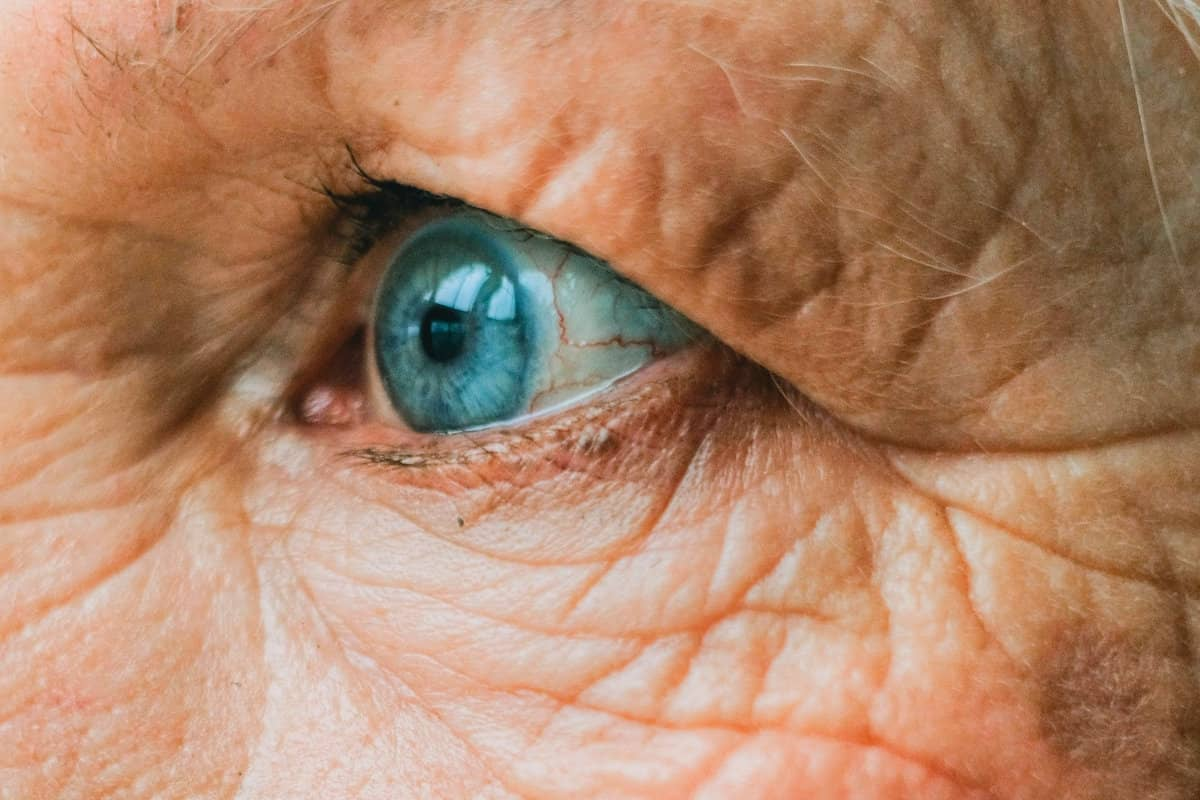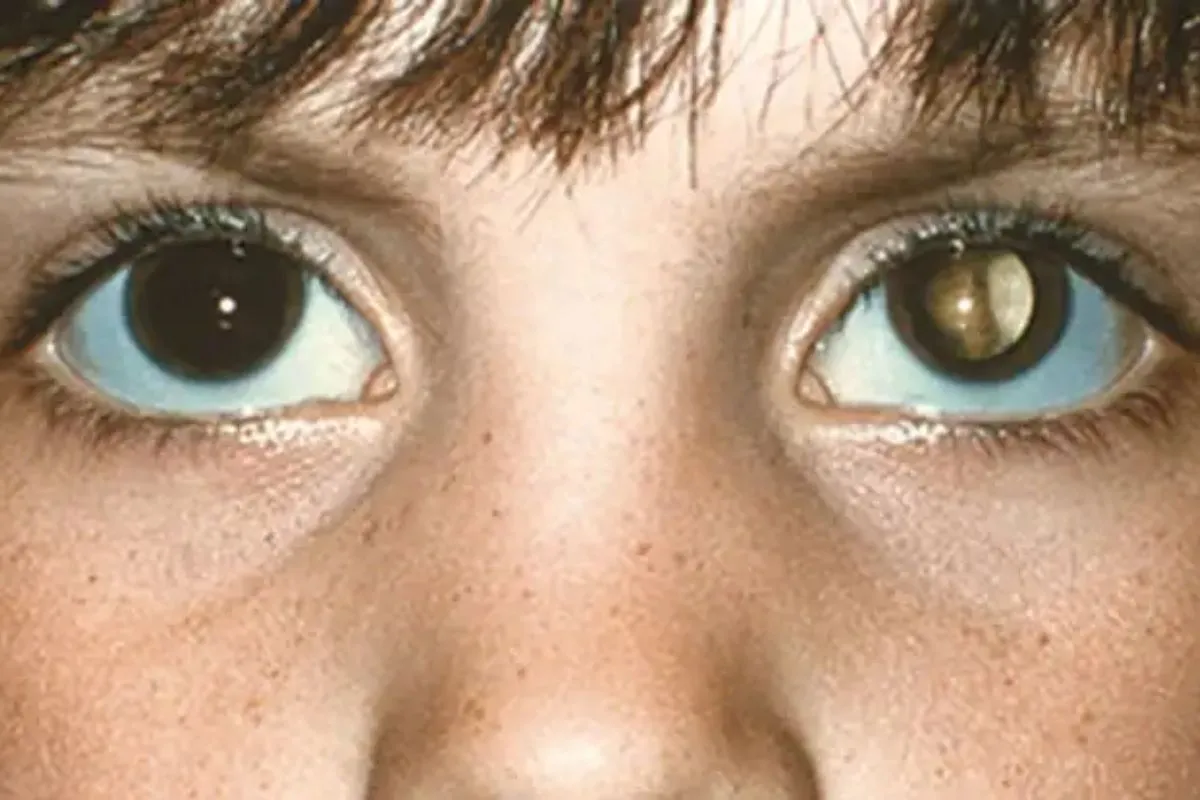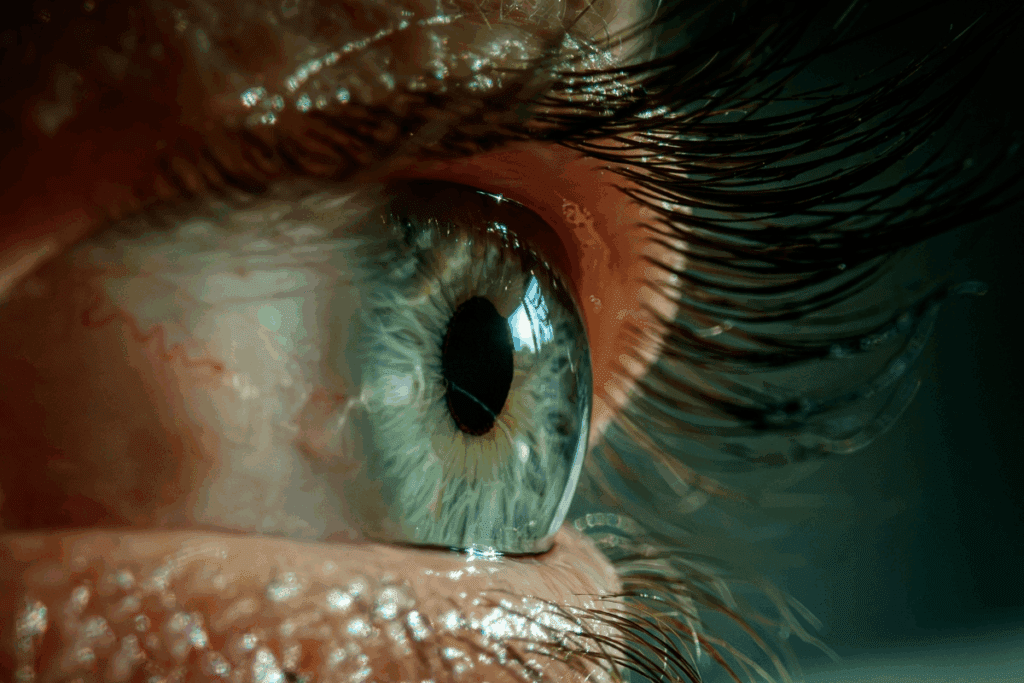
Corneal erosion is a painful condition where the outer layer of the cornea separates from the layers below. It affects nearly 1% of people every year. This can cause a lot of discomfort and problems with vision. Guide to treating painful corneal erosion and relieving the symptom of eyeball peeling. Understand the causes of eyeball peeling.
We know how scary it can be to suddenly feel eye pain. It’s even worse when it’s because the outer layer of your cornea detaches.
Corneal erosion happens when the top layer of the cornea, called the epithelium, detaches from the layer underneath, Bowman’s layer. This can be caused by past eye injuries or diseases of the cornea.
Key Takeaways
- Corneal erosion affects nearly 1% of the population each year.
- The condition is characterized by the separation of the outer corneal layer from the underlying layers.
- Previous eye trauma and underlying corneal diseases are common causes.
- Advanced diagnostic techniques are key for effective treatment.
- Personalized treatment protocols can provide significant relief.
What Is Corneal Erosion? Understanding the Condition

To understand corneal erosion, we must first know about the healthy cornea. The cornea is the clear, front part of the eye. It’s vital for our vision. Even a small erosion can hurt a lot because the cornea is very sensitive.
The Structure of a Healthy Cornea
A healthy cornea has several layers. The epithelium is the outermost layer. It’s important for light to pass through the eye smoothly. Below the epithelium is Bowman’s layer, a strong layer of collagen. These layers must stick together well for the cornea to stay healthy.
How Corneal Erosion Develops
Corneal erosion happens when the epithelium peels off from Bowman’s layer. This can be due to injuries or certain eye diseases. When the epithelium sticks to the eyelid at night, it can hurt a lot when you wake up. This shows how important it is for these layers to stick together.
Prevalence Statistics in the United States
Corneal erosion is common in many people. While exact numbers vary, it’s a common issue. It’s more common in those who have had eye injuries or certain eye diseases.
Condition | Prevalence | Common Causes |
Corneal Erosion | Relatively common | Trauma, Dystrophies |
Corneal Abrasion | Common | Trauma, Foreign bodies |
Knowing how common and why corneal erosion happens helps in treating it. It’s important to know the difference between it and other eye problems like corneal abrasion. This is because the treatments are different.
Corneal Abrasion vs. Erosion: Important Distinctions

Corneal abrasions and erosions are often mixed up, but they have key differences. Knowing these differences is vital for correct diagnosis and treatment.
Trauma-Induced Damage vs. Epithelial Attachment Failure
Corneal abrasions happen when the outer layer of the eye gets damaged, usually by something outside like a scratch. On the other hand, corneal erosion is when the top layer of the eye doesn’t stick right to the layer underneath. This can happen even after the eye has healed from an injury.
Most cases of corneal erosion come back because of trauma. Other reasons include certain eye conditions. Knowing why it happens helps doctors choose the right treatment.
Healing Process Differences
Healing times for corneal abrasions and erosions are different. Abrasions heal fast once the cause is gone. The top layer of the eye grows back over the damage. Erosions take longer to heal because of the problem with sticking.
Recurrence Patterns
Corneal erosions tend to come back more often because of the sticking problem. Abrasions usually don’t come back unless there’s more damage.
Characteristics | Corneal Abrasion | Corneal Erosion |
Cause | Acute trauma-induced damage | Epithelial attachment failure |
Healing Process | Rapid regeneration after trauma removal | Complex process due to adhesion defects |
Recurrence | Less likely unless repeated trauma occurs | More prone to recurrence |
Understanding these differences helps doctors give better care. This leads to better results for patients.
“Eyeball Peeling”: The Mechanism of Corneal Erosion
Corneal erosion, also known as “eyeball peeling,” happens when the top layer of the eye doesn’t stick right. This top layer peels off, causing a lot of pain and discomfort.
Why the Top Layer of Eye Peels Off
The top layer of the eye, or epithelium, peels off when it can’t stick to Bowman’s layer. This is key to keeping the eye’s surface strong.
The epithelial basement membrane complex is important for sticking. It includes the basal epithelial cells, the collagenous basement membrane, and the anchoring fibrils.
Failed Adhesion Between Epithelium and Bowman’s Layer
When the epithelium and Bowman’s layer don’t stick together, it leads to corneal erosion. This can happen because of problems with the epithelial basement membrane complex. It causes the eye to peel over and over again.
This complex is key for the epithelial layer to stick to the structures below. Without it, the eye can peel, causing “eyeball peeling.”
The Cellular Biology Behind Recurrent Cases
In cases where corneal erosion keeps coming back, it’s because of how the cells interact. Understanding this is important for finding good treatments.
The cellular biology of recurrent corneal erosion points to issues with the hemidesmosomes and anchoring fibrils. These are vital for keeping the epithelial layer in place.
Why Your Eyelid Sticks to Your Eye: Causes of Corneal Erosion
Corneal erosion can make your eyelid stick to your eye, often when you wake up. This happens when the top layer of the cornea, called the epithelium, doesn’t stick right. This leads to pain and discomfort.
Many things can cause corneal erosion. We’ll look at these causes to understand why it happens.
Previous Eye Injuries and Trauma
Eye injuries or trauma are big reasons for corneal erosion. Corneal abrasions, or scratches on the cornea, can cause erosion if not healed right. The injury messes up how the epithelium sticks to the layer below, making it hard for it to stick back.
Eye injuries from sports or accidents can also lead to erosion. It’s key to see a doctor right away after an injury to avoid worse problems.
Underlying Corneal Dystrophies
Genetic corneal dystrophies can also cause erosion. These conditions make the cornea irregular, leading to sticking problems between layers.
Some dystrophies linked to erosion include:
- Epithelial basement membrane dystrophy (EBMD)
- Lattice corneal dystrophy
- Granular corneal dystrophy
These conditions weaken the bond between the epithelium and the cornea, making erosion more likely.
The Nighttime Connection: What Happens During Sleep
At night, the eyes go through changes that can make erosion worse. The epithelium can stick to the eyelid because of weak bonds, causing pain when you wake up.
The table below shows what happens during sleep that can lead to erosion:
Factor | Description | Effect on Corneal Erosion |
Reduced Tear Production | Less lubrication during sleep | Increased risk of erosion |
Epithelial Adhesion Weakness | Weakened bonds between epithelial cells and Bowman’s layer | Increased likelihood of erosion |
Eyelid Movement | Mechanical stress during sleep | Potential for micro-trauma |
Knowing these factors can help manage and prevent erosion. By tackling the causes and taking steps to prevent it, people can lessen the pain of this condition.
Recognizing Symptoms of Corneal Erosion
It’s important to know the signs of corneal erosion to get the right treatment quickly. This condition can make your eyes feel uncomfortable and affect your daily life. Let’s look at the common signs of this issue.
Morning Pain and Foreign Body Sensation
Morning pain is a key sign of corneal erosion. People often feel sharp eye pain and a feeling like something is in their eye when they wake up. This happens because the top layer of the cornea doesn’t stick right to the layer underneath, causing the eyelid to stick to the cornea at night.
Photophobia and Light Sensitivity
Many with corneal erosion find light too much. This makes it hard to be in bright places. The uneven corneal surface scatters light, causing eye discomfort in bright settings.
Tearing and Eye Redness
Tearing and eye redness are common too. The irritation from corneal erosion makes your eyes produce more tears. Eye redness comes from inflammation and irritation of the eye surface.
Vision Changes and Blurriness
Vision problems, like blurriness, can happen because of the cornea’s uneven surface. As the cornea heals, your vision might change. It’s important to watch for these changes and see an eye doctor.
Knowing these symptoms helps you get the right medical help. If you’re experiencing any of these signs, seeing an eye care specialist is key for a proper diagnosis and treatment.
Diagnosing Corneal Erosion Through Medical Examination
Doctors use special tools to find corneal erosion. It’s important to get it right to treat it well and avoid more problems.
Slit Lamp Examination Process
A slit lamp exam is key for spotting corneal erosion. It lets doctors see the cornea up close. They shine a light on the eye to find any damage.
Key aspects of the slit lamp examination include:
- High magnification for detailed viewing
- Ability to detect minute corneal defects
- Assessment of the cornea’s surface and underlying layers
Fluorescein Dye Testing for Corneal Defects
Fluorescein dye testing is also vital. It uses dye that shows up under blue light. This dye helps find where the cornea is damaged.
The benefits of fluorescein dye testing include:
- Clear visualization of corneal defects
- Ability to assess the size and location of erosions
- Guidance for treatment decisions
Differential Diagnosis Considerations
When checking for corneal erosion, other issues must be ruled out. This means looking at other possible causes of eye pain. These could be corneal abrasions, dry eye, or other eye problems.
Key considerations for differential diagnosis include:
- Patient history and symptoms
- Clinical findings from slit lamp and fluorescein dye tests
- Response to initial treatment
By using these methods, doctors can find corneal erosion and plan the right treatment. This helps the patient get better.
Immediate Relief for Acute Corneal Erosion Episodes
Acute corneal erosion episodes can be very painful. But, there are steps you can take to find relief quickly. Treating an erosion early can help avoid complications and prevent future erosions.
First Aid Steps When You Wake With Pain
Waking up with pain from corneal erosion? Start by gently flushing your eye with lubricating ointments or artificial tears. This can loosen stuck eyelids and offer quick relief.
- Use preservative-free lubricating ointments or artificial tears.
- Gently pull your upper lid away from your eye if it’s stuck.
- Avoid rubbing your eyes.
Over-the-Counter Pain Management
Over-the-counter pain relievers can ease corneal erosion discomfort. But, it’s key to follow the dosage and talk to your doctor if pain doesn’t go away.
Recommended pain management options include:
- Acetaminophen (Tylenol)
- Ibuprofen (Advil, Motrin)
Always follow the label instructions and talk to a healthcare professional if unsure.
Emergency Situations: When to See a Doctor Immediately
While you can manage some symptoms at home, some need immediate medical attention. If you have severe eye pain, increased light sensitivity, vision changes, or eye redness, seek emergency care.
Prompt medical attention can prevent complications and ensure proper healing.
Initial management includes lubricating ointments and artificial tears. These are key for relief and supporting healing.
Medical Treatment Options for Corneal Erosion
Managing corneal erosion needs a mix of treatments. We’ll look at the medical ways to ease symptoms, help healing, and stop it from coming back.
Lubricating Ointments and Artificial Tears
Lubricating ointments and artificial tears are key in treating corneal erosion. They add moisture and lessen friction on the cornea. We suggest using artificial tears without preservatives to avoid irritation.
Key benefits: They make the eye feel better, lower the chance of problems, and help keep the cornea healthy.
Prescription Medications and Their Effects
Prescription drugs might be needed for pain, swelling, or infection with corneal erosion. These can include anti-inflammatory meds, antibiotic eye drops, and cycloplegic drops to ease pain and aid healing.
It’s vital to stick to the treatment plan to manage symptoms well and avoid side effects.
Bandage Contact Lenses for Protection
Bandage contact lenses protect the cornea, helping it heal. They’re great for big or ongoing corneal erosions.
Advanced Procedures for Recurrent Cases
For cases that keep coming back, advanced treatments like corneal cross-linking or anterior stromal puncture might be used. These methods aim to make the cornea stronger and improve how the top layer sticks to the stroma.
We look at each case closely to pick the best treatment plan.
Conclusion: Prevention Strategies and Long-Term Management
Managing corneal erosion well needs a full plan. This includes steps to prevent it and ongoing care. We suggest using eye drops or ointments often, like when you wake up, to stop it from coming back.
Using these steps can really cut down on corneal erosion problems. Long-term, it’s about keeping up with eye care visits. This lets your eye doctor check on you and change treatments if needed.
Knowing what causes and shows corneal erosion is key. Being aware of risks, like past eye injuries or certain eye conditions, helps you act early. This way, you can stop corneal erosion before it starts.
With the right steps and ongoing care, you can handle corneal erosion well. Working with an eye care expert helps you make a plan that fits your needs. This way, you can keep your eyes healthy and avoid bigger problems.
FAQ
What is corneal erosion?
Corneal erosion is a painful condition. It happens when the outer layer of the cornea separates from the layers underneath. This causes discomfort and vision problems.
What causes corneal erosion?
Several factors can cause corneal erosion. These include previous eye injuries, certain corneal dystrophies, and nighttime factors that make the eyelid stick to the eye.
What is the difference between corneal abrasion and erosion?
Corneal abrasion is usually caused by trauma. Corneal erosion is often due to the failure of the epithelial attachment. The healing process and how often it happens also differ.
Why does my eyelid stick to my eye in the morning?
The eyelid sticks to the eye because of the irregular cornea surface from erosion. This happens during sleep, causing adhesion between the eyelid and the cornea.
What are the symptoms of corneal erosion?
Symptoms include morning pain, feeling like something is in your eye, sensitivity to light, tearing, eye redness, and blurry vision.
How is corneal erosion diagnosed?
Doctors diagnose it through a medical exam. This includes a slit lamp exam and fluorescein dye testing to find corneal defects.
What is the immediate relief for acute corneal erosion episodes?
Immediate relief includes using lubricating ointments and over-the-counter pain meds. Knowing when to seek emergency care is also important.
What are the medical treatment options for corneal erosion?
Treatments include lubricating ointments, prescription meds, bandage contact lenses, and advanced procedures for recurring cases.
Can corneal erosion be prevented?
Some cases can’t be prevented, but ongoing care can reduce recurrence risk and manage the condition well.
How can I manage corneal erosion long-term?
Long-term management involves regular eye exams, using lubricating ointments as needed, and knowing the signs of recurrence.
What happens if corneal erosion is left untreated?
Untreated corneal erosion can lead to chronic pain, vision issues, and a higher risk of infection.
References
National Center for Biotechnology Information. Corneal Erosion: Causes, Symptoms, and Relief Strategies. Retrieved from https://www.ncbi.nlm.nih.gov/pmc/articles/PMC6513638/