
We’re here to explain Leukocytoclastic Vasculitis (LCV). It’s a condition where small blood vessels get inflamed. LCV happens when the immune system attacks these vessels, causing damage.
This condition shows up as palpable purpura, mostly on the legs. It can be caused by infections, medicines, or other diseases. Getting the right diagnosis and treatment is key to managing LCV.
Key Takeaways
- LCV is an inflammatory condition affecting small skin blood vessels.
- It results from an immune response that destroys blood vessel walls.
- LCV presents as palpable purpura, mainly on the lower extremities.
- Various underlying causes are associated with LCV, including infections and medications.
- Proper diagnosis and treatment are essential for effective management.
Understanding Leukocytoclastic Vasculitis (LCV)
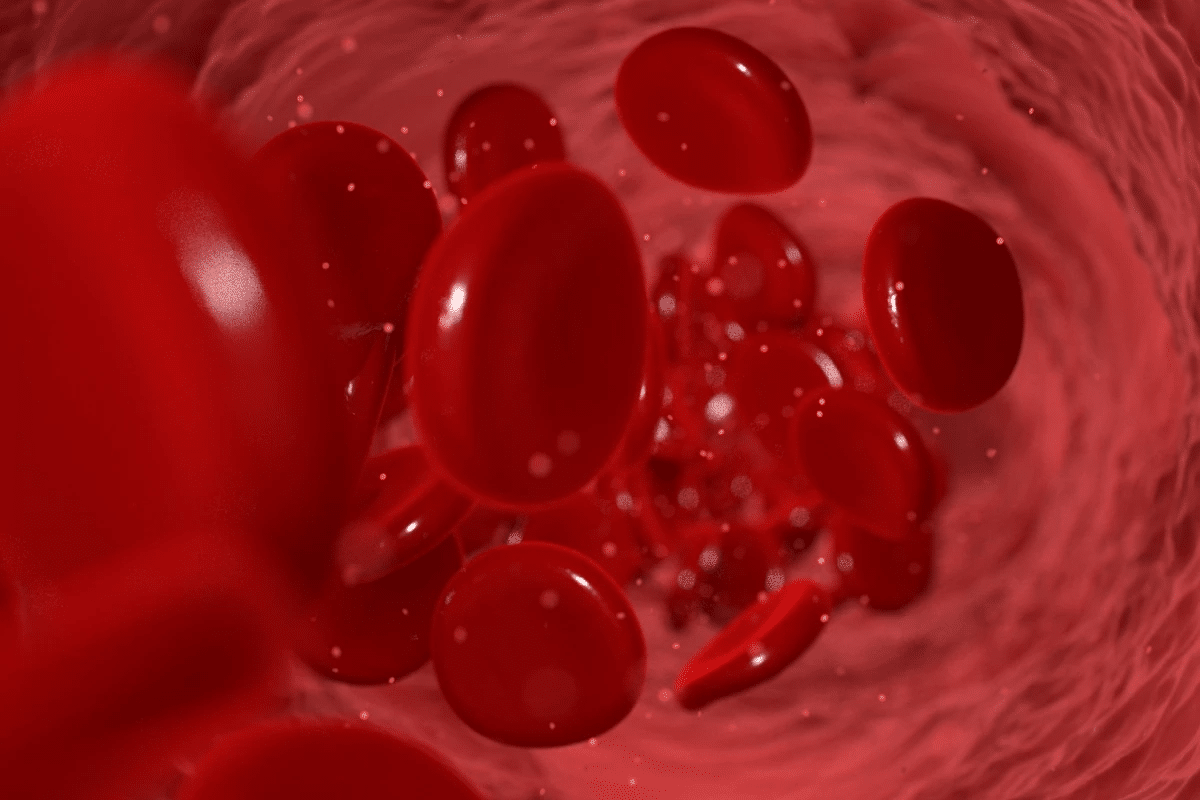
Leukocytoclastic vasculitis (LCV) is a condition where small blood vessels get inflamed. It’s caused by the immune system, leading to inflammation in dermal capillaries and venules. This condition can cause skin lesions and is an immune-mediated issue.
Definition and Pathophysiology
LCV is marked by neutrophilic inflammation in dermal capillaries and venules. It happens when immune complexes build up in vessel walls. This triggers the complement system and brings in neutrophils, causing vessel wall damage known as leukocytoclasis.
The main signs of LCV include:
- Inflammation of small blood vessels
- Immune complex deposition
- Neutrophilic infiltration
- Vessel wall destruction (leukocytoclasis)
Historical Context and Terminology
The term “leukocytoclastic vasculitis” describes this condition due to leukocytoclasis. This is the breakdown of neutrophils in inflamed vessel walls. Over time, LCV has been linked to other terms like hypersensitivity vasculitis and cutaneous small-vessel vasculitis.
Knowing the history and terms helps us understand LCV better. It shows how our knowledge has grown over the years. The name has changed to reflect our deeper understanding of its causes.
Epidemiology of Leukocytoclastic Vasculitis

The study of leukocytoclastic vasculitis (LCV) helps us understand who gets it and why. Knowing this can lead to better prevention and treatment.
Incidence and Prevalence Rates
Adults are more likely to get LCV, with about 45 cases per million. It can happen at any age but is more common in adults. The exact number of cases varies based on who is studied and how it’s diagnosed.
LCV doesn’t favor one gender over the other. It affects both men and women equally. Yet, some groups are at higher risk.
Demographic Patterns and Risk Groups
LCV can happen to anyone, but it’s more common in adults. It doesn’t discriminate by gender, hitting both men and women the same. Other factors that might increase the risk include:
- Age: More prevalent in adults
- Gender: Affects males and females equally
- Other possible risk factors: Certain infections, medications, and health conditions
To grasp the full picture of LCV, let’s look at the numbers for different groups:
|
Population |
Incidence Rate (per million) |
Prevalence Rate (%) |
|---|---|---|
|
Adults |
45 |
0.8-1.0 |
|
Children |
Lower than adults |
0.5-0.7 |
|
Elderly |
Higher than children |
1.0-1.2 |
Knowing how LCV spreads helps doctors treat it better. By focusing on who’s most at risk, we can make treatments more effective.
Clinical Presentation and Symptoms
It’s important to know the signs of LCV early for better treatment. LCV shows different symptoms, mainly in the skin but can also affect other parts of the body.
Cutaneous Manifestations
LCV often starts with palpable purpura on the legs. These spots can be itchy or inflamed.
Common cutaneous manifestations include:
- Palpable purpura
- Itchy or inflamed skin lesions
- Blisters or skin ulcers in severe cases
Extracutaneous Involvement
About 30% of LCV cases also affect other parts of the body. This can include:
- Joint pain or arthritis
- Gastrointestinal symptoms such as abdominal pain or gastrointestinal bleeding
- Renal involvement, potentially leading to kidney damage
When LCV affects other parts of the body, it’s usually more serious. It might need stronger treatment.
Severity Spectrum
LCV can vary in how severe it is. It can be mild or very serious. The severity depends on how much the skin and other parts of the body are affected.
|
Disease Severity |
Cutaneous Involvement |
Extracutaneous Involvement |
|---|---|---|
|
Mild |
Limited purpura |
None |
|
Moderate |
Widespread purpura |
Some systemic symptoms |
|
Severe |
Ulcerative lesions |
Significant organ involvement |
Experts say it’s key to spot LCV symptoms early. This helps in getting the right treatment and better outcomes.
Causes and Risk Factors
It’s important to know what causes LCV to treat it well. Leukocytoclastic vasculitis can happen for no reason or because of infections, cancer, autoimmune diseases, drugs, and other diseases.
Idiopathic LCV
Many times, LCV has no known cause. Idiopathic LCV is hard for doctors to deal with because they can’t pinpoint the cause. This makes it tough to find the right treatment.
Infection-Associated LCV
Infections can start LCV. This includes bacterial, viral, and other infections. For example, hepatitis C can lead to LCV. Finding and treating the infection is key to managing it.
Medication-Induced LCV
Some medicines can cause LCV. This includes antibiotics, NSAIDs, and other drugs. Stopping the drug that causes it is often the first step in treatment.
Autoimmune and Systemic Disease Associations
LCV is also linked to autoimmune and systemic diseases. This includes conditions like rheumatoid arthritis and lupus. Knowing these connections is important for caring for patients.
LCV can be caused by infections, drugs, autoimmune diseases, and cancer. Knowing these causes helps doctors diagnose and treat it better.
Diagnostic Approach to Leukocytoclastic Vasculitis
To diagnose leukocytoclastic vasculitis, doctors use a detailed approach. This includes clinical evaluation, lab tests, and histopathology. This method is key to accurately identifying LCV and differentiating it from other conditions.
Clinical Evaluation
The first step is a clinical evaluation. This involves a detailed medical history and physical exam. Doctors look for symptoms like purpura, ulcers, or skin lesions. They study the type and location of these lesions to narrow down possible causes.
Laboratory Testing
Laboratory tests are essential in the diagnostic process. They help assess the patient’s condition and rule out other diseases. Tests like complete blood count (CBC), erythrocyte sedimentation rate (ESR), and urinalysis are common. These tests show signs of inflammation or other abnormalities linked to LCV.
Skin Biopsy and Histopathology
A skin biopsy is a key diagnostic tool for LCV. It involves taking a skin sample for microscopic examination. The exam looks for signs of leukocytoclasia and fibrinoid necrosis. This confirms LCV by showing small blood vessel involvement.
Differential Diagnosis
Differential diagnosis is critical in diagnosing LCV. It helps rule out other conditions that might look like LCV. By considering various possibilities, doctors can confirm LCV and exclude other diseases.
Classification and Related Conditions
Leukocytoclastic vasculitis (LCV) can be either primary or secondary. It’s linked to various diseases or factors. Knowing how to classify LCV helps doctors understand it better and decide on the right treatment.
Primary vs. Secondary LCV
LCV is divided into primary and secondary types. Primary LCV happens without any other disease or condition. On the other hand, secondary LCV is linked to diseases, infections, or reactions to some medicines.
Secondary LCV often comes with infections, autoimmune diseases, or cancers. For example, hepatitis C or rheumatoid arthritis can cause LCV. Knowing if LCV is primary or secondary is key to managing it well.
ANCA-Associated Vasculitides
LCV is also connected to ANCA-associated vasculitides. These are disorders with ANCA and blood vessel inflammation. Conditions like Granulomatosis with Polyangiitis (GPA) and Microscopic Polyangiitis (MPA) are part of this group and can show LCV symptoms.
Having ANCA helps doctors diagnose and tell apart different vasculitides. These conditions need specific treatments, like immunosuppressive therapy.
Henoch-Schonlein Purpura
Henoch-Schonlein Purpura (HSP), or IgA vasculitis, is also related to LCV. It’s caused by IgA immune complexes in small blood vessels. Symptoms include purpura, arthritis, abdominal pain, and kidney problems.
HSP is seen as a type of LCV, mainly in adults. It has similar signs. Treatment for HSP includes supportive care and sometimes immunosuppressive therapy to avoid kidney issues.
In summary, knowing about LCV’s classification and related conditions is vital for correct diagnosis and treatment. By understanding primary and secondary LCV and its connections to other vasculitides, doctors can create personalized treatment plans.
Leukocytoclastic Vasculitis Cure and Treatment Options
Knowing the treatment options for leukocytoclastic vasculitis is key for both patients and doctors. The right treatment depends on how severe and what causes the disease. This means each patient needs a treatment plan that fits their specific situation.
Supportive Care Measures
Supportive care helps manage symptoms and improve life quality for those with LCV. This includes:
- Rest and avoiding strenuous activities
- Using protective gear to prevent skin injuries
- Managing pain with appropriate medication
- Monitoring for signs of infection or disease progression
Pharmacological Interventions
Medications play a big role in reducing inflammation and preventing more damage. Common treatments include:
- Corticosteroids: These are often the first line of treatment to reduce inflammation.
- Immunosuppressive drugs: Used in more severe cases or when corticosteroids are not effective.
- Colchicine: Sometimes used for its anti-inflammatory properties.
Treatment Based on Disease Severity
The severity of LCV determines the treatment’s intensity. Mild cases might just need supportive care, while severe cases need stronger treatments. It’s vital to tailor the treatment plan to the individual patient’s needs.
Complications and Management Strategies
It’s important to know the complications of LCV to manage it well. Most cases get better on their own, but some can get worse if not treated right.
Potential Complications
LCV can cause skin damage, scarring, and even harm to organs. This shows why quick and good treatment is key.
Common Complications of LCV:
- Skin necrosis and scarring
- Organ damage in severe cases
- Recurrent episodes of vasculitis
We need to watch patients closely to catch and treat these problems early.
Addressing Underlying Causes
To manage LCV well, we must find and fix the root causes. This might mean stopping certain medicines, treating infections, or handling other diseases.
|
Underlying Cause |
Management Strategy |
|---|---|
|
Medication-induced LCV |
Discontinue offending medication |
|
Infection-associated LCV |
Treat underlying infection |
|
Autoimmune disease-associated LCV |
Manage underlying autoimmune condition |
Prevention of Recurrence
Stopping LCV from coming back is a big part of managing it. We need to fix the causes and find ways to lower the chance of it happening again.
Strategies for Preventing Recurrence:
- Avoiding known triggers
- Managing chronic conditions effectively
- Regular follow-up with healthcare providers
With a good plan, we can help patients with LCV a lot.
Living with Leukocytoclastic Vasculitis
People with leukocytoclastic vasculitis must understand their condition well. They should know when to get medical help to avoid serious problems. Taking care of oneself and knowing when to seek medical help are key to managing this condition.
Self-Care Strategies
For those with skin-limited leukocytoclastic vasculitis, there are ways to manage symptoms. These include:
- Resting to reduce strain on the body
- Elevating the legs to reduce swelling
- Wearing compression stockings to improve circulation
Using these methods can help lessen discomfort from LCV. It’s important to work with healthcare providers to make these strategies fit your needs.
|
Self-Care Measure |
Benefit |
|---|---|
|
Rest |
Reduces bodily strain |
|
Leg Elevation |
Decreases swelling |
|
Compression Stockings |
Improves circulation |
When to Seek Medical Attention
It’s vital for LCV patients to know when they need medical help. Look out for these signs:
- Increased severity of symptoms
- New or worsening skin lesions
- Systemic symptoms such as fever or fatigue
Being alert to these signs and getting medical help quickly can prevent serious issues. It can also improve your health outcomes.
By following these tips and staying informed, people with leukocytoclastic vasculitis can manage their condition better. This can improve their overall quality of life.
Conclusion
Understanding leukocytoclastic vasculitis is key to managing it well. We’ve looked into its definition, how common it is, and how it’s diagnosed. We’ve also covered its symptoms and how doctors find it.
This condition needs a detailed care plan. Knowing what causes it and its risks helps doctors treat it better. This way, they can help patients get better faster.
Managing leukocytoclastic vasculitis involves many steps. This includes supportive care, medicines, and finding and treating the root causes. It’s important to focus on the patient, giving them the support they need. This helps them manage their condition and avoid future problems.
FAQ
What is Leukocytoclastic Vasculitis (LCV)?
Leukocytoclastic Vasculitis is a condition where small blood vessels get inflamed. It shows up as palpable purpura, mainly on the lower legs.
What are the symptoms of LCV?
Symptoms of LCV include skin issues like palpable purpura. It can also affect other parts of the body, with varying severity.
What causes LCV?
LCV can be caused by infections, medications, or systemic diseases. Sometimes, it has no known cause.
How is LCV diagnosed?
Doctors diagnose LCV through clinical evaluation, lab tests, skin biopsies, and histopathology. They also rule out other conditions.
What are the treatment options for LCV?
Treatments for LCV include supportive care and medications. The treatment plan depends on the disease’s severity and the underlying cause.
Is there a cure for LCV?
There’s no definitive cure for LCV. But, effective management can improve symptoms and prevent future episodes by addressing the root cause.
How can LCV be managed?
Managing LCV involves treating the underlying cause and preventing future episodes. Self-care strategies and knowing when to seek medical help are also important.
What is the prognosis for LCV?
The prognosis for LCV depends on the cause, severity, and treatment response. Proper diagnosis and management are key to a better outcome.
Can LCV be associated with other conditions?
Yes, LCV can be linked to autoimmune and systemic diseases. It’s also related to other vasculitides like ANCA-associated vasculitides and Henoch-Schonlein purpura.
What is the difference between primary and secondary LCV?
Primary LCV has no known cause. Secondary LCV is linked to an underlying condition, such as an infection, medication, or systemic disease.
How common is LCV?
The frequency of LCV varies. Certain groups are more likely to be affected. Understanding this helps in managing the condition.
References
National Center for Biotechnology Information. Evidence-Based Medical Guidance. Retrieved from https://pubmed.ncbi.nlm.nih.gov/15943582/