After shoulder surgery, a good rehab plan is key for a full recovery. At Liv Hospital, we stress the need for physical therapy after shoulder surgery. It helps heal tissues and gets you moving again post shoulder surgery exercises.
Physical therapy is important for managing pain and getting your strength back. It also helps you get back to doing things you love. Our post-shoulder surgery physical therapy is based on the latest research and focuses on you.
Key Takeaways
- Structured physical therapy is essential for optimal recovery after shoulder surgery.
- Post-surgery exercises facilitate tissue healing and restore functional mobility.
- Physical therapy helps manage pain and restore strength and mobility.
- Liv Hospital’s rehabilitation programs are evidence-based and patient-centered.
- International standards guide our physical therapy protocols.
Understanding Shoulder Surgery and Recovery
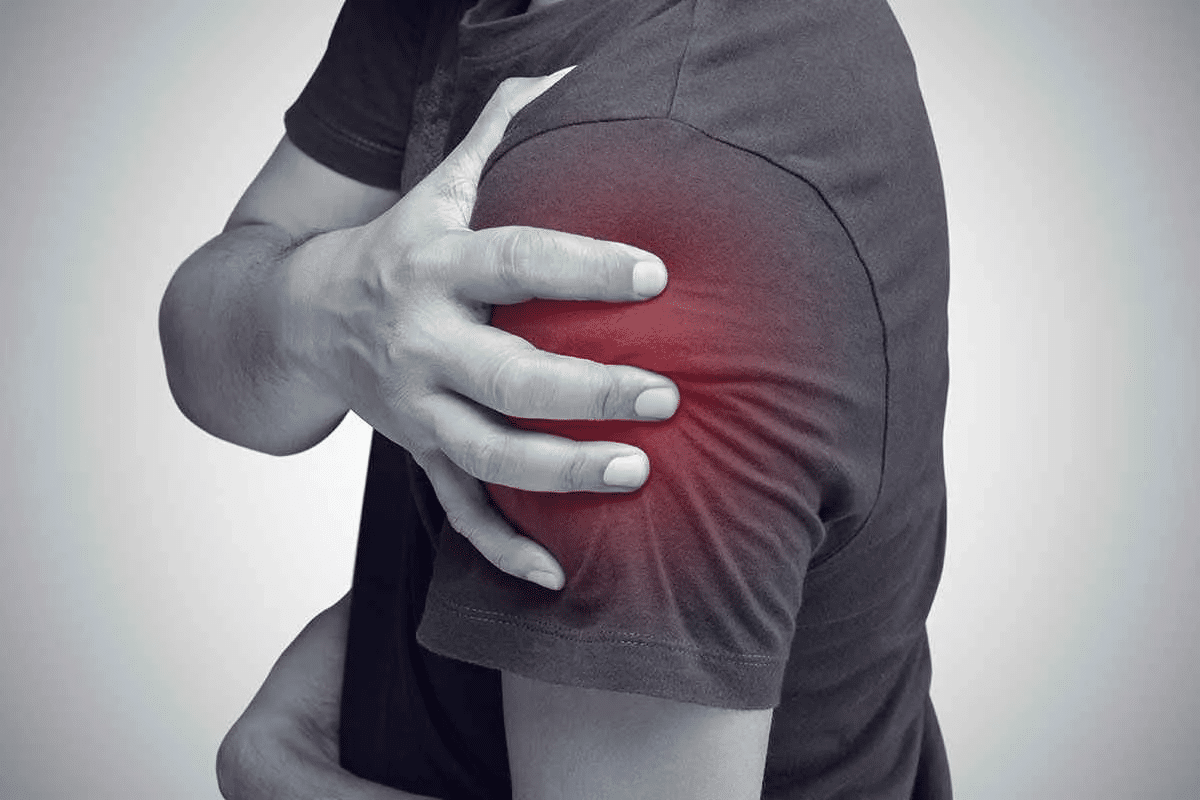
It’s key for patients to grasp the details of shoulder surgery and recovery. Shoulder surgeries can fix many issues, like rotator cuff tears or arthritis. After surgery, patients often face reduced mobility, muscle weakness, and pain.
Common Types of Shoulder Surgeries
There are many types of shoulder surgeries, each needing its own rehab plan. These include:
- Rotator cuff repair
- Labral repair
- Total shoulder replacement
- Arthroscopic procedures for conditions like impingement or arthritis
Each surgery needs a special rehab plan. This highlights the role of physical therapy for shoulder surgery in getting strength and mobility back.
The Importance of Proper Rehabilitation
Good rehab is key for a full recovery after shoulder surgery. Studies show that starting physical therapy protocols early helps a lot. Physiotherapy for shoulder surgery is vital for managing pain, building strength, and improving movement.
Setting Realistic Recovery Expectations
It’s important to have realistic recovery hopes for a good rehab. Recovery times vary based on surgery type, health, and following the rehab plan. Patients usually need several months to see improvements in strength and movement.
Knowing the surgery type and needed rehab helps patients on their recovery path. Working with healthcare providers to create a rehab plan is essential. This plan should meet the patient’s specific needs and goals.
The Rehabilitation Timeline After Shoulder Surgery

Knowing the rehabilitation timeline after shoulder surgery is key for a good recovery. The exact timeline depends on the surgery type and why it was needed. Usually, it takes 12 to 16 weeks, with exercises in different phases.
Initial Recovery Phase (First 1-4 Weeks)
The first phase aims to reduce pain and swelling, protect the shoulder, and start improving movement. Patients do passive range-of-motion exercises during this time. A healthcare provider or physical therapist moves the arm to keep it flexible without straining the shoulder muscles.
Intermediate Recovery Phase (Weeks 4-8)
In the next phase, the focus is on active-assisted movements and strengthening the shoulder. Exercises become more active, and patients are encouraged to do more in their rehab. This phase is key for building strength and improving daily activities.
Advanced Recovery Phase (Weeks 8-16)
The final phase includes intense strengthening and functional training. Patients start resistance band training and other exercises to boost muscle strength and endurance. The goal is to fully restore function and prepare the shoulder for more challenging activities.
Long-term Maintenance (Beyond 16 Weeks)
After 16 weeks, the focus is on long-term maintenance and injury prevention. Patients are told to keep up with a maintenance exercise program to keep their gains. This phase is vital for keeping the shoulder strong and functional long-term.
Staying committed to your rehab plan and working with your healthcare provider is essential. Understanding the recovery phases and exercises helps patients manage their rehab journey better.
Preparing for Your Post Shoulder Surgery Exercises
Getting ready for your post shoulder surgery exercises is important. You need a safe and comfy place to help you recover. This setup is key for doing your exercises right and safely.
Creating a Suitable Exercise Environment
Having a recovery area near what you need makes things easier. Make sure the path is clear to avoid slipping.
- Clear a dedicated space for your exercises, free from clutter and obstacles.
- Ensure good lighting in the exercise area to help you perform exercises correctly.
- Keep necessary items like water, medications, and a phone within easy reach.
Essential Equipment for Home Rehabilitation
The right tools can really help with your rehab. Not everyone needs the same things, but some basics are very useful.
|
Equipment |
Purpose |
|---|---|
|
Resistance bands |
For strengthening shoulder muscles |
|
Pillow or wedge |
For support during exercises |
|
Exercise ball |
For stability and balance exercises |
Understanding Your Surgical Restrictions
It’s essential to know what you can and can’t do after surgery. Your doctor will tell you what to avoid and for how long.
Following these rules is key for healing right and avoiding problems.
Pain Management Strategies During Exercise
Handling pain while doing exercises is very important. Talk to your doctor about how to manage it.
Some ways to do this include:
- Using pain medication as directed
- Applying ice packs to reduce pain and inflammation
- Breathing exercises to help manage pain and relaxation
By knowing and using these tips, you can make your rehab easier and more successful.
Phase 1: Safe Passive Range-of-Motion Exercises (Weeks 1-4)
Safe passive range-of-motion exercises are key in the early stages after shoulder surgery. They help prevent stiffness and aid in healing. We’ll show you the important exercises and safety tips for a smooth recovery.
Pendulum Exercises
Pendulum exercises are a gentle way to keep your shoulder moving without too much strain. To do a pendulum exercise:
- Stand with your feet shoulder-width apart and lean forward slightly.
- Let your affected arm hang down, then gently swing it in small circles.
- Gradually increase the size of the circles as your comfort allows.
Supported External Rotation
Supported external rotation exercises improve your shoulder’s rotation. To do this exercise:
- Use a stick or cane to support your affected arm.
- Gently rotate your arm outward, keeping your elbow close to your body.
- Hold for a few seconds, then return to the starting position.
Passive Forward Elevation
Passive forward elevation keeps your shoulder flexible. To do this exercise:
- Lie on your back and have a therapist or caregiver gently lift your affected arm.
- Raise your arm to a comfortable height, then slowly lower it back down.
Safety Guidelines for Early Rehabilitation
It’s important to follow safety guidelines in the early stages of rehab:
|
Guideline |
Description |
|---|---|
|
Follow Professional Guidance |
Always follow the instructions of your healthcare provider or physical therapist. |
|
Monitor Pain Levels |
Stop the exercise if you experience sharp pain or discomfort. |
|
Gradual Progression |
Gradually increase the range and intensity of exercises as advised. |
“Early mobilization through guided physiotherapy prevents stiffness and adhesion formation while respecting immobilization protocols specific to repair type.”
Acknowledged by Orthopedic Rehabilitation Experts
By following these safe exercises and guidelines, you can have a successful early rehab after shoulder surgery. Always check with your healthcare provider before starting any new exercises.
Phase 2: Effective Active-Assisted Movements (Weeks 4-8)
As healing advances, we move to Phase 2. This phase includes active-assisted exercises to restore shoulder function. It happens between weeks 4-8 after surgery. We focus on improving shoulder mobility and strength.
Assisted Shoulder Flexion Exercises
Assisted shoulder flexion exercises are key in Phase 2. They use your good arm to lift the injured arm forward. This improves flexibility and range of motion. Here’s how to do it:
- Stand with your feet shoulder-width apart.
- Use your healthy arm to lift your surgical arm forward, keeping it straight.
- Gradually increase the height as comfort allows.
Wall Walking for Improved Mobility
Wall walking is another effective exercise in Phase 2. It helps regain shoulder mobility. Here’s how to do it:
- Stand facing a wall with your feet shoulder-width apart.
- Slowly walk your fingers up the wall, raising your arm as high as comfortably possible.
- Hold for a few seconds, then slowly lower your arm.
Isometric Strengthening Techniques
Isometric exercises are important in this phase. They strengthen the shoulder muscles without moving the joint. Examples include:
- Isometric shoulder flexion: Stand with your back against a wall and push your arm against the wall without moving.
- Isometric external rotation: Hold a stick or rod and push against it with your surgical arm.
Scapular Stabilization Exercises
Scapular stabilization is vital for shoulder health. Exercises like scapular squeezes and wall push-ups strengthen the muscles around your scapula. This provides a stable base for your shoulder joint.
By adding these exercises to your routine, you can progress through Phase 2. This enhances your shoulder’s strength and mobility. It’s important to work with your healthcare provider or physical therapist. They can tailor these exercises to your needs and ensure a safe recovery.
Essential Post Shoulder Surgery Exercises for Phase 3 (Weeks 8-16)
Weeks 8-16 after surgery, your rehab gets tougher. You’ll do exercises that make your shoulder stronger and more functional. Your therapist will add harder exercises to boost your strength and function.
Resistance Band Training Progression
Resistance band training is key in Phase 3. It boosts your shoulder muscles’ strength and flexibility. Begin with light resistance and increase it as your shoulder gets stronger.
- Start with basic band exercises like internal and external rotations.
- Move on to harder movements like banded shoulder flexion and extension.
- Do these exercises carefully to avoid straining your shoulder.
Weight-Bearing Exercises
Weight-bearing exercises make your shoulder stronger by supporting your body or extra weights. They’re vital for getting back your functional strength.
- Begin with wall push-ups, a simpler version of regular push-ups.
- Then, try table push-ups or floor push-ups if you can.
- Make sure to keep the right form to avoid shoulder strain.
Functional Movement Patterns
Functional movement patterns are like daily activities or sports moves. They help your shoulder move naturally again. Examples include lifting, throwing, or reaching.
- Practice these in a safe place to build confidence.
- Make the exercises more complex and intense as you get better.
- Make sure these movements don’t hurt to avoid injury.
Sport or Activity-Specific Training
If you want to get back to sports or activities, this phase is vital. Your therapist will create exercises that match your sport or activity.
“The key to a successful return to sports after shoulder surgery is a well-structured rehabilitation program that includes sport-specific training.” – Medical Expert, Orthopedic Surgeon
This custom approach helps you recover and get ready for your favorite activities.
Avoiding Common Mistakes and Complications
Safe exercises after shoulder surgery are key for a good recovery. We must do them in the right order to protect the repair. Knowing the risks is important to avoid problems.
Signs of Overexertion and Improper Technique
Overexertion is a big risk in shoulder rehab. Sharp pain means we’re pushing too hard. Swelling, redness, or feeling unstable are other signs to watch for.
If we see these signs, stop right away and talk to our doctor. Doing exercises wrong can also cause problems. It’s important to do them right, maybe with a physical therapist’s help.
Managing Pain vs. Discomfort During Exercises
Telling the difference between normal discomfort and real pain is key. Some pain is okay as we get stronger. But sharp or severe pain means we need to see our doctor.
We can manage pain by changing how hard we exercise. Using ice or medicine before working out helps too. It’s about pushing ourselves but not too hard.
Preventing Re-injury and Setbacks
To avoid re-injury, we need to do exercises right and slowly get better. Gradual progression is important. We shouldn’t rush through rehab.
- Follow the rehab plan from our healthcare team.
- Keep track of our exercises and any symptoms.
- Go to follow-up appointments to check our progress.
When to Contact Your Healthcare Provider
It’s important to know when to get medical help. We should call our doctor if we have:
- More pain or swelling.
- Feel unstable or like the shoulder is slipping.
- Fever or redness around the surgery site.
- Any other strange symptoms.
Being proactive and quick to address problems can greatly improve our recovery. By staying informed and careful, we can safely and effectively get through rehab.
Specialized Exercises for Different Shoulder Procedures
Different shoulder procedures need special exercise plans for the best recovery. Whether it’s a rotator cuff repair, labral repair, or total shoulder replacement, Motive Sports & Physical Therapy creates a custom plan.
Rotator Cuff Repair-Specific Exercises
Exercises for rotator cuff repair focus on strengthening the shoulder muscles. They start off gentle and get stronger as healing happens. Examples include:
- Passive range-of-motion exercises to keep flexibility
- Isometric contractions to strengthen muscles without moving the joint
- Resistance band exercises to boost strength and endurance
“A well-structured rehabilitation program after rotator cuff repair is key for restoring function and preventing re-injury,” says the importance of a tailored exercise regimen.
Labral Repair Rehabilitation Considerations
Labral repair rehabilitation balances healing with keeping the shoulder mobile. Exercises may include:
- Gentle pendulum exercises to promote early mobility
- Gradual strengthening of the rotator cuff and scapular stabilizers
- Progressive resistance exercises to enhance strength and function
It’s important to avoid too much stress on the labrum early in rehab.
Total Shoulder Replacement Exercise Modifications
Total shoulder replacement exercises aim to restore mobility, strength, and function. Modifications are made to fit the new joint, including:
- Modified range-of-motion exercises to avoid dislocation
- Strengthening exercises for the surrounding muscles
- Functional training to improve daily activity performance
One patient said, “The customized exercise program after my total shoulder replacement made a big difference in my recovery.”
Frozen Shoulder (Adhesive Capsulitis) Approaches
Frozen shoulder rehab aims to restore mobility and reduce pain. Exercises may include:
- Gentle stretching to improve range of motion
- Strengthening exercises to support the shoulder joint
- Pain management techniques to enhance comfort during rehab
Early intervention with a tailored exercise program can greatly improve outcomes for frozen shoulder.
Conclusion: Your Path to Full Shoulder Recovery
Recovering from shoulder surgery needs a good plan. We offer top-notch healthcare and support for patients from around the world. Exercises after surgery are key to getting strength and movement back.
Following a step-by-step rehab plan, including physical therapy and exercises, helps patients do their best. We aim to give you the tools and support for a great recovery.
With time, effort, and the right help, you can get your shoulder working like before. We stress the need for a detailed rehab plan. This includes exercises and physical therapy for a full recovery.
FAQ
What is the importance of post-shoulder surgery exercises in the rehabilitation process?
Post-shoulder surgery exercises are key to healing and getting back to normal. They help manage pain and improve strength and mobility. This ensures the best recovery possible.
What are the different types of shoulder surgeries that require rehabilitation?
Shoulder surgeries include rotator cuff repair, labral repair, total shoulder replacement, and frozen shoulder treatments. Each needs a specific rehabilitation plan.
How long does the rehabilitation process typically take after shoulder surgery?
The time needed for recovery varies. It starts with an initial phase (1-4 weeks), then an intermediate phase (4-8 weeks). Next is an advanced phase (8-16 weeks), and long-term maintenance (beyond 16 weeks).
What are safe passive range-of-motion exercises, and when are they used?
Safe passive range-of-motion exercises, like pendulum exercises, are used early (weeks 1-4). They help with gentle movement and prevent stiffness.
What are the benefits of isometric strengthening and scapular stabilization exercises?
These exercises boost strength, stability, and mobility. They prepare the shoulder for more challenging exercises and daily tasks.
How can I avoid common mistakes and complications during rehabilitation?
To avoid issues, stick to a structured plan and watch for signs of overexertion. Manage pain and contact your healthcare provider when needed.
Are there specialized exercises for different shoulder procedures?
Yes, each shoulder procedure, like rotator cuff repair or total shoulder replacement, needs specific exercises. These ensure the best recovery.
What is the role of resistance band training in post-shoulder surgery rehabilitation?
Resistance band training is used in the advanced phase (weeks 8-16). It enhances strength and prepares the shoulder for daily activities and sports.
How can I manage pain during post-shoulder surgery exercises?
Use pain management strategies like medication and relaxation techniques. Adjusting exercise intensity can also help reduce discomfort.
What are the signs of overexertion during post-shoulder surgery exercises?
Overexertion signs include increased pain, swelling, or stiffness. If you notice these, stop exercising and talk to your healthcare provider.
How can I progress through the rehabilitation phases safely?
Safely progress by following a structured plan and listening to your body. Communicate with your healthcare provider to adjust the plan as needed.
What are some essential exercises for Phase 3 (weeks 8-16) of rehabilitation?
Phase 3 exercises include resistance band training and weight-bearing exercises. They also involve functional movements and sport-specific training to boost strength and function.
How can I create a suitable exercise environment for home rehabilitation?
Set up a safe space at home for exercises. Use necessary equipment and understand your surgical restrictions for effective and safe rehabilitation.
What are some common mistakes to avoid during post-shoulder surgery rehabilitation?
Avoid overexertion, ignoring pain, and not following a structured plan. These mistakes can lead to complications and a longer recovery time.
Reference
National Center for Biotechnology Information. Evidence-Based Medical Guidance. Retrieved from https://www.ncbi.nlm.nih.gov/pmc/articles/PMC12011739/



 Departments
 Related Videos
 Our Doctors
 News
News