
Recovering from thyroid surgery needs a clear plan. This is true whether you’re dealing with thyroid cancer, goiter, or hypothyroidism. Knowing what to expect after surgery helps you heal well and feel confident. thyroidectomy before and after
At Liv Hospital, we focus on you, giving you the best care and advice. We make sure you understand the recovery process. It’s important because thyroid surgery is safe and usually takes one to three hours.
By taking the right steps, you can make your recovery smooth. We want to give you the tools and support you need for a successful recovery.
Key Takeaways
- Understand the importance of getting good guidance during your recovery.
- Learn what to expect after your thyroid surgery.
- Discover how to heal well and feel confident.
- Find out how Liv Hospital’s care supports your recovery.
- Navigate your recovery period easily by following the right steps.
Understanding Thyroidectomy and Recovery Timeline
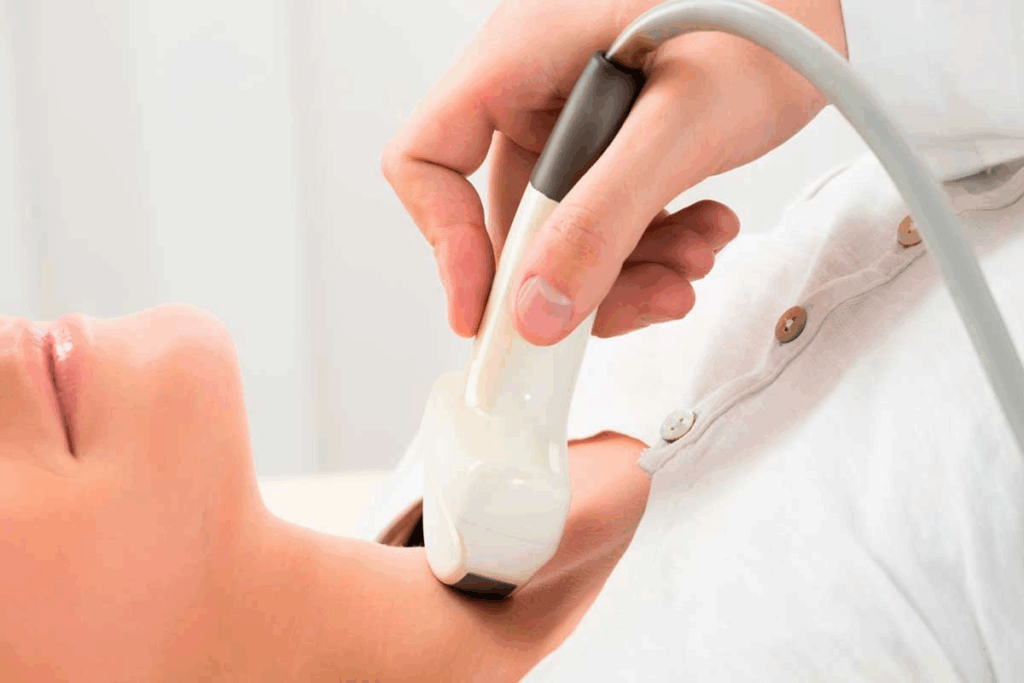
Thyroidectomy is a treatment for thyroid disease when other options fail. It involves removing the thyroid gland. This surgery is needed for thyroid cancer, large goiters, and some hyperthyroidism cases. Knowing about thyroidectomy and recovery is key for patients to manage their treatment well.
What is a Thyroidectomy and Why is it Performed?
A thyroidectomy removes part or all of the thyroid gland. This gland is in the neck and controls metabolism and growth. It’s done for thyroid cancer, large goiters, and some hyperthyroidism that can’t be treated other ways.
Doctors decide on thyroidectomy after careful evaluation. It can greatly improve life quality for those with thyroid issues by fixing the root cause of symptoms.
Types of Thyroidectomy Procedures
There are different thyroidectomy procedures, each for a specific condition. These include:
- Total Thyroidectomy: Removes the whole gland, often for cancer or severe goiter.
- Lobectomy or Hemithyroidectomy: Takes out one lobe for nodules or tumors on one side.
- Near-Total Thyroidectomy: Leaves a small part of the gland, used for most cases.
Each procedure is chosen based on the disease extent, patient’s health, and other factors.
General Recovery Timeline Expectations
Recovery from thyroidectomy varies, but there are general guidelines. The hospital stay is usually short, 24 to 48 hours. It takes several weeks to fully recover and return to normal activities.
Recovery Stage | Timeline | Expectations |
Immediate Post-Surgery | 1-2 days | Hospital stay, pain management, and initial wound care. |
Early Recovery | 1-2 weeks | Gradual return to light activities, follow-up appointments. |
Full Recovery | 4-6 weeks | Return to normal activities, including work and exercise. |
Knowing the recovery timeline helps patients plan and manage their expectations. It ensures a smoother return to their normal lives.
Step 1: Managing Post-Operative Care in the Hospital

Managing post-operative care in the hospital is the first step towards a successful thyroidectomy recovery. This initial phase is critical for setting the stage for a smooth and complication-free healing process.
What to Expect During the First 24-48 Hours
During the first 24-48 hours after thyroidectomy surgery, patients are closely monitored in the recovery room. Close monitoring is essential to quickly identify and address any possible complications. Patients are usually kept under observation for a few hours after surgery, and some may require an overnight hospital stay. It’s normal to experience some discomfort, swelling, or pain in the neck area during this period.
Effective pain management is a priority during the initial recovery phase. Your medical team will administer appropriate pain relief medication to ensure your comfort. It’s important to communicate your pain levels to your healthcare providers so they can adjust your medication as needed.
Working with Your Medical Team
Collaboration with your medical team is vital during the post-operative care phase. Your healthcare providers will closely monitor your vital signs, manage pain, and watch for any signs of complications. Following their instructions carefully is essential for a successful recovery.
- Be prepared to ask questions about your care and any concerns you may have.
- Inform your medical team about any medications you’re currently taking.
- Follow the guidelines provided for post-operative care and follow-up appointments.
Preparing for Discharge
Before being discharged from the hospital, your medical team will provide you with detailed instructions on how to care for yourself at home. This includes guidance on wound care, medication management, and recognizing signs of possible complications. Understanding these instructions is key for a smooth transition to home care.
Most patients can resume normal activities within a few days to a week after surgery. Full recovery may take 6-12 weeks, depending on the extent of the surgery. Planning for your recovery at home, including arranging for support and following dietary guidelines, is important for preparing for discharge.
Step 2: Pain Management and Incision Care
Managing pain and taking care of your incision are key after a thyroidectomy. It’s important to know how to handle pain and care for your incision. This ensures a smooth recovery without any issues.
Medication Management for Pain Relief
After a thyroidectomy, you’ll use a mix of medications for pain. Your healthcare provider will give you pain relief medication that fits your needs. It’s important to take the medication as directed to manage your pain well.
- Take pain medication as directed, usually every 4-6 hours.
- Monitor your pain levels and report any severe or persistent pain to your healthcare provider.
- Be aware of possible side effects, like nausea or drowsiness, and talk to your doctor about them.
Proper Wound Care Techniques
It’s vital to care for your surgical incision to avoid infection and help it heal. Keep the incision site clean and dry, and follow these steps:
- Gently wash the area with mild soap and water.
- Pat dry with a clean towel; avoid rubbing the incision.
- Apply any topical ointments or creams as recommended by your healthcare provider.
Signs of Normal Healing vs. Complications
Knowing the signs of normal healing and complications is important. Normal healing may include mild redness, swelling, and some discomfort. But watch out for signs of complications, such as:
- Increasing redness or swelling around the incision.
- Pus or discharge from the wound.
- Fever or chills.
- Severe pain not relieved by medication.
If you notice any of these symptoms, contact your healthcare provider immediately. Proper pain management and incision care are essential for a successful recovery after thyroidectomy. Being informed helps prevent complications.
Step 3: Thyroidectomy Before and After: Adjusting to Hormone Replacement
After a thyroidectomy, patients face a new reality. They need to take thyroid hormone replacement therapy for life. This is key for keeping the body’s hormonal balance right.
Understanding Thyroid Hormone Replacement Therapy
Thyroid hormone replacement therapy helps when the thyroid gland can’t make hormones anymore. The goal is to get hormone levels back to normal. This helps with metabolism, energy, and health.
There are many thyroid hormone replacement medicines out there. Levothyroxine is one of the most used. The right medicine and dose vary for each person. It depends on health, surgery extent, and hormone needs.
Monitoring Your Hormone Levels
Keeping an eye on hormone levels is key. Regular blood tests check TSH levels. These tests help adjust the dosage to keep hormone levels right.
Working with your doctor is vital. They help adjust your treatment plan. This ensures you get the right hormone levels and avoid side effects.
Managing Side Effects and Finding Your Optimal Dose
Dealing with side effects is important. Side effects like fatigue, weight changes, and mood swings can happen. Finding the right dose helps manage these symptoms.
Common Side Effects | Potential Adjustments |
Fatigue | Dosage adjustment, regular exercise |
Weight Changes | Dietary adjustments, monitoring calorie intake |
Mood Swings | Dosage adjustment, stress management techniques |
Patients who have had a total thyroidectomy need hormone replacement for life. With the right care and monitoring, a normal and healthy life is possible.
Step 4: Nutrition and Dietary Guidelines for Optimal Recovery
The right food can really help your body heal after a thyroidectomy. Eating well is key to managing symptoms and staying healthy during recovery.
What to Eat in the First Week After Surgery
In the first week, choose foods that are easy on your throat. Soft foods are great if you’re feeling sore. Focus on foods that are full of nutrients, like:
- Soups
- Mashed potatoes
- Yogurt
- Scrambled eggs
- Applesauce
While you can usually go back to regular food the day after, avoid heavy or spicy foods for a few days. This helps prevent discomfort.
Foods to Avoid After Total Thyroidectomy
Some foods can make your throat sore or uncomfortable. It’s best to steer clear of:
- Spicy foods
- Citrus fruits and juices
- Sharp or crunchy foods (like chips or crackers)
- Hot beverages
Staying away from these foods can help your throat heal faster.
Long-term Dietary Considerations
After you’ve recovered, it’s important to eat a balanced diet. This supports your health and any thyroid hormone therapy you’re on. Remember to:
- Eat a variety of fruits and vegetables
- Include lean proteins and whole grains
- Drink plenty of water
If you’re taking thyroid hormone medication, be mindful of how food affects it. Foods high in fiber, soy, and minerals like calcium and iron can block medication absorption. Always talk to your doctor about what to eat.
Dietary Recommendation | Immediate Post-Surgery (First Week) | Long-term |
Foods to Eat | Soft foods like soups, mashed potatoes, yogurt, scrambled eggs, applesauce | Balanced diet including fruits, vegetables, lean proteins, whole grains |
Foods to Avoid | Spicy, fatty, or sharp foods; citrus fruits and juices; hot beverages | Avoid excessive intake of foods that may interfere with thyroid hormone medication absorption (e.g., high fiber, soy, calcium, iron) |
Step 5: Physical Activity and Returning to Normal Life
After thyroidectomy, it’s key to start with gentle physical activity. This helps you recover safely and effectively. As you get better, you can do more exercises to regain your strength and live normally again.
Gradual Activity Progression Timeline
It’s important to increase physical activity slowly to avoid problems and help healing. Start with simple activities like walking and stretching in the first week. Then, you can do more as you get stronger.
“Listen to your body and don’t overdo it,” advises Medical Expert, an endocrinologist. “Slowly getting back to activities is best to avoid getting too tired or facing other issues.”
- First week: Light walking and stretching
- Second week: Gradually increase walking distance and introduce light aerobic exercises
- Third week: Continue to increase exercise intensity and duration
Thyroidectomy Recovery Time Off Work
Most people need about two weeks off work to recover from thyroidectomy. But, this can change based on your job and how fast you heal. Always talk to your doctor to figure out the best time for you.
Things that can affect how long you need off work include:
- The type of surgery (partial or total thyroidectomy)
- How demanding your job is
- Your health and how well you’re recovering
Exercise Guidelines During Recovery
It’s important to stick to safe exercise guidelines during recovery. Avoid heavy lifting, bending, or activities that could hurt your neck or slow healing.
Good exercises during recovery include:
- Gentle stretching to keep flexible
- Short walks to keep blood flowing and prevent clots
- Light aerobic exercises, like cycling or swimming, after your doctor says it’s okay
By following these tips and listening to your body, you can have a smooth recovery after thyroidectomy.
Step 6: Managing Voice and Throat Changes
Managing voice and throat changes is key after thyroidectomy. These changes are common but can be managed with care and techniques.
Understanding Temporary Hoarseness and Voice Changes
Many patients experience temporary hoarseness and voice changes after surgery. These happen because of the surgery near the vocal cords and nerves. Usually, voice hoarseness goes away in a few weeks, and throat discomfort in 4-5 days. Knowing this can help patients feel better.
Vocal Rest and Rehabilitation Techniques
Vocal rest is very important for recovery. It means not talking much and avoiding loud or long talking. Whispering should also be limited to avoid straining the vocal cords. Exercises to strengthen the vocal cords can also help. Working with a speech-language pathologist is advised for personalized guidance.
Vocal Rest Techniques | Vocal Rehabilitation Exercises |
Avoid loud talking or shouting | Vocal cord strengthening exercises |
Limit whispering | Breathing exercises for support |
Minimize speaking | Pitch and volume modulation exercises |
When to Seek Additional Medical Support
Most voice changes and throat discomfort get better on their own. But, if hoarseness lasts more than a few months or with other symptoms, seek help. Early help can prevent lasting damage to the vocal cords.
Understanding voice changes, resting the voice, and doing rehabilitation exercises can help manage symptoms. If problems persist, getting more medical help is important for full recovery.
Step 7: Emotional Wellbeing and Long-term Adaptation
Emotional wellbeing is key after thyroidectomy, affecting health outcomes. Patients face emotional and physical changes that impact their life quality.
Coping with Fatigue and Energy Fluctuations
Managing fatigue and energy changes is a big challenge after surgery. Remember, fatigue is a normal part of recovery. It’s due to surgery, hormone level changes, and adjusting to new meds.
To fight fatigue, start with gentle exercise like short walks or stretching. Rest well and eat a balanced diet to boost energy and wellbeing.
Managing Emotional Changes After Surgery
After thyroidectomy, emotions can swing wildly, leading to anxiety or depression. These feelings are usually short-term and tied to hormone shifts, but they can be tough.
To handle these mood swings, keep a journal to track feelings and find patterns. Try stress-reducing activities like meditation or yoga to support your mood.
Building a Support Network
A strong support network is essential for emotional health during recovery. Connecting with family, friends, or support groups offers emotional support and practical help.
To build this network, reach out to loved ones, join online forums or local groups, or see a counselor for emotional help.
By focusing on emotional wellbeing and adapting long-term, patients can improve their recovery and life quality after thyroidectomy.
Conclusion: Embracing Your New Normal After Thyroidectomy
Recovering from a thyroidectomy takes time, effort, and support. We’ve covered important steps like managing care, pain, and hormone therapy. These steps are key to a good recovery.
Life after surgery can be tough, but with the right care, you can adjust. It’s important to understand the changes you’ll go through. You might face hypothyroidism before and after surgery.
Working with your medical team and making lifestyle changes can help. This way, you can manage these changes well.
Focus on your physical and emotional health as you move forward. This helps avoid complications and improves your health. With the right support, you can live a fulfilling life after thyroidectomy. You’ll embrace your new normal with confidence and strength.
FAQ
What is the recovery time for thyroidectomy?
Recovery from thyroidectomy usually takes a few weeks to a few months. Most people can get back to normal in 1-2 weeks.
What can I eat after thyroid surgery?
Start with soft foods like soups, yogurt, and scrambled eggs after surgery. Avoid spicy or sharp foods to prevent throat irritation.
How long does it take to recover from thyroid removal surgery?
Recovery from thyroid removal surgery varies. Most people can get back to normal in 1-2 weeks. Full recovery might take several weeks to months.
What are the foods to avoid after total thyroidectomy?
Avoid foods that irritate the throat after total thyroidectomy. This includes spicy, sharp foods and high iodine foods. Stick to fruits, vegetables, and whole grains.
How do I manage pain after thyroid surgery?
Manage pain with medication and rest after thyroid surgery. Your medical team will guide you on pain management and medication.
What are the signs of normal healing vs. complications after thyroid surgery?
Normal healing includes swelling, bruising, and discomfort. Complications like infection, bleeding, or difficulty swallowing are signs of trouble. Contact your team if you notice anything unusual.
How do I care for my incision after thyroid surgery?
Keep the incision site clean and dry. Follow your team’s instructions for dressing changes and follow-up care.
What is thyroid hormone replacement therapy, and why is it necessary after thyroidectomy?
Thyroid hormone replacement therapy replaces hormones after thyroidectomy. It’s necessary to regulate metabolism and bodily functions.
How do I manage emotional changes after thyroid surgery?
Build a support network and practice stress-reducing techniques. Follow your team’s advice on managing emotional changes.
When can I return to work after thyroidectomy?
Recovery time off work varies. Most people can return in 1-2 weeks. Discuss with your team.
What are the exercise guidelines during recovery from thyroidectomy?
Start with light activities and gradually increase exercise. Your team will guide you on safe exercise practices.
References
National Center for Biotechnology Information. Evidence-Based Medical Guidance. Retrieved from https://www.ncbi.nlm.nih.gov/books/NBK563279/