
Knowing about hemoglobin A1C (glycated hemoglobin) is key for managing and finding type 2 diabetes. The A1C test shows your blood sugar levels over two to three months. Learn the 7 essential type 2 diabetes a1c guidelines and target ranges (e.g., under 7%). Understand how to monitor and control your condition effectively. Learn the 7Essential Type 2 Diabetes A1c Guidelines (7 Facts).
A1C levels guide treatment choices and aim for the best health results. The American Diabetes Association (ADA) sets A1C targets. This helps doctors create plans that fit each person’s needs.
By getting the A1C’s importance and following guidelines, people with diabetes can manage their disease better. This helps lower the chance of serious problems.
Key Takeaways
- Understanding A1C levels is key for managing type 2 diabetes.
- The A1C test shows your blood sugar levels over two to three months.
- ADA guidelines set A1C targets for people with diabetes.
- Personalized treatment plans help reach A1C goals.
- Good A1C management lowers the risk of diabetes problems.
What is Hemoglobin A1C and Why It Matters

The Hemoglobin A1C test shows long-term blood sugar levels. Hemoglobin is a protein in red blood cells that carries oxygen. When blood sugar attaches to hemoglobin, it forms glycated hemoglobin or Hemoglobin A1C.
The Science Behind Glycated Hemoglobin
Glycated hemoglobin forms when glucose binds to hemoglobin in red blood cells. This bond is permanent, lasting the life of the red blood cell, about 120 days. The amount of glycated hemoglobin shows the average blood sugar over 2-3 months.
The A1C test works by measuring glycated hemoglobin. This tells doctors about a patient’s blood sugar levels over time. It’s key for diagnosing and managing diabetes.
How A1C Reflects Long-Term Blood Glucose Control
The A1C test shows long-term blood sugar control by measuring glycated hemoglobin. It gives a picture of blood sugar levels over 2-3 months. High A1C levels mean blood sugar has been too high, needing treatment changes.
Regular A1C tests help people with type 2 diabetes and their doctors. They make treatment plans better, like lifestyle changes and medication, to control blood sugar.
Understanding A1C Measurements and Testing
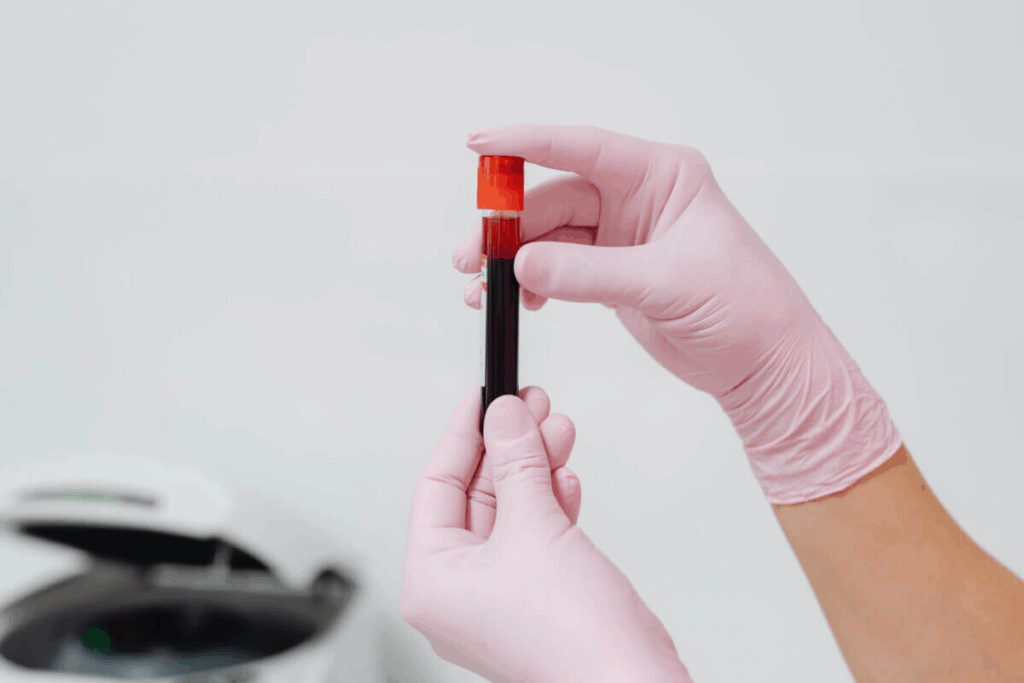
Knowing about A1C measurements is key for managing type 2 diabetes. A1C tests show your blood sugar levels over 2-3 months. This helps doctors and patients decide on the best treatment.
A1C test results are shown in two ways: as a percentage or in mmol/mol. In the U.S., we use percentages. But, mmol/mol is the standard in many other countries.
Percentage vs. mmol/mol: International Standards
The A1C test checks how much glucose is attached to hemoglobin in red blood cells. The results can be confusing because they’re shown in different units.
- Percentage: In the U.S., an A1C of 7% means 7% of hemoglobin is glycated.
- mmol/mol: This unit is used worldwide. It shows the glycated hemoglobin in mmol per mole of total hemoglobin.
To switch between units, you can use a formula or a conversion table. Knowing both units is important for those who travel or get medical care abroad.
A1C (%) | A1C (mmol/mol) |
5 | 31 |
6 | 42 |
7 | 53 |
8 | 64 |
9 | 75 |
Recommended Testing Frequency for Type 2 Diabetes
How often you should get an A1C test depends on several things. This includes how stable your blood sugar is, your treatment, and if you have any complications.
For people with stable type 2 diabetes, the American Diabetes Association suggests getting an A1C test twice a year. But, if your treatment is changing or you’re not reaching your blood sugar goals, you might need to get tested every 3 months.
Regular A1C testing is important for:
- Checking if your treatment is working
- Deciding if you need to change your medication
- Watching for any complications
By understanding A1C measurements and following the recommended testing schedule, people with type 2 diabetes can work with their doctors. This helps keep their blood sugar in check and lowers the risk of diabetes-related problems.
ADA Guidelines for Type 2 Diabetes A1C Targets
The American Diabetes Association (ADA) has key guidelines for Type 2 diabetes A1C targets. These guidelines help manage blood sugar levels. The ADA updates these standards regularly to keep up with new research and best practices.
2024-2025 American Diabetes Association Standards
The ADA’s 2024-2025 standards focus on personalized care for Type 2 diabetes patients. They suggest setting A1C targets based on several factors. These include age, risk of low blood sugar, and how long the patient has had diabetes.
Personalized A1C targets are important. They help doctors create treatment plans that fit each patient’s needs. This approach can lead to better blood sugar control and a better quality of life.
The 7% Benchmark: What It Means for Most Adults
For most adults with Type 2 diabetes, the ADA recommends an A1C level below 7%. This target can help lower the risk of serious diabetes complications. These complications include heart disease and damage to small blood vessels.
Range of Individualized Targets (6.5-8.0%)
While the general target is below 7%, the ADA also suggests individualized targets from 6.5% to 8.0%. For example, younger patients might aim for a lower target, like 6.5%. This is to reduce the risk of long-term complications.
On the other hand, older adults or those prone to low blood sugar might aim for a higher target, up to 8.0%. This helps avoid dangerous low blood sugar episodes.
Healthcare providers consider different factors to set realistic and effective A1C targets. This approach helps improve diabetes management and overall health outcomes.
Diagnostic A1C Ranges: Normal, Prediabetes, and Diabetes
The A1C test is key for checking blood sugar levels. It shows if someone has normal levels, prediabetes, or diabetes. This test looks at blood glucose over 2-3 months, giving a full picture of glucose control.
Normal A1C Levels (Below 5.7%)
An A1C under 5.7% means blood sugar is normal. People in this range face less risk of diabetes and heart disease. Eating well and staying active are key to keeping A1C levels down.
Prediabetes Range (5.7-6.4%)
Levels between 5.7% and 6.4% show prediabetes. This is when blood sugar is higher than normal but not diabetes level. Those with prediabetes are more likely to get diabetes and heart disease. Changing diet and being more active can stop diabetes from developing.
Diabetes Diagnosis Threshold (6.5% and Above)
An A1C of 6.5% or more means diabetes. It shows blood sugar is too high, raising the risk of diabetes problems. Catching diabetes early and managing it well is key to avoiding serious issues.
To better understand the diagnostic A1C ranges, let’s examine the following table:
A1C Range (%) | Diagnosis | Implications |
Below 5.7 | Normal | Lower risk of diabetes and cardiovascular diseases |
5.7-6.4 | Prediabetes | Increased risk of developing type 2 diabetes and cardiovascular diseases |
6.5 and above | Diabetes | High risk of diabetes-related complications; requires early management |
Knowing these A1C ranges is vital for doctors and patients. It helps in planning the right steps to stop diabetes and its problems.
Type 2 Diabetes A1C Management: The 7 Key Guidelines
Managing type 2 diabetes well means setting A1C goals that fit each person. This approach considers many factors to find the right target. It helps doctors help patients control their blood sugar and avoid serious problems.
Guideline 1: Individualize A1C Goals
It’s key to make A1C goals personal for each patient. This means looking at their health, past, and what they want. Tailored goals help patients manage their blood sugar better and live better lives.
Guideline 2: Consider Age and Life Expectancy
Age and how long someone might live are big factors in A1C goals. Older people or those with shorter lives might aim for easier targets. This helps them avoid low blood sugar and enjoy their life more. Younger people with more years ahead might aim for tighter targets to avoid long-term problems.
Guideline 3: Assess Hypoglycemia Risk
It’s important to check if someone is at risk for low blood sugar when setting A1C goals. Those who have had low blood sugar before or are at high risk might need easier targets. Doctors should look at the patient’s meds, lifestyle, and other health issues to judge this risk.
Guideline 4: Account for Diabetes Duration
How long someone has had diabetes is also key in setting A1C goals. People with diabetes for a long time might need more intense care to control their blood sugar. Newer cases might start with easier targets and then get stricter if needed.
By using these guidelines, doctors can create A1C plans that really work for each patient with type 2 diabetes. This personal touch can lead to better health, fewer complications, and a better life for patients.
Borderline A1C Values: What 5.8 and 6.3 Mean
Borderline A1C values show how close you are to getting type 2 diabetes. These numbers are between normal and high, and they need careful attention. We’ll look at what A1C levels of 5.8 and 6.3 mean and how they affect your health.
A1C of 5.8: Within Normal Range or Early Warning?
An A1C of 5.8% is in the normal range, just below the 5.9% mark. But, it’s close to the high end, so it’s a sign to watch your diabetes risk.
Key considerations for an A1C of 5.8 include:
- Check your health and diabetes risk factors
- Keep a healthy lifestyle with good food and exercise
- Watch your A1C levels over time for any changes
A1C of 6.3: Prediabetes Management Strategies
An A1C of 6.3% means you have prediabetes. Your blood sugar is higher than normal but not diabetes level. This is a big risk for type 2 diabetes and heart disease.
Effective management strategies for prediabetes include:
- Make lifestyle changes like losing weight, eating better, and moving more
- Check your blood sugar often
- Think about medical help if lifestyle changes don’t work
Understanding and acting on borderline A1C values can help prevent type 2 diabetes. It’s a step towards keeping your health good.
Early Diabetes A1C Levels: 6.5, 6.6, and 6.8 Explained
Early diabetes A1C levels like 6.5, 6.6, and 6.8 are key signs of the disease’s progress and management. It’s vital for both patients and doctors to understand these levels. This knowledge helps in making the right treatment plans.
Hemoglobin A1C 6.5: The Diagnostic Threshold
An A1C of 6.5% is the mark for diabetes diagnosis. People with an A1C at or above this are diagnosed with diabetes. Early detection at this stage allows for timely intervention, which can greatly affect the disease’s management and progression.
At this level, the first treatment is usually lifestyle changes. These include diet, exercise, and managing weight. The aim is to improve insulin sensitivity and lower blood glucose levels.
A1C Level 6.6: Initial Management Approaches
For those with an A1C of 6.6%, the initial steps are similar to 6.5%. Lifestyle changes are typically the first step, focusing on diet, exercise, and weight control. It’s also important to regularly check blood glucose levels to see how the body responds.
Healthcare providers might consider medication if lifestyle changes alone aren’t enough. The choice of medication depends on several factors, including the patient’s health, other medications, and any diabetes-related complications.
A1C of 6.8: Establishing Treatment Effectiveness
An A1C of 6.8% shows diabetes is present and needs management. At this level, it’s key to check if the treatment plan is working. Regular monitoring of A1C levels is vital to see how well the current strategy is doing.
Treatment plans at this stage might include lifestyle changes and medication. The goal is to lower the A1C to a target range, usually below 7%, to reduce the risk of complications. The treatment plan may need adjustments based on A1C test results.
A1C of 7.0: The Critical Target for Type 2 Diabetes
The A1C target of 7.0% is key for managing type 2 diabetes. Keeping this level helps lower the risk of serious diabetes problems. We’ll look at why 7.0% is the goal and how to stay there.
Why 7.0% Is the Standard Benchmark
The American Diabetes Association (ADA) says adults with type 2 diabetes should aim for an A1C of 7.0%. This advice comes from studies. They show that staying below 7.0% cuts down on eye and kidney problems linked to diabetes.
Clinical Significance of Achieving Below 7.0%
Getting an A1C below 7.0% lowers the risk of diabetes problems. Research shows that tight blood sugar control can also reduce heart attacks and death in people with type 2 diabetes.
Strategies to Maintain A1C at Target Level
To keep an A1C at 7.0%, you need a mix of lifestyle changes and, if needed, medicine. Important steps include:
- Checking blood sugar often
- Eating a balanced diet with less sugar and refined carbs
- Doing regular exercise, like walking
- Changing medicine as your doctor advises
A1C Level | Risk of Complications | Management Strategy |
Below 7.0% | Reduced risk of microvascular complications | Intensive lifestyle modification and medication adjustment |
7.0% to 8.0% | Moderate risk; increased risk of complications | Lifestyle changes and medication |
Above 8.0% | High risk of diabetes-related complications | Intensification of treatment plan, including medication and lifestyle |
Managing Higher A1C Levels: 7.4 and 7.6
If you have type 2 diabetes and your A1C is 7.4% or 7.6%, you need to take action. These numbers mean your blood sugar isn’t where it should be. It’s time to make changes to your treatment plan to avoid serious health problems later.
What A1C of 7.4 Indicates About Glucose Control
An A1C of 7.4% is higher than what most adults with type 2 diabetes aim for. It shows your blood sugar isn’t being controlled well. This could be because you’re not taking your medicine as directed, your diet or exercise routine has changed, or your disease is getting worse.
Key implications of an A1C level of 7.4% include:
- Increased risk of diabetes-related complications
- Need for closer monitoring of blood glucose levels
- Potential requirement for adjustments to medication or lifestyle interventions
A1C 7.6 Means: Implications and Action Plans
An A1C of 7.6% is also too high for most people with type 2 diabetes. At this level, the risk of serious health problems from diabetes goes up. You might need to try harder to manage your condition.
The American Diabetes Association says, “For many adults, a goal of less than 7% is appropriate. But some patients may have different targets based on individual factors.”
Here are some steps you can take if your A1C is 7.6%:
- Intensifying medication regimens
- Increasing the frequency of blood glucose monitoring
- Implementing or adjusting lifestyle changes, such as diet and exercise programs
Treatment Intensification Strategies
When your A1C is higher, you need to intensify your treatment. This means changing your medicine, making lifestyle changes, and checking your blood sugar more often.
Strategy | Description | Potential Benefits |
Medication Adjustment | Changing or adding medications to improve glucose control | Better A1C control, reduced risk of complications |
Lifestyle Modifications | Dietary changes, increased physical activity | Improved glucose control, weight management |
Increased Monitoring | More frequent blood glucose checks | Better understanding of glucose patterns, timely adjustments to treatment |
By using these strategies, people with type 2 diabetes can better control their blood sugar. This helps prevent serious health problems in the long run.
Stringent A1C Targets: When to Aim for 6.5%
For some with type 2 diabetes, aiming for an A1C of 6.5% is beneficial. This is true for those at low risk of low blood sugar and without major health issues.
Ideal Candidates for Tighter Control
Those best suited for tight A1C control are usually younger and have a long life expectancy. They also have no major heart or other serious health problems. Plus, they are highly motivated and can handle their diabetes well.
Benefits and Risks of Lower Targets
Going for an A1C of 6.5% can lower the risk of serious diabetes complications. But, it also ups the chance of low blood sugar and might make treatment harder. This could affect how well you live.
Key benefits of stringent A1C targets include:
- Less risk of eye, kidney, and nerve damage
- May delay other diabetes-related problems
But, there are risks to consider:
- Higher chance of low blood sugar
- Could lead to weight gain or other side effects
Implementing More Intensive Management Safely
To safely manage A1C more intensely, doctors need to work closely with patients. They’ll tailor treatment plans to fit each person’s needs. This might include checking blood sugar often, adjusting meds, and giving lifestyle advice.
By choosing the right patients and providing full support, doctors can help people with type 2 diabetes control their blood sugar better. This way, they can reduce risks and improve health.
Less Stringent A1C Targets: When 8.0% Is Appropriate
In some cases, doctors might suggest an A1C target of 8.0% to balance health goals with life quality. This is because for some, the risks of tight blood sugar control might not be worth it.
Patient Profiles for Higher Target Ranges
Some patients might do better with a less strict A1C target. This includes those with serious health issues, older adults, or a history of severe low blood sugar. For example, older people with diabetes often face many health challenges. An A1C target of 8.0% can be more achievable and lower the risk of low blood sugar.
- Patients with a history of severe hypoglycemia
- Older adults with multiple comorbidities
- Those with advanced diabetes complications
- Individuals with limited life expectancy
Balancing Quality of Life with Glucose Control
Choosing the right A1C target is about finding a balance. For some, aiming for very low A1C levels might mean big lifestyle changes or complex medicines. An A1C of 8.0% can be a more reachable goal that also protects against diabetes problems.
Preventing Complications with Realistic Goals
An A1C of 8.0% might seem less strict than for healthier people. Yet, it’s linked to fewer diabetes complications than higher values. Setting realistic goals helps patients improve their health without sacrificing their quality of life.
We stress the need for personalized care plans. This way, we make sure A1C targets are both effective and reachable for each patient.
Conclusion: Achieving Optimal A1C Control
Keeping A1C levels in check is key for managing type 2 diabetes well. Knowing what A1C levels mean and setting the right targets is important. This helps lower the risk of diabetes-related problems.
We’ve shared important tips for managing A1C levels. These include setting targets based on individual needs, considering age and life expectancy, and keeping an eye on A1C levels regularly. Following these steps can help people with type 2 diabetes reach their A1C targets and keep their blood sugar stable over time.
Managing type 2 diabetes well means more than just one thing. It’s about making lifestyle changes, sticking to medication, and checking blood sugar often. Working with healthcare providers helps create a plan that’s just right for each person. This way, they can keep their A1C levels in check and live better.
Getting A1C levels under control takes hard work and dedication. By using the tips and strategies we’ve shared, people can actively manage their type 2 diabetes. This helps them avoid serious complications and live a healthier life.
FAQ:
What is the A1C test, and why is it important for diabetes management?
The A1C test checks your blood sugar levels over two to three months. It’s key for managing diabetes because it shows how well your blood sugar is controlled over time.
What are the ADA guidelines for A1C targets in type 2 diabetes?
The ADA suggests an A1C under 7% for most adults with type 2 diabetes. But, targets can vary from 6.5% to 8.0% based on age, risk of low blood sugar, and how long you’ve had diabetes.
What does an A1C level of 5.8% indicate?
An A1C of 5.8% is close to normal but not quite there. It might mean you need to make some lifestyle changes to avoid getting prediabetes or diabetes.
What is the significance of an A1C level of 6.3%?
An A1C of 6.3% means you’re in the prediabetes range. This is a warning sign that you might get type 2 diabetes. You should start making lifestyle changes to manage your risk.
What does an A1C level of 6.5% or higher indicate?
An A1C of 6.5% or higher means you have diabetes. Catching it early and managing it well is important to avoid serious health problems.
Why is 7.0% considered a critical target for type 2 diabetes management?
Keeping your A1C below 7.0% is a key goal for managing type 2 diabetes. It shows your blood sugar is well-controlled and helps prevent serious health issues.
What does an A1C level of 7.4% or 7.6% indicate?
A1C levels of 7.4% or 7.6% show your blood sugar control isn’t as good as it should be. You might need to adjust your treatment plan or make lifestyle changes to get it back on track.
When is aiming for a more stringent A1C target of 6.5% appropriate?
Some people, like those with diabetes for a short time and low risk of low blood sugar, might aim for an A1C of 6.5%. But, it’s important to weigh the benefits and risks carefully.
When is a less stringent A1C target of 8.0% appropriate?
For those with a history of severe low blood sugar, limited life expectancy, or advanced complications, an A1C target of 8.0% might be okay. It’s about finding a balance between managing blood sugar and quality of life.
How often should A1C testing be performed for patients with type 2 diabetes?
How often you should get an A1C test depends on your blood sugar control and treatment plan. Usually, it’s every six months for stable control. But, more often if your treatment plan changes or if your control isn’t good.
References:
Government Health Resource. A1C Targets: Key Guidelines for Type 2 Diabetes Management. Retrieved from https://diabetesjournals.org/care/article/48/Supplement_1/S128/157561/6-Glycemic-Goals-and-Hypoglycemia-Standards-of



 Departments
 Related Videos
 Our Doctors
 News
News