Heart disease is a big problem worldwide, with heart valve disorders being a major concern. Did you know that over 100,000 heart valve surgeries are performed annually in the United States alone? This shows how common heart valve issues are and the need for good treatments. At our institution, we know finding out if someone is eligible for heart valve surgery is complex.
We look at many things, like the patient’s health, how bad the valve problem is, and if they have other health issues. By checking these things, we can see if someone is a good fit for heart valve replacement. Who qualifies? Understand the essential valve replacement candidacy criteria used to determine if surgery is the best option for you.
Key Takeaways
- Heart valve disorders affect a significant number of people worldwide.
- Eligibility for heart valve surgery depends on various health factors.
- A thorough evaluation is necessary to determine candidacy for valve surgery.
- Our team of experts assesses each patient’s condition to determine the best course of treatment.
- Understanding the criteria for valve replacement candidacy is key for making informed decisions.
Understanding Heart Valve Disease and Its Progression

Heart valve disease is a condition that affects the heart’s valves. It can lead to serious health problems. The heart’s valves are key to blood flow. Any problem here can cause big health issues.
Types of Heart Valve Diseases
There are different types of heart valve diseases. Stenosis is when a valve gets too narrow, blocking blood flow. Regurgitation is when a valve leaks, letting blood flow back.
- Aortic stenosis: Narrowing of the aortic valve, causing chest pain, fainting, and shortness of breath.
- Mitral regurgitation: Leakage of the mitral valve, leading to symptoms like fatigue and palpitations.
Natural History and Disease Progression
The progression of heart valve disease varies. Some people may not show symptoms for years. Others may see it get worse fast.
Knowing how the disease progresses is key. It helps decide when to replace the valve. Regular checks are important to find the right time for surgery.
Impact of Untreated Valve Disease
Untreated heart valve disease can cause serious problems. These include heart failure, arrhythmias, and even death. The valve replacement procedure guidelines aim to prevent these by setting the right time and method for surgery.
“The timely treatment of heart valve disease is critical to preventing long-term damage and improving patient outcomes.”— Cardiac Specialist
Understanding heart valve diseases helps doctors make the right treatment choices. This includes knowing when valve replacement surgery is needed.
When Valve Replacement Becomes Necessary

Choosing the right time for heart valve replacement is key for good results. It’s needed when valve disease affects a patient’s quality of life or shows a high risk of bad outcomes without surgery.
“The timing of valve replacement surgery is critical, as it can significantly influence the patient’s recovery and long-term survival,” says a leading cardiologist. This shows how important careful planning and evaluation are in making this decision.
Symptoms Indicating Need for Intervention
Several symptoms may mean it’s time for valve replacement. These include:
- Shortness of breath (dyspnea)
- Chest pain (angina)
- Fainting or dizziness (syncope)
- Fatigue and weakness
- Palpitations or irregular heartbeat
If you’re experiencing these symptoms, seeing a healthcare provider is a must. These signs often mean the valve disease has worsened, needing treatment.
Diagnostic Markers for Replacement
Diagnostic tests are vital in deciding if valve replacement is needed. Key markers include:
- Echocardiogram results showing severe valve disease
- Cardiac catheterization findings indicating significant valve dysfunction
- Stress test results demonstrating limited heart function
- Cardiac MRI or CT scans revealing valve abnormalities
These tests help doctors understand how severe the valve disease is. They then decide if surgery is necessary.
Timing Considerations for Optimal Outcomes
The timing of valve replacement surgery is very important for the best results. Early intervention can stop heart function from getting worse. But delaying surgery until symptoms are severe can raise the risk of complications. A team of healthcare experts works together to find the best time for surgery, considering the patient’s health, the valve disease, and other factors.
Choosing to have valve replacement surgery is a personal decision. It depends on the patient’s specific needs and situation. By looking at symptoms, diagnostic markers, and timing, doctors can help patients get the best results.
Types of Heart Valve Replacements Available
Patients have many options for heart valve replacement. Each option has its own benefits and things to consider. The right choice depends on the patient’s age, health, and the condition of their heart valve.
Mechanical Valve Replacements
Mechanical valves are made from strong materials like titanium. They last a long time. They’re a good choice for younger patients and those at low risk for bleeding.
But, patients with mechanical valves must take blood-thinning medicine forever. This is to stop blood clots from forming on the valve.
Key benefits of mechanical valves include:
- Durability and long lifespan
- Suitable for younger patients
Biological Valve Replacements
Biological valves are made from animal tissue. They’re a good choice for older patients or those who can’t take blood-thinning medicine long-term. They may not last as long as mechanical valves but are safer for bleeding risks.
Advantages of biological valves:
- Lower risk of bleeding due to reduced need for anticoagulation
- Suitable for older patients or those with bleeding risks
Transcatheter Valve Replacements
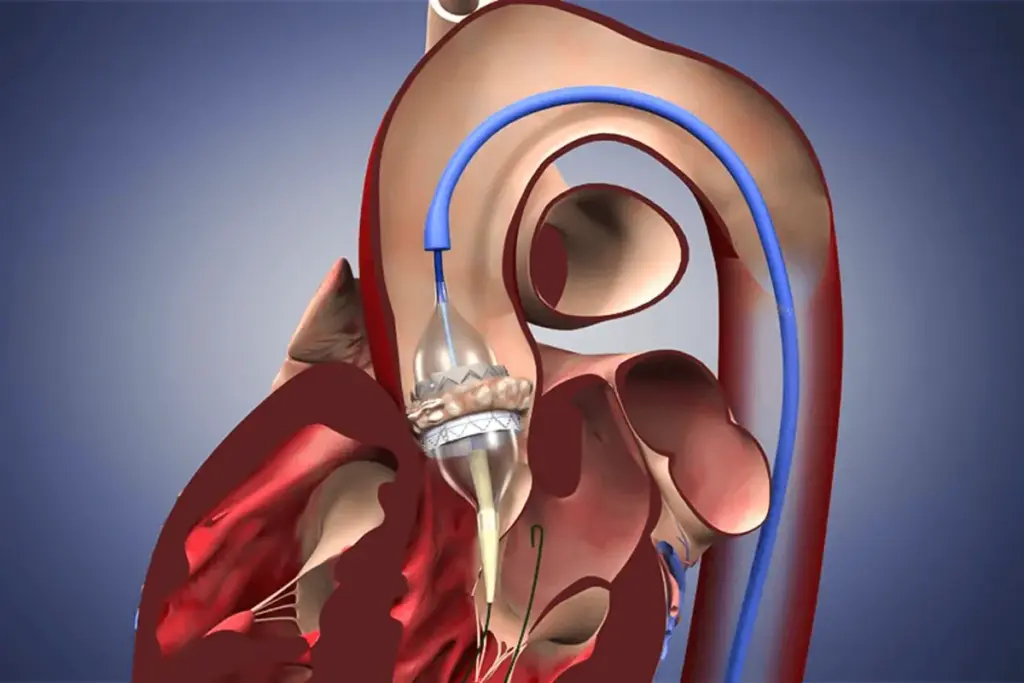
Transcatheter valve replacement is a less invasive procedure. A new valve is delivered through a catheter, usually through an artery in the leg. It’s great for patients at high risk for open-heart surgery.
Transcatheter valve replacement is ideal for:
- High-risk surgical patients
- Patients with severe comorbidities
Valve-in-Valve Procedures
Valve-in-valve procedures involve putting a new valve inside a failing bioprosthetic valve. This method is less invasive than traditional surgery. It’s for patients with failing bioprosthetic valves.
Benefits of valve-in-valve procedures:
- Less invasive than traditional reoperation
- Can be an effective solution for patients with failing bioprosthetic valves
In conclusion, the choice of heart valve replacement depends on many factors. Knowing the different options is key to making an informed decision about valve replacement eligibility and heart valve surgery requirements.
Comprehensive Valve Replacement Candidacy Criteria
Checking if a patient needs a heart valve replacement involves a detailed look at their health. We look at many things to see if surgery is the right choice.
Severity of Valve Disease
The severity of valve disease is key in deciding if surgery is needed. We check how damaged the valve is and how it affects the heart. We use advanced tools for this.
Diagnostic tests like echocardiography and cardiac catheterization help us see the valve’s condition and the heart’s function.
Symptom Assessment
Assessing symptoms is also important. We look for signs like shortness of breath, chest pain, and fatigue. These can show serious valve disease.
How bad these symptoms are helps us decide if surgery is needed.
Impact on Heart Function
It’s vital to understand how valve disease affects the heart’s pumping ability. We check how the diseased valve impacts the heart’s efficiency.
This helps us figure out how urgent the surgery is and what benefits it might bring.
Risk-Benefit Analysis
Doing a thorough risk-benefit analysis is key. We compare the surgery’s risks to its benefits for the patient. This includes looking at the patient’s health, any other health issues, and the chance of better health after surgery.
By carefully looking at these factors, we can decide if a patient is right for valve replacement surgery. Then, we can plan the best treatment.
Age-Related Considerations for Candidates
When deciding if someone needs a heart valve replacement, age is a big factor. We look at different things for people of different ages.
Valve Replacement in Younger Patients
People under 60 face special issues. They might live longer, which affects the choice of valve. Mechanical valves last longer but need ongoing blood thinners.
Bioprosthetic valves don’t need blood thinners but don’t last as long. Younger patients might choose bioprosthetic valves, knowing they might need another surgery later.
Special Considerations for Elderly Patients
Older patients, over 70, often have other health problems. These issues affect whether they can have a valve replacement.
For the elderly, the goal is to improve their quality of life. A less invasive option, TAVR, is often chosen. It helps them recover faster and reduces risks.
Age-Appropriate Valve Selection
The right valve depends on the patient’s age. Table 1 shows what to consider based on age.
|
Age Group |
Valve Type Considerations |
Key Factors |
|---|---|---|
|
Younger (<60) |
Mechanical vs. Bioprosthetic |
Lifelong anticoagulation, valve durability |
|
Middle-aged (60-70) |
Bioprosthetic preferred |
Balance between durability and anticoagulation need |
|
Elderly (>70) |
TAVR, Bioprosthetic |
Comorbidities, procedural risk, recovery time |
As shown in Table 1, the right valve depends on age and health. We tailor care to meet each patient’s needs.
Medical History Factors Affecting Eligibility
When looking at heart valve replacement, checking a patient’s medical history is key. This detailed look helps us see if they’re a good fit for the surgery. It’s all about understanding the complex factors involved.
Previous Cardiac Surgeries
Patients with past cardiac surgeries face special challenges. Previous surgeries can make the valve replacement more complex and risky. We look at the patient’s surgery history, including the type, outcome, and any issues that came up. For example, those who’ve had coronary artery bypass grafting (CABG) need extra care during the valve replacement.
Comorbid Conditions
Having other health issues can affect a patient’s eligibility for heart valve replacement. Conditions like diabetes, high blood pressure, and kidney disease can make surgery harder and recovery slower. We have to check how serious these conditions are and how they might affect the patient’s health and surgery results. For instance, those with severe COPD might face more risks during and after surgery.
Medication Considerations
A patient’s medicines are also important when deciding if they can have valve replacement surgery. Some medicines, like blood thinners, can change how we plan and care for them after surgery. We have to manage these medicines carefully to avoid bleeding or clotting problems. We also think about how the patient’s medicines might react with the anesthesia or other drugs used during surgery.
Anticoagulation Management Capability
For those needing mechanical valves, managing blood thinners is key. We check if the patient can stick to the blood thinner regimen and keep their INR levels in check. This means teaching them about the importance of blood thinners, the risks, and the need for regular check-ups to manage their care safely and effectively.
By looking closely at these medical history factors, we can figure out if a patient is a good candidate for heart valve replacement surgery. We then create a treatment plan that meets their specific needs and reduces risks.
The Pre-Surgical Evaluation Process
A detailed pre-surgical evaluation is key for heart valve replacement patients. It checks a patient’s health and if they’re ready for surgery.
Required Cardiac Imaging and Testing
Cardiac imaging and testing are essential. We use echocardiography, cardiac catheterization, and cardiac MRI to see how the heart works. These tools help us understand valve disease and any risks.
Risk Assessment Scoring Systems
We use risk scores, like the Society of Thoracic Surgeons (STS) risk score, to assess surgery risks. These scores help us predict complications and mortality. This way, we can decide if surgery is right for the patient.
Multidisciplinary Heart Team Approach
A team of cardiologists, cardiothoracic surgeons, and specialists evaluate each patient. This team approach ensures we consider all health aspects. We create a treatment plan that fits each patient’s needs.
Preoperative Optimization
Preparing patients for surgery is vital. We manage conditions like diabetes or hypertension. We adjust medications and make lifestyle changes to ensure the patient is healthy before surgery.
Surgical vs. Transcatheter Approaches: Who Qualifies for Each
Choosing between surgical or transcatheter heart valve replacement depends on many factors. Knowing these differences helps find the best treatment for each patient.
Traditional Open Heart Surgery Candidates
Open heart surgery is best for those needing more than one valve replaced or have complex heart issues. Those with a history of cardiac surgeries might also need this approach if their condition is severe.
The criteria for open heart surgery include:
- Severe valve disease needing surgery
- Other heart conditions that need fixing at the same time
- Previous surgeries that make less invasive options risky
TAVR/TAVI Candidacy Requirements
Transcatheter Aortic Valve Replacement (TAVR), or TAVI, is a less invasive option. TAVR/TAVI is best for those at high risk for surgery or with severe aortic stenosis.
|
Inclusion Criteria |
Description |
|---|---|
|
Severe Aortic Stenosis |
Patients with significant narrowing of the aortic valve opening |
|
High Surgical Risk |
Patients with health issues that raise surgery risks |
|
Symptomatic Patients |
Patients with symptoms like chest pain, shortness of breath, or fainting |
Minimally Invasive Surgical Options
Minimally invasive heart valve surgery uses smaller cuts than traditional surgery. It’s often for patients needing only one valve replaced and are at low risk.
Hybrid Approaches
Hybrid methods mix surgical and transcatheter techniques. This method tailors treatment to each patient’s needs.
Understanding the various heart valve replacement methods and their requirements helps doctors give personalized care. This ensures the best outcomes for patients.
Contraindications and High-Risk Scenarios
Choosing to have heart valve replacement is a big decision. It involves looking at risks and conditions that might make surgery not safe for some. Certain health issues can make the surgery too risky for others.
Absolute Contraindications
Some conditions make heart valve replacement surgery too dangerous. These include:
- Advanced heart failure with little to no chance of recovery
- Severe, irreversible pulmonary hypertension
- Active, uncontrolled infections that could complicate surgery or recovery
- Terminal illness with a life expectancy of less than one year
People with these issues usually can’t have valve replacement surgery.
Relative Contraindications
Some conditions might make surgery harder or recovery slower. But they don’t always mean no to valve replacement. These include:
- Moderate to severe cognitive impairment
- Significant comorbidities such as diabetes, kidney disease, or chronic obstructive pulmonary disease (COPD)
- Previous cardiac surgeries that may complicate the procedure
In these cases, doctors weigh the risks and benefits to decide if surgery is right.
Managing High-Risk Patients
For those at high risk, a team of experts is key. This team includes:
- Doctors working to improve health before surgery
- Choosing the best surgery method
- Special care after surgery
Helping high-risk patients need a detailed and team effort care plan.
Frailty Assessment
Frailty is a big factor in how well someone does after surgery. Doctors check:
- Physical strength
- Nutritional health
- Mental sharpness
Checking for frailty helps find who might do better with special programs before surgery.
Knowing about risks and who might face them is key to making smart choices about heart valve replacement. By looking closely at these factors, doctors can help patients get better and live better lives after surgery.
Special Populations and Unique Considerations
Heart valve replacement isn’t the same for everyone, mainly for special groups. These groups face unique challenges that need careful thought when deciding if surgery is right.
Pregnant Women and Fertility Planning
Pregnant women or those planning to get pregnant need special care. Decisions about valve replacement must consider both the mother’s health and the baby’s safety. We look at how severe the valve disease is, symptoms, and heart function to find the best solution.
Women of childbearing age have to think about mechanical or biological valves. Mechanical valves mean lifelong blood thinners, which can be risky during pregnancy. Biological valves might be better for those planning to have kids, but they don’t last as long. It’s important to watch these patients closely and work together as a team.
Patients with Congenital Heart Disease
People with congenital heart disease have complex hearts that need special care. Previous surgeries and unique heart shapes can make surgery tricky. We use advanced imaging to understand each patient’s heart and plan the best treatment.
Patients with congenital heart disease often need many surgeries over their lives. It’s key to think ahead and consider future needs when choosing a valve replacement.
End-Stage Heart Failure Patients
For those with end-stage heart failure, valve replacement might be part of a bigger treatment plan. Deciding on valve replacement involves weighing the risks and benefits. We look at the patient’s overall health, how well they can function, and if they might get better.
Patients Requiring Multiple Valve Replacements
Some patients have disease in more than one valve, needing complex treatments. Planning for multiple valve replacements requires teamwork and careful planning. We figure out how bad each valve is and treat the most urgent ones first.
In summary, special groups need a tailored approach to heart valve replacement. By carefully looking at each patient’s situation and working together, we can get the best results for these complex cases.
Quality of Life and Functional Outcomes After Valve Replacement
Heart valve replacement is more than surgery for many. It’s a second chance at life, filled with energy and better function. Understanding how it changes a patient’s life is key.
Expected Improvements in Daily Function
Valve replacement surgery greatly improves daily life. Patients can do tasks they couldn’t before. This includes simple things like walking and more complex tasks that need energy.
Patients often feel less short of breath, tired, and chest pain. This is because the heart pumps blood better after surgery.
Long-term Survival Statistics
Survival rates after valve replacement are good. Many patients live 10, 15, or 20 years or more after surgery. Survival depends on health, valve type, and surgery method.
|
Type of Valve Replacement |
5-Year Survival Rate |
10-Year Survival Rate |
|---|---|---|
|
Mechanical Valve |
85% |
70% |
|
Biological Valve |
80% |
65% |
Activity and Lifestyle Modifications
Valve replacement improves life but has limits. Patients need to make lifestyle changes. This includes diet, exercise, and not smoking.
Regular check-ups with the doctor are key to keep the new valve working well.
Psychological Adaptation
Adjusting to life after surgery is important. Patients may feel many emotions. Having a strong support system and counseling help.
We advise patients to stay in touch with their healthcare team. If they have concerns, they should reach out.
Alternative Treatments When Not a Candidate
For those who can’t have heart valve replacement, there are other ways to feel better. These options help manage symptoms and improve life quality. They are key for those who don’t qualify for surgery.
Medical Management Options
Medical management uses medicines to control heart valve disease symptoms. Diuretics reduce fluid buildup. ACE inhibitors and beta-blockers manage blood pressure and heart rate. We create a personalized plan for each patient.
Palliative Approaches
Palliative care relieves symptoms and stress of serious illnesses. For advanced heart valve disease, it improves life quality. It includes pain management, symptom control, and emotional support. We focus on the whole person, addressing physical, emotional, and social needs.
Emerging Therapies and Clinical Trials
New treatments and clinical trials offer hope for those not suited for traditional surgery. These innovative options are being studied to help heart valve disease patients. We keep our patients updated on the latest research and trial opportunities.
Watchful Waiting Approach
Watchful waiting is sometimes recommended. It means regular check-ups and tests to monitor the condition. We adjust the plan as the disease progresses. This is often for mild or asymptomatic cases.
It’s vital for patients to work with their healthcare team to find the best treatment. By exploring medical management, palliative care, new therapies, and watchful waiting, we can create a plan that suits each patient’s needs.
Conclusion: Making an Informed Decision About Valve Replacement
Deciding on valve replacement needs a deep understanding of who can get it and what options are available. We’ve looked at what makes someone a good candidate for this surgery. This includes the valve replacement criteria checklist and candidate criteria for valve surgery. Patients can make better choices with this knowledge, with help from their doctors.
Figuring out if someone needs valve replacement involves a detailed check-up. This is based on valve replacement assessment guidelines. Knowing the valve replacement surgery qualifications and what to expect is key for patients to decide wisely.
Patients can feel more confident in their choices by looking at their own situation and talking to doctors. We aim to provide top-notch healthcare to international patients. We want to make sure everyone gets the best care for their heart valve issues.
FAQ
What are the key criteria for determining eligibility for heart valve replacement?
To decide if you need a heart valve replacement, we look at several things. These include how bad the valve disease is, how it affects your heart, and if the benefits outweigh the risks. We carefully check each patient’s situation to find the best treatment.
How is the severity of valve disease assessed?
We use tests like echocardiography and cardiac catheterization to check valve disease severity. These tests show us how much damage or dysfunction there is.
What symptoms indicate the need for valve replacement?
Symptoms like shortness of breath, chest pain, and fatigue might mean you need a valve replacement. We look at how bad these symptoms are to decide if you need treatment.
What are the different types of heart valve replacements available?
There are many types of valve replacements, like mechanical and biological ones. The right choice depends on your age, lifestyle, and health history. Our team helps pick the best option for you.
How does age influence candidacy for valve replacement?
Age is a big factor in deciding if you’re a good candidate for valve replacement. Younger people might need stronger valves, while older ones might do better with less invasive options. We consider your age when deciding the best treatment.
What medical history factors affect eligibility for valve replacement?
Your past surgeries, other health conditions, and how well you can manage certain medications are important. We look at all these factors to decide if valve replacement is right for you.
What is the pre-surgical evaluation process for valve replacement?
Before surgery, we do lots of tests and assessments. This includes imaging, risk scoring, and a team approach. We make sure you’re ready for surgery by thoroughly evaluating your condition.
What are the differences between surgical and transcatheter approaches for valve replacement?
Surgical and transcatheter methods are different in how invasive they are. We look at your condition to choose the best method for you.
Are there alternative treatments available for patients who are not candidates for valve replacement?
Yes, there are other treatments like medication and watchful waiting. We work with you to find the best treatment for your needs.
How does valve replacement impact quality of life and functional outcomes?
Valve replacement can greatly improve your life and how well you function. We talk about what to expect and how to adjust to life after surgery.
References
National Center for Biotechnology Information. Evidence-Based Medical Insight. Retrieved from https://www.ncbi.nlm.nih.gov/pmc/articles/PMC5368671/



 Departments
 Related Videos
 Our Doctors
 News
News