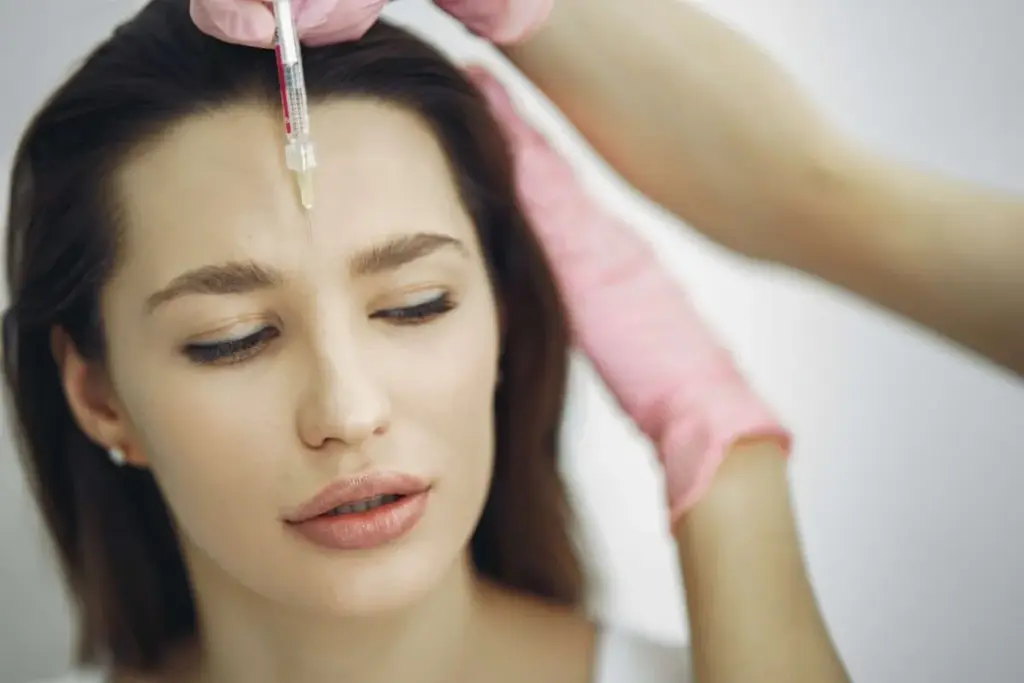
Did you know over 7.4 million botulinum toxin procedures were done in 2020? It’s one of the top cosmetic treatments worldwide. Knowing how long Botox lasts is key for those thinking about it. Detailing the average duration of botox effects and discussing factors that can influence how long the results will last.
Botox injections relax facial muscles to hide fine lines and wrinkles. But how long do the results last? The time Botox works varies, depending on muscle mass, skin, and lifestyle.
Key Takeaways
- The average duration of Botox effects is typically between 3 to 6 months.
- Factors such as muscle mass and lifestyle can influence how long Botox lasts.
- Regular maintenance is necessary to sustain the desired results.
- Individual results may vary based on the severity of wrinkles and skin condition.
- Consulting with a professional is essential to determine the best treatment plan.
Understanding Botox Treatment Duration
Botox is made from Clostridium botulinum, a neurotoxin protein. It’s used for both medical and cosmetic reasons. Knowing how Botox works is key to understanding its effects.
What is Botox?
Botox is famous for making facial wrinkles and fine lines less noticeable. But what is Botox, really? It’s a toxin that, in small doses, can freeze muscles temporarily. This makes it great for treating migraines, sweating, and some muscle issues.
People often wonder: “botox is for what?” It’s for both looks and health. Botox is not just for beauty; it also has therapeutic uses.
How Does Botox Work?
So, what is in Botox that makes it so good? Botox has a purified botulinum toxin. It blocks nerve signals to muscles. When injected, it stops muscles from moving, reducing wrinkles and other issues.
Botox’s action is both exact and short-lived. This makes it a top pick for those wanting to look younger or fix health problems without surgery. Knowing how Botox works helps us see its benefits and limits.
Factors Affecting Botox Longevity

Many things can change how long Botox lasts. It’s key to know these factors for the best results. Both personal and treatment-related factors can play a role.
Individual Factors
How fast you metabolize Botox affects its duration. Faster metabolisms might see Botox last 2-3 months. Slower metabolisms could enjoy effects up to 4-6 months.
Other personal factors include:
- Age: Older people might see longer-lasting effects due to less muscle activity.
- Muscle mass: Areas with more muscle might need more frequent treatments.
- Overall health: Certain health conditions can affect how Botox is processed.
Treatment Area
The area treated with Botox also matters. Different facial areas have different muscle activities. This can change how long Botox lasts.
|
Treatment Area |
Average Duration |
|---|---|
|
Forehead lines |
3-4 months |
|
Crow’s feet |
3-4 months |
|
Frown lines |
3-5 months |
Dosage and Frequency
The amount and how often you get Botox can also affect its longevity. More Botox might last longer but could also raise side effect risks. Regular treatments help keep results looking good.
Choosing a skilled provider is vital. They can tailor a treatment plan for you. This ensures you get the most out of your Botox.
Expected Duration for Common Areas
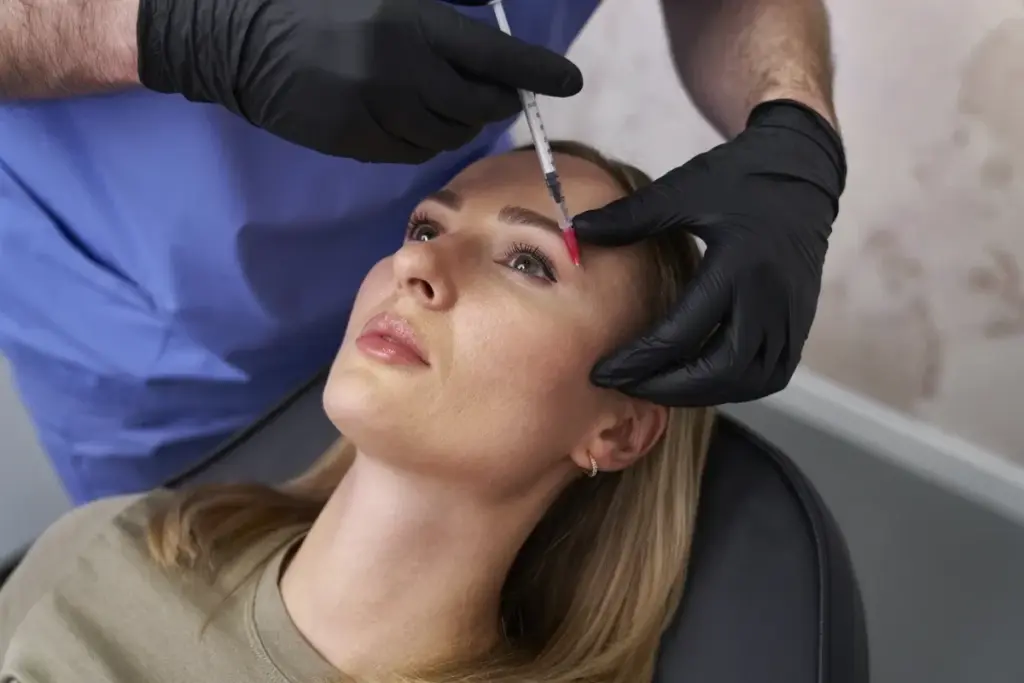
When you think about Botox, knowing how long it lasts in different spots is key. The time Botox works can change based on where you get it, how much you get, and your own body.
Forehead Lines
Botox for forehead lines is very common. It usually lasts 3 to 6 months. But, some people might see it last longer with more treatments because their muscles get weaker.
A study in the Journal of Clinical and Aesthetic Dermatology found Botox for forehead lines lasts about 4 months.
Crow’s Feet
Crow’s feet, or the lines around your eyes, are also a favorite spot for Botox. They tend to last a bit less, usually 3 to 4 months. This is because the muscles around your eyes move a lot.
A clinical trial found Botox for crow’s feet lasts about 3.8 months.
Frown Lines
Frown lines, or the vertical lines between your eyebrows, can be greatly improved with Botox. They usually last 3 to 4 months. How long it lasts can depend on your muscle strength and the dose you get.
|
Treatment Area |
Average Duration |
|---|---|
|
Forehead Lines |
3-6 months |
|
Crow’s Feet |
3-4 months |
|
Frown Lines |
3-4 months |
The table shows most people can expect Botox to last 3 to 4 months in these common areas.
“Botox has revolutionized the field of cosmetic dermatology, making facial rejuvenation safe and effective.”
— A Dermatologist
Knowing how long Botox lasts in different spots helps plan your treatments. Getting regular touch-ups can make the effects last longer.
Signs That Botox is Wearing Off
When Botox starts to lose its effect, you’ll notice several signs. The treated areas will start to look like they did before. This means the initial results of the treatment will fade away.
Physical Indicators
One clear sign is when muscle movement returns to treated areas. Wrinkles or fine lines that were smoothed out will start to show again. Muscle activity returns, making the skin look less smooth.
For example, if you had Botox for forehead lines, you’ll see those lines come back. This happens because the muscle activity resumes.
Another sign is when facial expressions or movements return. This shows that the Botox is no longer working. The toxin is being broken down, and its effects are fading.
Emotional Response
Emotionally, you might feel like your looks are changing as Botox wears off. Some people feel less confident or happy with their looks when wrinkles or lines return. This emotional response comes from seeing changes in one’s appearance. Remember, Botox is only temporary, and you’ll need regular treatments to keep the look you want.
Knowing these signs helps you plan for your next Botox treatment. By recognizing when Botox is wearing off, you can keep your desired look. This way, you can maintain the aesthetic benefits you’ve worked for.
Maximizing the Longevity of Botox
To make Botox last longer, you need to take good care of yourself and get expert advice. Knowing what affects how long Botox lasts is key to getting the best results.
Aftercare Tips
Good aftercare is vital for keeping Botox working well. Don’t rub or massage the treated area right after to stop the toxin from spreading. Also, stay upright for at least four hours after treatment to help the Botox settle right.
Living a healthy lifestyle also helps Botox last longer. This means protecting your skin from the sun, not smoking, and keeping up with a skincare routine. These habits keep your skin healthy and can make your Botox results last longer.
Choosing the Right Provider
The skill of your provider greatly affects how well Botox works. Find a qualified and experienced practitioner for the best results. They should know a lot about facial anatomy and the latest Botox techniques.
When picking a provider, look at their reputation, reviews, and before-and-after photos. A good provider will give you a personalized consultation to talk about your goals and figure out the best treatment for you. Choosing the right provider means your Botox treatment will be safe and effective, lasting longer.
Botox and Age Factors
As people get older, their skin and facial muscles change. This can impact how well Botox works. We’ll look at how different ages react to Botox and what affects its success.
Impact of Age on Botox Results
Age plays a big role in how well Botox works. Younger people have stronger facial muscles, which can change how Botox is used. Older adults might see deeper lines and looser skin, which can change how Botox works for them.
Botox works best for people between 30 and 60. It can really help reduce wrinkles and fine lines in this age group. But, the best time to start Botox depends on many things, like your skin, muscle strength, and what you want to look like.
Key Age-Related Factors Influencing Botox Efficacy:
- Skin elasticity
- Muscle mass and strength
- Depth and severity of facial lines
- Previous cosmetic treatments or surgeries
Ideal Age for Botox Treatments
Botox can be used by many ages, but the best time to start depends on your concerns. Some might start in their late 20s to stop deep lines from forming. Others might wait until their 40s or 50s to tackle deeper wrinkles.
|
Age Group |
Botox Efficacy |
Common Concerns |
|---|---|---|
|
20-30 |
Preventive measure, reduces fine lines |
Early signs of aging, preventive care |
|
30-50 |
Highly effective for reducing facial wrinkles |
Deepening facial lines, maintaining youthful appearance |
|
50+ |
Effective but may require additional treatments |
Deep wrinkles, skin laxity, facial sagging |
Choosing to get Botox should be based on your personal needs and goals, not just your age. Talking to a healthcare professional can help figure out the best time for you to start Botox.
The Role of Maintenance Injections
Botox maintenance injections are key to keeping your look fresh. To get the most out of Botox, it’s important to keep up with regular treatments.
Benefits of Regular Maintenance
Getting regular Botox injections has many perks. It keeps your look looking good and can make future treatments last longer. Regular visits help keep your desired look consistent.
Key benefits include:
- Consistent aesthetic results
- Potential for longer-lasting effects in subsequent treatments
- Reduced appearance of wrinkles and fine lines over time
Scheduling Your Appointments
When to get Botox depends on where you’re getting it and how your body reacts. We suggest getting maintenance injections every 3 to 4 months for the best results.
For the best results, talk to your healthcare provider about when to schedule your next Botox treatment.
Alternatives to Botox
Looking into alternatives to Botox can be a big change for those wanting new ways to look good. Botox is well-known for smoothing out fine lines and wrinkles. But, some people worry about its Botox side effects or don’t want to use a neurotoxin. We get these worries and want to show you other choices.
For those asking is Botox bad for you, it’s key to think about the good and bad. Other options can give similar or extra benefits without using neurotoxins. We’ll look at these alternatives, like other injectables and skincare, to help you decide.
Injectable Treatments Beyond Botox
There are many injectable treatments that can do what Botox does. These include:
- Dermal fillers, which can fill in deep lines and wrinkles, making your skin smoother.
- Chemical peels, which can make your skin texture better and reduce fine lines.
- Platelet-rich plasma (PRP) therapy, which uses your own platelets to boost collagen and improve skin.
Skincare Options for a Youthful Appearance
Skincare can also play a big role in looking younger. We suggest:
- Using products with retinol and peptides to help make more collagen.
- Adding sunscreen to your daily routine to protect your skin from the sun.
- Exfoliating often to keep your skin’s texture good and cells moving.
By looking at these alternatives, you can find a plan that fits your needs and looks. We’re here to help you get the look you want, while also addressing any Botox or treatment worries.
Conclusion: Making Informed Decisions
Knowing how long Botox lasts and what it’s for is key to smart choices about beauty treatments. Botox is used for many cosmetic and medical needs. Its lasting time can change based on different things.
Expert Guidance
Talking to a pro is vital to find the right treatment for you. We can explain how Botox works, how long it lasts, and how to get the most out of it.
We make your treatment plan special for you. This way, you get the best results. If you’re thinking about Botox for lines on your forehead, around your eyes, or between your eyebrows, we’re here to help. We’ll make sure you know what to expect and how long the effects will last.
FAQ
What is Botox made of?
Botox comes from a protein called botulinum toxin. It’s made by the bacterium Clostridium botulinum.
How long does Botox typically last?
Botox’s effects usually last 3 to 6 months. This can vary based on your metabolism, the area treated, and the dose.
What factors influence the duration of Botox?
Several things can affect how long Botox lasts. These include your metabolic rate, the area treated, and the dose given.
How does Botox work?
Botox relaxes muscles by blocking nerve signals. This reduces wrinkles and fine lines.
What are the common areas treated with Botox?
Botox is often used on forehead lines, crow’s feet, and frown lines.
How can I maximize the longevity of Botox?
To make Botox last longer, follow aftercare tips. Also, choose a qualified provider for the treatment.
What are the signs that Botox is wearing off?
Signs Botox is fading include muscle movement returning. You might also see wrinkles or symptoms come back.
Are there alternative treatments to Botox?
Yes, there are other options like dermal fillers, chemical peels, and skincare routines and products.
What are the benefits of regular Botox maintenance injections?
Regular Botox helps keep your desired look or effect. It keeps your results looking their best.
Is Botox safe?
Botox is usually safe when done by a skilled provider. But, it can cause side effects like bruising, swelling, or eyelids that droop.
Can I get Botox at any age?
Botox works for many ages. The best time to start depends on your skin and what you want to achieve.
How often should I schedule Botox appointments?
Get Botox every 3 to 6 months to keep your results looking great. This depends on your needs and goals.
References
National Center for Biotechnology Information. Evidence-Based Medical Insight. Retrieved from https://pubmed.ncbi.nlm.nih.gov/20369902/