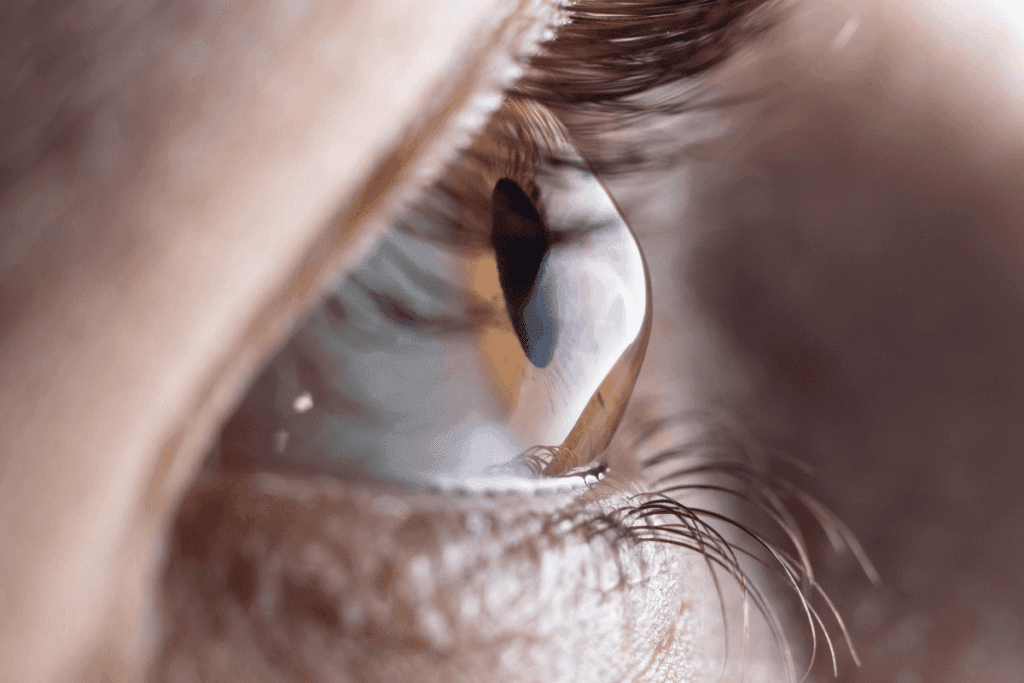
Have you ever noticed veins in your eyes more than usual? You’re not alone. Seeing veins in your eyes is common and usually harmless. But knowing why it happens can help you know when to see a doctor see veins in eyes.
Our eyes have tiny blood vessels that bring oxygen and nutrients. These vessels are on the white part of the eye, called the sclera. They’re covered by a thin membrane called the conjunctiva. Usually, they’re hard to see, but some things can make them stand out more.
At Liv Hospital, we use the latest medical knowledge to care for your eyes. We look into why you might see veins in your eyes and if it’s normal.
Key Takeaways
- Visible eye veins can be caused by various factors, including natural physiological processes.
- The anatomy of the eye plays a critical role in determining the visibility of veins.
- Understanding the underlying causes can help you decide when to seek medical attention.
- Visible eye veins are often harmless but can be a sign of an underlying condition.
- Liv Hospital offers complete eye care with a focus on the patient.
Understanding Eye Anatomy and Blood Vessels
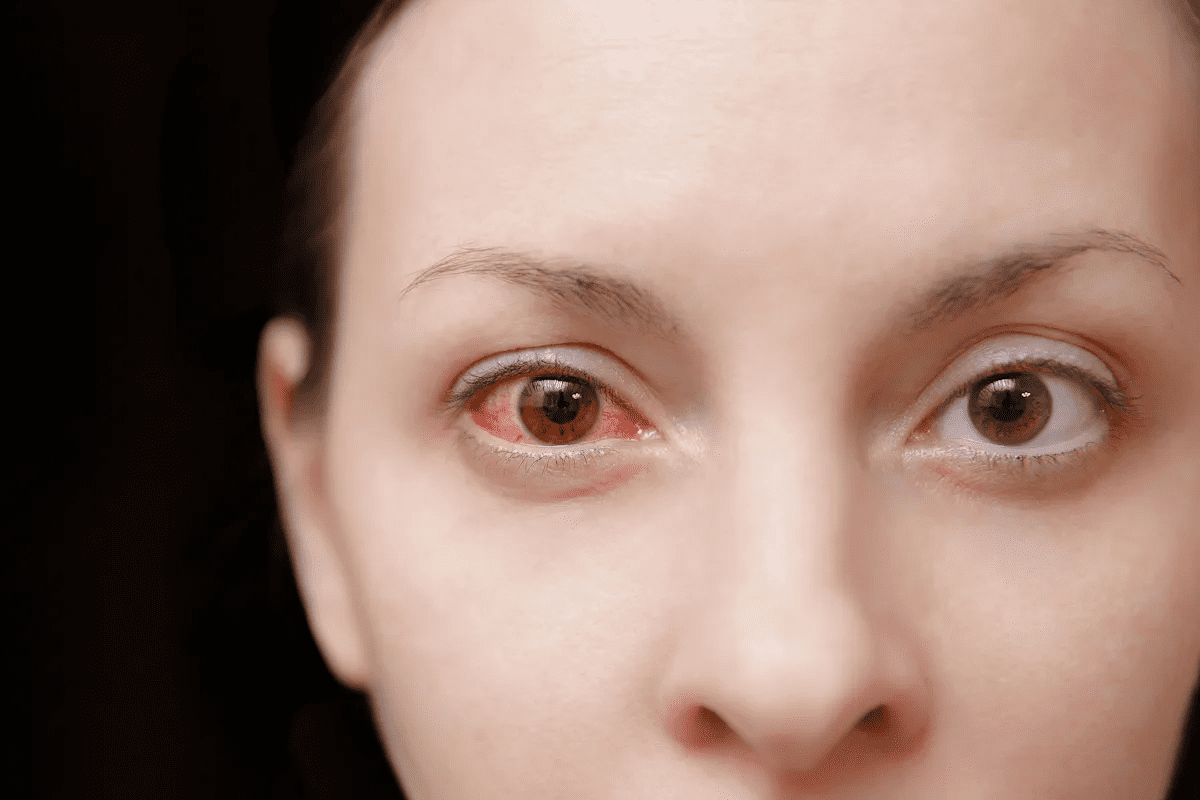
To understand why we can see veins in our eyes, we need to know about the eye’s structure. The eye is a complex organ. Its anatomy helps us see veins under certain conditions.
The Structure of the Eye
The white part of our eye is called the sclera. It’s covered by a thin, clear membrane called the conjunctiva. This membrane has tiny blood vessels that are usually hidden. Medical studies show that red blood vessels are in the eye but are not seen when we’re healthy.
Normal Blood Vessel Patterns in Eyes
Usually, blood vessels in our eyes are not visible. But, some conditions can make them stand out. The conjunctiva holds these tiny vessels. Changes in their visibility can mean different things.
The health of the conjunctiva and sclera affects how we see eye blood vessels. If these vessels become more visible, it could signal a change in our body or surroundings. Knowing about the eye’s anatomy and blood vessel patterns helps us understand when to worry about visible veins.
Why Can I See Veins in My Eyes: Normal Physiological Causes
Seeing veins in your eyes might seem unusual, but it’s often a result of natural bodily responses. The visibility of these veins can be influenced by several factors, making them more noticeable at times.
Natural Visibility of Eye Vasculature
The eyes are complex organs with a network of blood vessels. These vessels supply the eyes with oxygen and nutrients. The visibility of these vessels can vary from person to person and can be affected by the structure of the eye and the surrounding tissues.
In many individuals, the veins in the eyes are naturally more visible. This is because the conjunctiva, the membrane covering the white part of the eye, is thin. This natural visibility is generally not a cause for concern and is simply a variation of normal anatomy.
Vasodilation as a Normal Body Response
Vasodilation, or the widening of blood vessels, is a normal physiological response to various stimuli. When blood vessels dilate, they become more prominent and can make the veins in the eyes more visible.
This response can be triggered by a range of factors, including irritation, strain, or changes in environmental conditions. Vasodilation is a natural and temporary response, and in most cases, it does not indicate any underlying health issue.
Cause | Effect on Eye Veins |
Irritation or Strain | Increased visibility due to vasodilation |
Environmental Changes | Temporary changes in vein visibility |
Natural Anatomical Variation | Some people naturally have more visible veins |
Understanding these normal physiological causes can help alleviate concerns about seeing veins in your eyes. If you’re worried about the visibility of your eye veins, it’s always a good idea to consult with an eye care professional to rule out any underlying conditions.
Common Triggers That Make Eye Veins More Noticeable
Many things can make eye veins stand out more. These include our daily habits and the environment around us. Knowing what causes this can help us keep our eyes looking better.
Eye Strain and Digital Screen Exposure
Using digital devices for too long can strain our eyes. The blue light from screens makes our eyes work harder. This can dry out and irritate our eyes, making veins more visible.
Reducing eye strain:
- Follow the 20-20-20 rule: Every 20 minutes, look away from your screen and focus on something 20 feet away for 20 seconds.
- Adjust the display settings of your devices to reduce blue light emission.
- Use good lighting in your workspace to avoid harsh contrasts between your screen and surroundings.
Sleep Deprivation Effects
Not getting enough sleep can harm our eyes. Tired eyes can become dry and show more veins. Sleep deprivation also makes blood vessels wider, making veins more visible.
Getting enough sleep is key to keeping our eyes healthy and veins less noticeable.
Sleep Duration | Effect on Eye Veins |
Less than 5 hours | Increased visibility due to dilation |
7-9 hours | Normal, healthy appearance |
More than 9 hours | Generally not associated with negative effects on eye veins |
Environmental Irritants and Allergies
Things like dust, pollen, and smoke can irritate our eyes. This irritation can make veins more visible. Allergies can also make our eyes itchy, red, and swollen.
Managing environmental irritants and allergies:
- Use air purifiers to reduce indoor air pollution.
- Avoid rubbing your eyes, as this can exacerbate irritation.
- Use allergy-friendly products and consider over-the-counter antihistamines if necessary.
By understanding and managing these common triggers, we can reduce the visibility of eye veins and maintain healthier, more comfortable eyes.
Age-Related Changes in Eye Vein Visibility
Aging affects how we see veins in and around our eyes. As we get older, changes in the eye tissues make veins stand out more.
The skin around our eyes gets thinner with age. This thinning lets veins show more because there’s less tissue to hide them.
Thinning of Eye Tissues Over Time
Our skin around the eyes gets thinner and less elastic as we age. This is because our body makes less collagen and elastin. These proteins help skin stay strong and elastic. Without them, skin becomes more see-through, making veins more visible.
Thinning of eye tissues happens slowly. It’s caused by both our genes and things like sun exposure and smoking. As skin thins, veins under the eyes show up more, looking like blue or purple lines.
Collagen Reduction and Its Impact
Collagen reduction also plays a big role in making veins more visible. Collagen is key for skin structure. As we age, we make less collagen, leading to thinner, less elastic skin.
Less collagen means skin is thinner and can’t hide veins as well. This, along with skin thinning, makes veins more noticeable around the eyes. Knowing about these changes helps us deal with visible eye veins.
Distinguishing Between White-of-Eye Veins and Under-Eye Veins
It’s important to know the difference between veins on the sclera and those under the eyes. The human eye is complex, and many factors can affect its blood vessels’ visibility.
Scleral Blood Vessels
The sclera, the white outer layer of the eye, has a network of blood vessels called scleral blood vessels. These are usually not seen, but some conditions can make them stand out. Visible veins on the white of the eye are these scleral blood vessels.
Things like inflammation, irritation, or health issues can make these vessels more visible. For example, conjunctivitis can make them more noticeable because it increases blood flow to the area.
Periorbital Veins Under the Eyes
Periorbital veins are under the eyes and not on the eye’s surface. They are part of the facial blood system. They can show more because of aging, lack of sleep, or genetics.
The skin under the eyes is thinner, making veins more visible. Things like staying hydrated and avoiding environmental stress can also affect their visibility.
Knowing the difference between scleral blood vessels and periorbital veins is key. It helps figure out why veins are visible and what to do next.
Temporary Conditions That Cause Visible Eye Veins
Some short-term conditions can make eye veins more visible. These issues are often temporary and can be managed. We’ll look at common conditions that cause this.
Minor Eye Trauma
A slight bump or rubbing the eyes too hard can make veins more visible. This usually goes away on its own. But, if the injury is severe or keeps happening, see an eye doctor.
Dehydration Effects
Not drinking enough water can dry out the eyes, making veins stand out. Drinking lots of water helps keep the eyes moist. This can reduce the look of eye veins.
Seasonal Allergies and Eye Irritation
Seasonal allergies can irritate the eyes, making them red and veins more visible. Taking the right medicine and avoiding allergens helps. Cold compresses can also offer relief.
When Visible Eye Veins Might Indicate Health Concerns
Visible eye veins are common, but sometimes they can mean there’s a health issue. It’s important to know when they might be a sign of something serious.
Warning Signs That Require Medical Attention
Some symptoms with visible eye veins mean you should see a doctor. Look out for persistent redness, pain, and vision changes. If you notice these, get checked out to make sure everything is okay.
Sensitivity to light is also a red flag. It could mean you have an eye problem. And if your eye veins look different, like they’re bigger or darker, see an eye doctor.
Associated Symptoms That Shouldn’t Be Ignored
Eye veins can also come with other symptoms that need a doctor’s attention. Watch for eye discharge, swelling, or double vision. If you see these with your eye veins, get help to figure out why.
If you’ve had eye problems before or have other health issues, keep an eye on your vision. Some conditions can make eye veins look different. Regular eye exams can catch problems early.
Medical Conditions Associated With Prominent Eye Veins
Prominent eye veins can signal health issues. While some eye vein visibility is normal, certain conditions can make them more noticeable. We’ll look at these conditions and their effects on eye health.
Conjunctivitis and Its Effect on Eye Vessels
Conjunctivitis, or pink eye, is an inflammation of the conjunctiva. This thin membrane covers the eye’s white part and eyelids. It makes blood vessels more visible, causing redness and irritation.
Causes include infections, allergies, or irritants. Treatment depends on the cause.
Subconjunctival Hemorrhage
A subconjunctival hemorrhage happens when a blood vessel breaks under the conjunctiva. This causes blood to leak into the space between the conjunctiva and sclera. It looks like a bright red patch on the eye’s white part.
It’s usually harmless but can be alarming. It often happens from coughing, sneezing, or straining. It usually heals on its own.
Hypertension and Eye Vasculature
Hypertension affects blood vessels in the body, including the eyes. It can narrow or block small blood vessels in the retina. This can lead to vision problems.
Regular eye exams can detect hypertension’s effects on eye vasculature.
Ocular Rosacea
Ocular rosacea affects the eyes and the skin around them. It’s often linked to facial rosacea. It causes redness, irritation, and a gritty feeling in the eyes.
Ocular rosacea makes blood vessels more visible. It may need specific treatments to manage symptoms and prevent complications.
Condition | Effect on Eye Veins | Common Causes |
Conjunctivitis | Increased visibility, redness | Infections, allergies, irritants |
Subconjunctival Hemorrhage | Blood leakage, bright red patch | Coughing, sneezing, straining |
Hypertension | Narrowing or blockage of retinal vessels | High blood pressure |
Ocular Rosacea | Visible blood vessels, redness, irritation | Rosacea, environmental factors |
Lifestyle Factors That Influence Eye Vein Visibility
Our lifestyle choices can make eye veins more or less visible. Many factors, like how much we drink, what we consume, and our health habits, play a role.
Impact of Hydration Levels
Keeping our eyes hydrated is key to their health and look. Adequate hydration keeps eyes moist and comfy, which can hide veins. But, not drinking enough can dry out eyes and make veins stand out more.
- Drink plenty of water all day to stay hydrated.
- Avoid too much caffeine and alcohol, as they dry out the body.
- Use a humidifier in dry places to keep moisture up.
Effects of Alcohol and Caffeine
Alcohol and caffeine can affect our body, including eye veins. Alcohol consumption can make veins more visible by widening them. Caffeine does the same, making veins more noticeable.
To lessen the effects:
- Drink alcohol in small amounts.
- Watch how much caffeine you have, and avoid it before bed.
- Know that caffeine is in some meds and chocolate too.
Smoking and Eye Vessel Appearance
Smoking harms health, including eye health. It can dry out eyes and make veins more visible. Quitting smoking can greatly improve health and might make veins less visible.
Here’s what to do:
- Get help from doctors or smoking quit programs.
- Stay away from secondhand smoke.
- Live a healthy life to fight the urge to smoke.
By choosing wisely in our lifestyle, we can make eye veins less visible. It’s important to think about our daily habits and how they affect our eye health.
How Eye Specialists Evaluate and Diagnose Eye Vein Issues
Eye specialists use a detailed method to check eye vein problems. They look at your medical history, do a thorough eye check, and might use extra tests.
Diagnostic Procedures
Eye specialists use many ways to check eye veins. These include:
- A detailed eye exam to check the eyes’ health
- Visual acuity tests to see if veins affect your vision
- Slit-lamp examination to look closely at the eyes
- Fundus photography to see the retina and blood vessels
- Optical Coherence Tomography (OCT) for detailed retina images
These steps help doctors find what’s causing the veins to show.
What Your Eye Doctor Looks For
Your eye doctor checks a few important things. These are:
Factor | Description | Significance |
Vein Appearance | Color, size, and how visible the veins are | Shows if there’s inflammation or high pressure |
Eye Health | The eye’s overall state, including any diseases | Helps find what’s making veins visible |
Patient History | Your medical and eye history, including allergies | Gives context to the current vein condition |
By looking at these, doctors can give a correct diagnosis and suggest treatments for visible eye veins.
Treatment Options for Problematic Eye Veins
There are many ways to deal with eye veins that show. You can try medical treatments or home remedies. The best choice depends on why the veins are visible.
Medical Interventions
Doctors might suggest treatments if eye veins are a sign of a health issue. For example, if high blood pressure or ocular rosacea is the cause, treating these conditions is key.
- Medications: For issues like ocular rosacea or allergies, doctors might prescribe antihistamines or antibiotics.
- Surgical Options: Sometimes, surgery is needed if the eye condition is serious.
Condition | Medical Intervention |
Ocular Rosacea | Antibiotics, Anti-inflammatory drugs |
Allergies | Antihistamines, Mast cell stabilizers |
Hypertension | Blood pressure management medications |
Home Remedies and Self-Care
There are also ways to help eye veins look better without medical help. Home remedies and self-care can make a big difference.
- Hydration: Drinking lots of water can make eye veins less visible.
- Cold Compress: A cold compress can reduce swelling and hide veins.
- Avoiding Irritants: Keeping away from things that irritate the eyes can help.
Knowing why you have eye veins and using the right treatment can help. This could be medical or self-care. Either way, you can make your eyes look better.
Conclusion: When to Worry About Seeing Veins in Your Eyes
Knowing when to worry about seeing veins in your eyes is key for eye health. Seeing veins in your eyes is usually normal. But, sometimes it can mean there’s a health issue that needs a doctor’s care.
We’ve looked at why you might see veins in your eyes. This includes normal reasons and health concerns. Knowing when to see a doctor helps keep your eyes healthy.
If veins in your eyes keep changing or you have redness, pain, or vision problems, see an eye doctor. They can check your eyes and find out if you need treatment.
Being mindful of your eye health and knowing when to worry about veins is important. Regular eye exams and a healthy lifestyle help keep your vision sharp.
FAQ
Is it normal to see veins in my eyes?
Yes, seeing veins in your eyes is normal under certain conditions. Many factors can affect how visible these veins are. This includes natural processes and things outside of you.
Why can I see the veins in my eyes?
Veins in your eyes are due to how your eyes are made and the blood vessels inside. When blood vessels swell, they become easier to see.
What makes eye veins more visible?
Several things can make eye veins stand out. This includes eye strain from screens, not getting enough sleep, and being exposed to irritants. Aging also plays a role.
Can aging affect the visibility of eye veins?
Yes, aging makes eye veins more visible. As you get older, your eye tissues thin out. This makes veins under your eyes more noticeable.
What’s the difference between the veins on the white part of my eye and those under my eyes?
The veins on the white part of your eye are called scleral blood vessels. Those under your eyes are called periorbital veins. Knowing the difference helps you understand what’s going on.
Can temporary conditions cause visible eye veins?
Yes, temporary issues like minor eye trauma, dehydration, and allergies can irritate your eyes. This makes veins more visible.
When should I be concerned about visible eye veins?
Be worried if your eyes stay red, hurt, or if your vision changes. These signs might mean there’s a health problem that needs a doctor’s attention.
Are there medical conditions associated with prominent eye veins?
Yes, certain health issues like conjunctivitis, subconjunctival hemorrhage, high blood pressure, and ocular rosacea can make veins stand out.
How do lifestyle factors influence eye vein visibility?
Your lifestyle choices, like how much water you drink, your alcohol and caffeine intake, and smoking, can affect vein visibility. Making smart choices can help keep your eyes healthy.
How do eye specialists evaluate and diagnose eye vein issues?
Eye doctors use different tests to check and figure out why veins are visible. They look for signs of health problems that might be causing the veins to show.
What are the treatment options for problematic eye veins?
Doctors might treat underlying conditions. You can also try home remedies or self-care to help your eyes feel better and stay healthy.
Can I take steps to reduce the visibility of eye veins?
Yes, you can take steps to keep your eyes healthy. Understanding what causes visible veins and making smart lifestyle choices can help reduce their visibility.
References
National Health Service (NHS). Evidence-Based Medical Guidance. Retrieved from https://www.nhs.uk/conditions/red-eye/



 Departments
 Related Videos
 Our Doctors
 News
News