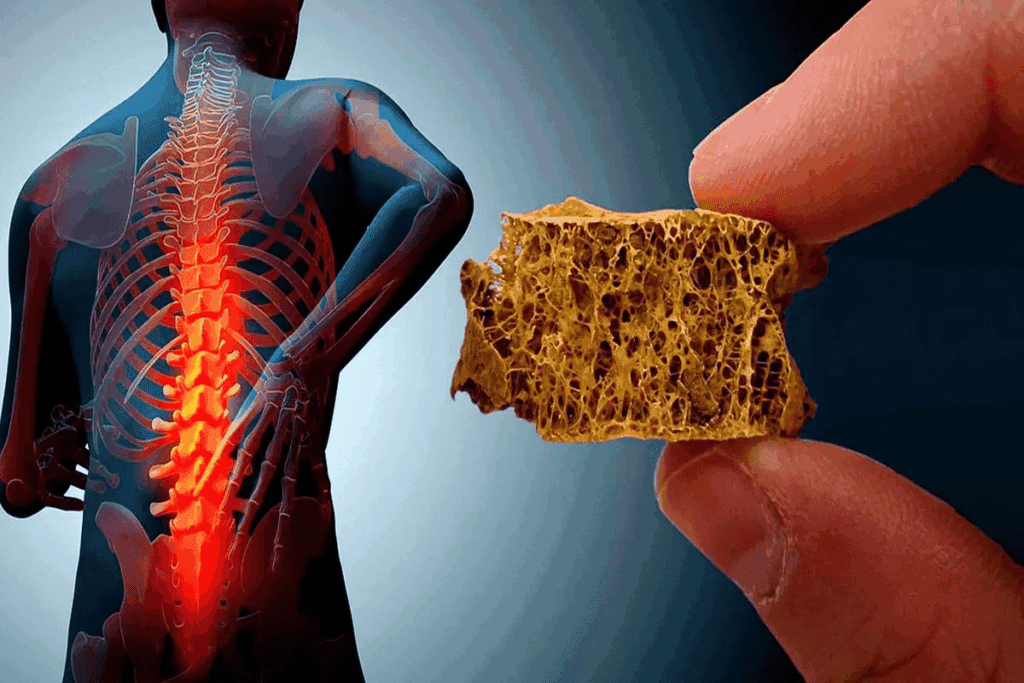
Osteoporosis is a serious health issue that affects millions worldwide. It hits postmenopausal women hard because of the drop in estrogen levels. Estrogen is key to keeping bones strong, and without it, osteoporosis can develop. Estrogen and osteoporosis are critically linked. This vital guide explains the surprising role of estrogen in bone health and how to prevent loss.
As we get older, the chance of getting osteoporosis goes up, mainly for women. The loss of estrogen after menopause makes bones weaker. This increases the risk of breaking bones. Knowing how estrogen and osteoporosis are connected is key to stopping and managing this disease.
Key Takeaways
- Estrogen deficiency is a big risk for osteoporosis, mostly in postmenopausal women.
- Keeping estrogen levels right is important for bone health.
- Osteoporosis can make bones weak and raise the chance of breaking them.
- Understanding the link between estrogen and osteoporosis is vital for effective prevention and management.
- Early diagnosis and treatment can greatly improve outcomes for those with osteoporosis.
The Global Impact of Osteoporosis
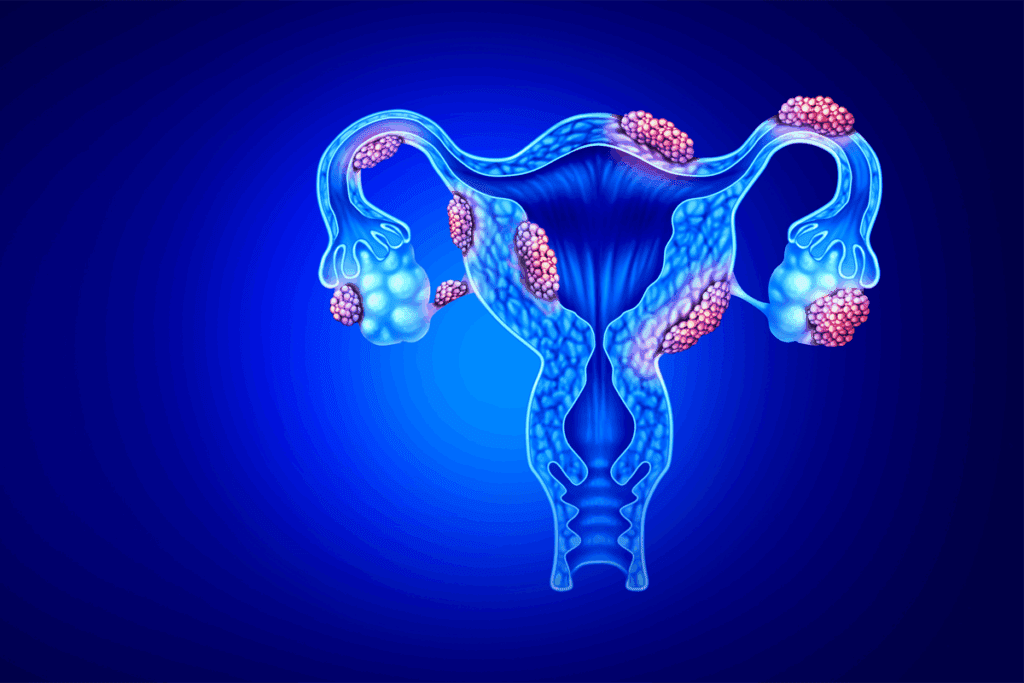
Osteoporosis has a big impact on public health worldwide. It affects not just people but also puts a big strain on healthcare budgets globally.
Prevalence and Statistics
Millions of people worldwide, mostly postmenopausal women, suffer from osteoporosis. The International Osteoporosis Foundation says about 200 million women have it. This condition makes bones weaker and more prone to breaking.
Osteoporosis is more common in developed countries. But, it’s also growing in developing nations. This is due to lifestyle changes and an aging population.
Economic and Health Burden
Treating osteoporotic fractures costs billions of dollars each year. In the U.S., the cost is expected to be over $25 billion by 2025. These fractures also lead to a lower quality of life, disability, and even death.
The healthcare system faces many challenges. It needs to treat fractures and manage complications. It also needs to focus on prevention.
Projected Growth by 2025
Experts predict that more people will have osteoporosis by 2025. They estimate it will affect 500 million people. This is because the world’s population is getting older and osteoporosis is becoming more common.
As the world ages, osteoporosis will put more pressure on healthcare. It’s vital to find ways to prevent and treat it to address this growing issue.
Understanding Bone Health and Remodeling
Bone health is a dynamic process. Our bones are not static structures; they are living, growing tissues that undergo constant transformation.
The Structure of Healthy Bones
Healthy bones are made of a matrix of collagen and minerals, mainly calcium and phosphate. This mix gives bones their strength and flexibility. Bones have two main types: cortical bone, the dense outer layer, and trabecular bone, the spongy inner layer.
The cortical bone provides the outer shell of the bone, giving it strength and protection. The trabecular bone is more metabolically active and plays a key role in bone remodeling.
The Bone Remodeling Process
Bone remodeling is a continuous process. It involves the coordinated action of two main cell types: osteoblasts and osteoclasts. This process is essential for maintaining bone health, repairing micro-fractures, and adapting to changing mechanical loads.
The bone remodeling cycle has several stages:
- Activation: Osteoclasts are recruited to the site of bone resorption.
- Resorption: Osteoclasts break down the bone tissue, releasing minerals into the bloodstream.
- Reversal: The resorbed bone surface is prepared for new bone formation.
- Formation: Osteoblasts lay down new bone matrix, which is then mineralized.
- Termination: The bone remodeling cycle is completed, and the newly formed bone is fully mineralized.
Key Cells: Osteoblasts and Osteoclasts
Osteoblasts are the bone-forming cells, responsible for producing the organic bone matrix and regulating mineralization. Osteoclasts, on the other hand, are the bone-resorbing cells, breaking down bone tissue and releasing minerals.
The balance between osteoblast and osteoclast activity is critical for maintaining bone health. An imbalance can lead to bone diseases such as osteoporosis, where the loss of bone density increases the risk of fractures.
Factors Affecting Bone Density
Several factors can influence bone density, including genetics, nutrition, lifestyle, and hormonal balance. Estrogen plays a significant role in maintaining bone density, mainly in women. The decline in estrogen levels during menopause is associated with an increased risk of osteoporosis.
Other factors that can affect bone density include:
- Nutritional factors: Adequate intake of calcium and vitamin D is essential for bone health.
- Lifestyle factors: Regular exercise, such as weight-bearing and resistance exercises, can help maintain bone density.
- Hormonal factors: Hormones such as estrogen and testosterone play a critical role in regulating bone metabolism.
Understanding these factors is key to developing effective strategies to prevent and treat bone-related disorders, such as osteoporosis.
The Critical Role of Estrogen and Osteoporosis
Estrogen is key to keeping bones healthy. Its decrease is linked to osteoporosis. We’ll look at how estrogen affects bone density, its role in bone cells, and how it changes with age.
How Estrogen Maintains Bone Density
Estrogen helps bone-building cells called osteoblasts work better. It also stops bone-breaking cells called osteoclasts. This balance keeps bones strong and prevents them from getting weaker.
Estrogen’s role in bone health is also seen in its control over growth factors and cytokines. These are vital for bone repair and growth.
Estrogen Receptors in Bone Tissue
Estrogen receptors are found in bone cells, like osteoblasts and osteoclasts. When estrogen binds to these receptors, it sends signals that help keep bones dense.
The presence of estrogen receptors in bone shows estrogen’s direct effect on bone health. Research points to estrogen receptor alpha (ERα) as key in estrogen’s bone-protective actions.
Age-Related Changes in Estrogen Production
Women’s estrogen levels drop significantly with age, mainly during menopause. This drop raises the risk of osteoporosis because estrogen’s protective effects on bones are lost.
Age Group | Estrogen Level | Bone Density Status |
Pre-menopause | Normal | High |
Peri-menopause | Declining | Gradually decreasing |
Post-menopause | Low | Significantly decreased |
The table shows how estrogen levels and bone density change with age in women.
Cellular Mechanisms: How Estrogen Protects Bones
Estrogen helps keep bones strong at the cellular level. It does this through several ways. Knowing these helps us see how estrogen keeps bones healthy and fights osteoporosis.
Osteoprotegerin Production and RANKL Inhibition
Estrogen boosts the making of osteoprotegerin (OPG). OPG stops RANKL from working. RANKL is important for breaking down bone. So, estrogen helps bones grow instead of breaking down.
Table: Effects of Estrogen on OPG and RANKL
Parameter | Effect of Estrogen | Impact on Bone |
OPG Production | Increased | Reduced bone resorption |
RANKL Activity | Inhibited | Reduced osteoclast activity |
Overall Effect | Enhanced bone protection | Maintenance of bone density |
The Wnt Signaling Pathway and Osteoblast Function
Estrogen helps osteoblasts, the bone-building cells, by using the Wnt pathway. This pathway is key for making new bone. It turns stem cells into osteoblasts, helping bones grow.
Anti-inflammatory Effects of Estrogen
Estrogen also fights inflammation, which helps bones. It lowers inflammation signals. This means less bone breakdown.
Estrogen’s Impact on Osteocyte Survival
Osteocytes are key in bone health. They sense changes and help bones adapt. Estrogen keeps these cells alive and working well, keeping bones strong.
In short, estrogen protects bones in many ways. It controls OPG and RANKL, uses the Wnt pathway, fights inflammation, and keeps osteocytes alive. Knowing these helps us understand how estrogen keeps bones healthy and prevents osteoporosis.
Menopause and Accelerated Bone Loss
Women experience a drop in estrogen during menopause, leading to faster bone loss. This change affects their bone health. It’s a time of big hormonal shifts that impact bone remodeling.
The Menopausal Transition and Estrogen Decline
Estrogen levels drop during menopause, speeding up bone loss. Estrogen helps keep bones strong by controlling bone-building and breaking cells.
With less estrogen, bones break down more and build up less. This results in bone loss, raising the risk of osteoporosis and fractures.
Rate of Bone Loss During Different Life Stages
Bone loss speeds up during menopause compared to before. Women can lose up to 10% of their bone mass in the first few years after menopause.
But bone loss is slower in other life stages. Even so, it can add up over time, increasing the risk of osteoporosis later on.
Critical Period for Intervention
The menopausal transition is a critical window for intervention to stop or slow bone loss. Healthcare providers can use lifestyle changes and medical treatments to help.
Starting early can lower the risk of osteoporosis and fractures. This improves health for women after menopause.
Pro-inflammatory Cytokines and RANKL Production
Menopause also brings more pro-inflammatory cytokines, making bone loss worse. RANKL (Receptor Activator of NF-κB Ligand) controls osteoclasts, and its levels change with estrogen.
The link between estrogen, cytokines, and RANKL shows how complex bone loss in menopause is. Knowing this helps create better treatments for postmenopausal osteoporosis.
Populations at High Risk for Estrogen-Related Bone Loss
Some groups face a higher risk of losing bone due to estrogen levels. This is because of hormonal changes and certain health issues. Knowing who is at risk helps in treating osteoporosis early.
Postmenopausal Women
Women after menopause are at a high risk. The drop in estrogen speeds up bone loss. This leads to a quick drop in bone density, making them more likely to get osteoporosis (Medical News Today).
Individuals with Premature Ovarian Insufficiency
Those with premature ovarian insufficiency (POI) are also at risk. POI happens when ovaries stop working early, before 40. This means less estrogen, which can cause osteoporosis early on. Early diagnosis and treatment are key.
Athletes with Hypothalamic Amenorrhea
Athletes, mainly those in intense training, face a risk too. Hypothalamic amenorrhea stops menstrual cycles due to hormonal imbalance. This drop in estrogen can cause bone loss. It’s important for athletes to balance their training with hormone health.
Patients on Certain Medications
Some meds, like glucocorticoids and cancer treatments, can harm bone health. People on these meds for a long time are at risk. It’s vital to watch bone density and take steps to prevent loss.
Diagnosing and Monitoring Estrogen-Related Bone Loss
Diagnosing and monitoring estrogen-related bone loss are key to preventing and managing osteoporosis. Estrogen protects bones, and its decline, like during menopause, can cause bone loss. So, it’s important to diagnose and monitor accurately to help those at risk.
Bone Mineral Density Testing
Bone mineral density (BMD) testing helps diagnose osteoporosis and assess fracture risk. Dual-energy X-ray absorptiometry (DXA) is the main method. It measures bone density in the hip and spine, comparing it to a healthy young adult’s.
A T-score of -2.5 or lower means osteoporosis. Scores between -1 and -2.5 show osteopenia, a condition that can turn into osteoporosis. BMD tests are used for diagnosis and to check if treatments are working.
Biochemical Markers of Bone Turnover
Biochemical markers in blood or urine show bone remodeling activity. They help understand bone loss rate and treatment success. Common markers include N-telopeptide (NTX) and C-telopeptide (CTX) for bone breakdown, and bone-specific alkaline phosphatase (BSAP) and osteocalcin for bone building.
Tracking these markers helps doctors adjust treatment plans. A drop in bone breakdown markers means treatment is working well.
Risk Assessment Tools
Risk assessment tools estimate the chance of osteoporosis or fractures. The FRAX tool looks at age, sex, weight, height, and BMD to predict fracture risk in 10 years.
These tools help doctors find who needs preventive measures or treatment early, before bone loss gets worse.
Frequency of Monitoring
How often to check bone density and health markers varies. It depends on risk, age, and treatment. People at moderate risk should get tested every 2-3 years. Those on treatment might need it annually.
Regular checks help adjust treatment plans. This ensures the best management of bone loss and lowers fracture risk.
Prevention and Treatment Strategies for Estrogen-Related Osteoporosis
Preventing and treating osteoporosis linked to estrogen levels requires different strategies. These include dietary changes and hormone therapy. It’s key to understand how these can be customized for each person.
Lifestyle Modifications
Making lifestyle changes is vital for preventing and managing estrogen-related osteoporosis. A balanced diet rich in calcium and vitamin D is essential for bone health. Include foods like dairy, leafy greens, and fortified cereals in your diet.
Regular exercise is also important. Activities like walking, jogging, and weight training strengthen bones. Aim for at least 30 minutes of exercise daily.
Also, lifestyle habits such as quitting smoking and drinking alcohol in moderation are beneficial. Smoking and too much alcohol can harm bones. Changing these habits can help prevent bone loss.
Medical Interventions
When lifestyle changes aren’t enough, medical treatments may be needed. Hormone replacement therapy (HRT) is often used for postmenopausal women. It helps maintain estrogen levels and slow bone loss.
Bisphosphonates are another treatment that slows bone loss and reduces fracture risk. Selective estrogen receptor modulators (SERMs) can also help. They mimic estrogen’s benefits on bones without all the risks of HRT.
It’s important to tailor these medical treatments to each person’s health. Regular monitoring is needed to check their effectiveness and any side effects.
Conclusion: Advancing Our Understanding of Estrogen and Bone Health
Estrogen is key to keeping bones strong. Its decrease is linked to osteoporosis. The link between estrogen and bone health is complex, involving many cellular mechanisms that fight bone loss.
Knowing how estrogen affects bone health is vital for fighting osteoporosis. By learning more, we can spot who’s at risk, like postmenopausal women. We can then create plans to lower fracture risks and improve life quality.
The bond between estrogen and osteoporosis shows we need more research. As we learn more, we can improve care and lessen osteoporosis’s impact worldwide.
Healthcare can target therapies to fight osteoporosis by focusing on estrogen and bone loss. This could lead to better management and prevention of this serious condition.
FAQ
What is the relationship between estrogen and osteoporosis?
Estrogen is key to keeping bones strong. Without enough estrogen, bones can weaken and lead to osteoporosis. It helps balance bone growth and loss.
How does estrogen affect bone health?
Estrogen helps control bone cells. It boosts bone growth and slows down bone loss. This keeps bones healthy.
What happens to estrogen levels during menopause, and how does it affect bone health?
Menopause brings a big drop in estrogen. This speeds up bone loss. Women at this time are more likely to get osteoporosis.
Who is at high risk for estrogen-related bone loss?
Women after menopause, those with early menopause, athletes with certain issues, and some medication users face high risks.
How is estrogen-related bone loss diagnosed and monitored?
Doctors use tests to check bone health and track changes. This helps catch and treat osteoporosis early.
What are the prevention and treatment strategies for estrogen-related osteoporosis?
To prevent osteoporosis, change your diet and exercise. Medical treatments like hormone therapy are also options. But, each has its own risks and benefits.
How does hormone replacement therapy (HRT) affect bone health in postmenopausal women?
HRT can keep bones strong by adding estrogen. But, it’s important to think about your health and risks before starting it.
What is the role of osteoprotegerin in bone health, and how is it related to estrogen?
Osteoprotegerin stops bone loss. Estrogen boosts its production. Without enough estrogen, osteoprotegerin goes down, leading to more bone loss.
Can lifestyle modifications help prevent estrogen-related bone loss?
Yes, eating right, exercising, and staying healthy can help keep bones strong. These habits are good for bone health.
What is the significance of understanding the relationship between estrogen and bone health?
Knowing how estrogen affects bones is key. It helps us find better ways to prevent and treat osteoporosis, mainly for those at high risk.
References
National Center for Biotechnology Information. Estrogen’s Impact on Bone Density and Calcium Regulation. Retrieved from https://pubmed.ncbi.nlm.nih.gov/8865143/