
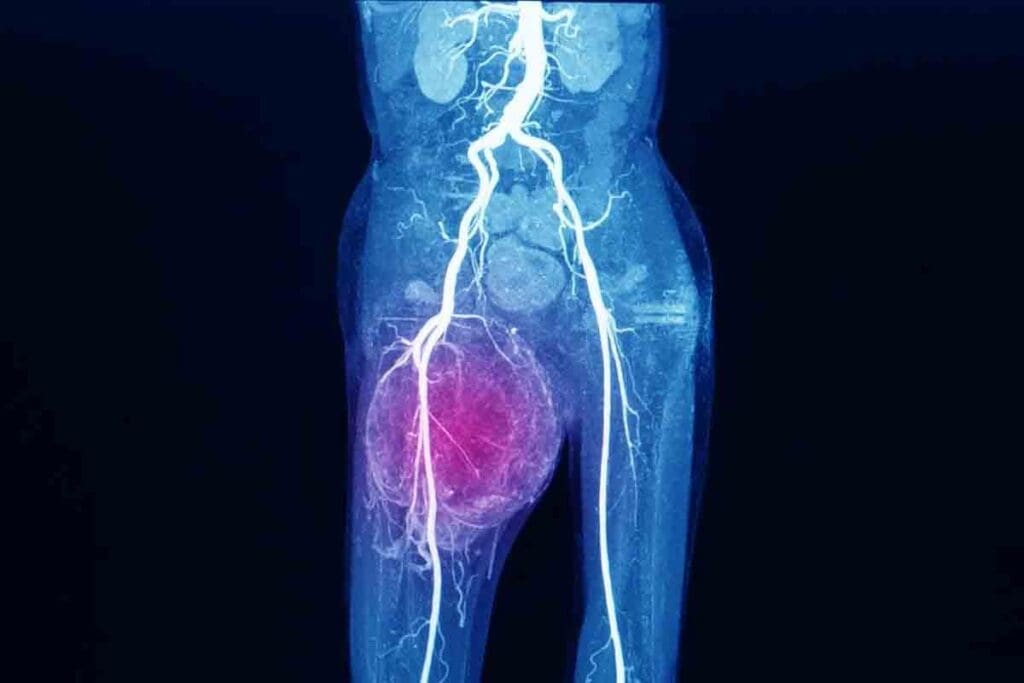
Ewing sarcoma is a rare and aggressive tumor that mainly affects the bones and soft tissues. It’s more common in children and young adults, but Ewing sarcoma cancer in adults can also occur and requires careful medical attention.
Understanding the causes, symptoms, and survival rates is key for early diagnosis and effective treatment. At Liv Hospital, our specialists provide expert care to help adults manage this complex condition with confidence.
Ewing sarcoma cancer in adults is a serious health concern that demands quick medical intervention. With timely diagnosis and the right treatment approach, patients can better face the challenges of this rare tumor.
Key Takeaways
- Ewing sarcoma is a rare and aggressive tumor that affects bones and soft tissues.
- It is more common among children and young adults but can occur in adults.
- Understanding the causes, symptoms, and survival rates is key for effective treatment.
- Liv Hospital provides expert, patient-focused care for adults with Ewing sarcoma.
- Prompt medical attention is essential for navigating the challenges of this condition.
Understanding Ewing Sarcoma Cancer
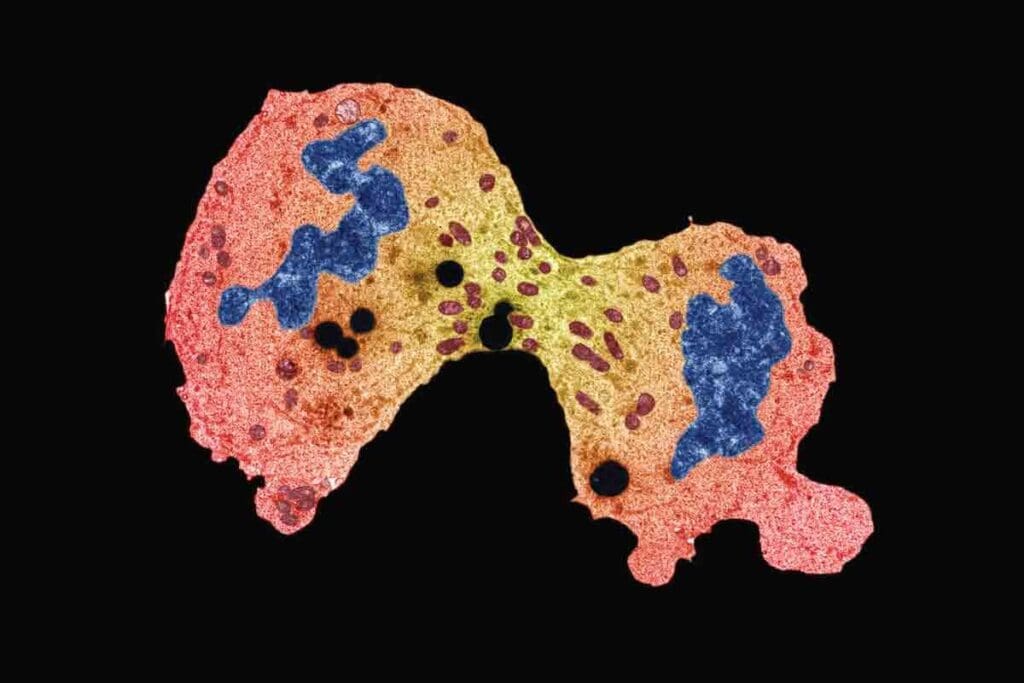
Ewing sarcoma is a group of tumors known for their aggressive nature and unique genetic traits. It is a rare cancer that mainly affects bones and soft tissues. It often strikes young people.
Definition and Classification
Ewing sarcoma belongs to the Ewing family of tumors (EFTs). This includes Ewing sarcoma of bone, extraosseous Ewing sarcoma, primitive neuroectodermal tumor (PNET), and Askin’s tumor. These tumors are recognized by their small, round, blue cells under a microscope.
Over the years, how we classify Ewing sarcoma has changed. Thanks to genetic and molecular diagnostics, we can now categorize it more accurately. The World Health Organization (WHO) now sees Ewing sarcoma as a unique type of bone and soft tissue tumor.
Key characteristics of Ewing sarcoma include:
- Aggressive clinical behavior
- Specific genetic translocations, most commonly t(11;22)(q24;q12)
- Expression of specific surface antigens, such as CD99
Historical Background
James Ewing first described Ewing sarcoma in 1921 as a diffuse endothelioma of bone. At first, it was believed to come from the endothelial cells of blood vessels in bones. But, our understanding has grown, showing it actually comes from mesenchymal stem cells.
The history of Ewing sarcoma is key to grasping its development. From its first description to today’s knowledge of its genetics and molecular makeup, our understanding has greatly changed.
Epidemiology of Ewing Sarcoma
Ewing sarcoma is a rare cancer that mainly hits kids and young adults. It’s important to know about its spread and age patterns for better diagnosis and research.
Incidence and Prevalence
Ewing sarcoma is a rare cancer, making up less than 1% of all cancers in kids. In the U.S., about 200 to 300 new cases are found each year. Its rarity makes it hard to study and find its causes.
This cancer is most often found in people aged 10 to 20, with the most cases in teenagers. Knowing this helps us understand the disease better.
Age Distribution and Demographics
Ewing sarcoma mostly affects the young. The average age when it’s found is around 15. This shows most cases happen in teens or early twenties. More boys than girls get this cancer.
Some ethnic groups get Ewing sarcoma more often. It’s more common in Caucasians than in other ethnic groups.
| Age Group | Incidence Rate |
| 0-9 years | Low |
| 10-20 years | High |
| 21+ years | Low |
The table shows Ewing sarcoma’s incidence by age. It clearly shows the highest rate in teenagers.
What Causes Ewing’s Sarcoma?
The exact cause of Ewing’s Sarcoma is not fully known. But, scientists have made big steps in figuring out its genetic roots. They’ve found certain genetic mutations and chromosomal changes that are linked to this cancer.
Genetic Mutations and Chromosomal Translocations
Ewing’s Sarcoma is linked to chromosomal translocations. These are when chromosomes swap genetic material. This swapping creates fusion genes, which are abnormal genes made from two different ones.
The most common translocation is between chromosomes 11 and 22. This creates the t(11;22) translocation. It’s found in about 85% of Ewing’s Sarcoma cases.
The EWSR1-FLI1 Fusion Gene
The t(11;22) translocation makes the EWSR1-FLI1 fusion gene. This gene is made when the EWSR1 gene on chromosome 22 fuses with the FLI1 gene on chromosome 11. The EWSR1-FLI1 fusion gene is a key player in Ewing’s Sarcoma’s growth and spread.
The EWSR1-FLI1 fusion protein changes how genes are expressed. It affects genes involved in cell growth, death, and development. This fusion gene is a key marker for diagnosing Ewing’s Sarcoma.
Environmental and Other Potencial Risk Factors
Genetic mutations are a big part of Ewing’s Sarcoma. But, researchers also look at environmental risk factors. So far, no environmental exposures have been proven to cause Ewing’s Sarcoma.
Some studies hint at genetic syndromes or family cancer histories raising Ewing’s Sarcoma risk. But, more research is needed to confirm these findings.
Understanding Ewing’s Sarcoma causes is key to better treatments and patient care. Ongoing research into genetics and environment will help find new ways to fight this cancer.
Ewing Sarcoma Cancer in Adults: Unique Considerations
Ewing sarcoma is a rare cancer mostly seen in kids and teens. But when it happens in adults, it brings its own set of challenges. The disease looks similar in all ages, but there are key differences in how it shows up, gets diagnosed, and how it’s treated.
Differences from Pediatric Presentations
In adults, Ewing sarcoma often shows up in different places than in kids. Adults tend to get tumors in their arms or legs, causing pain or swelling. Kids, on the other hand, often have tumors in their chest or spine.
Key differences in Ewing sarcoma presentation between adults and children:
| Characteristics | Adults | Children |
| Common Tumor Locations | Extremities, Pelvis | Chest Wall, Axial Skeleton |
| Symptoms at Presentation | Pain, Swelling, Limited Mobility | Pain, Swelling, Systemic Symptoms |
| Diagnostic Challenges | Higher likelihood of misdiagnosis | More likely to be considered in differential diagnosis |
Challenges in Adult Diagnosis
Diagnosing Ewing sarcoma in adults is tough because it’s rare. It’s not often thought of when doctors look for cancer in adults. This can lead to a long time before treatment starts.
The diagnostic process involves a combination of imaging studies, biopsy, and molecular testing to confirm the presence of the characteristic EWSR1-FLI1 fusion gene.
Adults with Ewing sarcoma might need a team effort for treatment. This could include surgery, chemo, and radiation, all based on their health and the cancer’s details.
Anatomical Distribution of Ewing Sarcoma
Knowing where Ewing sarcoma occurs is key for treatment. It can show up in bones and soft tissues.
Common Sites of Occurrence
Ewing sarcoma often starts in long bones like the leg or arm. It also happens in flat bones like the pelvic bone, scapula, or ribs. The most common bones affected are:
- The femur (thigh bone)
- The tibia and fibula (lower leg bones)
- The humerus (upper arm bone)
- The pelvis
- The ribs
These bones are more likely to get Ewing sarcoma because they have red marrow. This is the spongy tissue inside some bones where blood cells are made.
Hip Sarcoma and Other Pelvic Presentations
The pelvis is a big spot for Ewing sarcoma, with hip sarcoma being a common type. Pelvic Ewing sarcoma is hard to spot because it’s deep and symptoms are not clear. It usually causes pain and swelling in the hip or pelvic area.
Soft Tissue Involvement
Ewing sarcoma is mostly a bone tumor but can also be in soft tissues like muscles, tendons, and fat. Soft tissue Ewing sarcoma is rarer but has the same look as bone tumors. It can make diagnosis tricky because it might look like other soft tissue tumors.
The way Ewing sarcoma spreads shows why a detailed check is needed. This includes looking at both bones and soft tissues.
Ewing Sarcoma Symptoms in Adults
Ewing sarcoma in adults can show different symptoms. These symptoms are not always clear, making it hard to catch it early. The symptoms can change based on where the tumor is, how big it is, and if it has spread.
Early Warning Signs
The first signs of Ewing sarcoma in adults are often not obvious. They might not seem like cancer at first. Common early signs include:
- Pain or swelling in the affected limb or area
- A palpable lump or mass
- General feeling of being unwell
- Fever
These signs can look like other health issues. It’s important to see a doctor to figure out what’s wrong.
Localized Symptoms: Pain, Swelling, and Lumps
As Ewing sarcoma grows, it can press on or invade nearby tissues. This causes specific symptoms. The most common symptoms are:
Pain: Persistent pain in the affected bone or soft tissue is a frequent complaint. This pain can be worse at night or with activity.
Swelling and Lumps :Swelling or the presence of a lump in the affected area can occur as the tumor grows. These lumps can be tender to the touch.
In some cases, the tumor can cause a visible deformity or limitation in movement if it is near a joint.
Systemic Manifestations
Ewing sarcoma can also cause symptoms that affect the whole body. This is more likely if the cancer has spread. These symptoms include:
- Weight loss
- Fatigue
- Fever
- Anemia
Systemic symptoms mean the disease might be more advanced. They need quick medical attention.
In conclusion, knowing the symptoms of Ewing sarcoma in adults is key for early treatment. While symptoms can be vague, a detailed medical check-up is vital for anyone with ongoing or severe symptoms.
Diagnostic Approaches for Ewing Sarcoma
Diagnosing Ewing Sarcoma involves several steps. These include imaging tests and detailed lab exams. This process is key to finding the disease and planning treatment.
Imaging Techniques
Imaging is a big part of diagnosing Ewing Sarcoma. Tools like X-rays, MRI, CT, and PET scans help see the tumor’s size and location.
- X-rays show bone issues first.
- MRI gives clear views of soft tissues.
- CT scans measure the tumor’s size and its position.
- PET scans find if the disease has spread.
Biopsy and Pathological Examination
A biopsy is key to confirming Ewing Sarcoma. The lab checks for specific tumor cells.
“The diagnosis of Ewing Sarcoma is confirmed by the presence of small, round, blue cells on histology, along with specific immunohistochemical markers and genetic abnormalities.”
– Expert in Oncology
The biopsy is looked at for its shape and size. More tests are done to find specific genetic changes.
| Biopsy Type | Description | Advantages |
| Core Needle Biopsy | Minimally invasive procedure to obtain tissue sample | Less risk of complications, quicker recovery |
| Surgical Biopsy | More invasive procedure to obtain a larger tissue sample | Provides more tissue for detailed analysis |
Molecular and Genetic Testing
Genetic tests are vital for Ewing Sarcoma diagnosis. The most common genetic change is the t(11;22) translocation. This creates the EWSR1-FLI1 fusion gene.
Molecular tests like FISH and PCR find this genetic fusion.
Differential Diagnosis
Differential diagnosis means figuring out if it’s Ewing Sarcoma or another tumor. Conditions like lymphoma, rhabdomyosarcoma, and neuroblastoma are considered.
A thorough diagnostic process is needed. This includes imaging, biopsy, and genetic tests. It helps in accurate diagnosis and planning treatment.
Staging and Classification Systems
Getting the right stage for Ewing Sarcoma is key to knowing how well a patient will do and what treatment to use. Staging shows how far the cancer has spread. This helps doctors pick the best treatment.
TNM Staging for Ewing Sarcoma
The TNM system is used for Ewing Sarcoma. It looks at three main things: the size and spread of the tumor (T), if nearby lymph nodes are involved (N), and if the cancer has spread far (M).
| TNM Component | Description |
| T (Tumor) | Size and extent of the primary tumor |
| N (Node) | Involvement of nearby lymph nodes |
| M (Metastasis) | Presence of distant metastasis |
Prognostic Grouping
Prognostic grouping is also very important for Ewing Sarcoma. It groups patients based on tumor size, location, and how well they respond to treatment. This helps doctors predict how well a patient will do and plan the best treatment.
A study in the Journal of Clinical Oncology found that
“Prognostic factors, including tumor size and response to chemotherapy, play a significant role in determining the outcome for patients with Ewing Sarcoma.”
Source: Journal of Clinical Oncology
The factors for prognostic grouping in Ewing Sarcoma include:
- Tumor size and location
- Presence of metastasis at diagnosis
- Response to initial chemotherapy
It’s very important for doctors to understand the staging and classification systems for Ewing Sarcoma. This helps them make better treatment plans. By knowing the stage and other factors, doctors can help patients live better and longer.
Ewing’s Sarcoma Metastasis Patterns
It’s key to know how Ewing’s sarcoma spreads to plan treatments for adults with this cancer. This cancer is aggressive and often goes to distant places, making treatment harder.
Common Sites of Spread
The cancer often goes to the lungs, bones, and bone marrow. The lungs are a common spot because of their blood flow. Bones and bone marrow are also common, but bone marrow spread means the disease is widespread.
Detection of Metastatic Disease
To find metastatic disease, doctors use imaging and biopsies. Imaging techniques like CT scans and MRI help see how far the cancer has spread. A biopsy confirms if cancer cells are present, helping plan treatment.
Impact on Treatment Planning
Metastasis changes how doctors plan treatment for Ewing’s sarcoma. Patients with it might need stronger treatments like chemotherapy and radiation. The prognosis for those with metastasis is usually worse than for those without.
In summary, knowing how Ewing’s sarcoma spreads is essential for better treatment plans. By spotting where the cancer goes and using the right tests, doctors can tailor treatments to meet each patient’s needs.
Treatment Modalities for Adult Ewing Sarcoma
Adults with Ewing sarcoma need a detailed treatment plan. This plan might include surgery, chemotherapy, and radiation therapy. The choice of treatment depends on the tumor’s size, location, and the patient’s health.
Surgical Approaches
Surgery is key for treating Ewing sarcoma, mainly for tumors in one place. The goal is to remove the tumor and some healthy tissue around it. This ensures all cancer cells are gone.
Limb-salvage surgery is often chosen over amputation to keep the limb working. But, the choice depends on the tumor’s size and where it is.
In some cases, neoadjuvant chemotherapy is used before surgery. This makes the tumor smaller, making surgery easier and reducing the chance of it coming back.
Radiation Therapy
Radiation therapy is also a big part of Ewing sarcoma treatment. It’s often used with surgery and chemotherapy. External beam radiation therapy uses high-energy beams to kill cancer cells. It can be used before or after surgery.
The choice to use radiation therapy depends on the tumor’s size, location, and how it responds to chemotherapy. For some, it’s the main way to control the tumor, if surgery would be too hard.
Chemotherapy Protocols
Chemotherapy is a mainstay in Ewing sarcoma treatment. It fights both local and systemic disease. Multi-agent chemotherapy regimens are common, using drugs like vincristine and doxorubicin.
Chemotherapy is given in cycles, with breaks in between to let the body recover. How long it lasts can vary but is usually months.
Emerging Targeted Therapies
Research is looking into targeted therapies for Ewing sarcoma. These therapies aim to target specific weaknesses in cancer cells. IGF-1R inhibitors and PARP inhibitors are being tested in trials.
Adding targeted therapies to treatment plans might offer better options for patients. This is true for those with cancer that has come back or not responded to treatment.
Ewing’s Sarcoma Survival Rates in Adults
Recent studies have given us new insights into Ewing’s sarcoma survival rates in adults. This knowledge is key for patients, doctors, and researchers. It helps in making better treatment plans and improving care.
Five-Year Survival Statistics
The five-year survival rate is a key measure for cancer patients. For adults with Ewing’s sarcoma, survival rates vary by the stage at diagnosis. The five-year survival rate for localized Ewing sarcoma is about 81%. For those with distant metastasis, it’s around 41%.
Factors Affecting Prognosis
Several factors can change the prognosis for adults with Ewing’s sarcoma. These include:
- Tumor size and location
- Presence of metastasis at diagnosis
- Response to initial chemotherapy
- Age of the patient
Patients with smaller tumors and good chemotherapy response tend to do better. On the other hand, larger tumors and metastasis at diagnosis lead to poorer survival rates.
Comparison with Pediatric Outcomes
Ewing’s sarcoma is more common in kids and teens, and they often have better survival rates. But, recent treatment advances have closed this gap. Adults are now seeing better survival rates thanks to new chemotherapy and targeted therapies.
Long-term Survival and Recurrence Risks
Long-term survival for adults with Ewing’s sarcoma is affected by recurrence risk. Even those in complete remission face a chance of relapse, mainly in the first few years. It’s vital to have ongoing care to watch for recurrence and manage treatment side effects.
Understanding survival factors and tailoring treatments can help doctors improve outcomes for adults with Ewing’s sarcoma.
Conclusion
Ewing sarcoma is a rare and aggressive tumor. It needs quick diagnosis and treatment. Knowing its causes, symptoms, and survival rates helps improve patient care.
Ewing sarcoma is caused by genetic mutations and chromosomal translocations. The EWSR1-FLI1 fusion gene is key. Adults face unique challenges, like different symptoms and diagnosis than kids.
The disease can appear in many parts of the body, like the pelvis and long bones. Symptoms include pain and swelling. Accurate diagnosis uses imaging, biopsy, and molecular tests.
Treatment includes surgery, radiation, chemotherapy, and new targeted therapies. Knowing how Ewing sarcoma spreads and its stages is vital for treatment.
In conclusion, Ewing sarcoma needs a complete management plan. This includes quick diagnosis, right treatment, and ongoing care. By understanding Ewing’s sarcoma, we can improve patient care. This leads to better outcomes for both healthcare professionals and patients.
FAQ
What is Ewing sarcoma cancer?
Ewing sarcoma is a rare and aggressive cancer. It usually affects bones or the soft tissue around them.
What are the causes of Ewing’s sarcoma?
The exact cause of Ewing’s sarcoma is not known. But it’s linked to genetic mutations, like the EWSR1-FLI1 fusion gene.
What are the symptoms of Ewing sarcoma in adults?
Adults with Ewing sarcoma may feel pain, swelling, and lumps. They might also have fever and lose weight.
How is Ewing sarcoma diagnosed?
Doctors use imaging, biopsy, and genetic tests to diagnose Ewing sarcoma. This confirms the disease’s presence.
What is the EWSR1-FLI1 fusion gene?
The EWSR1-FLI1 fusion gene is a genetic abnormality. It’s a key feature of Ewing sarcoma and plays a big role in its development.
How does Ewing sarcoma metastasis occur?
Ewing sarcoma can spread to the lungs, bones, and bone marrow. This affects treatment plans and prognosis.
What are the treatment options for adult Ewing sarcoma?
Treatments include surgery, radiation, chemotherapy, and targeted therapies. These are often used together.
What is the survival rate for Ewing’s sarcoma in adults?
The five-year survival rate for adults with Ewing’s sarcoma varies. It depends on the disease stage and treatment response. It’s generally lower than in children.
What are the common sites of Ewing sarcoma occurrence?
Ewing sarcoma often happens in long bones, the pelvis, and soft tissues. Hip sarcoma is a common occurrence.
How does Ewing sarcoma in adults differ from pediatric cases?
Adult Ewing sarcoma has different characteristics and challenges than in children. This includes differences in treatment response and survival rates.
References
- Baldini, E. H., et al. (1999). Adults with Ewing’s Sarcoma/Primitive Neuroectodermal Tumor: Outcome and Prognostic Factors. Journal of Clinical Oncology, 17(1), 12-23.https://pmc.ncbi.nlm.nih.gov/articles/PMC1420848/