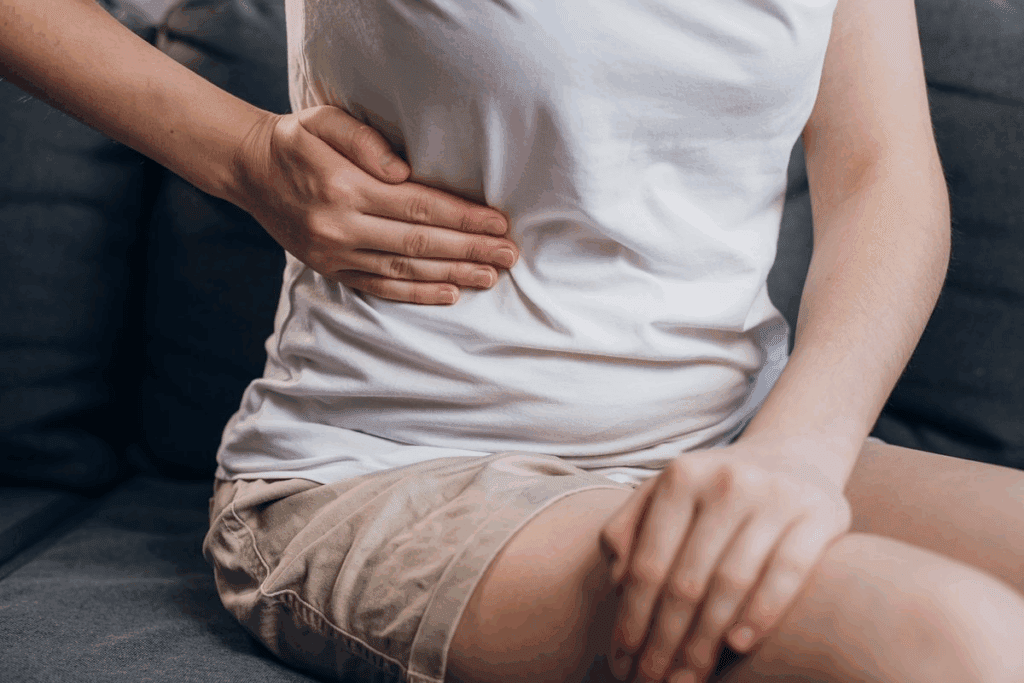
Feeling severe pain in the lower right abdomen can be scary. It might mean you have a serious health problem. At Liv Hospital, we know how important it is to find out why you’re feeling this pain. We want to help you get the right medical care excruciating pain in lower right abdomen.
The lower right part of your abdomen has important organs like the appendix, intestines, and reproductive organs. If these organs get hurt, infected, or sick, it can cause severe and debilitating pain. We’ll look at the medical conditions that can cause this pain, their signs, and how to treat them.
Key Takeaways
- Lower right abdominal pain can be caused by various medical conditions, some of which require immediate attention.
- Understanding the underlying causes is key for the right diagnosis and treatment.
- Liv Hospital combines expertise with patient-centered care to deliver accurate diagnoses and effective treatment.
- Advanced diagnostic imaging and multidisciplinary approaches are used to identify the source of the pain.
- Prompt medical attention is essential for severe or persistent lower right abdominal pain.
Understanding the Lower Right Abdomen
Pain in the lower right abdomen can come from many sources. It’s important to know the anatomy and organs in this area. The right lower quadrant is home to vital structures that can be affected by different conditions.
Anatomy and Organs in This Region
The lower right abdomen has parts of the colon, like the cecum and appendix. It also has the right ovary and fallopian tube in women. Knowing the anatomy here is key to figuring out the cause of pain.
The cecum is a pouch at the start of the large intestine. It’s where the appendix is attached. The appendix is small and its purpose is not clear. But, it can get inflamed, causing appendicitis.
Organ/Structure | Function | Potential Issues |
Cecum | Beginning of the large intestine | Inflammation, infection |
Appendix | Unknown, possibly immune function | Appendicitis |
Right Ovary and Fallopian Tube | Reproductive functions | Cysts, ectopic pregnancy, torsion |
How to Describe Your Pain to Doctors
Telling your doctor about your pain is very important. When you explain your symptoms, think about these points:
- Location: Show where the pain is.
- Intensity: Rate your pain from 1 to 10.
- Duration: How long have you had pain?
- Triggers: What makes your pain better or worse?
- Associated Symptoms: Do you have fever, nausea, or other symptoms?
By knowing the anatomy of the lower right abdomen and describing your pain well, you help your doctor. They can then make a correct diagnosis and plan the right treatment.
Recognizing Excruciating Pain in Lower Right Abdomen

The lower right abdomen is a complex area where pain can show up in different ways. This can mean different health problems. It’s key to know the type of pain to figure out the cause and what to do next.
Characteristics of Different Pain Types
Pain in the lower right abdomen can feel sharp, dull, or crampy. Sharp pain usually means a sudden problem, like a rupture or severe inflammation. Dull pain might point to a long-term issue or a problem that’s getting worse slowly. Crampy pain often comes from stomach problems, like indigestion or gas.
Knowing these pain types helps narrow down what might be wrong. For example, sharp pain in the right abdomen could be from appendicitis. Pain that gets worse when you breathe might mean a problem with the diaphragm or a lung issue affecting the belly.
Pain Patterns That Suggest Specific Conditions
The way pain moves can also give clues. For instance, pain starting near the belly button and moving to the lower right is often a sign of appendicitis. Pain that gets worse with movement or is with other symptoms like fever, nausea, or vomiting, is serious and needs quick medical help.
Pain Characteristic | Possible Condition | Associated Symptoms |
Sharp, severe pain | Appendicitis, ruptured ovarian cyst | Fever, nausea, vomiting |
Dull, chronic pain | Inflammatory bowel disease, endometriosis | Weight loss, changes in bowel habits, pelvic pain |
Crampy pain | Irritable bowel syndrome, gastrointestinal infection | Bloating, gas, diarrhea or constipation |
Understanding the type and pattern of pain helps when talking to doctors. It makes it easier to find out what’s wrong and how to treat it. Always see a doctor if you have ongoing or severe pain in the right side of your belly.
Appendicitis: The Most Common Emergency Cause
Appendicitis is a serious condition that needs quick treatment to avoid serious problems. It happens when the appendix gets inflamed, causing sharp pain in the lower right abdomen. This is a common reason for sudden, severe abdominal pain that needs immediate doctor’s care.
Early Warning Signs and Symptoms
The signs of appendicitis can start with a dull pain near the navel or upper abdomen. This pain then becomes sharp and moves to the lower right. Other symptoms include:
- Loss of appetite
- Nausea or vomiting
- Low-grade fever
- Abdominal tenderness
- Constipation or diarrhea
It’s important to notice these appendicitis symptoms early. If you have severe pain in the right side waist area or other signs of appendicitis, get medical help right away.
Diagnostic Process for Appendicitis
Doctors use a physical exam, medical history, and tests to diagnose appendicitis. They may apply gentle pressure to the abdomen to check for tenderness. Tests like ultrasound or CT scans help confirm the diagnosis.
Diagnosing appendicitis can be tricky because its symptoms are similar to other conditions. But, a detailed check by a doctor is key to figuring out what’s causing your pain.
Treatment Options and Recovery
The usual treatment for appendicitis is removing the appendix surgically, called an appendectomy. Sometimes, doctors give antibiotics first to treat the infection. Most people recover quickly after surgery, but some may face complications.
Recovering from appendicitis surgery means resting, managing pain, and following up with your doctor. It’s important to stick to your doctor’s post-surgery instructions for a smooth recovery.
Kidney Stones: When Pain Radiates from Back to Abdomen
Kidney stones are hard mineral deposits in the urinary tract. They cause severe pain that moves from the back to the lower abdomen. This problem affects millions worldwide and can happen again to some people.
Formation and Risk Factors
Kidney stones form when urine’s balance is off, causing minerals to crystallize. Many things can raise your risk, like not drinking enough water, eating too much salt and animal protein, being overweight, and certain health issues.
Key risk factors for kidney stones include:
- A family history of kidney stones
- Dehydration or inadequate fluid intake
- A diet high in salt, sugar, and animal protein
- Obesity or being overweight
- Certain medical conditions like gout or urinary tract infections
Distinguishing Kidney Stone Pain
The pain from kidney stones is intense. It’s felt in the back and side, then moves to the lower abdomen. This pain, called renal colic, can change in intensity and come in waves. People with kidney stones often feel a dull ache in the lower right abdomen.
Other symptoms include:
- Pain at the right side of the waist
- Nausea and vomiting
- Fever and chills if there’s an infection
- Blood in the urine
Treatment Approaches and Prevention
Treatment for kidney stones depends on the stone’s size and how bad the symptoms are. Small stones might pass with more water and pain relief. But bigger stones might need medical help, like lithotripsy or surgery.
Prevention strategies include:
- Drinking plenty of water to stay hydrated
- Following a balanced diet that is low in salt and animal protein
- Avoiding excessive intake of oxalate-rich foods if you have calcium oxalate stones
- Managing underlying medical conditions that may contribute to stone formation
Knowing the causes and risk factors of kidney stones helps prevent them. It also helps manage symptoms better.
Gynecological Causes in Women
Gynecological issues often cause lower right abdominal pain in women. It’s important to get a quick diagnosis and treatment. Knowing the causes helps manage the pain better.
Ovarian Cysts and Ruptures
Ovarian cysts are fluid-filled sacs on the ovaries. Most are harmless and go away on their own. But, some can burst, causing sharp pain.
Treatment for ovarian cysts depends on their size and whether they have ruptured. Small, unruptured cysts might be watched with ultrasounds. Larger or ruptured cysts might need surgery.
Ectopic Pregnancy and Emergencies
An ectopic pregnancy happens when a fertilized egg implants outside the uterus, often in a fallopian tube. This is a medical emergency. It can cause pain on the right side of the lower abdomen.
Symptoms include abdominal pain, vaginal bleeding, and dizziness. If you think you might have an ectopic pregnancy, get medical help right away.
Endometriosis and Chronic Pain
Endometriosis is when tissue like the uterus lining grows outside the uterus. It often causes chronic pain. This pain can be in the lower abdomen and change with the menstrual cycle.
Managing endometriosis includes hormonal treatments, pain relief, and sometimes surgery to remove the growths.
Condition | Common Symptoms | Typical Treatment Approaches |
Ovarian Cysts | Lower abdominal pain, bloating, pelvic pain | Monitoring, surgery for large or ruptured cysts |
Ectopic Pregnancy | Abdominal pain, vaginal bleeding, dizziness | Immediate medical attention, often surgery |
Endometriosis | Chronic pelvic pain, menstrual irregularities | Hormonal treatments, pain relief, surgery |
It’s key for women with lower right abdominal pain to know about gynecological conditions. Quick diagnosis and right treatment can greatly help.
Gastrointestinal Conditions Affecting the Right Side
Pain in the lower right abdomen can be a symptom of various gastrointestinal conditions. Each has its own causes and treatments. We will look at inflammatory bowel disease, diverticulitis, and gallbladder inflammation as key conditions.
Inflammatory Bowel Disease
Inflammatory bowel disease (IBD) includes Crohn’s disease and ulcerative colitis. These conditions cause chronic inflammation in the GI tract. Crohn’s disease often affects the lower right abdomen.
Symptoms of Crohn’s Disease:
- Diarrhea
- Abdominal pain and cramping
- Weight loss
- Fatigue
To diagnose Crohn’s, doctors use endoscopy, imaging, and biopsy. Treatment includes medications, surgery, and lifestyle changes.
Diverticulitis in the Right Colon
Diverticulitis happens when small pouches in the colon get inflamed. It’s more common on the left but can also occur on the right. This causes pain in the lower right abdomen.
Risk factors for diverticulitis include:
- Age
- Low-fiber diet
- Obesity
- Smoking
Condition | Common Symptoms | Diagnostic Tools | Treatment Options |
Crohn’s Disease | Diarrhea, abdominal pain, weight loss | Endoscopy, imaging, biopsy | Medications, surgery, lifestyle changes |
Diverticulitis | Abdominal pain, fever, nausea | CT scan, colonoscopy | Antibiotics, bowel rest, surgery |
Gallbladder Inflammation | Severe pain, fever, jaundice | Ultrasound, CT scan | Surgery, pain management |
Gallbladder Inflammation and Gallstones
Gallbladder inflammation, often due to gallstones, causes severe pain. This pain is usually in the right upper abdomen but can spread to the right lower abdomen.
Symptoms of gallbladder inflammation include:
- Severe abdominal pain
- Fever
- Nausea and vomiting
- Jaundice
It’s important to understand these conditions for proper diagnosis and treatment. If you have persistent or severe abdominal pain, see a healthcare professional for help.
Urinary Tract Infections and Kidney Inflammation
Lower right abdominal pain can signal urinary tract infections or kidney inflammation. These issues need quick medical help. We’ll look at symptoms, how to diagnose, and treatment options.
Symptoms Specific to the Lower Right Quadrant
Urinary tract infections and kidney inflammation show unique signs in the lower right area. Common symptoms include:
- Pain or burning when you pee
- Needing to pee a lot
- Pain in the lower belly, which can be sharp
- Fever and feeling cold
- Seeing blood in your pee
Kidney inflammation pain often starts in the lower back and moves to the lower right belly. It’s key to notice these signs to get medical help fast.
Diagnosis and Treatment Approaches
Doctors use physical checks, medical history, and lab tests to find UTIs and kidney inflammation. Diagnostic tests may include:
- Urine tests to look for bacteria, blood, or pus
- Imaging like ultrasound or CT scans to see the kidneys and urinary tract
- Blood tests to check for infection or inflammation
Treatment usually means antibiotics to fight the infection. Sometimes, you might need to stay in the hospital. Supportive care like drinking lots of water and managing pain is also important for getting better.
It’s vital to finish all antibiotics and go to follow-up visits. This makes sure the infection is gone for good.
Musculoskeletal Causes of Right Abdominal Pain
Musculoskeletal issues can cause right abdominal pain. Many first think of stomach or female problems. But, muscle and bone problems are also big factors. We’ll look at how strains and injuries in the abdominal wall lead to pain.
Abdominal Wall Strains and Injuries
Abdominal wall strains happen when the stomach muscles stretch or tear. This can be from sudden twists, heavy lifting, or direct hits to the stomach. The pain can be sharp and stabbing, getting worse with movement or coughing.
As one study points out, “abdominal wall pain can often be misdiagnosed as coming from inside the belly.”
Symptoms of abdominal wall strains include:
- Pain that gets worse with movement
- Tenderness to the touch
- Pain that is localized to one area
When Breathing or Movement Worsens Pain
Pain that gets worse with breathing or movement is a sign of muscle or bone problems. Activities like coughing, sneezing, or deep breathing can make the pain worse. This is because these actions add more strain to the already hurt muscles.
For example, someone with a strain in the abdominal wall might feel stabbing pain on the right side of the abdomen when they cough or sneeze. This kind of pain can be very uncomfortable and is often sharp or stabbing.
A medical expert once said, “Understanding the nature of the pain is key to diagnosing muscle and bone causes of abdominal pain.” By noticing how pain changes with movement or breathing, doctors can find the cause and plan treatment.
“The key to diagnosing musculoskeletal pain is recognizing its relationship with movement and physical activity.”
To treat musculoskeletal causes of right abdominal pain, treatment often includes rest, physical therapy, and pain management. Sometimes, more tests are needed to check for other causes.
Differential Diagnosis: When Conditions Mimic Each Other
Lower right abdominal pain can be a symptom of many conditions. This makes finding the right diagnosis very important. We must look at many possible causes to find the true problem.
Common Misdiagnoses and Look-alike Conditions
Some conditions can look very similar, making it hard to tell them apart. For example, appendicitis and kidney stones both cause pain in the lower right abdomen. But, the pain’s feel and other symptoms can help tell them apart.
- Appendicitis starts with pain near the navel, then moves to the lower right. It also brings nausea and fever.
- Kidney stones cause sharp pain that moves from the back to the lower abdomen. They also cause blood in the urine.
Other issues like gynecological problems can also look like appendicitis. A detailed medical history and physical check are key to finding the right diagnosis.
Comprehensive Diagnostic Approaches
Getting to the bottom of lower right abdominal pain needs a thorough approach. This includes:
- Taking a detailed medical history to look for risk factors and past health issues.
- Doing a physical exam to understand the pain and other symptoms.
- Using imaging like ultrasound, CT scans, or MRI to see the organs inside.
- Running lab tests, like blood work and urinalysis, to check for infection or inflammation.
By using all these methods together, we can find the real cause of the pain. Doctors say, “A differential diagnosis is not just listing possible causes. It’s a careful process of ruling out options to find the right answer.”
“The key to successful diagnosis is not just knowing what the disease is, but also understanding what it is not.”
— Medical Expert
In summary, finding the cause of lower right abdominal pain is a big deal. By looking at many conditions and using a detailed approach, we can give the right diagnosis and treatment.
When to Seek Emergency Medical Attention
It’s important to know when to get emergency help for severe abdominal pain. Finding out when to seek help can be tough, but it’s key. We aim to help you spot the signs that mean you need to get medical help fast.
Red Flag Symptoms That Require Immediate Care
Some symptoms with lower right abdominal pain mean you need emergency care. These include:
- Severe pain that gets worse or makes it hard to breathe
- Vomiting blood or seeing blood in your stool
- A fever over 101.5°F (38.6°C)
- Abdominal tenderness or muscles tensing up
- Sudden, sharp pain in the abdomen
If you or someone you know has these symptoms, get emergency care right away. Waiting can cause serious problems, like organ failure or death.
What Information to Provide to Healthcare Providers
When you see a doctor, give them all the details. This includes:
- Tell them about your pain, when it started, how long it lasts, and what it feels like
- Mention any other symptoms, like fever, nausea, or vomiting
- Share your medical history, including surgeries, allergies, and conditions
- List the medicines you’re taking
- Tell them about any recent travel or exposure to sickness
By giving this info, doctors can figure out what’s wrong and how to fix it. Getting help quickly can really help your chances of feeling better.
Conclusion: Managing Abdominal Pain and Preventing Recurrence
Managing abdominal pain and preventing it from coming back is key to staying healthy. We’ve looked at why the lower right abdomen hurts, like with appendicitis, kidney stones, and gynecological issues. Knowing the cause helps find the right treatment.
There are many ways to handle abdominal pain and stop it from happening again. For example, changing your diet and managing stress can help with right side stomach cramps. Sometimes, you might need medical help to fix the problem.
To stop pain from coming back, you need a whole plan. This includes eating well, knowing what might trigger pain, and seeing a doctor if pain doesn’t go away. Taking these steps can help you avoid severe pain and feel better overall.
Handling abdominal pain well needs teamwork between doctors and patients. Together, we can make a plan that fits your needs. This way, you can deal with pain better and avoid it in the future.
FAQ
What are the common causes of pain in the lower right abdomen?
Common causes include appendicitis, kidney stones, and ovarian cysts. Ectopic pregnancy and endometriosis are also common. Inflammatory bowel disease, diverticulitis, and gallbladder inflammation can also cause pain. Urinary tract infections and musculoskeletal conditions are other possible causes.
How can I describe my lower right abdominal pain to my doctor?
Try to describe the pain as accurately as you can. Mention if it’s sharp, dull, or crampy. Say if it’s constant or comes and goes. Also, tell your doctor what makes it better or worse.
What are the early warning signs of appendicitis?
Signs of appendicitis include severe pain, nausea, and vomiting. You might also lose your appetite and have a fever. If you notice these symptoms, get medical help right away.
How do kidney stones cause pain in the lower right abdomen?
Kidney stones can cause sharp pain that moves from the back to the lower abdomen. You might also feel nauseous and vomit.
What are the symptoms of ovarian cysts and ruptures?
Ovarian cysts can cause pelvic pain and bloating. A ruptured cyst can lead to severe pain, nausea, and vomiting.
How is inflammatory bowel disease diagnosed and treated?
Doctors use your medical history, physical exam, endoscopy, and imaging tests to diagnose it. Treatment includes medicines, lifestyle changes, and sometimes surgery.
What are the red flag symptoms that require immediate medical attention?
Severe pain, vomiting blood, fever, and abdominal tenderness are red flags. Signs of shock also need immediate care. If you see these, go to the emergency room.
How can I prevent future episodes of lower right abdominal pain?
Keep a healthy lifestyle with a balanced diet and regular exercise. Manage stress and any medical conditions. Follow your doctor’s advice for treatment and follow-up.
What information should I provide to my healthcare provider when seeking medical attention for lower right abdominal pain?
Tell your doctor about your symptoms, when they started, and how long they last. Share what makes them better or worse. Also, mention your medical history and any past treatments.
Can musculoskeletal conditions cause lower right abdominal pain?
Yes, conditions like abdominal wall strains can cause pain. Doctors can diagnose these through a physical exam and imaging tests.
What is the role of differential diagnosis in identifying the cause of lower right abdominal pain?
Differential diagnosis helps find the right cause of pain. It involves looking at many possible causes and using tests to confirm or rule them out.
References
National Center for Biotechnology Information. Evidence-Based Medical Guidance. Retrieved from https://www.ncbi.nlm.nih.gov/pmc/articles/PMC8378095/