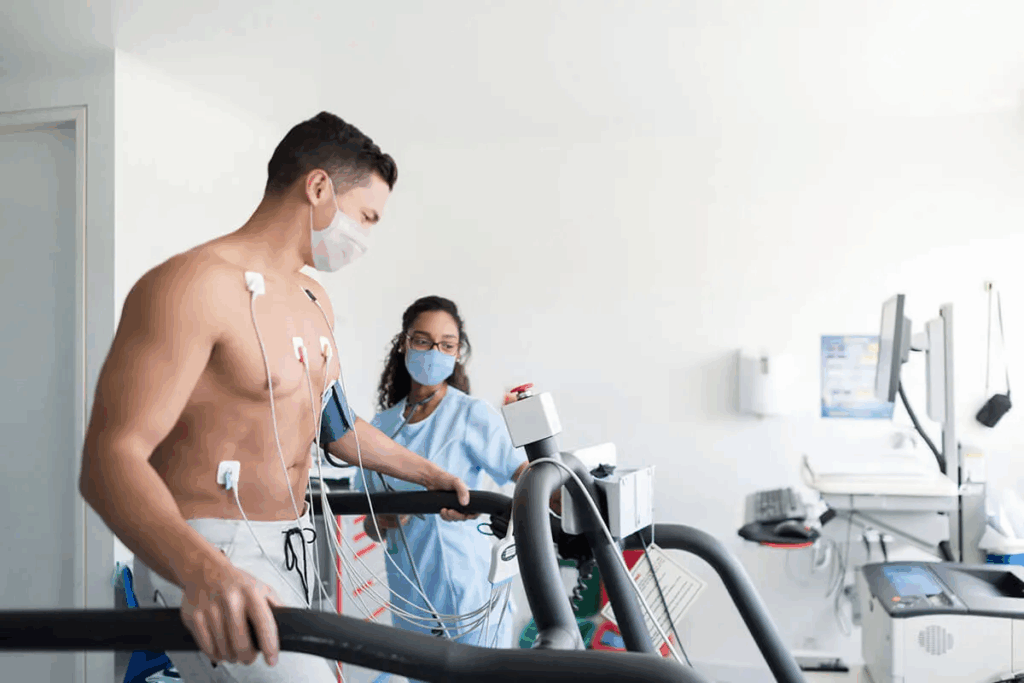
Getting back to exercise after heart bypass surgery is tough. But, studies show that safe, structured exercise is key for a good recovery.
At Liv Hospital, we know a full treatment plan is vital. We make sure post-heart surgery exercise is a big part of getting better.
Many studies say regular exercise helps a lot after heart surgery. We’ll show you how to safely start moving again.
Key Takeaways
- Cardiac rehabilitation is key for a good recovery after heart bypass surgery.
- Structured exercise helps improve outcomes and lowers risks.
- A full treatment plan includes post-heart surgery exercise.
- Regular exercise boosts function and long-term health.
- Exercise under doctor’s watch ensures a safe recovery.
The Importance of Physical Activity Following Cardiac Surgery
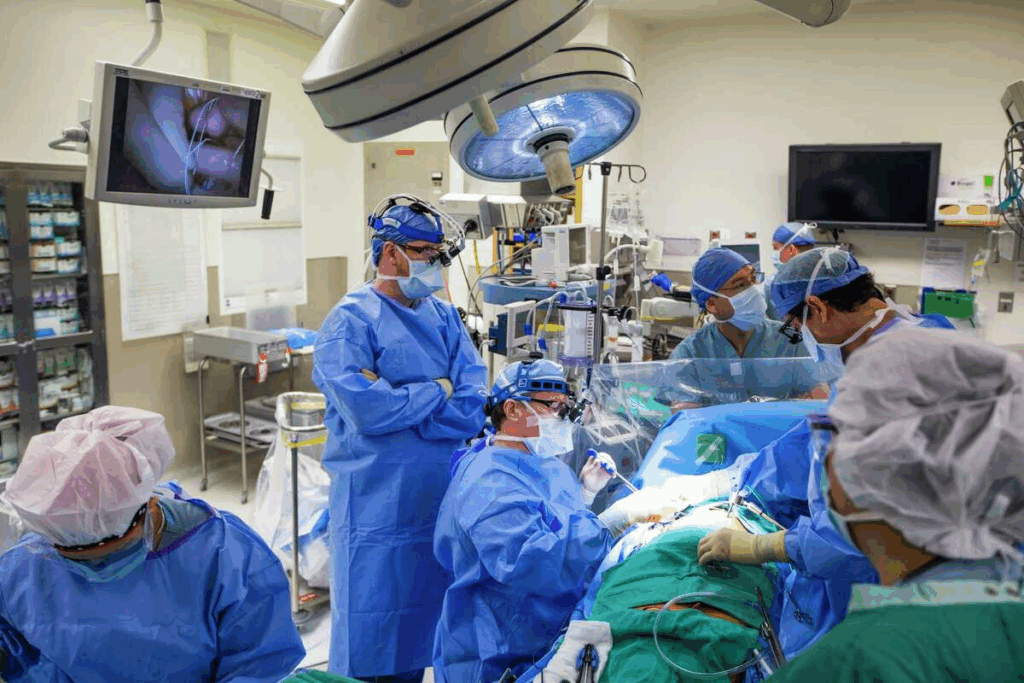
Exercise after heart surgery is key for recovery. It greatly improves long-term health. A good exercise plan is essential for better recovery, backed by medical studies.
Improving Recovery Outcomes through Exercise
Exercise after heart surgery fights muscle stiffness and boosts circulation. It also increases endurance, improves mental health, and boosts immunity. Studies show it lowers the risk of more health problems.
A study in the Journal of the American Heart Association found benefits. Patients who exercised after CABG surgery had better heart health and lower future heart risks.
Medical Evidence Supporting Post-CABG Exercise
Doctors recommend exercise after CABG for many reasons. It helps with physical recovery and improves mental health. It also reduces depression and anxiety after surgery.
Benefits of Exercise Post-CABG | Clinical Evidence |
Improved Cardiovascular Health | Studies show enhanced cardiovascular function and reduced risk of future heart issues. |
Enhanced Physical Endurance | Patients experience increased stamina and reduced fatigue. |
Better Mental Health | Exercise reduces symptoms of depression and anxiety. |
Setting Realistic Recovery Goals
Setting realistic goals is vital for recovery. Patients should work with their doctors to set safe, achievable goals. This ensures a gradual and safe return to activity.
Start with low-intensity exercises and slowly increase them. This keeps motivation high and prevents overdoing it.
Recovery Timeline: What to Expect After Heart Bypass
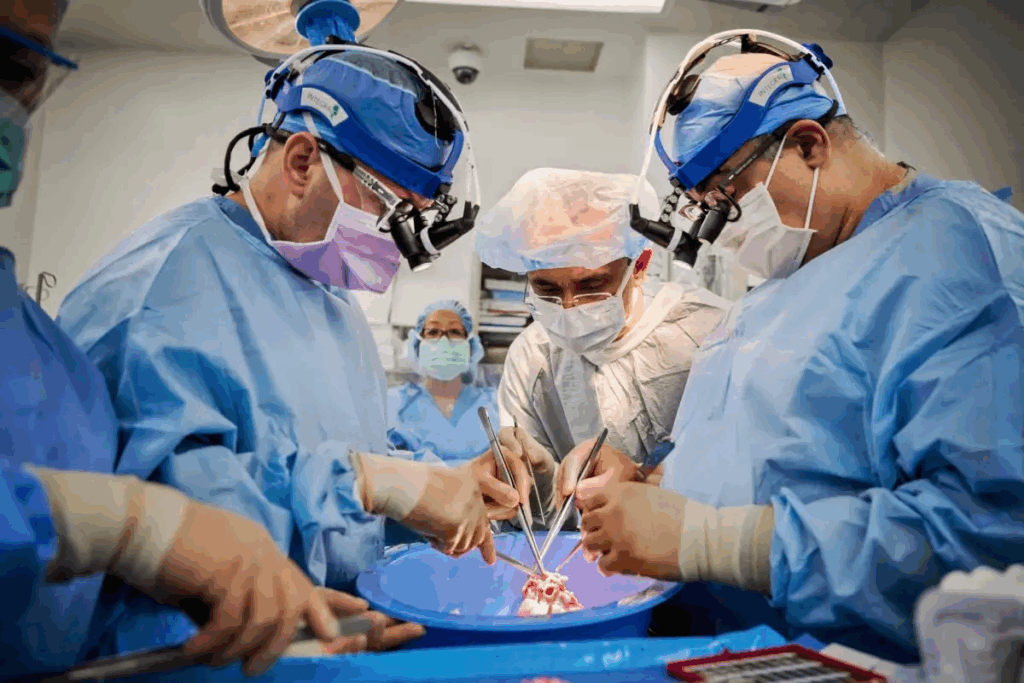
Knowing what to expect after heart bypass surgery is key. It helps patients plan their recovery well. The journey has different stages, each with its own challenges and goals.
Hospital Phase (Days 1-7)
Right after surgery, patients start their recovery in the hospital. “The first few days are critical for managing pain, preventing complications, and starting the rehabilitation process,” says Dr. John Smith, a cardiothoracic surgeon. Patients usually stay in the hospital for 5 to 7 days, getting care from a team of experts.
During this time, moving early is important. It helps prevent blood clots and boosts blood flow. Simple actions like sitting up, standing, and short walks are encouraged.
Early Home Recovery (Weeks 1-4)
After leaving the hospital, patients start the early home recovery phase. This lasts from 1 to 4 weeks. It’s vital to keep up with the rehab started in the hospital. A structured walking program is recommended, with activities gradually increasing.
As Dr. Jane Doe, a cardiologist, points out, “The first few weeks at home are key for a successful recovery. Listen to your body and don’t push too hard.”
Intermediate Recovery (Weeks 4-12)
In the intermediate phase, patients can do more activities. This stage is important for building strength and improving heart health.
A good exercise plan, possibly through cardiac rehab, can help a lot. It’s important to keep track of progress and adjust activities as needed.
Long-Term Recovery (Beyond 12 Weeks)
The long-term recovery phase goes beyond 12 weeks. It focuses on keeping up the progress made earlier and improving health further. Adopting a healthy lifestyle, including a balanced diet and regular exercise, is advised.
“Long-term recovery is not just about regaining health but also about maintaining it. A heart-healthy lifestyle is key to avoiding future heart problems,” stresses Dr. John Smith.
By understanding and following the recovery timeline, patients can improve their healing after heart bypass surgery.
Early Mobilization: First Steps After Surgery
Getting moving after heart surgery is key to recovery. It’s best to start moving one to two days after surgery. This helps regain strength, improves blood flow, and lowers the risk of problems.
In-Hospital Movement (Days 1-2)
In the first days, patients do gentle exercises and short walks in the hospital. This helps prevent blood clots and improves lung function. Your healthcare team will help you do these safely and right.
Typical in-hospital activities include:
- Short walks along the hospital corridor
- Gentle stretching exercises
- Moving from a lying position to sitting and eventually standing
Transitioning to Home Activities (Days 3-14)
As you get better, you’ll do more activities at home. It’s important to follow your healthcare team’s advice for a smooth recovery. At home, you might do short walks, light housekeeping, and more.
A study in the Journal of Thoracic and Cardiovascular Surgery shows early movement helps. It reduces problems and death after heart surgery. A good plan for moving is key to better results.
“Early mobilization is a critical component of post-operative care following cardiac surgery. It not only aids in physical recovery but also has a positive impact on the patient’s mental well-being.” – Dr. John Smith, Cardiothoracic Surgeon
Monitoring Vital Signs and Symptoms
It’s important to watch your vital signs and body’s signs. Keep an eye on your heart rate, blood pressure, and any unusual symptoms. If you notice chest pain, dizziness, or trouble breathing, tell your doctor right away.
Vital Sign/Symptom | Normal Range | Action if Abnormal |
Heart Rate | 60-100 bpm | Contact your doctor if consistently outside this range |
Blood Pressure | 90/60 – 120/80 mmHg | Notify your healthcare provider if significantly high or low |
Chest Pain | None or mild | Seek immediate medical attention if severe or persistent |
Understanding the importance of early movement and following your healthcare team’s advice is vital. This ensures a safe and effective recovery after heart bypass surgery.
Walking Program: Foundation of Exercise After Heart Bypass Surgery
A walking program tailored to your recovery needs is key after heart bypass surgery. Walking is the base of cardiac rehab. It helps patients slowly get stronger and better heart health.
Weeks 1-2: Starting with 5-10 Minute Sessions
Begin with slow walks for about 5 minutes, three times a day. This gentle start lets your body heal safely. Always watch how your body feels and adjust your walks as needed.
Weeks 3-4: Progressing to 15-20 Minute Walks
Next, you can walk for 15-20 minutes. Increase your walk time based on how you feel and your doctor’s advice. It’s important to listen to your body and not rush.
Weeks 4-6: Building to 30-40 Minute Brisk Walks
By weeks 4-6, you might walk briskly for 30-40 minutes. Brisk walking boosts heart health and overall well-being. Keep your walking technique and posture right during this time.
Proper Walking Technique and Posture
For the best walking program benefits, keep your technique and posture right. Hold your head up, relax your shoulders, and swing your arms naturally. Don’t overstep and try to land on your midfoot or forefoot. Good posture helps with breathing and lowers injury risk.
Safe Activities During Early Recovery (Weeks 1-4)
After heart bypass surgery, it’s key to rest and do gentle exercises. This mix helps your body heal, lowers the chance of problems, and boosts your recovery.
Approved Low-Intensity Exercises
Start with easy exercises that are kind to your heart and body. These include:
- Short walks, gradually increasing in duration
- Gentle stretching to maintain flexibility
- Light household chores that don’t strain the body
These activities improve blood flow, strengthen your heart, and boost your physical health. They do this without putting too much stress on your body.
Breathing Exercises and Their Benefits
Breathing exercises are vital for recovery. They boost lung function, cut down stress, and help you relax. Deep breathing, diaphragmatic breathing, and paced breathing are great options.
To do deep breathing exercises:
- Find a comfy spot, sitting or lying down
- Inhale slowly through your nose, letting your belly rise
- Hold your breath for a few seconds
- Exhale slowly through your mouth, letting your belly fall
Do this a few times, focusing on your breath’s rhythm.
Gentle Range of Motion Activities
Doing gentle exercises keeps you flexible and stops stiffness. These include:
- Neck stretches
- Shoulder rolls
- Arm circles
- Ankle rotations
Do these slowly and gently, without sudden or jerky movements.
Activities to Strictly Avoid
It’s also important to know what to avoid early on. These include:
- Heavy lifting (more than 10 pounds)
- Driving, if you’re on pain meds
- High-intensity exercises or sudden strenuous activities
- Bending or straining, which can put pressure on the chest
Staying away from these activities prevents issues like wound reopening or too much strain on your heart.
By sticking to these guidelines and slowly adding safe activities, you can have a smooth recovery after heart bypass surgery.
Progressing Your Exercise Routine (Weeks 4-8)
After heart bypass surgery, you can start to do more exercises. From weeks 4-8, you can add moderate activities to your routine. This builds on what you learned in the first recovery phase.
Introducing Moderate-Intensity Activities
Start adding moderate activities like brisk walking, swimming, or cycling from weeks 4-8. Begin slowly and watch how your body reacts. Start with short sessions and increase them as you get fitter.
Using the Rate of Perceived Exertion Scale
The Rate of Perceived Exertion (RPE) Scale helps you know how hard you’re working. The Borg RPE Scale goes from 6 to 20. For moderate exercise, aim for 12-14 on the scale. Use this scale with other methods to stay safe.
Monitoring Heart Rate During Exercise
It’s key to watch your heart rate while exercising. Use a heart rate monitor or feel your pulse. For moderate exercise, aim for 50-70% of your max heart rate. Talk to your doctor to find the right range for you.
Balancing Activity with Adequate Rest
It’s important to balance exercise with rest. Rest days are not lazy, they’re part of recovery. Listen to your body and rest when needed. Too much exercise can cause fatigue or injury, so rest is vital.
When Can You Start Jogging After Open Heart Surgery?
Recovering from open heart surgery is a journey with many milestones. One of these is when you can start jogging again. We’ll help you understand the important steps to take before jogging after heart surgery.
The 10-12 Week Milestone Explained
Doctors usually say wait 10 to 12 weeks before jogging after surgery. This time lets the sternum heal and lowers the risk of problems. It’s important to follow this advice for a safe recovery.
Pre-Jogging Fitness Assessment
Before jogging, you need a fitness check. This test shows how fit you are for harder activities. A doctor will look at your health, how active you are now, and any risks.
Starting a Walk-Jog Program Safely
Start with a walk-jog program to get used to jogging. It helps you build endurance and see how your body reacts. Start with fast walking and add short jogging bits, watching your heart rate and how you feel.
Signs You’re Not Ready for Higher Impact Exercise
Know when you shouldn’t do high-impact exercises. Look out for chest pain, dizziness, or trouble breathing. If you see these signs, stop and talk to your doctor. Also, if you’re worried about your exercise plan, ask for medical advice.
Weight Lifting Restrictions After Cardiac Surgery
After cardiac surgery, lifting weights needs careful thought and following certain rules. It’s important to balance staying active with avoiding risks. This helps in a smooth recovery from heart bypass surgery.
When Can You Lift Weights After Open Heart Surgery?
At first, patients should not lift more than 10 pounds. This rule helps prevent problems with the sternum and aids in healing.
It’s best to start with light exercises slowly. After 6-8 weeks, you can try light resistance exercises. Always do this with a healthcare professional or physical therapist’s help.
Sternal Precautions and Upper Body Considerations
It’s key to avoid heavy lifting, bending, or stretching early on. These actions can stress the sternum too much.
- Avoid lifting objects heavier than 10 pounds.
- Refrain from pushing or pulling heavy objects.
- Minimize activities that involve bending or twisting.
When starting upper body exercises, begin with simple movements. Then, slowly move to more challenging ones.
Safe Strength Training Progression
Building strength after surgery should be done gradually. Start with low-intensity exercises and slowly increase the intensity. Always do this with a healthcare professional’s guidance.
- Begin with low-intensity exercises such as light stretching and gentle resistance band exercises.
- Progress to moderate-intensity activities, including brisk walking and light weightlifting, under supervision.
- Monitor your body’s response and adjust your exercise routine as needed.
By sticking to these guidelines and working with healthcare experts, you can safely build your strength. This will help improve your recovery.
Warning Signs and Safety Precautions
Knowing the warning signs during exercise after heart bypass surgery is key to staying safe. As you get better, paying attention to how your body reacts to exercise is important. This helps you spot any problems early on.
Red Flags During Exercise
Some symptoms during exercise might mean you should stop and talk to your doctor. These include:
- Dizziness or lightheadedness: Feeling like you might pass out.
- Shortness of breath: Trouble breathing that doesn’t get better when you rest.
- Chest pain or discomfort: Pain, pressure, or tightness in the chest, arms, back, neck, jaw, or stomach.
- Rapid or irregular heartbeat: Heart palpitations or feeling like your heart is racing.
- Unusual fatigue: Feeling extremely tired or weak during or after exercise.
When to Stop Activity Immediately
If you notice any of these symptoms during exercise, stop right away and get medical help:
- Severe chest pain
- Severe shortness of breath
- Dizziness or fainting
- Severe headache or confusion
- Pain or swelling in the legs or arms
Communicating Symptoms to Your Healthcare Team
Telling your healthcare providers about your exercise and any symptoms is very important. Keep a record of your workouts and any red flags. At your follow-up visits, talk about:
- The type and duration of your exercises
- Any symptoms or concerns you have
- Changes in your overall condition
Weather Considerations for Cardiac Patients
Weather can affect your safety when exercising after heart surgery. Keep these tips in mind:
Weather Condition | Precautions |
Extreme Heat | Stay hydrated, avoid exercising during peak heat hours. |
Cold Weather | Dress warmly, avoid sudden changes in temperature. |
High Humidity | Monitor your body’s response, adjust intensity and duration as needed. |
By understanding these weather tips and taking the right precautions, you can safely enjoy the benefits of exercise during your recovery.
Cardiac Rehabilitation Programs
A cardiac rehabilitation program is a detailed plan that includes exercise, education, and support. It helps patients get better after heart surgery. These programs are made just for each person to improve heart health and quality of life.
Advantages of Structured Rehabilitation
Structured cardiac rehabilitation has many benefits. It improves heart health, boosts strength and endurance, and manages heart disease risk factors. Patients learn about their condition and how to make lifestyle changes to support their recovery.
Key benefits of cardiac rehabilitation include:
- Enhanced cardiovascular fitness
- Improved mental health and reduced stress
- Better management of heart disease risk factors
- Increased patient education on heart-healthy lifestyles
- Support from healthcare professionals and peers
Components of a Typical Cardiac Rehabilitation Program
A typical cardiac rehabilitation program includes exercise, education, and counseling. Patients work with a team of healthcare professionals. This team helps create a personalized plan for each patient.
Here’s an overview of what to expect in a typical program:
Program Component | Description |
Exercise Training | Supervised exercise sessions tailored to the patient’s fitness level and health status |
Education | Sessions on heart health, nutrition, stress management, and lifestyle modification |
Counseling | Support and guidance on managing cardiovascular risk factors and adhering to treatment plans |
Working with Exercise Physiologists
Exercise physiologists are key in cardiac rehabilitation. They design and supervise safe and effective exercise programs. They also help patients incorporate physical activity into their daily lives.
Insurance Coverage and Finding Programs
Many insurance plans cover cardiac rehabilitation programs. This is because these programs improve patient outcomes and reduce healthcare costs. Patients should check with their insurance provider to understand their coverage.
To find a cardiac rehabilitation program, patients can:
- Ask their healthcare provider for a referral
- Contact local hospitals or cardiac centers
- Check with professional organizations, such as the American Association of Cardiovascular and Pulmonary Rehabilitation (AACVPR)
By joining a cardiac rehabilitation program, individuals can actively improve their heart health and overall well-being.
Conclusion: Maintaining Heart Health for Life
After heart bypass surgery, keeping a heart-healthy lifestyle is key. Gentle exercises like walking help regain strength and improve heart health. It’s important to keep up with regular physical activity and a balanced diet for your heart’s sake.
It’s vital to follow heart health tips, like watching your heart rate and blood pressure. Managing stress and going to follow-up doctor visits are also important. These steps help lower the chance of future heart problems and improve life quality.
Adding regular walks and healthy choices to your daily life can lead to long-term heart health. We urge patients to stay dedicated to their heart-healthy lifestyle. If needed, don’t hesitate to ask for help from your healthcare team.
FAQ
When can I start exercising after heart bypass surgery?
Start with gentle exercises and mobilization early, like the first day after surgery. Always follow your healthcare team’s advice.
What are the benefits of exercising after cardiac surgery?
Exercise boosts circulation and physical endurance. It also lowers the risk of more health issues, helping you recover better.
How long does it take to recover from heart bypass surgery?
Recovery time varies. You might need several weeks to a few months. The hospital stay is usually 1-7 days. Early home recovery is 1-4 weeks, and intermediate recovery is 4-12 weeks.
What is the recommended walking program after heart bypass surgery?
Start with short walks of 5-10 minutes in the first couple of weeks. Gradually increase to 15-20 minutes by weeks 3-4. Aim for 30-40 minute brisk walks by weeks 4-6.
When can I start jogging after open heart surgery?
You can start jogging around 10-12 weeks. First, do a pre-jogging fitness assessment and get your healthcare provider’s okay.
Can I lift weights after cardiac surgery?
Avoid heavy lifting at first. Start with light weights and gradually increase. Always follow sternal precautions and upper body guidelines.
What are the warning signs during exercise that I should be aware of?
Watch out for chest pain, dizziness, severe shortness of breath, or palpitations. If you notice any, stop and talk to your healthcare team right away.
What is cardiac rehabilitation, and what are its benefits?
Cardiac rehabilitation is a program with exercise, education, and support. It helps patients recover from heart surgery or a heart attack. It improves heart health and reduces future heart risks.
How do I progress my exercise routine after heart bypass surgery?
Start with moderate-intensity activities. Use the Rate of Perceived Exertion Scale and monitor your heart rate. Balance exercise with rest to progress safely.
Are there specific exercises I should avoid after heart surgery?
Yes, avoid heavy lifting, bending, or strenuous activities. This includes heavy upper body use until your healthcare provider says it’s okay.
How can I maintain heart health for life after heart bypass surgery?
Keep a heart-healthy lifestyle with regular exercise, a balanced diet, stress management, and following medication regimens. This is key for long-term heart health.
What are the benefits of continued adherence to a heart-healthy lifestyle?
A heart-healthy lifestyle reduces heart complications, improves well-being, and enhances quality of life.
How do I find a cardiac rehabilitation program?
Ask your healthcare provider for recommendations. Check with local hospitals or cardiac centers. Or search online for programs in your area that your insurance covers.
Will my insurance cover cardiac rehabilitation?
Many insurance plans cover cardiac rehabilitation. Check with your insurance provider to understand your coverage.
What can I expect in a typical cardiac rehabilitation program?
Expect supervised exercise sessions, heart health education, nutrition counseling, and support from healthcare professionals. This includes exercise physiologists.
World Health Organization. Evidence-Based Medical Guidance. Retrieved from https://www.who.int/publications/i/item/9789240015128