Getting back to physical activity after cardiac surgery can be tough and scary for many.exercise after open heart surgery12 Key Steps for Recovery After Ankle Plate and Screw Surgery
At Liv Hospital, we know how key post-operative exercise is for a good recovery and heart health. Our cardiac experts and rehab teams offer tailored advice. They help patients regain confidence in their recovery journey.
Studies show that moving more improves how well you can function and lowers the chance of heart problems later. We’ll guide you on how to exercise safely and well.
Key Takeaways
- Exercise is key for recovery and keeping your heart healthy after heart surgery.
- Getting advice from cardiac specialists is vital for safe and effective workouts.
- Moving more boosts your ability to function and cuts down on heart risks.
- A team of experts can help you feel more confident in your recovery.
- Liv Hospital offers full support for international patients looking for top medical care.
Understanding Your Recovery Journey After Open Heart Surgery

Open heart surgery starts a healing journey where moving your body is key. It’s important to know how exercise helps and how surgery changes your body’s ability to move.
The Importance of Physical Activity After Cardiac Surgery
Exercise after heart surgery is not just good; it’s essential for getting better. Regular activity boosts heart health, improves blood flow, and builds muscle strength. It also helps manage stress and boosts overall health.
Some main benefits of exercise after heart surgery include:
- Improved heart health
- Stronger muscles
- Better stress and anxiety control
- More energy
How Surgery Affects Your Body’s Exercise Capacity
Open heart surgery greatly changes how you can exercise. At first, you might feel weaker and less able to do physical activities. The healing process involves not just the heart but also the sternum and surrounding tissues. Knowing this helps plan a safe and effective workout plan.
After heart surgery, your ability to exercise changes in several ways:
- Less stamina due to surgery
- Potential pain or discomfort with movement
- Changes in heart function and rhythm
Working with your healthcare provider to create an exercise plan is key. This plan should consider these changes and help improve your exercise ability gradually.
The Crucial First Steps: Weeks 1-4 After Open Heart Surgery
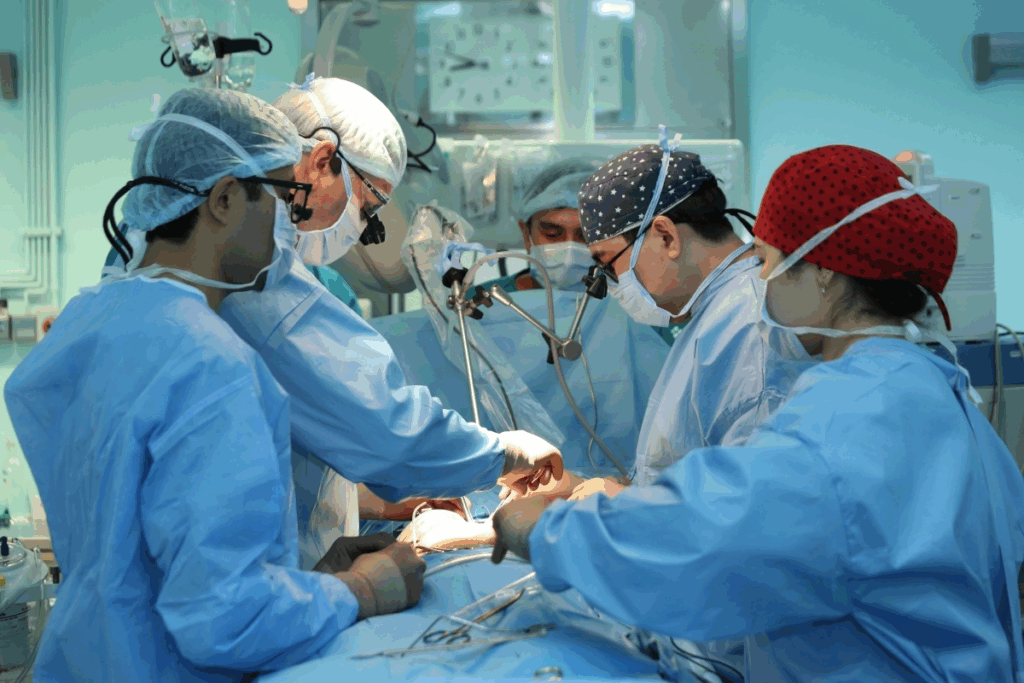
The first weeks after open heart surgery are key for a good recovery. It’s important to rest but also do some gentle exercises. This helps your body heal and avoids problems.
Hospital-Based Exercises and Physical Therapy
In the hospital, you’ll start physical therapy to get stronger and move better. These sessions are made just for you and are very gentle. Hospital exercises might include deep breathing, moving your joints, and short walks. These help stop blood clots, improve blood flow, and lower pneumonia risk.
Physical therapists help you with a safe exercise plan. They teach you how to do exercises right and watch how you’re doing. You might start feeling stronger and more energetic while you’re in the hospital.
Initial Home Activities and Movement Guidelines
When you go home, keep doing gentle exercises and activities. It’s very important to follow the advice from your healthcare team. They make sure you’re doing what’s best for your recovery. Start with short walks, light stretching, and slowly increase how much you move.
- Take short walks around the house, gradually increasing the distance.
- Perform gentle stretching exercises as recommended by your physical therapist.
- Avoid heavy lifting, bending, or strenuous activities.
Also, watch how your body reacts to these activities. If you feel chest pain, dizziness, or really hard to breathe, get help right away.
Walking: Your Foundation for Exercise After Open Heart Surgery
Walking is key after open heart surgery. It boosts heart health and helps you get stronger. It’s important to know how to start and keep up with a walking program.
Starting a Walking Program: Timing and Progression
Doctors usually tell patients to start walking soon after surgery. Begin with short walks and slowly increase the time and how often you walk. Your healthcare team will guide you based on your recovery.
Initial Steps: Start with walks of 2-5 minutes, several times a day. As you get better, add 1-2 minutes every few days.
Monitoring Progress: Listen to your body while walking. If you feel pain or discomfort, stop and talk to your doctor.
How Much Should You Walk After Open Heart Surgery
The right amount of walking varies for everyone. The goal is to walk 20-30 minutes several times a week. Start small and increase your walks gradually.
- Begin with manageable sessions and gradually increase the duration.
- Aim for a brisk pace that doesn’t cause undue strain.
- Incorporate walking into your daily routine, such as walking around your home or neighborhood.
Following a walking program can greatly improve your recovery. Stay hydrated, wear comfy clothes, and listen to your body for a safe walking routine.
Breathing Exercises and Range of Motion Activities After Open Heart Surgery
Recovering from open heart surgery? Try breathing exercises and range of motion activities. They boost your health and lower the chance of problems.
Techniques to Improve Lung Function
Deep breathing is key for better lung function after surgery. It:
- Increases lung capacity
- Reduces pneumonia and respiratory issues risk
- Boosts body oxygenation
To do deep breathing right:
- Choose a comfy sitting or lying position
- Breathe in deeply through your nose, filling lungs
- Hold breath for a few seconds
- Breathe out slowly through your mouth, emptying lungs
- Do this several times
Safe Upper Body Movements During Sternal Healing
Moving your upper body is vital for flexibility and avoiding stiffness. But, do these movements carefully to not hurt your sternum.
Activity | Description | Precautions |
Shoulder Rolls | Roll your shoulders forward and backward in a circular motion | Avoid rolling your shoulders too far back, which can strain your sternum |
Arm Raises | Gently raise your arms above your head, then lower them back down | Keep your movements slow and controlled to avoid jerking your sternum |
Chest Expansion | Stand in a doorway with your hands on the doorframe at shoulder height, then lean forward | Be cautious not to stretch too far, which can put undue stress on your sternum |
Adding these exercises to your routine can greatly improve lung function and keep your upper body flexible. It also helps your sternum heal safely.
Cardiac Rehabilitation: Structured Recovery Support
Cardiac rehabilitation is key for patients to get back in shape after heart surgery. It’s a program that includes monitored workouts, heart-healthy living tips, and stress management. It’s all about helping you get better, based on your needs.
What to Expect in a Cardiac Rehab Program
In cardiac rehab, a team of experts will help you on your recovery path. First, they’ll check your health and fitness level. Then, they’ll make a workout plan just for you, with exercises like cardio, strength training, and stretching.
Key components of a cardiac rehab program include:
- Supervised exercise training sessions
- Education on heart-healthy diet and nutrition
- Stress management and relaxation techniques
- Ongoing monitoring of your progress and health indicators
Benefits of Supervised Exercise Training
Supervised exercise is a big part of cardiac rehab. It boosts your heart health, increases your stamina, and improves your physical function. Plus, it’s safe because healthcare pros are there to watch over you.
The benefits of supervised exercise training include:
Benefit | Description |
Improved Cardiovascular Health | Enhanced heart function and reduced risk of future heart problems |
Increased Strength and Endurance | Better ability to perform daily activities and enjoy physical hobbies |
Weight Management | Assistance in achieving and maintaining a healthy weight |
Reduced Symptoms | Decrease in symptoms such as chest pain and shortness of breath |
Joining a cardiac rehab program can greatly improve your recovery. It lowers the chance of future health issues and boosts your life quality. It’s a supportive way to regain your health and strength after heart surgery.
Monitoring Exercise Intensity and Heart Rate After Open Heart Surgery
Starting your recovery after open heart surgery means learning about exercise intensity and heart rate. This knowledge is key to safe and effective workouts. It ensures a smooth recovery process.
Using Rate of Perceived Exertion (RPE)
The Rate of Perceived Exertion (RPE) scale is a great way to check your workout intensity. It asks you to rate how hard you feel you’re working. This simple method matches up well with heart rate and other signs of how hard you’re working.
With the RPE scale, you rate your effort from 6 to 20. Six is no effort at all, and 20 is the maximum. For those recovering from heart surgery, aim for an RPE of 11 to 14. This means you’re working at a moderate level.
Heart Rate Guidelines After Cardiac Surgery
Keeping an eye on your heart rate while exercising is also important. Your doctor will give you specific heart rate limits. Usually, these are between 100 to 120 beats per minute. But, this can change based on your health and surgery details.
Activity Level | Recommended Heart Rate | RPE Scale |
Low Intensity | 60-80 bpm | 6-10 |
Moderate Intensity | 80-100 bpm | 11-14 |
High Intensity | 100-120 bpm | 15-20 |
Technology and Tools for Monitoring
There are many tools to help you track your exercise intensity and heart rate. Heart rate monitors, fitness trackers, and smartwatches are popular. These devices give you real-time feedback on your heart rate and other important signs.
When picking a device, think about its accuracy, how easy it is to use, and any extra features. Features like GPS tracking or alerts for heart rhythm problems can be helpful.
When Can You Lift Weights After Open Heart Surgery?
Deciding to lift weights after open heart surgery needs careful thought. The healing time varies based on health, surgery type, and doctor’s advice.
Usually, you can’t lift heavy for 6-8 weeks after surgery. This is because your sternum needs time to heal. Heavy lifting can cause problems like sternal instability or infection.
Sternal Precautions and Healing Timeframes
Following sternal precautions is key for healing. These include avoiding heavy lifting and pushing. It takes at least 6-8 weeks for the sternum to heal enough for normal activities.
Starting Resistance Training: Techniques and Progression
When cleared by your doctor, start with light weights. Gradually increase the weight as you get stronger. Remember to use the right technique to prevent injuries.
Exercise | Initial Weight | Repetitions |
Arm Raises | 1-2 lbs | 10-15 |
Shoulder Press | 1-2 lbs | 10-15 |
Bicep Curls | 1-2 lbs | 10-15 |
Make sure your workout plan fits your recovery. Always check with your doctor or a cardiac rehab expert for a tailored plan.
When Can You Start Jogging After Open Heart Surgery?
Starting to jog after open heart surgery is a big step. Doctors usually say wait 8-12 weeks before jogging. This time lets the sternum heal and checks your heart health.
Transitioning from Walking to Jogging
Going from walking to jogging should be slow. Make sure you’re good at walking first. Start with fast walking and watch how your body feels.
Before jogging, walk for 30 minutes without pain. Then, add short jogging parts to your walks.
Sample Progression:
- Week 1-2: Walk for 5 minutes, jog at a slow pace for 1 minute, repeat for 30 minutes.
- Week 3-4: Increase jogging intervals to 2-3 minutes, with walking breaks in between.
Building Endurance Safely
Getting stronger after heart surgery takes time. Always listen to your body and don’t overdo it. Watch your heart rate and how hard you feel you’re working.
Activity | Duration | Frequency |
Brisk Walking | 30 minutes | 5 times a week |
Jogging Intervals | 1-3 minutes | 3 times a week |
Alternative Cardio Options
If jogging isn’t right for you, try other cardio. You can cycle, swim, or use a stationary bike or elliptical.
Exercise After Heart Attack vs. After Surgery
Knowing the right exercise after a heart attack or surgery is key for a safe recovery. Both situations need careful thought about physical activity. But, the approach can vary based on your health and medical history.
Key Differences in Recovery Approaches
Recovering from a heart attack and surgery are different. Post-MI patients focus on slowly increasing activity to boost heart health. On the other hand, post-surgery patients must wait for their sternum to heal and avoid heavy lifting.
Key differences include:
- Intensity of exercise: Post-MI patients start with lower intensity. Post-surgery patients, like those after CABG, might do more.
- Types of exercises: Post-surgery patients should avoid heavy lifting and high-impact activities until their sternum heals.
- Monitoring: Both groups need to be watched closely. But, post-MI patients might need more monitoring for heart issues.
Post-MI Exercise Guidelines
For heart attack survivors, a structured exercise program is vital. It helps improve heart health and lowers the risk of future heart problems. The program should match the person’s fitness level and health.
General guidelines for post-MI exercise include:
- Start with low-to-moderate intensity aerobic exercises like walking.
- Slowly increase intensity and duration as you get better and can handle it.
- Add resistance training to build muscle strength and improve physical function.
Combining Recovery Plans for Post-Heart Attack Surgery
For those who had surgery after a heart attack, combining recovery plans is important. It’s vital to work with healthcare providers to create a personalized exercise plan.
Key considerations include:
- Give enough time for the sternum to heal.
- Watch for signs of complications or distress.
- Change the intensity and type of exercise based on how you’re doing.
By understanding these differences and tailoring exercise programs, people can safely improve their heart health and overall well-being.
Exercise Guidelines for Specific Cardiac Procedures
Knowing how to exercise after different heart surgeries is key to a smooth recovery. Procedures like CABG (Coronary Artery Bypass Grafting) and valve replacement need their own exercise plans.
Exercise After CABG Surgery
After CABG surgery, you’ll start with gentle exercises. This lets your sternum heal. You’ll begin with arm movements and short walks.
- Start with short walks (5-10 minutes) twice a day.
- Gradually increase walking duration by 5 minutes every few days.
- Avoid heavy lifting (>10 pounds) for 6-8 weeks.
Exercise After Valve Replacement
Valve replacement surgery also means starting slow with exercise. The type of valve and surgery method will shape your exercise plan.
Activity | Initial Phase (<4 weeks) | Intermediate Phase (4-8 weeks) |
Walking | Short walks (5-10 minutes) | Gradually increase to 30 minutes |
Upper Body Exercises | Gentle movements | Progress to light resistance |
Resuming Daily Activities Based on Procedure Type
The type of heart surgery affects when you can go back to daily tasks. You should avoid heavy lifting, bending, and hard activities early on.
By sticking to these guidelines and talking to your doctor, you can recover safely and effectively after heart surgery.
Warning Signs: When to Stop Exercising
Knowing when to stop exercising is key for a safe recovery after open heart surgery. It’s about finding the right balance between staying healthy and avoiding problems. We’ll show you how to spot warning signs and what to do in an emergency.
Recognizing Concerning Symptoms
It’s important to listen to your body during exercise after heart surgery. If you feel any of these symptoms, stop exercising right away:
- Chest pain or discomfort
- Shortness of breath that doesn’t get better with rest
- Dizziness or feeling faint
- Severe fatigue
- Pain or swelling in your legs or arms
These signs could mean you need medical help. If you’re feeling any of these, talk to your doctor.
Emergency Response Protocol
If you have a medical emergency during or after exercise, having a plan is vital. Here’s what to do:
- Stop activity: Stop exercising if you notice any concerning symptoms.
- Rest: Sit or lie down in a comfy spot.
- Call for help: If symptoms don’t go away, call your local emergency number or have someone nearby do it for you.
- Provide information: When help arrives, tell them about your symptoms, medical history, and recent surgery.
Being ready and knowing how to handle emergencies can keep you safe during recovery.
Conclusion: Maintaining Heart Health Long-Term
Maintaining heart health is a long-term commitment. Regular physical activity and healthy lifestyle choices are key. Exercise after heart surgery is not just about recovery; it’s about building a healthier future.
We’ve looked at various aspects of exercising after cardiac surgery. This includes initial hospital-based exercises, walking programs, and more strenuous activities like jogging and weight lifting. The important thing is to progress gradually and listen to your body, ensuring you don’t overexert yourself.
Long-term cardiac health requires sustained effort. By continuing to exercise regularly and making healthy lifestyle choices, you can significantly improve your heart health outcomes. It’s essential to work closely with your healthcare provider to develop a personalized exercise plan that meets your needs and abilities.
By prioritizing your heart health, you can enjoy a better quality of life and reduce the risk of future cardiac complications. We encourage you to stay committed to your exercise routine and healthy habits, embracing a lifelong journey of maintaining heart health.
FAQ
When can I start exercising after open heart surgery?
Start with gentle exercises like walking a few days after surgery. Always follow your healthcare provider’s advice.
How much should I walk after open heart surgery?
Begin with short walks of 5-10 minutes, several times a day. Gradually increase the time and frequency as you get stronger.
When can I lift weights after open heart surgery?
Avoid heavy lifting for 6-8 weeks to let your sternum heal. Always check with your doctor before starting any weightlifting.
Can I jog after open heart surgery?
You can jog after a few weeks to months of walking. Always talk to your healthcare provider before starting.
What is the Rate of Perceived Exertion (RPE), and how is it used?
RPE measures how hard you feel you’re working out. It helps you avoid pushing too hard after heart surgery.
What are the benefits of cardiac rehabilitation after open heart surgery?
Cardiac rehab offers supervised exercise and heart-healthy education. It helps you recover and improve your heart health.
How do I monitor my heart rate during exercise after open heart surgery?
Use a heart rate monitor or check your pulse manually. The Rate of Perceived Exertion (RPE) scale also helps gauge intensity.
Are there specific exercises for patients who have had a heart attack and undergone surgery?
Yes, a tailored exercise plan is needed. It combines post-MI and post-surgical recovery guidelines.
What are the warning signs that I should stop exercising?
Stop if you feel chest pain, dizziness, or severe shortness of breath. Seek medical help if you notice any unusual symptoms.
How long does it take to recover from open heart surgery?
Recovery time varies. Most people take weeks to months to fully recover. Always follow your healthcare provider’s advice.
Can I resume daily activities after open heart surgery?
Yes, but follow your doctor’s advice. The timing depends on your surgery and health.
What are the exercise guidelines after CABG surgery?
Start with gentle exercises like walking. Gradually increase intensity and duration. Your healthcare provider will guide you.
How do I know if I’m overexerting myself during exercise after open heart surgery?
Signs include excessive fatigue, pain, or shortness of breath. If you feel these, slow down or stop and talk to your healthcare provider.
National Center for Biotechnology Information. Evidence-Based Medical Guidance. Retrieved from https://www.ncbi.nlm.nih.gov/pmc/articles/PMC11594755/