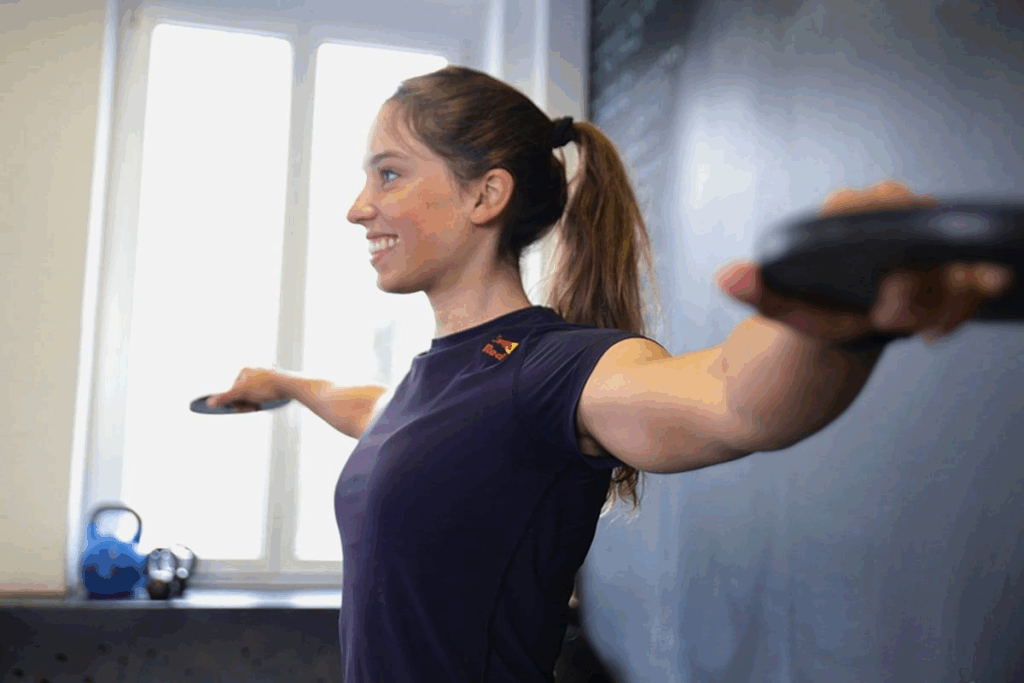
Shoulder internal rotation exercises are key for fixing shoulder problems and preventing injuries. They help strengthen the subscapularis muscle and others like the front deltoids and latissimus dorsi. These muscles work together to keep your shoulder healthy.exercises for internal rotation of shoulderBest for Shoulder Impingement Exercises
At Liv Hospital, we use our team’s expertise and new methods to help patients. We aim to fix shoulder issues, boost athletic skills, or keep shoulders in top shape. Learning the right way to do internal rotation exercises is vital for healing and staying injury-free.
Key Takeaways
- Shoulder internal rotation exercises strengthen key rotator cuff muscles.
- These exercises are vital for rehabilitation and injury prevention.
- Proper technique is essential for effective and safe exercise performance.
- Liv Hospital offers extensive support for international patients.
- Internal rotation strength and range of motion play critical roles in shoulder function.
Understanding Shoulder Internal Rotation
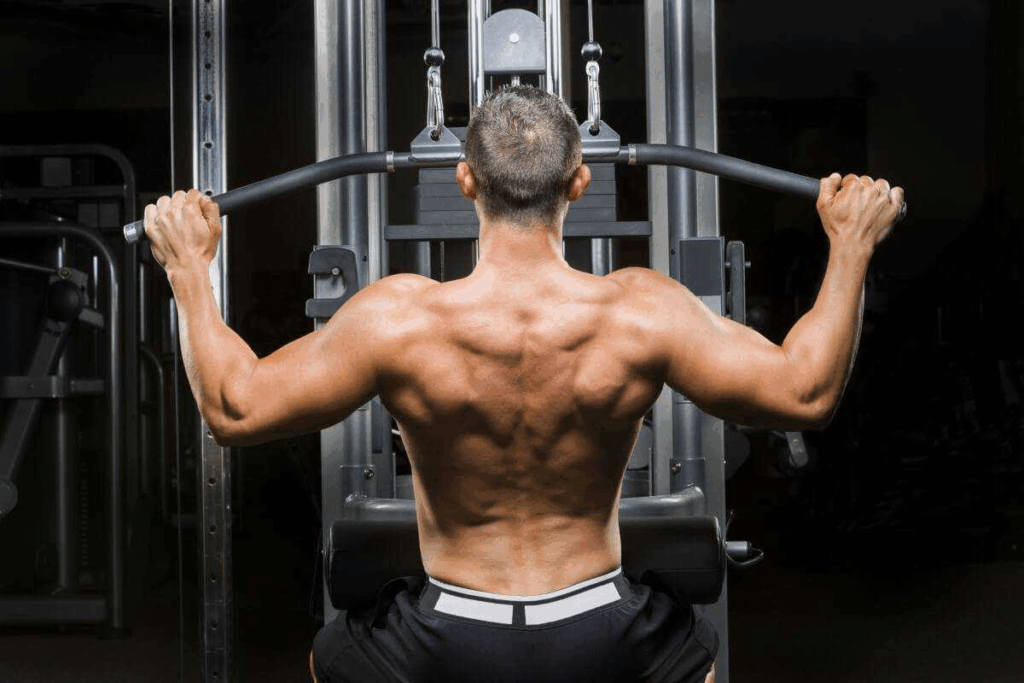
Knowing about shoulder internal rotation is key for keeping your shoulder healthy and avoiding injuries. This movement is vital for daily tasks and sports. We’ll look into what internal rotation is, why it’s important for your shoulder, and how common shoulder problems are.
What Is Internal Rotation?
Shoulder internal rotation means moving your arm towards your body. It’s done by muscles like the subscapularis and others. Internal rotation shoulder exercises help make these muscles stronger, improving your shoulder’s stability and function.
The Importance of Internal Rotation for Shoulder Health
Internal rotation is very important for your shoulder’s health. Having strong and mobile internal rotation helps avoid injuries and pain. Studies show that weak rotator cuff muscles, including internal rotation, cause pain and dysfunction in many people. So, doing internal rotation exercises for shoulder health is essential.
Statistics on Shoulder Dysfunction and Pain
Many people deal with shoulder problems at some point. Shoulder injuries and pain can come from bad posture, too much use, or weak muscles. Knowing how to prevent these issues is important. Regular shoulder IR exercises are a big part of keeping your shoulder healthy.
Anatomy of the Shoulder’s Internal Rotators
To understand the importance of internal rotation exercises, we need to know the anatomy. The shoulder’s internal rotators are muscles and tendons that help with internal rotation. This movement is complex.
Key Muscles Involved in Internal Rotation
The subscapularis, a part of the rotator cuff, is key in this movement. The pectoralis major and latissimus dorsi also play a role. Together, they provide strength and motion for daily tasks and sports.
The Role of the Rotator Cuff
The rotator cuff is vital for shoulder stability and movement. The subscapularis, part of this cuff, helps stabilize the shoulder. It also makes internal rotation smooth. A healthy rotator cuff is key for good shoulder function and injury prevention.
How Internal Rotation Affects Shoulder Function
Internal rotation greatly affects shoulder health and mobility. It’s involved in many daily and athletic movements. Knowing how it impacts the shoulder helps in creating better exercise programs for shoulder health.
Benefits of Regular Exercises for Internal Rotation of Shoulder
Regular exercises for internal rotation are key for a healthy shoulder. They help prevent injuries and keep your shoulder working well. Adding these exercises to your routine can greatly improve your shoulder’s health and performance.
Injury Prevention Benefits
Internal rotation exercises are great for injury prevention. They strengthen the rotator cuff muscles. This makes the shoulder joint more stable, lowering the chance of strains and tears. This is very important for people who do sports or activities that involve moving their arms overhead a lot.
Performance Enhancement for Athletes
For athletes, these exercises boost performance by making the shoulder stronger and more stable. This is good for sports that need throwing, serving, or other overhead actions. Enhanced shoulder stability means athletes can move more powerfully and in control, giving them an edge in competition.
Rehabilitation Applications
Internal rotation exercises are also great for rehab. They help people who have had shoulder injuries or surgeries to get stronger and move better. A good rehab program with these exercises can help people recover faster and more effectively.
Improving Daily Movement Patterns
These exercises also help with daily movements. They strengthen muscles involved in internal rotation. This leads to better posture, less shoulder pain, and more mobility. So, doing everyday tasks becomes easier and less stressful on the shoulder.
Let’s summarize the benefits of internal rotation exercises in a list:
- Reduces the risk of shoulder injuries
- Enhances athletic performance
- Aids in rehabilitation
- Improves daily movement patterns
By adding internal rotation exercises to your workout, you can see these benefits for yourself.
Assessing Your Shoulder Internal Rotation
Checking your shoulder’s internal rotation is key to keeping your shoulders healthy. It helps spot any issues that might cause pain or injury. We’ll show you how to do simple tests and explain what’s normal to help you understand your shoulder better.
Simple Self-Assessment Tests
To check your shoulder’s internal rotation, try a few easy tests at home. One good test is the “shoulder internal rotation test”. Stand with your back against a wall and lift your arm to shoulder height, bending your elbow to 90 degrees. Then, turn your shoulder inward, trying to touch your forearm to the wall behind you.
See how close your forearm is to the wall on both sides. If there’s a big difference, it might mean you have a problem.
Normal Range of Motion Parameters
The normal range for shoulder internal rotation varies from person to person. Generally, a healthy shoulder can rotate inward about 70-90 degrees in a clinical setting. But, how well you can rotate in everyday life can be different.
Identifying Mobility Restrictions
If you find a big difference in how far you can rotate your shoulders, you might have a problem. This could be due to tight muscles, joint issues, bad posture, or muscle imbalances. Catching these issues early can stop them from getting worse.
When to Seek Professional Assessment
If you keep feeling pain, notice a big difference in how you can rotate, or can’t move as much as you should, get checked by a pro. A physical therapist or orthopedic specialist can do detailed tests to find out what’s wrong. They’ll then suggest the best treatment for you.
By checking and understanding your shoulder’s internal rotation, you can keep your shoulders healthy and avoid problems.
Essential Equipment for Shoulder Internal Rotation Training
Good shoulder internal rotation training needs the right tools and technique. The right gear can make your exercises more effective. It helps strengthen the rotator cuff and improves shoulder health.
Resistance Bands and Their Benefits
Resistance bands are great for shoulder exercises because they’re versatile and work well. You can change the resistance to fit your strength level. They’re also good for rehab because they’re easy on the joints and can be used anywhere.
Resistance bands keep tension as you move, which strengthens the muscles. They’re also light and easy to carry, perfect for home or travel workouts.
Dumbbells and Weight Options
Dumbbells are also good for shoulder exercises. They let you adjust the weight for different strength levels. They’re great for getting stronger by adding more weight as you get stronger.
Start with a weight that lets you do the exercise right. Then, add more weight as you get stronger to get the best results.
Household Alternatives for Home Workouts
If you work out at home, you can use things you already have. A water bottle filled with sand or water can be a dumbbell substitute. It gives enough resistance for a good workout.
You can also use a towel or cloth to work out against resistance. Wrap it around something stable and hold the ends. It’s like a homemade resistance band.
Equipment | Benefits | Considerations |
Resistance Bands | Versatile, variable resistance, low-impact | May not be as durable as other equipment |
Dumbbells | Allows for progressive overload, versatile exercises | Requires proper form to avoid injury |
Household Alternatives | Convenient, cost-effective | May not provide consistent resistance |
Using the right equipment makes your shoulder exercises better. Choose from resistance bands, dumbbells, or household items. The most important thing is to do the exercises right and keep at it.
Beginner Shoulder Internal Rotation Exercises
Starting with shoulder internal rotation training? We’ve got simple yet effective exercises for you. These beginner-friendly exercises will help you build a strong foundation for better shoulder health and function.
Side-Lying Internal Rotation
This exercise targets the internal rotators of the shoulder while minimizing stress on the joint. To perform:
- Lie on your side with your affected arm on top.
- Hold a light dumbbell or resistance band.
- Keeping your upper arm steady, rotate your forearm towards your body.
- Slowly return to the starting position.
Tip: Focus on controlled movements to maximize the effectiveness of the exercise.
Standing Band Internal Rotation
This exercise is great for strengthening the muscles involved in internal rotation. Here’s how to do it:
- Stand with your feet shoulder-width apart, holding a resistance band anchored at shoulder height.
- Hold the band with the hand of your affected arm, keeping your elbow at your side.
- Rotate your arm inward, keeping your elbow fixed.
- Return to the starting position slowly.
Remember to keep your movements smooth and controlled.
Isometric Internal Rotation Holds
Isometric exercises are excellent for building strength without moving the joint. To perform an isometric internal rotation hold:
- Stand in a doorway with your affected arm at your side and your elbow bent 90 degrees.
- Press your forearm against the door frame.
- Hold for 5-10 seconds, then release.
By incorporating these exercises into your routine, you’ll be taking significant steps towards improving your shoulder’s internal rotation and overall health. Consistency is key, so aim to practice these exercises regularly.
Intermediate and Advanced Internal Rotation Exercises
Moving to more challenging exercises is key for better shoulder internal rotation. As you get better at basic exercises, you need to push your muscles harder. This helps increase strength and improve how far you can move your shoulder.
Cable Internal Rotation Variations
Cable machines are great for working on internal rotation. You can change the cable height and grip to fit your needs.
- Standing Cable Internal Rotation: This targets the subscapularis muscle, a key rotator cuff part.
- Seated Cable Internal Rotation: This version helps you focus more on the internal rotators because it’s easier to stabilize.
For best results, keep good posture and control the cable as you move.
Dumbbell Internal Rotation Progressions
Dumbbells are also good for strengthening internal rotation muscles. You can keep getting stronger by adding more weight.
Side-lying dumbbell internal rotation is great for working the internal rotators from another angle. It helps balance your strength.
“The key to effective strength training is progressive overload, which means gradually increasing the weight or resistance to continue challenging the muscles.”
Functional Movement Patterns
Adding functional movements to your workouts makes your strength more useful. Examples include:
- Throwing motions
- Lifting objects with rotation
- Sports-specific movements that involve internal rotation
These movements help you get better at everyday tasks or sports. They improve your overall function and performance.
Creating an Effective Program with Exercises for Internal Rotation of Shoulder
A good exercise program can boost your shoulder’s internal rotation and function. To do this, focus on a few key things. These include a gradual increase in exercises, the right number of sets and reps, and fitting them into your current workout plan.
Sample 8-Week Progressive Program
Studies show that doing 3 sets of 10 reps, 3 times a week for 8 weeks can help. Here’s a sample program:
- Weeks 1-2: Start with side-lying internal rotation and isometric internal rotation holds.
- Weeks 3-4: Add standing band internal rotation and move to cable internal rotation variations.
- Weeks 5-6: Use more resistance or weights in your exercises.
- Weeks 7-8: Focus on functional movement patterns and harder variations.
Sets, Reps, and Frequency Guidelines
For the best results, follow these guidelines:
Exercise Type | Sets | Reps | Frequency |
Internal Rotation Exercises | 3 | 10 | 3 times/week |
Isometric Holds | 3 | 5-10 sec hold | 3 times/week |
Integrating with Your Current Workout Routine
To add exercises for internal rotation of shoulder to your routine, do this:
- Put these exercises on the same days as your upper body or shoulder workouts.
- Begin with lower intensity and increase as your shoulder gets stronger.
- Make sure you’re not overdoing it by balancing with enough rest and recovery.
Tracking Progress and Making Adjustments
Check your internal rotation of shoulder rom often and adjust your program as needed. If you see improvements, move to harder exercises. If you feel pain or discomfort, check your technique and consider getting help from a professional.
By sticking to this structured plan and being consistent, you can see big improvements in your shoulder’s internal rotation strength and range of motion. This will help improve your overall shoulder health and function.
Conclusion
We’ve looked into why shoulder internal rotation exercises are key for healthy shoulders. Knowing how the shoulder’s internal rotators work helps. Adding these exercises to your routine boosts shoulder stability and function.
Exercises like those with resistance bands or dumbbells can prevent injuries and boost athlete performance. Doing these exercises regularly helps in rehab and improves how we move every day.
To rotate your shoulder right, focus on the muscles that do the work. Start with simple exercises like lying on your side and rotate your shoulder. Then, move on to harder ones.
Adding shoulder internal rotation exercises to your workouts keeps your shoulders healthy. This improves your life quality and lowers the chance of shoulder injuries.
FAQ
What is internal rotation of the shoulder?
Internal rotation of the shoulder means moving your arm towards your body. It’s key for daily tasks and sports.
Why are shoulder internal rotation exercises important?
These exercises keep your shoulders healthy and prevent injuries. They also boost your sports performance. They strengthen muscles, improving your shoulder’s function and movement.
How do I assess my shoulder internal rotation?
You can check your shoulder’s internal rotation with simple tests. These include measuring how far your arm can move or doing specific exercises. If you find any limits, get a professional to check it out.
What equipment do I need for shoulder internal rotation training?
You’ll need resistance bands and dumbbells for training. For home workouts, you can use towels or cans too.
How often should I perform shoulder internal rotation exercises?
How often you do these exercises depends on your goals and fitness level. Doing them 2-3 times a week is good, with a day off in between.
Can shoulder internal rotation exercises help with rehabilitation?
Yes, these exercises are used in rehab to help your shoulder get stronger after injuries or surgery. They can be adjusted for different needs.
How do I progress my shoulder internal rotation exercises?
To make your exercises harder, increase the resistance, reps, or sets. Try different exercises and use different equipment to keep it interesting.
Are there any risks associated with shoulder internal rotation exercises?
Yes, there are risks if you don’t do these exercises right. Always focus on proper form and start with easy levels. If you’re unsure, talk to a professional.
Can I do shoulder internal rotation exercises at home?
Yes, you can do many exercises at home with just a few pieces of equipment. Even simple things like towels or cans can work.
How long does it take to see improvements in shoulder internal rotation?
Seeing improvements depends on how often you do the exercises, your starting level, and how well you do them. You might notice changes in a few weeks with regular practice.
References
National Center for Biotechnology Information. Evidence-Based Medical Guidance. Retrieved from https://www.ncbi.nlm.nih.gov/pmc/articles/PMC7285972/